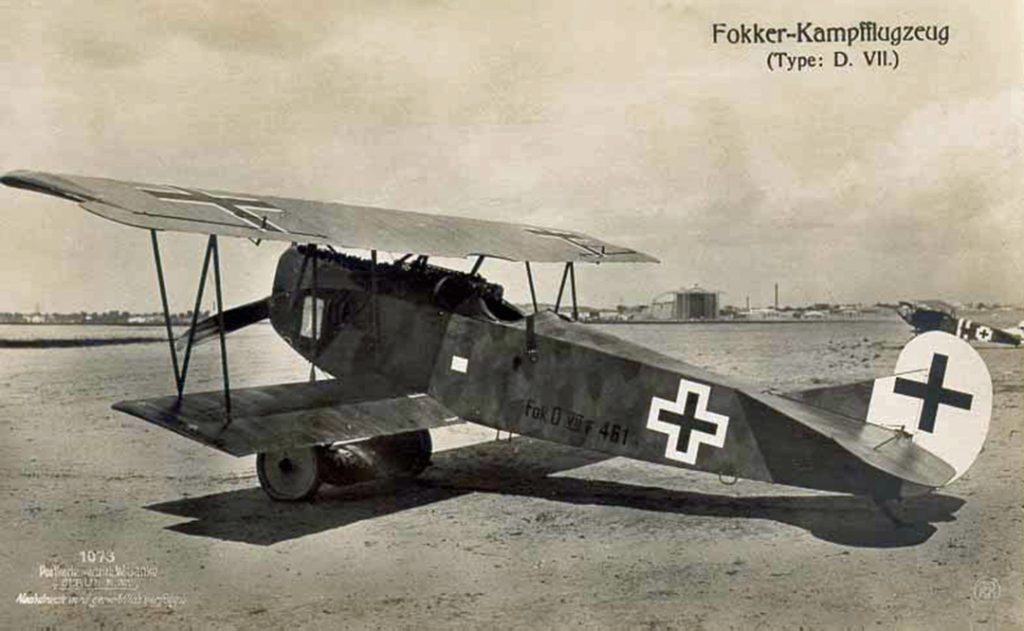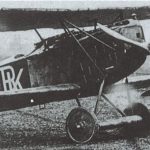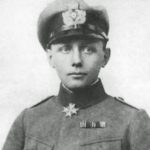
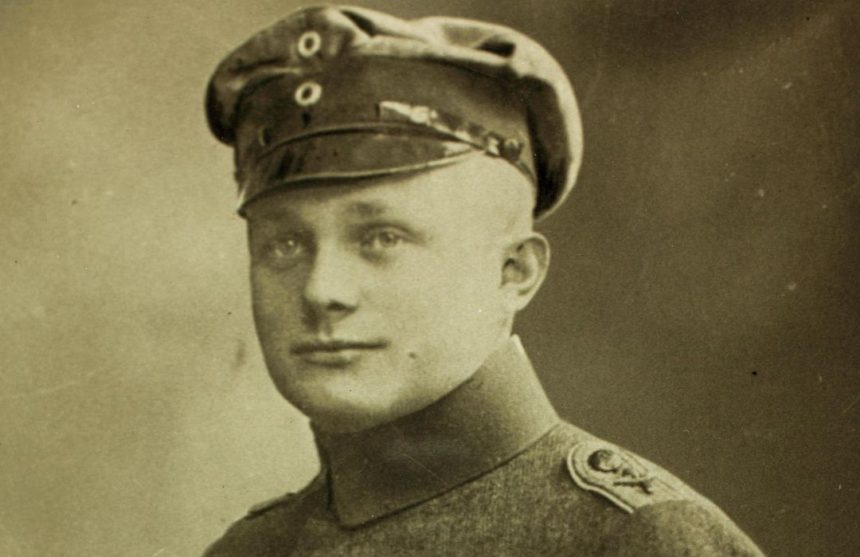

Many German aces served in both WWI and WWII, and Hans Klein was one of them. Born on January 17, 1891, in Stettin, Klein joined the army when WWI started and served in the infantry on the Western Front. He became an officer in March 1915 and, in the spring of 1916, transferred to the German Air Service. He began his flying career with Flieger-Abteilung (Artillerie) 5 and Flieger-Abteilung (Artillerie) 6, focusing on artillery targeting and reconnaissance. Later, Hans Klein joined an early fighter unit called Kampfeinsitzerkommando (Combat Single-Seater Command). He claimed an aerial victory on August 20, 1916, but it was unconfirmed. In November 1916, he was assigned to a fighter unit, Jasta 4.
Ace Journey of Hans Klein
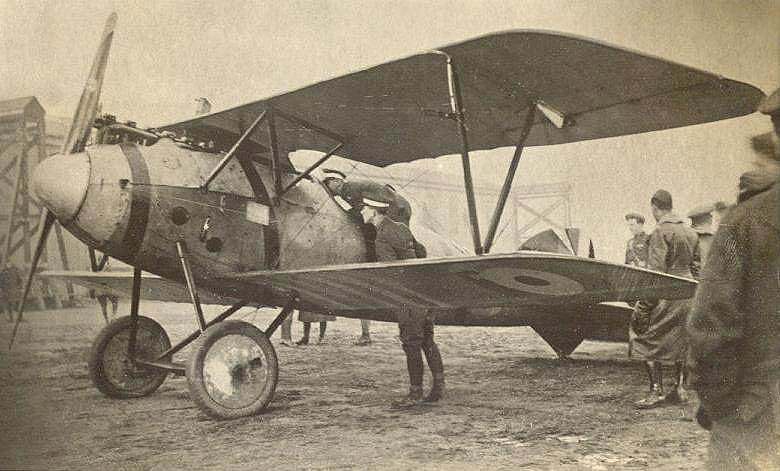
His first victory came while flying in Bloody April, on April 4, 1917. After claiming three more victories, Hans Klein became an ace on April 11, followed by three more victories in the month, bringing his score to eight by the end of Bloody April. He scored his ninth victory on May 6, 1917, and three days later, he was wounded in action. He scored three more victories in June and four in July before he was wounded again at Gistel in combat versus Nieuport 17s on the morning of July 13, 1917. His personal score was 16 at the time. On September 27, 1917, Klein became the commander of Jagdstaffel 10. Hans Klein started scoring victories again on October 2, followed by three more victories in the month, bringing his total to 20. He had already received both classes of the Iron Cross and the Knight’s Cross of the House Order of Hohenzollern. After his 20th victory, he earned the Pour le Mérite. Hans Klein scored two more victories in late November to reach a score of 22.
WWII and Death
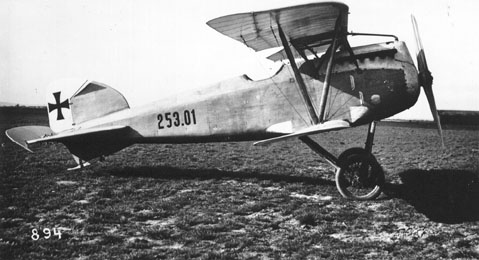
Hans Klein continued to fly without scoring another victory until he was wounded again on February 19, 1918. A British bullet from a Sopwith Camel of No. 54 Squadron RFC hit him, causing him to lose a finger. Sources vary on whether it was his right index finger or his thumb. After he recovered, he served with Jasta 10 in ground duties from April 26, 1918, until the war ended. In WWI, Hans Klein downed six balloons, five aircraft of the B.E.2 family, three R.E.8s, two F.E.2bs, and one each of D.H.4, D.H.5, Sopwith 1½ Strutter, Sopwith Camel, Sopwith Pup, and Bristol F.2b aircraft. After earning an engineering degree, Hans Klein joined the Luftwaffe in 1935 as a major. He led fighter groups JG 133 and JG 53 in late 1939. Later, he became the deputy commander of all fighter schools and reached the rank of major general before retiring in April 1943. He died on November 18, 1944. The official cause of death was injuries from a car accident, but his family believed he was murdered. They claimed an inspection of Klein’s body showed signs of a gunshot wound to the head. In the Aces series, Hans Klein was a persistent ace who kept on pushing himself despite the wounds and served even without a finger. Read stories about more Aces HERE.