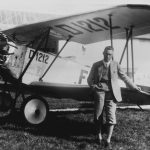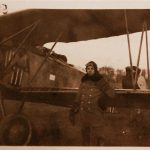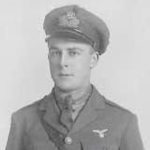

During WWI, Canadian aces performed exceptionally well, and the top Canadian ace, Billy Bishop, scored 72 victories. But few know that Bishop’s brother-in-law, Henry John Burden, was also an ace. Born on April 28, 1894, in Toronto, he graduated from the University of Toronto’s Department of Architecture in 1915. He trained with Sproatt & Rolph, one of the city’s leading architectural firms, before joining the Canadian Army in 1915 during WWI. Burden joined the Canadian Expeditionary Force (CEF) on July 27, 1915, in Toronto, Ontario. After training, he left Canada on March 29, 1916, from Halifax, Nova Scotia. Henry John Burden arrived in England on April 9, 1916, and was then transferred to the 11th Canadian Machine Gun (CMG) Company. He went to France on August 11, 1916, and got to the front lines on August 18, 1916, where he fought in the Battle of Hill 70 with his unit. On February 5, 1917, Burden was sent to No.11 Canadian Field Ambulance for treatment for Influenza and rejoined his unit in February. The next month, Henry John Burden left the 11 CMG and was transferred to England to work with the Forestry Corps. He joined the Royal Flying Corps for flight training in April 1917.
Ace Journey of Henry John Burden
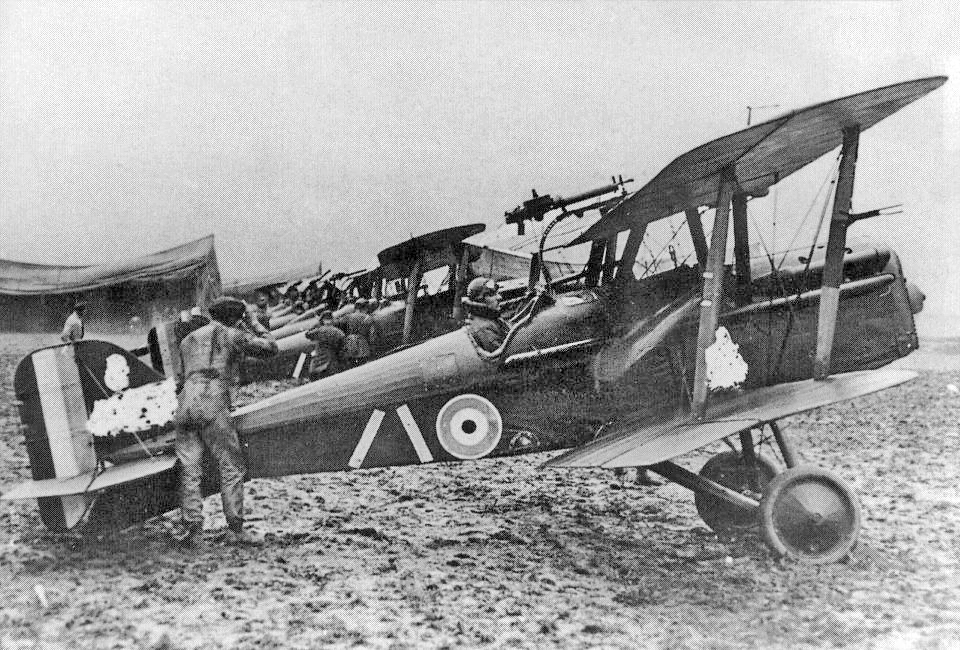
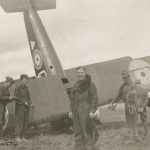
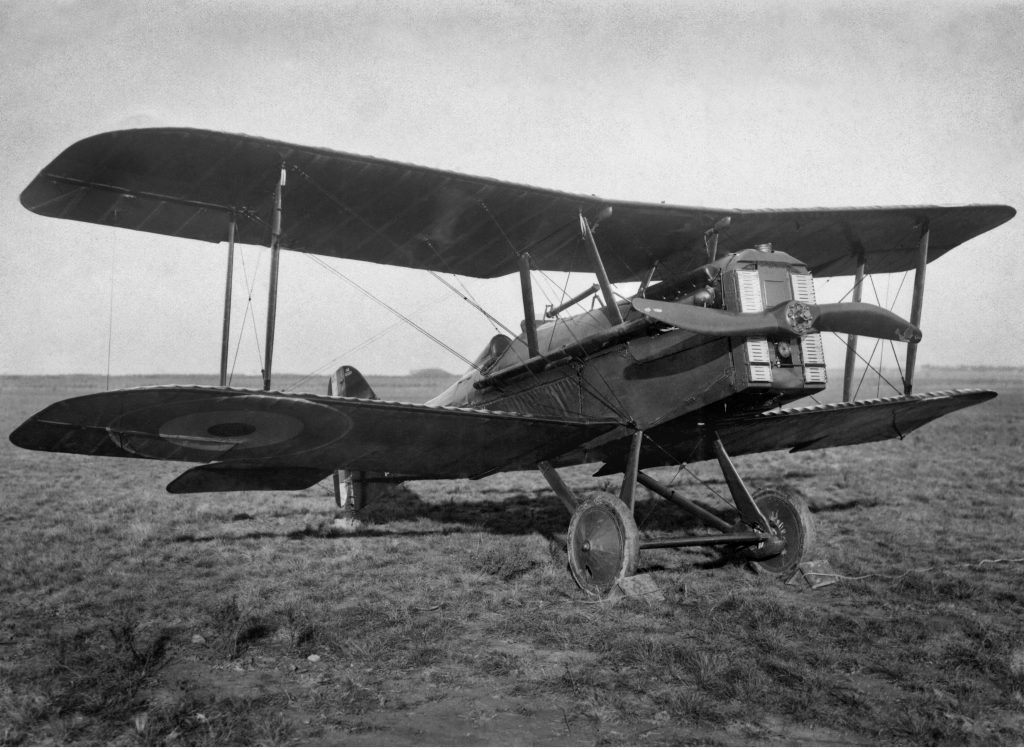
After becoming a qualified pilot, Henry John Burden flew the S.E.5a with No. 56 Squadron in France starting in February 1918. His first victory came on March 21, followed by another one on March 23. After shooting down two more aircraft in May, he became an ace on June 18. He further scored 11 victories in August, bringing his WWI score to 16. On August 10, 1918, Henry John Burden shot down five Fokker D.VIIs. Two days later, he claimed three more. In November 1918, he received the Distinguished Service Order (DSO) and the Distinguished Flying Cross (DFC). His DFC citation said, “This officer took a prominent part in a most successful low bombing attack on an aerodrome. He obtained a direct hit on the objective allotted to him. He further set fire to three enemy machines on the ground with machine-gun fire. On the return journey, he attacked a canal boat. In each case, flying at a very low altitude. A gallant and able patrol leader, who has destroyed three enemy aeroplanes and driven one down out of control, in addition to the three destroyed on the ground.” Burden became an architect after the war. His sister Margaret married Canadian pilot Billy Bishop. Henry John Burden returned to school to further his education in architecture. He worked in the field and eventually became an architecture teacher.
The Legacy
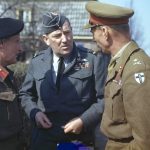
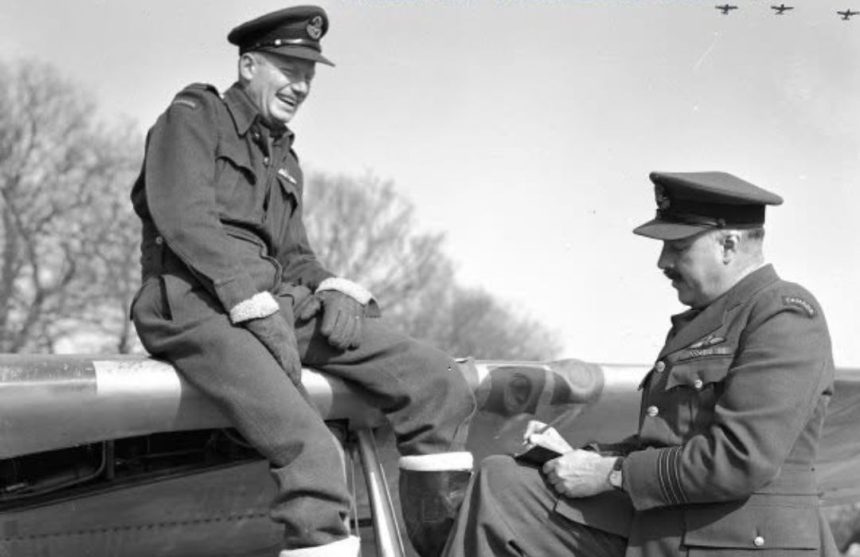
During WWII in 1939, Henry John Burden left his job as an architecture teacher to serve again. He joined the Royal Canadian Air Force (RCAF) as a Flight Lieutenant and rose to the rank of Group Commander. Burden served with the 434 Bomber Squadron at RCAF Station Tholthorpe in Yorkshire, England. He also worked with the 405 Long Range Patrol Squadron (Pathfinder) during the war at Driffield, Yorkshire, England, where he commanded the RCAF Station. Henry John Burden retired in 1944 as a Group Commander after serving his country in both World Wars. Burden passed away on March 28, 1960, at the age of 64. In addition to the DSO and DFC, he received several other medals, including the War Medal, Victory Medal, Defense Medal, Canadian Volunteer Service Medal with Clasp, and the War Medal 1939-45. He was eligible for the Bomber Command Bar, which was awarded many years after he died in 2012. In the Aces series, Henry John Burden was a courageous pilot and leader who served his country whenever needed. A fighter ace from WWI, his name will be remembered alongside greats like his brother-in-law, Billy Bishop. Read stories about more Aces HERE.