





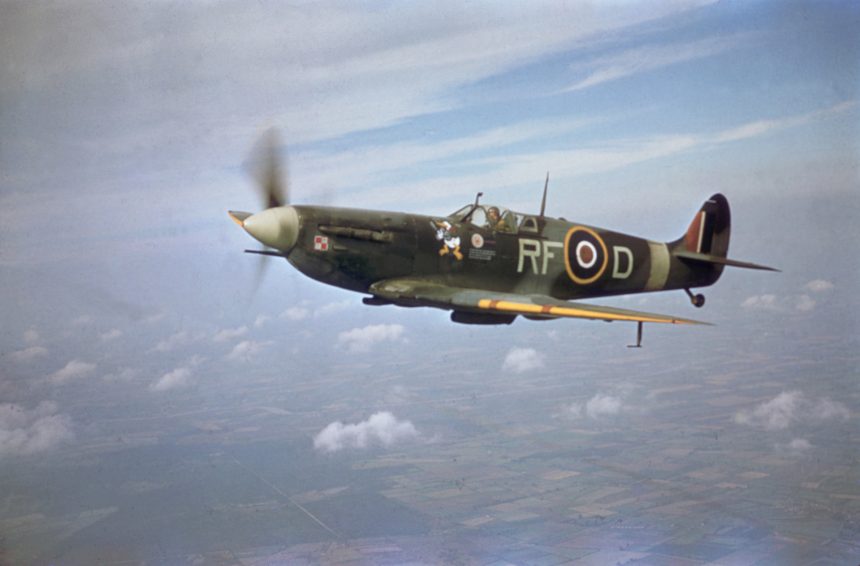

On this day in aviation history, 84 years ago (April 15, 1942), the Supermarine Spitfire Mk Vb tropical flew for the first time. A tropical variant of the highly successful British fighter, this particular Mk Vb featured upgrades that improved the aircraft’s performance in the Mediterranean Theatre of Operations. Prototype Spitfire Mk Vb AB320 was the first tropical edition to take flight. The Spitfire Mk V was developed as a solution to the high-altitude Ju 86 bombers flying raids over Britain in late 1940. These attacks exposed a dire need for a high-altitude-capable variant of the Spitfire. Development of the Spitfire Mk V began as a Mk I airframe that was fitted with the “new” Merlin 45 engine. The 45 produced 1,440 horsepower and featured a new single-stage supercharger. Additionally, the upgraded Merlin featured a carburetor that could keep fuel flowing to the engine, despite zero-G manoeuvres being flown.
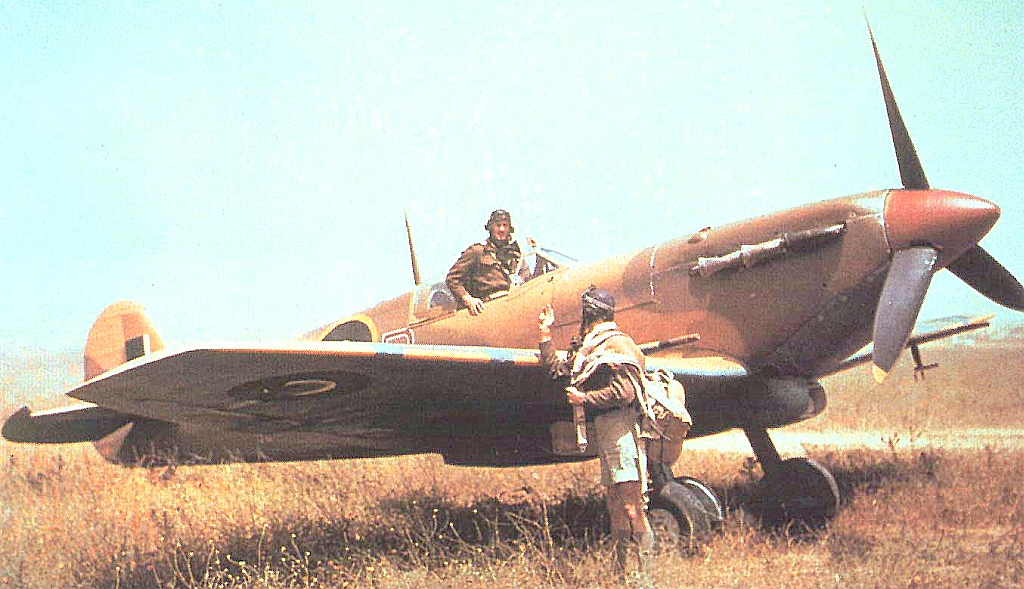
Mk Vb Spitfires featured the “B-type” wing equipped with two Hispano 20 millimeter cannons and four Browning .303 caliber machine guns. The Mk Vb/trop was modified from the original Vb, featuring a large air filter under the nose to handle desert conditions. Supermarine installed a larger oil coolant tank and also placed a desert survival gear pack behind the pilot’s seat. Compared to the non-tropical variant, the Vb/trop had decreased performance due to reduced airflow to the supercharger. Nevertheless, this Spitfire variant’s performance was deemed acceptable.
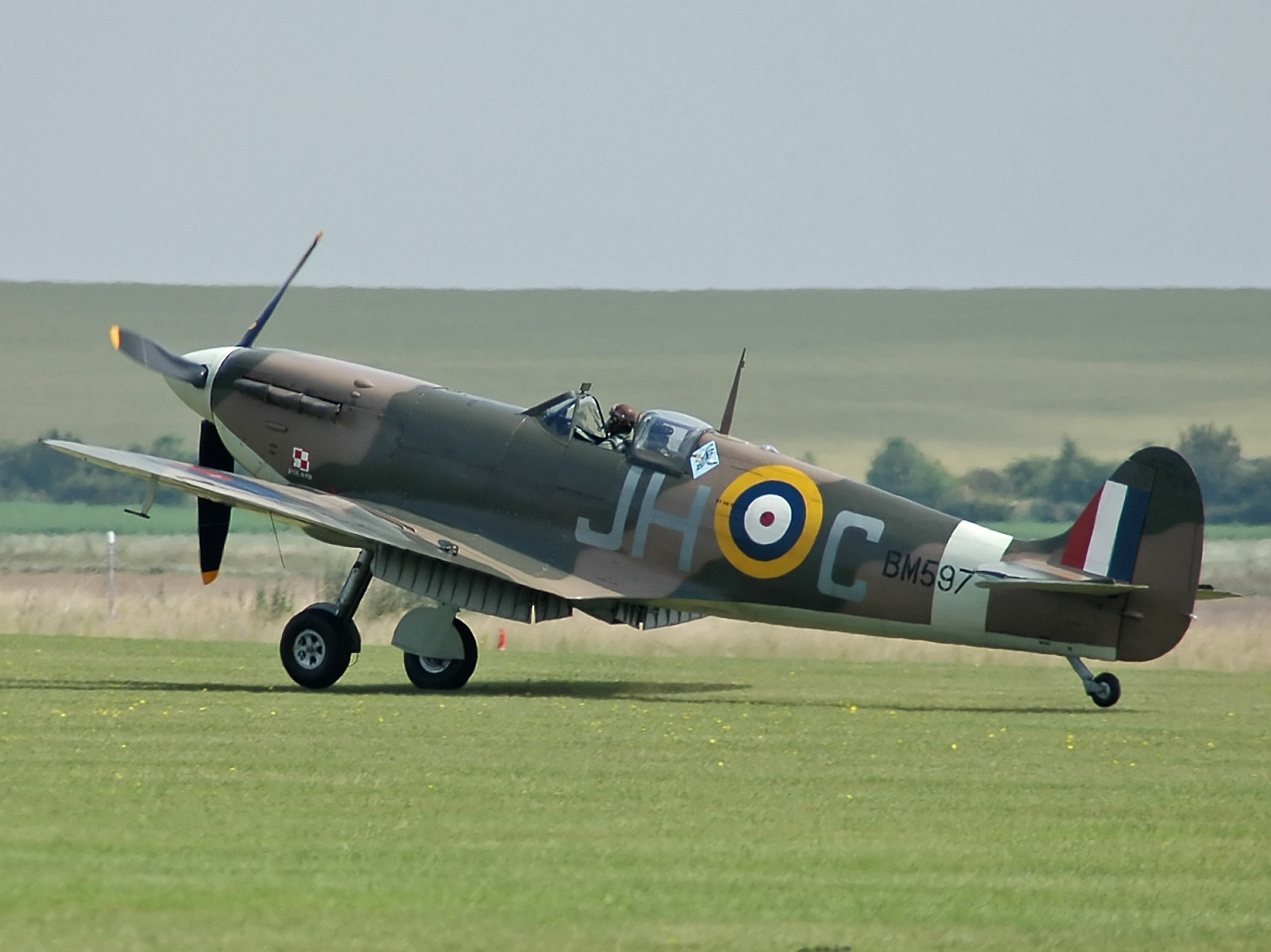
Supermarine Spitfire Mk Vb/trop suffered from the same limitations as other early Spits. A relatively fragile airframe and wings, poor roll rate at high speeds, and no combat flaps to aid in dogfights held the Mk Vb back from greatness. Still, the aircraft proved to fight at its best in close-range combat. A maximum airspeed of 370 mph and a 2,600 feet per minute rate of climb meant the Vb was no slouch. A combat range of 216 nautical miles and a service ceiling of 36,500 feet gave the Spitfire Mk Vb a decent envelope within which to fight.
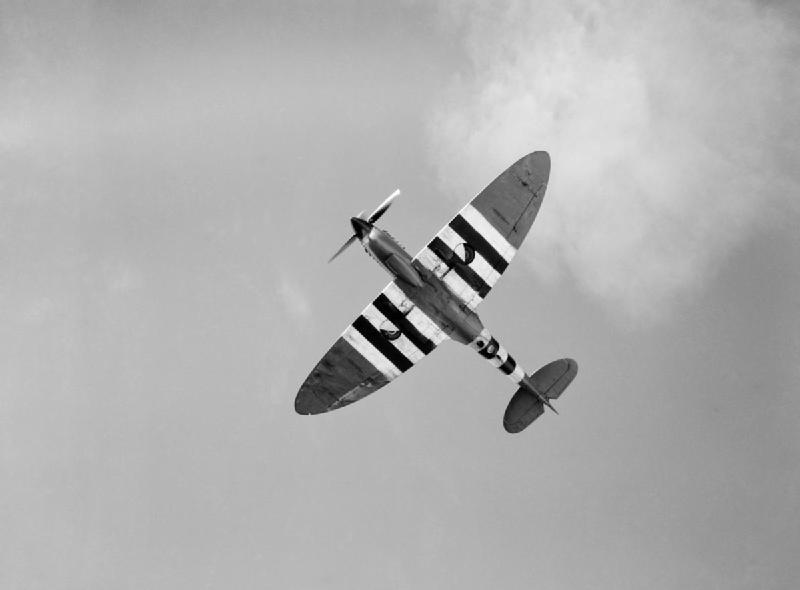







Favourite Aeroplane ✈️. I live in Southampton home of the Spitfire. Few years ago. Spitfire flew over the Main Hospital 🏥 Medical Centre SUHT that serves the City. The Aeroplane ✈️ came over the House.
July this year I will go to Farnborough EXPO AIRSHOW
My father flew Spitfires during the second world war. He spent the bulk of his time in Italy and North Africa. He had done a previous tour flying Hurricanes but was much fonder of the Spitfire. He was awarded the DFC during his time in the Italian / African theater.