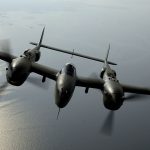

Efforts to continue the ambitious mission to recover another Lockheed P-38 Lightning from Greenland’s icecap—part of the famed “Lost Squadron” buried beneath decades of ice—have been postponed until 2026, according to an official statement released by expedition leads Ken McBride and Jim Salazar. Despite months of planning and logistics, the team was ultimately grounded by uncooperative Arctic weather conditions that prevented safe passage from Europe to Greenland aboard the team’s Antonov An-2 aircraft. The aircraft, essential for transporting crew and equipment to the remote recovery site, encountered repeated delays and was unable to make the crossing in the narrow summer weather window.
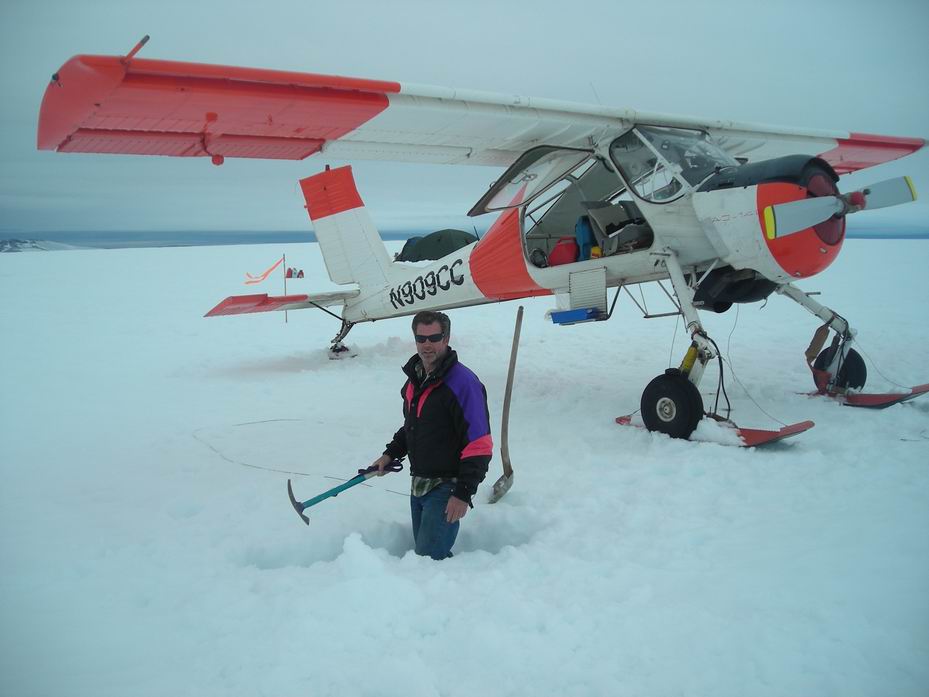
“Unfortunately, weather was uncooperative in our efforts to fly the An-2 from Europe to Greenland,” McBride stated. “While the initial legs went relatively smooth, there were continual delays resulting in an arrival in Iceland well beyond our projected date. The forecasts were not in our favor from Iceland to Greenland, and time was running out for our pilots and the radar team waiting in Kulusuk. The decision was made to postpone operations until next year.”
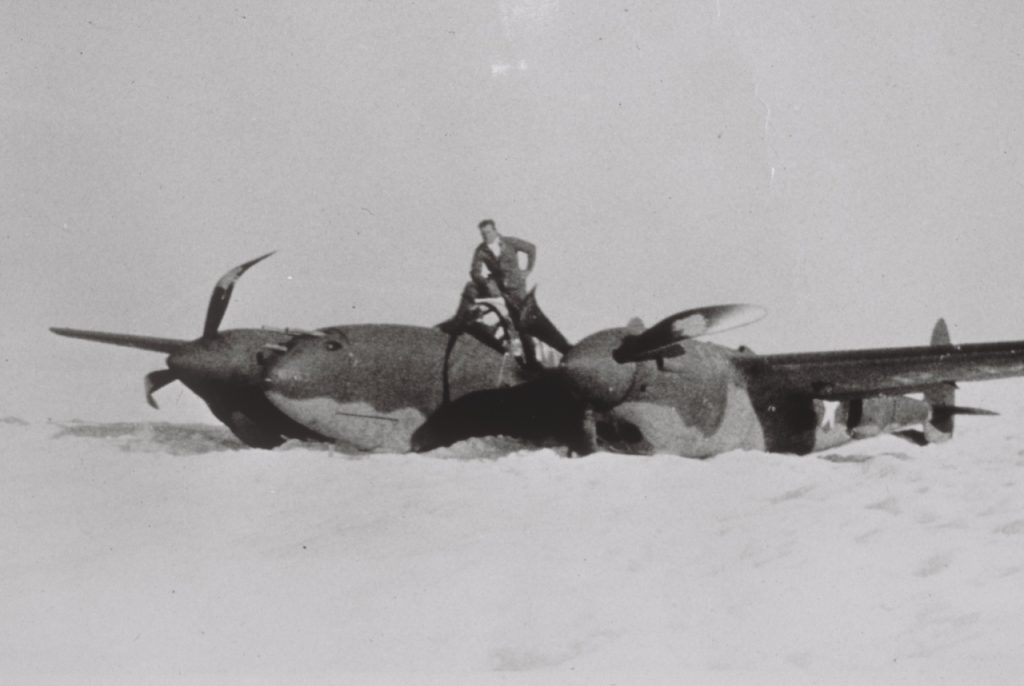
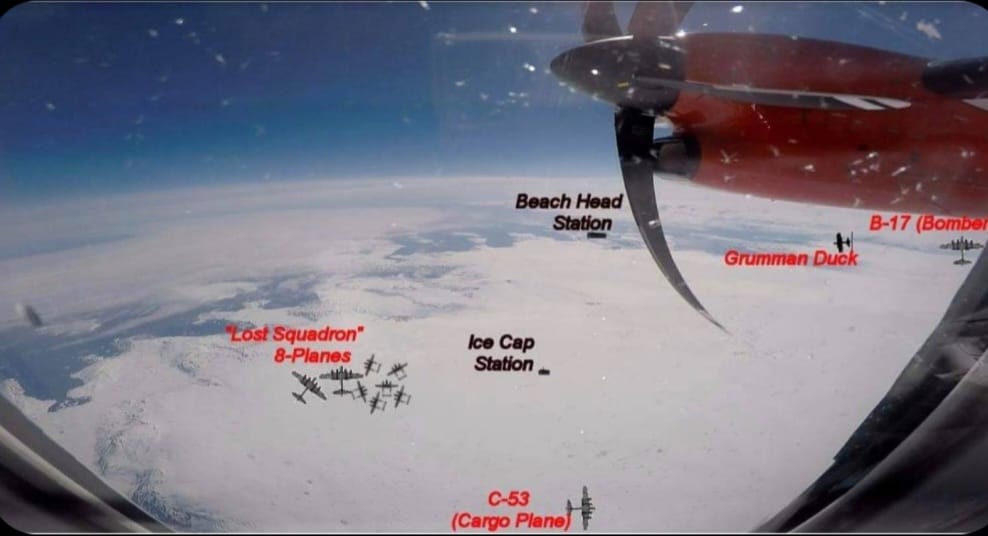
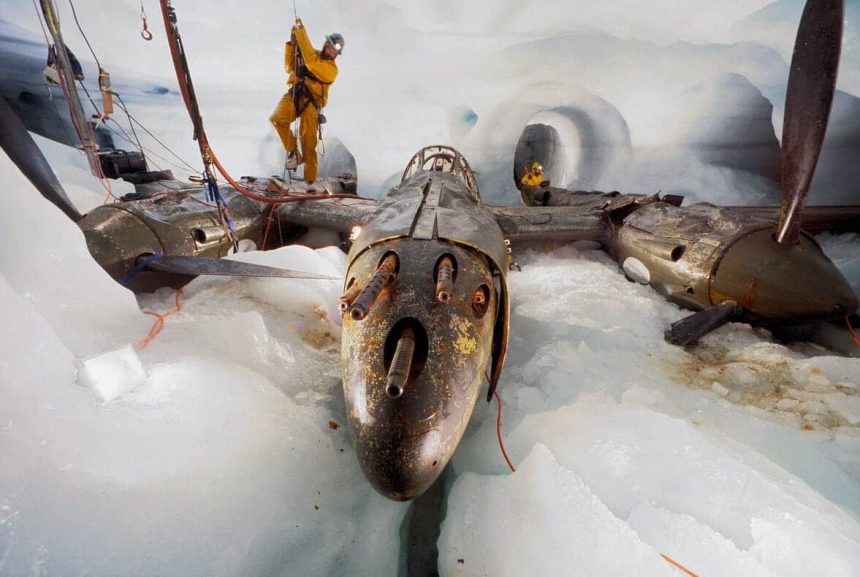
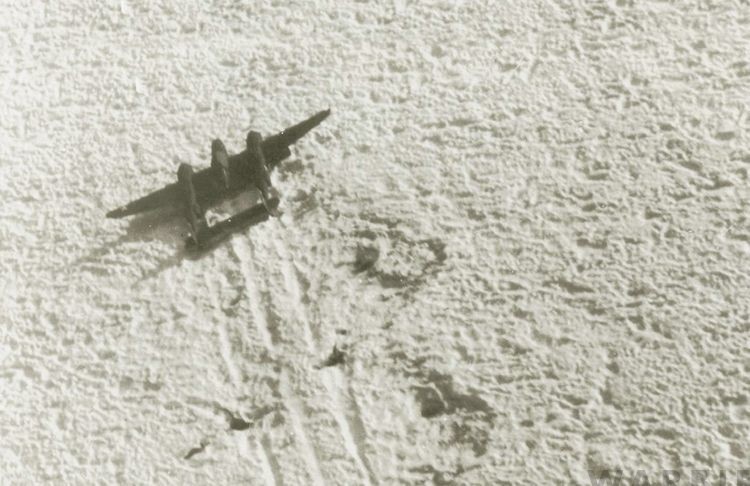
The mission, featured earlier this year in Vintage Aviation News, aims to locate and recover “P-38 Echo,” a second Lightning from the same WWII fighter squadron famously discovered in the late 1980s under nearly 300 feet of ice. That squadron—dubbed the “Lost Squadron”—was forced to land on the icecap in July 1942 after running low on fuel during a ferry flight from the U.S. to the UK. The successful recovery and restoration of P-38 “Glacier Girl” in the 1990s was a landmark moment in warbird preservation history.
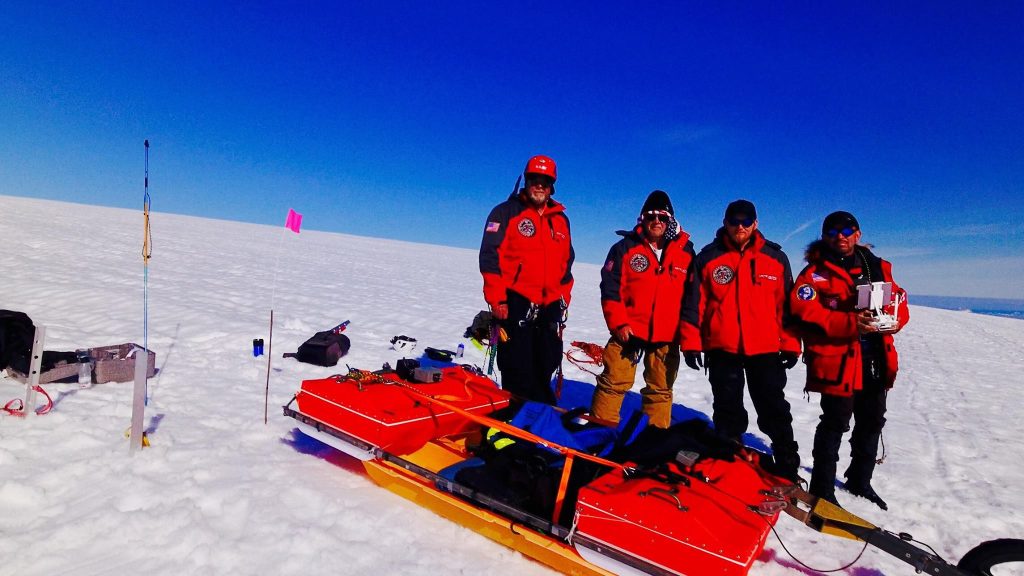
While 2025 did not bring another aircraft to the surface, the team made meaningful progress in Greenland itself. Personnel stationed in Kulusuk stayed busy conducting maintenance and testing on crucial ground equipment. “Generators, Hotsy pressure pump systems, boiler, winch, man lift basket, water pumps, skis for the An-2 and more were set up, run, tested and serviced to help ensure minimal equipment issues next year,” McBride explained.
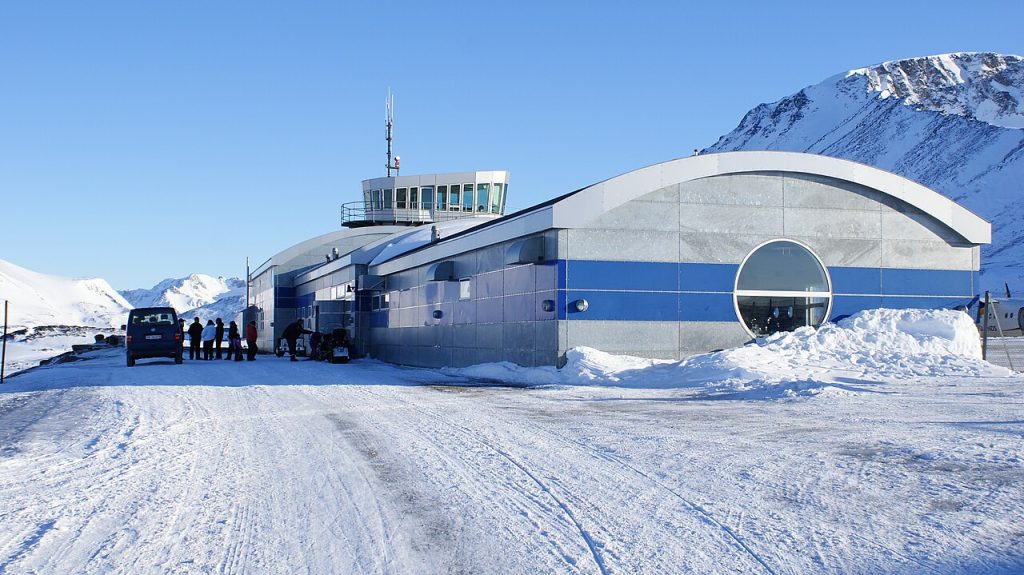
Support from local partners helped keep operations moving. McBride extended gratitude to Kulusuk Airport manager Bendt Duus for providing workspace for the team, and to hotel manager Jakob, who “went out of his way to accommodate our needs.”
Despite the setback, morale remains high and optimism strong for 2026. “Although we were not able to proceed this year, we have been fortunate with help and support of many capable people committing their time and talents to help make it all happen,” McBride said. “We are looking forward to working with these folks again next year, and with an earlier start in the season, hopefully we can achieve a recovery of another of the ‘Lost Squadron.’” As interest continues to grow around the “Into the Ice” expedition and the incredible legacy of the Lost Squadron, Vintage Aviation News will continue to follow developments and bring readers updates as they unfold.