
By Tony Caldwell, Founder, The Caldwell Collection at Mustang Field
Every aircraft restoration eventually reaches the same crossroads. The excitement of finding a project has faded. The invoices have piled up. Years have passed faster than expected. The airplane is still unfinished, and the restorer begins asking a difficult question: Is it worth continuing? Recently, a fellow restorer posed that very question. He is deep into a restoration that, if completed, will likely rank among the finest examples of its type anywhere in the world. The craftsmanship is exceptional, the historical accuracy remarkable, and the attention to detail extraordinary. Yet despite all that progress, he wondered whether it was time to stop.
The market for many antique aircraft has softened. Restoration costs continue to rise. Other interests and opportunities compete for attention. Looking strictly at the financial side of the equation, the decision can seem obvious. But restoring vintage airplanes has never been a purely financial exercise. Before discussing why someone should continue, it is worth acknowledging one reality: very few restorations make economic sense on paper. Labor costs, material expenses, hangar fees, and regulatory requirements have increased dramatically over the last decade. Meanwhile, the number of buyers capable of purchasing and maintaining antique aircraft has gradually declined. Anyone entering a restoration project expecting a profitable investment is likely setting themselves up for disappointment. The numbers rarely support that outcome. Yet people continue restoring these airplanes, and in many cases, they do so enthusiastically. Why? After years of thinking about the question, I believe there are three reasons that still hold up under honest examination.
The Process Is the Reward
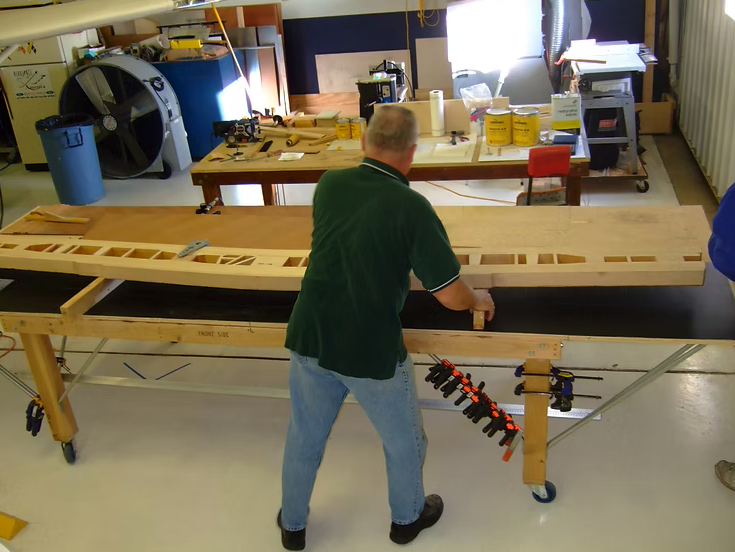
The first reason is simple: some people genuinely enjoy the work. For these individuals, the restoration itself provides satisfaction. The reward is found in researching original construction methods, fabricating replacement parts, matching historical finishes, or solving engineering puzzles that have remained unanswered for decades. A morning spent fitting a wing rib, repairing a section of tubing, or studying an obscure factory drawing can be every bit as enjoyable as flying the finished airplane. Viewed this way, restoration is no different from any other hobby. Golfers spend money on tee times. Boaters spend money maintaining boats. Photographers invest in equipment they may never recover the cost of. The value comes from the experience itself. If the hours spent in the workshop are meaningful and enjoyable, then the financial loss at the end of the project becomes easier to understand. The money was spent purchasing years of engagement, learning, and fulfillment. For many restorers, that alone is enough reason to continue.
The Airplane You Want May Not Otherwise Exist
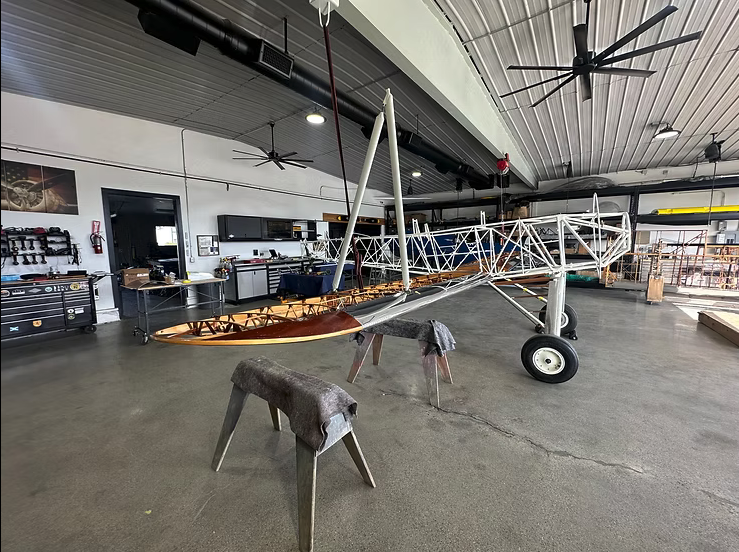
The second reason is more practical. Sometimes restoration is the only realistic path to owning or flying a particular type of aircraft. My own Waco YMF-5 project falls into this category. For years, I have wanted the experience of regularly flying an open-cockpit Waco. Original examples certainly exist, and our collection includes several wonderful aircraft, but a surviving 1930s airframe carries responsibilities that naturally limit how often and how aggressively it can be flown. A modern recreation offers a different opportunity. It allows pilots to experience the character and handling qualities of the original design while benefiting from contemporary construction standards and supportability. The project is expensive. It will almost certainly cost more than it will ever be worth on the open market. It has also taken longer than anticipated. But those facts do not change the fundamental objective. The goal was never maximizing resale value. The goal was to fly a Waco regularly for years to come. When restoration or reconstruction is the only path to achieving that goal, the project begins to make much more sense.
Passion Matters More Than the Spreadsheet
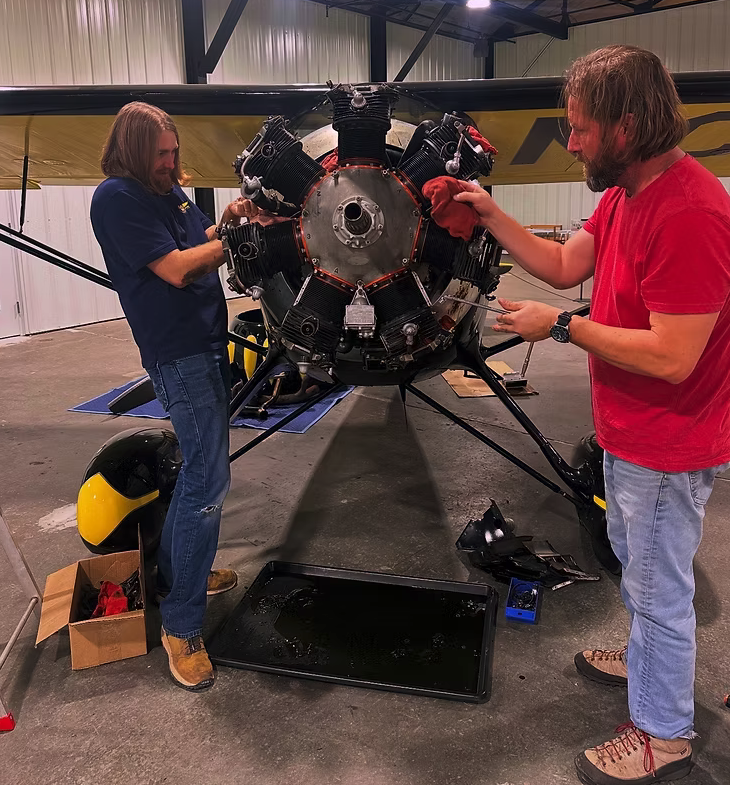
The third reason may be the most important. Many collectors own things they once loved but no longer use. Cars sit in garages. Boats remain tied to docks. Cameras gather dust on shelves. The difference with a successful restoration project is that it continues to inspire participation. If you still find yourself eager to walk into the workshop, if solving the next challenge remains exciting, and if seeing the airplane gradually return to life still brings satisfaction, then the project retains its purpose. On the other hand, there is nothing wrong with acknowledging that your interests have changed. Sometimes the honest answer is to sell the project and move on. There is no virtue in continuing solely because of the time and money already invested. In fact, clinging to a project because of sunk costs can be far more damaging than accepting a loss and pursuing something new. The key is honesty. If the passion remains, keep going. If it does not, it may be time to let someone else carry the project forward.
Looking Beyond the Balance Sheet
None of this means financial considerations should be ignored. Every restoration requires realistic budgeting, careful planning, and a clear understanding of market conditions. But airplanes occupy a unique place in the lives of those who restore them. For the right person, working on the right project, the value cannot be measured solely in dollars. The satisfaction comes from preserving history, learning forgotten skills, and creating something that may continue flying long after the restorer is gone. Many of the aircraft in our collection today exist because previous generations of craftsmen devoted years of effort to them without any expectation of financial reward. Their names fill restoration logs and maintenance records, but many never lived to see the airplanes as they exist today.
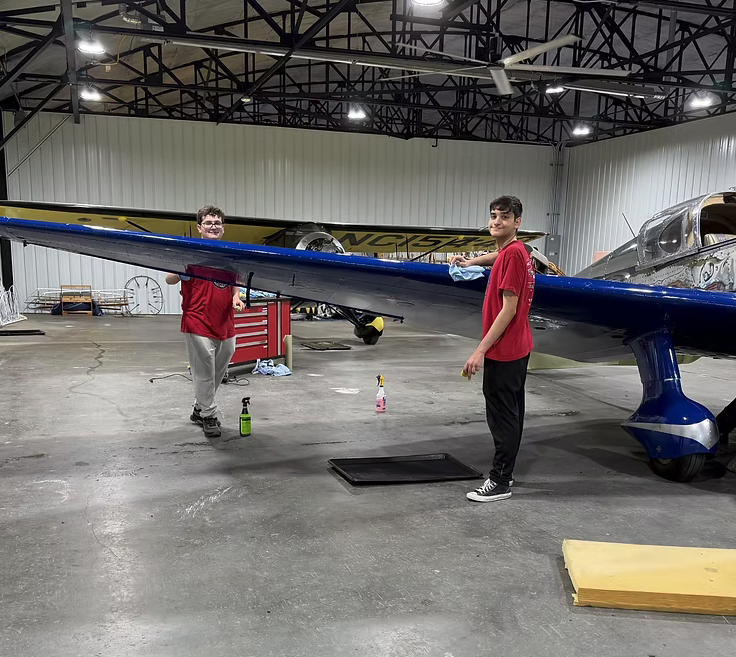
Yet their work survives. Every time one of those aircraft takes to the air, it serves as a reminder that restoration is about more than economics. So my advice to my friend was straightforward. If you still love the work, finish the airplane. If the enthusiasm has disappeared, sell it and move on without regret. And if you are uncertain, give yourself time. Spend a year working honestly on the project. Pay attention to how you feel when you walk into the shop. Eventually, the airplane will give you the answer. In my experience, they always do.