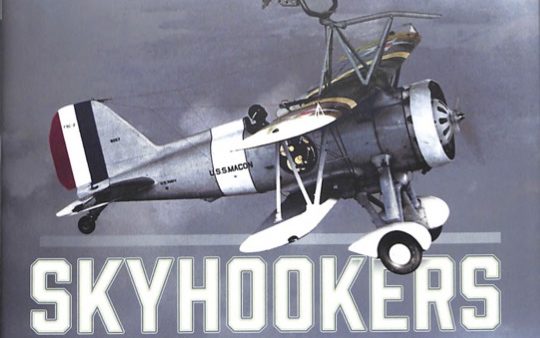

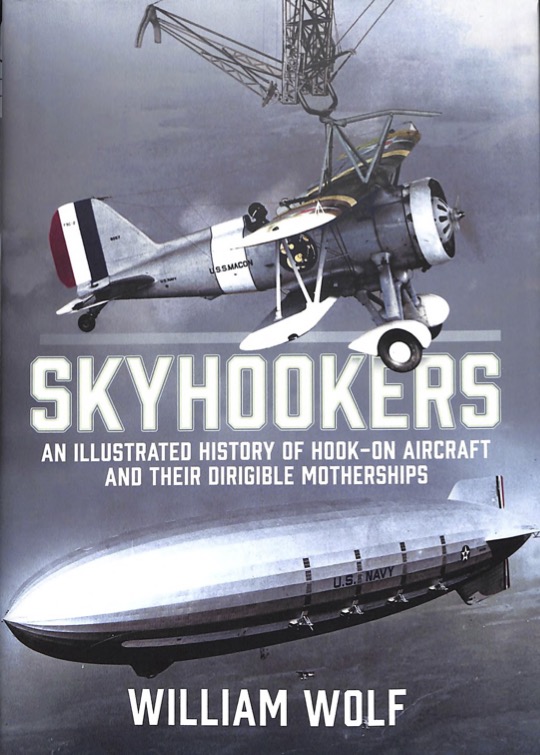
Skyhookers: An Illustrated History of Hook-On Aircraft and Their Dirigible Motherships by William Wolf, reviewed by Joe May, available on Amazon.
Aircraft operating from airships? Flying Heavier-Than-Air (HTA) aircraft based on Lighter-Than-Air (LTA) airship aviation? How curious. U.S. Naval aviation was the only military branch of any country to employ airborne aircraft carriers—not the familiar seaborne aircraft carriers of many nations—not the rare I-400-class submarine aircraft carriers of WWII’s Imperial Japanese Navy. Back in the day, the U.S. Navy operated two such airships, the USS Macon (ZRS-5) and the USS Akron (ZRS-4). Each airship used helium as the lifting gas to provide buoyancy in the atmosphere and differed from other aircraft-bearing airships in having more than one aircraft aboard as well as a proper internal hangar. Previous airship aircraft, if they had a dedicated aircraft, were simply suspended from a ventral position of the airship.
What was the purpose of such an effort? How were the aircraft managed while the airships flew their assigned missions? What were these aircraft, and were they effectively employed? What happens to an airship as HTA aircraft depart or come aboard—rapidly subtracting or adding mass to the airship? And the aircraft—what is the story about them?
William Wolf has answers to these questions and many more in this exceptional new book. Skyhookers fills this usually marginalized niche in LTA history as well as recalling the U.S. Navy’s courageous aviators (both LTA and HTA) tasked to fly well away from the east coast or west coast of the United States to patrol and search for any enemy warships meaning harm by way of a surprise attack from over the horizon—usurping the mission for which light and heavy cruisers were often employed. Flying these missions was done without close escorting or supporting ships, accepting the risk that any forced landings in the ocean, by aircraft or airship, would place aircrew in peril.
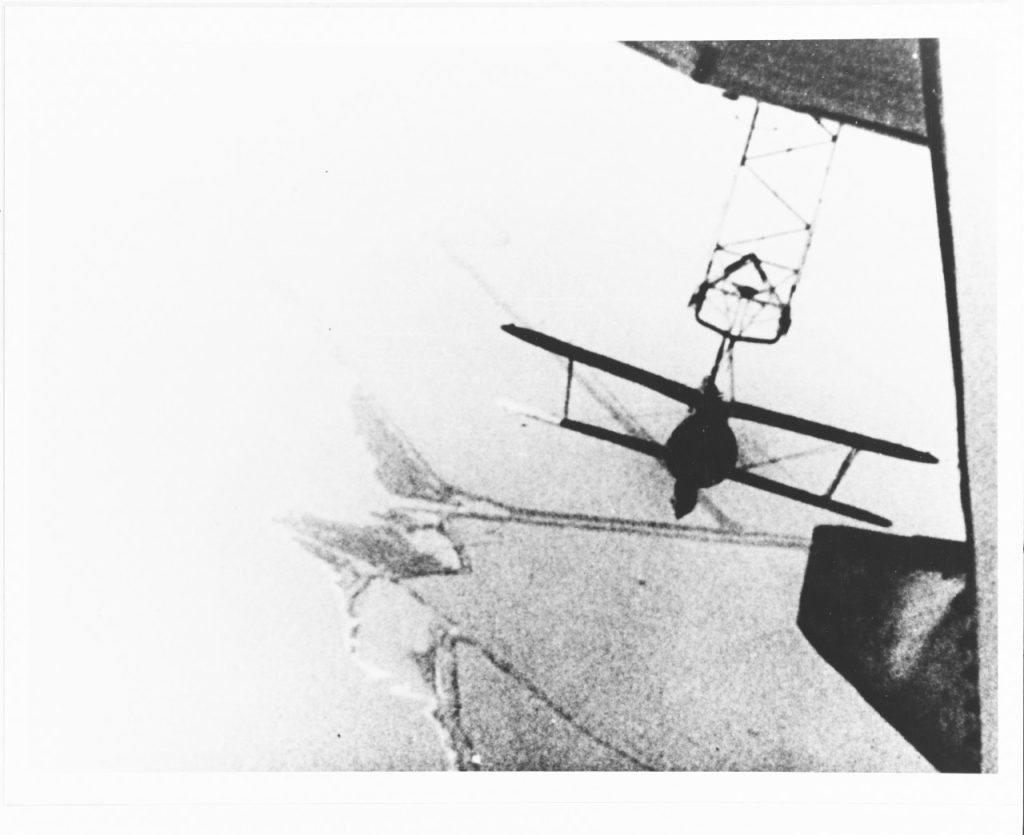
After describing several previous trials carrying aircraft aloft in dirigibles for military purposes, Wolf delves into the intricacies of flying fighters, supply aircraft, and utility aircraft on and off the Akron and the Macon. Wolf goes well beyond the usual “fighters had trouble hooking on” missives. Wolf instead retells the aircraft missions, their results, lessons learned, as well as who the influential pilots were who exploited this entirely new field of aviation. A new capability where searching well over the horizon was now possible, ranging far beyond the search radius of land-based aircraft. Recall that this era occurred in the days before radar, when eyes were the tool for detection.
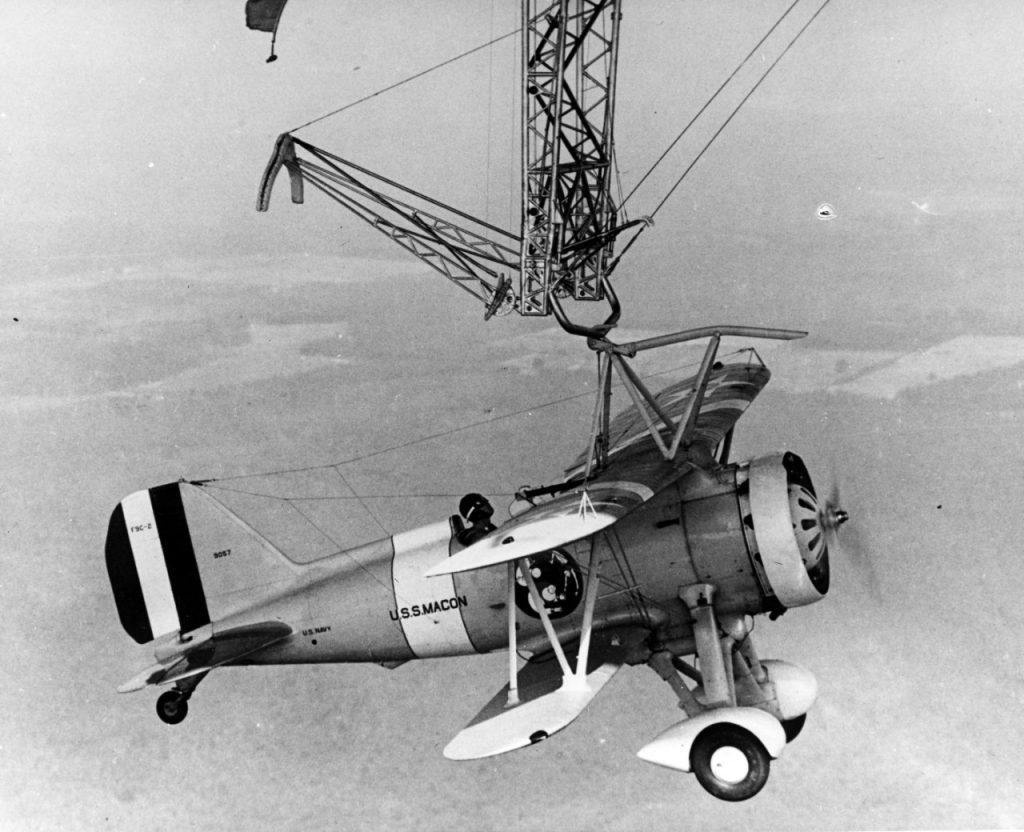
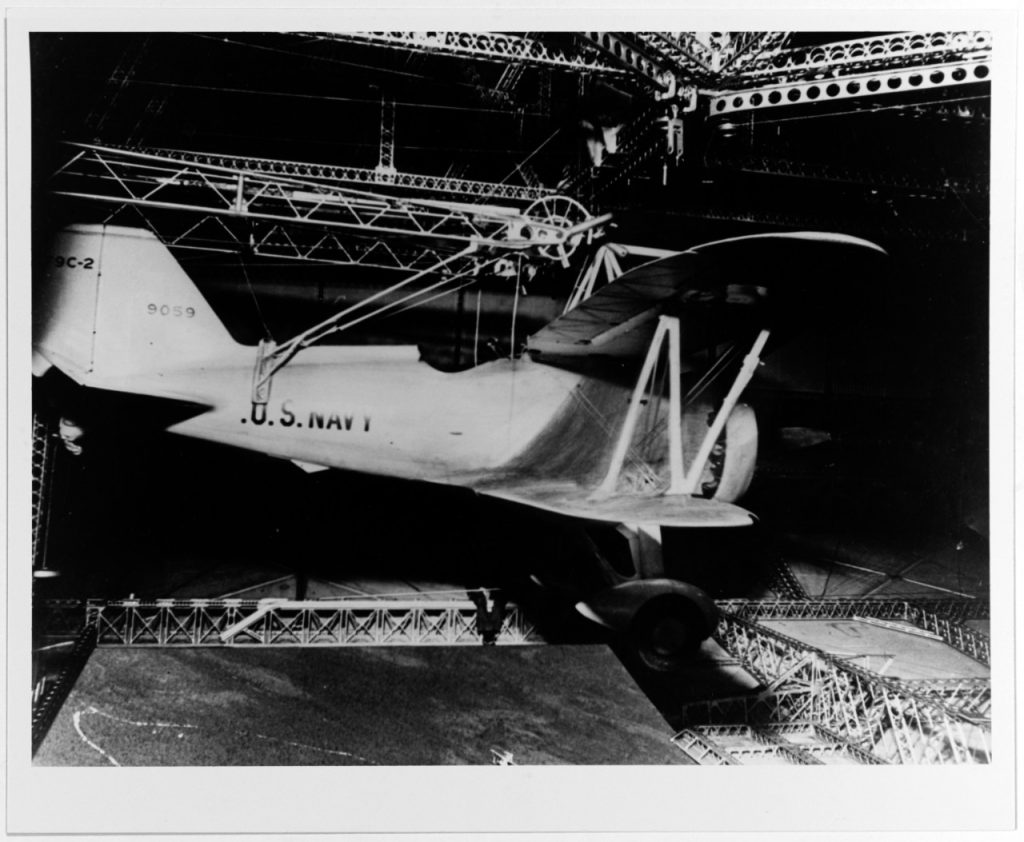
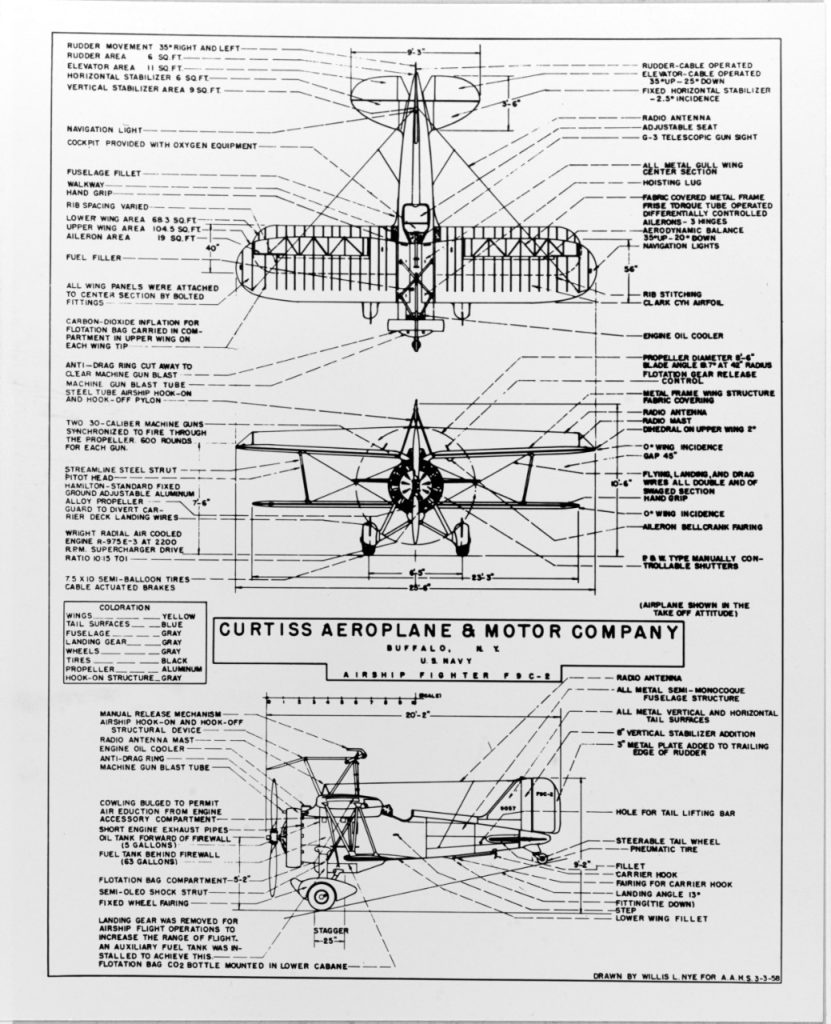
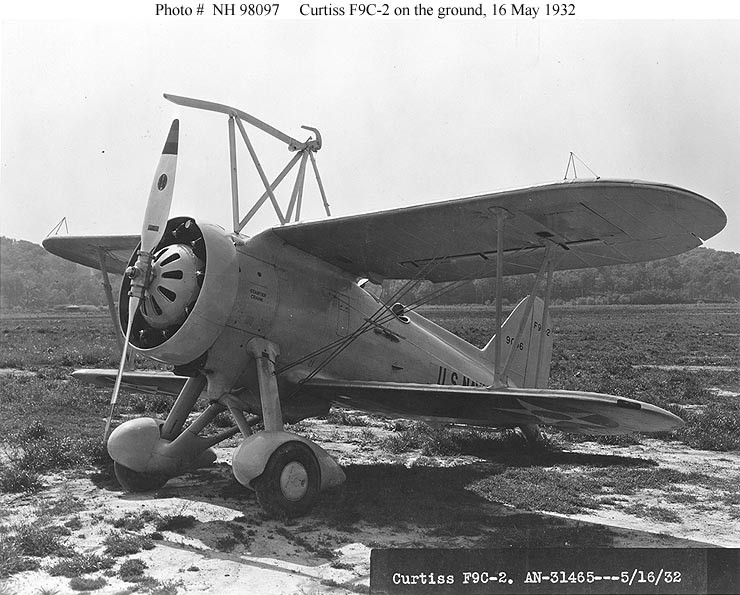
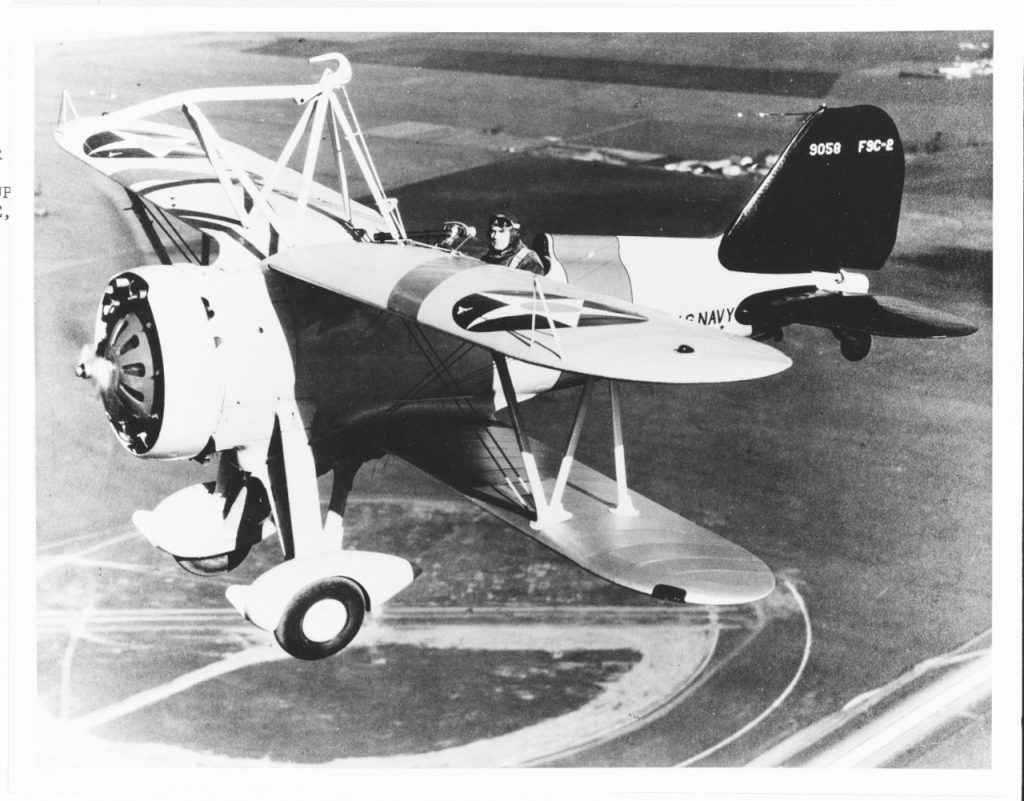
Glenn Curtiss’s company designed the F9C Sparrowhawk fighter for use by these U.S. Navy airships. Yes, the Sparrowhawk was a bespoke aircraft, and Wolf describes their design as well as attributes in a level of detail that allows readers to easily imagine aircrew experiences. Pilots were in a cockpit so cramped that the spirit compass was placed outside on the port wing. Airship crew handling the aircraft within the airship but over the T-shaped hangar opening without nets, harnesses or parachutes. Pilots coming aboard, using rudder and aileron to precisely center their fighter on the trapeze. Why is the number of Sparrowhawks usually fewer than the maximum number aboard? How often the F9C landing gear was removed and installed—how much time was required—as well as the performance differences experienced (which were substantial). Engine starts were unique in that no service cart could be employed and the F9C could not self-start—instead, an electric cable was attached and unplugged by the pilot when no longer needed. These details and more are what make Wolf’s book exciting and novel. The author is known for including much in his books from flight manuals, but this is not the case with Skyhookers.
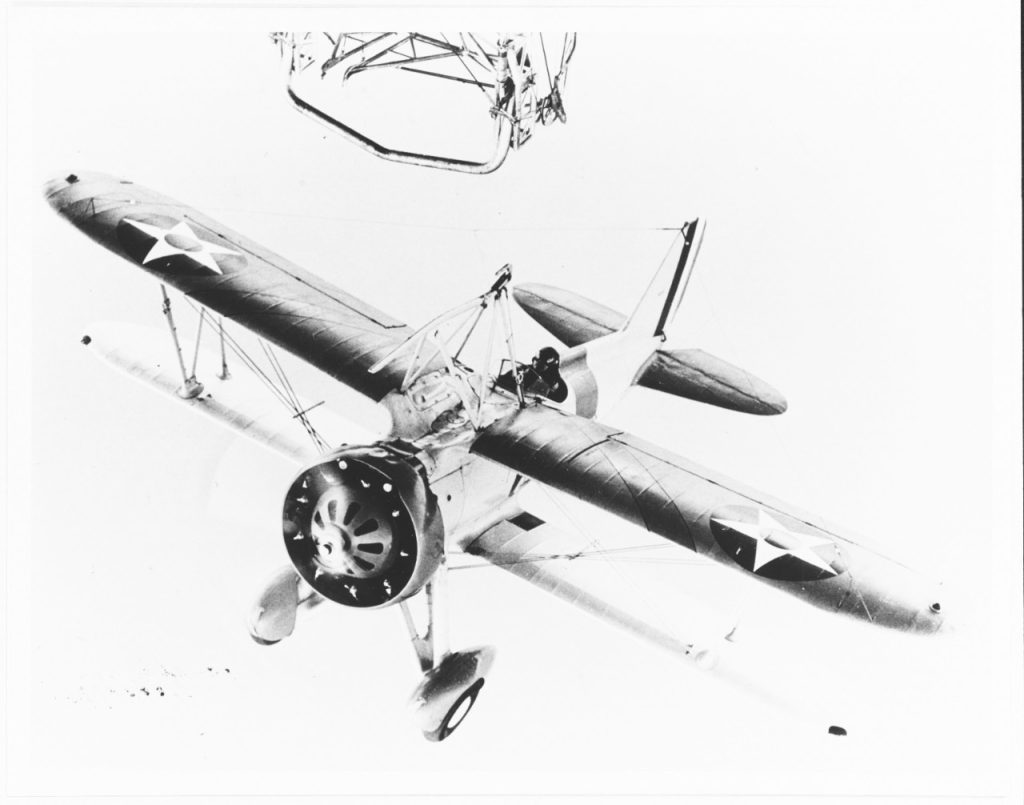
Just as interesting is Wolf’s writing of airship handling when the Sparrowhawks departed or came aboard their airship, including the time element and the number of aircraft which were involved at the moment. The coordination of the LTA flying and the HTA flying was intricate, and trust between aircrews was implicit as the airships would fly as fast as possible with the Sparrowhawks flying just above stalling speed when hooking on to the trapeze. “Belly bumping”, as Sparrowhawk pilots came to call it, is hooking on.
Interestingly, Wolf ends with what could have been, had the airship aircraft carrier concept further matured, using reports by the experienced aviators. Repositioning of the hangars, addition of perches, resupplying the aviation fuel to the airship while aloft, warming the oil of the Sparrowhawk engines for quicker engine warming upon starting (saving 10 minutes). All these ideas are provided with easily workable solutions!
LTA in the U.S. Navy was an unwanted nuisance to the established “battleship admiralty” of the day. Unhappily, LTA aircraft carrier experimentation ended with the crashes of both airships. The development of reliable long-range aircraft, combined with the resources required for large airships, ended the resurrection of the concept. Yet, the Akron and the Macon showed aviation was more effective and less costly for offshore patrolling than warships—though the battleship admiralty types would enter WWII with their bias. William Wolf has produced a well-written book, though with a glib line or two, on this exciting niche of aviation’s history. Skyhookers will be welcomed by those favoring naval aviation, LTA aviation, and Glenn Curtiss’s aircraft designs for the U.S. Navy.
| Hardback
Publisher: Crécy Publishing Ltd. (2025) SIze: 10” x 7” Index: ✔︎ Bibliography: ✔︎ Notes: X Photos: ✔︎ Cost: $50 ISBN: 978-1-03613-774-8 Page Count: 188 Available on Amazon |