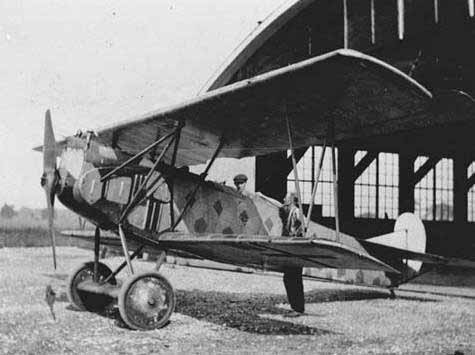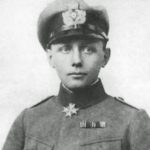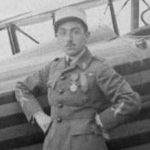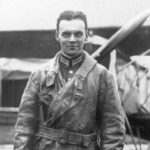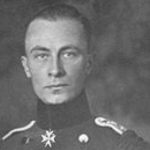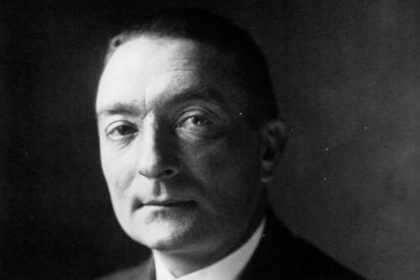
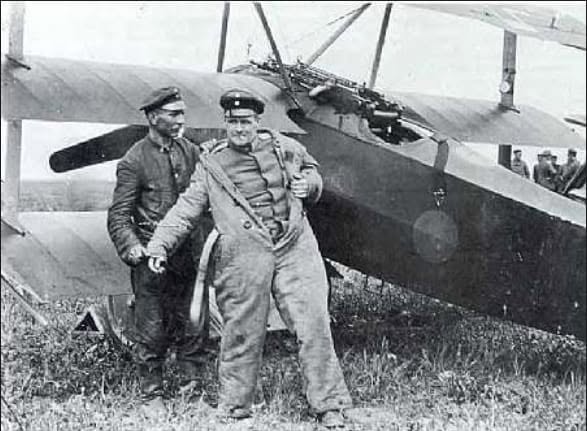

There was a German WWI ace who was an aircraft manufacturer before the war. Born on May 14, 1888, in Mannheim, Hans Martin Pippart was a principal of the aeronautical company Pippart und Noll, which manufactured Eindecker aircraft. In 1913, he set a record for flight endurance. When the war started, Hans Martin Pippart joined the German air forces. At first, he worked as an instructor. Starting on February 1, 1916, he flew missions to coordinate artillery in two-seater planes with Flieger-Abteilung (Artillerie) 220 in Galicia on the Eastern Front. On April 11, Hans Martin Pippart received the Iron Cross, Second Class. On November 19, 1916, he was awarded the Iron Cross, First Class. Two days later, he was promoted from the enlisted ranks to the officer ranks.
Ace Journey of Hans Martin Pippart
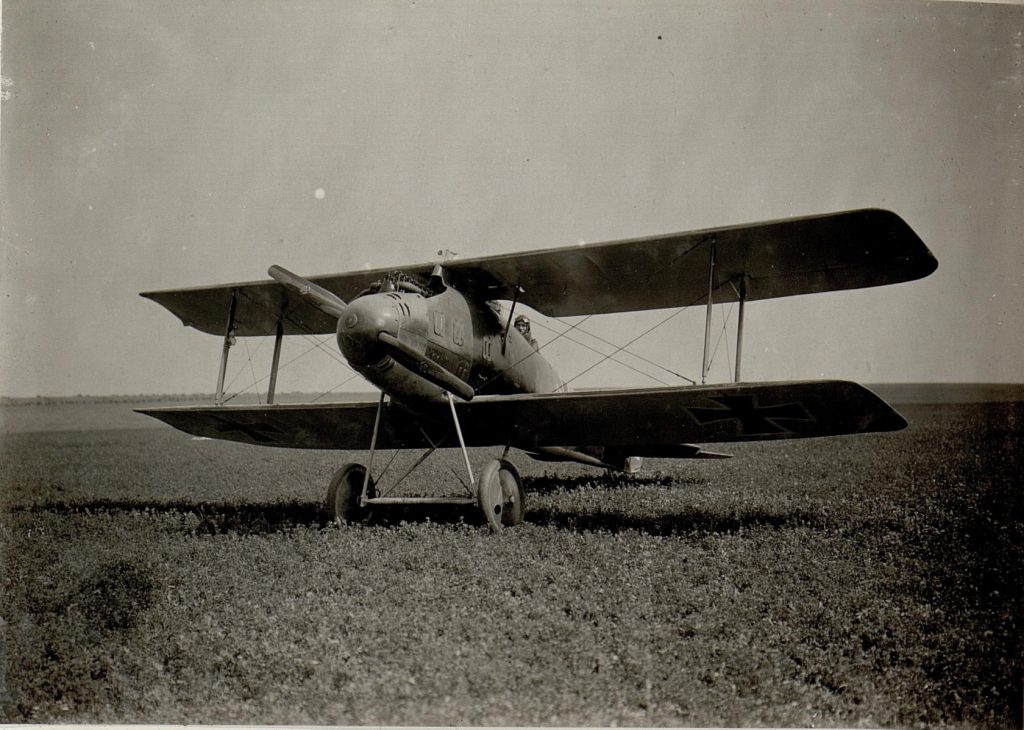
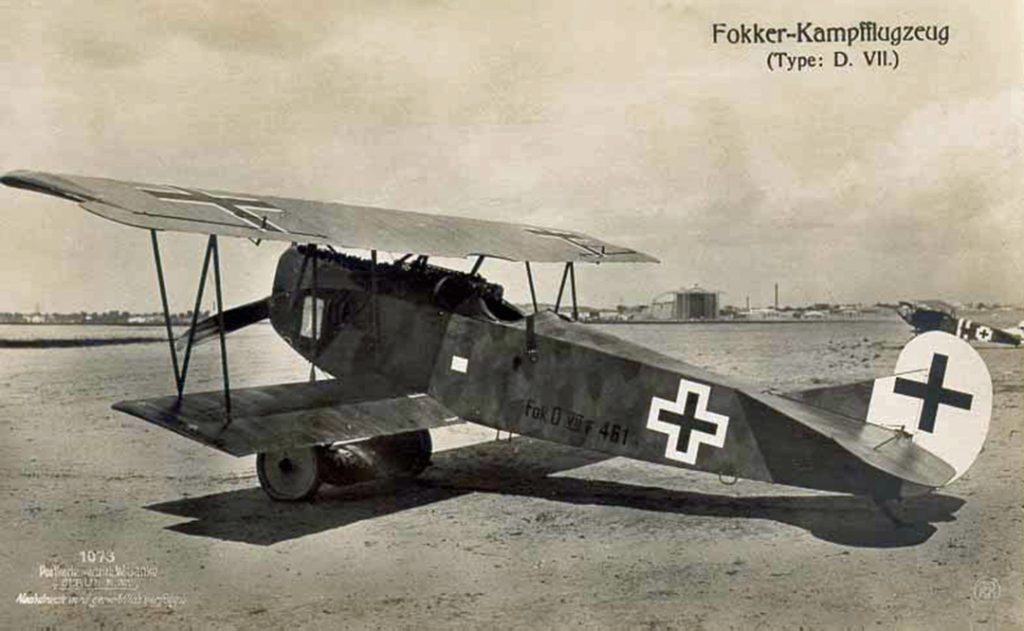
In April 1917, Hans Martin Pippart was transferred to Kampfstaffel 1, where he flew Roland D.II aircraft. His first victory came on May 25, 1917, when he shot down a Farman aircraft. Further, he claimed two victories in June and one in August. He officially became an ace on October 4, followed by one more victory in that month to end his 1917 with a score of six. He was transferred to Jagdstaffel 13 on December 4, in which he scored one victory in February 1918, one in March, and two in April. On April 18, 1918, Hans Martin Pippart took command of the Royal Prussian Jagdstaffel 19. On May 2, he achieved his first win while flying a Fokker D.VII for his new squadron. That same day, he received the Knight’s Cross with Swords of the Royal House Order of Hohenzollern. He had four wins in May, one in June, and six in July, bringing his total to 21.
Legacy and Death
After his victories, Hans Martin Pippart hoped to receive Germany’s highest award, the Pour le Mérite, for shooting down 20 enemy aircraft. He was also looking forward to going on leave to get married. While he waited, he kept flying combat missions, but his career ended on August 11, 1918. On that day, he shot down a balloon but was hit by anti-aircraft fire. He had to abandon his airplane at 150 feet, but was killed when his parachute did not open. Among his 22 victories, he destroyed seven observation balloons, five SPAD XIII aircraft, four Bréguet 14, two S.E.5a, and one each Farman, Sopwith, SPAD XII, and Caudron R.11. After his death, Hans Martin Pippart was buried at his birthplace, Mannheim. In the Aces series, Hans Martin Pippart was a respectable pilot and an honorable aeronautical engineer. His loss was not noted enough, but if he had survived the war, he might have helped build more aircraft or develop strategies for the German Air Force. Read stories about more Aces HERE.