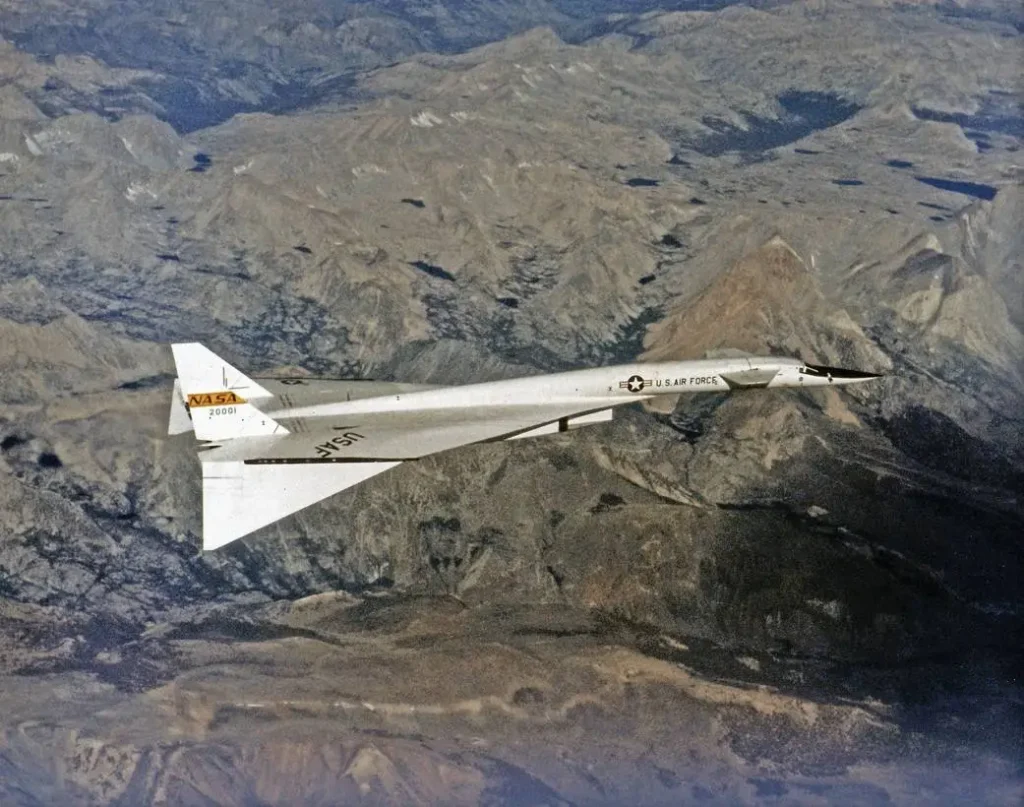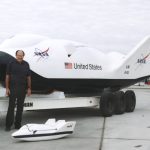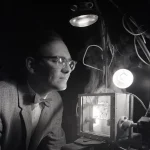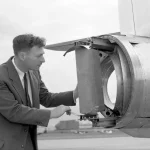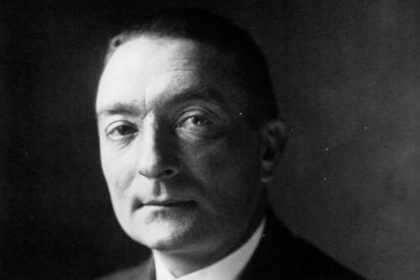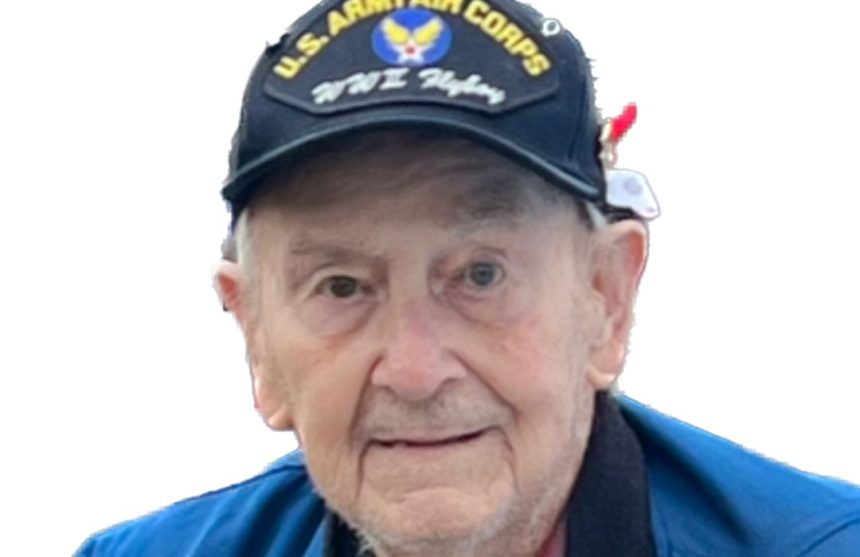

A NASA engineer revolutionized high-speed flight and everyday transportation with a lifetime of important advances in measuring boundary layers, studying lift and drag, and improving vehicle aerodynamics. Born on March 5, 1926, in Henry County, Iowa, Edwin J. Saltzman graduated from high school in 1944 and joined the US Army Air Corps, hoping to become a pilot. During WWII, he served in Texas and New Mexico, but he stayed in the US. After the war, Edwin Saltzman returned to Iowa to become a farmer, as his father wished. However, his father encouraged him to go to college, so he enrolled at Iowa Wesleyan University in Mount Pleasant. He majored in Physics and graduated in 1950. In 1951, he moved to California to work for the National Advisory Committee for Aeronautics (later NASA) at Edwards Air Force Base. He started his career at NACA as a researcher in performance aerodynamics. His first job was to calculate the base drag of the Bell X-1 aircraft, which was still being used at the center. Edwin Saltzman worked on base drag problems for several aircraft during his career, including the X-15 and XB-70.
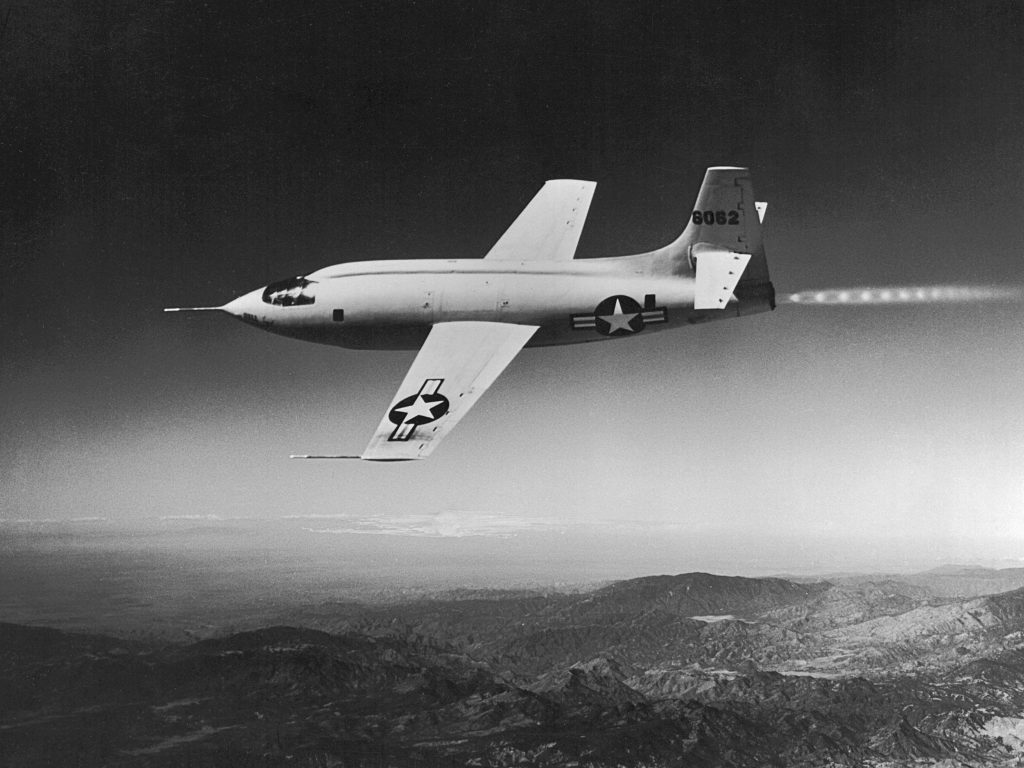
He developed a method to measure the boundary layer and skin friction while flying at Mach 5. Edwin Saltzman also introduced the idea of evaluating aircraft performance on a component-by-component basis. His method was used to assess the X-1, X-15, X-29, and lifting bodies and led to the concepts of Area Rule, supercritical wings, and winglets. His research has shaped the design of vehicles that fly fast, from transonic to hypersonic. In 1960, Saltzman needed information about the F-102 aircraft, so he found boxes of records at the nearby Federal Records Center. While searching for F-102 data, he discovered a group of small, 4-inch-tall film canisters that he recognized from his work in the 1950s. These canisters contained rolls of film from on-board recorders that tracked data from different sensors. The data helped computers create plots for aeronautical engineers. Curious, he opened several canisters and read the labels on the film. Edwin Saltzman realized he had original film rolls from Chuck Yeager’s Mach jump on October 14, 1947. This specific film, which showed the Mach jump, was thought to be lost. The National Air and Space Museum received this film in 1976, and both the Center and the US Air Force got copies. When the energy crisis hit in the early 1970s, Saltzman used his aeronautical skills to improve the aerodynamics of ground vehicles such as buses, trucks, and motor homes. His findings showed that the US could save 26 million barrels of fuel a year.
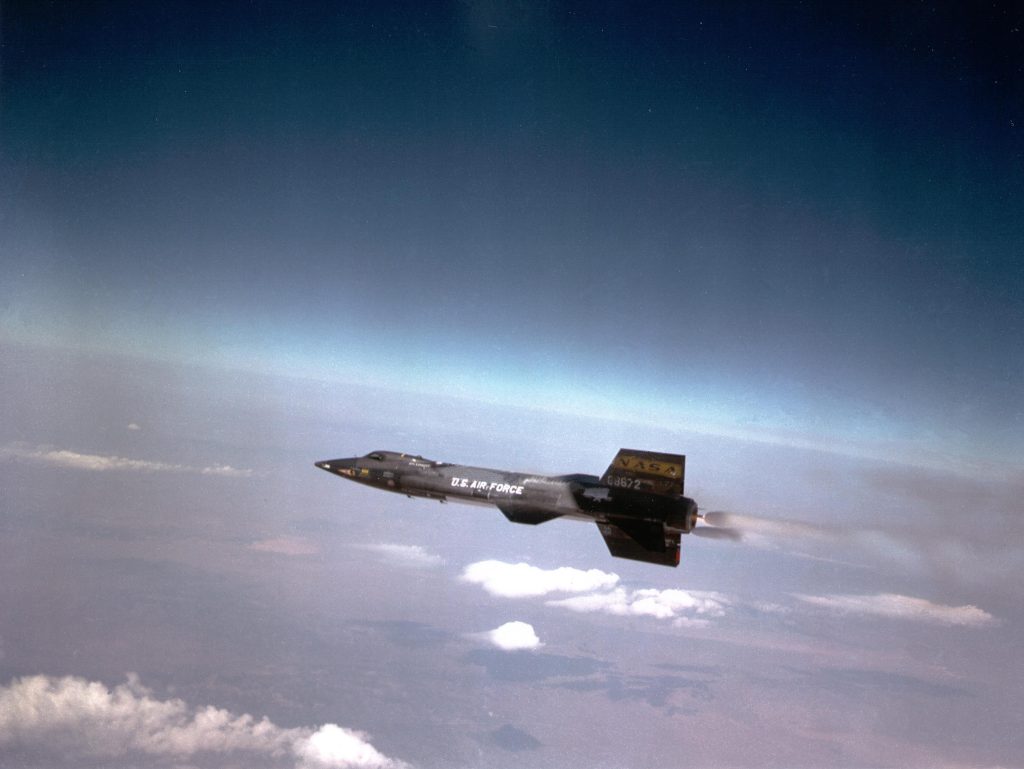
In 1980, Edwin Saltzman received the President’s Council Award for Energy Efficiency for this work. He also designed a livestock-hauling vehicle that provided a healthier, more humane environment for animals through innovative ventilation. His research on lift and drag helped create more efficient airliners and supersonic aircraft. On the ground, his work has helped drivers save fuel and reduced transportation costs for goods. He worked at NASA for 51 years, and his favorite projects remained his work with the X-15 rocket plane. He published several research papers on the X-15, and one was featured in the Smithsonian’s X-15 exhibit at the National Air and Space Museum. Edwin Saltzman retired from NASA in 2003. In 2009, he was inducted into the Space Technology Hall of Fame for his work on aerodynamic trucks. He was very active outside of work and loved the outdoors, especially hiking. His favorite place was the Grand Canyon, where he often hiked to the bottom with friends and family from NASA. He died at home in Bakersfield on August 20, 2023, at the age of 97. As one of the Pioneers of Aeronautical Engineering, Edwin Saltzman was a true engineer who solved not only aeronautical issues but also improved fuel efficiency in ground vehicles. Read more similar stories HERE.