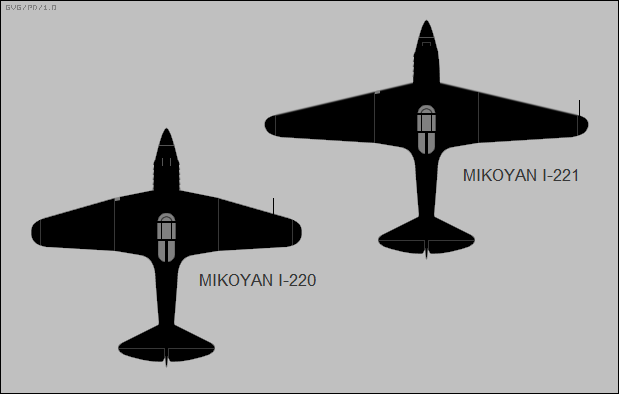
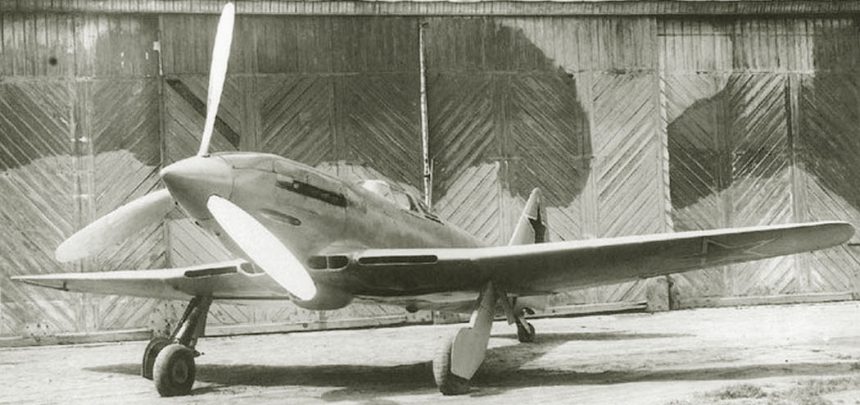

On this day in aviation history, 82 years ago (July 21, 1944), the Mikoyan-Gurevich I-225 took flight for the first time. The I-225 was a sub-variant of the MiG I-220, a series of prototype high-altitude fighters developed in the Soviet Union during the waning years of WWII. Originally, the I-220 was conceptualized to combat high-altitude German recon aircraft. The I-220 Samolyot A prototype first flew in July of 1943, and six variations of the new fighter concept would follow. Mikoyan-Gurevich built two I-220 prototypes, powered by Mikulin AM-38F and AM-39 engines. The subsequent I-221 Samolyot 2A was built with a longer wingspan and an AM-39A turbo-supercharged engine, which improved high-altitude performance. The I-222 Samolyot 3A and I-224 Samolyot 4A featured minor upgrades over the I-221, such as engine and cockpit refinements. First taking flight on 7/21/44, the MiG I-225 Samolyot 5A was tested with both a Mikulin AM-42B and an AM-42FB engine, with metal wings and a reinforced cockpit.
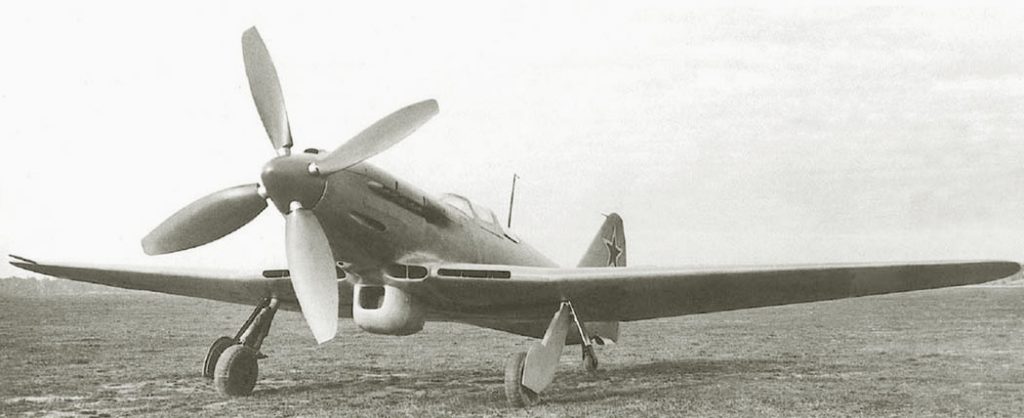
Test pilot A. P. Yakimov put the I-220 series of aircraft through their paces in flight testing, and the fighter showed favorable performance, albeit better at higher altitudes than lower. Of all the Samolyot A variants, the I-222 showed the best performance for the intended role. The first-built I-225 saw 15 flights before an engine failure resulted in the loss of the aircraft. A second I-225 was built and began a brief period of testing in March of 1945. Here, the I-225 proved to be the second-fastest Soviet piston-engined fighter, behind the Yak-3. The second MiG I-220 prototype was powered by the 1,500-horsepower Mikulin AM-39 V12 piston engine, and it could achieve 433 mph at 23,000 feet. The I-220 had a combat range of 410 miles and a service ceiling of 36,090 feet. The proposed fighter could climb to 16,000 feet in 4 and a half minutes. Armament for the I-220 came by way of four ShVAK cannons, each with 100 rounds of ammunition. Production variants of the fighter were planned as the MiG-7 and MiG-11, yet they were never built. By the time flight testing had progressed, the need for a high-altitude fighter to combat German threats had waned.