






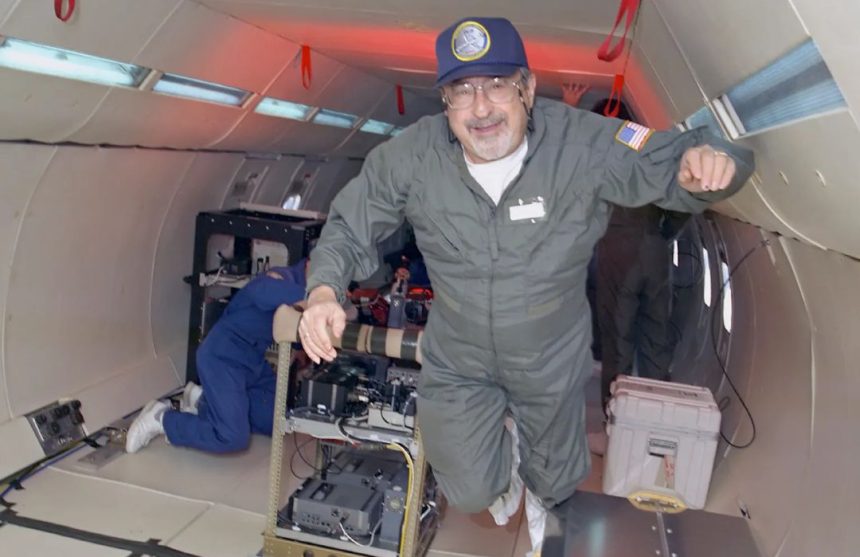

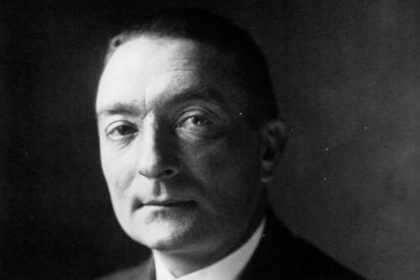
During WWII, NACA recruited an engineer from Rhode Island for his strong academic skills, who went on to become famous for his contributions to aeronautics in the mid-20th century through his work on buoyancy-driven flows, unsteady boundary-layer theory, and turbine-engine cooling. Born on December 26, 1923, Simon Ostrach graduated as a mechanical engineer from the University of Rhode Island in 1944. The same year, he was selected as one of the top engineering students to work at NACA’s Lewis Research Center. Ostrach began his career at the Aircraft Engine Research Laboratory, where Simon Ostrach worked on cooling problems for WWII aircraft engines, including the Pratt & Whitney R-2800 and Wright 3350 piston engines.
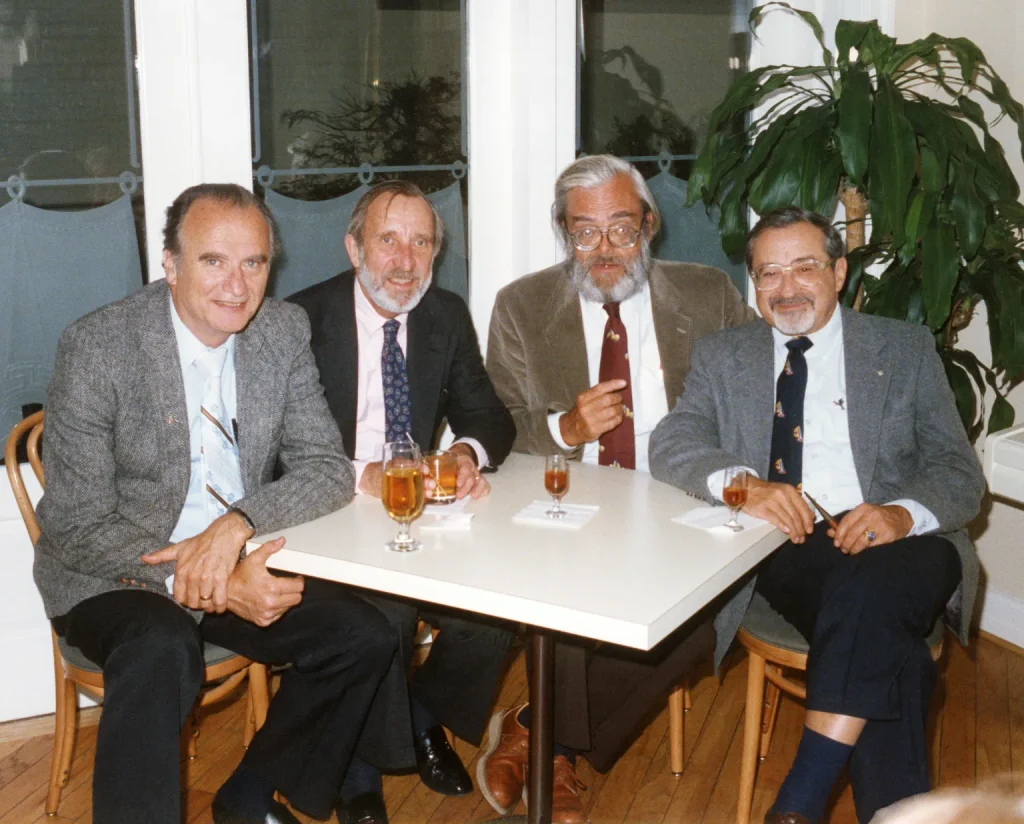
After the war, Simon Ostrach studied the thermodynamics of turbojet and turboprop engines. In 1947, his branch chief nominated him for a predoctoral fellowship at Brown University. When he received the award, Ostrach chose to focus on a fluid heat transfer problem for his thesis, even though he had not studied heat transfer formally. In 1949, Ostrach returned to the Laboratory, where Simon Ostrach expected to work in the Thermodynamics Division. But he was sent to the Special Projects Division. Abe Silverstein, who was working as the Associate Director of Lewis in the mid-1950s, created a small Applied Mechanics Group that included Ostrach, Stephen Maslen, Frank Moore, and Harold Mirels. The team concentrated on special research subjects and their own investigations.
Simon Ostrach expanded on work he did at Brown University in the new field of buoyancy-driven fluid flows. With support from his colleague Ernst Eckert, Ostrach convinced Silverstein of the importance of his research by connecting it to the development of water-cooled turbine blades for jet engines. Buoyancy-driven flow occurred when two liquids with different densities were affected by gravity. While heat usually increases fluid motion, Simon Ostrach showed that viscosity could also increase flow speed, similarly to heat. His research helped develop technologies for making crystals used in semiconductors and for producing microelectromechanical (MEM) devices.
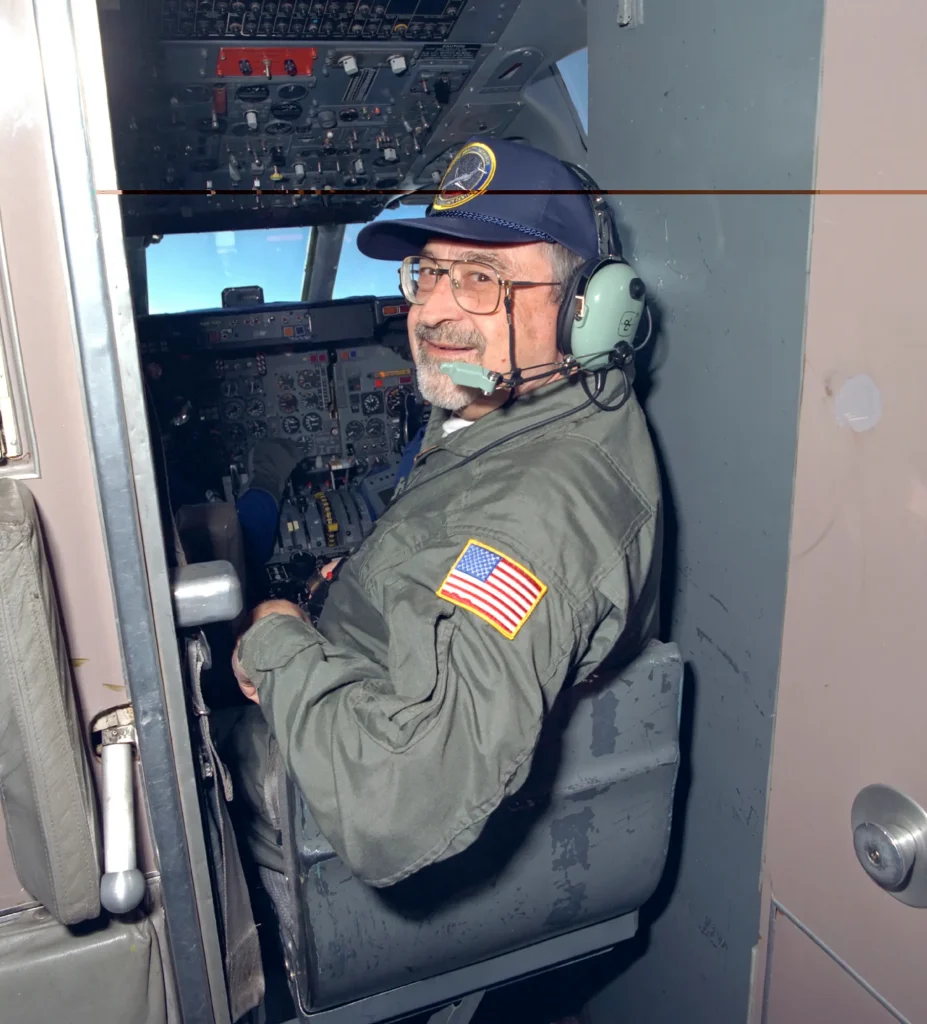
In addition, Simon Ostrach designed important experiments that were conducted on the space shuttle in 1992 and 1995. These experiments helped understand how to create life-support systems for space and how to process materials on Earth. Ostrach also developed the idea of Research for Design (R4D), which encouraged businesses and researchers in schools to collaborate and focus on research that considered practical applications in the near future. Simon Ostrach once said, “I have obtained a great deal of personal satisfaction in working in this field, but my greatest pleasure has come from the acceptance of me and my work by the heat transfer community and the many wonderful friends that I have as a result.”
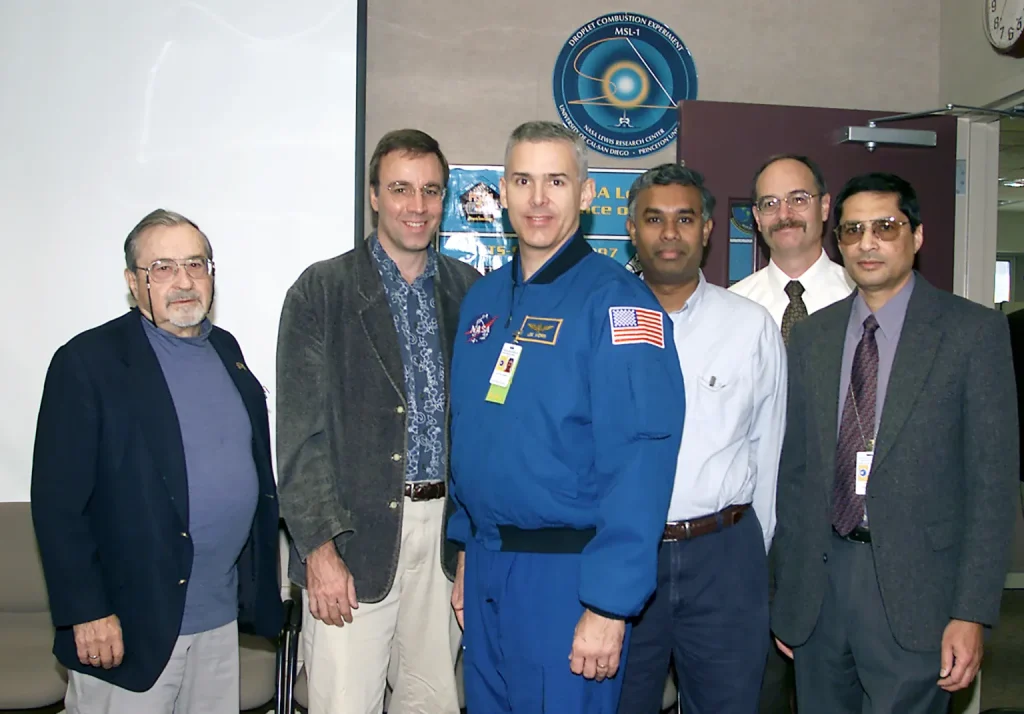
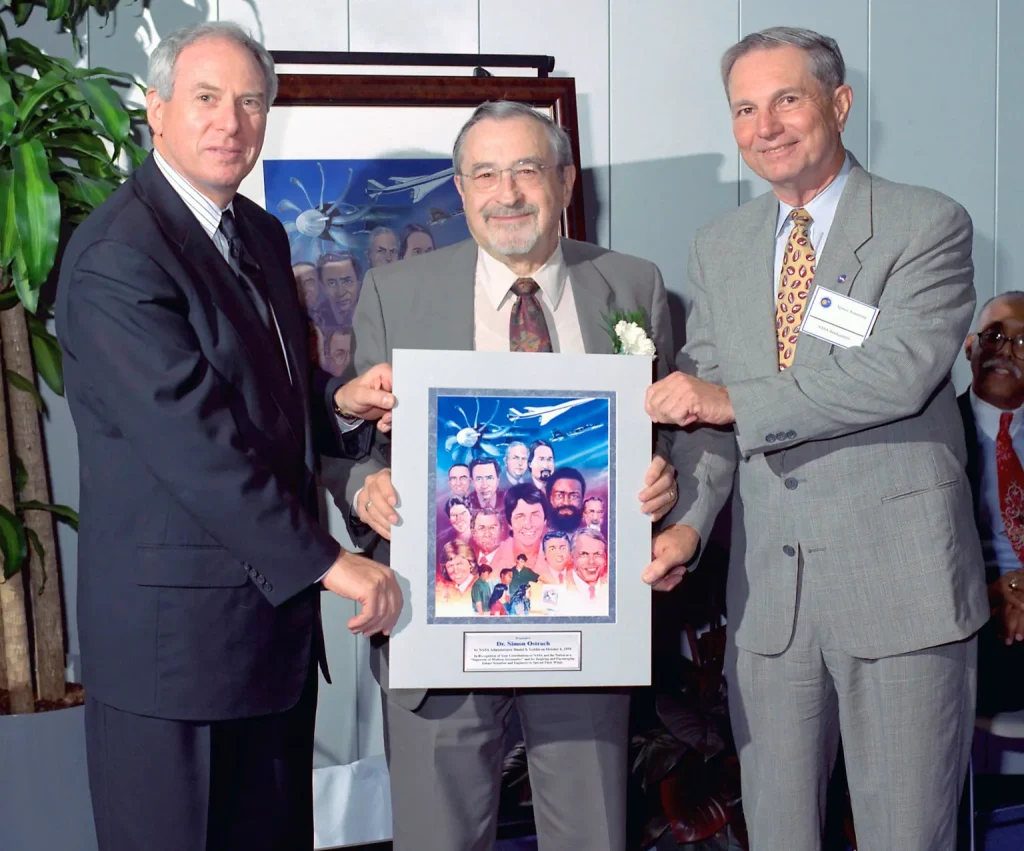
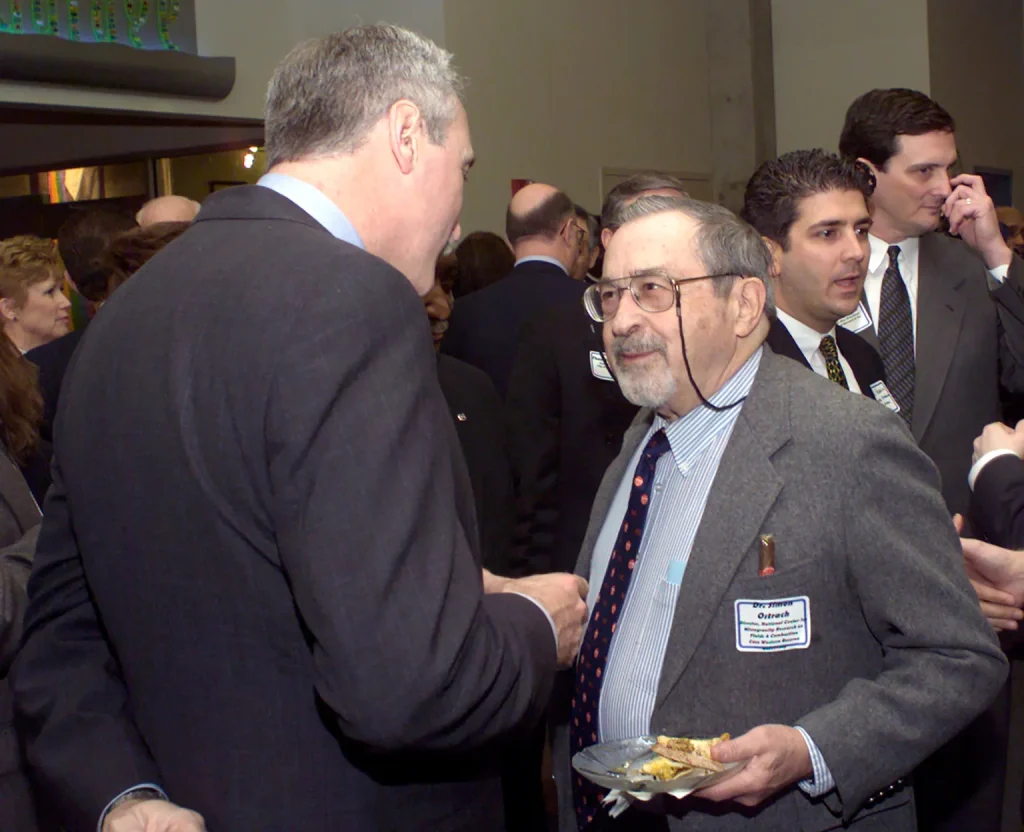
Ostrach left NASA in 1960 to work as a professor at Case Western Reserve University for 60 years. Simon Ostrach was also active in national engineering policy as Home Secretary of the National Academy of Engineering and participated extensively in professional committees and advisory boards. His advice to students was, “Do not be too concerned about the career aspects of life upon entering college. Concentrate on getting the best and broadest educational background, at the highest level possible, in your area of interest. In this new world of technology, one must be versatile and flexible. Work in one field may also make important contributions to other unrelated fields. Whatever the field, though, the possible contributions to society from science and engineering are endless.” Ostrach’s personal interests included sailing and sailboat racing, as well as classical, jazz, and big-band music. He died in October 2017. Simon Ostrach was called the “Superstar of Modern Aeronautics” for the work he did to bring aviation to what it is today; Simon Ostrach deserved every bit of it. Read about more Pioneers of Aeronautical Engineering HERE.



I was a Master’s student in the Mechanical Engineering department at CWRU in 1992 when Simon’s first experiment– on surface-tension driven flow, if I remember correctly — went up on the Space Shuttle microgravity laboratory in 1992. Thank you for this excellent synopsis of his career!