





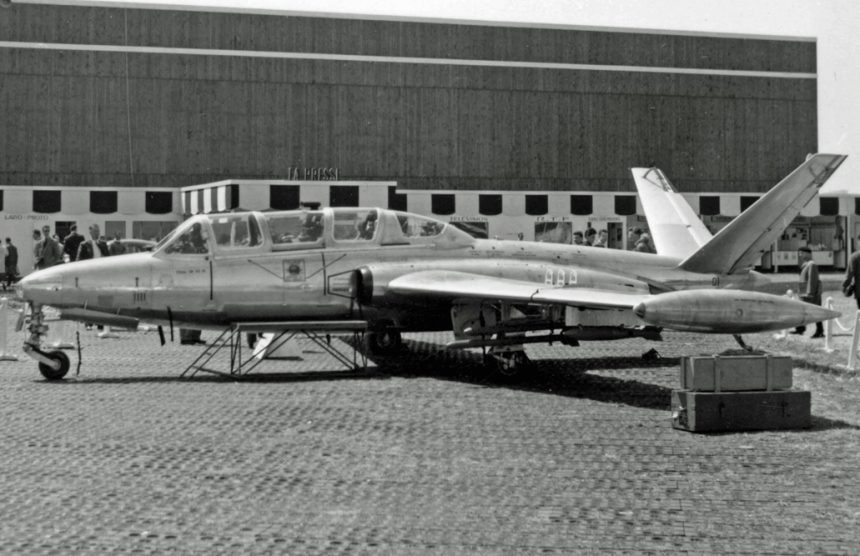

On this day in aviation history, 74 years ago (July 23, 1952), the Fouga CM.170 Magister took flight for the first time. This French two-seat jet trainer was developed by Établissements Fouga & Cie beginning in 1948, when jet technology began to draw interest within the country. Intended to be a military trainer, the original prototype was test flown by the French Air Force (Armée de l’Air). Flight testing revealed the Magister to lack sufficient power for the mission it was to be used for, so Fouga went back to the drawing board.
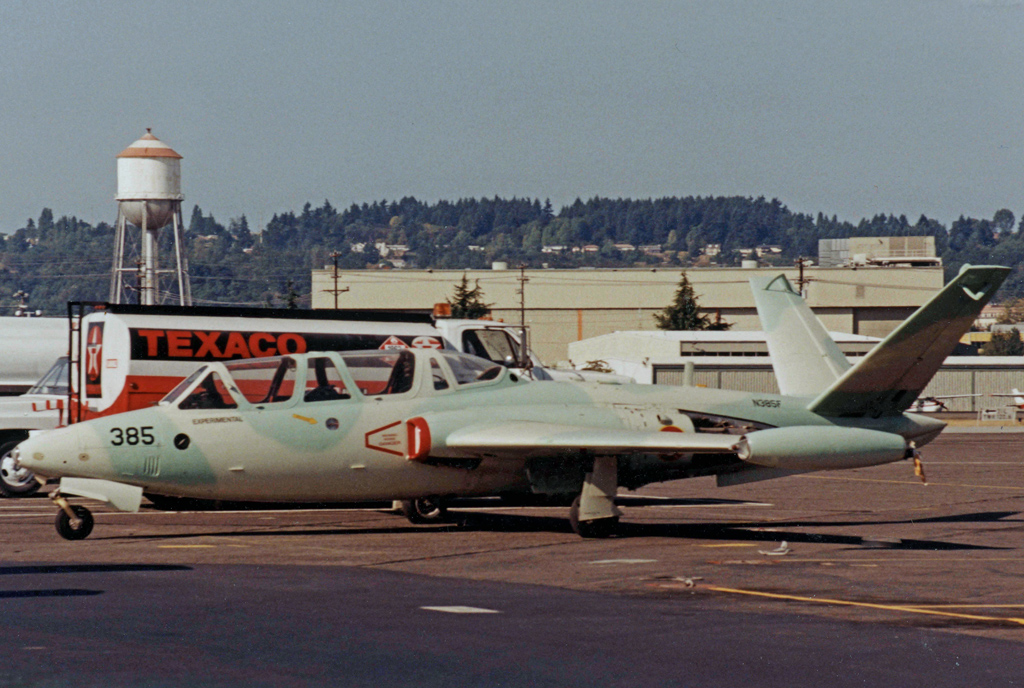
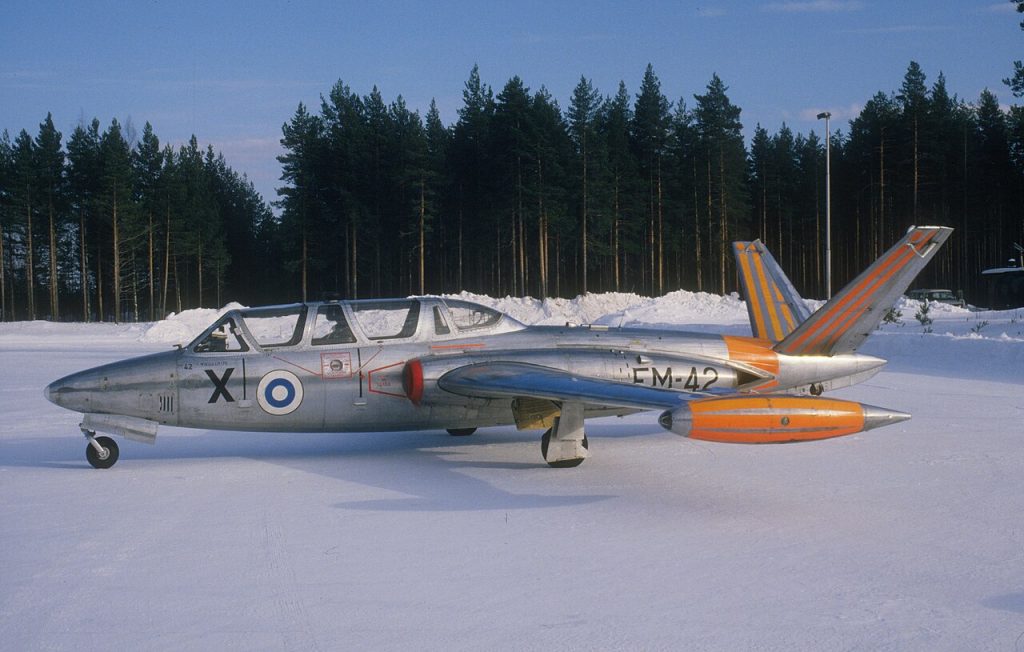
Fouga made the CM.170 larger and added a second engine. Twin Turbomeca Marboré IIA turbojet engines, each with 880 pounds of thrust, now power the Magister. Basic and intermediate training missions were within the CM.170’s capabilities, but so too was the light-jet used for close-air support missions. Israel flew the Fouga in the Six-Day War and in support of the Salvadoran Civil War. The French Acrobatic Patrol (Patrouille acrobatique de France) flew the CM.170 from 1964 to 1980.
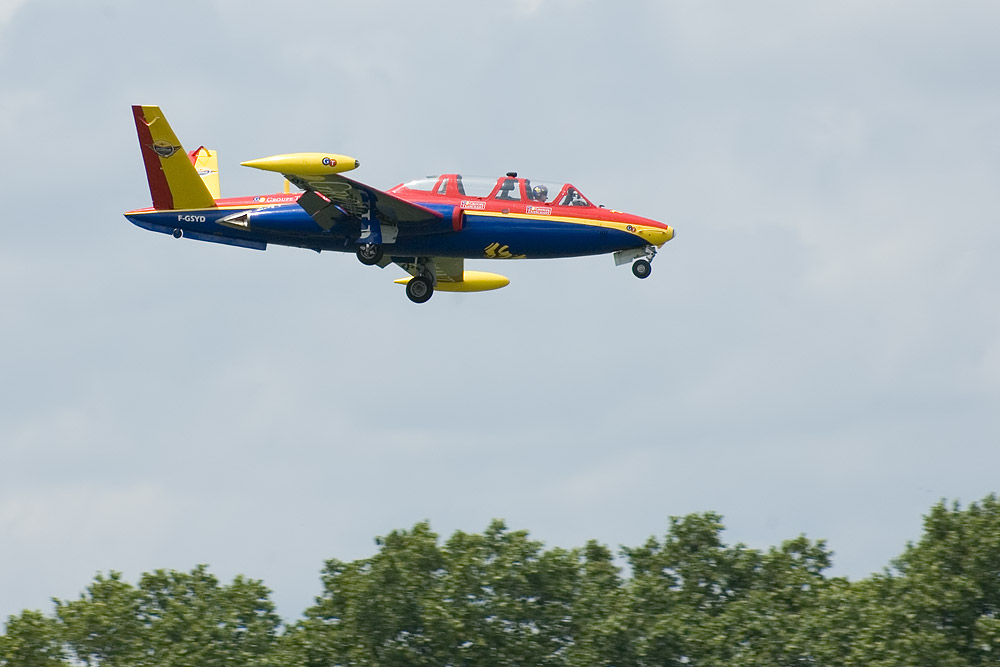
The Fouga CM.170-1 has a maximum airspeed of 444 mph and a 3,345-foot-per-minute rate of climb. The Magister has a range of 650 nautical miles and an endurance of 2 hours and 40 minutes. The service ceiling for the CM.170 is 36,000 feet. When equipped for combat, the CM.170 could be loaded with two 7.5 mm or 7.62 mm machine guns and up to 310 pounds of weapons on two underwing hardpoints, including bombs, rockets and anti-tank missiles. A total of 868 Magisters were manufactured by Fouga, Heinkel-Messerschmitt, IAI, and Valmet. Although retired from military service in the 1980s, many CM.170s remain flying today with civilian operators on the airshow circuit.




Fouga Magister 385 in the Seattle photo now resides at the Vintage Flying Museum in Ft Worth, TX and is still actively flying.