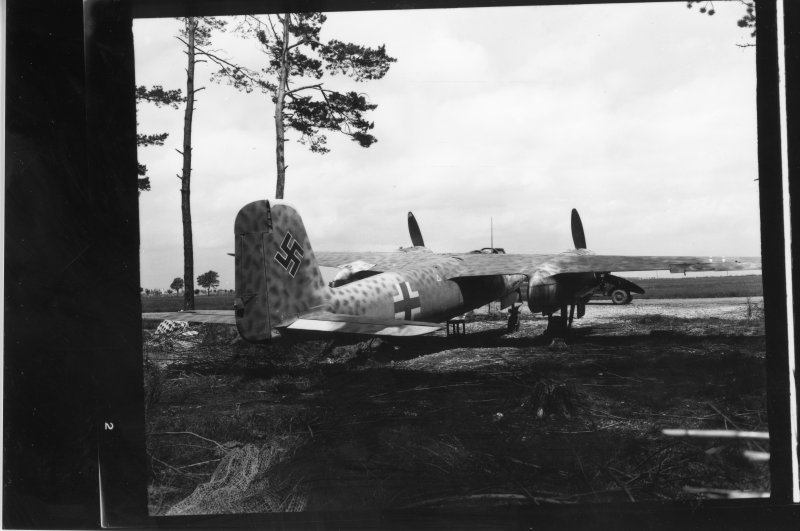
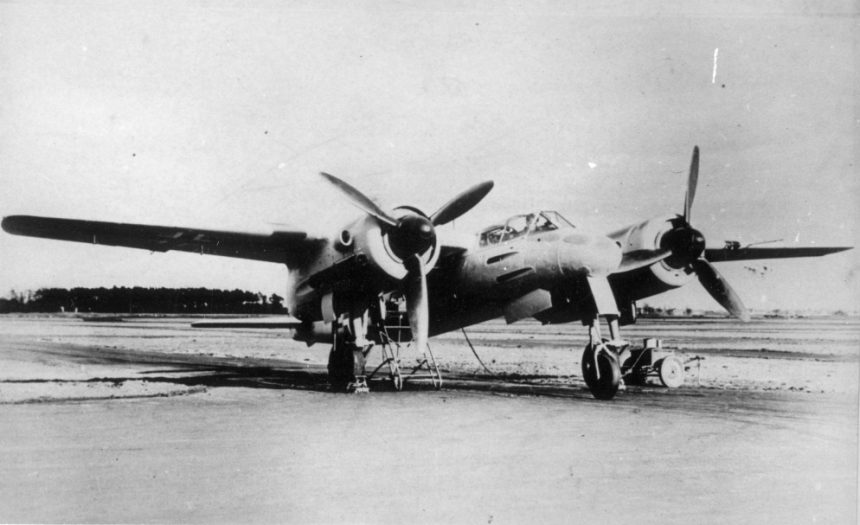

On this day in aviation history, 83 years ago (July 1, 1943), the Focke-Wulf Ta 154 Moskito took flight for the first time. Designed by noted aircraft mastermind Kurt Tank, the Ta 154 was a German night-fighter from WWII. The name Moskito was given unofficially due to the characteristics the aircraft shared with the British DH.98 Mosquito: a twin-engined specialty fighter of wooden construction. Development of the Ta 154 began in 1942, when the Luftwaffe began to seek a fighter that could protect the homeland from night bombing raids being conducted by the RAF. Strategic material usage was limited on the Moskito, as around 57% of the aircraft’s construction was wood. To bond the wooden structures together, a unique phenolic resin adhesive called Tego-Film was used. Focke-Wulf manufactured 3 prototype Ta 154s, 15 pre-production models, and 10 production variants.
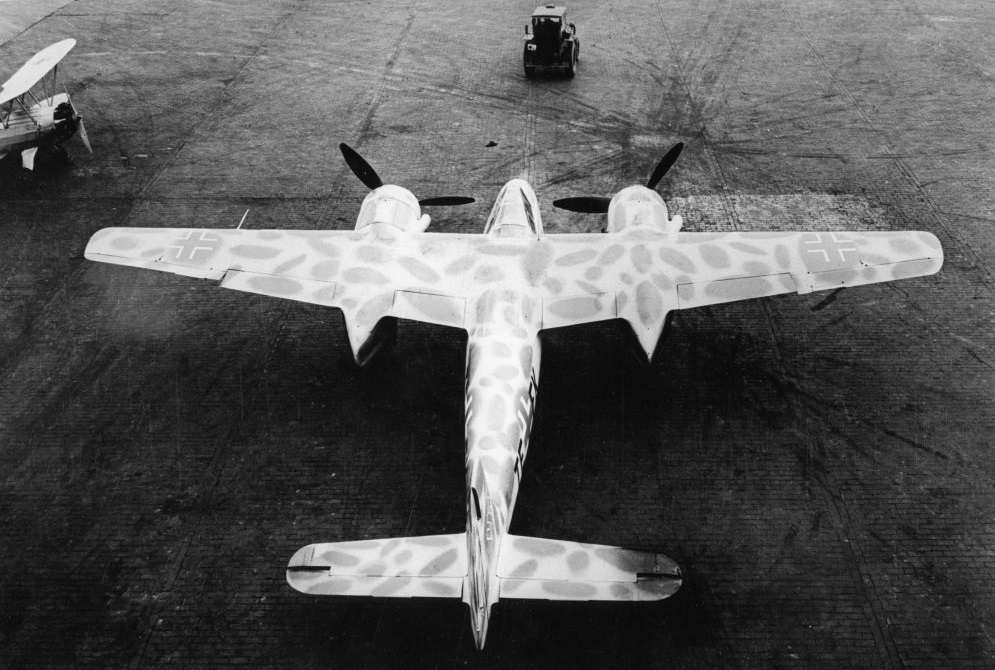
Flight testing revealed the Moskito had excellent performance, and the night-fighter showed promise as a potential solution to the pesky RAF night-bombing dilemma. Two Junkers Jumo 213E V-12 inverted liquid-cooled engines, with 1,750 hp each (for take-off, 1,320 hp in cruise), powered the Ta 154 to a maximum airspeed of 400 mph. The Moskito had a service ceiling of 35,800 ft and could climb at a rate of 3,000 fpm. This meant that the fighter could reach an altitude of 26,000 ft in 14 and a half minutes. Armament consisted of two 20 mm MG 151/20 cannons. Two 30 mm nose-mounted MK 108 cannons and two additional Schräge Musik 30 mm MK 108 cannons mounted in the fuselage. Radar was also installed.
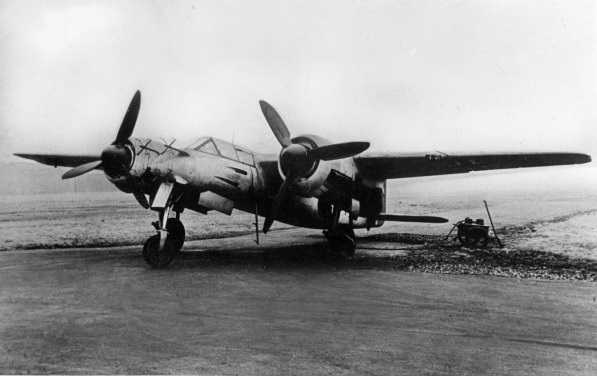
Despite the promise shown by the Ta 154, the best-laid plans of the Luftwaffe came crashing down in 1944. It was here that the RAF dealt a devastating blow to the Wuppertal Tego-Film factory, the only facility producing the valuable resin needed to hold the Moskito together. Production was halted in August of 1944, and the Ta 154 was cancelled a month later. The exact number of Moskitos to enter combat duty is unknown, but a number were flown by Nachtjagdgeschwader 3 (Night Fighter Wing 3). Some Ta 154s were also used as trainers for Luftwaffe jet pilots.