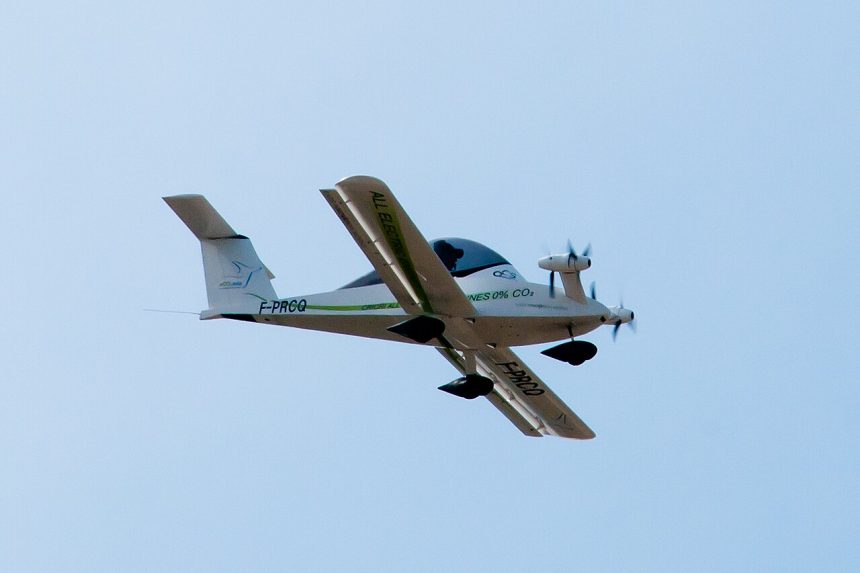


On this day in aviation history, 53 years ago (July 19, 1973), the first flight of the Colomban MC-10 Cri Cri took place. The Cri Cri is the smallest twin-engined aircraft in the world, flown by a human pilot. The design began in the 1970s at the hands of French aeronautical engineer Michel Colomban. Colomban gave the MC-10 prototype the nickname Cri Cri after the nickname of one of his daughters, which in English translates to “cricket.” The Cri Cri was designed with simplicity in mind, with aims to be a pilot-friendly airplane. Although a multi-engine aircraft, the closer spacing of the twin 15-horsepower JPX PUL 212 single-cylinder piston powerplants keeps them close to the centerline, meaning more stability in the event of a failure. A lost engine would only result in a gentle turn in one direction, rather than the abrupt and aggressive counter effects of a heavier light-twin. The bulbous-looking canopy was designed with the intent to direct airflow over the tailplane in the event of an engine outage.
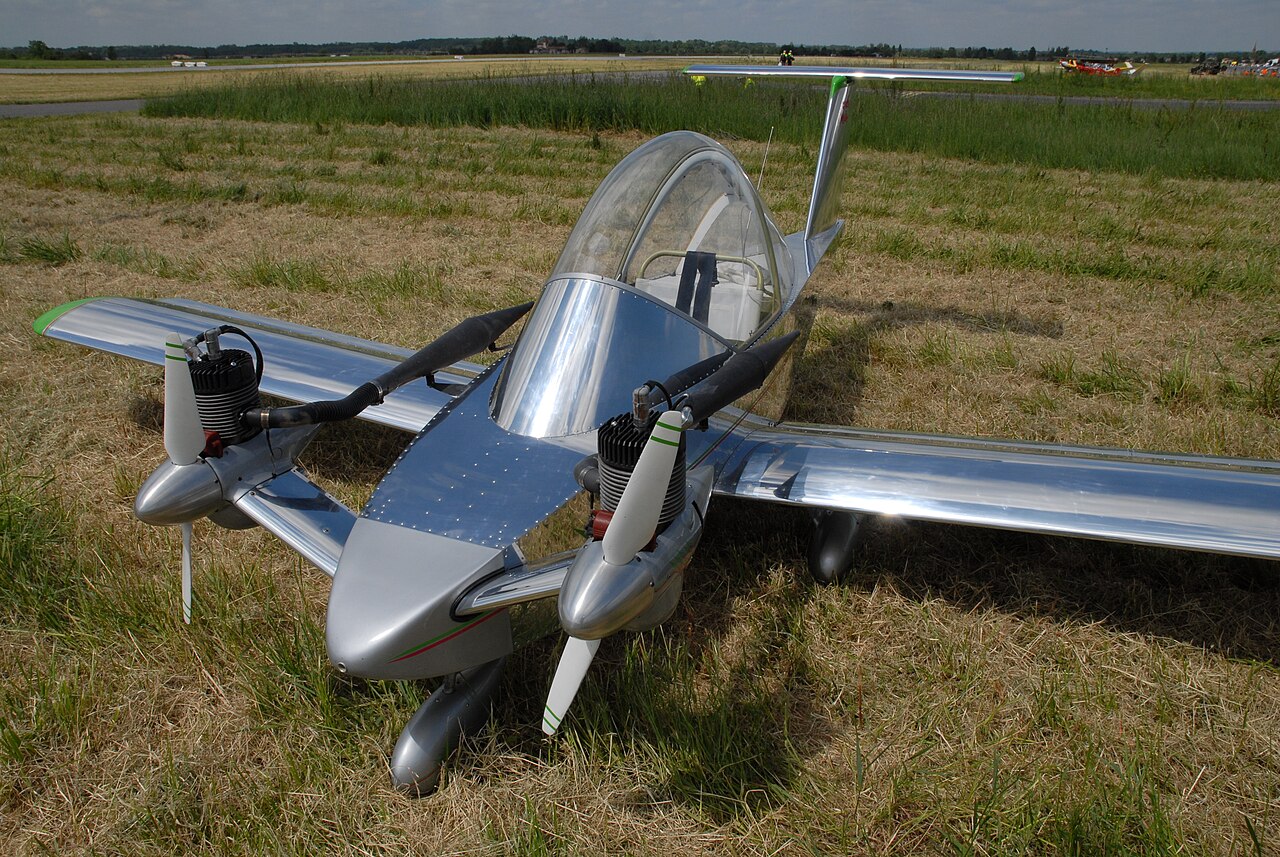
Colomban’s Cri Cri is easy to disassemble and transport; it can be taken apart in a mere 5 minutes. The ultra-light twin is able to handle light aerobatics, as flight testing revealed +10/-5g load limits. Since the initial flight of the MC-10 prototype, the Cri Cri has lived to see three additional variants be developed. The MC-12 model had a maximum airspeed of 114.9 mph and a range of 270 nautical miles. The MC-15 came shortly after, followed by the MC-15 Cri Cri Jet, powered by two PBS VB TJ20 turbojet engines with 47 pounds of thrust each. The MC-15 variant has a wingspan of 16 feet – 1 inch, and is 12 feet – 10 inches long. The Cri Cri can climb at 1,300 feet per minute and has a service ceiling of 12,100 feet. Cruise speed for the MC-15 is 120 mph, while the aircraft will stall between 45 and 56 mph.