






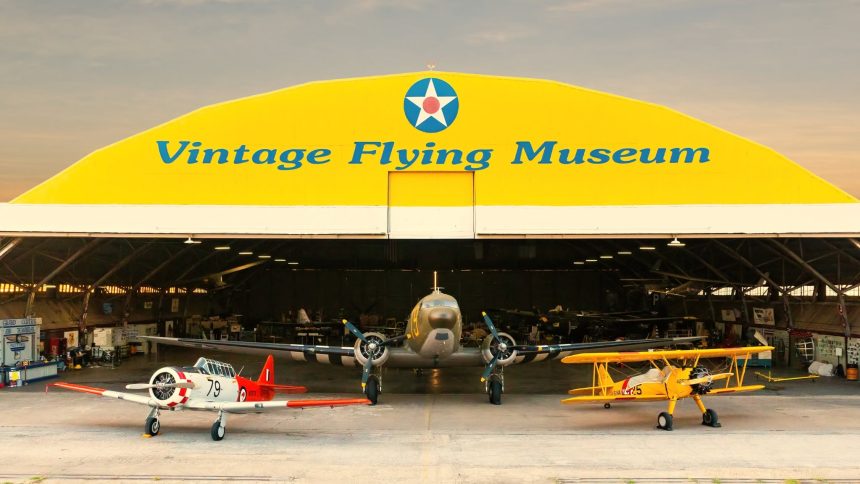

The Vintage Flying Museum (VFM) in Fort Worth, Texas, has announced an ambitious long-term vision designed to ensure the preservation and growth of one of the nation’s most respected warbird museums. In a letter addressed to volunteers, tenants, and supporters, museum leadership outlined succession plans, strategic initiatives, and an expansion concept intended to secure the museum’s future for generations to come. The announcement marks what museum officials describe as the beginning of the “next chapter” in the organization’s nearly five-decade history.
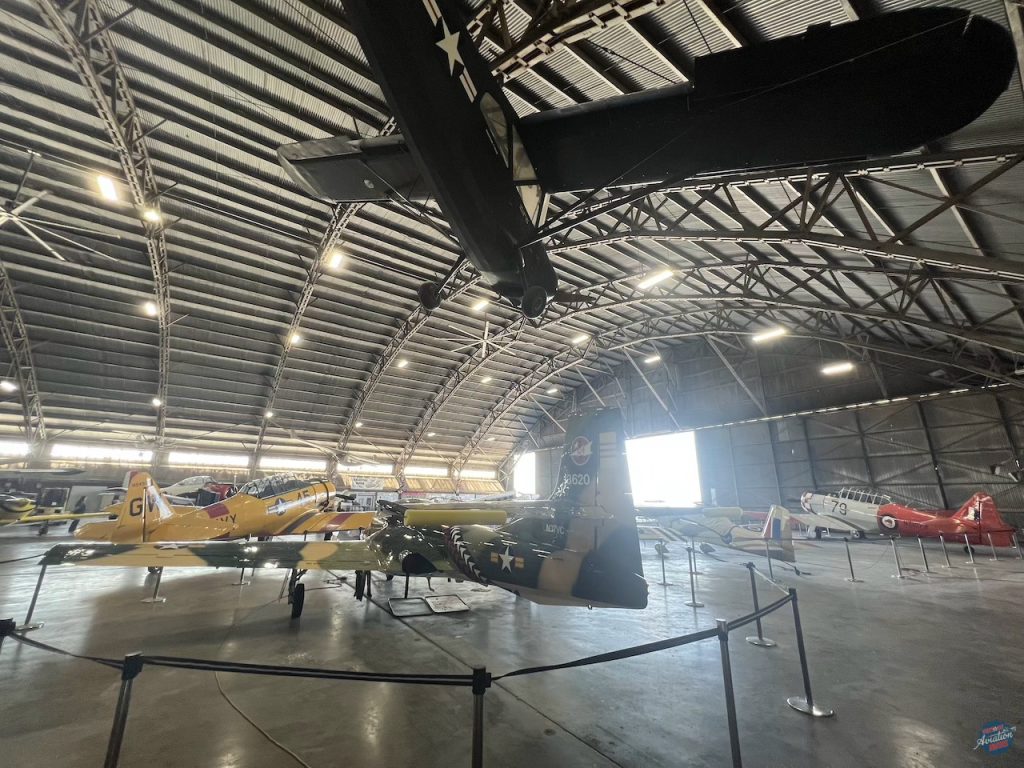
(Image credit: Vintage Aviation News)
A Legacy Built Around “Chuckie”
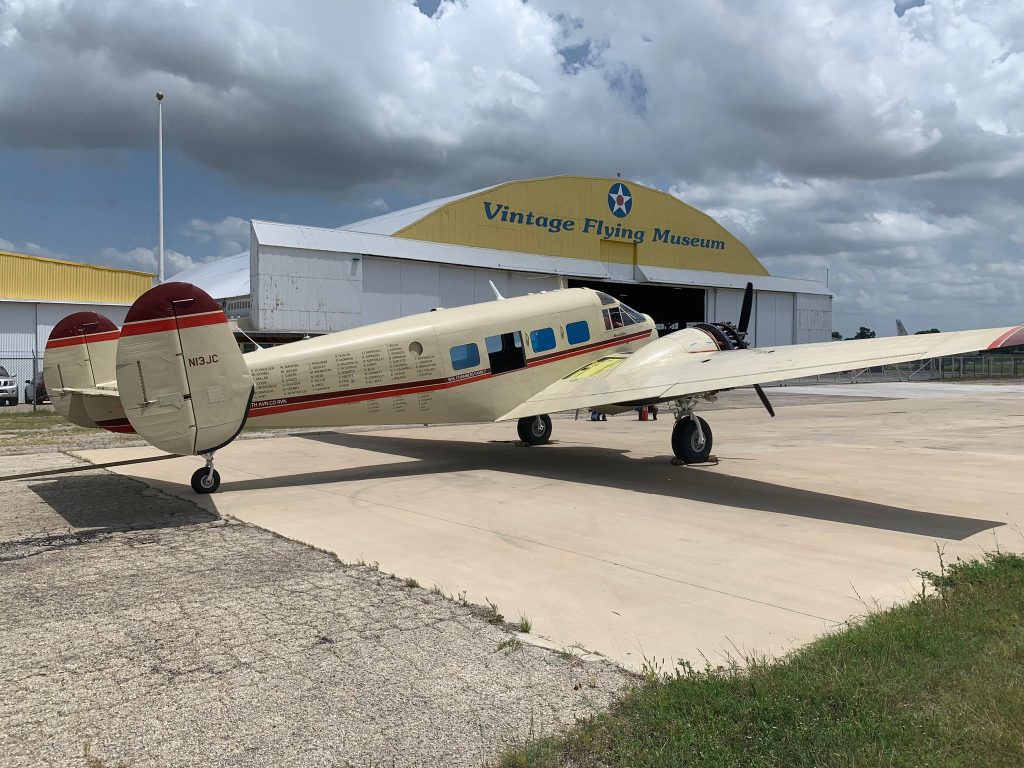
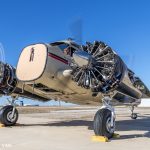
The Vintage Flying Museum traces its origins to 1979, when aviation enthusiast William “Doc” Hospers purchased a Boeing B-17G Flying Fortress and named it Chuckie after his wife. The aircraft became the centerpiece of a growing community of volunteers dedicated to preserving historic aircraft at Fort Worth’s Meacham International Airport. That passion led to the purchase of the museum’s current property in 1989, followed by the establishment of the Vintage Flying Museum as a nonprofit organization in 1990. Over the following decades, the museum weathered significant changes, including the passing of Doc Hospers in 2010 and the sale of its iconic B-17 due to increasing insurance and operating costs. Museum leaders credit Doc’s widow, Chuckie Hospers, with ensuring the organization continued to thrive during those challenging years. The museum has continued to expand its collection since then, welcoming the CAF B-29/B-24 Squadron as tenants in 2014 and receiving the donation of Jackie Cochran’s Beech 18 from Tarrant County College in 2019. Although the CAF squadron relocated to Dallas Executive Airport in 2021, the museum has continued to grow its collection and volunteer base.
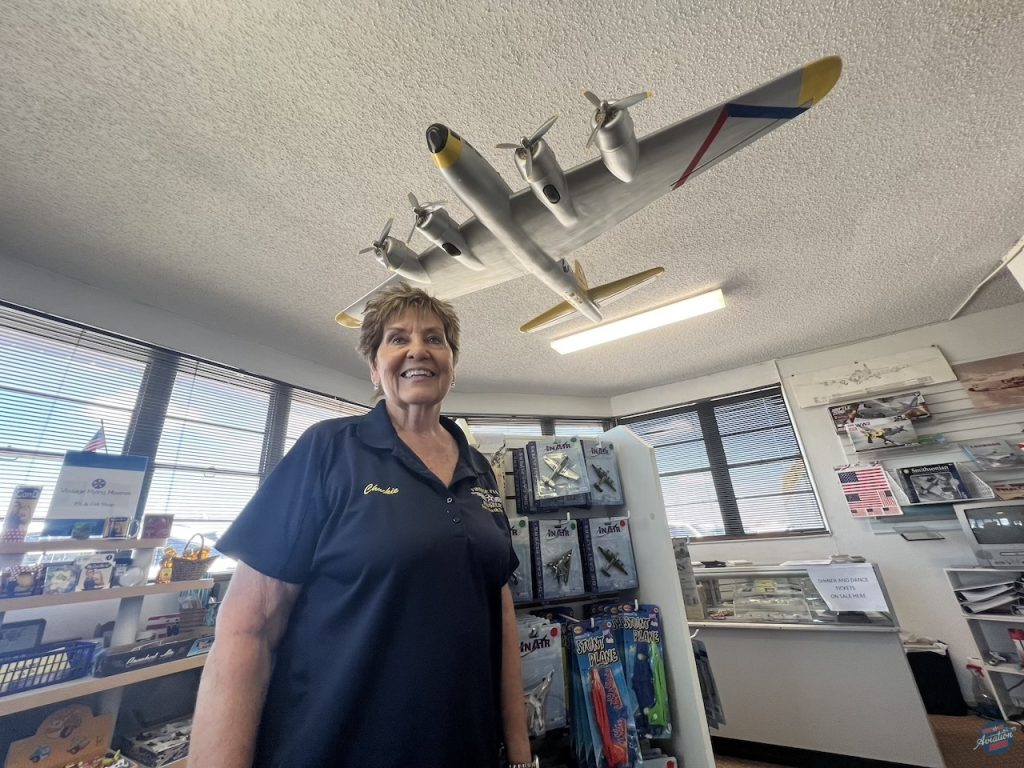
Planning for the Future
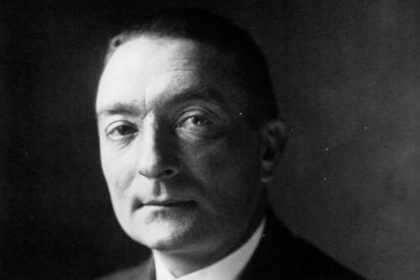
One of the most significant announcements in the letter concerns leadership succession. Chuckie Hospers remains Executive Director and Chairwoman of the Board and will continue leading the museum. However, the Board of Directors has selected Director of Operations Bill Gorin to join the board and eventually assume leadership responsibilities when the time comes. The transition is intended to provide continuity while allowing the museum to begin implementing long-term strategic initiatives now rather than waiting for a future leadership change. In the letter, Gorin acknowledged the enormous responsibility of following in the footsteps of Doc and Chuckie Hospers, describing his role not as replacing them but as serving as the next caretaker of the museum’s legacy.
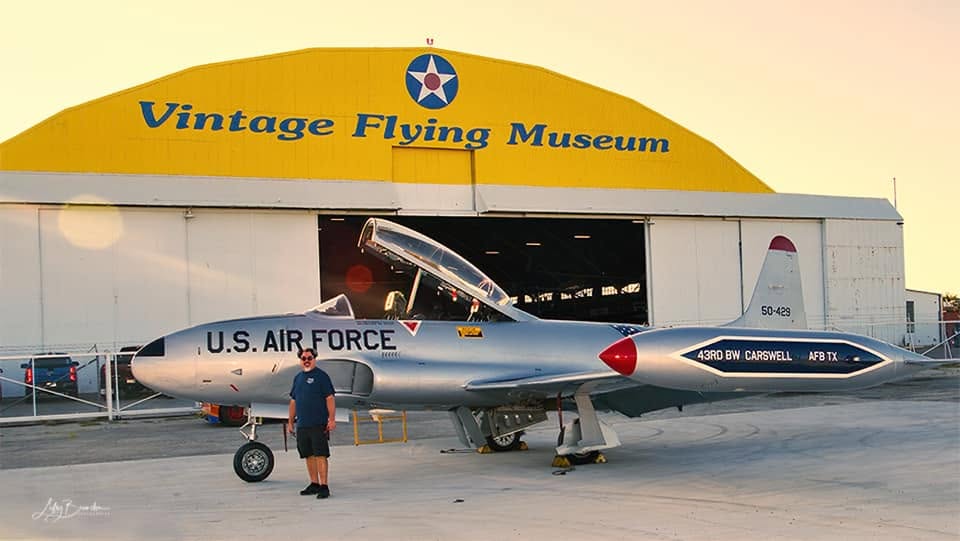
An Ambitious Long-Term Vision
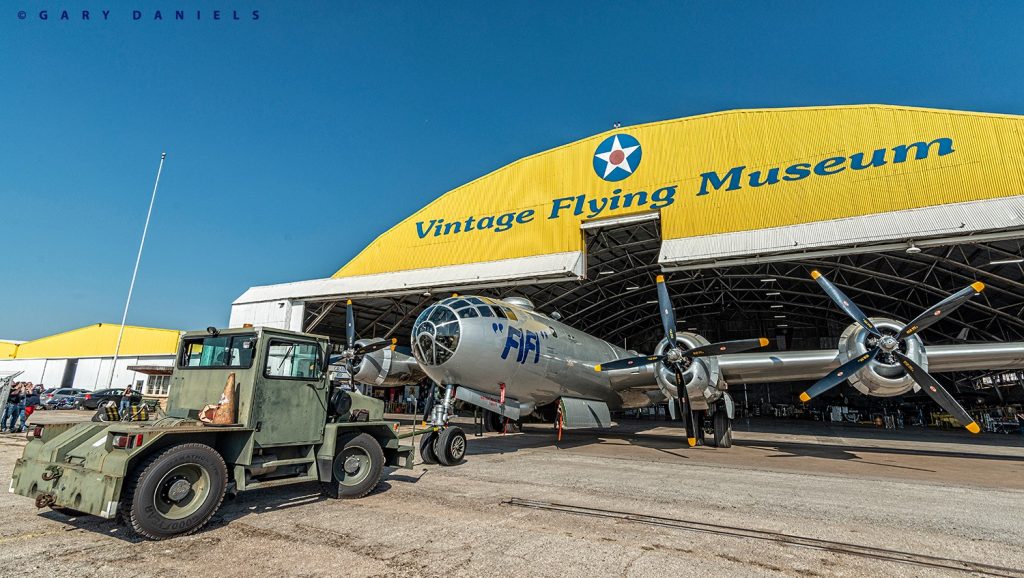
Museum leadership also revealed an expansive master plan aimed at transforming the Vintage Flying Museum into one of the premier aviation museums in the United States. Among the strategic priorities are strengthening the Board of Directors with experienced business leaders, exploring opportunities to acquire the museum property from the Hospers family trust, establishing endowment funds, expanding grant opportunities, creating programs to accept estate donations, and introducing new corporate membership levels to diversify fundraising. The museum’s long-term facilities vision is equally ambitious. Plans call for constructing two new hangars matching the design of the museum’s historic B-29 hangar, connected by a two-story complex housing expanded exhibit galleries, classrooms, offices, maintenance shops, a theater, library, and an enlarged gift shop. Additional improvements would include expanding the aircraft ramp, constructing new storage facilities, and eventually adding paid staff to complement the museum’s volunteer workforce. Leadership acknowledges the project will take years to accomplish but believes the museum is well positioned to pursue these goals thanks to its financial stability, historic location adjacent to Meacham International Airport, proximity to downtown Fort Worth, and dedicated volunteer community.
(Image credit: Vintage Flying Museum)
Immediate Projects Continue
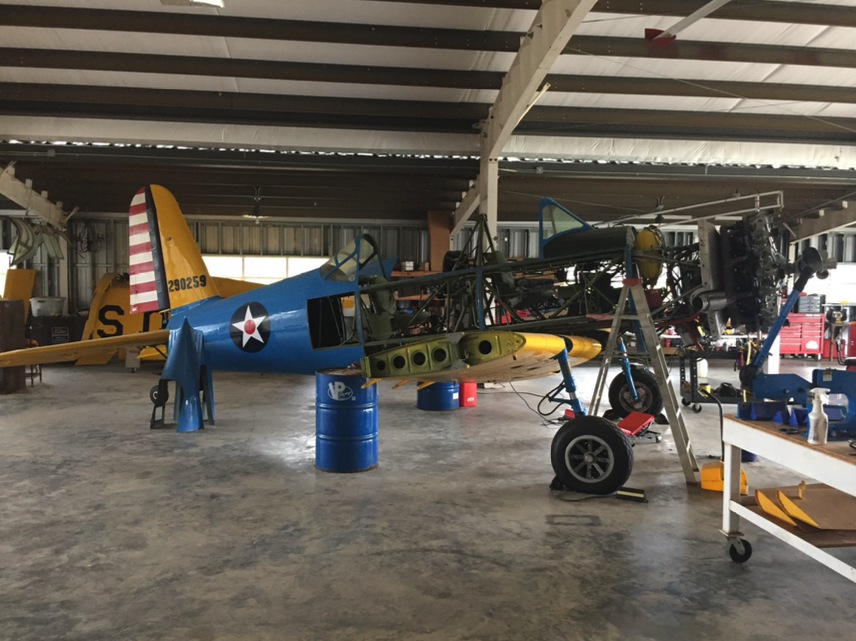
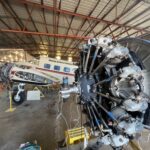
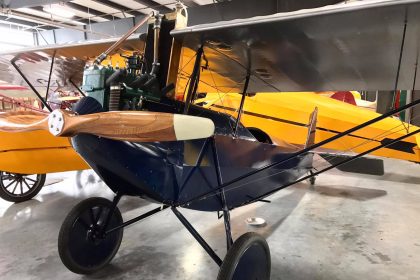
While outlining its long-range plans, the museum also highlighted several exciting developments expected over the coming months. Among them is the anticipated first flight of the restored Hollywood Bomber, one of the museum’s most closely watched restoration projects. The museum is also preparing to receive a donated Vultee BT-13B Valiant advanced trainer, with leadership expressing confidence that the aircraft could be returned to flying condition within approximately six months before joining the museum’s planned ride program alongside Jackie Cochran’s Beech 18. Restoration photographs included with the announcement show the BT-13B already well underway. Additional efforts are focused on modernizing volunteer and membership management through new software designed to simplify applications, scheduling, hour tracking, and communication.
(Image credit: Vintage Flying Museum)
Looking Ahead
Throughout the announcement, museum leadership repeatedly emphasized that the Vintage Flying Museum’s greatest strength remains its volunteers, tenants, and supporters. With a clear succession plan now in place and an ambitious roadmap for future growth, the organization hopes to build upon the foundation established by Doc and Chuckie Hospers while continuing its mission of preserving and flying historic aircraft for future generations. As the museum approaches its fifth decade, its leadership believes the next chapter has already begun. For more information, visit www.vintageflyingmuseum.org.






I would love to come see my old airplane the Southern Cross