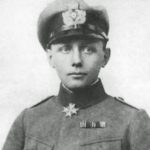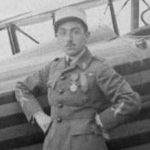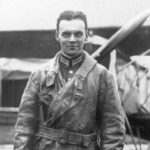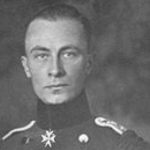
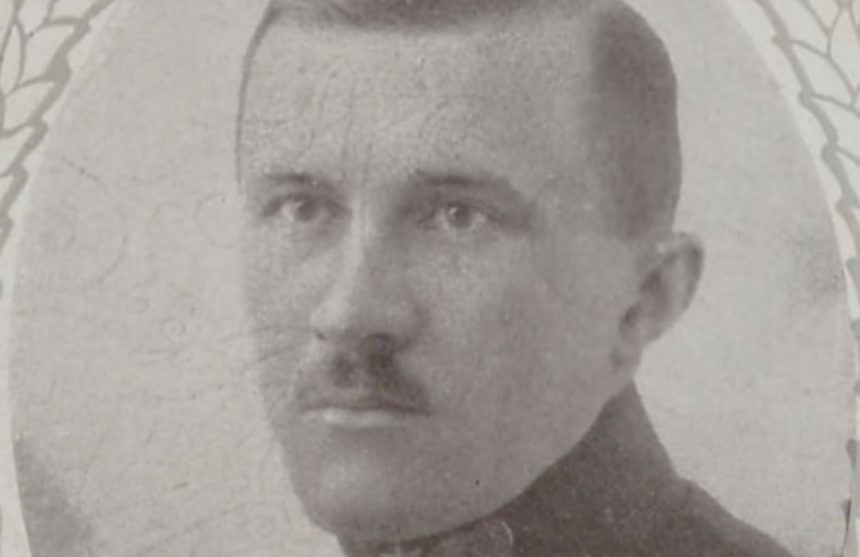

During WWI, an Austro-Hungarian flying ace, Ernst Strohschneider, was known for his leadership skills. Born on September 6, 1886, he joined the infantry and became a second lieutenant in the reserves in January 1913. When WWI started, he was serving with the 28th Infantry Regiment on the Serbian Front. Strohschneider was shot in the leg early in the war on August 28, 1914. After he was hospitalized, he joined the 42nd Infantry Regiment, a Guards unit, on the Russian Front. He was wounded in the knee on February 9, 1915, and after his recovery, he returned to lead a machine gun section. On September 19, 1915, he was wounded again and captured by the Russians, but managed to escape to friendly lines. After recovering, Ernst Strohschneider was discharged from the army because he was no longer fit for further service. He joined the Austro-Hungarian Aviation Troops and trained as an aerial observer. After graduating, he was assigned to Flik 23 in South Tyrol.
Ace Journey of Ernst Strohschneider
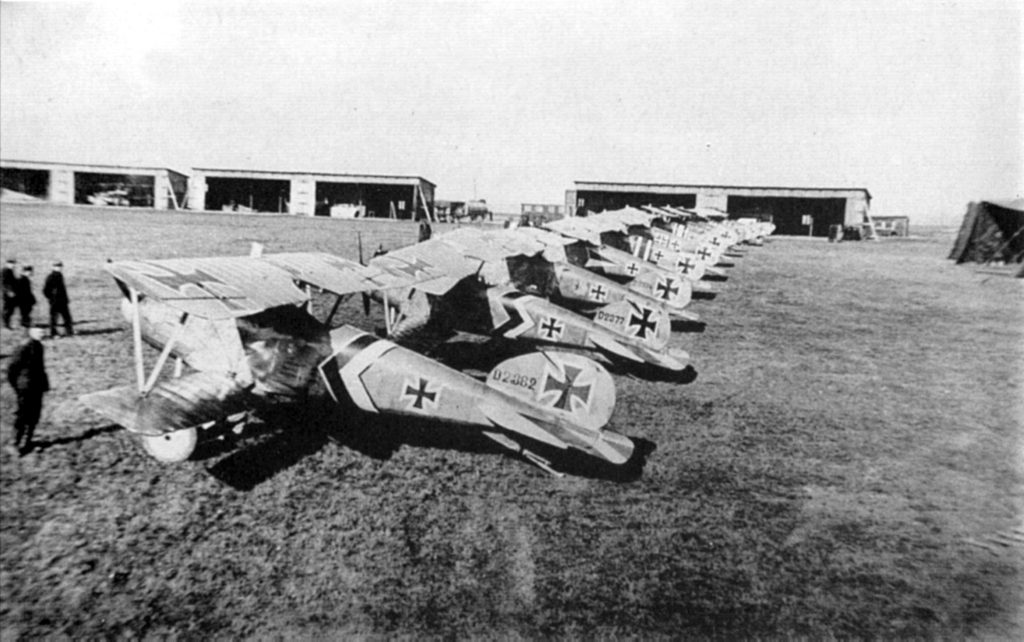
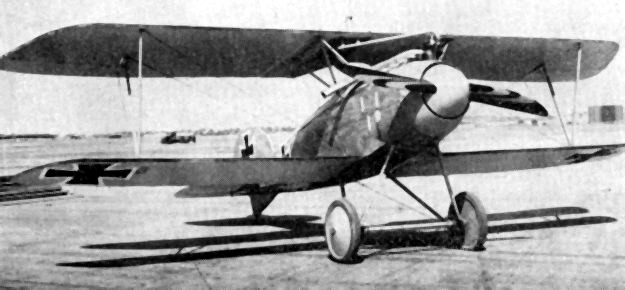
Then Ernst Strohschneider began pilot training, graduated on December 30, 1916, and received Austrian Pilot Certificate No. 596 on January 30, 1917. He was then assigned to Flugegeschwader I on the Isonzo front. He flew a Hansa-Brandenburg D.I in this unit. His first victory came on June 3, when he shot down an Italian seaplane, followed by one more victory in the same month. Strohschneider was then transferred to a fighter squadron at Prosecco, where he became the second-in-command of Flik 42J. Ernst Strohschneider started flying an Albatros D.III with this squadron, and all his remaining victories would come while flying it. After scoring two victories on September 23, on September 26, he shot down a SPAD Scout to officially become an ace. Further, he scored four victories in October and two in November to end 1917 at a score of 11. On December 28, 1917, he was transferred to lead a fighter unit called Flik 61J. He became the first reserve lieutenant to take this command. While Ernst Strohschneider led Flik 61J, he also temporarily took charge of a second fighter squadron after its leader, Karl Nikitsch, became ill.
Leadership and Death
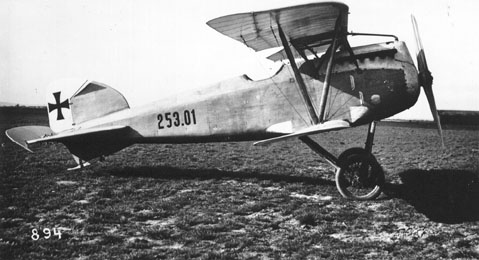
Under Strohschneider’s leadership, Flik 61J completed many types of missions. The unit conducted fighter interceptions, provided escort for other aircraft, attacked enemy trenches and artillery positions, struck enemy airfields and naval ships, and flew night missions. In this unit, Ernst Strohschneider scored two victories in January 1918, one in February, and his last and 15th victory on March 16. On the night of March 20, 1918, Ernst Strohschneider flew a Phönix D.I aircraft with the serial number 228.36. He was part of a night mission involving five planes targeting an Italian position at Zenson di Piave. Ernst Strohschneider crashed and died when he returned early on March 21. During WWI, he was awarded the Knight’s Cross of the Order of Leopold with War Decoration and Swords, Order of the Iron Crown Third Class with War Decoration and Swords, Silver Military Merit Medal with Swords, and Military Merit Medal Third Class. In the Aces series, Ernst Strohschneider was a balanced ace with strong leadership skills, as he demonstrated during his time with Flik 61J. Read stories about more Aces HERE.