
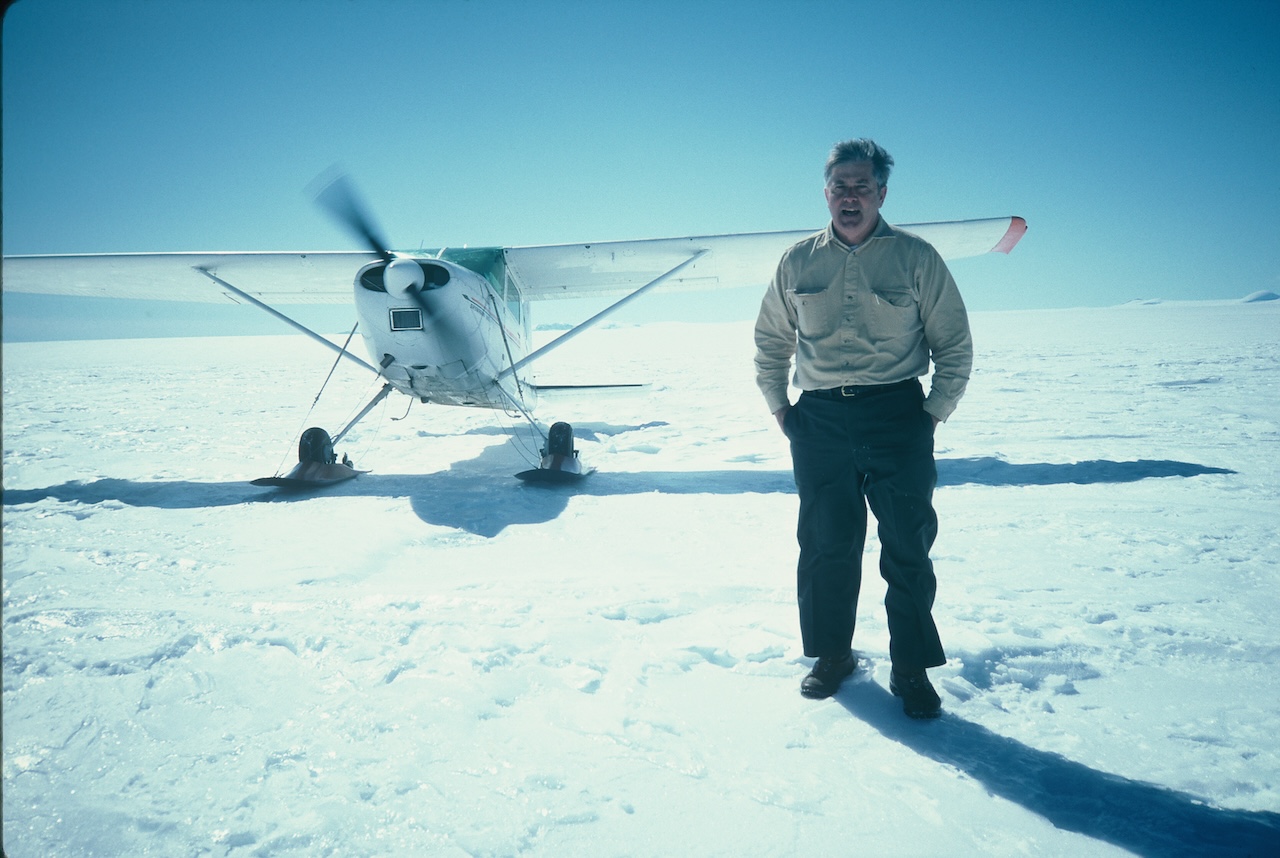
The aviation world is mourning the loss of Pat Epps, a true legend whose passion for flight, dedication to veterans, and unwavering support of vintage aviation left an indelible mark on countless lives. Known to many as a role model, mentor, and personal friend, Pat’s influence extended far beyond the cockpit. Perhaps best known in the warbird community for leading the extraordinary recovery of the World War II P-38 Lightning Glacier Girl, buried beneath 265 feet of Greenland ice, Pat’s life was defined by bold vision and relentless determination. Yet his impact was just as profound closer to home: pilots and warbird enthusiasts often recall dropping by his Atlanta FBO, only to be greeted with free fuel, advice, and support that launched careers and inspired dreams. Pat Epps, 91, passed away peacefully at his Atlanta home on Friday, November 14, 2025.
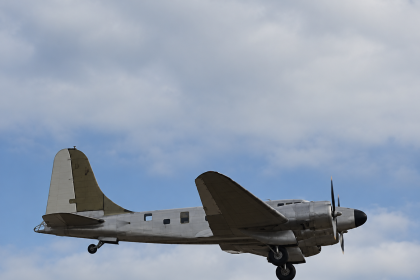
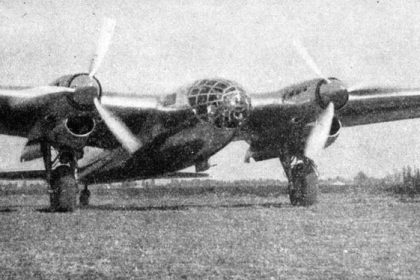
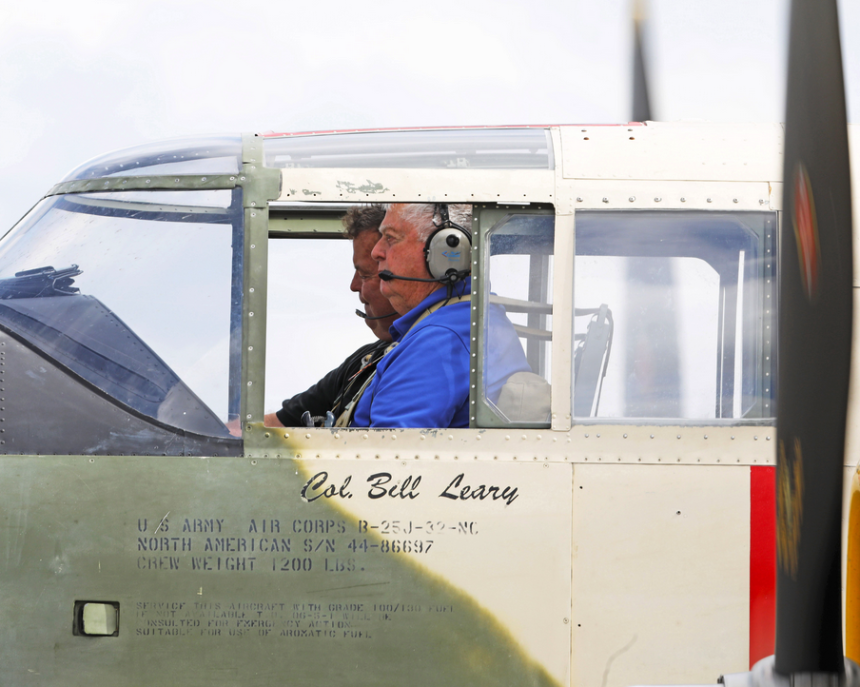
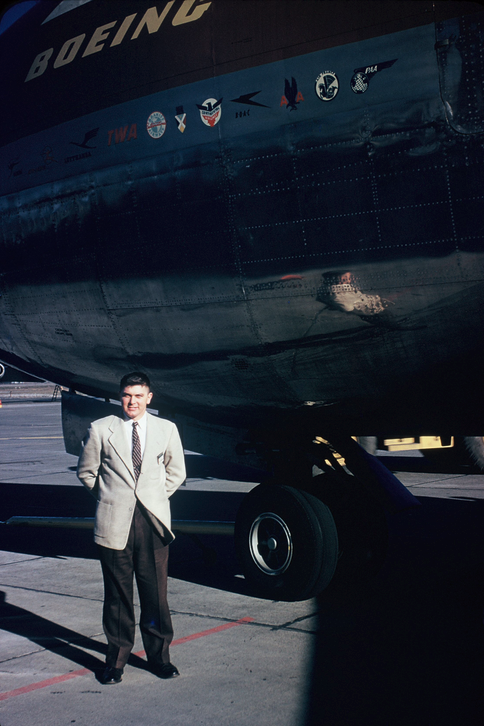
A proud USAF veteran, Pat flew T-28s, B-25s, C-123s, and KC-97s, while also contributing as one of Boeing’s first engineers on the flight tests of the iconic B-707 prototype, now preserved at the Steven F. Udvar-Hazy Center. He championed veterans’ organizations and vintage aviation projects with the grace and generosity of a true southern gentleman, embodying the very spirit of aviation.
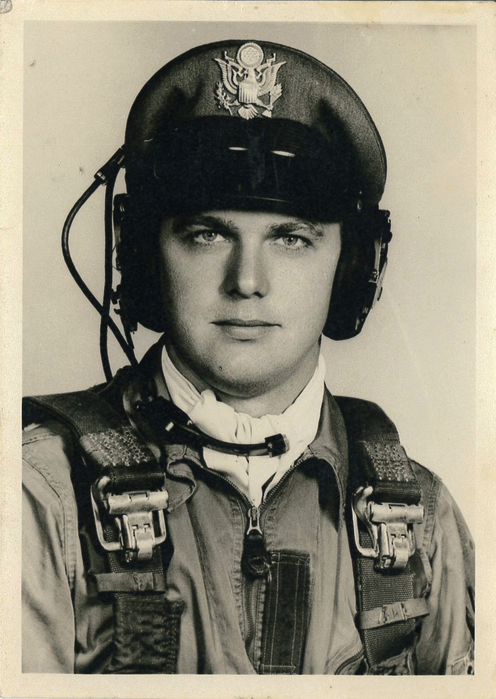
Born on February 23, 1934, in Athens, Georgia, he was the ninth of ten children of Omie Lucile Williams Epps and Ben Thomas Epps, Georgia’s first aviator. Though he lost his father to an aviation accident at age three, his mother’s encouragement ensured that six sons and one daughter would take to the skies. Pat soloed in a Piper J-3 Cub in 1952 before attending Georgia Tech, where he joined the Air Force ROTC and graduated as a Mechanical Engineer and second lieutenant in 1956.
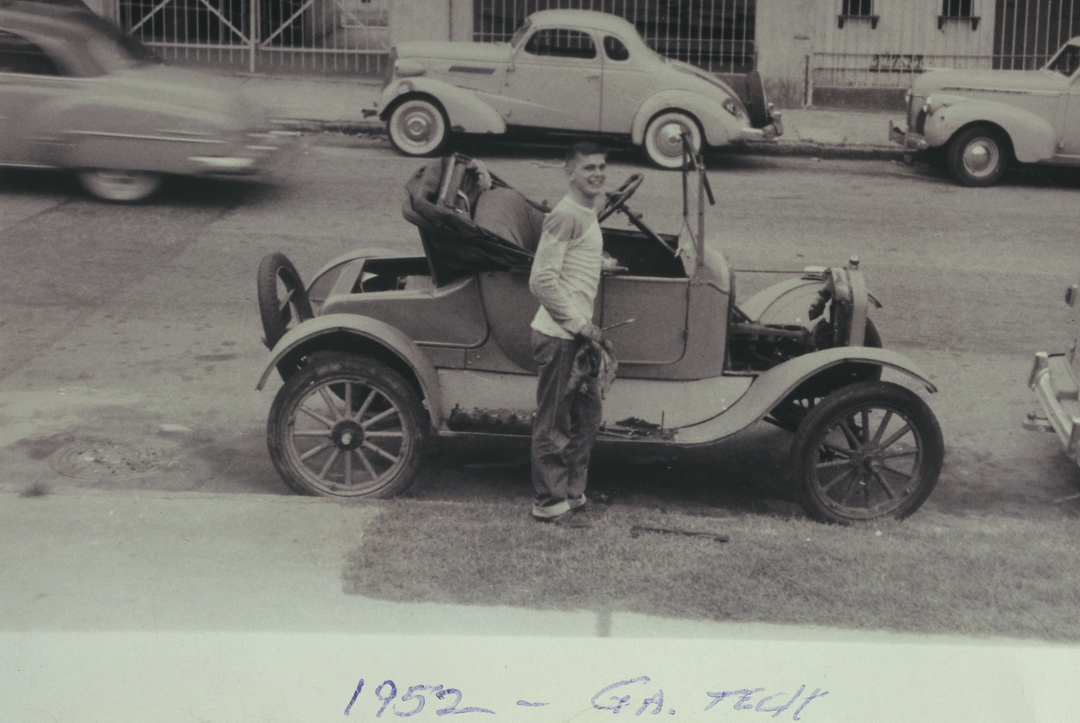
That same year, Pat contributed to Boeing’s flight testing of the 707 prototype in Seattle before serving in the Air Force. After leaving military service in 1963, he joined his brother George in Huntsville, Alabama, working in aerospace engineering before the brothers answered a Flying magazine ad and became Mooney Aircraft dealers in Georgia and Alabama.
In 1965, Pat, alongside brothers George and Charles, founded Epps Air Service at DeKalb-Peachtree Airport (PDK) in Atlanta. What began as a modest FBO with two hangars and 19 employees grew under Pat’s leadership into a premier aviation company spanning 21 acres, eight hangars, and 250 employees. His mantra—“the customer pays the bills, so take good care of the customer”—guided generations of pilots, mechanics, and aviation entrepreneurs.

Pat’s devotion to flying was unmatched. Beyond running the business, he performed aerobatic displays in his signature red, white, and blue Beechcraft Bonanza and was a perennial favorite at EAA’s Oshkosh Airshow. Globally, he earned acclaim for orchestrating the recovery of Glacier Girl, a feat that spanned more than a decade and cemented his reputation for innovation and perseverance.

A tireless advocate for general aviation and education, Pat supported technical schools, aviation organizations, and veteran programs across the nation. His awards were numerous: the 1988 Gathering of Eagles honoree, NBAA’s American Spirit Award in 1999, the John P. “Jack” Doswell Award in 2007, the 2010 NATA William A. “Bill” Ong Memorial Award, a 2011 Living Legends of Aviation honoree, and induction into the Georgia Aviation Hall of Fame. He was also a devoted member of the Atlanta Aero Club and Buckhead Rotary Club and a committed supporter of the CAF Airbase Georgia and the Museum of Aviation at Warner Robins.
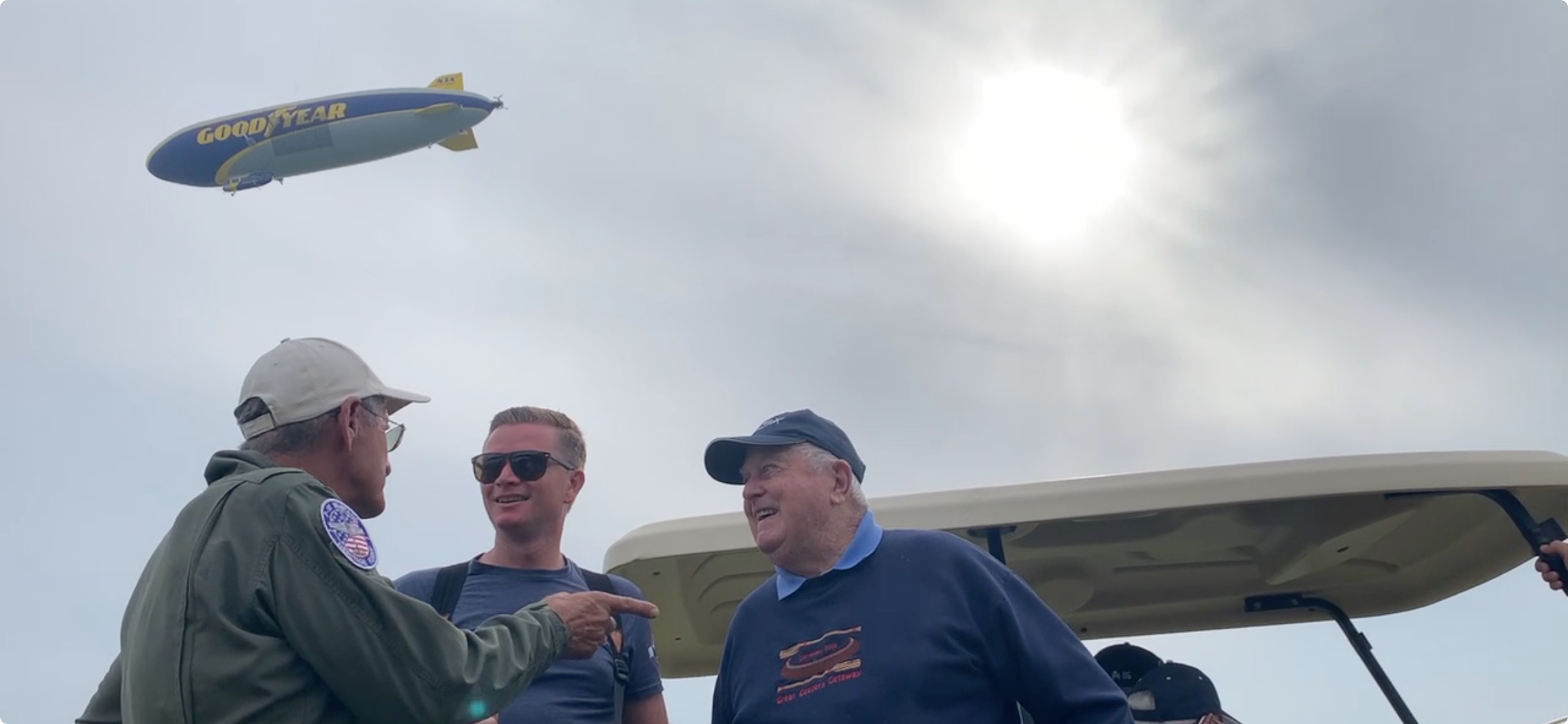
Pat Epps’ entrepreneurial spirit, boundless generosity, and lifelong devotion to flight have left an enduring legacy. From the frozen expanses of Greenland to the skies over Atlanta, from fledgling pilots to seasoned warbird enthusiasts, countless lives were touched by his vision, kindness, and passion. In the world of aviation, the word “legend” is often used—but in Pat Epps’ case, it could not be more deserved.