






By Randy Malmstrom
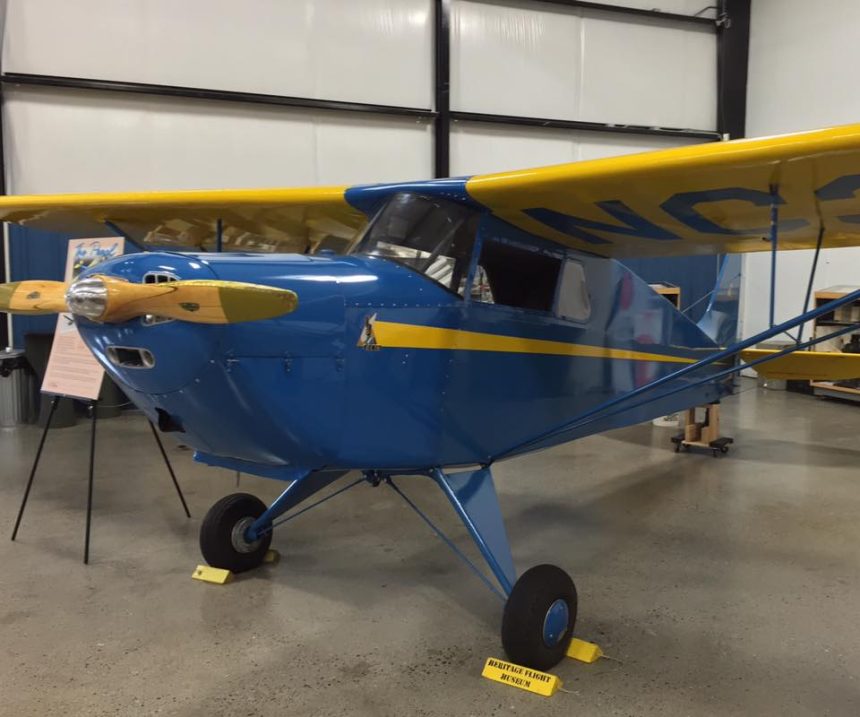
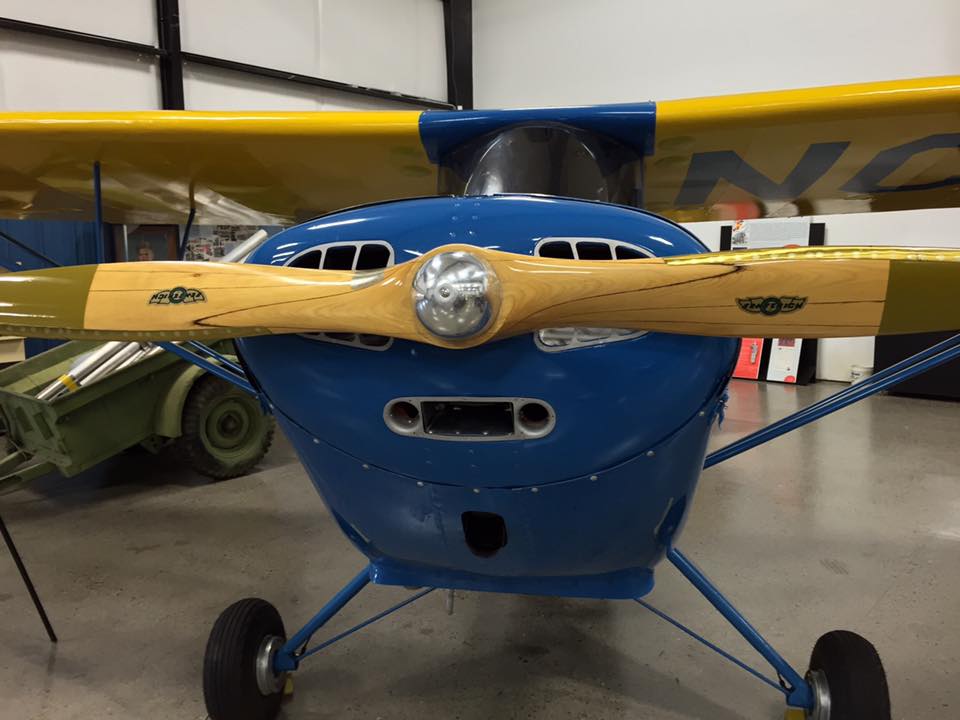
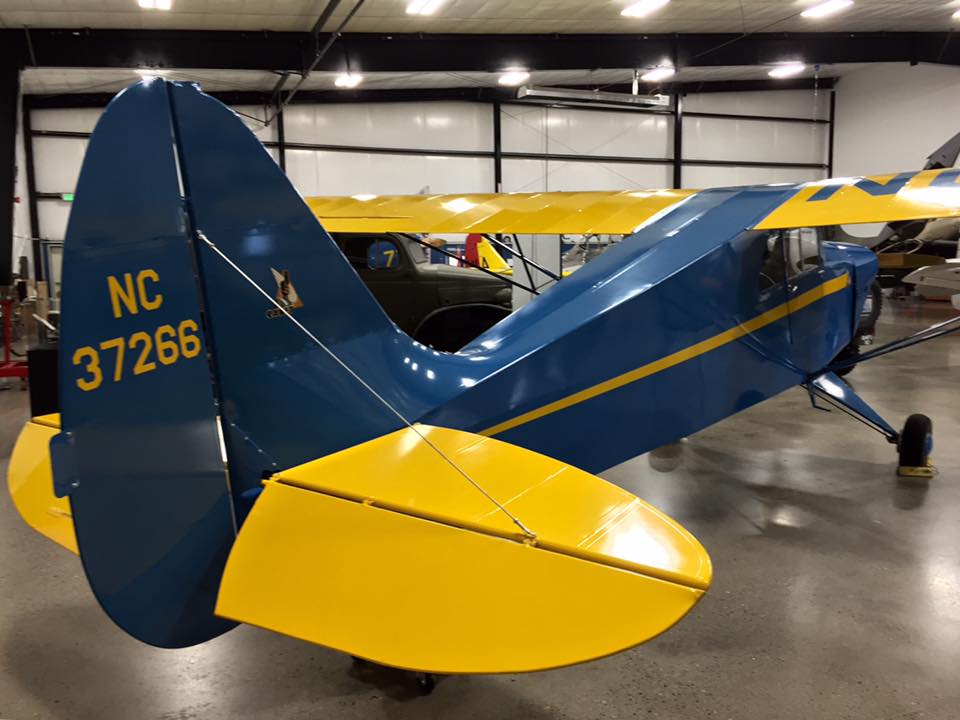
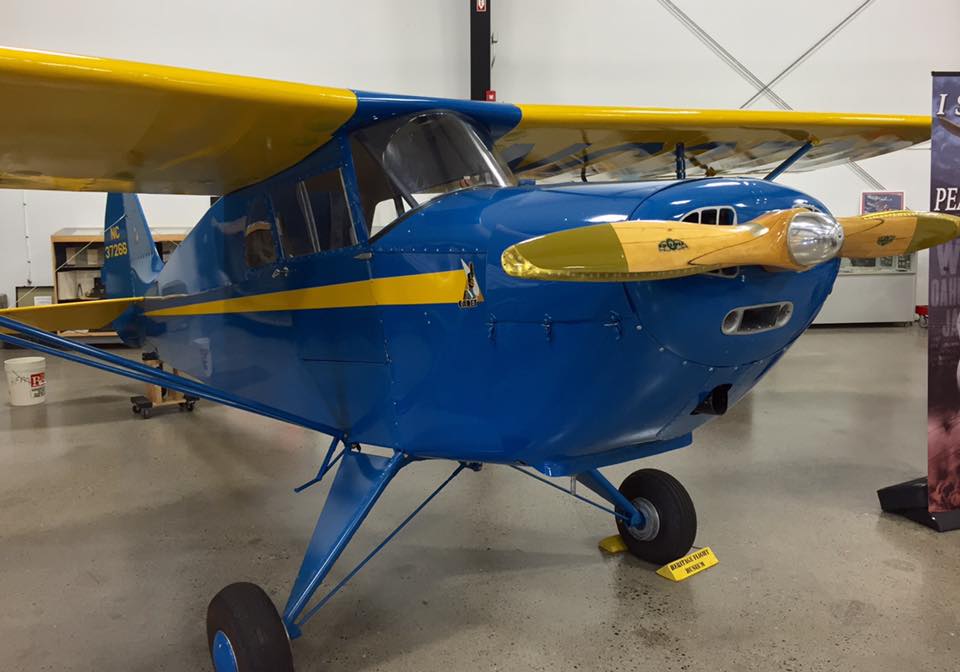
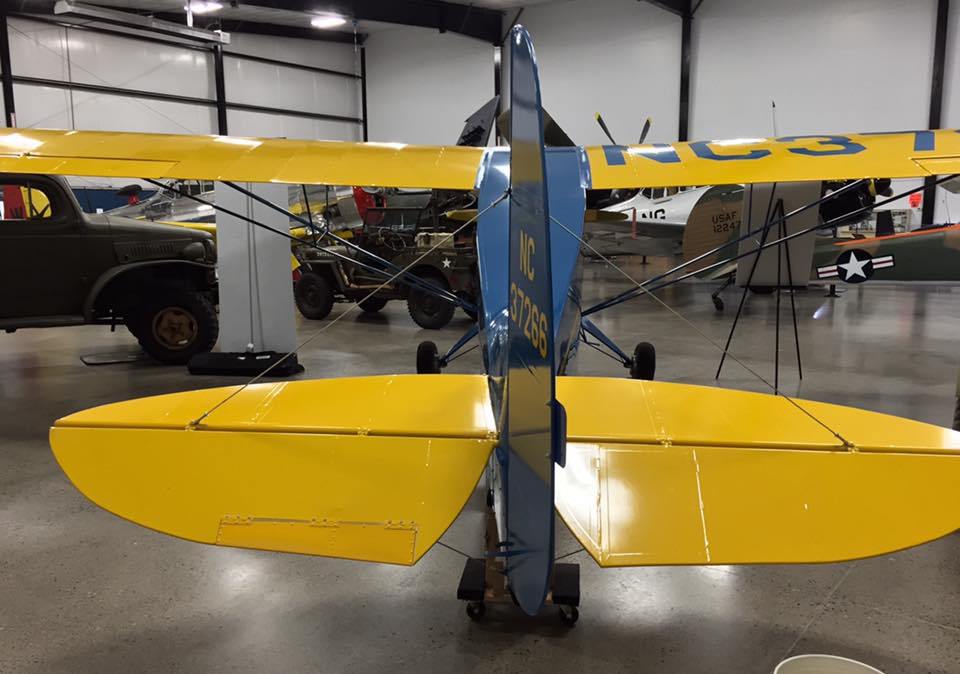
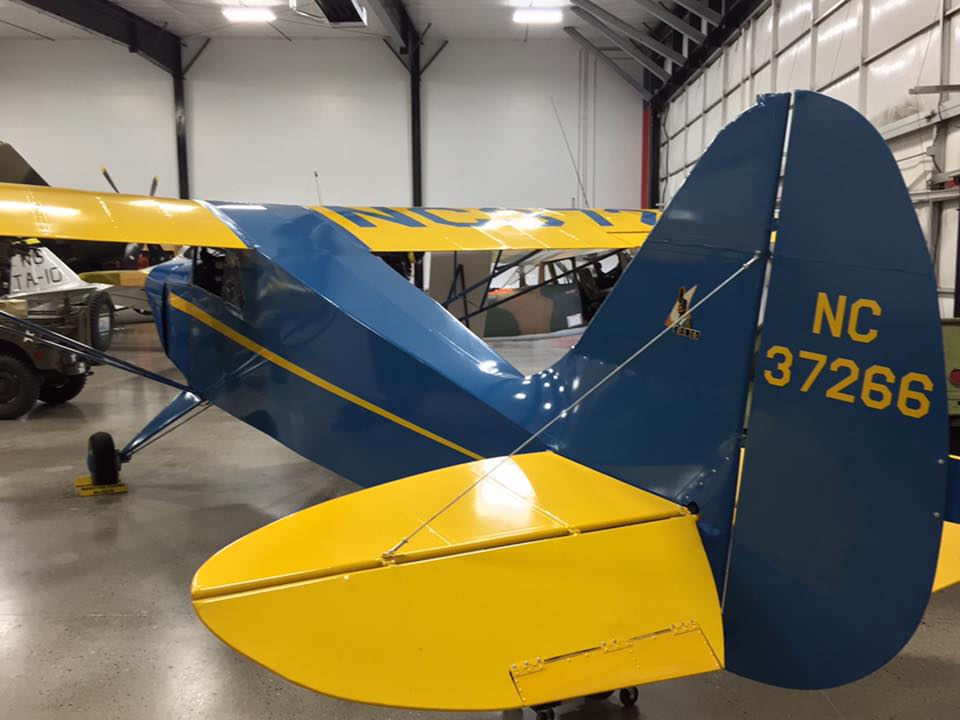
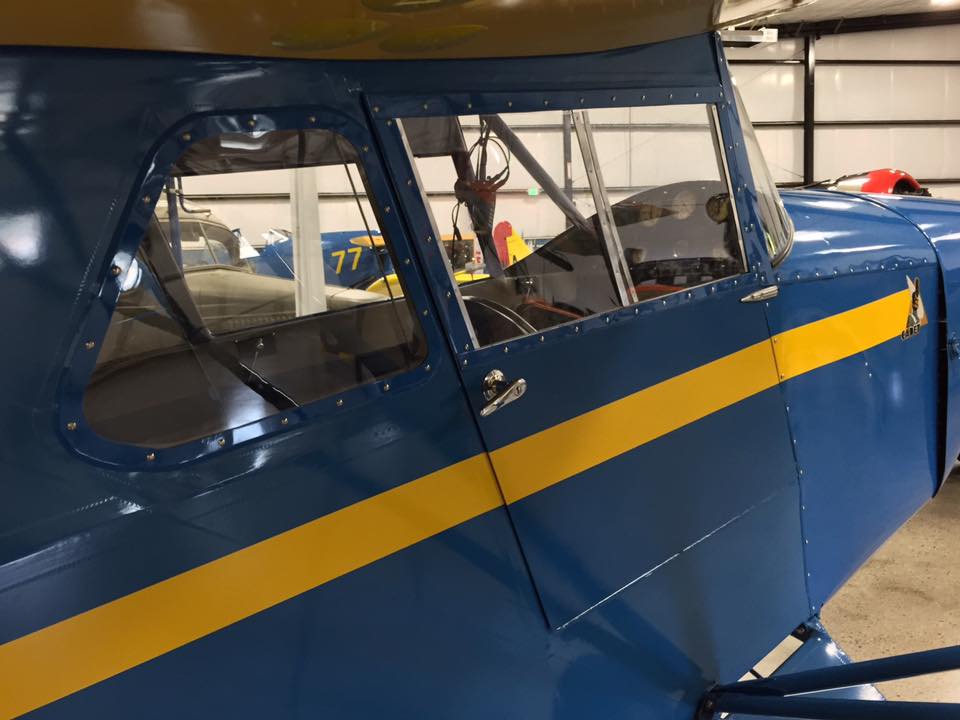
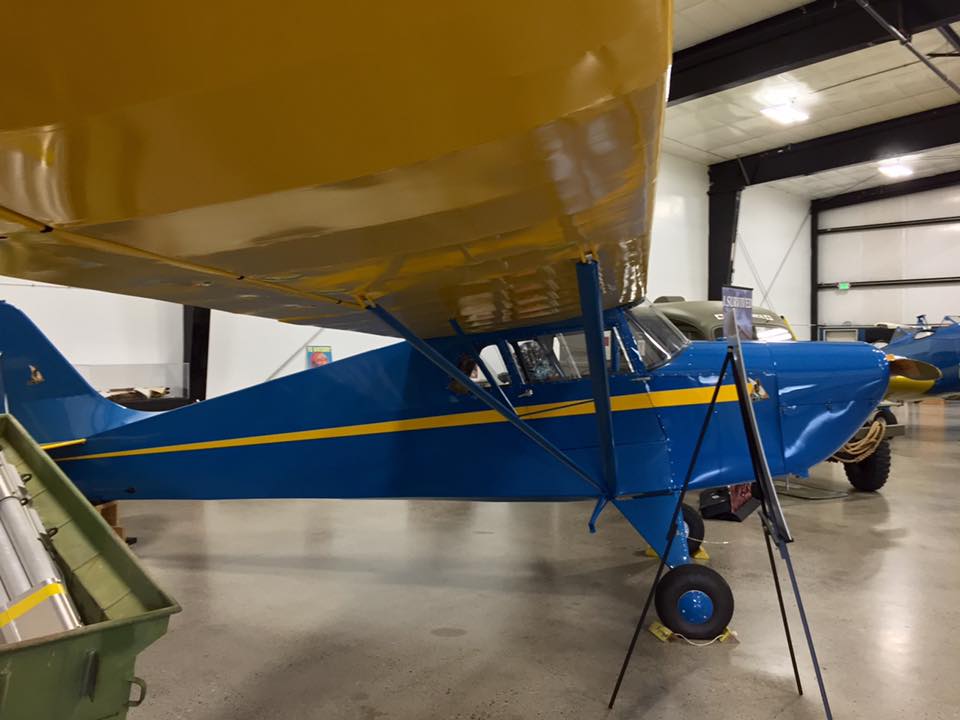
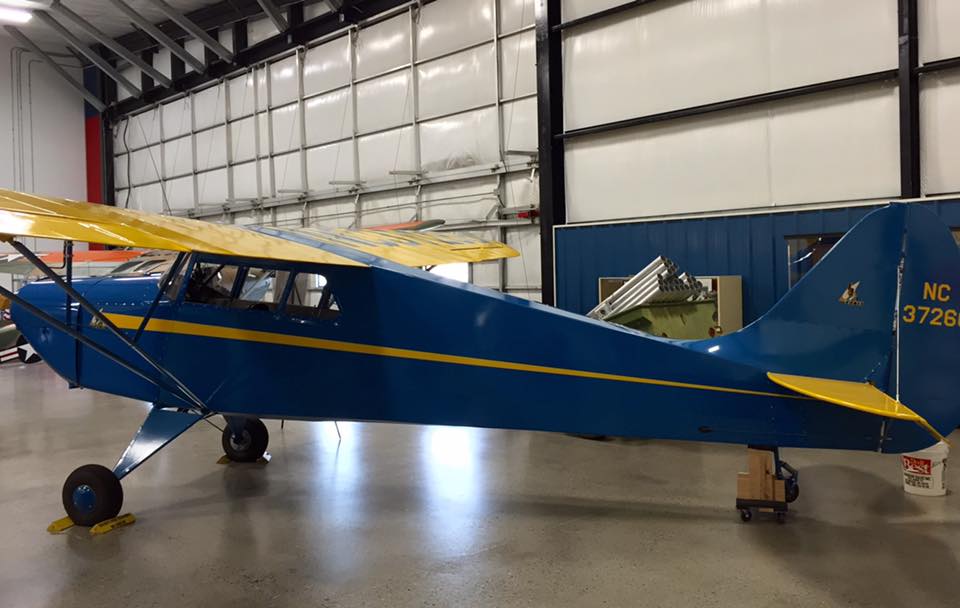
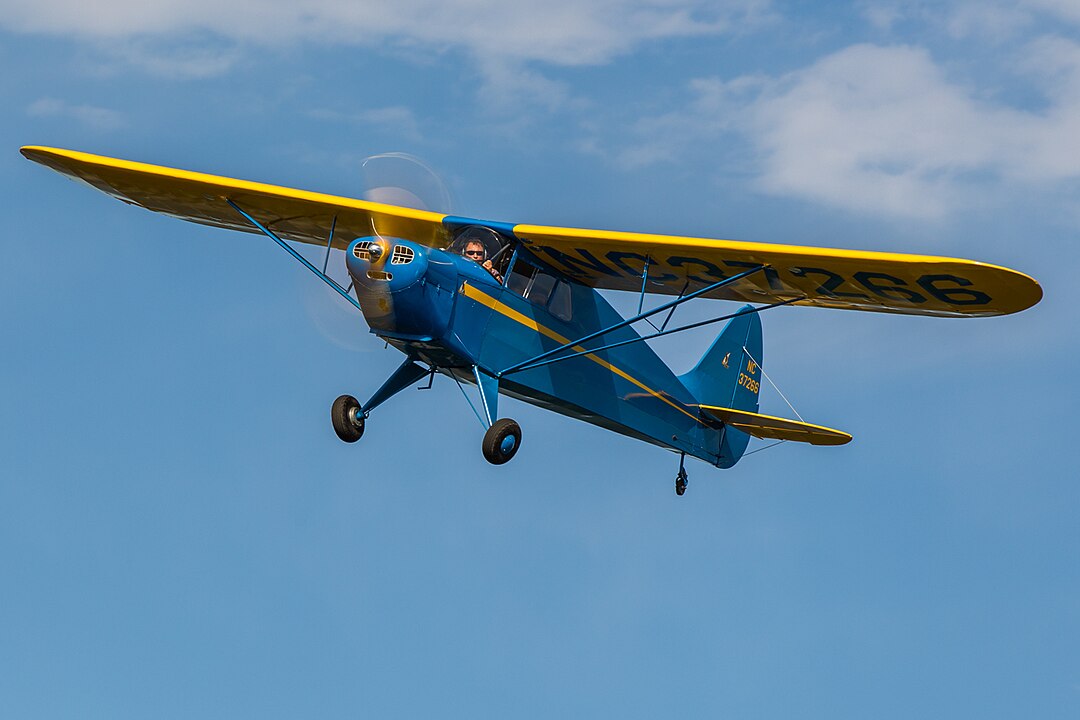
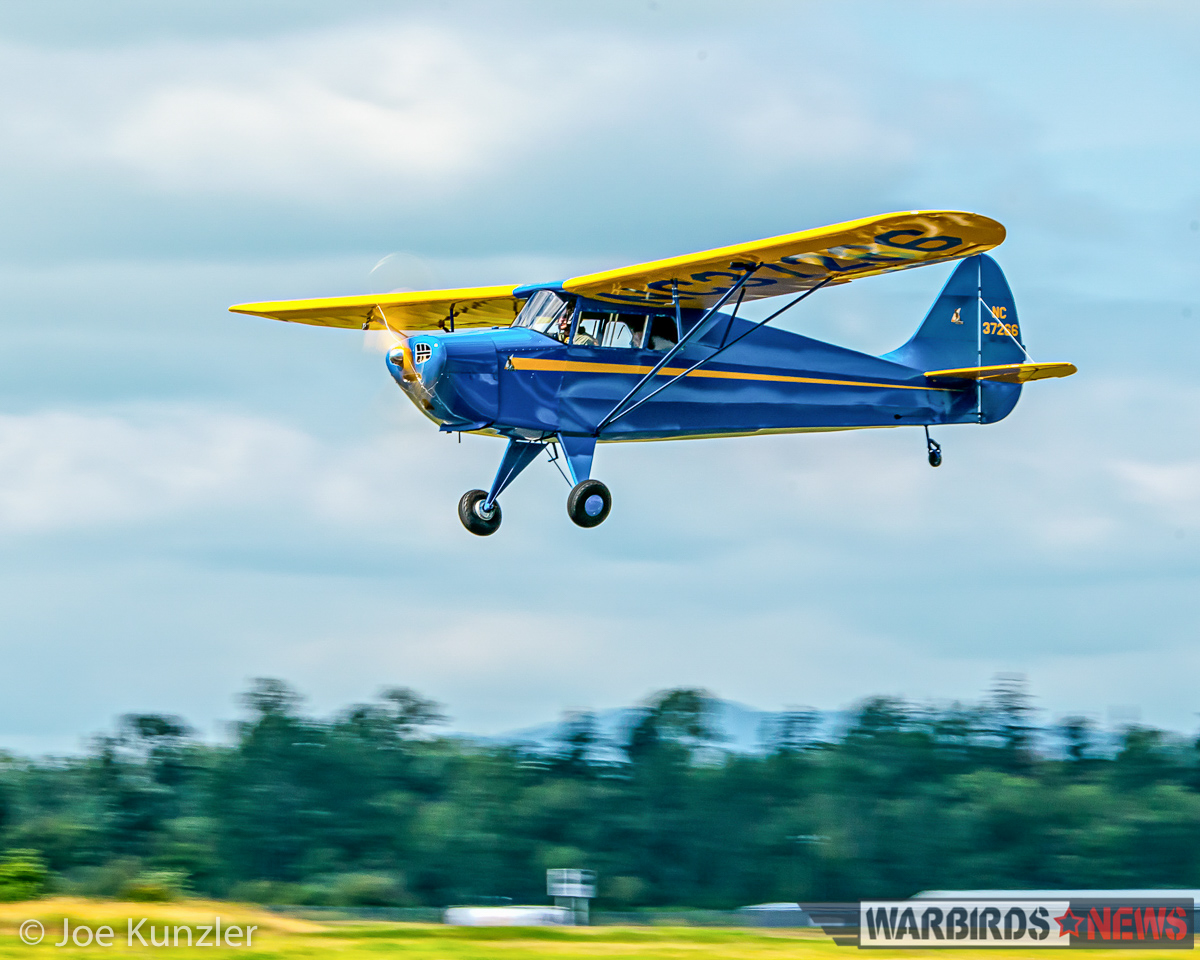
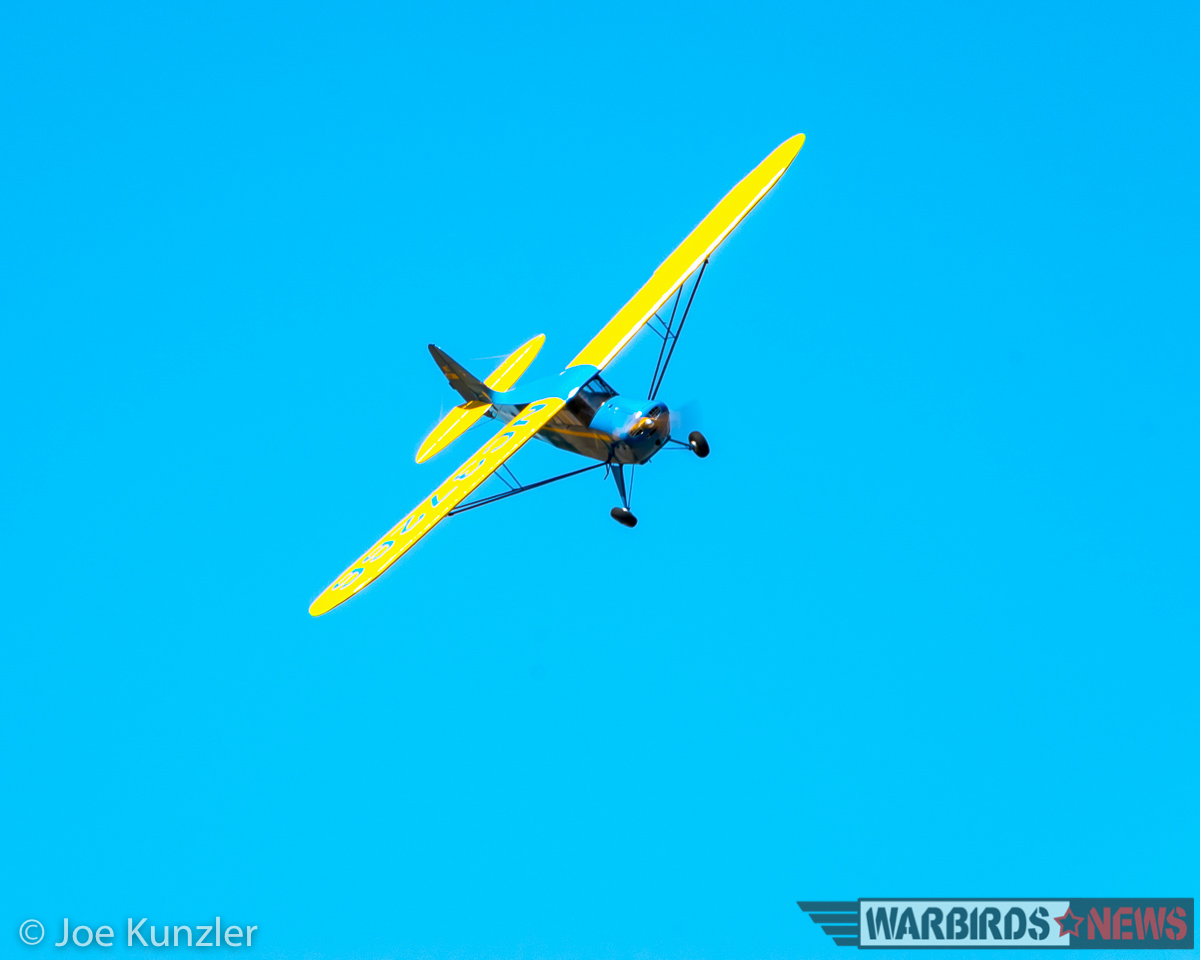
Since his childhood, Randy Malmstrom has had a passion for aviation history and historic military aircraft in particular. He has a particular penchant for documenting specific airframes with a highly detailed series of walk-around images and an in-depth exploration of their history, which have proved to be popular with many of those who have seen them, and we thought our readers would be equally fascinated too. This installment of Randy’s Warbird Profiles takes a look at Interstate S-1A Cadet “The Pearl” NC37266, maintained in airworthy condition at the Heritage Flight Museum in Burlington, Washington.
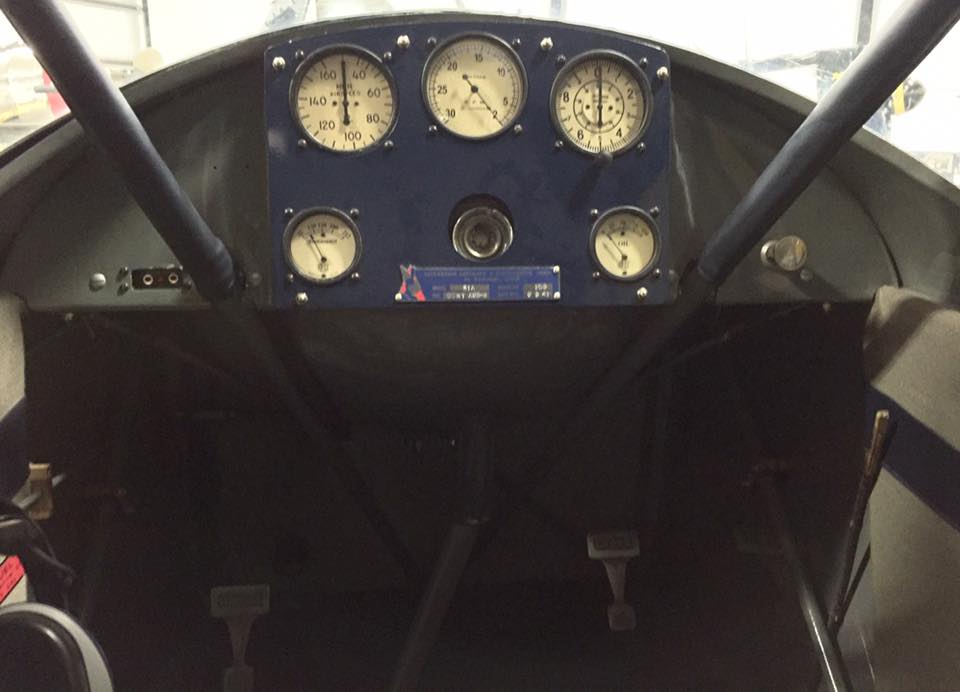
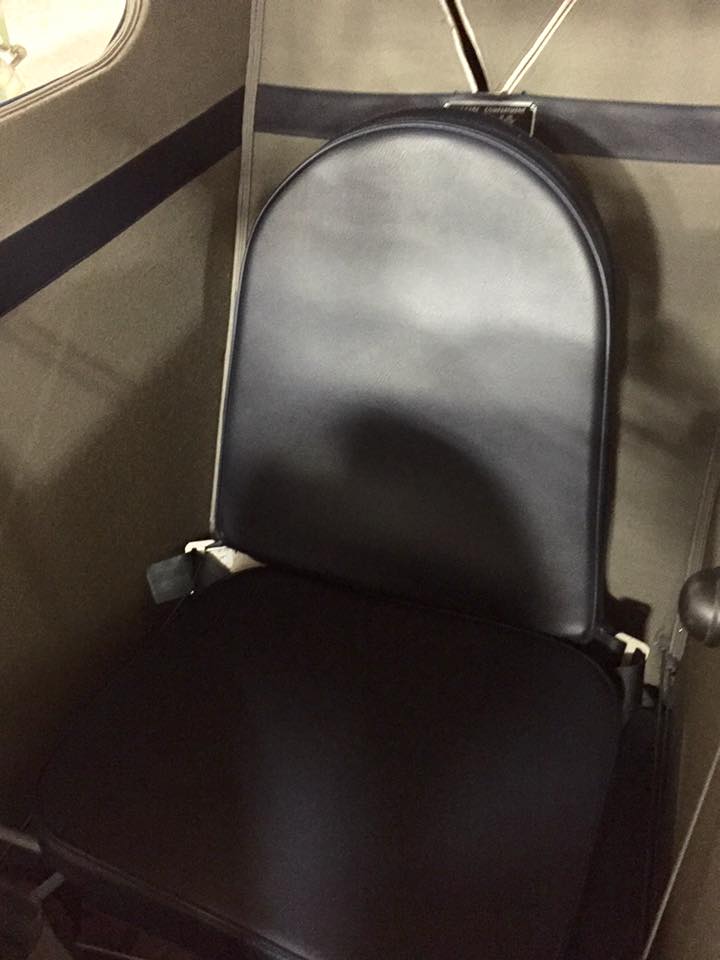
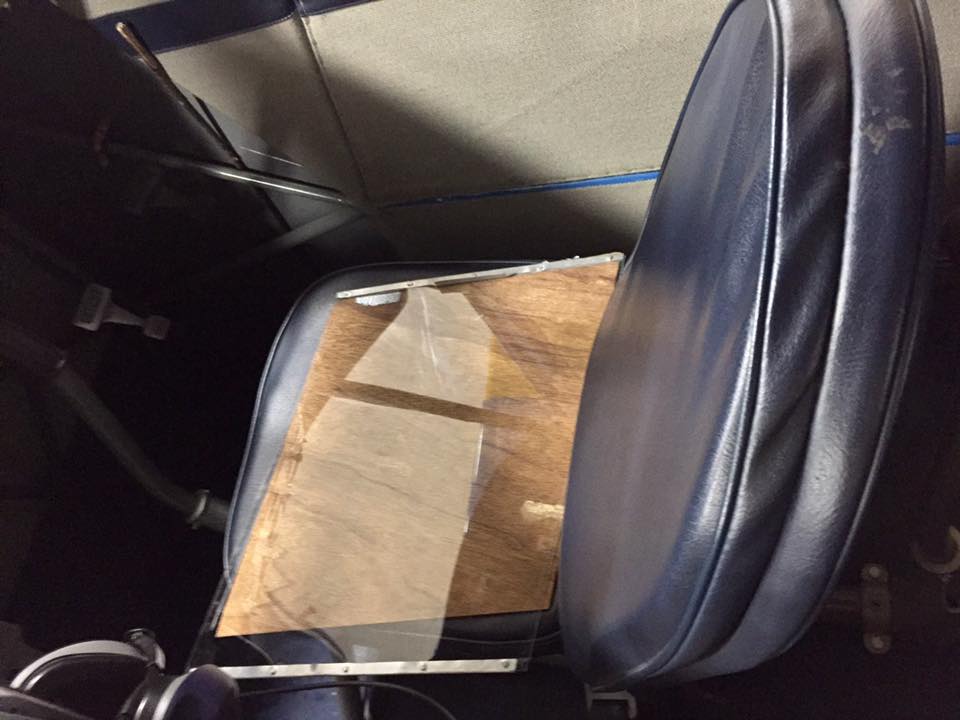
Fort saw a military aircraft heading for their aircraft so she took control and avoided a head-on collision; the aircraft firing at them passing so close underneath that the celluloid windows on the Cadet rattled violently and Fort could see the red balls painted on the aircraft’s wings. Looking around she saw both billowing smoke from the direction of Pearl Harbor and a formation of military aircraft with the symbol of the Rising Sun painted on them (she was familiar with that emblem on Japanese passenger ships making port in Honolulu). Fort landed their aircraft back at John Rogers Airport, which was under attack; they were soon after pelted by machine gun fire. Purportedly, Suomala asked Fort when his solo flight would be, to which Fort replied that it would not be anytime soon.
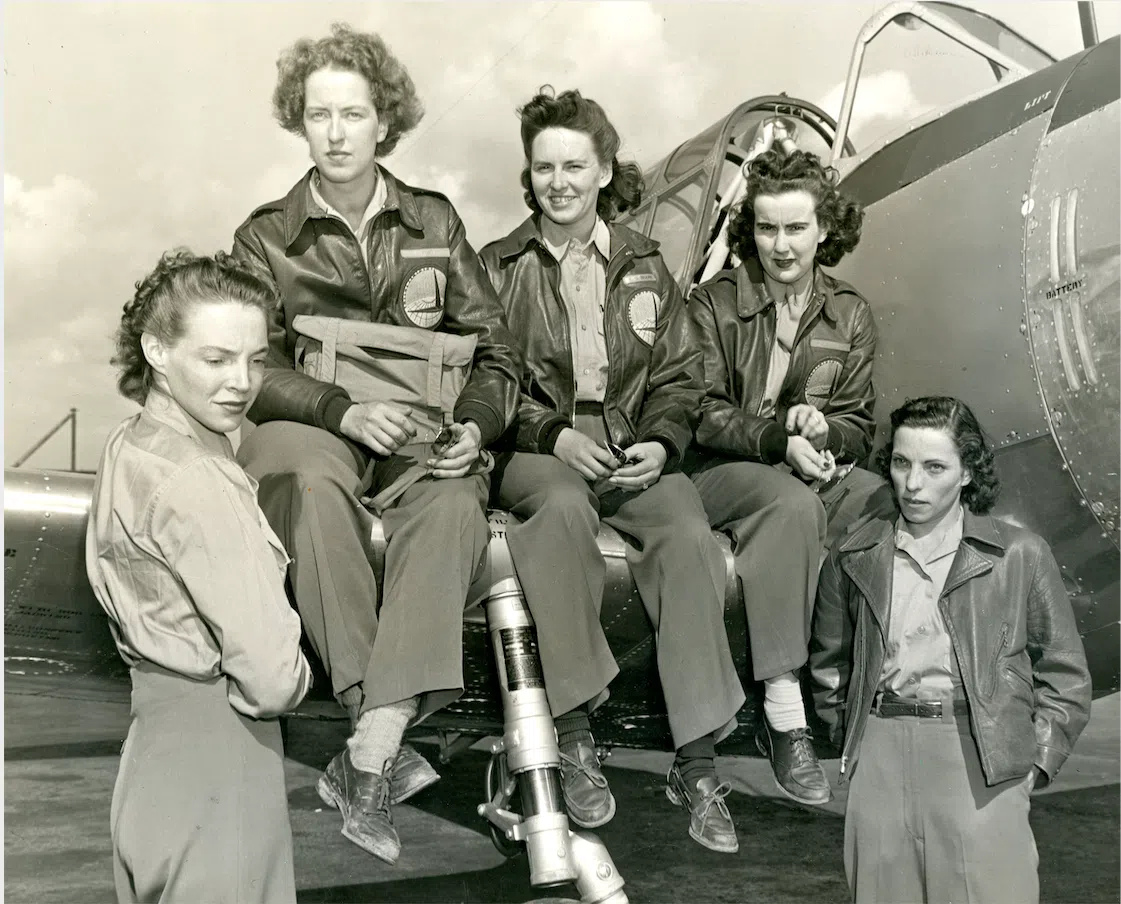
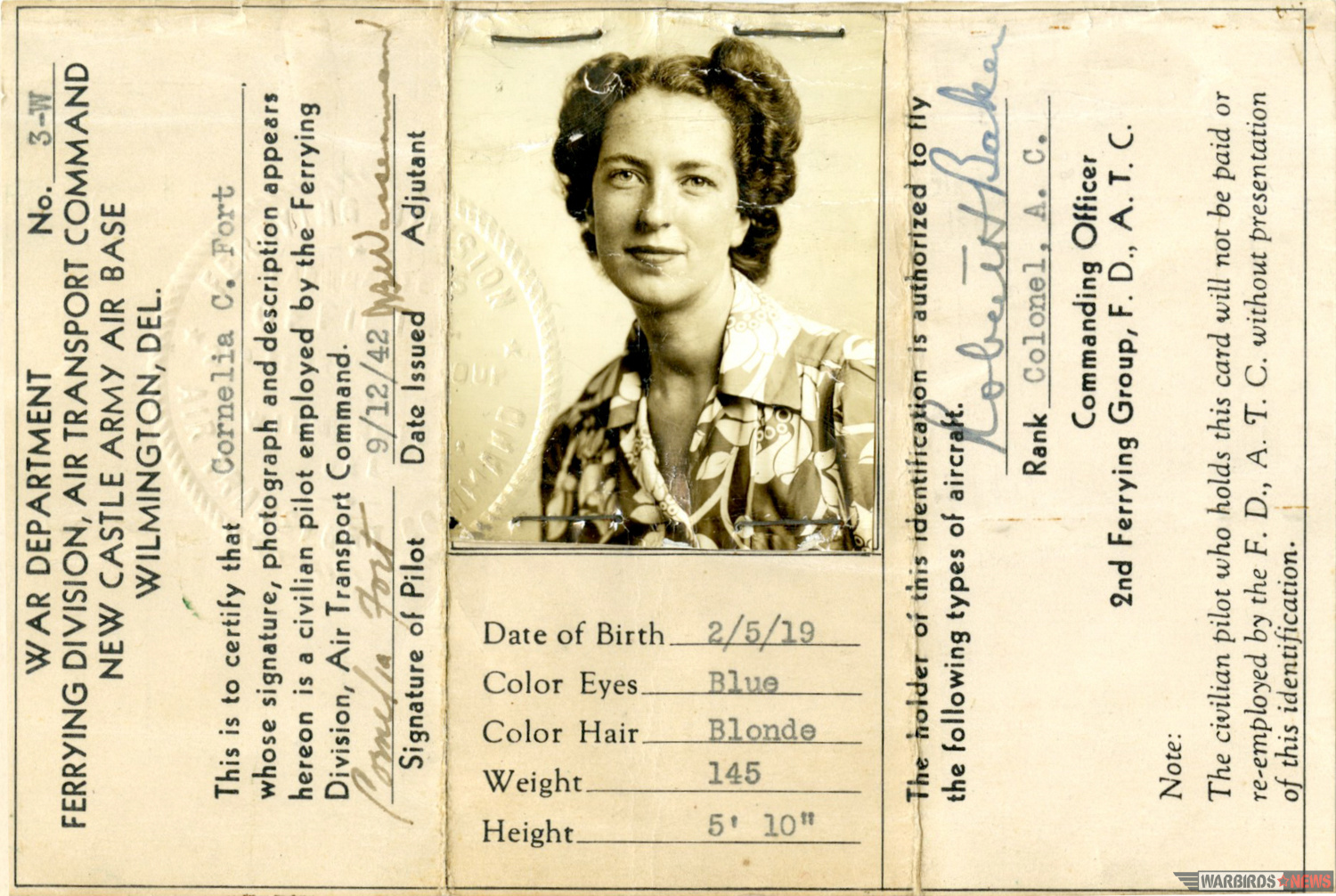
The aircraft of Robert Tyce, one of the other trainers on the field, was strafed and struck by machine gun fire, killing Tyce (the aircraft that killed him may have been the same one that soon after strafed a Hawaiian Airlines DC-3 that had been preparing for its morning departure to Maui – there were no injuries). The event was generally depicted in the Hollywood film “Tora! Tora! Tora!” (but using a Stearman as I recall). Following the Japanese attack on Pearl Harbor, all civilian aircraft were grounded in the Hawaiian Islands. Consequently, Fort returned to mainland U.S. early in 1942 and volunteered for the Women’s Auxiliary Ferrying Squadron (WAFS) and was assigned to the 6th Ferry Group out of Long Beach, California (WAFS later merged with Women’s Flying Training Detachment or “WFTD” to become the Women Airforce Service Pilots or “WASP”).
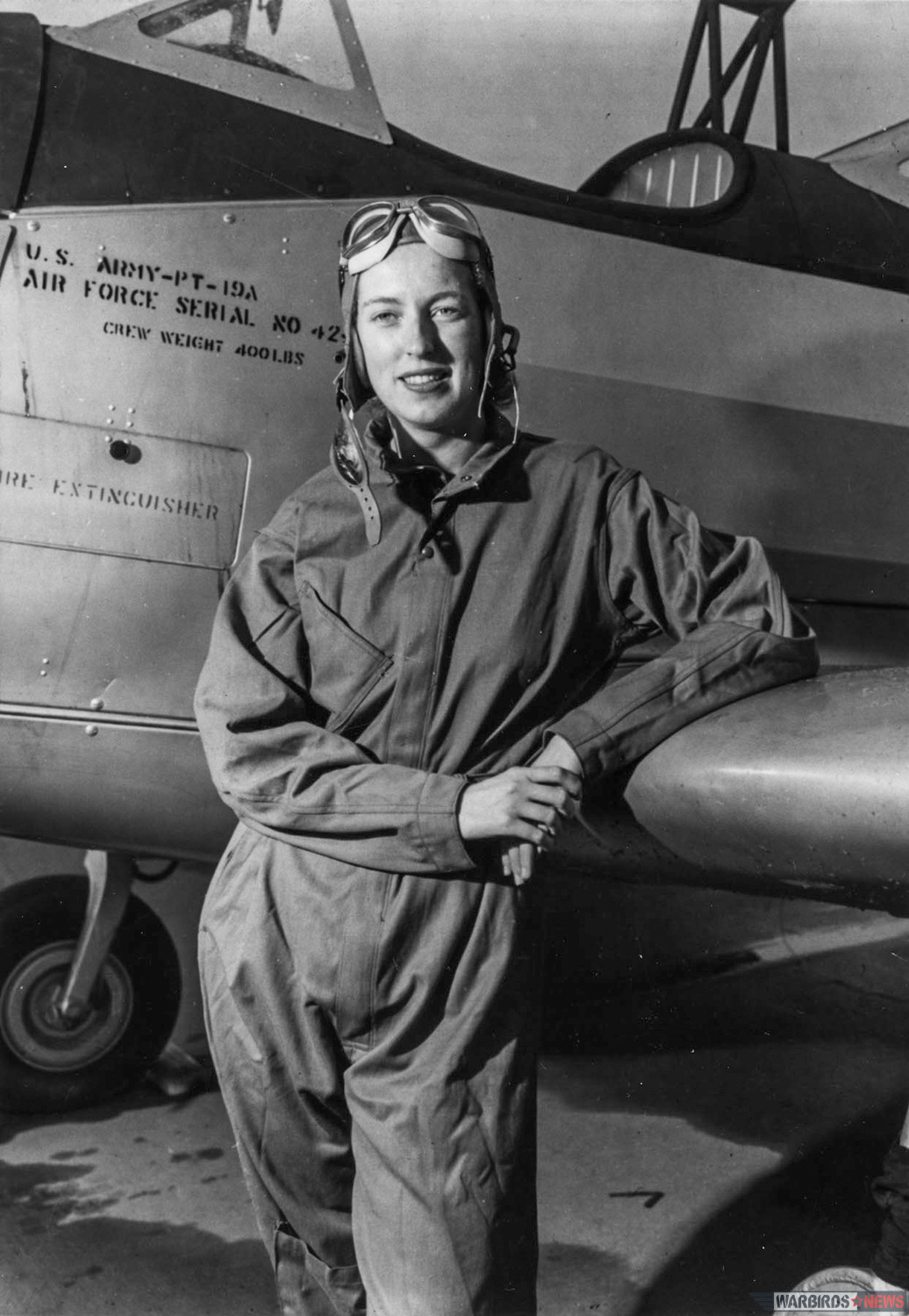
On March 21, 1943, Fort was one of the male and female pilots ferrying Vultee BT-13 Valiants from the factory at Downey, California, to Love Field in Dallas, Texas. Flying BT-13A, s/n 42-42432, the left wing of Fort’s aircraft was struck by the landing gear of a Vultee flown by one of the male pilots, causing the aircraft to roll over and go into an inverted dive and crash south of Merkel, Texas, Fort being unable to deploy her parachute. She became the first U.S. female pilot killed on active military duty. In all, 38 U.S. female pilots died flying military aircraft during World War II, and none received military recognition nor were burial expenses provided for, as they were viewed as civilians by the U.S. Army Air Corps.
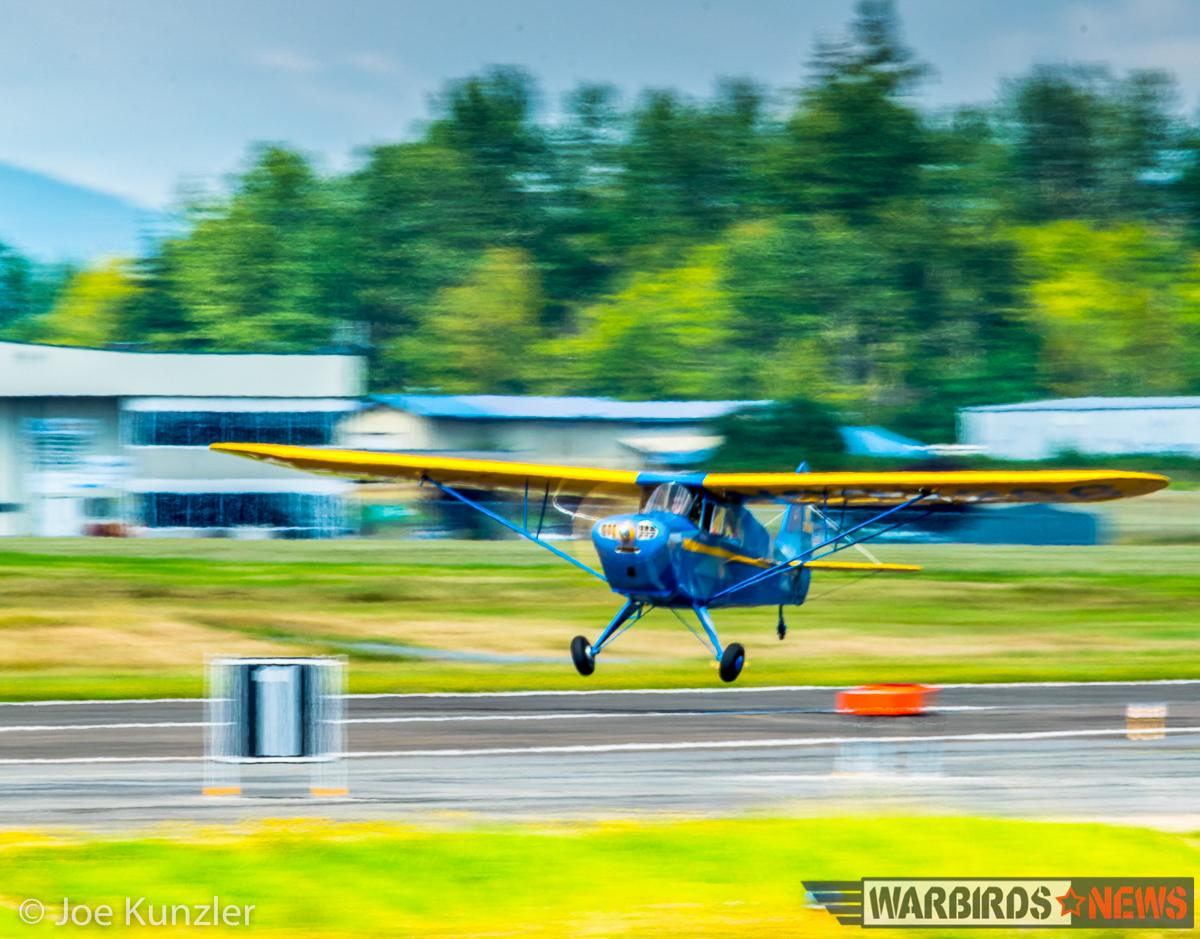
Since all civilian aircraft were grounded in the Hawaiian Islands following December 7, 1941, the next U.S. Federal Aviation Administration (FAA) record of this aircraft dates from 1945. Repairs were done by Yale E. Smith, a mechanic at the Honolulu Vocational School in Honolulu, and a final inspection report was signed on April 24, 1946, noting that “Aircraft has been in storage since December 1941.” It again flew in Hawaii and then mainland U.S. under the ownership of private collectors. Beginning in 2013, the aircraft was restored by Tim Talen and Ragwood Refactories, including new fabric. It is on loan from Greg Anders’ “Lost Aviators of Pearl Harbor” to Heritage Flight Museum (HFM) in Burlington, Washington. It was featured in the November 2015 article in Air & Space Magazine. More information here: https://lostaviatorsofpearlharbor.org/ My photos at HFM. Built by Interstate Aircraft and Engineering Corporation, El Segundo, California, in response to President Franklin Roosevelt’s 1938 call to “darken the skies with airplanes.” The powerplant in this aircraft is a Continental A65-8. Cadets were later fitted with Franklin engines due to increased production needs. Approximately 320 Cadets were produced, at least 8 of whom went to Bolivia under Lend-Lease.
About the author:  Randy Malmstrom grew up in a family steeped in aviation culture. His father, Bob, was still a cadet in training with the USAAF at the end of WWII, but did serve in Germany during the U.S. occupation in the immediate post-war period, where he had the opportunity to fly in a wide variety of types that flew in WWII. After returning to the States, Bob became a multi-engine aircraft sales manager and, as such, flew a wide variety of aircraft; Randy frequently accompanied him on these flights. Furthermore, Randy’s cousin, Einar Axel Malmstrom flew P-47 Thunderbolts with the 356th FG from RAF Martlesham Heath. He was commanding this unit at the time he was shot down over France on April 24th, 1944, spending the rest of the war as a prisoner of war. Following his repatriation at war’s end, Einar continued his military service, attaining the rank of Colonel. He was serving as Deputy Wing Commander of the 407th Strategic Fighter Wing at Great Falls AFB, MT at the time of his death in a T-33 training accident on August 21, 1954. The base was renamed in his honor in October 1955 and continues to serve in the present USAF as home to the 341st Missile Wing. Randy’s innate interest in history in general, and aviation history in particular, plus his educational background and passion for WWII warbirds, led him down his current path of capturing detailed aircraft walk-around photos and in-depth airframe histories, recording a precise description of a particular aircraft in all aspects.