







By Randy Malmstrom
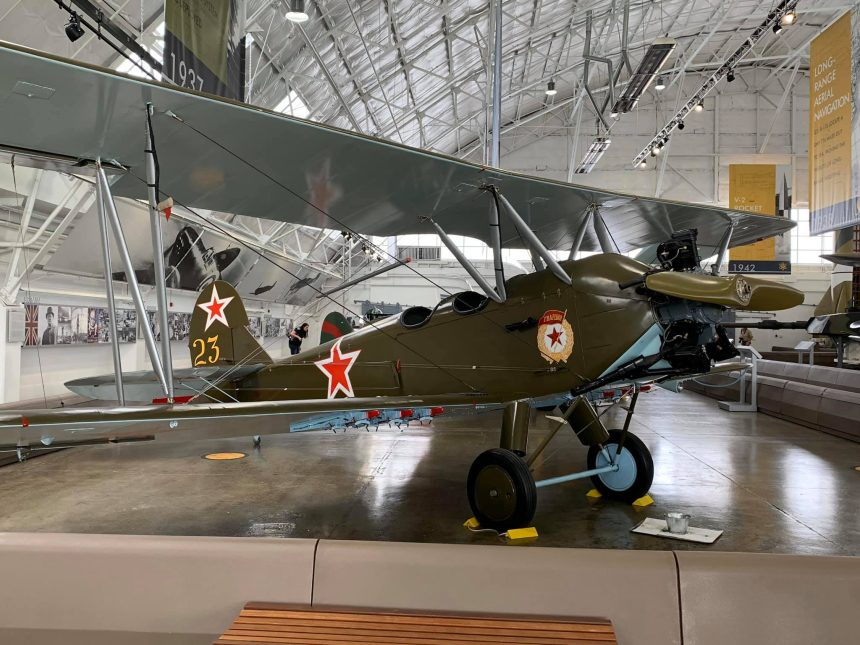
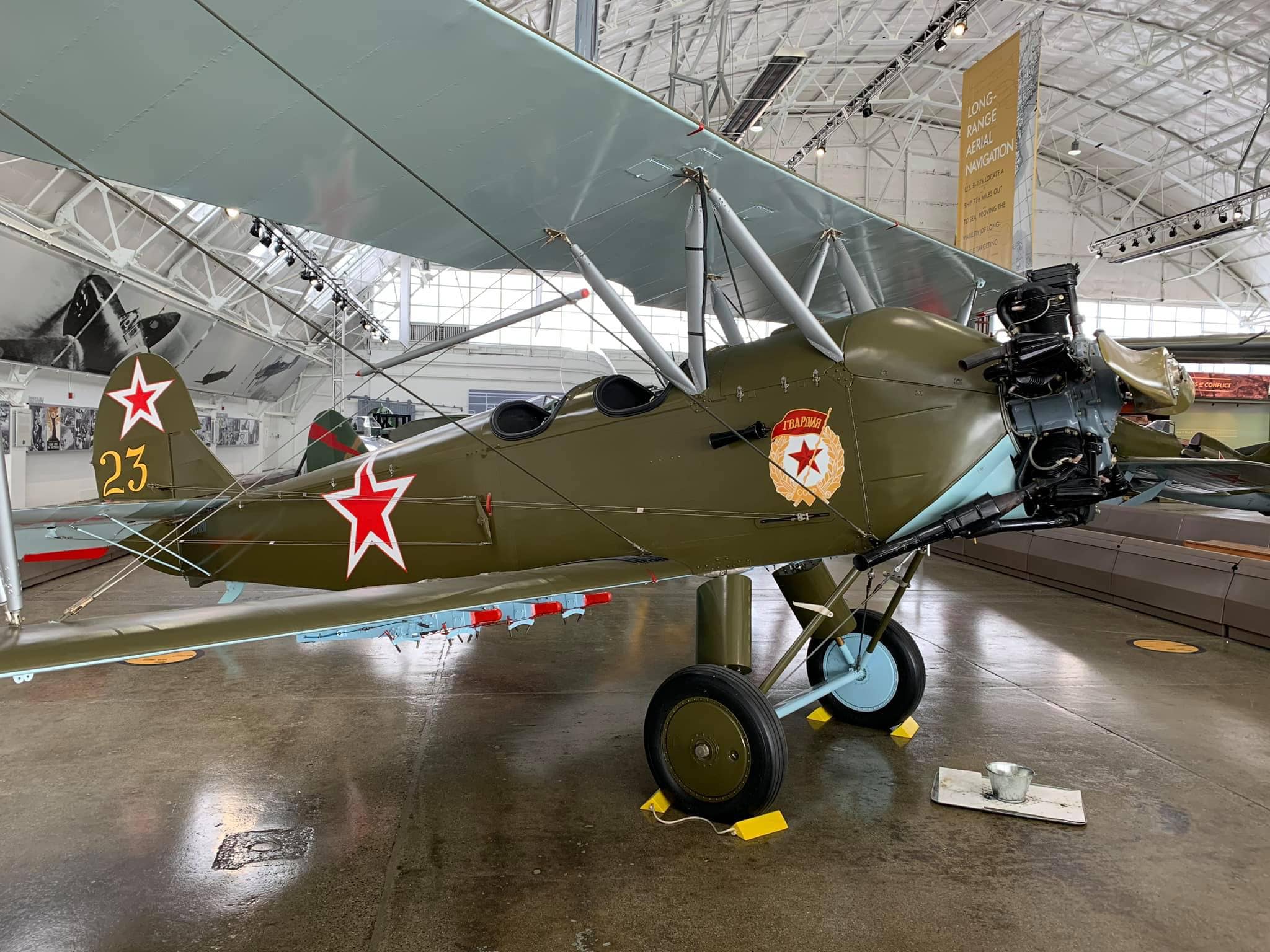
Since his childhood, Randy Malmstrom has had a passion for aviation history and historic military aircraft in particular. He has a particular penchant for documenting specific airframes with a highly detailed series of walk-around images and an in-depth exploration of their history, which have proved to be popular with many of those who have seen them, and we thought our readers would be equally fascinated too. This installment of Randy’s Warbird Profiles takes a look at the Flying Heritage and Combat Armor Museum‘s Polikarpov Po-2 (U-2), s/n 641543, N46GU.
From what I have determined, there is scarce information as to the specific operational history of this particular aircraft but that likely went into service in 1944 on the Eastern Front for the Soviet Air Forces and was abandoned after being damaged. It was recovered in Belarus and restored by the Polish Aero Club (sport and recreational fliers) in 1995, and the restoration used some materials from the Polish-built versions of the U-2/Po-2, designated CSS-13 (and other designations).
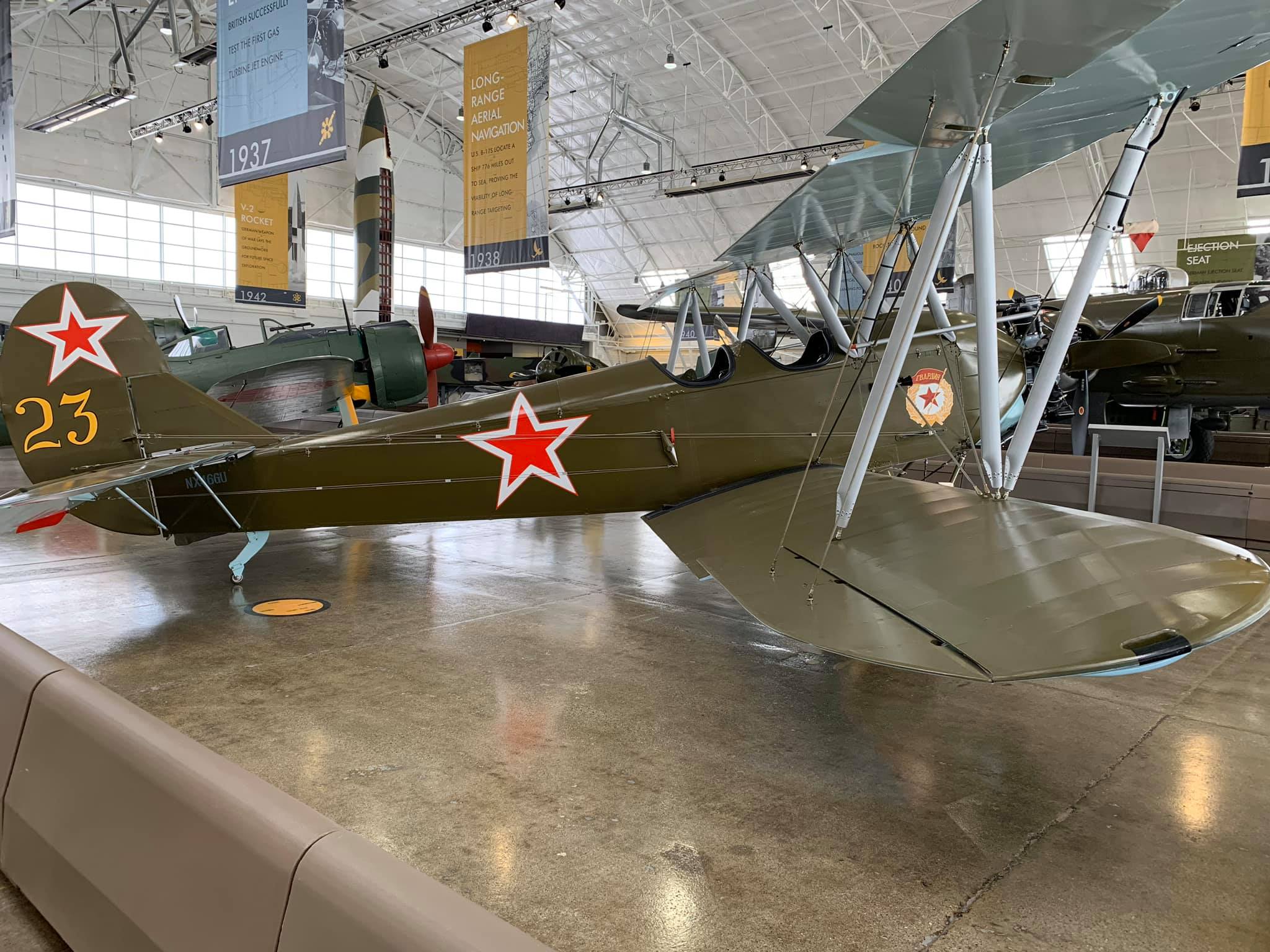
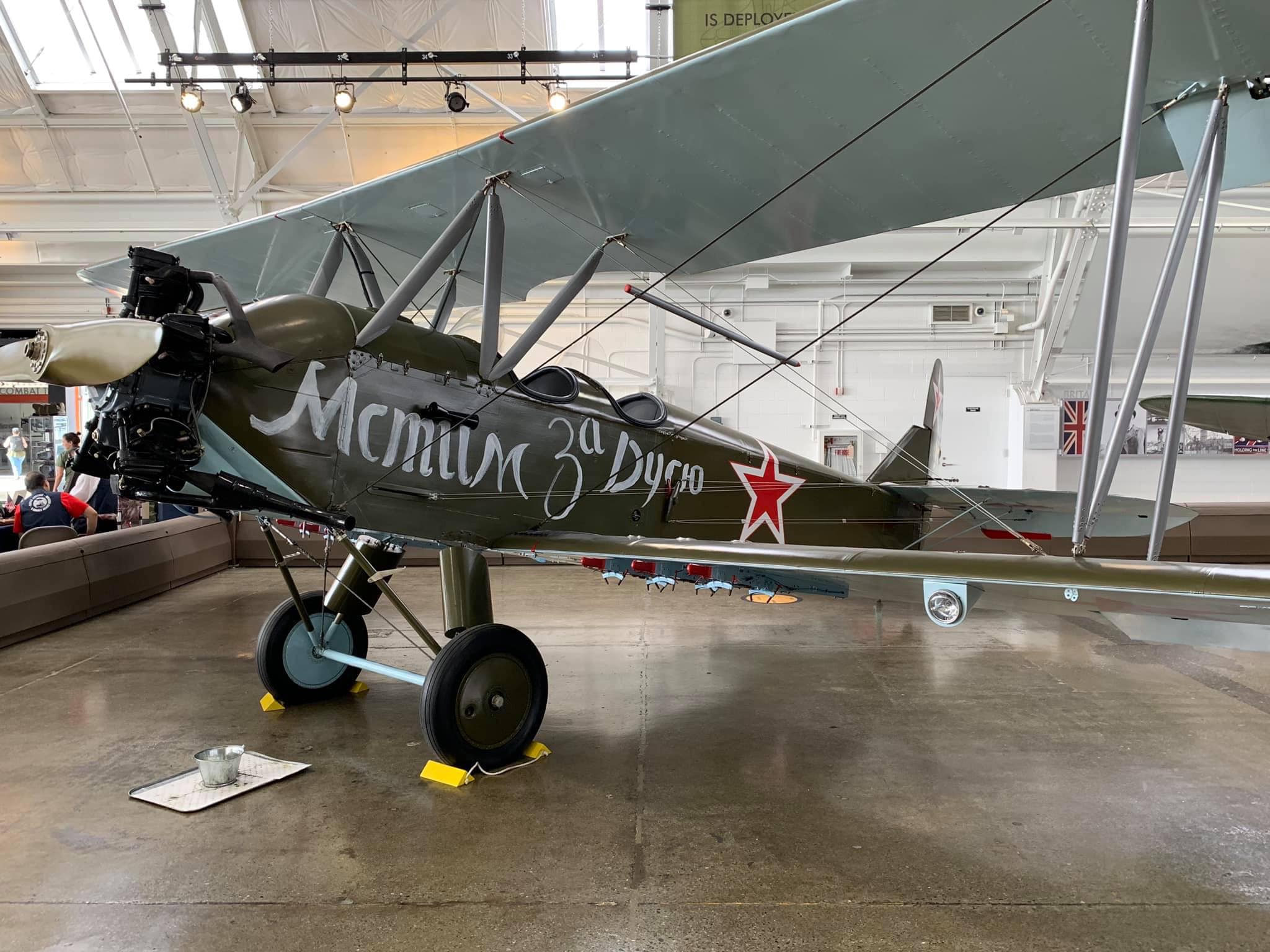
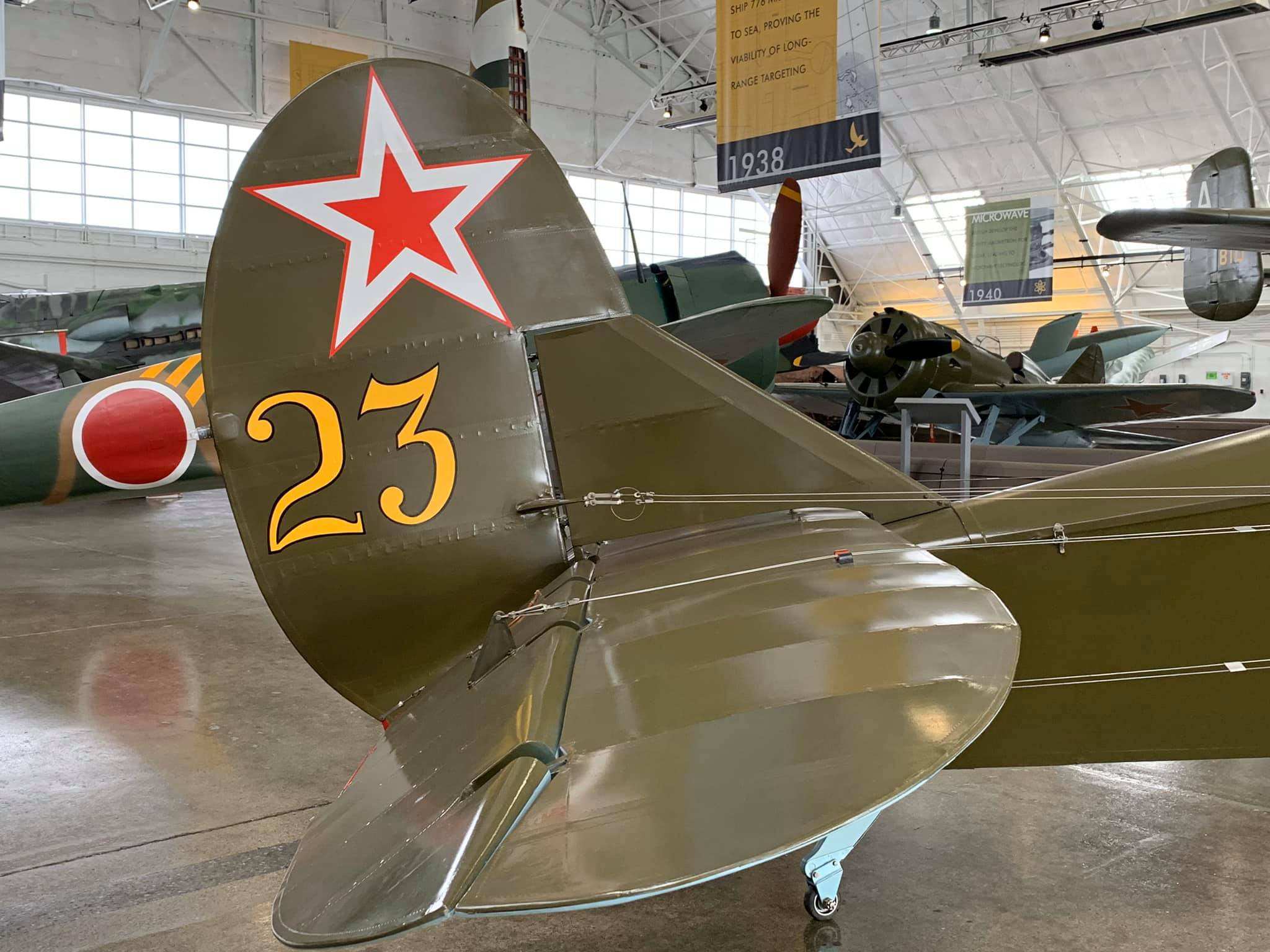
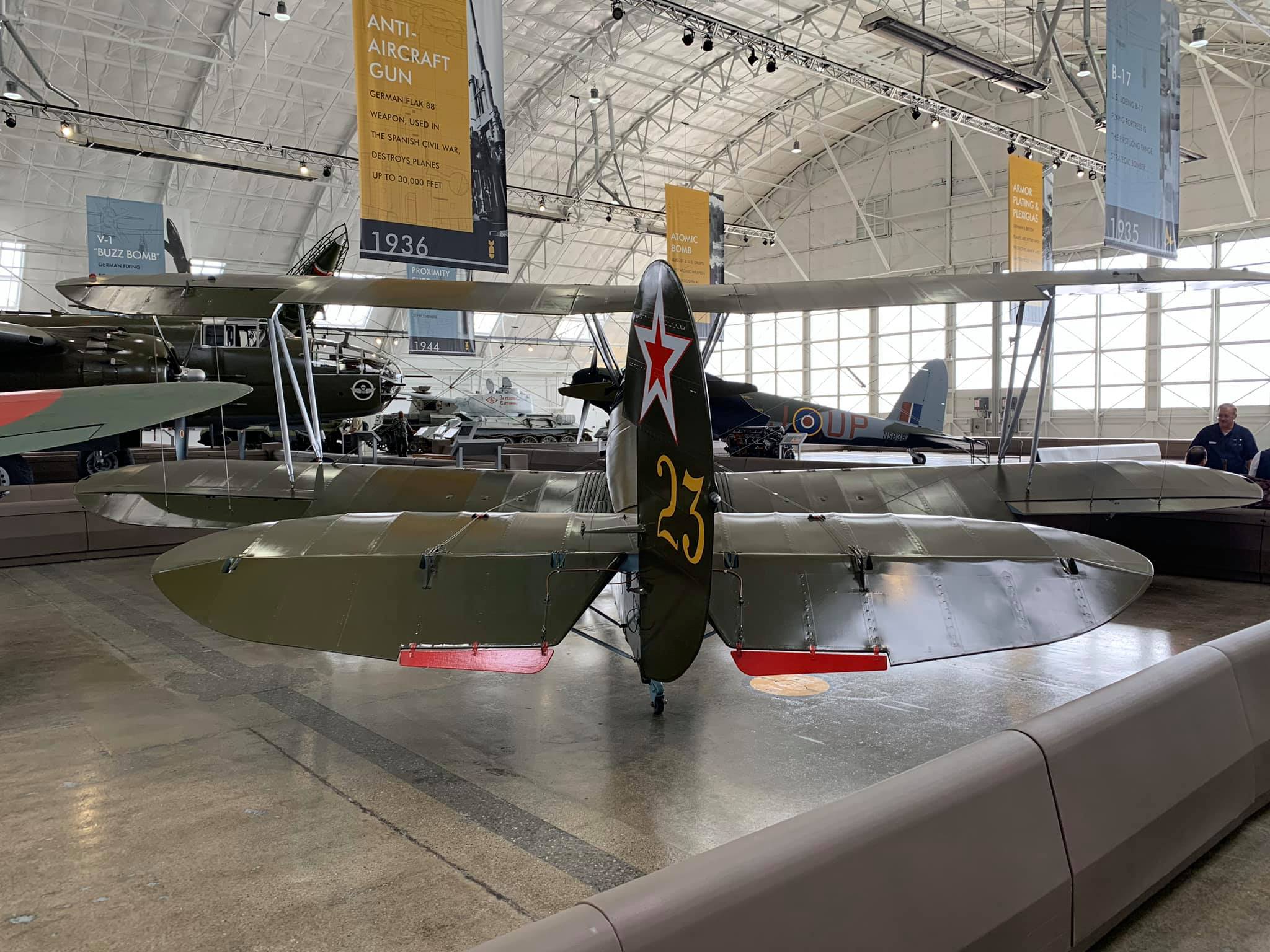
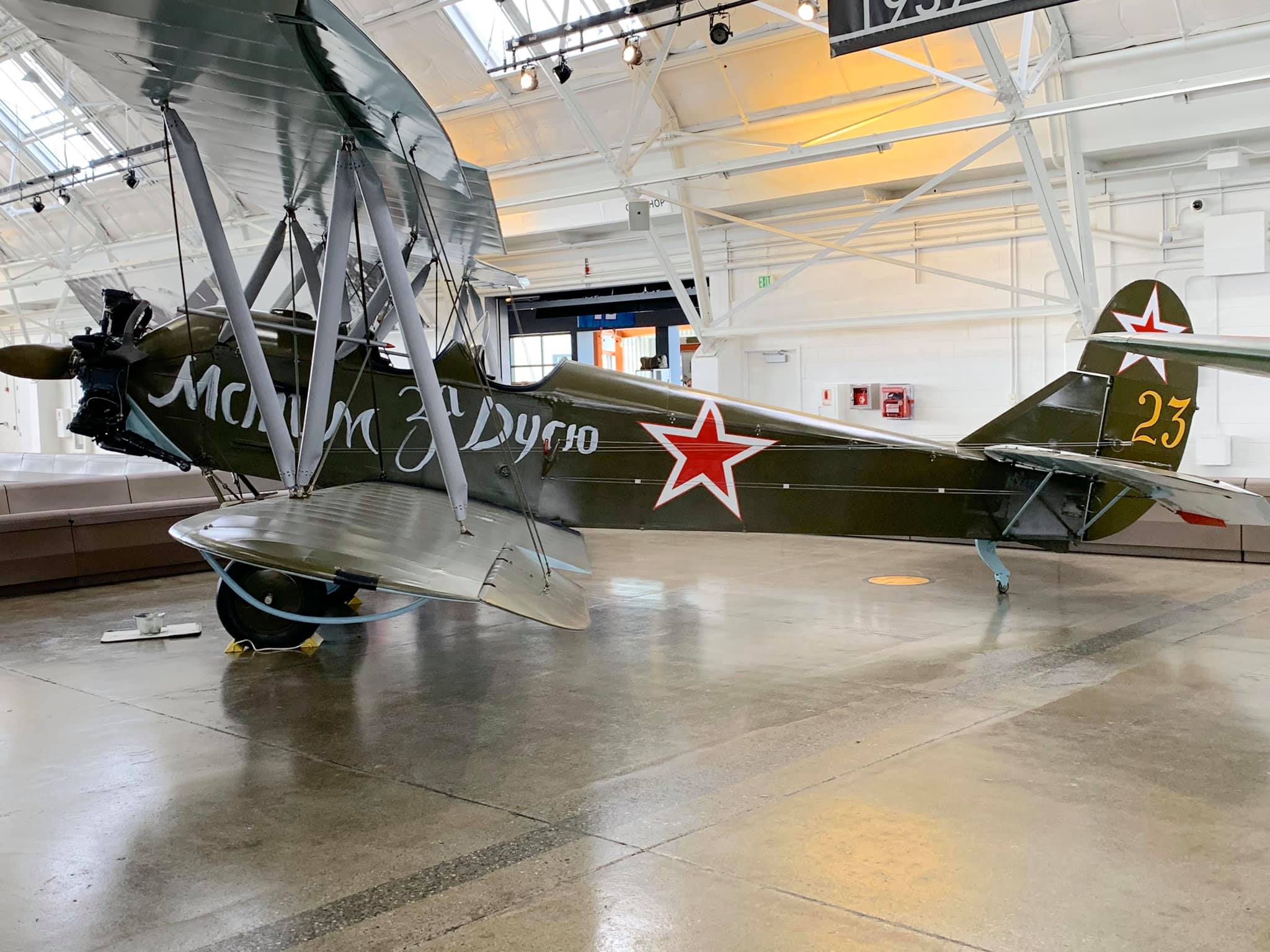
Included are metal struts (in place of the original tube and wood braces) and an up-graded version of the Shetsov M-11D engine that was produced in 1954. It is painted in World War II military markings and specifically in honorary markings of the all-women 46th Guards “Taman” Regiment (for the Taman Peninsula) which flew U-2/PO-2 aircraft and whose crew numbers totaled over 200 and flew 24,000 combat missions in roughly 1,100 nights. The “Yellow 23” tail code honors the twenty-three women crew members of the 46th who earned “Hero of the Soviet Union” citations (five were awarded posthumously).
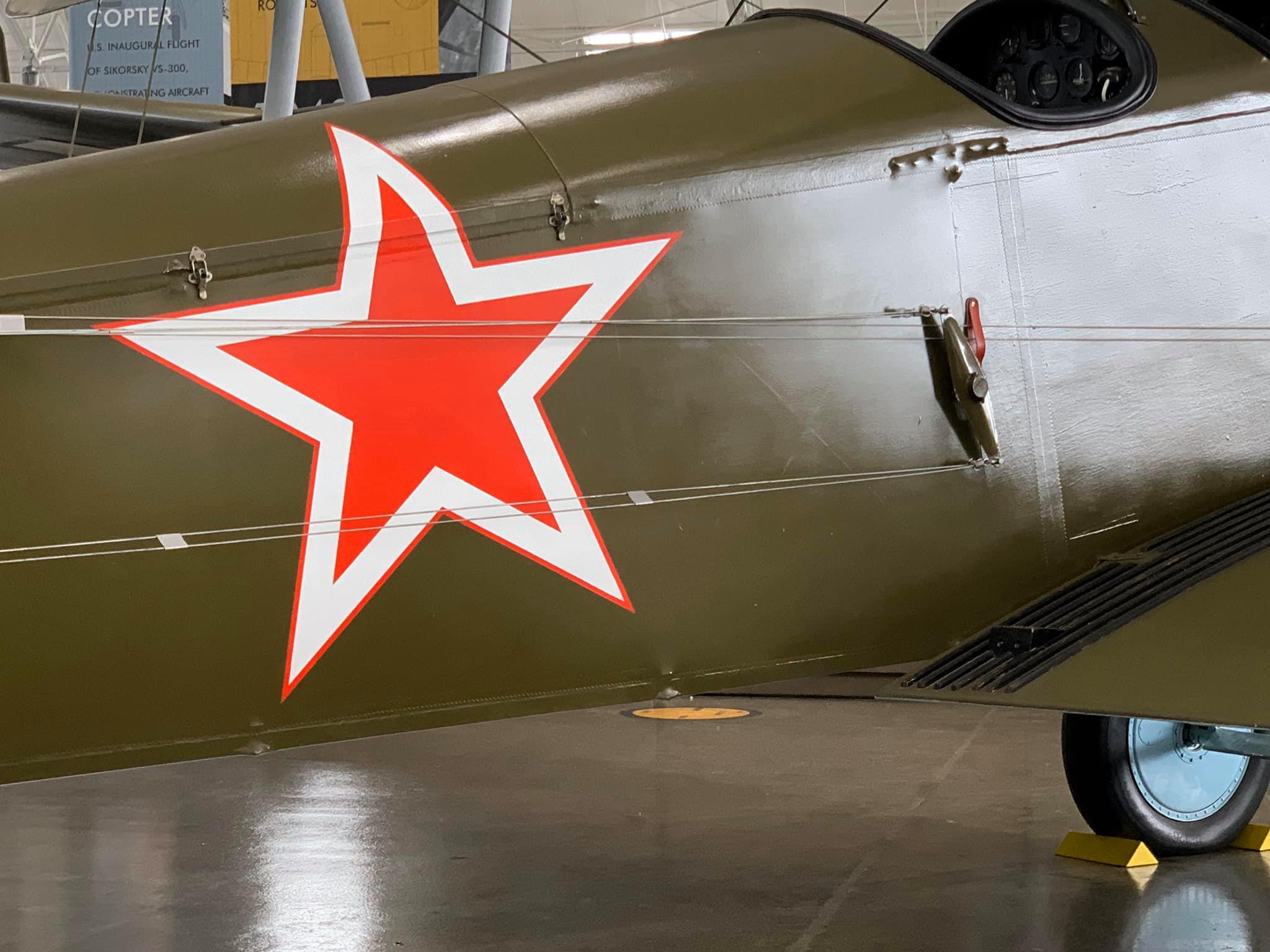
The lettering on the fuselage “месть за Дуся” means “Revenge for Ducya” in tribute to Yevdokiya (Dusya) Nosal, a woman pilot who had joined the unit after the maternity ward where she has just given birth was bombed and her newborn son was buried in the rubble. She was later shot and died mid-flight on a mission near Novorossik. Irina Kashirina, her navigator/bomber on the mission, was in the back cockpit and knew how to fly began taking over the controls, but Nosal had slumped forward over the control stick in the front cockpit rendering the control sticks in both cockpits inoperable, so Kashirina reached forward and held the dead body by the collar with her left hand and took control of the aircraft with her right hand, and while the turbulence over the Crimean hills almost caused her to crash, she was able to land the plane at the unit’s airfield in a state of shock.
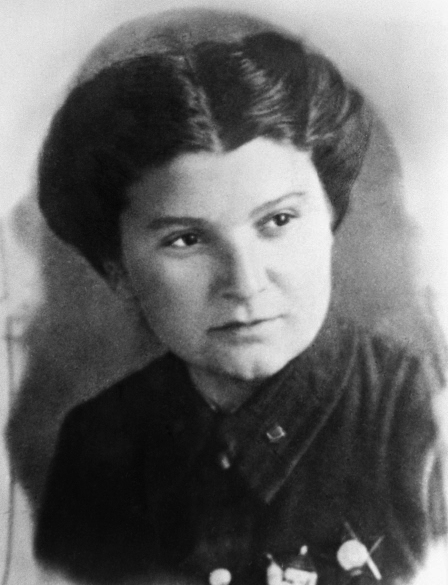
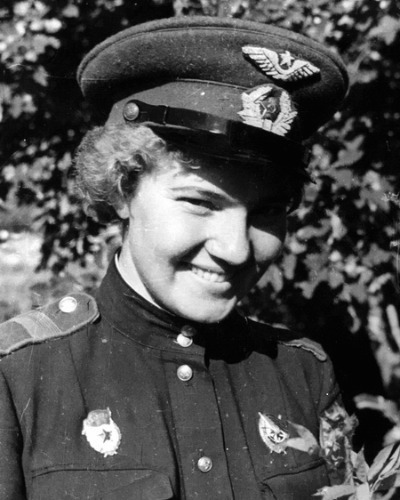
This aircraft was acquired by Paul Allen (or an entity of his) in 2000 to later be owned by Vulcan Warbirds Inc. (incorporated in 2004) to become part of the collection at Flying Heritage & Combat Armor Museum on Paine Field in Everett, Washington (FHCAM). FAA registry shows it as airworthy but to my knowledge has not been flown since 2011, and (at least) Bud Granley and Carter Teeters have been checked out in this aircraft. My photos (save for the B&W) at FHCAM and here is the link to my walkaround: https://www.facebook.com/video.php?v=949981501696174.
This is not intended as a thorough history of this aircraft type. Polikarpov U-2/PO-2 урожай пыльник (“Kukuruznik” = maize duster or crop duster due to its agricultural role), also referred to as “Nähmaschine” (Sewing Machine) by German Wehrmacht soldiers because of its sound, and Finnish troops called it “Hermosaha” (Nerve Saw) due to the psychological effect of its unpredictable night raids, and later it was given the NATO reporting name “Mule.” Approval of the design prepared under the supervision of Nikolai Polikarpov was approved at a meeting of the Aviatrest (State Aviation Industry Trust) of the Chief Administration of the Metal Industry Technical Council on December 6, 1926. Test pilot Mikhail Gromov made the first flight on June 24, 1927 (and reported that he was “able to do whatever could be done in that aircraft”). After further factory testing through October of 1927, it was determined to build a prototype U-2 M-11, although a different prototype had been produced in July 1927. No documentation exists as to the exact date of the maiden flight of the U-2 in its final configuration, but Polikarpov letters indicate that it would have been on or about January 7, 1928.
The designation U (in Cyrillic, “У”) – Uchebny – for training, and the designation was posthumously changed from U-2 to PO-2 in honor of Polikarpov after he died of cancer on July 30, 1944. Mass production of the U-2 began at Factory No. 23 in Leningrad (which had been producing trainers for some time), and in the first three years of production, nearly 1,400 aircraft had been built, with deliveries to flight schools by 1930.
The U-2AP (Aeropil), the first purpose-built variant, was in production by 1933 and was a single-seat agricultural sprayer aircraft. By 1940, production was handed over to Factory No. 387, also in Leningrad, but was moved to the Kazan Aviation Factory to be removed from World War II action, and in all, four plants built U-2 aircraft between 1941-45, the majority going to the Air Force (the Navy used them solely as liaison aircraft). The aircraft was made of wood and fabric, with a staggered wing configuration, and powered by an un-cowled Shetsov M-11D 5-cylinder radial engine running a wooden fixed-pitch propeller.
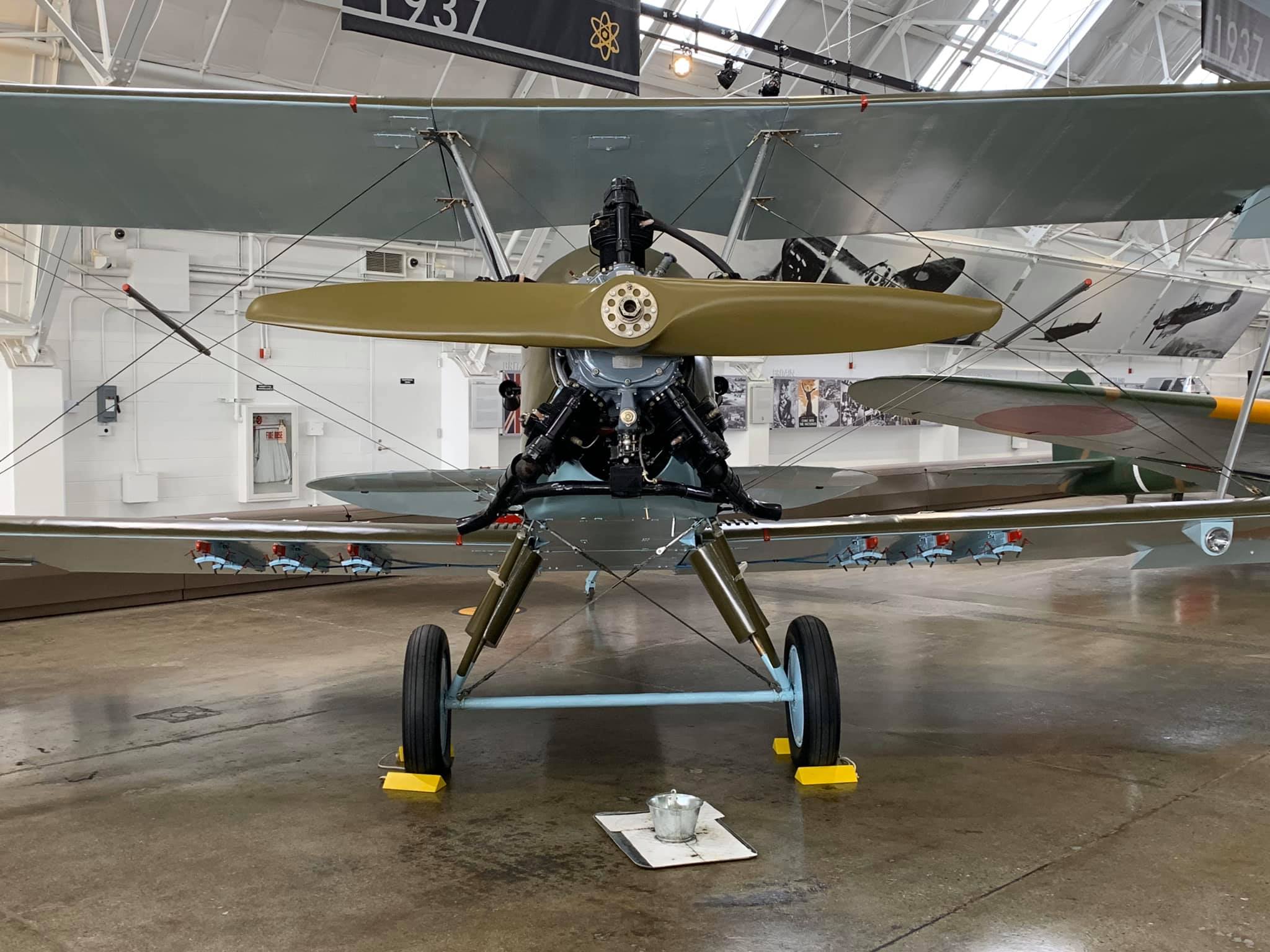
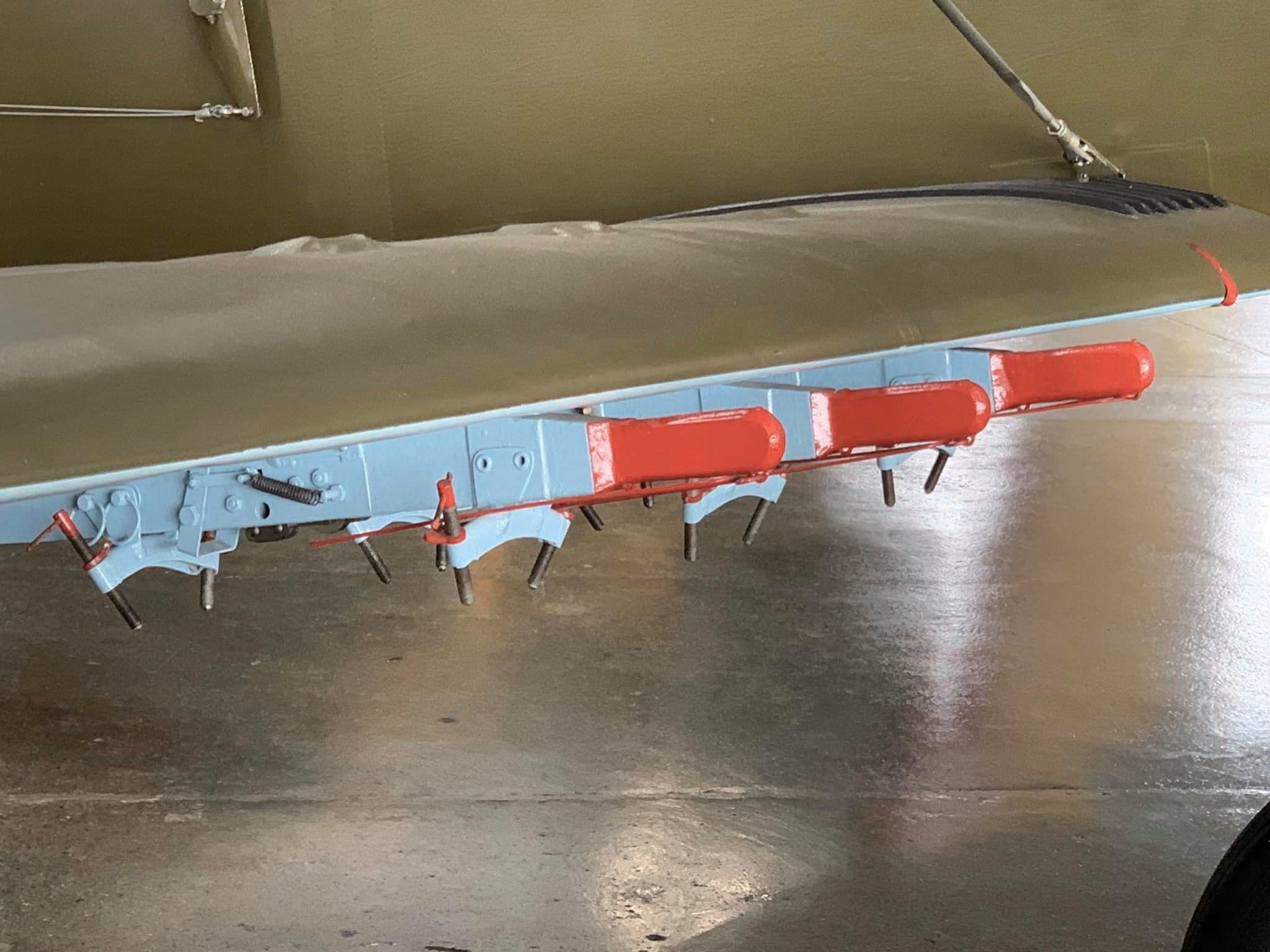
Armament of the military combat aircraft sometimes included a 7.62 mm gas-powered Shpitalny-Komaritski Aviatsionny Skorostrelny (ShKAS) rear-facing ring-mounted machine gun, and carried six 50 kg bombs or RS-82 rockets on simple wing racks, although the rear gunner often also carried more ordnance such as fragmentation bombs, hand grenades, even Molotov Cocktails as well as flares in their lap and simply dropped them out of the rear cockpit. It has a pair of Venturi tubes on each side of the fuselage to spin the vacuum-driven gyroscope in the cockpit.
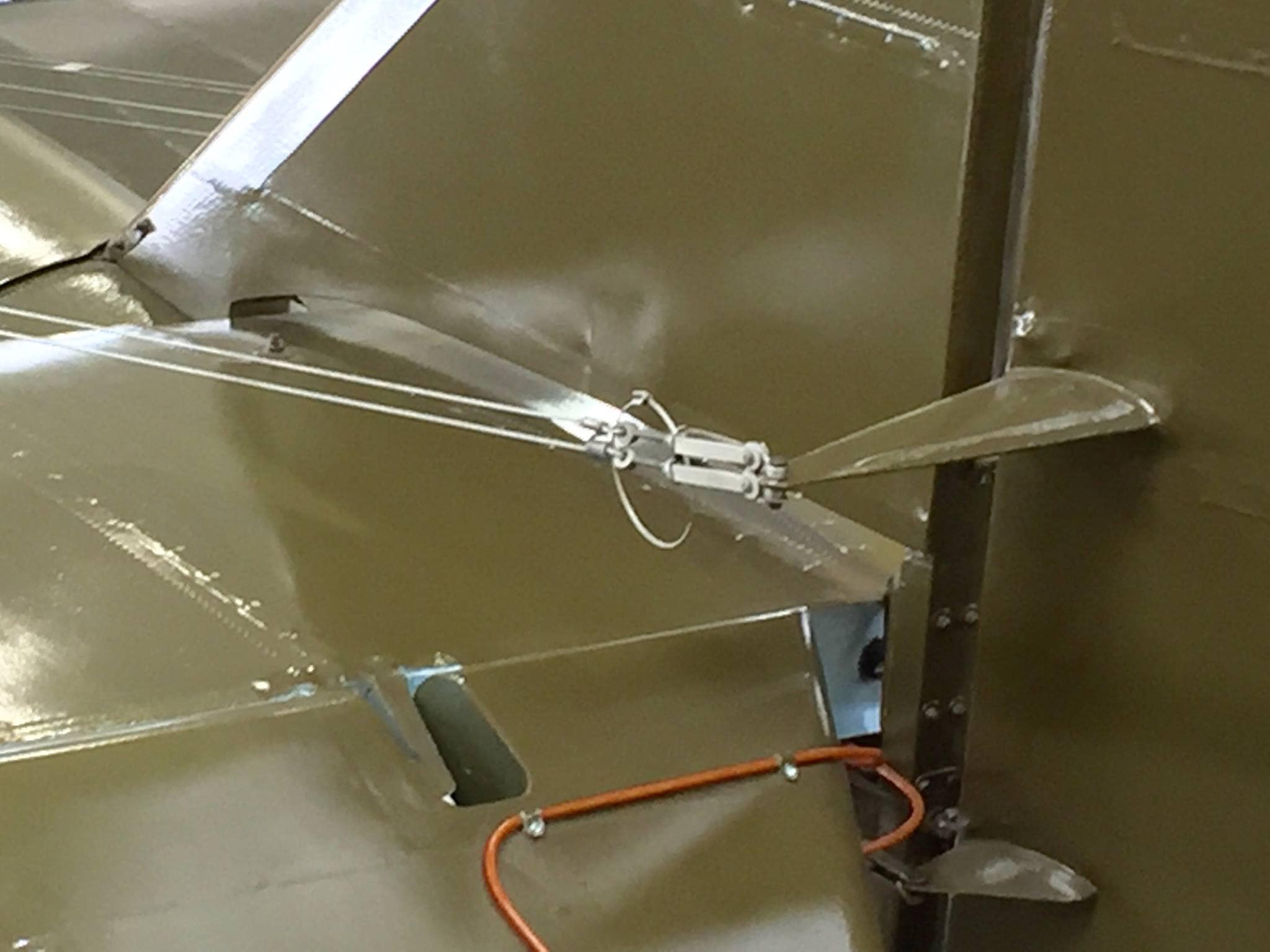
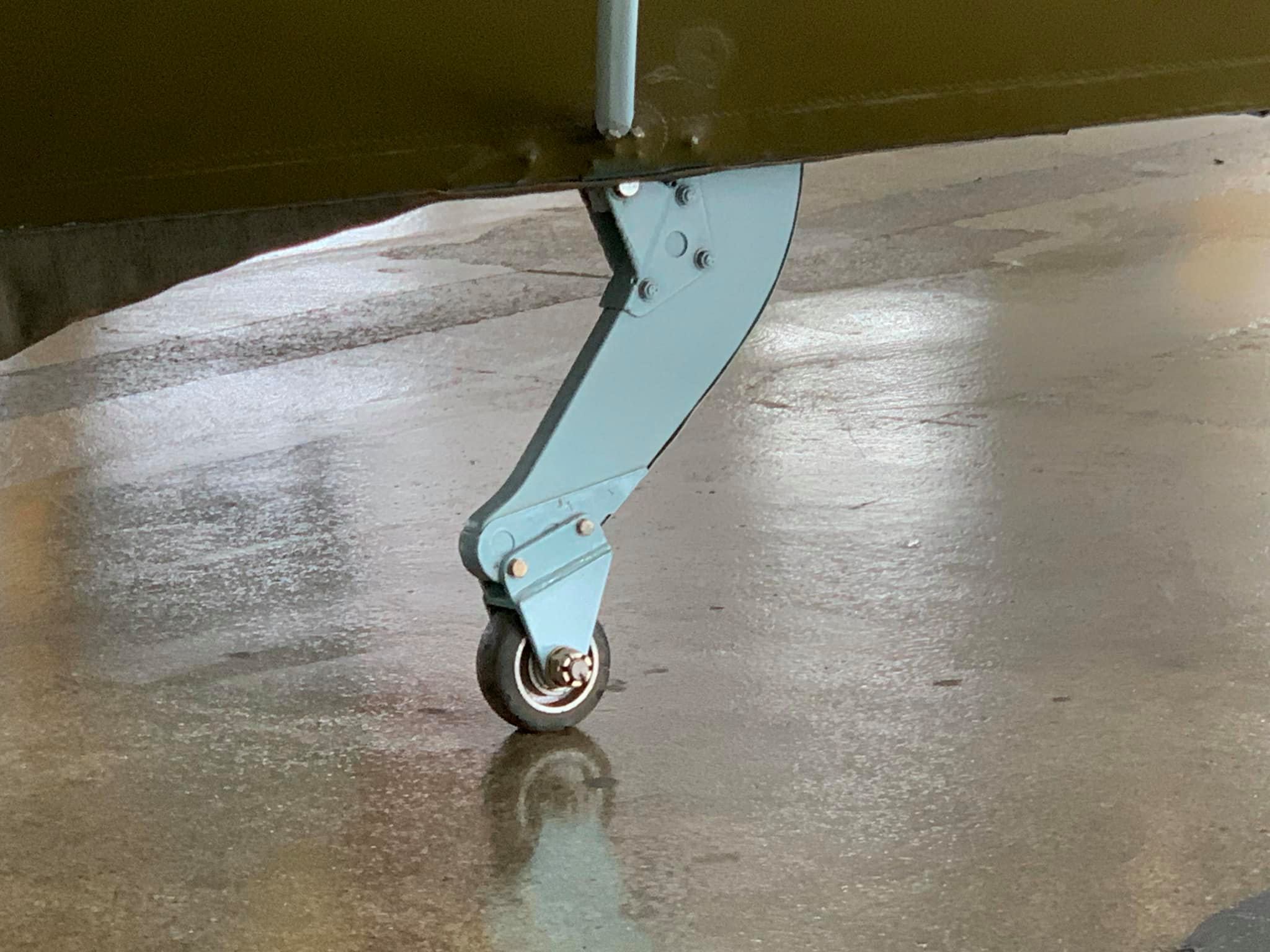
The control surfaces were operated by cables running along the outside of the fuselage as can be seen. There are turnbuckles that rotate to adjust the length and tension of the cables – and they in turn have a wire ring to keep the turnbuckles immobile in flight. At least one version incorporated all the controls into the control column. The tips of the lower wings were fitted with skids for protection during landings. A large attribute of the design was its longitudinal static stability; and its STOL capabilities meant it had a maximum speed of only 93 mph and with a full bombload, it could barely reach 60 mph, and could land at 40 mph.
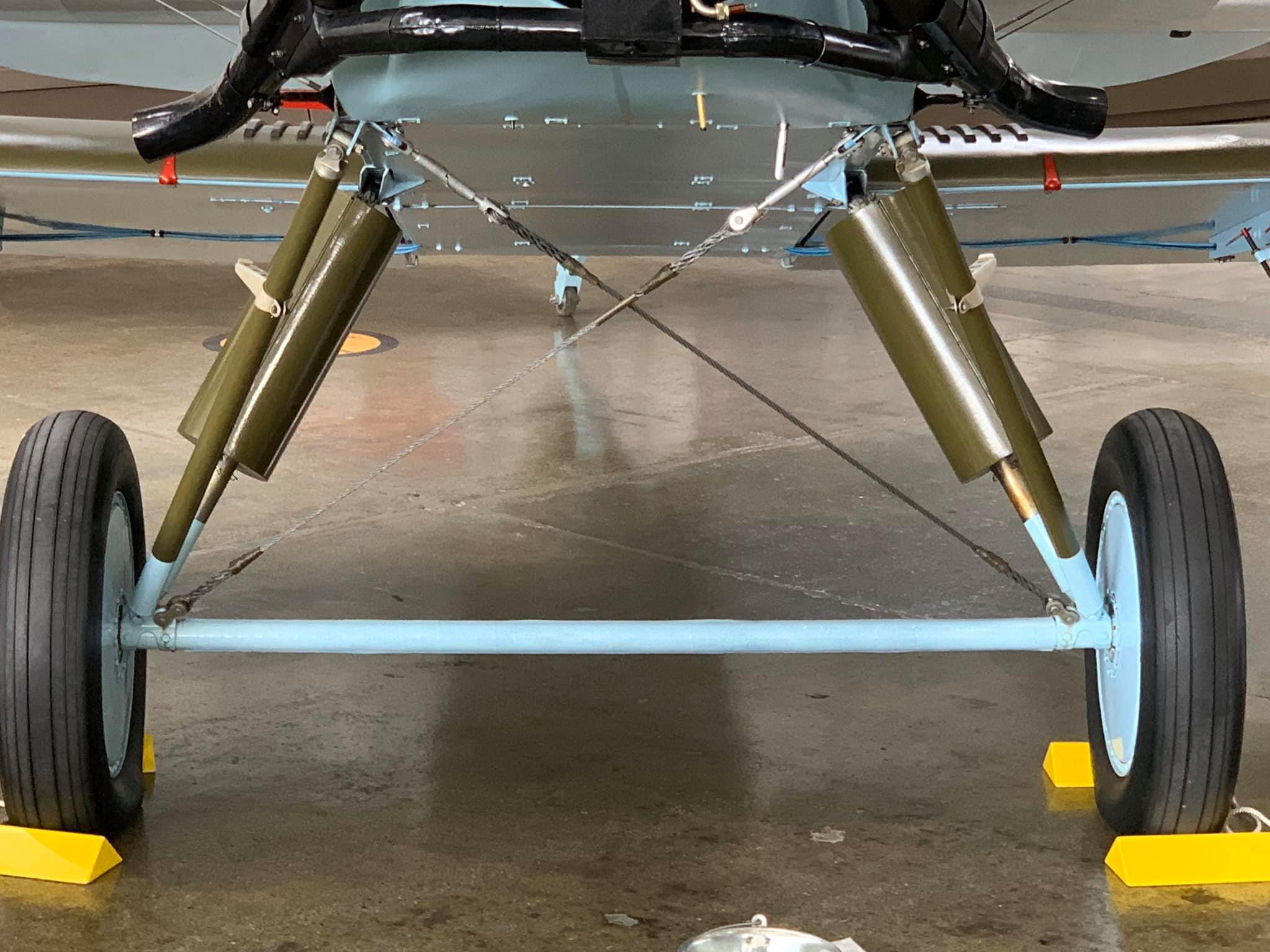
To save weight, the design was so simplistic that it did not even carry radio equipment and crew members carried no parachutes. Originally designed as a trainer, it has a tandem-seat, dual-control configuration, yet over its long production run, 30 variants (or many more depending on your sources) were created that, for example, included a three-seat configuration that served as an air taxi and for aerial surveillance. The U-2S Sanitamyi Samolyet or ambulance variant had room for a pilot, stretcher and medical attendant with, originally, hinged top decking over patient, was part of the development of Soviet health services, especially in rural areas due to its ability to fly in and out of small and undeveloped landing facilities.
Other 3-seat variants had enclosed cabins that accommodated the pilot and three passengers. During World War II (or as it was known as, the Great Patriotic War), the U-2/Po-2 became famous as the aircraft flown by the Soviet all-women 122nd Aviation Group made up of three regiments including the 588th Light Night Bomber Regiment (later renamed their 46th Guards “Taman” Regiment for the Taman Peninsula) established in 1942 after the October 8, 1941 order of Joseph Stalin at Engels on the River Volga near Stalingrad by Major Marina Raskova (the first woman to become a navigator in the Soviet Air Forces) that earned the nickname “Nachthexen” (“Night Witches”) by German Wehrmacht troops (although I have seen reference that the term actually referred to the aircraft in total, not the crew, but I am unable to find confirmation). To a very limited degree, women combat pilots in Russia date back to World War I. Tactics included low altitude ground strikes with the engine throttled back to idle and gliding over the target area, and while inflicting relatively little damage, they were difficult to track and shoot down, and some were modified to include a transmitter and loudspeaker, all of which also caused sleep deprivation and played into a type of psychological warfare.
Aircraft were fitted with mufflers, first as a field modification, then at the factory. In fact, the muffled engine sounded so much like that of the German Junkers Ju-87, that German airfield crews were known to signal the U-2s to land. The German Luftwaffe established similar Störkampfstaffel (interference combat squadrons) on the Eastern Front using their own obsolete 1930s-era open cockpit biplanes (most often the Gotha Go 145 and Arado Ar 66 biplanes) and some parasol-winged monoplanes as part of the larger Nachtschlachtgruppen (supplementary night attack groups). Centralne Studium Samolotów (Central Aircraft Study) in Warsaw obtained a license to build the PO-2 (designations included CSS-13 and others) and M-11D engines (and variations) and production began by 1948 at WSK Mielec and then WSK Okęcie Warszawa; over 550 CSS-13’s and variants were produced until 1955, with the Yugoslav Air Force flying them until 1959.
The aircraft had again been used for crop dusting, as a trainer, and as a glider tow. During the Korean War, it and along with Yakovlev Yak-18’s, fired on and dropped ordnance including hand grenades as well as propaganda leaflets against United Nations forces which nicknamed it “Bed-Check Charlies” due to their frequent nocturnal visits to Allied positions. These aircraft could operate from short frontline airstrips at night and be concealed in barns or underground caves during the day and proved hard to track by radar due to their canvas and wood construction (it was the Yak-18’s throaty drone of their engines that led to that aircraft type’s nickname “Washing Machine Charlie”).
Allied forces took to modifying some of their propeller planes such as the Vought F4U-4 Corsairs and Douglas AD Skyraiders by equipping them with belly radomes to try to combat the PO-2’s slow speed and low-flying tactics. With an estimated more than 40,000 of the type built until 1959, it is likely the most-produced aircraft – particularly biplane – in history (including those built under license in Poland from 1948 to 1955 and those built in Russia by aero clubs and the like until 1959 – I don’t yet know why the production ended then) and one of, if not the, longest running military aircraft productions. The U-2/Po-2 was flown by a number of countries globally.
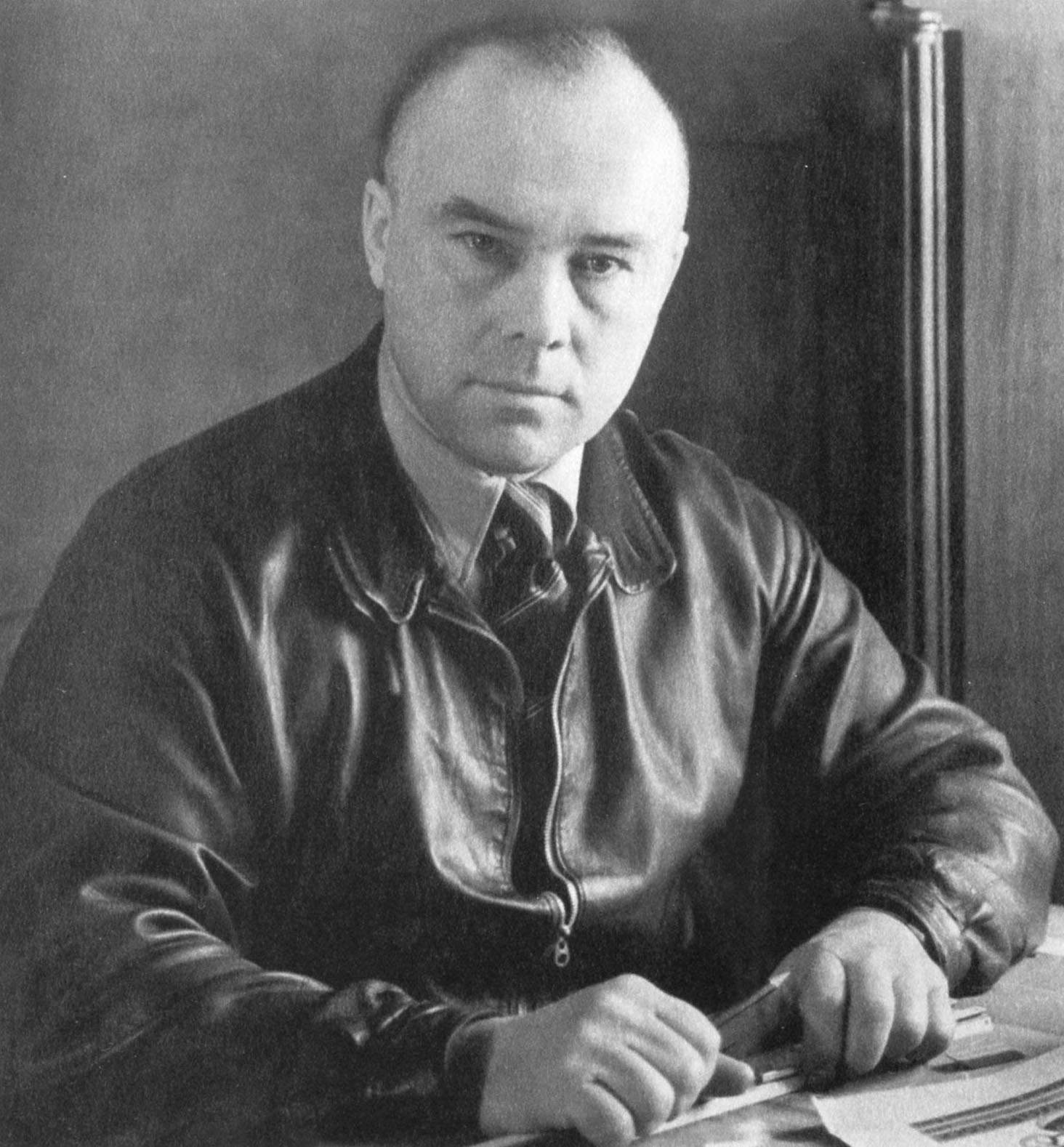
Nikolai Nikolaevich Polikarpov was a 1916 graduate of the St. Petersburg Polytechnic Institute who initially worked under Igor Sikorsky, and during his 22-year design period, he created something like 40 aircraft types. Similar to about another 300 engineers and specialists in science and aviation (and perhaps because Polikarpov had traveled during the 1920s studying aircraft industries in Britain, France and Germany and was accused of treason in 1929 and/or because some of his designs were deemed failures), he worked basically under house arrest.
About the author
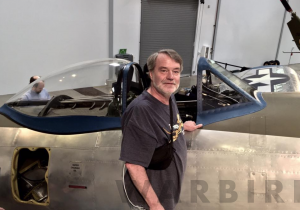 Randy Malmstrom grew up in a family steeped in aviation culture. His father, Bob, was still a cadet in training with the USAAF at the end of WWII, but did serve in Germany during the U.S. occupation in the immediate post-war period, where he had the opportunity to fly in a wide variety of types which flew in WWII. After returning to the States, Bob became a multi-engine aircraft sales manager and as such flew a wide variety of aircraft; Randy frequently accompanied him on these flights. Furthermore, Randy’s cousin, Einar Axel Malmstrom flew P-47 Thunderbolts with the 356th FG from RAF Martlesham Heath. He was commanding this unit at the time he was shot down over France on April 24th, 1944, spending the rest of the war as a prisoner of war. Following his repatriation at war’s end, Einar continued his military service, attaining the rank of Colonel. He was serving as Deputy Wing Commander of the 407th Strategic Fighter Wing at Great Falls AFB, MT at the time of his death in a T-33 training accident on August 21, 1954. The base was renamed in his honor in October 1955 and continues to serve in the present USAF as home to the 341st Missile Wing. Randy’s innate interest in history in general, and aviation history in particular, plus his educational background and passion for WWII warbirds, led him down his current path of capturing detailed aircraft walk-around photos and in-depth airframe histories, recording a precise description of a particular aircraft in all aspects.









Introducing outboardmotorengmbh –
Experience unmatched power, reliability, and performance on the water with Outboard Motor EN GmbH.