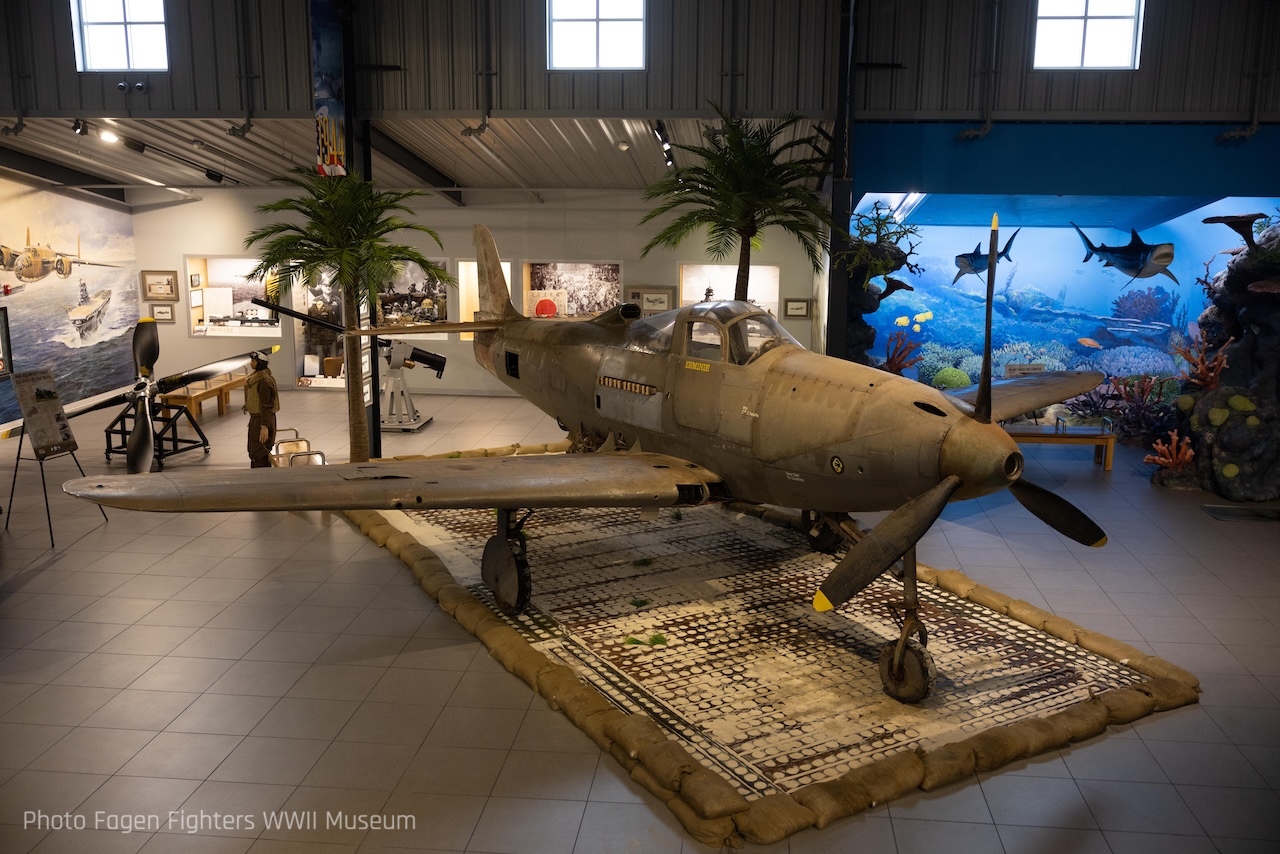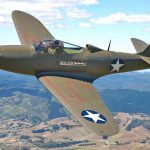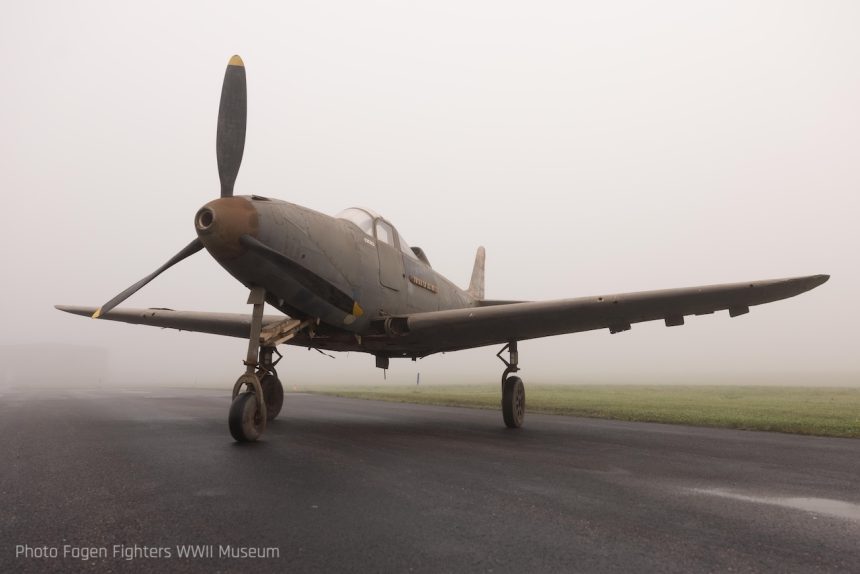

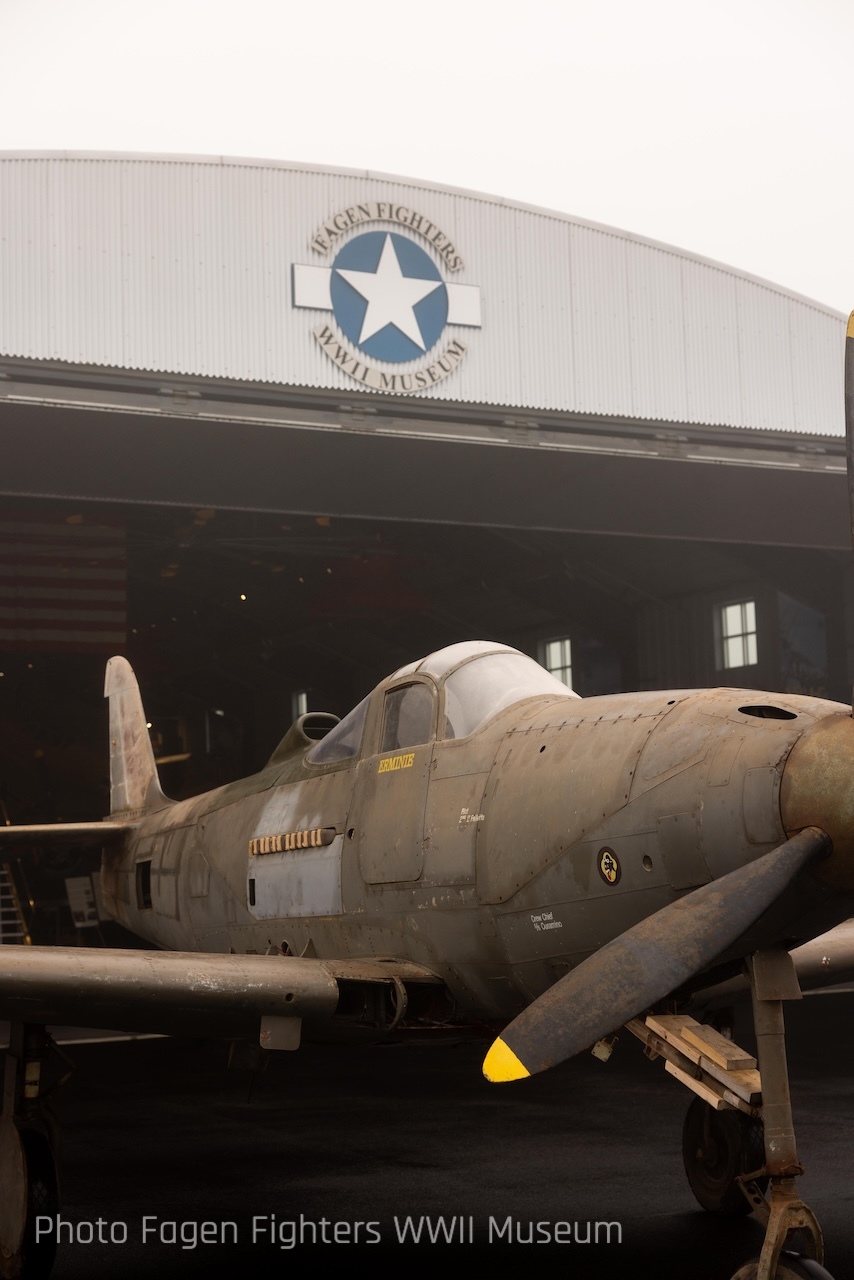
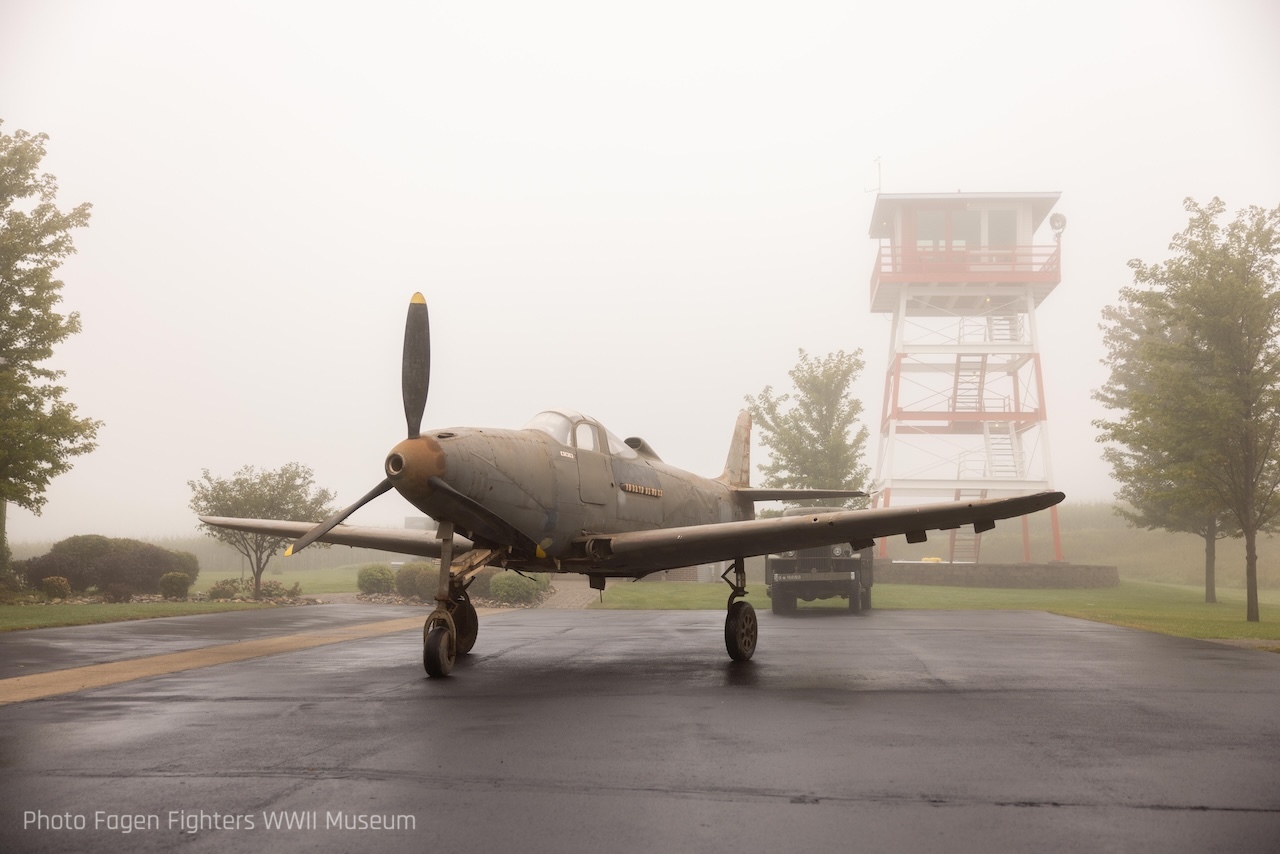
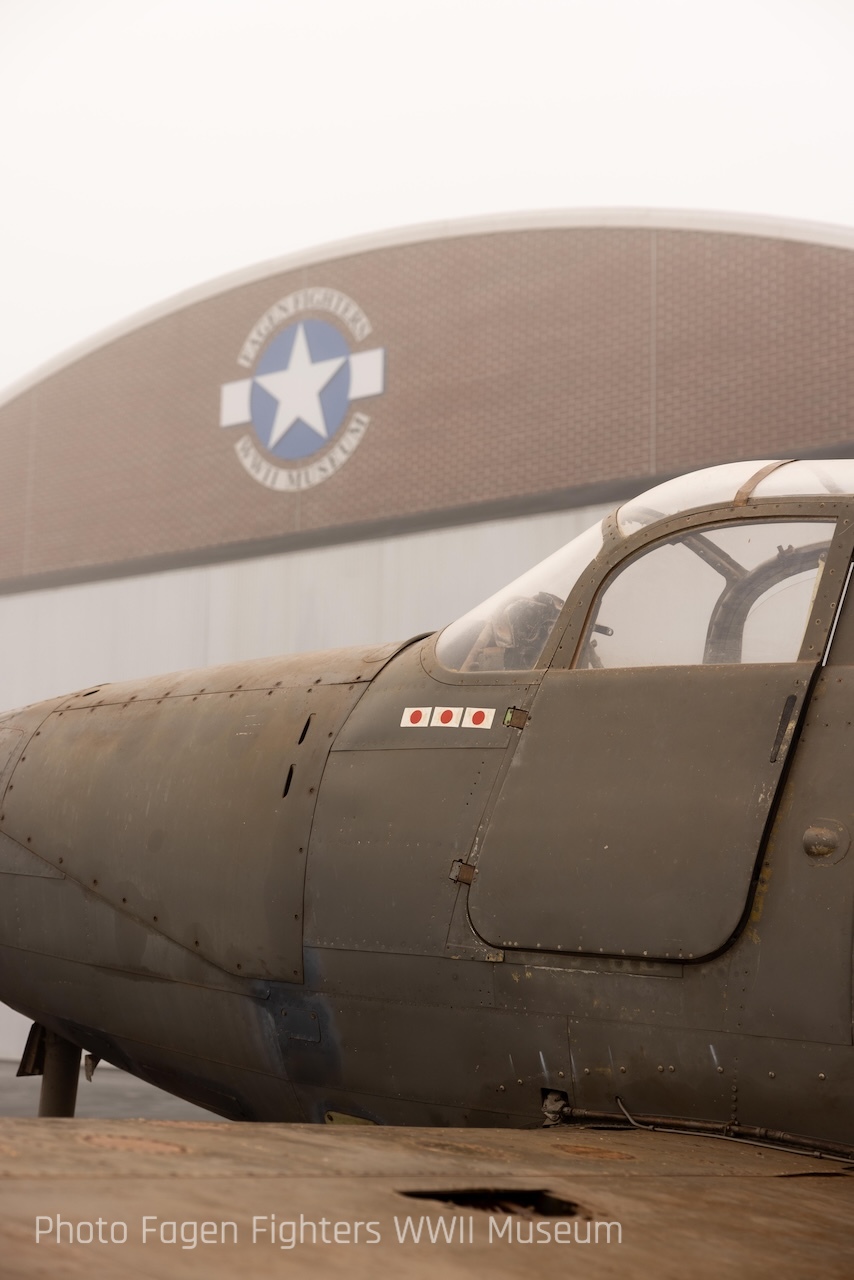
The Fagen Fighters WWII Museum of Granite Falls, Minnesota, recently revealed a remarkable new artifact for their visitors this month, unveiling their newly-arrived and highly original combat veteran Bell P-39D Airacobra (s/n 41-6951). They acquired the fighter from the estate of the late Syd Beck of Mareeba, Queensland in Australia—keeping this news remarkably quiet until their announcement of its arrival on September 10th. Beck had a long history with the airframe, having owned the Airacobra since soon after its 1972 retrieval from its wartime resting place in the desolate Cape York Peninsula of northern Queensland by the Cairns Aircraft Recovery Team (CART). CART recovered a pair of P-39s from the same site during that time, the other being P-39F 41-7215—another 36th Pursuit Squadron example— which is now owned and operated by the Military Aviation Museum in Virginia Beach, Virginia.
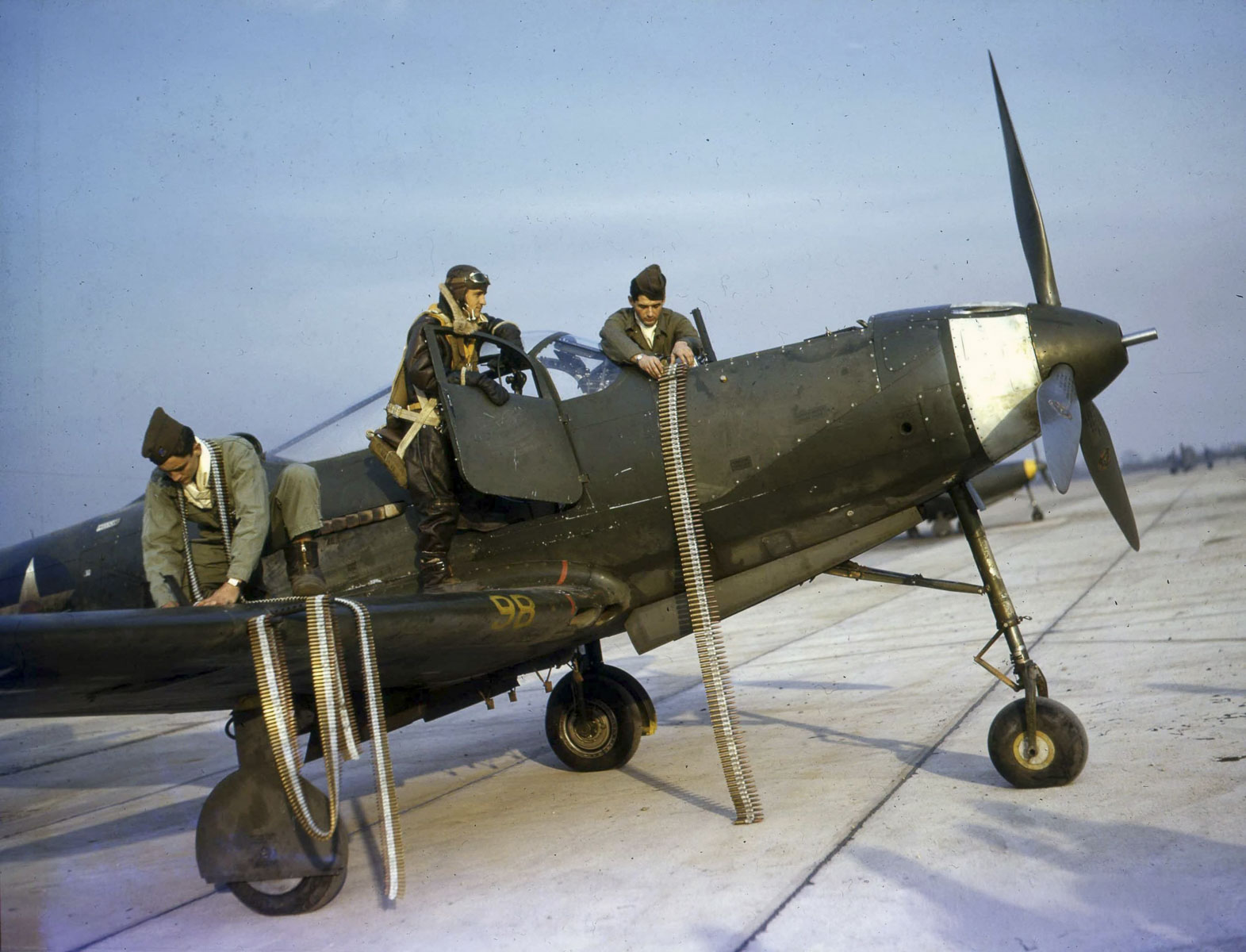
How these two former 8th Pursuit Group P-39s first came to be stranded in the Australian wilderness is quite a story. In the dark early days of combat in the Pacific Theatre during WWII, Imperial Japan had run rampant over a vast swath of the ocean. Invading the Territory of New Guinea in January 1942, the Japanese were grinding their way across the island nation, then a protectorate of nearby Australia, which itself was presumably next on their list of lands to conquer. Port Moresby, Papua New Guinea’s capital, was a vital, strategic stronghold for the Allies, being their only remaining harbor for supplying continued ground operations in New Guinea. The beleaguered town was under constant attack from Japanese aerial forces; the Curtiss Kittyhawks from the Royal Australian Air Force’s No.75 Squadron being the only fighter aircraft on hand for its defence. By April 1942, No.75 was in desperate need of reinforcement; the US Army Air Forces’ 8th Pursuit Group—recently arrived with its P-39s in the Brisbane area of Queensland—were available to replace them. The difficulty, however, was that the unit was completely untested in battle and its pilots lacked sufficient knowledge of the regional climate, which could brew up a massive storm seemingly without warning. Furthermore, there were virtually no detailed maps or navigational aids in the area either, making the journey from Townsville to Port Moresby a significant challenge, especially for those unused to flying on instruments alone.
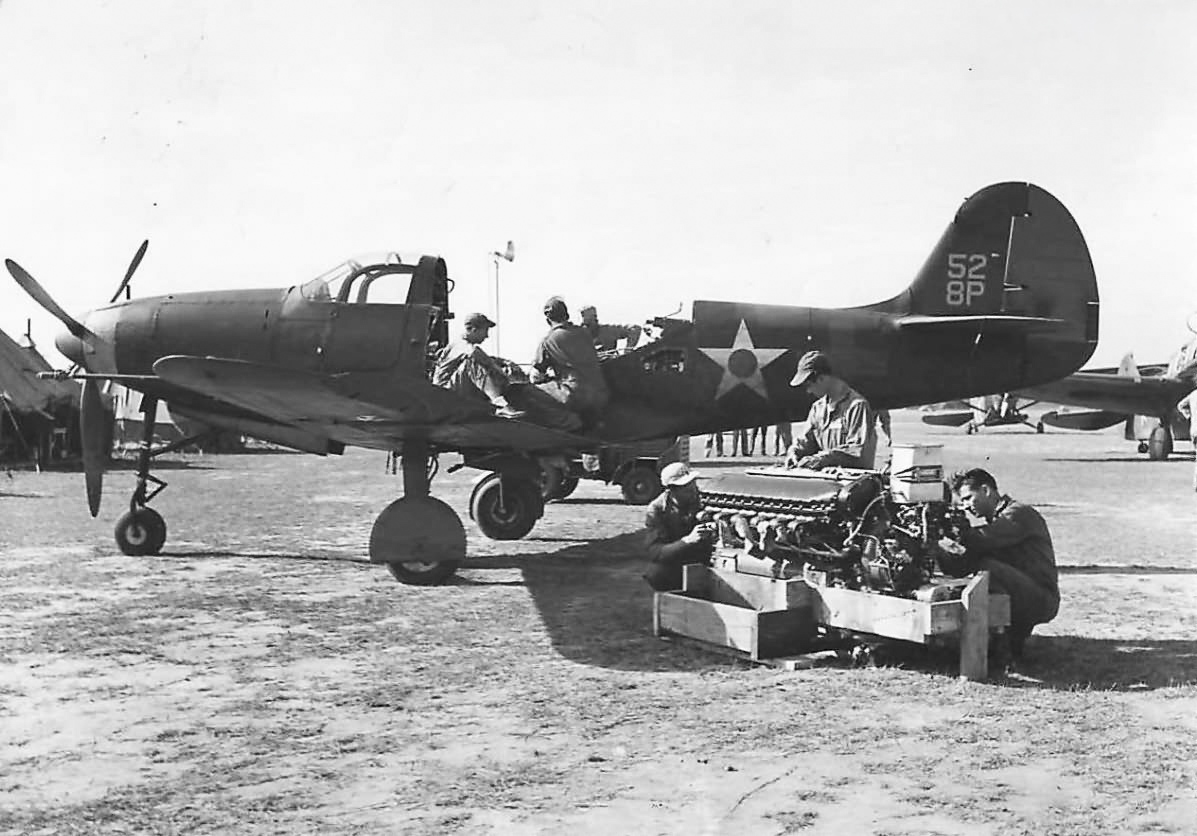
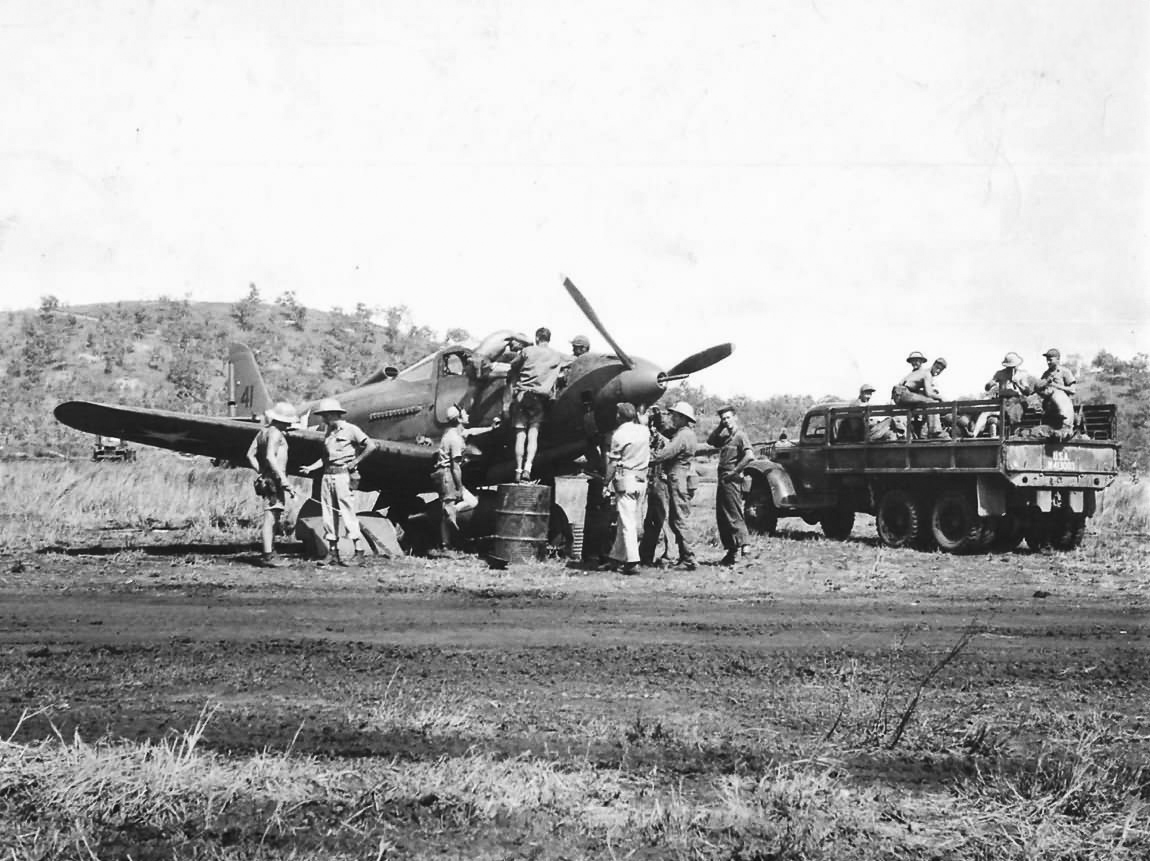
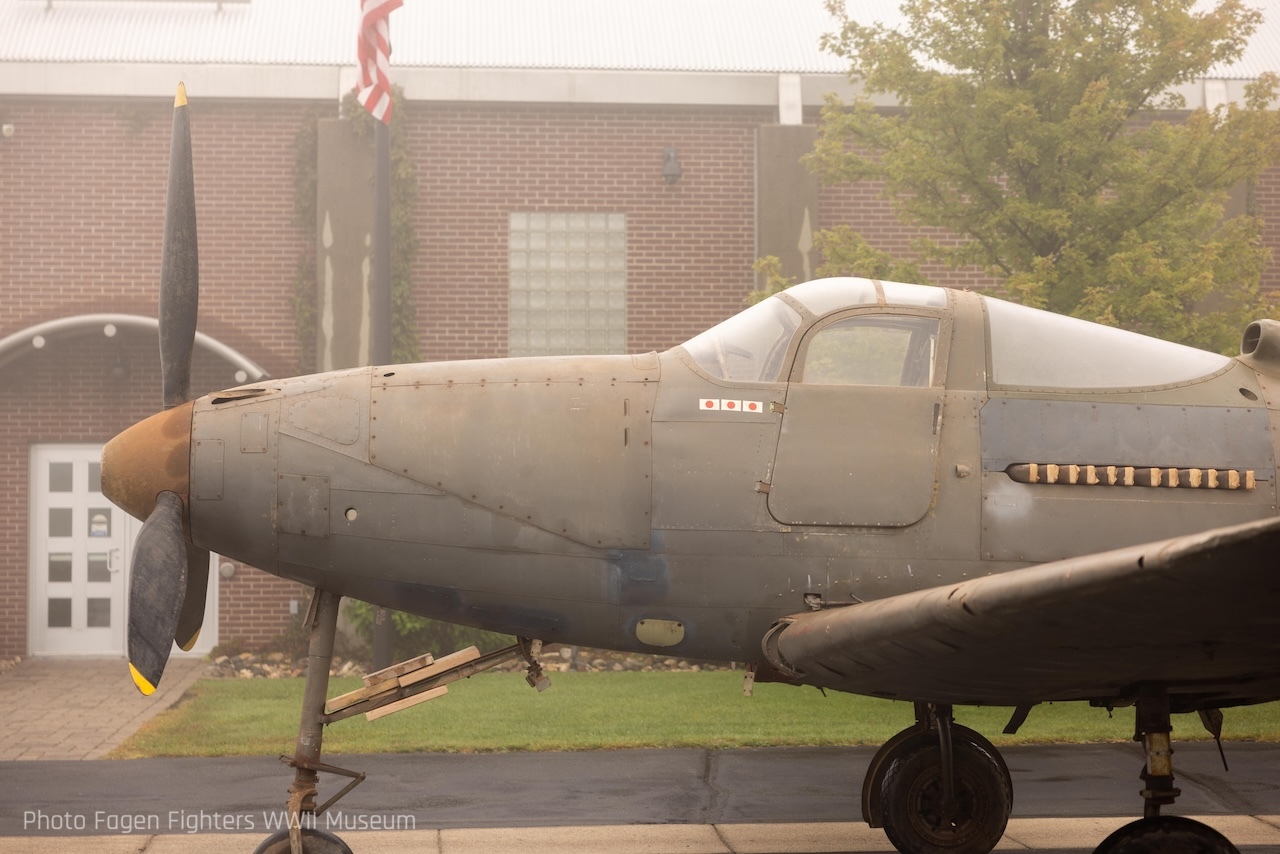
In order to be effective in Port Moresby, the 8th Pursuit Group desperately needed to learn firsthand what the combat situation was like before taking up their new station. So, on April 5th, 1942, a flight of 8th PG P-39s—flown by some of the Group’s more experienced pilots—formed a vanguard. They flew to Port Moresby via Townsville and Horn Island, where they refueled. Nicknamed Erminie after the wife of its pilot, Lt. Charles Falletta, 41-6951 was one of these Airacobras; it became the first US-operated fighter plane to land on New Guinea during WWII. These P-39s remained in Port Moresby for five days, their pilots engaging the enemy in combat on numerous occasions. Lt. Falletta filed claims for a pair of Japanese aircraft during this period, including a Mitsubishi G4M ‘Betty’, although it is uncertain, at present, which aircraft he flew on that occasion; furthermore, verification of these victories has proven difficult to confirm. Falletta and his fellow American pilots returned to Australia with their P-39s on April 11th, rejoining the 8th PG near Townsville, where the group had moved in the interim. Armed with the vital knowledge this expeditionary force had gained, the 8th PG prepared to move en-masse to Port Moresby, but the group’s commander, Lt.Col. Freddie Smith was worried that many of his pilots were not ready for the move, still being too unacquainted with the flying involved in the region. However, he was ordered to send every available pilot to New Guinea or else to surrender his command to someone who would. Smith complied, but his concerns proved correct when many of his group’s P-39s were lost during the transition to New Guinea before even having a chance to face the enemy.
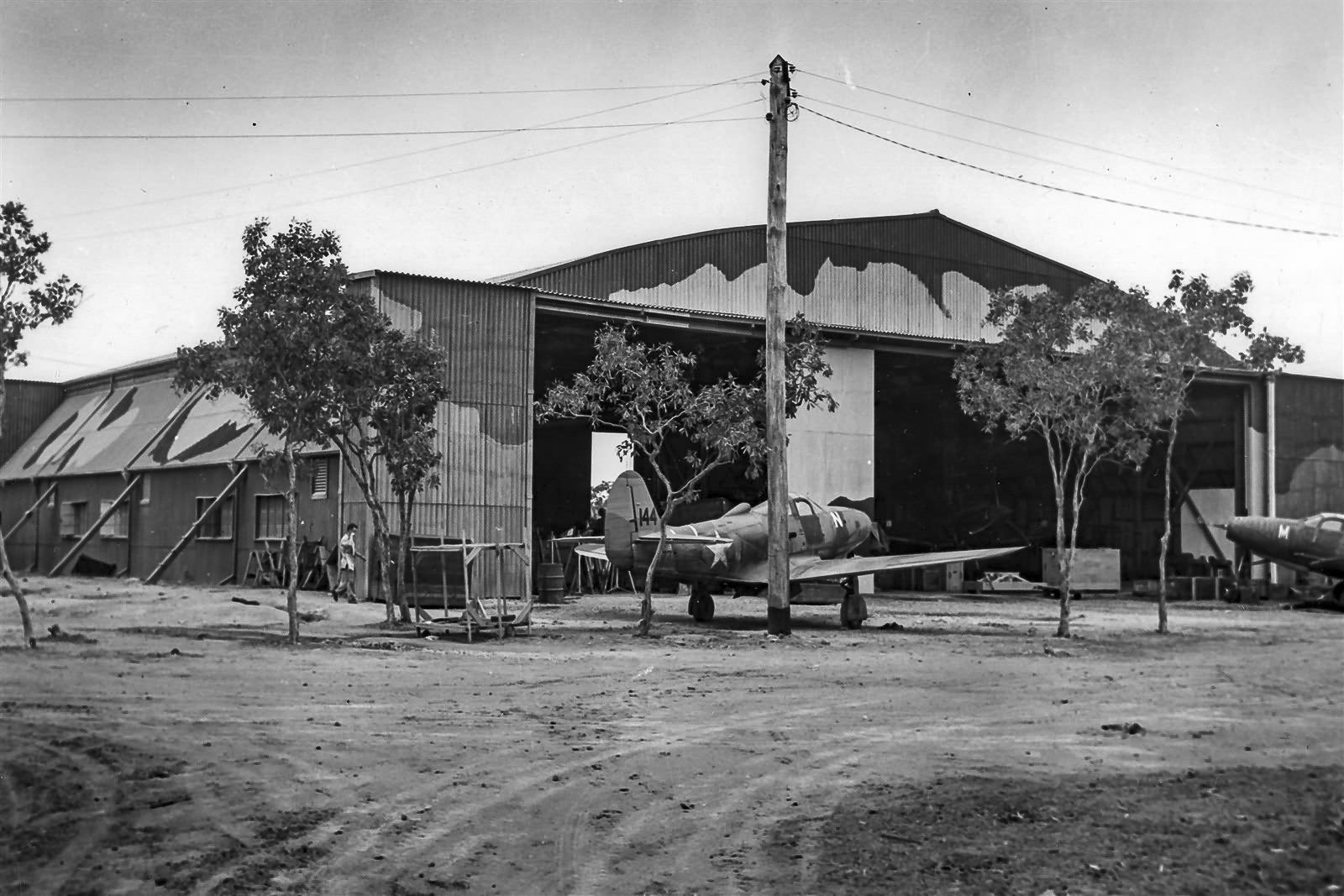
On April 25th, most of the 8th PG personnel, other than the fighter pilots, flew to Port Moresby via flying boat, arriving there without incident. However, fifteen P-39s from the 8th PG’s 35th Pursuit Squadron ran into a severe storm near Horn Island, on their journey with a number of the aircraft being lost, along with two pilots who simply disappeared. Disaster struck again on May 1st, when Lt. Falletta (in 41-6951) leading a flight of six 36th Pursuit Squadron P-39s in their attempt to reach Port Moresby. Given their lack of detailed maps or easily viewed waypoints over the virtually uninhabited land, they skirted the coast along the Cape York Peninsular on their route. As they approached Horn Island, the weather again closed in, preventing them from continuing their journey. Running low on fuel, Falletta opted to turn back for land to hopefully find a place to land safely. The visibility was so poor, however, that only his wingman (Lt. Harvey, in P-39F 41-7215) was able to keep him in sight. The other four aircraft also broke into pairs and attempted to find their own spots to put down safely.
According to an interview published in the Birmingham News on December 27, 1973, Falletta and Harvey made it through the murk into clearer skies roughly at tree-top height. Skimming along, virtually out of fuel by this point, they finally saw a clearing they thought might be safe enough to put down in. Falletta made his approach first, stating: “I had in my head plans to save the aircraft, so I came in with my wheels down—which was against all the rules. And I damn near made it until a wheel hit a hole.” This caused the gear leg to collapse, but the aircraft came to rest relatively intact. Lt.Harvey then made the same landing, but he sensibly elected to keep his gear up. While he slid to a stop safely, the jolt of the impact with the scrub apparently caused his 37mm nose cannon to fire off a few rounds!
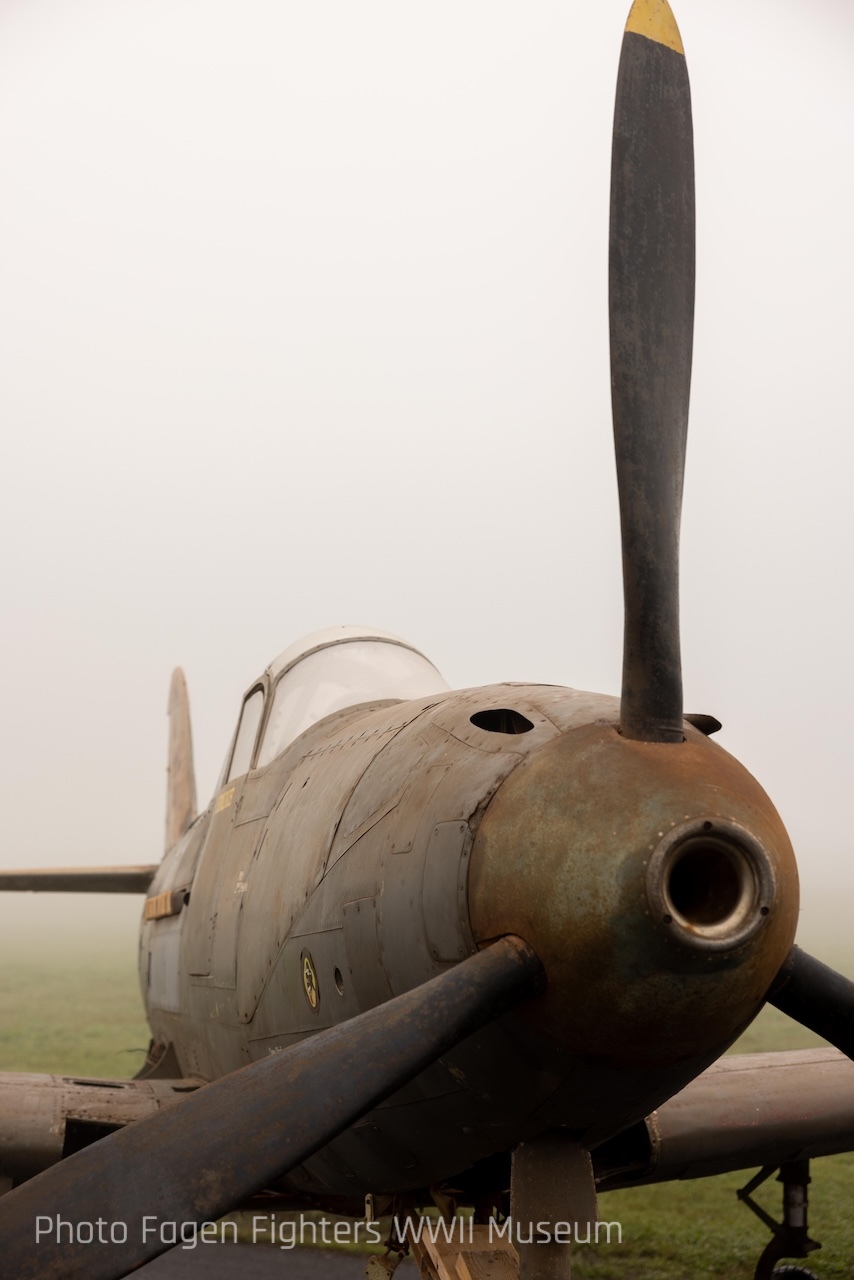
The two men got out safely, but stayed with their aircraft that first night before setting out in the morning to find the coast, where they reasoned their rescue to be easier. It took them several days to traverse the 18 miles to the coast, during which they rand out of food. They spotted several aircraft looking for them during that time, but they weren’t spotted from the air until an RAF Sunderland flying boat lumbered by. It was unable to land, however, but they did receive a note from a subsequent aircraft stating that a boat would be along to collect them and the three other surviving pilots who were located further up the coast—Lt. Love having died when his P-39 cartwheeled during his emergency landing. Eventually, a launch did indeed rescue the stranded pilots. Their P-39s lay unperturbed where they fell for the next thirty years until an RAAF demolition team arrived in late 1971 to “make safe” the remaining 37mm ammunition in the nose cannon of each airframe. Unfortunately, this team opted to detonate the potentially unstable munitions with a small charge rather than remove them, the explosions causing a fair bit of damage to the nose section of each aircraft as a consequence. CART came along a few months later to disassemble the airframes for local preservation.
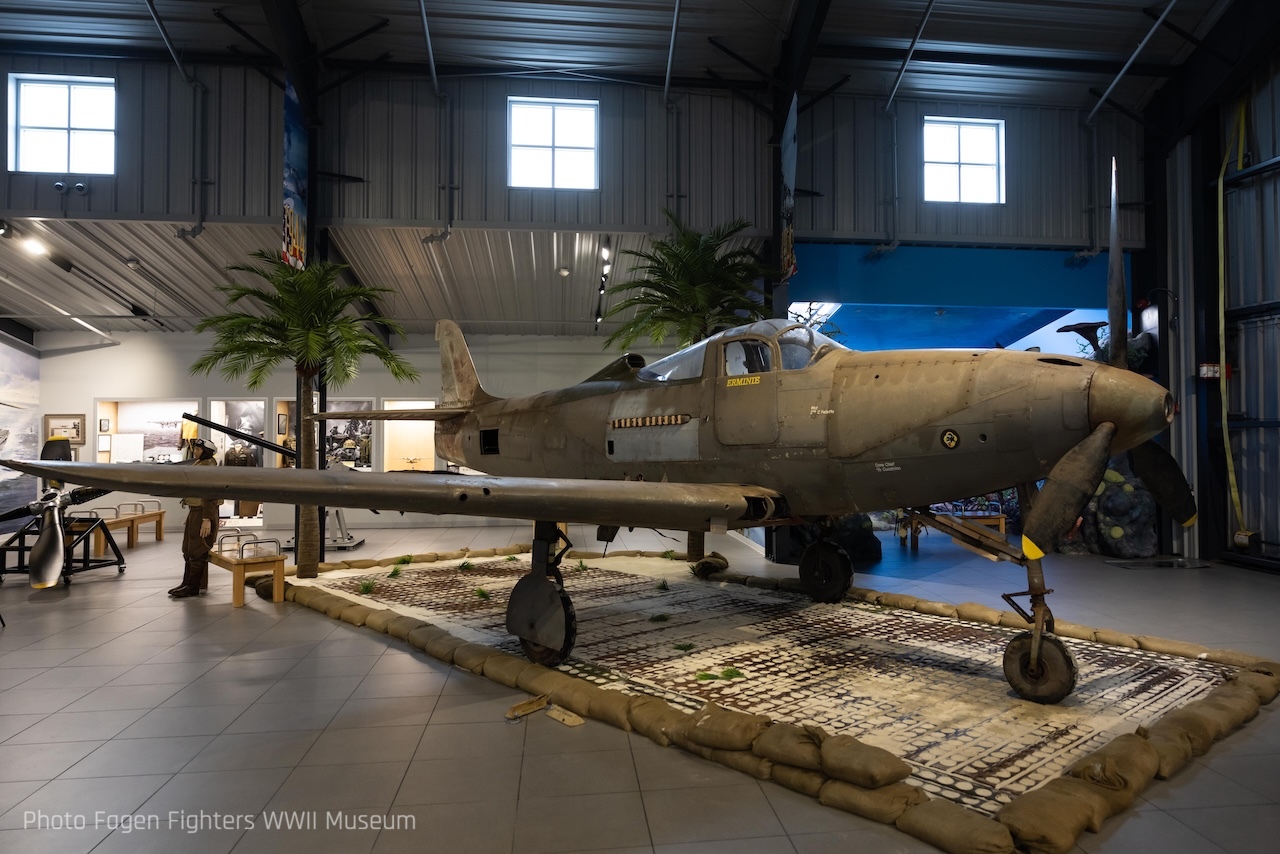
Syd Beck acquired the P-39D, and hauled it off to his home base in Mareeba—ironically once home to the 36th Pursuit Squadron between February and May, 1943. Beck and a team of volunteers lovingly restored the aircraft to static condition, preserving much of the original material. They completed their work during 1987; the Airacobra being on display with other artifacts in Syd Beck’s eclectic collection for most of the following four decades until its recent move to Granite Falls. It will be an exceptional exhibit for the Fagen Fighters WWII Museum, and is sure to bring much attention in the coming months and years. For more information about the museum, visit www.fagenfighterswwiimuseum.org.