






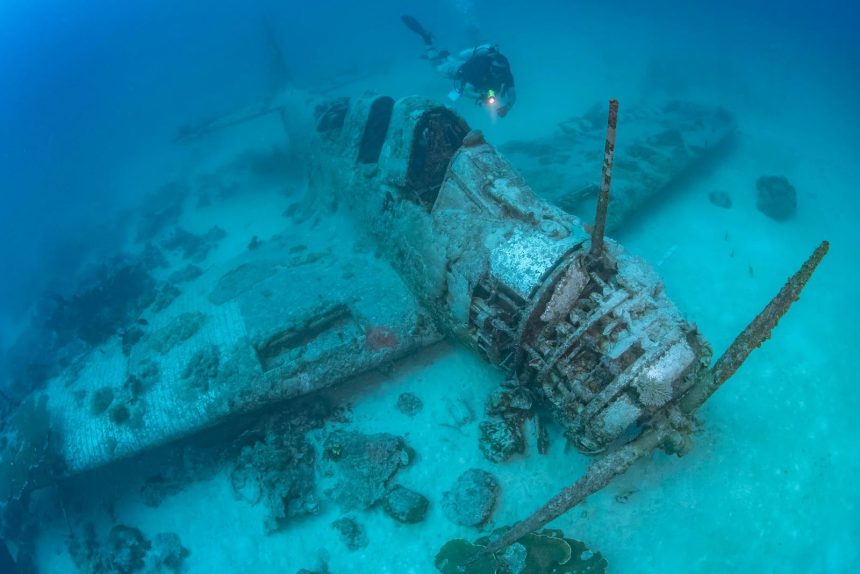

On January 30, 2026, the U.S. Navy’s Naval History and Heritage Command (NHHC) announced their objective to recover a rare Douglas TBD Devastator torpedo bomber from the bottom of Jaluit Atoll in the Marshall Islands, in partnership with the Air/Sea Heritage Foundation, and the Center for Maritime Archaeology and Conservation (CMAC) at Texas A&M University. This report marks the start of an official effort to recover the intact wreck to be conserved for permanent display in the new iteration of the National Museum of the United States Navy, near the Washington Navy Yard in Washington, D.C.
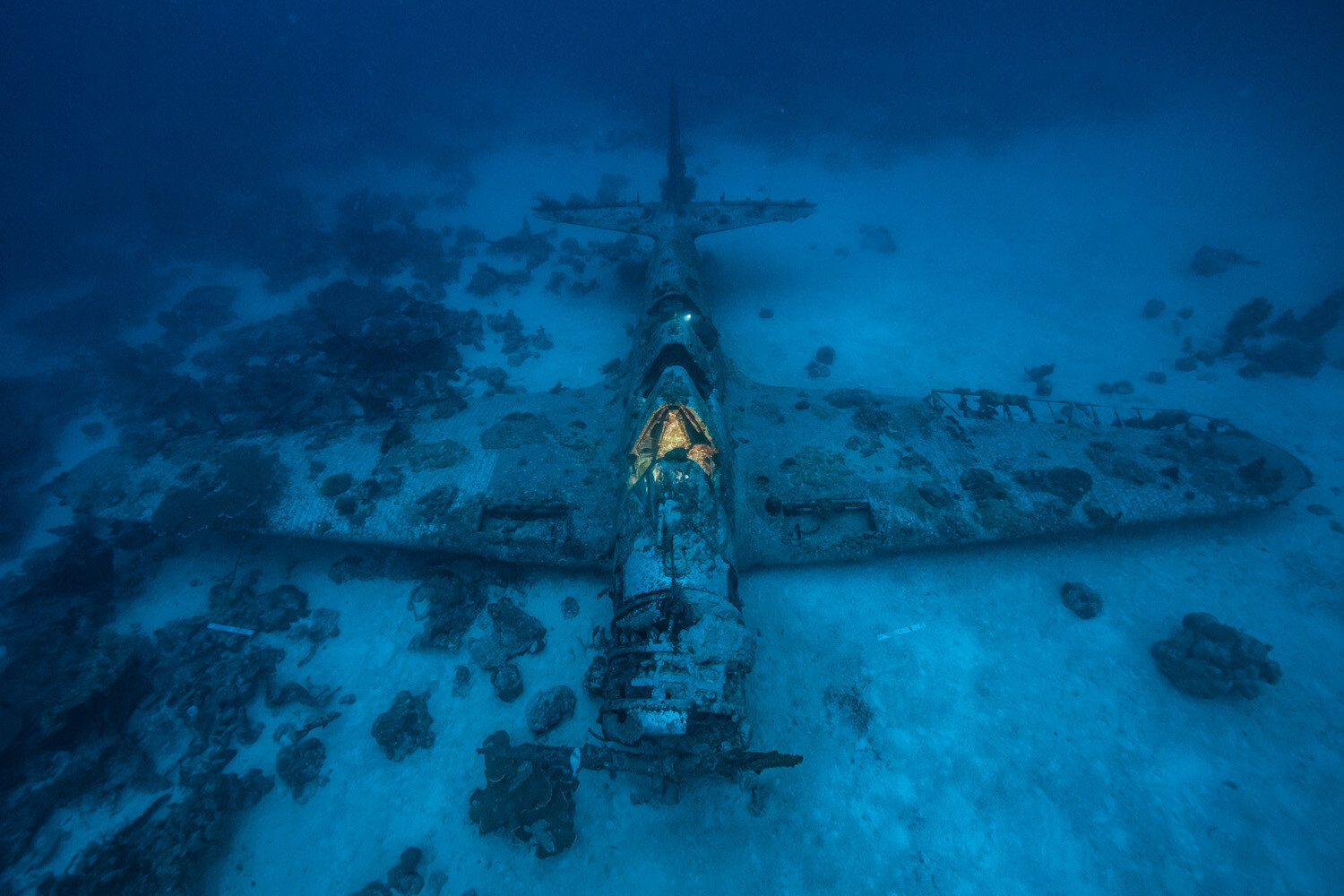
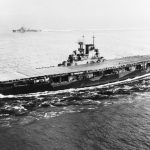
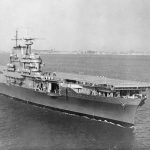
For scholars and enthusiasts of WWII naval aviation, the Douglas TBD Devastator has represented the “Holy Grail” of aircraft recoveries. Developed in the mid-1930s to replace the outdated biplane torpedo bombers then in service, the Douglas TBD Devastator was one of the most advanced carrier-based aircraft in the U.S. Navy’s fleet, being the first all-metal monoplane designed adopted for operational service in 1937. The Douglas TBD Devastator could carry a single Mark 13 torpedo for wavetop-level attacks on enemy shipping or a range of 100 lb., 500 lb., or 1,000 lb. bombs for level bombing, and was operated by a crew of three (Pilot, Torpedo Officer/Navigator, and Radioman/Gunner). However, rapid advances in military aviation leading up to WWII quickly rendered the Devastator to be increasingly obsolete, but it was still the U.S. Navy’s most available torpedo bomber at the time of the Japanese attack on Pearl Harbor. Despite the string of defeats suffered by the U.S. and its allies at the hands of the Japanese during the first months of the war, TBD Devastators saw success in as a level bomber in air raids on Japanese outposts in the Marshall and Gilbert Islands in February 1942 and against Japanese landings in New Guinea in March 1942, though defects in the Mark 13 torpedo limited its success in sinking Japanese ships. Nevertheless, TBD Devastators from the carriers USS Lexington (CV-2) and USS Yorktown (CV-5) helped sink the Japanese light aircraft carrier Shōhō on May 7, 1942, during the Battle of the Coral Sea.

The negative reputation of the Douglas TBD Devastator was secured, however, during the Battle of Midway. On June 4, 1942, 41 Devastators were launched from the carriers USS Yorktown (CV-5), USS Enterprise (CV-6), and USS Hornet (CV-8) against the Japanese carrier group known as the Kidō Butai (“Mobile Force”). The poor coordination of the American air groups, combined with the slow speeds and poor maneuverability of the torpedo-laden TBDs, and the defects in the Mark 13 torpedoes, resulted in catastrophic losses among the Devastator crews at Midway against Mitsubishi A6M Zero fighters and withering Japanese anti-aircraft fire. Only four TBDs returned to USS Enterprise, only two returned to USS Yorktown (later lost during the battle), and the entire complement of 16 TBD Devastators launched from USS Hornet was lost, with pilot Ensign George Gay as the only survivor of Hornet’s TBD aircrews. With the introduction of the Grumman TBF Avenger torpedo bomber, the remaining Douglas TBD Devastators were relegated to training duties in the continental United States, and by 1944, all surviving aircraft were scrapped, with none being spared for preservation in museums after the war. Over the past 30 years, the submerged wrecks of several Douglas TBD Devastators have been identified as potential subjects for recovery and museum display, with TBD-1 Bureau Number 0353 found off the coast of Miami, TBD-1 BuNo 0377 off the coast of Mission Beach, San Diego, and the remains of seven TBDs were discovered resting near the wreck of the USS Lexington, discovered in 2018 (see this article HERE). However, at least two wrecks found in Jaluit Atoll, representing TBD-1 Bureau Number 0298 and Bureau Number 1515, have long been sought after as some of the most suitable wrecks for recovery, with BuNo 1515 being at the center of the newly announced project.
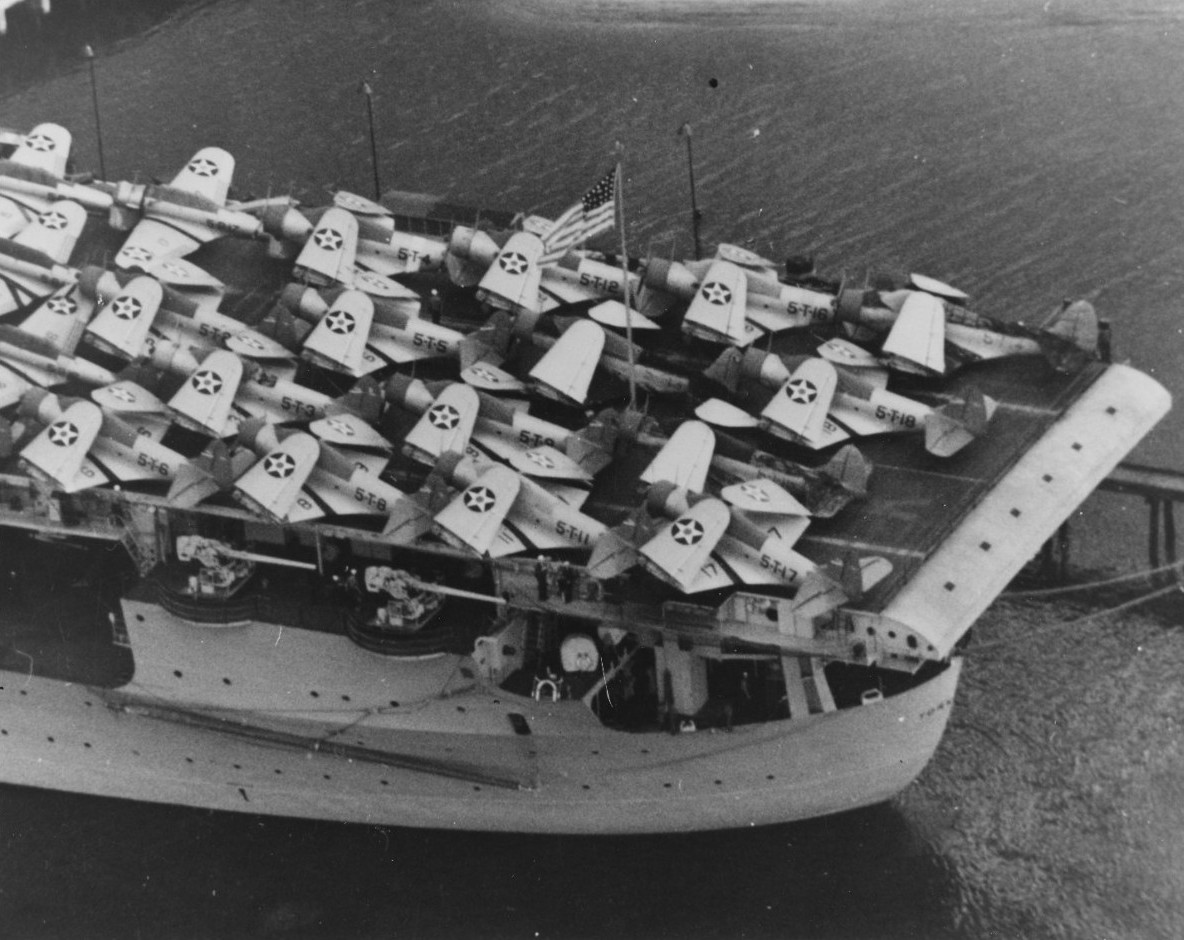
Manufactured by Douglas Aircraft as construction number 2283, this TBD-1 Devastator was accepted into the USN as Bureau Number 1515 and was assigned to Torpedo Squadron 5 (VT-5) aboard USS Yorktown (CV-5) with the tail code 5-T-6. On February 1, 1942, TBD-1 BuNo 1515 took off from USS Yorktown with a load of bombs for a mission against Japanese naval forces on Jaluit Atoll in concert with another 11 TBDs and with 17 Douglas SBD Dauntless dive bombers from Yorktown and aircraft from USS Enterprise. Inside BuNo 1515 were pilot Ensign Herbert R. Hein, Jr., navigator/bombardier Aviation Ordnanceman, Third Class (AOM3c) Joseph D. Strahl, and radioman/gunner Seaman First Class (S1c) Marshal E. “Windy” Windham. The attack on Jaluit Atoll was not able to be coordinated due to low clouds and rain squalls over the target area, and both TBD-1 BuNo 1515 and TBD-1 BuNo 0298 (flown by pilot Lt. Harlan T. “Dub” Johnson, navigator Aviation Chief Machinist’s Mate (ACMM) Charles E. Fosha, and radioman/gunner Radioman First Class (RM1c) James W. Dalzell) became disoriented during the attack, flying north inside of southeast towards the carriers. With both aircraft running low on fuel, TBD-1s BuNo 1515 and 0298 ditched on six miles west of Emiej (Imeji) Island inside Jaluit Lagoon. The crews of both Devastators escaped from their planes unharmed but were captured by the Japanese as prisoners of war (POWs) and transported to Japan. Despite enduring the terrible conditions of Japanese POW camps for three years, all six men from the two aircraft were found alive, and by October 1945, they were all repatriated back to the United States following the formal surrender of Japan on September 2, 1945. As for the two TBD Devastators, both BuNo 0298 and BuNo 1515 were discovered in 1997, with BuNo 1515 being discovered resting 120 feet (36.5 meters) below the surface of Jaluit Lagoon by scuba diver Matt Harris during a survey for the National Parks Service, while BuNo 0298 was discovered shortly afterwards in an outcrop of coral reefs of around 40 to 60 feet below the surface by scuba diver Brian Kurk. With 0298’s engine having been found separated from the aircraft when the aircraft slid down an underwater slope, while 1515’s engine remains in place (sans cowling), BuNo 1515 is the most intact of the pair. According to the NHHC, the Air and Sea Heritage Foundation has completed seven expeditions to the wreck of TBD Devastator BuNo 1515 since 2003, and Texas A&M’s Center for Maritime Archaeology and Conservation has been studying the aircraft since 2006, with the Air and Sea Heritage Foundation creating a 3D Photogrammetry model of BuNo 1515. These U.S.-based private and public institutions have also been at work collaborating with the Republic of the Marshall Islands Cultural and Historic Preservation Office and with local governmental officials from Jaluit Atoll, as island nations in Micronesia have often viewed WWII wrecks as being part of their cultural heritage.
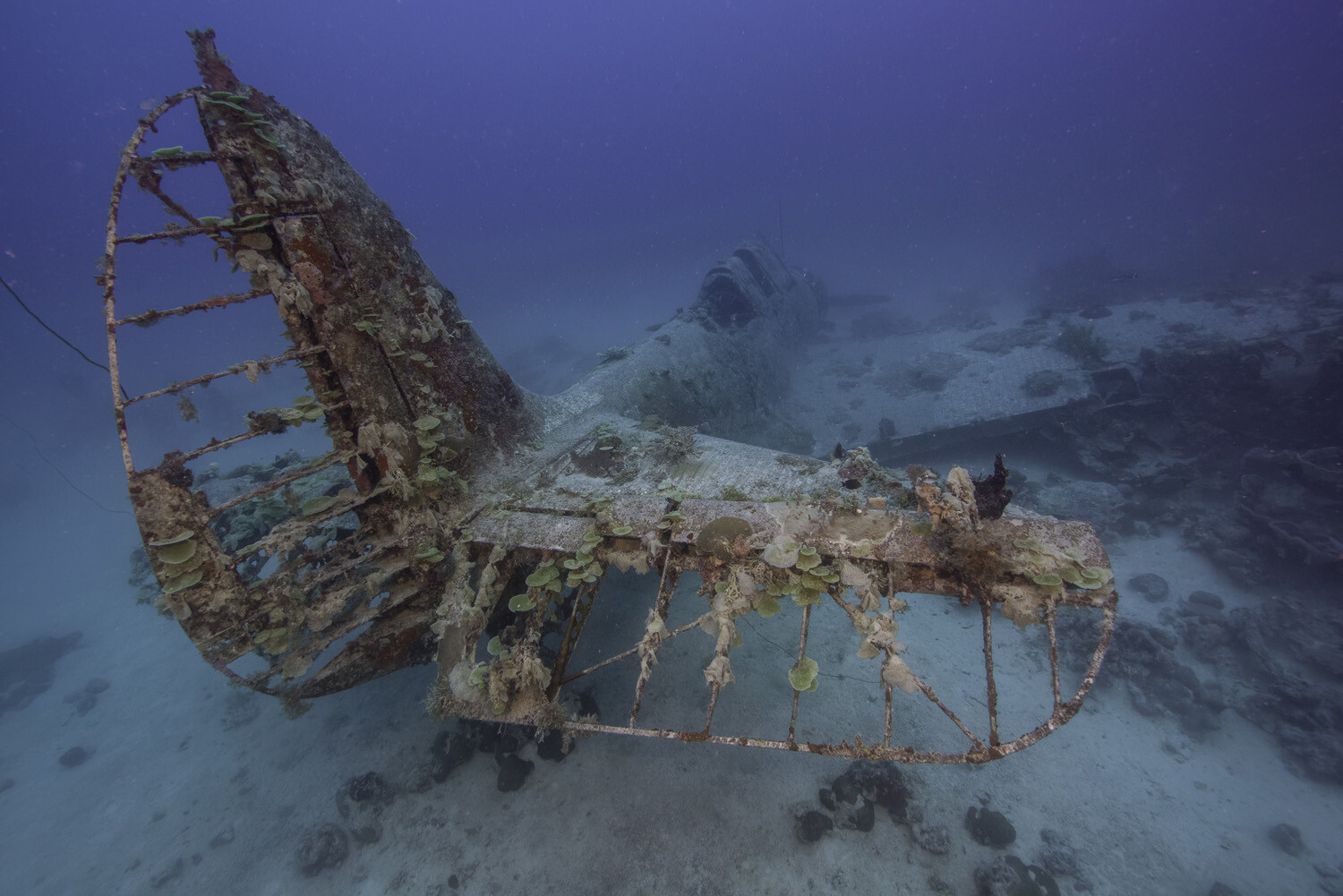
Currently, the Naval History and Heritage Command has outlined four steps that must be met for the success of this endeavor. First, coordination with the Republic of the Marshall Islands must be guaranteed to ensure the commencement of staging operations in the local area. Second, the aircraft will be carefully raised from the sandy bottom of Jaluit Lagoon, and the aircraft will be transported back to the United States. Third, TBD-1 BuNo 1515 will undergo extensive cleaning and stabilization at Texas A&M’s Center for Maritime Archaeology and Conservation to its integrity after 84 years submerged in saltwater. Finally, the fourth stage of the recovery of TBD-1 Devastator BuNo 1515 will be placing it on permanent display at the new location National Museum of the U.S. Navy in Washington, D.C., which is set to break ground at a new location across the street from the Washington Navy Yard, where access to the old museum in the Navy Yard was limited due it being on the grounds of an active military installation.
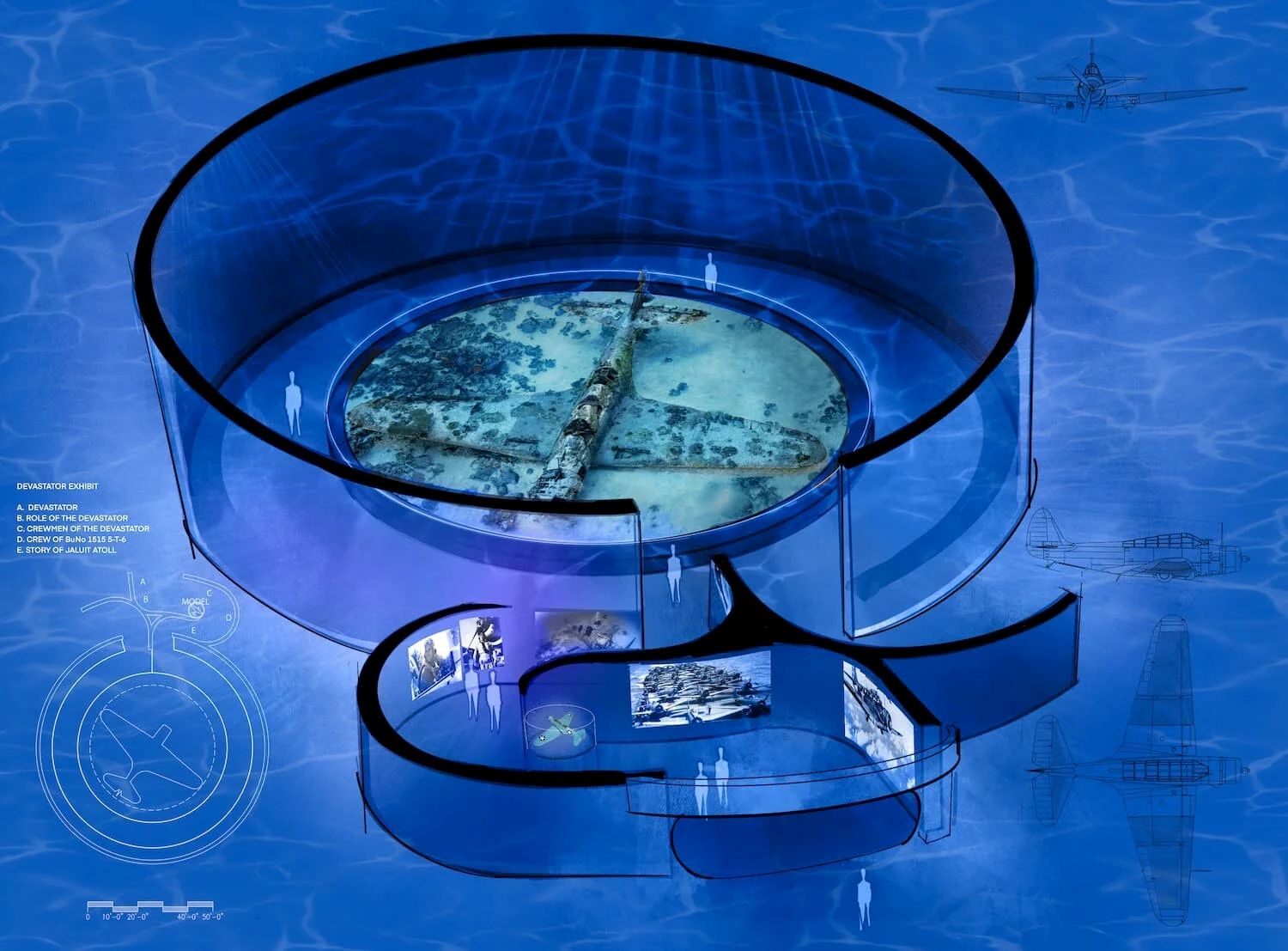
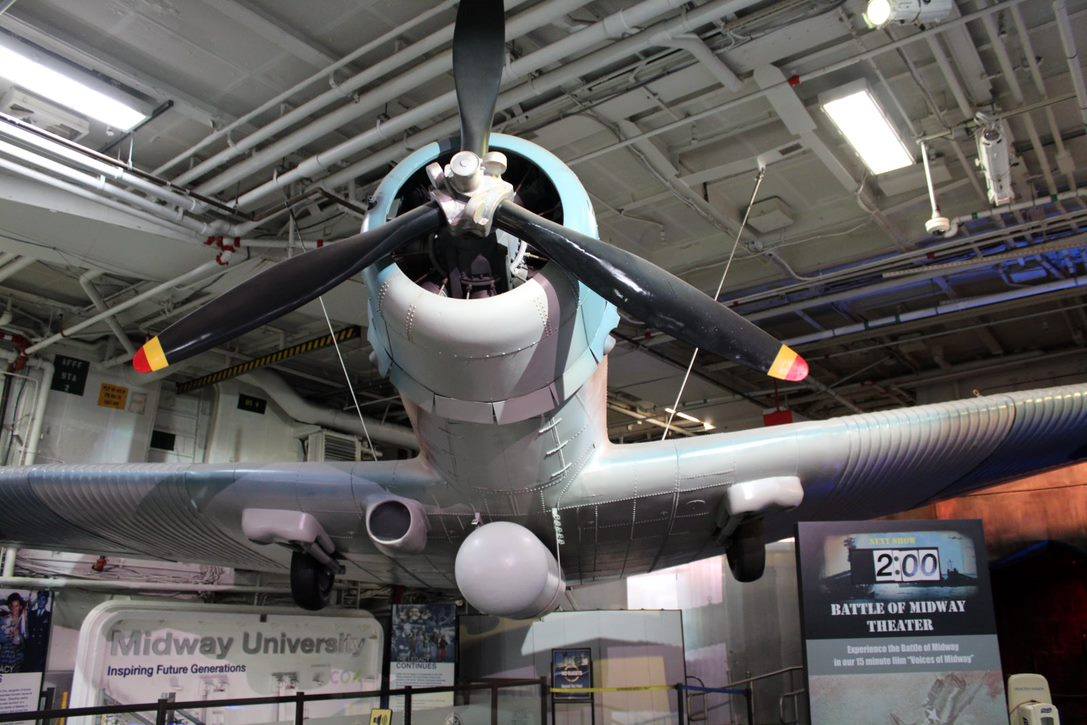
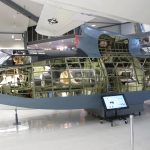
If all goes according to plan, Douglas TBD-1 Devastator BuNo 1515 will be the first TBD Devastator to be placed on display in a museum. Currently, the closest thing to a TBD Devastator on display in a museum is a 1:1 scale mockup constructed for the production of the 2019 movie Midway, which was subsequently donated by Lionsgate Films to the USS Midway Museum in San Diego, where it hangs from the ceiling of the hangar deck of the retired aircraft carrier USS Midway (CV-41). Current plans for the proposal for displaying BuNo 1515 call for it to be at the center of a dedicated gallery of the new National Museum of the U.S. Navy in a diorama depicting the depths of Jaluit Lagoon. Should this plan come to pass, it will likely become one of the most popular exhibits in the museum, which will be the only national museum dedicated to a specific branch of the U.S. military and will be located in the nation’s capital. For more information, visit the Naval History and Heritage Command’s website HERE, the Air/Sea Heritage Foundation’s website HERE, and the website for the Center for Maritime Archaeology and Conservation at Texas A&M University HERE.








Pulling the Jaluit Atoll TBD out of t he water will lead to its total deterioration once it hits air, due to the saltwater corrosion of the aluminum. But the morons running NHHC have never let facts get in their way before.
A far better candidate for retrieval/restoration is the TBD on the bottom off Cape Hatteras, where it’s deep enough that the salwater hasn’t corroded it. It’s also in far more complete condition. Doug Champlin fought the canoe clubbers to rescue/restore this airplane back 30 years ago.