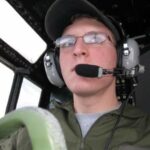

Imagine being an 18-year-old cadet in the United States Army Air Force. You recently graduated from your school’s Civilian Pilot Training Program, after logging some hours in the Meyers OTW. You are now “Out To Win,” to take the next step towards flying against the Axis of Evil — Primary Flight Training. Today is your first flight, and your instructor pulls up with a PT-17 Kaydet. You’ve heard stories from the “fellas” about this bird, how she flies great, but can be a witch on the ground. Even some of the best pilots you’ve talked with have faced the wrath of the Stearman after landing. You acknowledge the risk, but the fear still remains as you turn final. It’s your first time flying this PT-17, your instructor will surely help…right? You manage to land without incident. As you taxi back to the hangar, you see another Kaydet crew that wasn’t so lucky. The aircraft flipped over on its back, serving as a reminder to quite literally stay “on your toes.”
Primary Training in the United States during the Second World War faced teething problems early on. These issues mostly stemmed from the type of aircraft being used to train Cadets, the PT-17 Kaydet. Also known as the (Boeing) Stearman Model 75, the PT-17 was a biplane trainer that was, and still is, a delight to fly in properly trained hands. During World War II, the pace and intensity of flight training on all levels were high. There was very little room for error or mistakes; the washout rate was high for pilots who couldn’t “hack it.” The Primary Trainer 17 weeded out many pilots early on in training, but perhaps unfairly so. Kaydets were notorious for ground loops, off-runway excursions, and flip-overs at the hands of low-time trainees and instructors. Adding the PT-17’s difficult ground handling to the rapid pace of training was a formula for disaster.
The Stearman Model 75 was eventually deemed to be the incorrect platform for instructing USAAF pilots towards the first-line aircraft they would be flying. The Model 75 was a biplane – slower, with touchy landing gear and poor visibility. The US Army Air Force and the Royal Canadian Air Force sought a Primary Trainer that was a better representation of aircraft such as the P-51 Mustang and Supermarine Spitfire. In their quest for a new trainer, one aviation manufacturer stepped up to the task. Fairchild Aircraft Ltd. saw the needs of the US and Canadian militaries for a more effective and pilot-friendly training airplane. The urgency for a solution was palpable, so Fairchild began work immediately on a low-wing trainer that utilized the newly-proven Ranger engine.
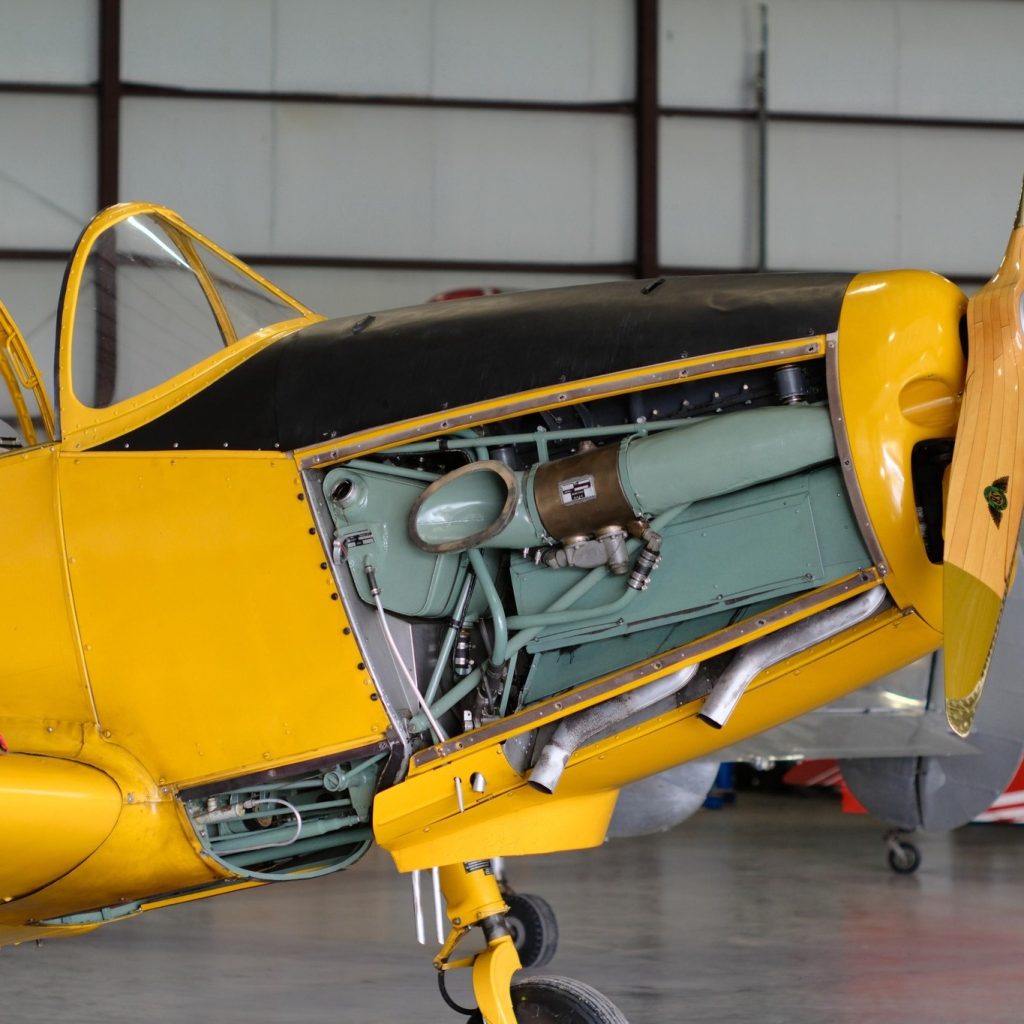
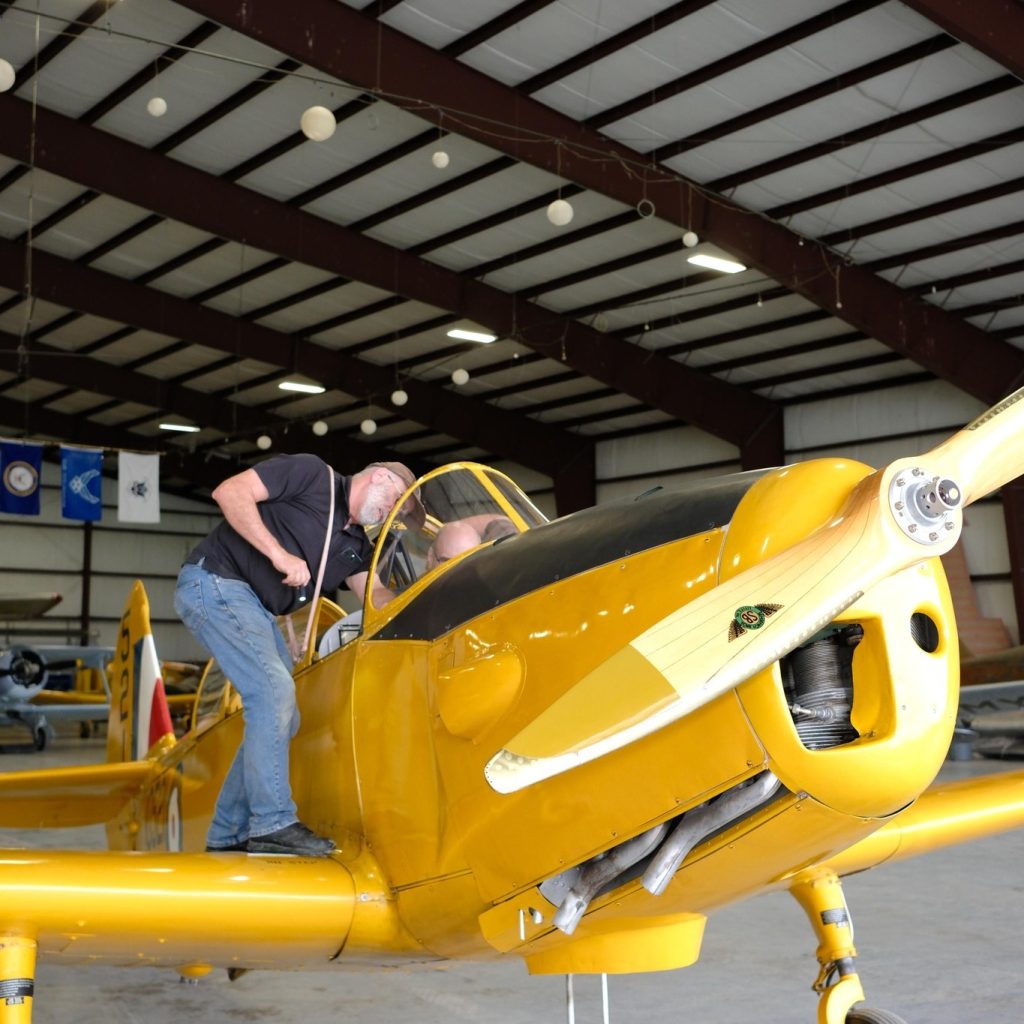
Fairchild’s efforts to develop a Primary Trainer resulted in the M-62, which eventually became the PT-19. This aircraft featured a low-wing, low center of gravity, wide landing gear, flaps, and improved visibility. Additionally, the aircraft’s construction used non-strategic materials and featured interchangeable parts, allowing for quick repairs to be made in the field. The wings were made of wood and covered with either 3/32 inch preformed mahogany or fir plywood. This plywood covering would prove to be an issue on the PT-19 series in the hot and humid training conditions at Texas and Florida. Routine inspections were required to stem the tide of delamination. The PT-19’s production outran that of Ranger engines at one point, giving rise to the PT-23. The PT-23 was the same airframe as the PT-19 from the firewall rearwards, but up front it was powered by a 220-horsepower Continental R-670 radial engine. After the PT-23, the PT-26 was eventually developed. The PT-26 was again identical to the original M-62, only it had an enclosed cockpit. This feature proved to be beneficial for cold-weather operations, especially in Canada with the RCAF, which named the aircraft the Cornell. Fairchild’s PT-26 was powered by a 200-horsepower Ranger L-440-7 I-6 inverted piston engine. The Cornell has a range of 220 to 320 nautical miles (depending on power settings used), and can reach a service ceiling of 13,500 feet. The PT-26 has a 49-gallon fuel capacity, of which 45 gallons are usable. In cruise, the airplane will burn 13.5 gallons per hour. The PT-26 rotates at 60 to 65 mph, attains best climb at 80 mph, and will cruise/maneuver between 103 and 108. Stall speed is 55 mph clean, 50 mph while dirty and in power-off flight.
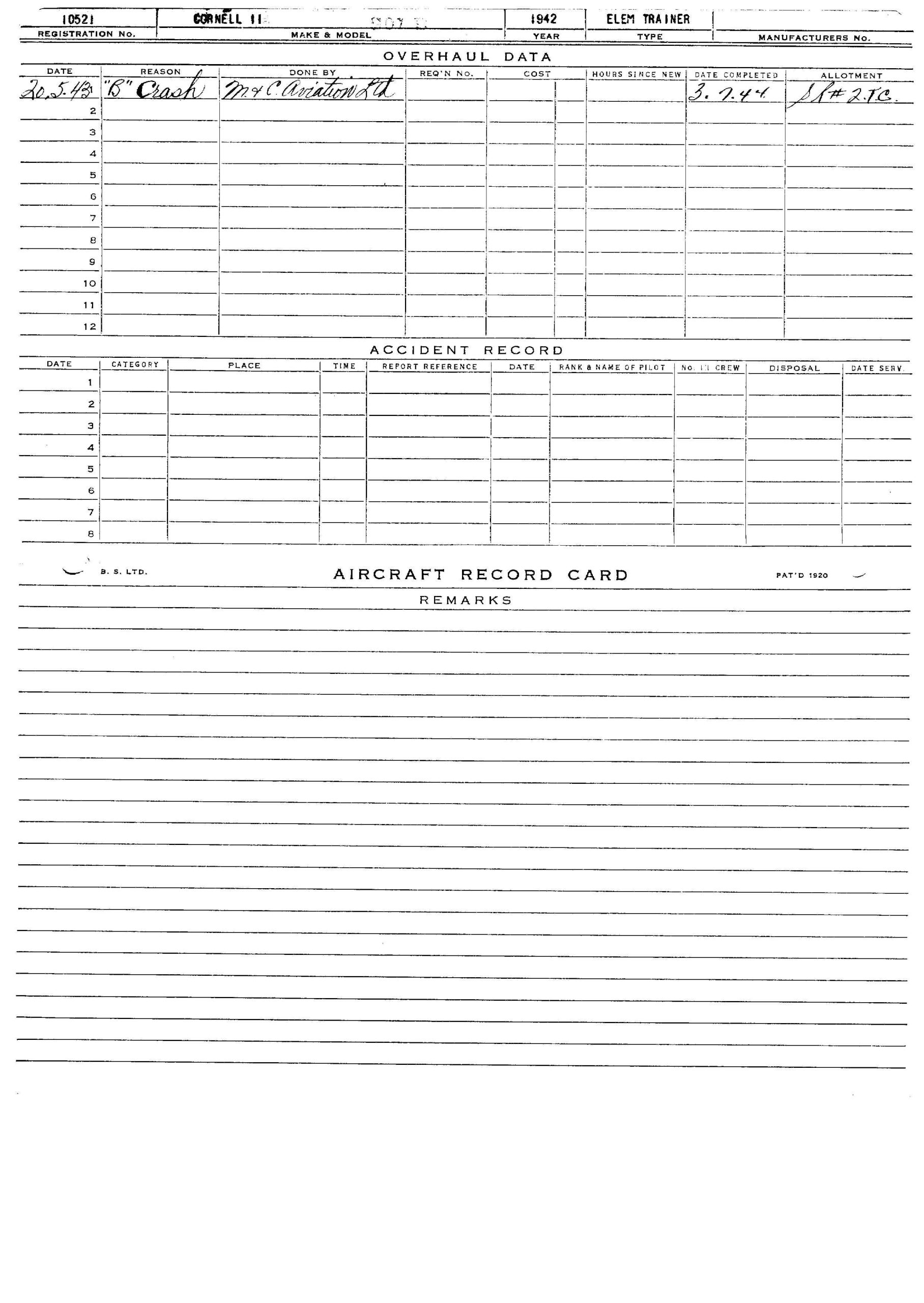
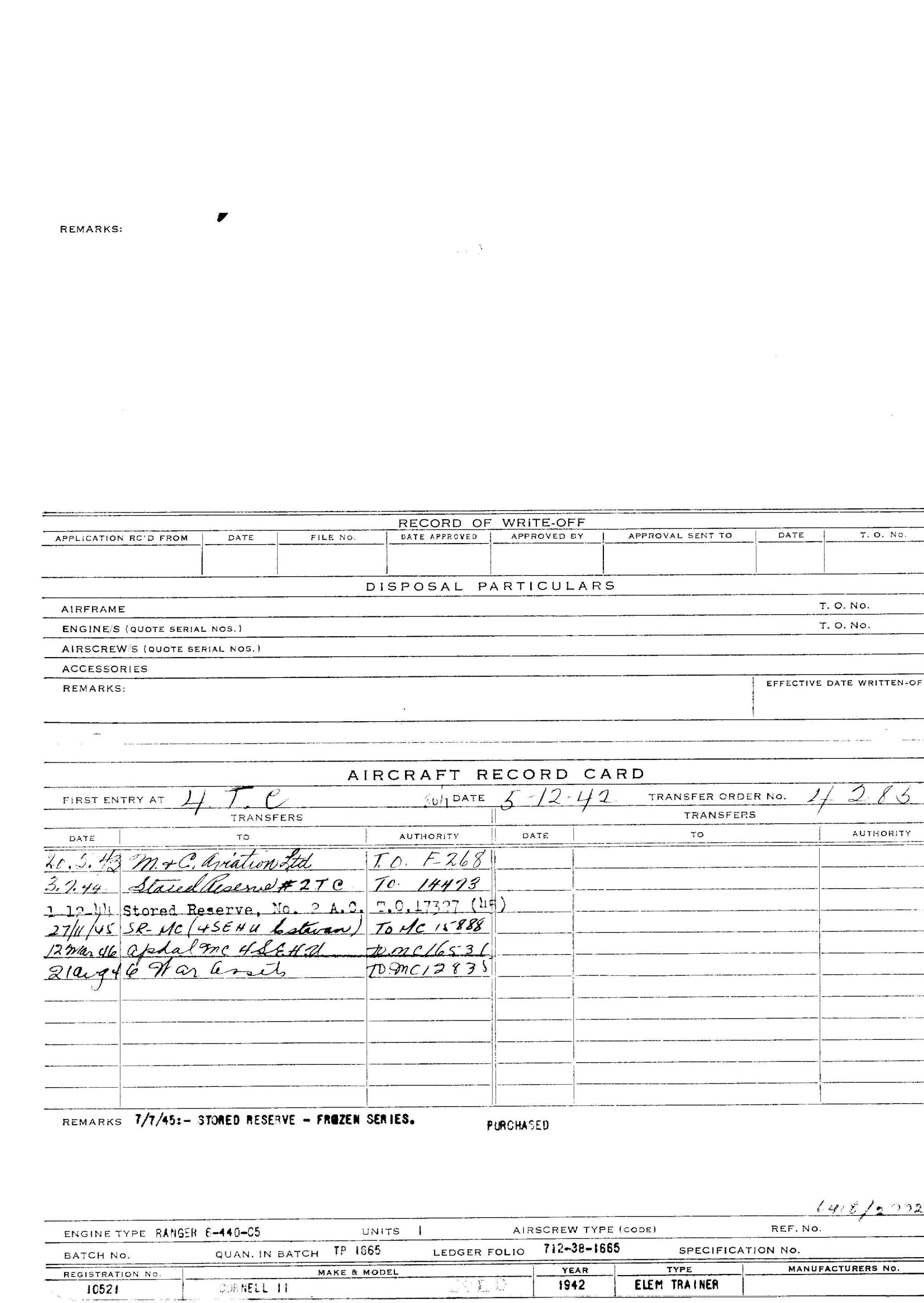
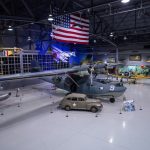
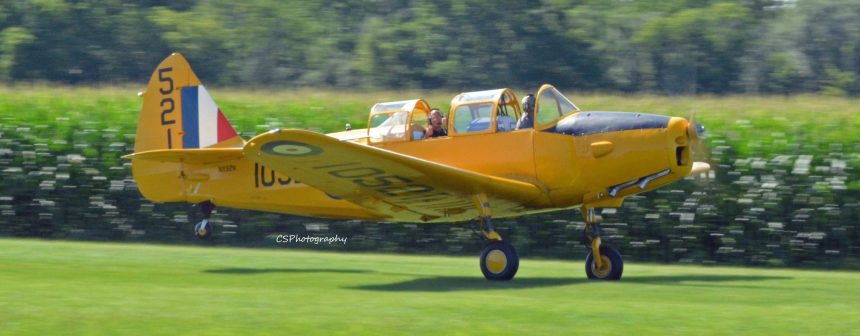
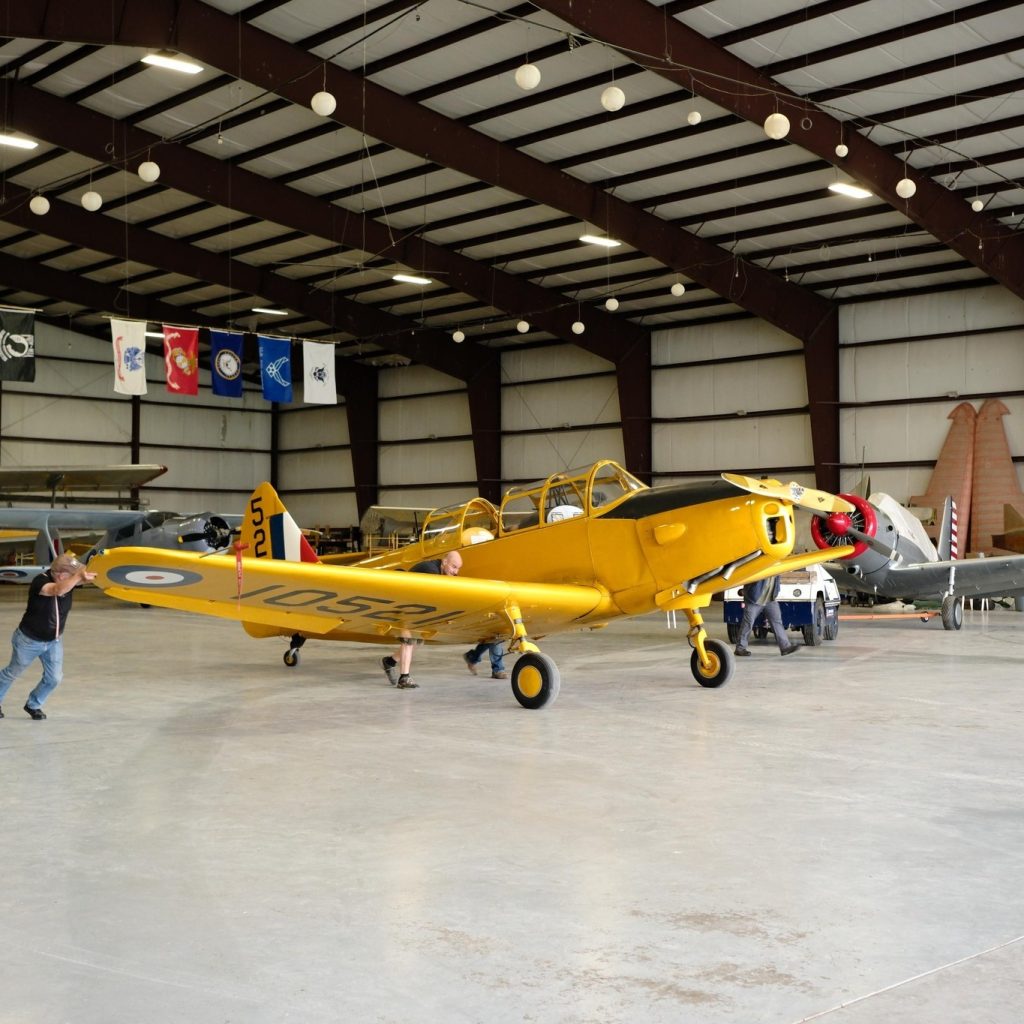
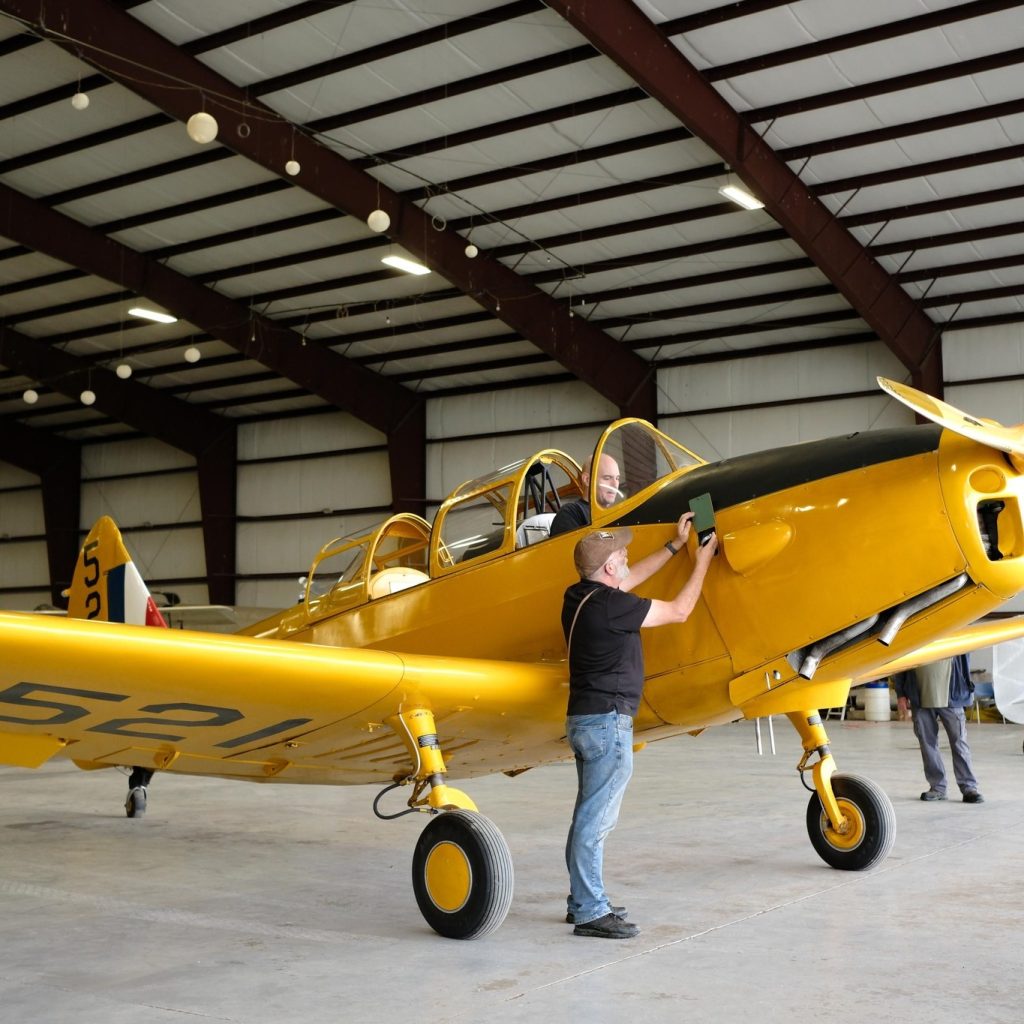
Fast-forward to 2025. The National Warplane Museum in Geneseo, New York, completed another successful Greatest Show on Turf airshow in July. In the aftermath of the show, the museum earned the opportunity to purchase a PT-26, Cornell Mk. II Serial 10521, from a loyal member who had been basing the aircraft in Geneseo since 2020. This Cornell has a unique history, beginning with its construction by Fleet Aircraft Ltd. in Canada, as FC-27. The aircraft was taken on strength with the No. 4 Training Command of the Royal Canadian Air Force on December 5th, 1942. On May 6th, 1943, the Cornell 10521 was involved in a Category B accident at 5 Elementary Flying Training School, while pilots Cockx and Leslie were at the controls. The aircraft was sent to M&C Aviation in Prince Albert, Saskatchewan, for repairs between May 20, 1943 and July 3, 1944.
No. 2 Training Command took operation of Cornell 10521 after the repairs were completed, and the aircraft was kept in storage until December 1, 1944. At this point, No. 2 Air Command took authority of the airframe, but proceeded to store it as “frozen series” in July of 1945. After bouncing around storage at a couple of other units, Cornell 10521 was struck off strength on August 21, 1946. The history of the aircraft isn’t as clear after this point. Cornell 10521 was presumably sold as surplus, and in 1968, the aircraft began to be flown again. The aircraft was part of a museum display for a number of years before being purchased by the most recent owner and flown. Now, the National Warplane Museum holds title to a beautiful example of the purpose-built Primary Trainer 26 model. Pilots report that the PT-26 / Cornell has responsive controls and maintains coordinated flight quite well. This ease of control is likely due to Fairchild’s use of a rod and crank system, versus the wires and pulleys commonly used during the period. The PT-26 can handle basic aerobatics quite well, and offers gentle stall and spin recovery (so long as the pilot is prudent with their control corrections). Cornells feature a higher landing speed and wing loading, more faithful to the flight characteristics of fighters of the period. Although the undercarriage is wider and visibility improved, versus the PT-17 Kaydet, the PT-26 can still be demanding on the pilots on landing. This was done by design to teach Cadets the fundamentals of staying ahead of the airplane. The wide-stance landing gear did offer the students some forgiveness, thankfully.
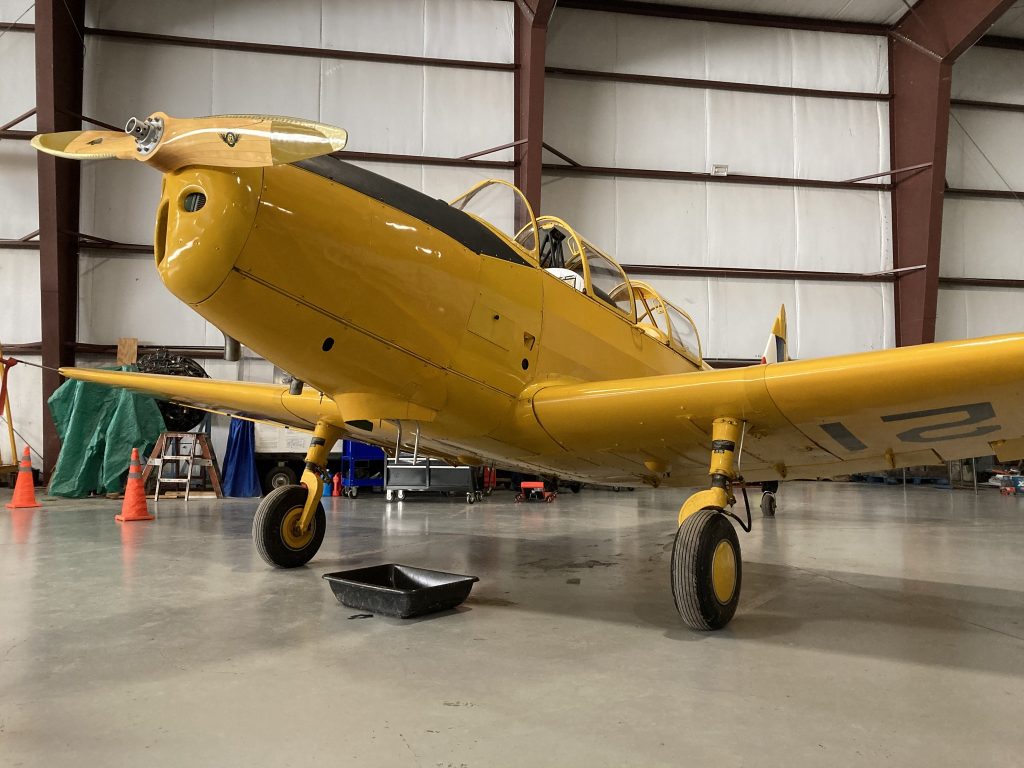
To celebrate the newest addition to the collection, the National Warplane Museum will be hosting Meet the PT-26 Fly-Day. This will be the first in a series for the museum’s new Meet the Aircraft program, which will feature a lecture about the history of the aircraft, a pre-flight walkaround lesson, and a flight demonstration. The Meet the PT-26 Fly-Day will take place on June 20, 2026, from 12–4 pm at the Geneseo Airport (D52). Admission for the first edition of the Warplane Museum’s new program series is included with general admission. The National Warplane Museum is excited to be the custodian of Cornell 10521, and they look forward to sharing their entire fleet with the public moving forward, keeping history flying. For more information about the National Warplane Museum, visit www.nationalwarplanemuseum.com