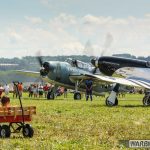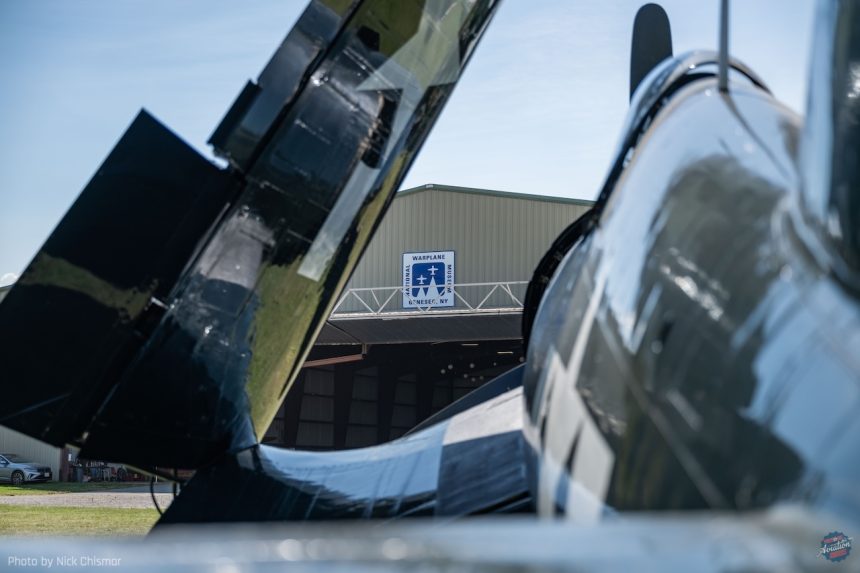

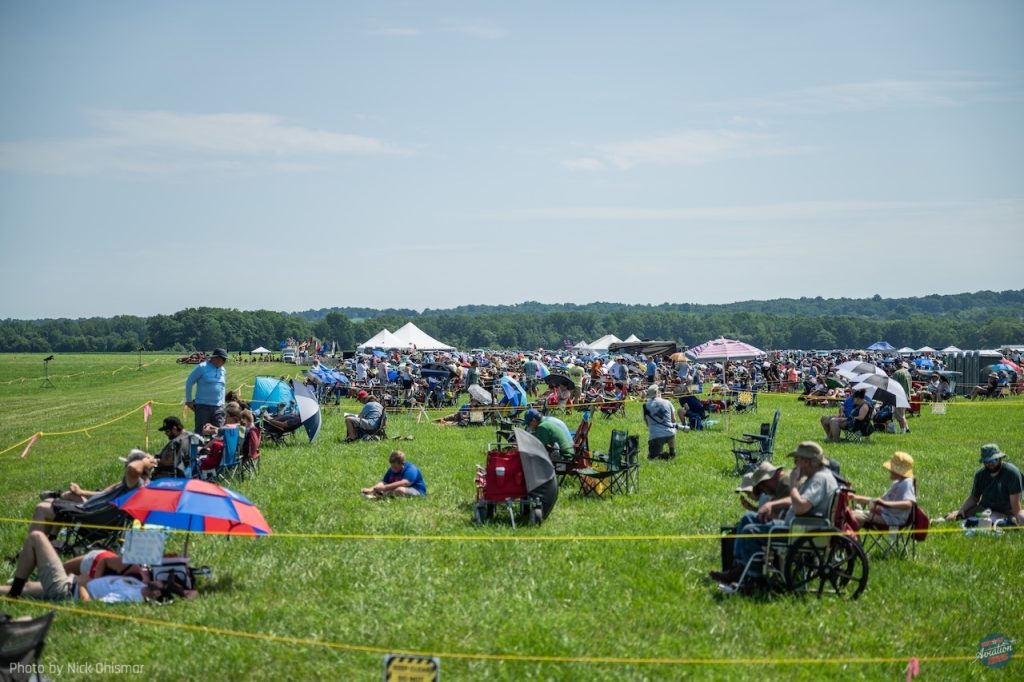
Long known as “The Greatest Show on Turf,” the National Warplane Museum’s 2025 Airshow in Geneseo, New York, awed crowds from near and far on July 12th and 13th. With an already star-studded lineup, this year’s show focused on commemorating the 80th anniversary of V-J Day by spotlighting U.S. Naval airpower in the Pacific Theater—while also reenacting the battle that started it all. Bright and early Saturday morning, cars began to wind through the roads surrounding Geneseo, eventually lining up along the gravel drive leading to the museum. With options for both general admission and tailgate parking, attendees could enjoy the show from multiple vantage points.
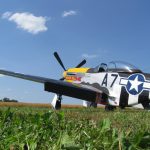
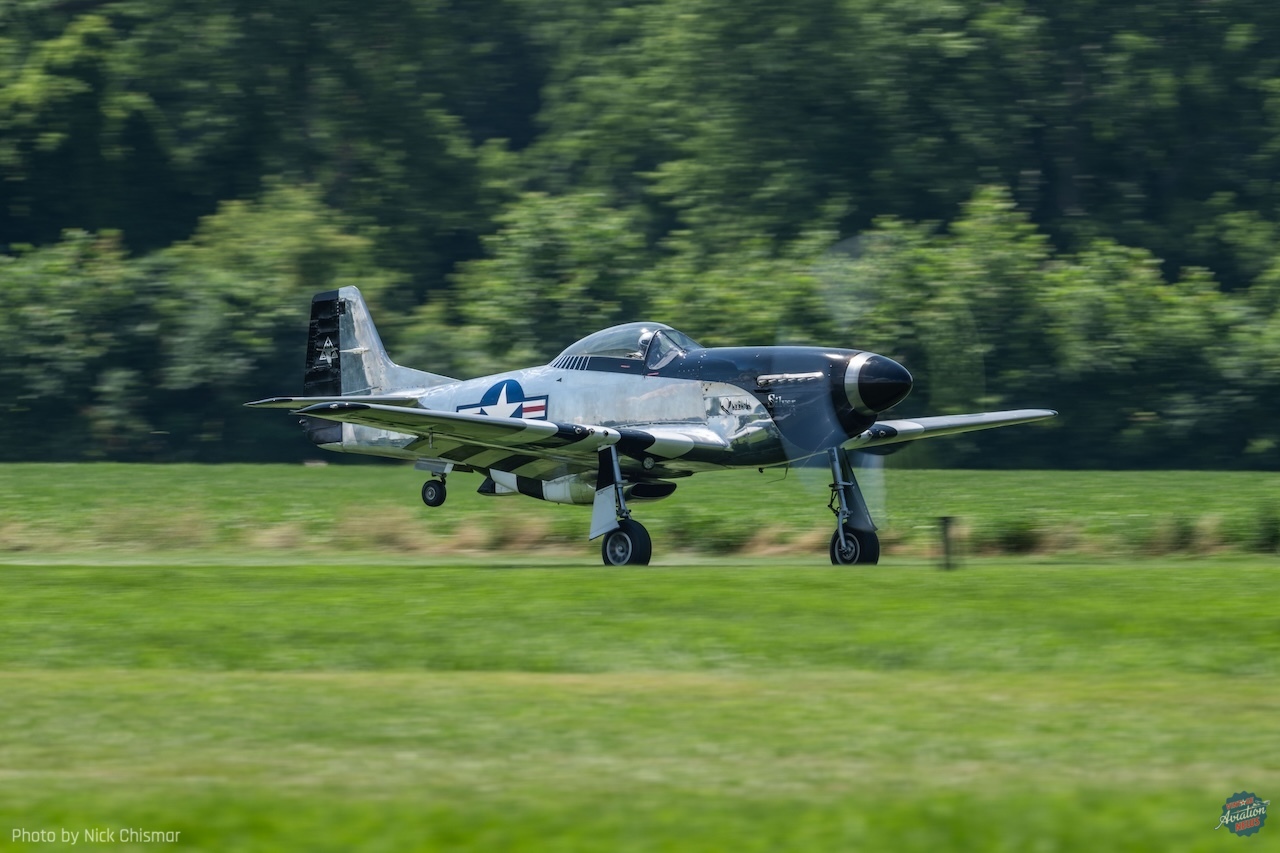
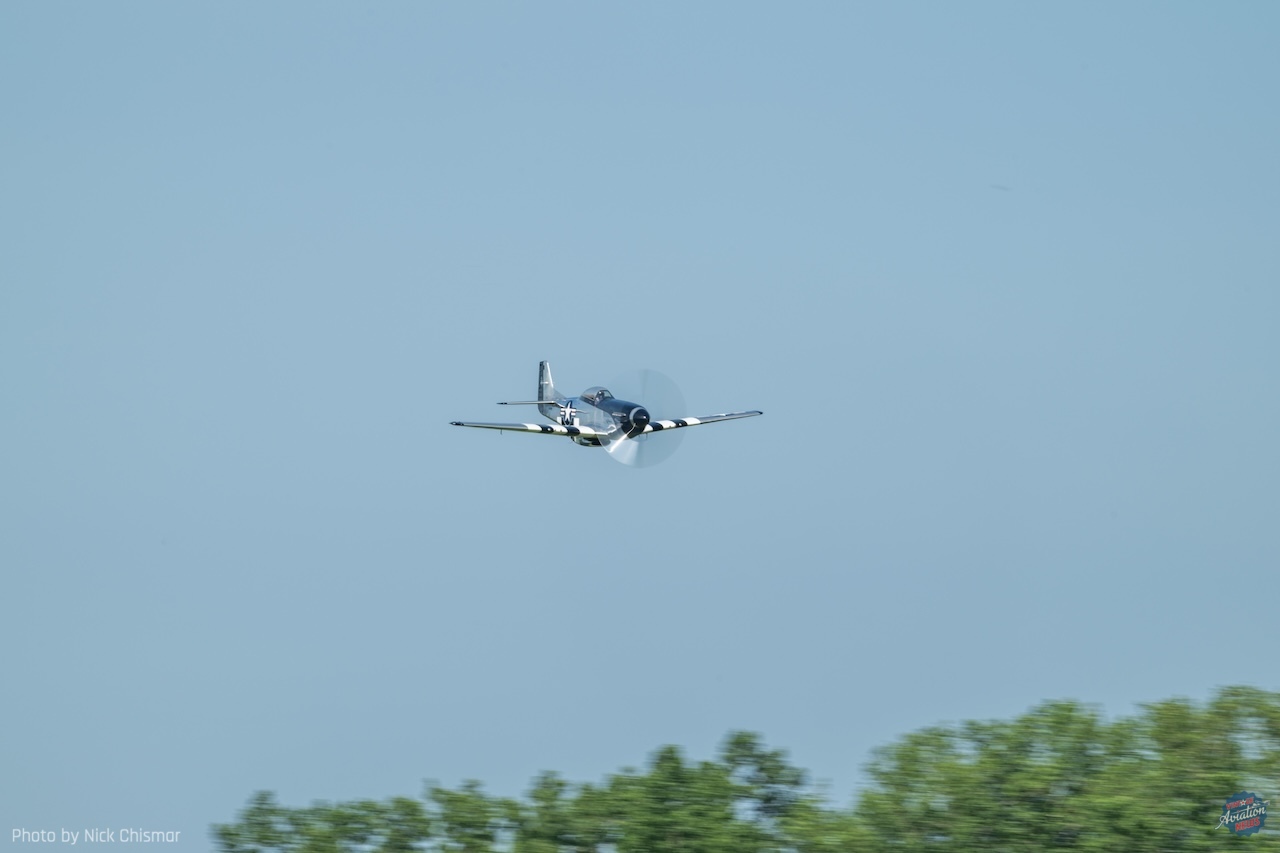
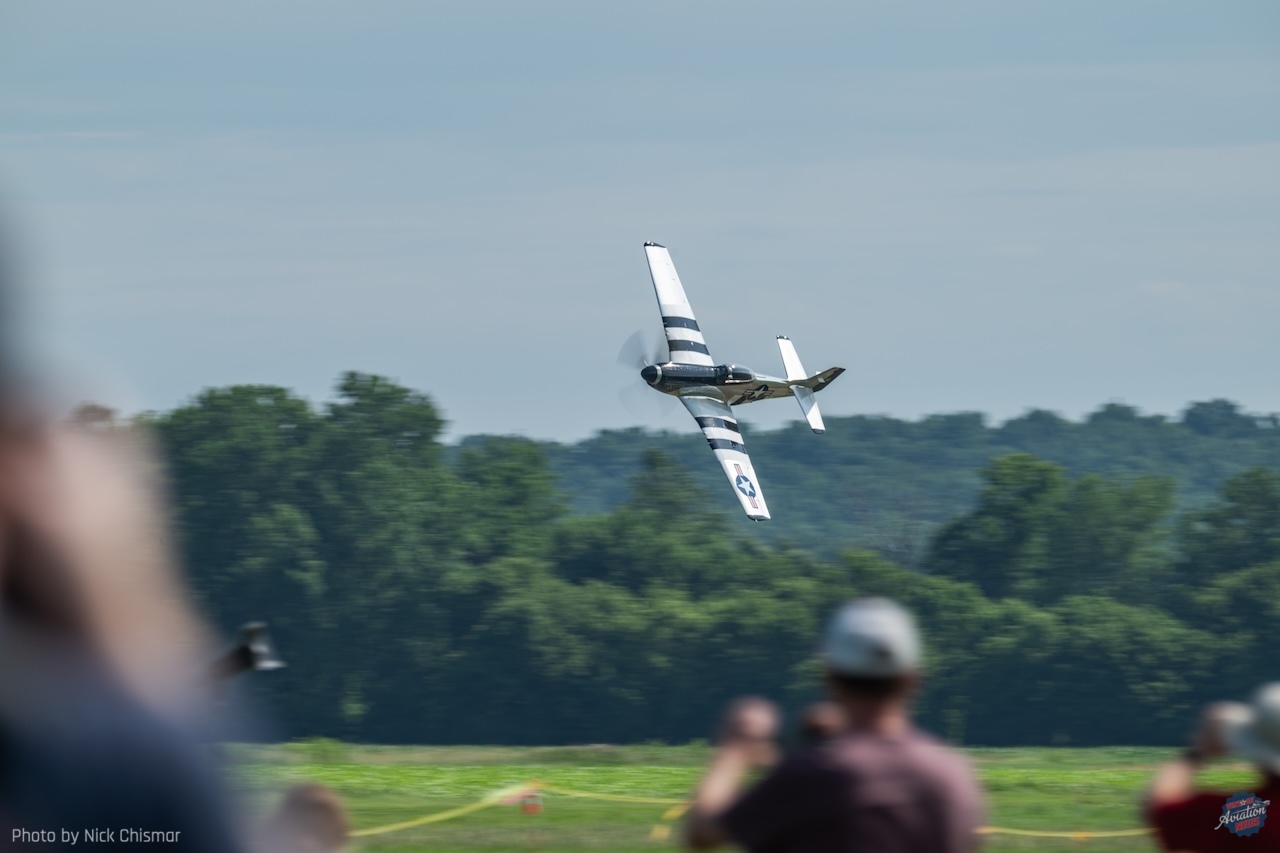
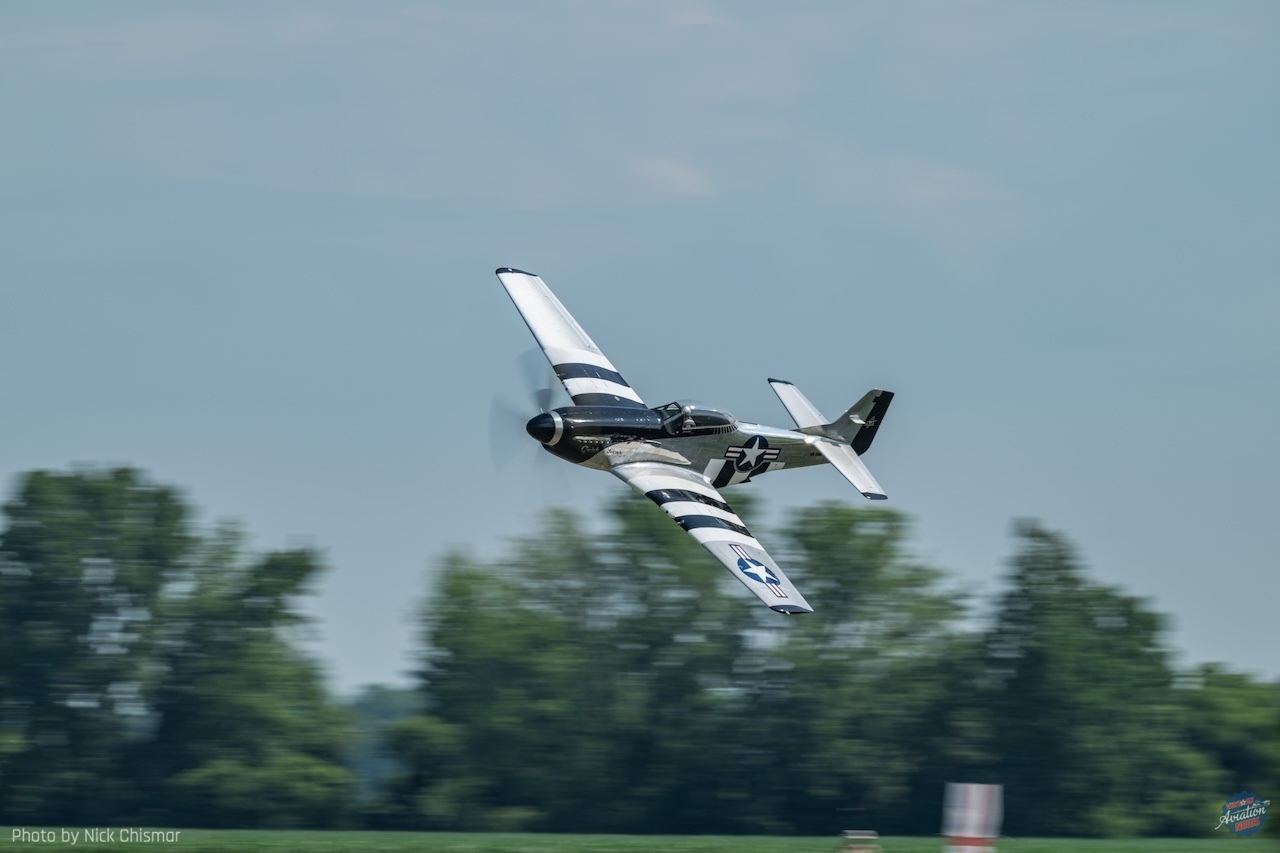
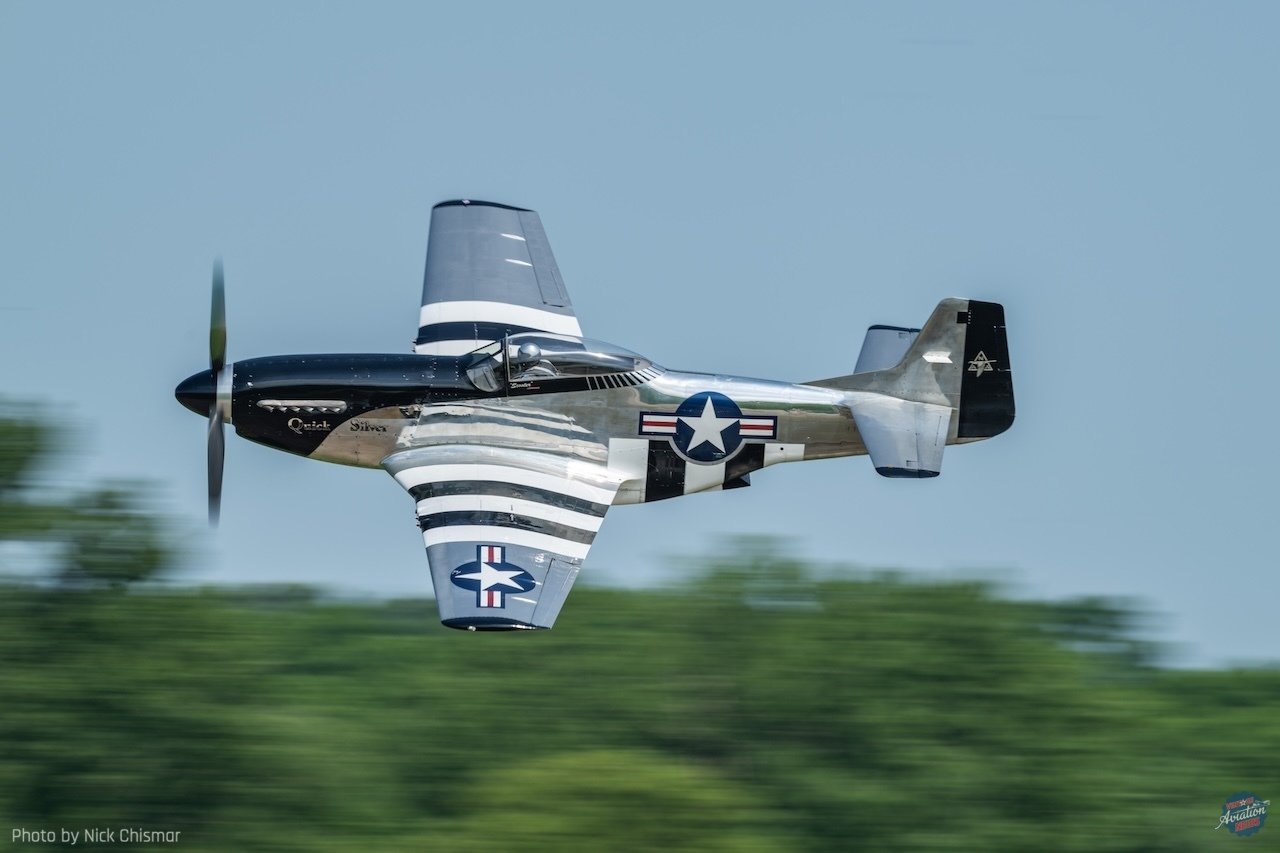
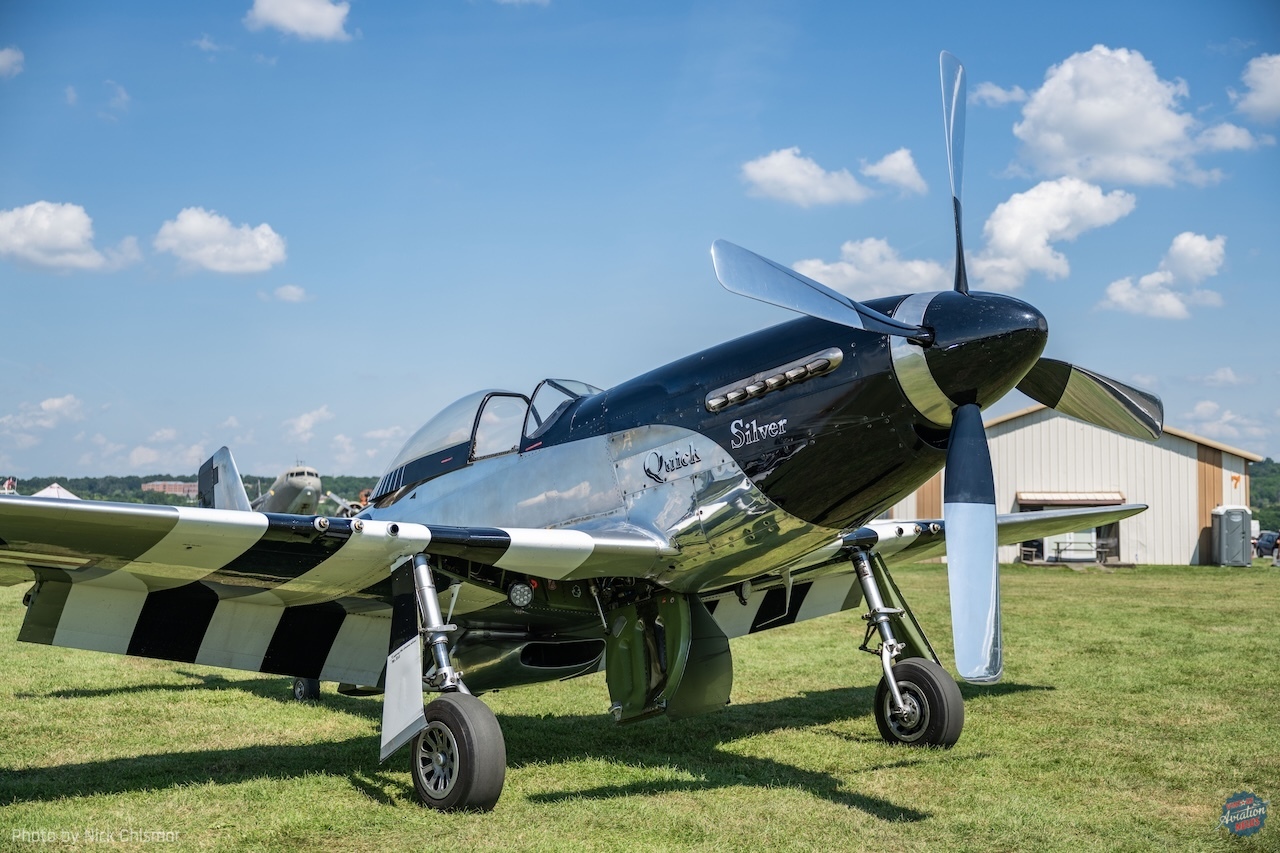
Kicking off the day’s flying was Scott Yoak in his iconic P-51 Mustang, “Quicksilver.” With precise point rolls and dramatic low passes along the crowd line, Scott set the tone and energy for the rest of the day. Following him was Thom Richard in an FM-2 Wildcat. While Richard is well known for his prowess in the P-40, the Wildcat proved no less impressive. Through sweeping passes and precise maneuvers, Thom demonstrated just how agile the later General Motors-built FM-2 variant could be.
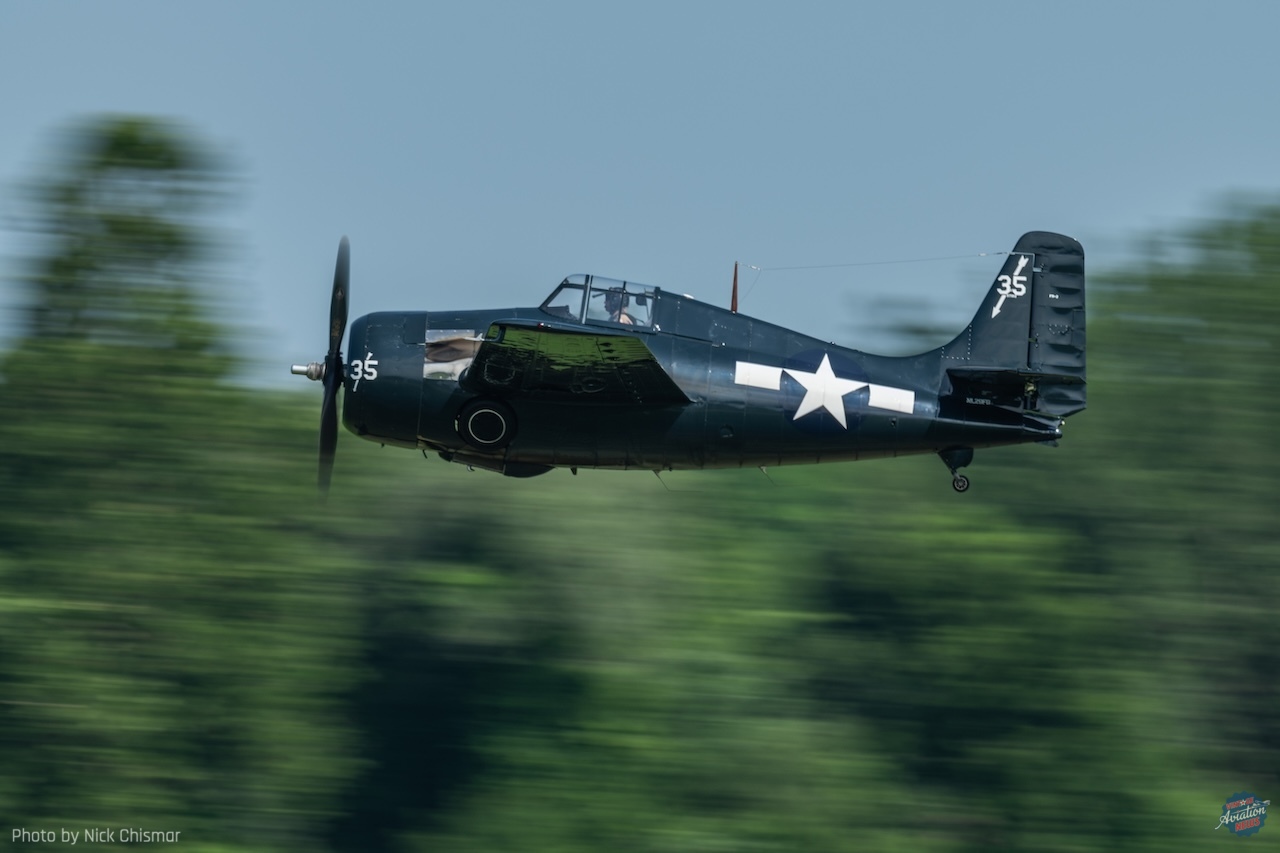
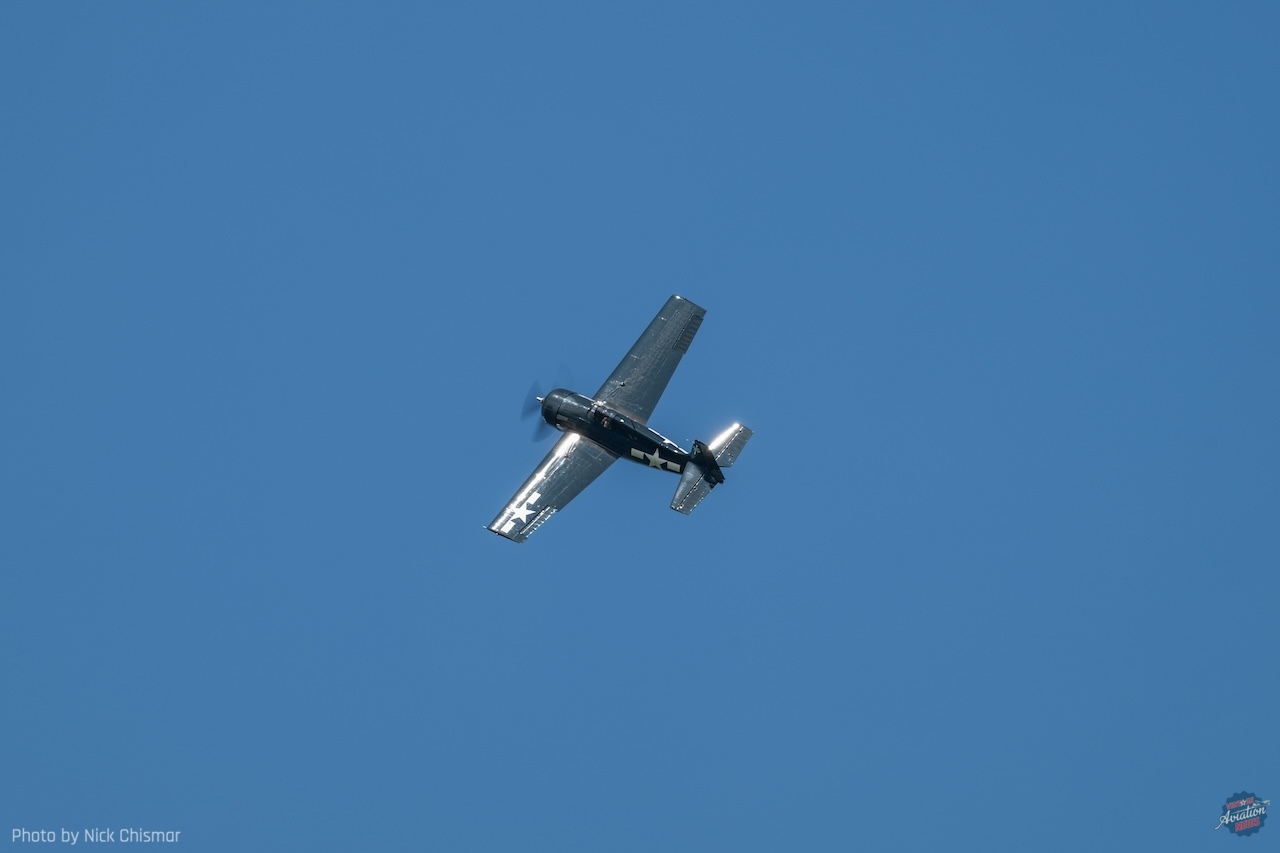
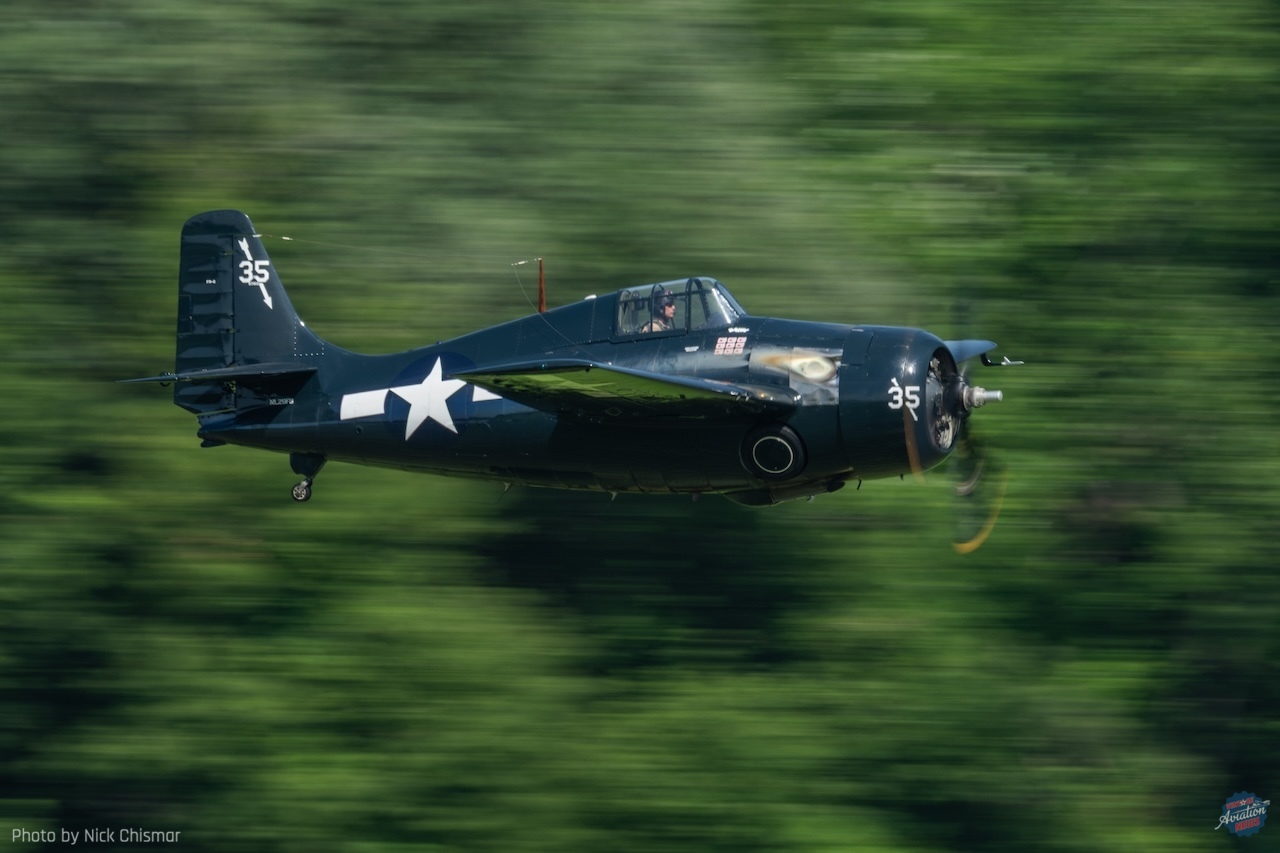
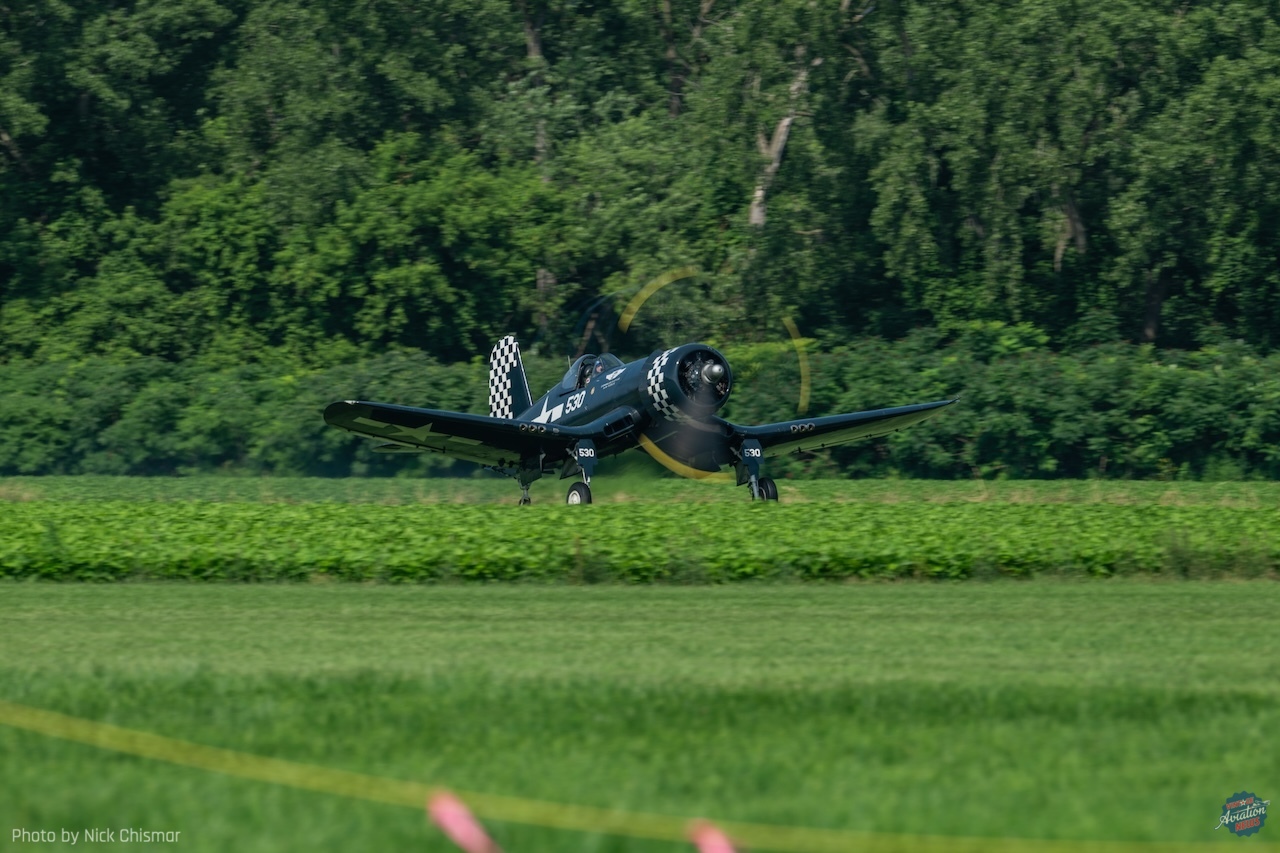
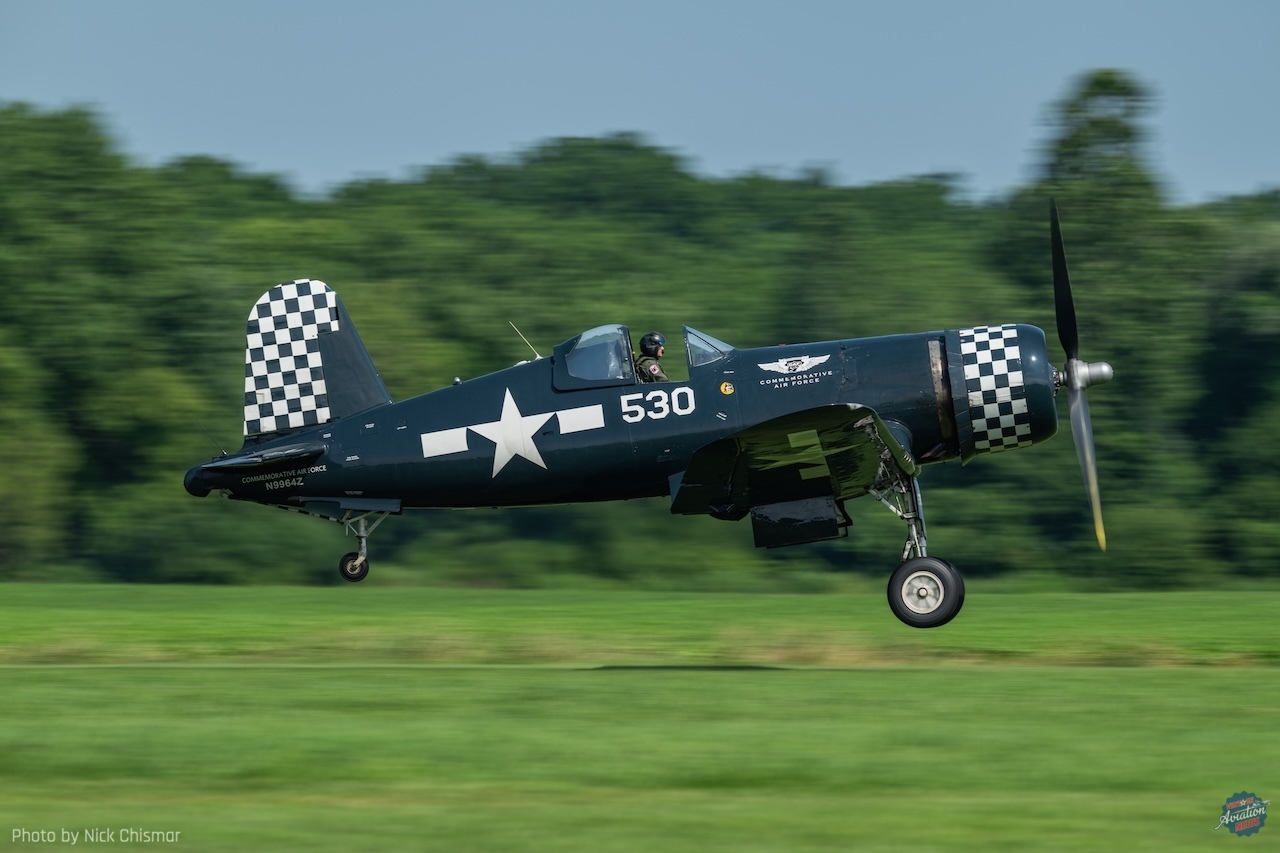
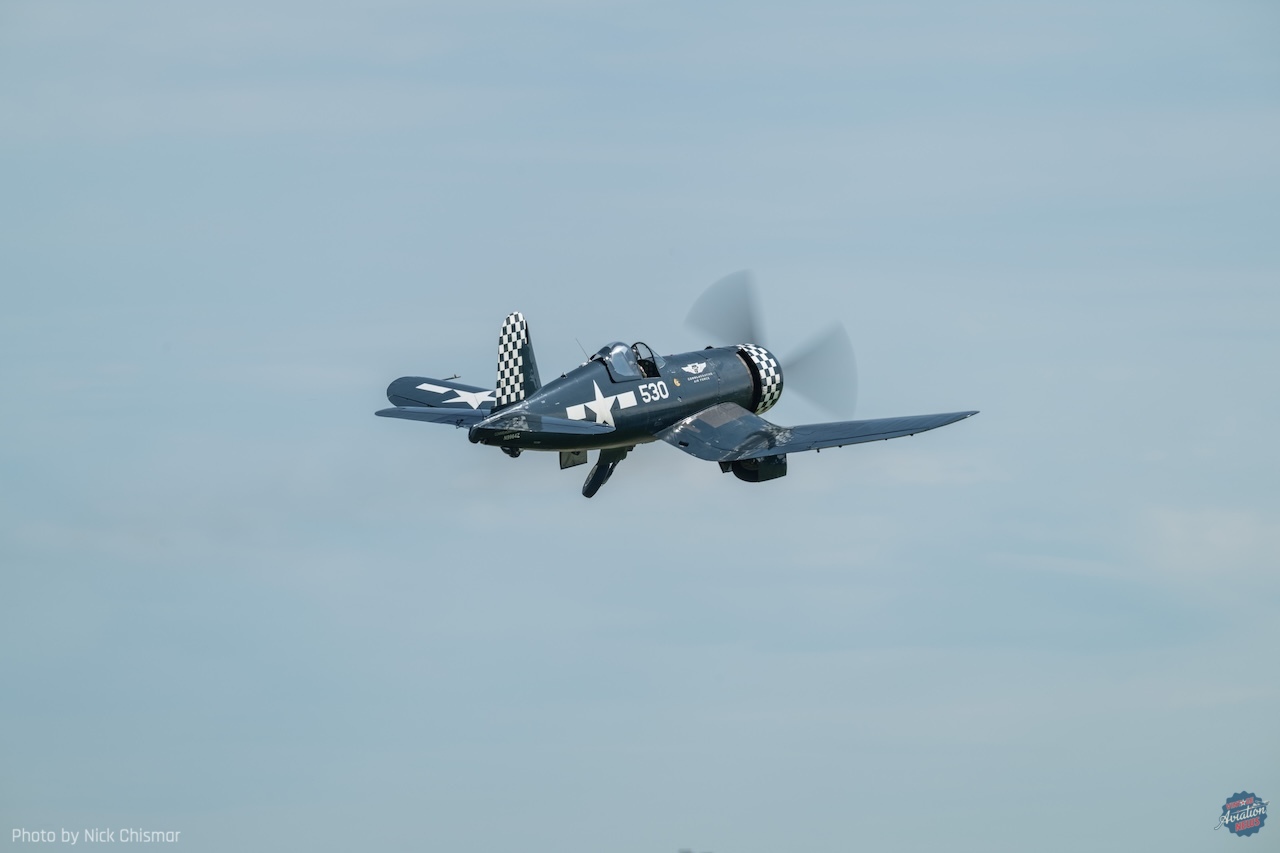
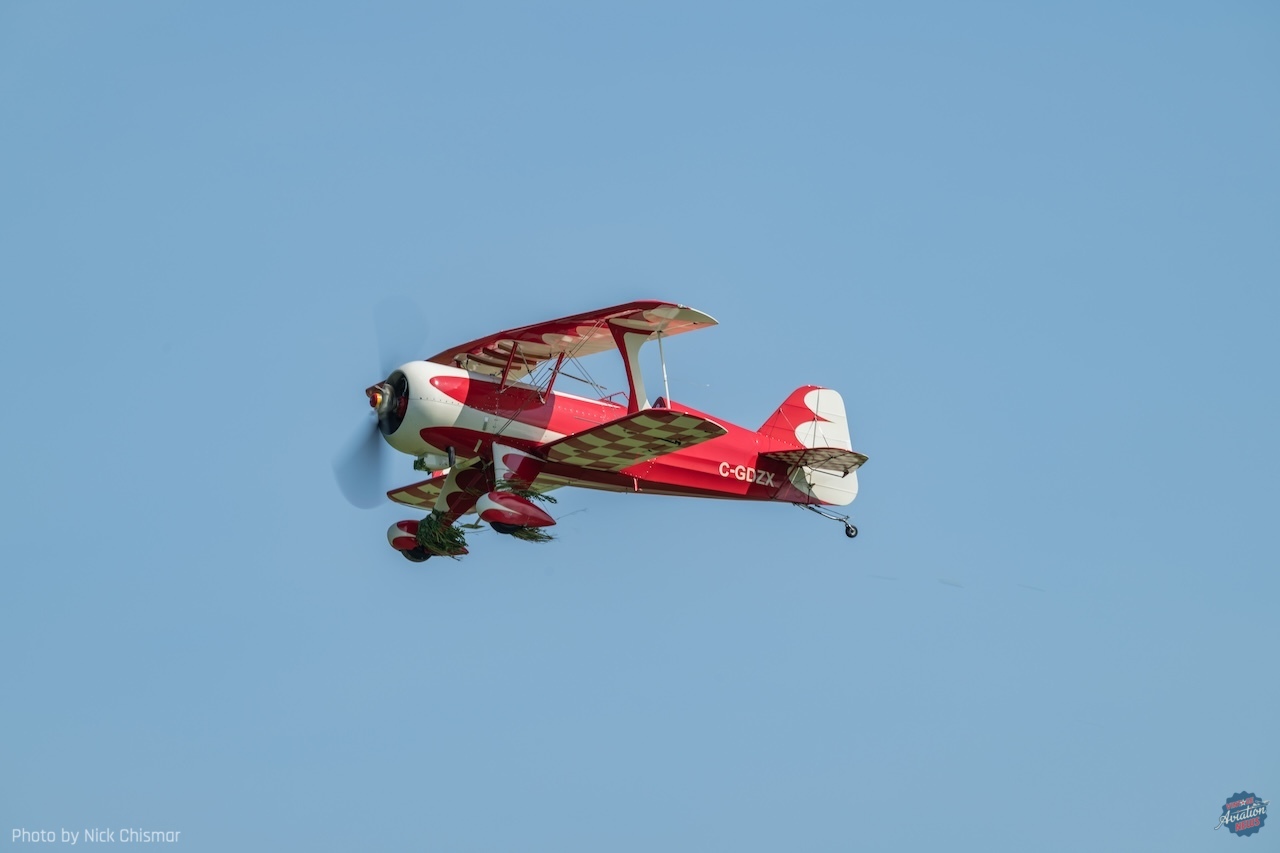
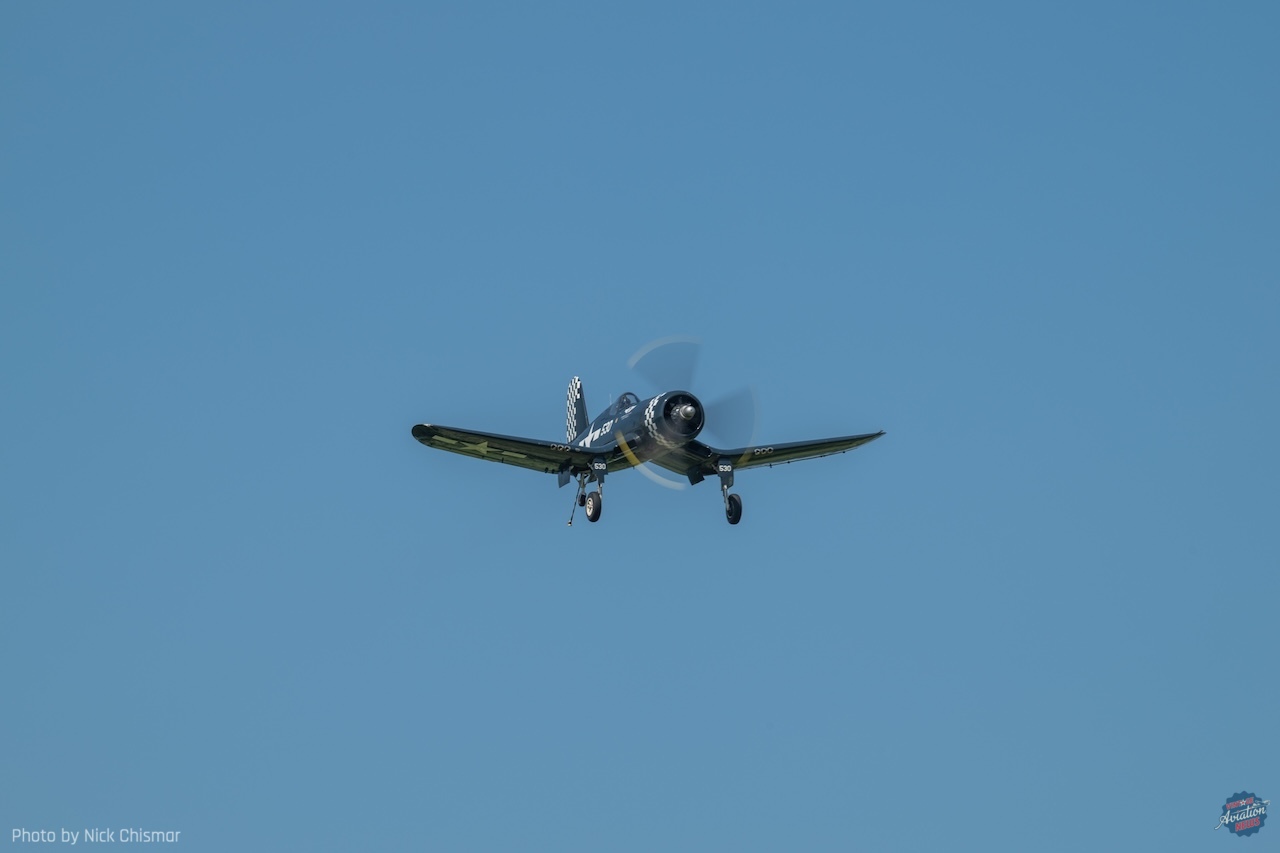
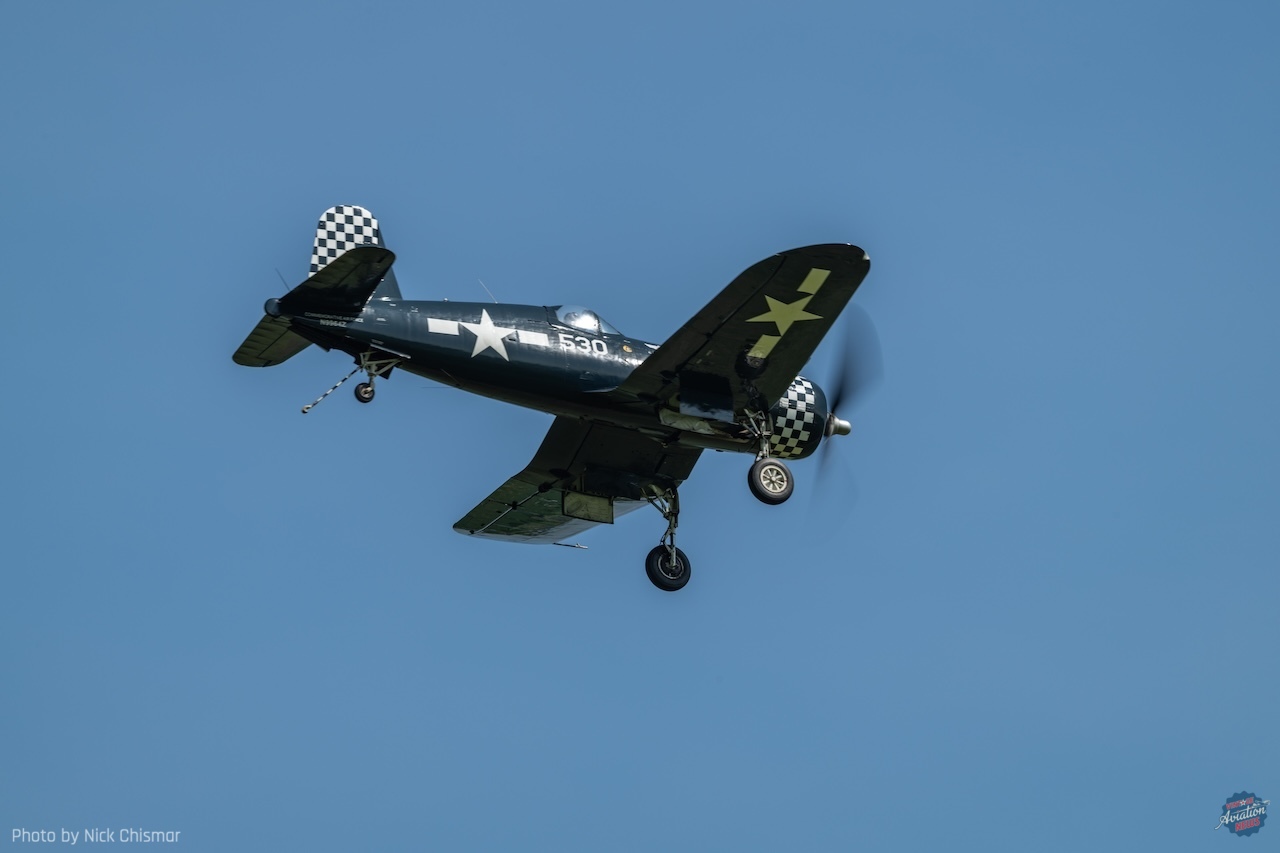
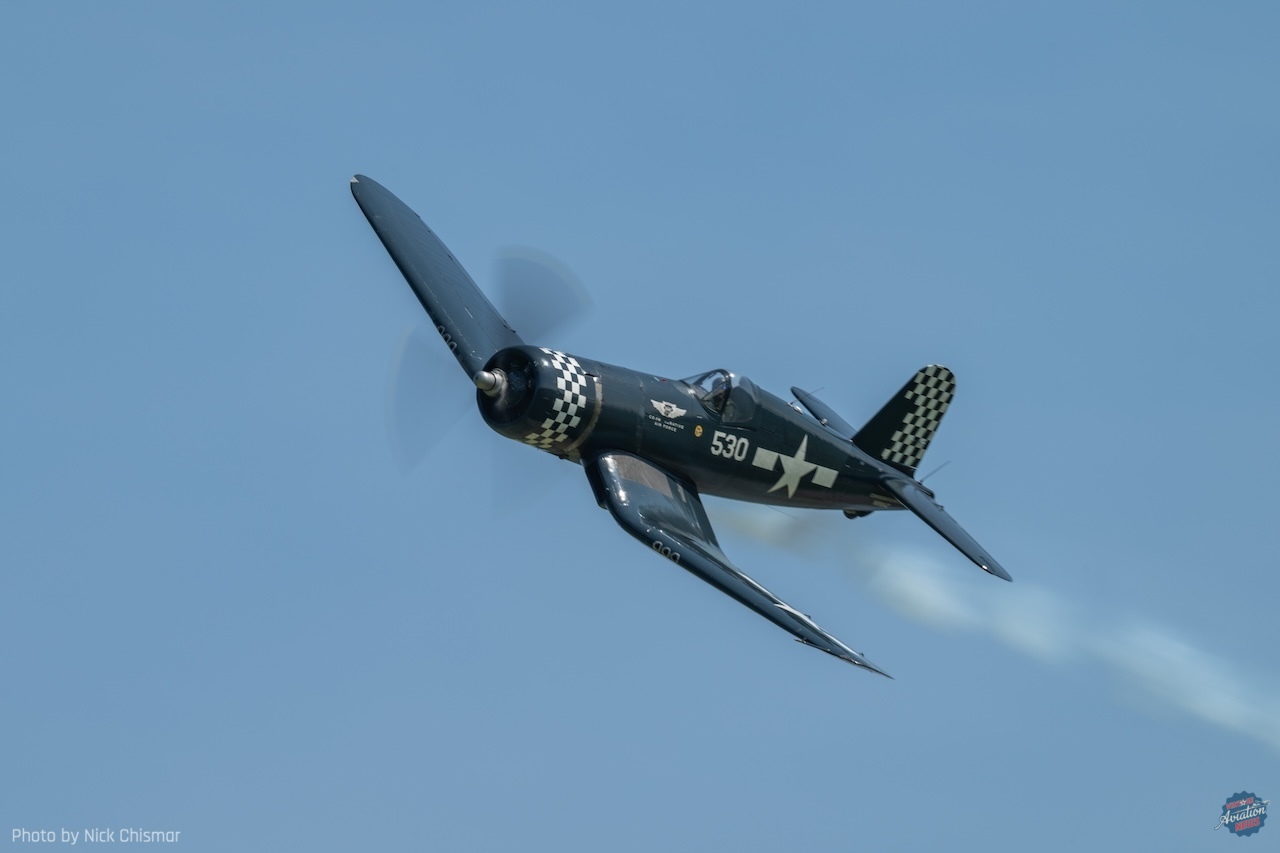
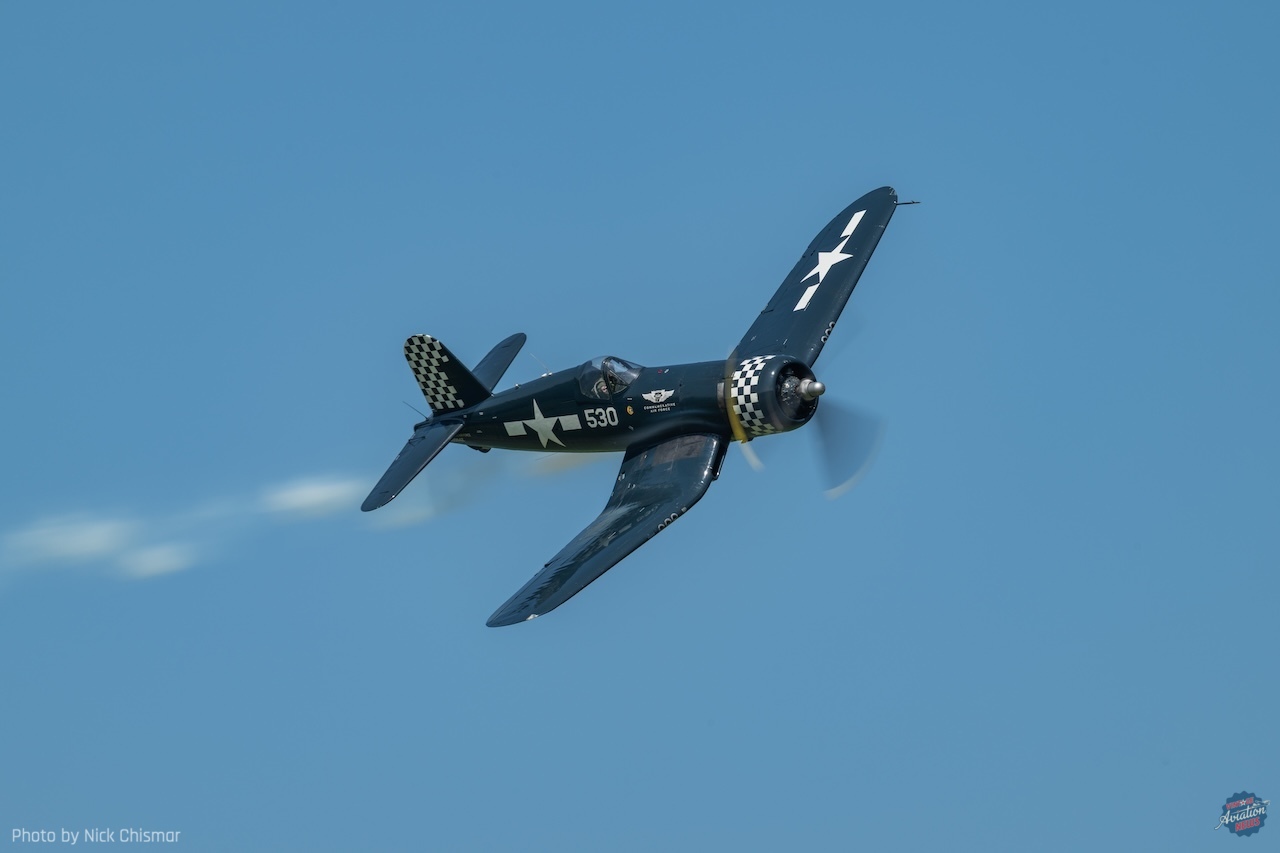
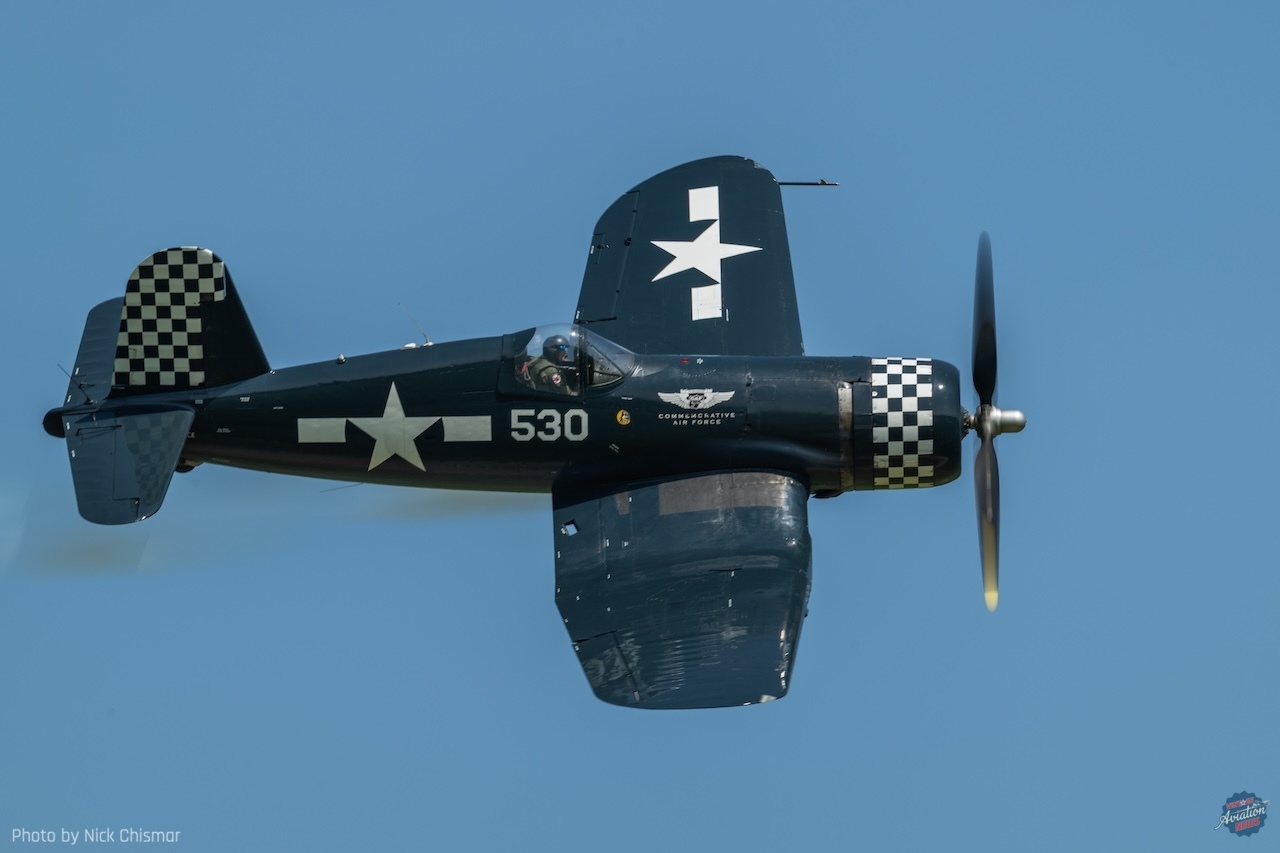
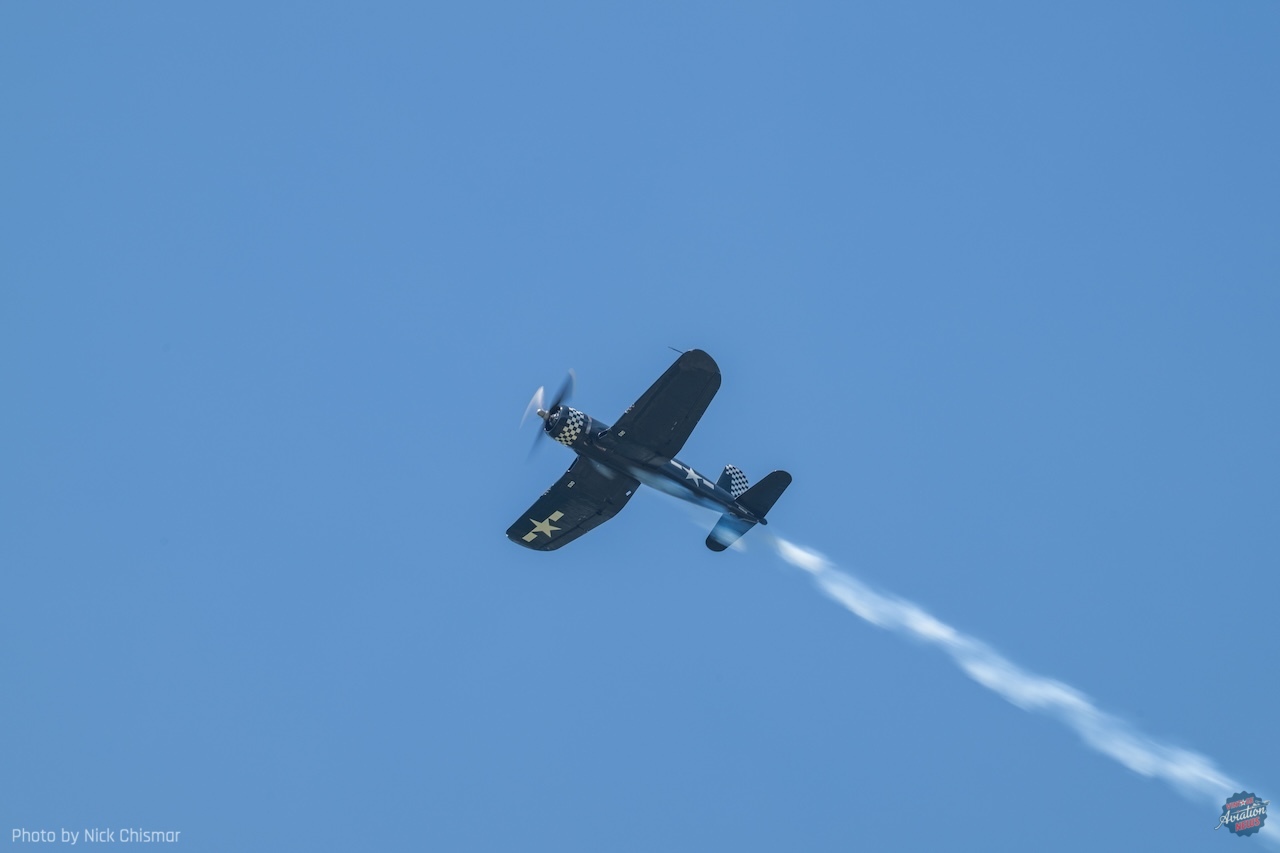
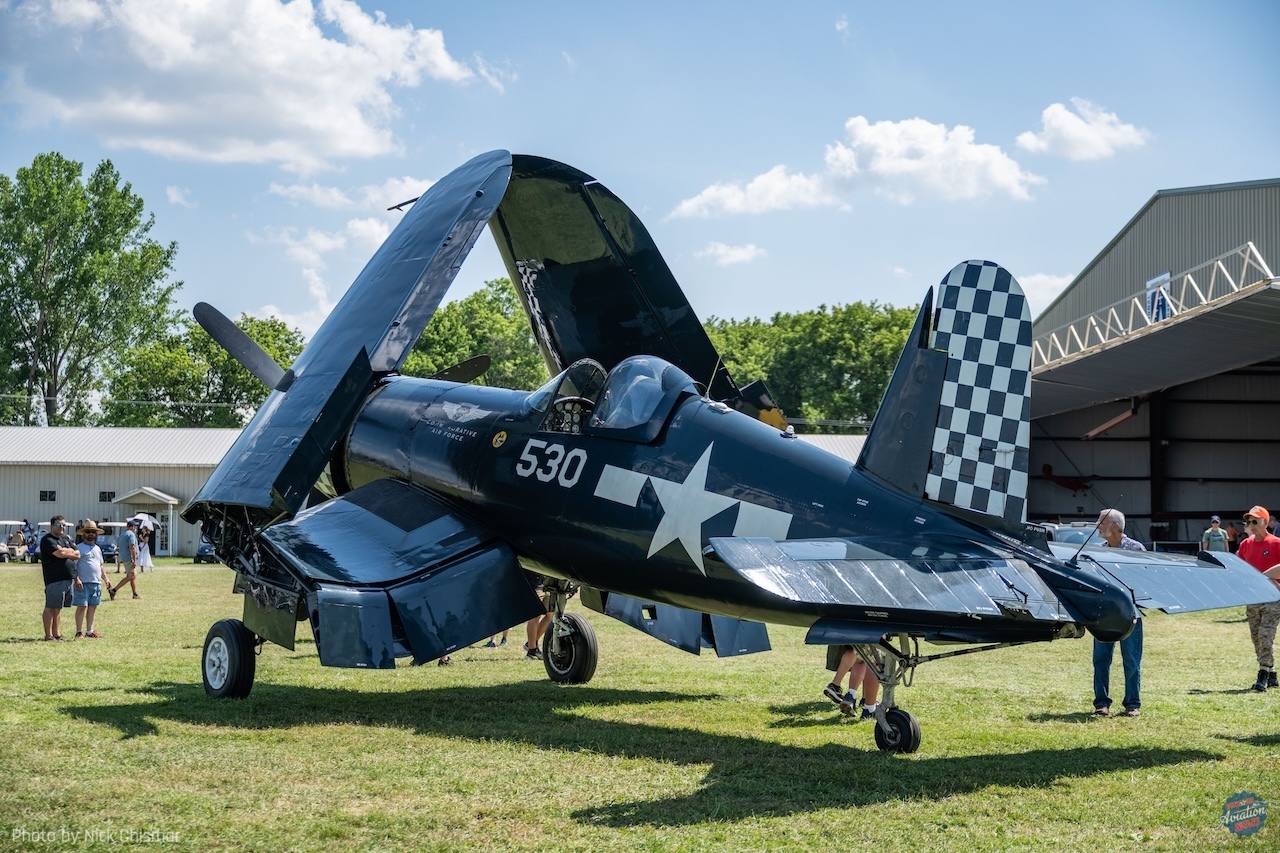
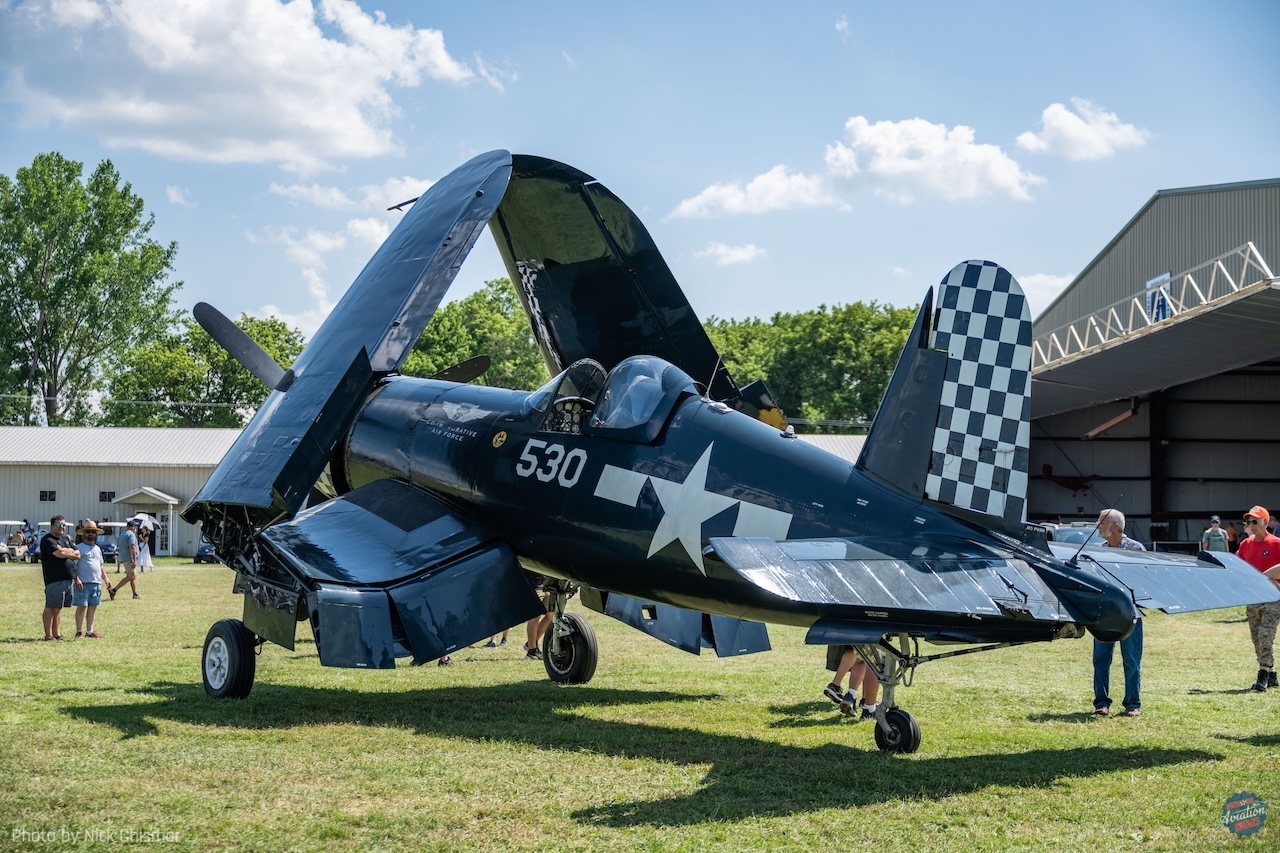
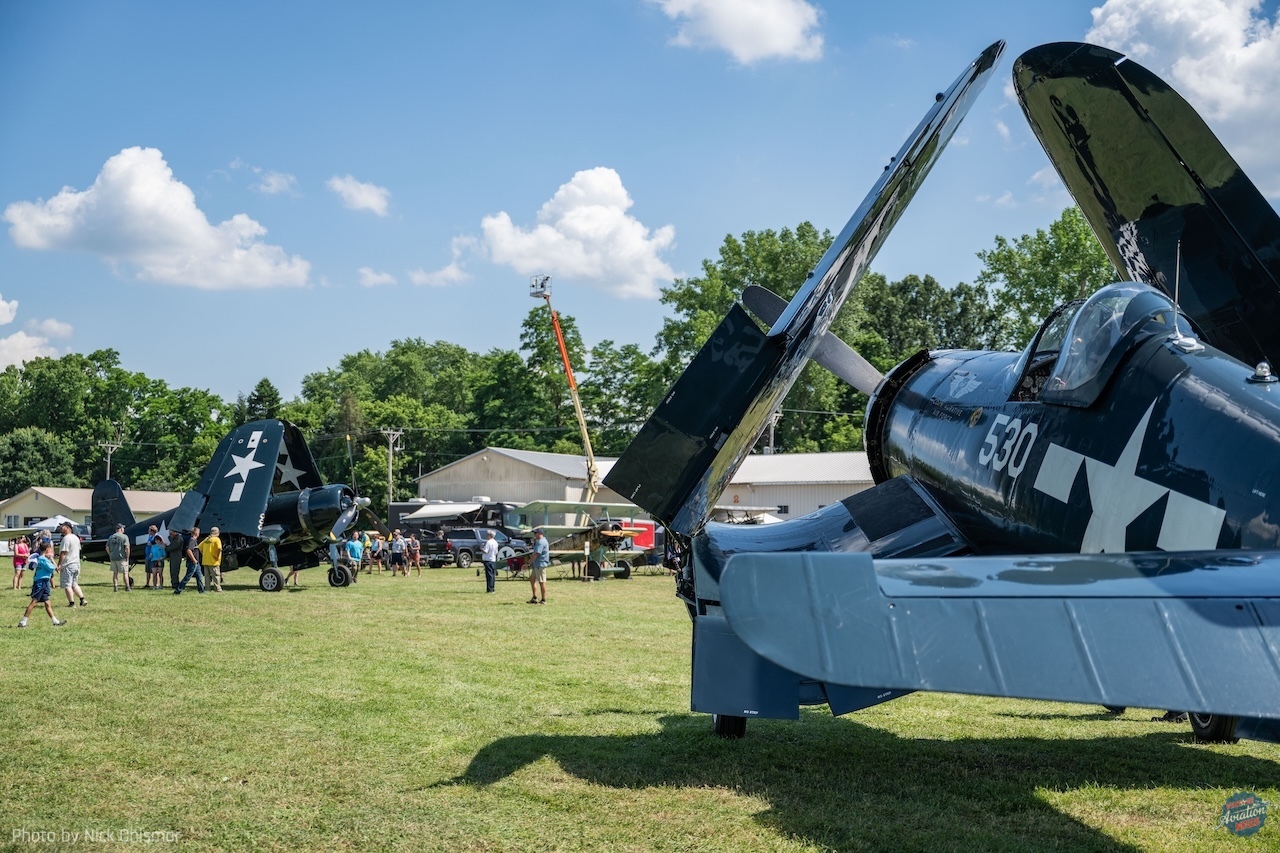
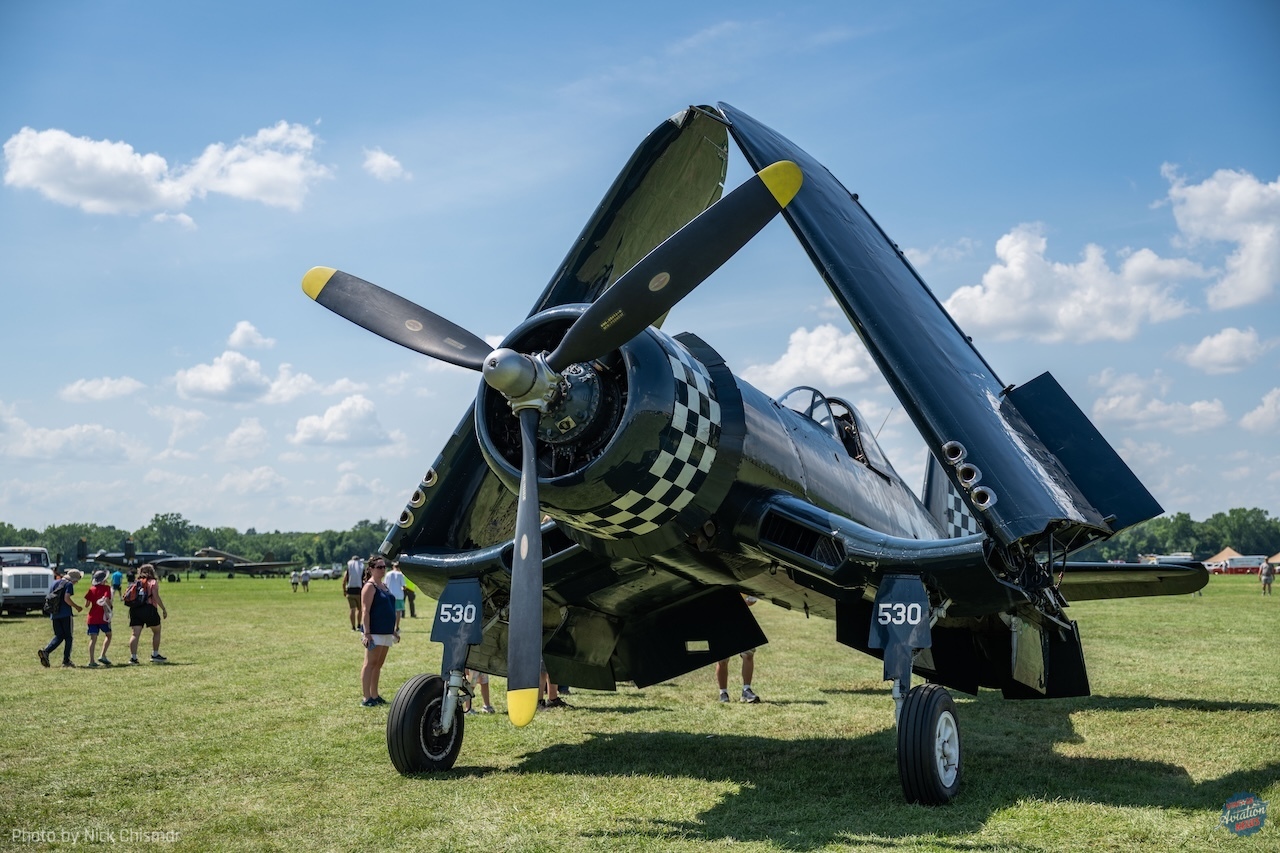
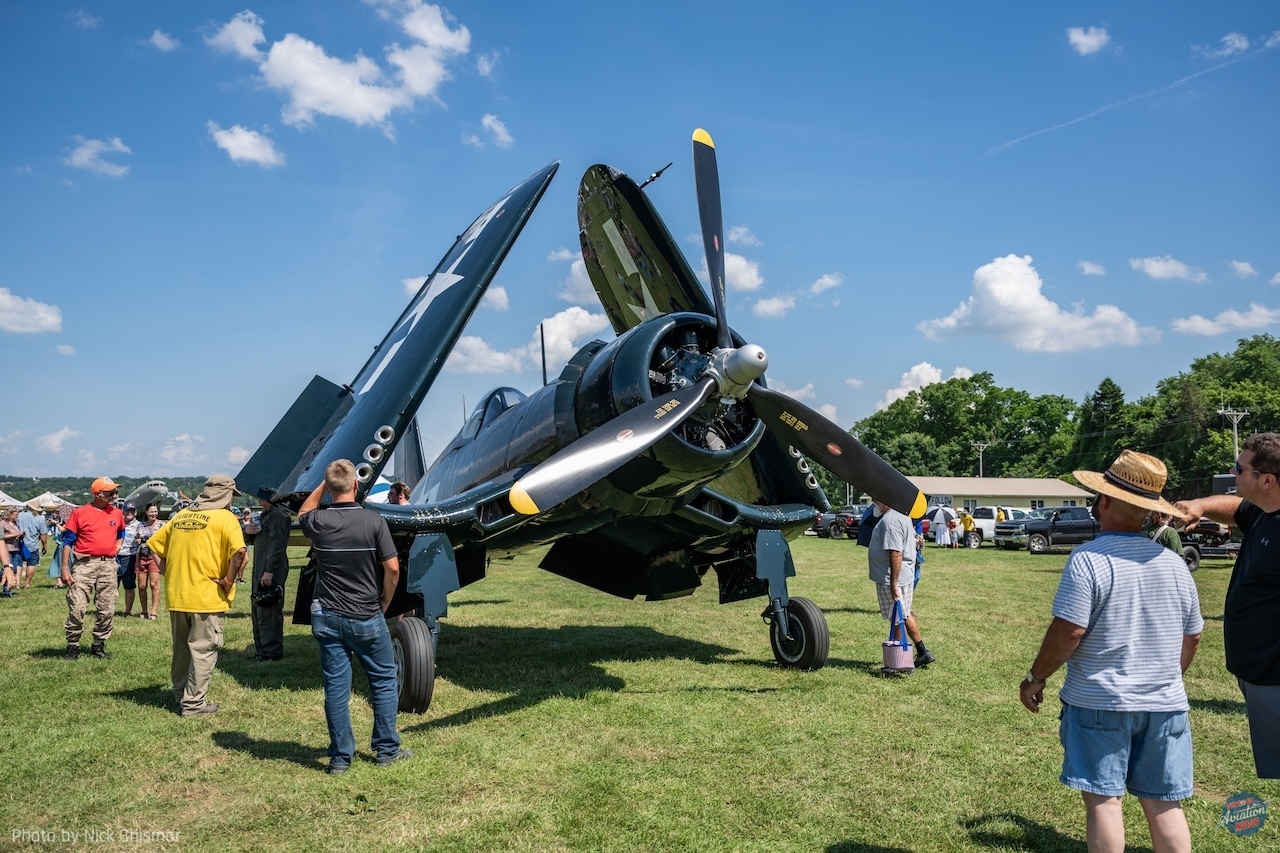
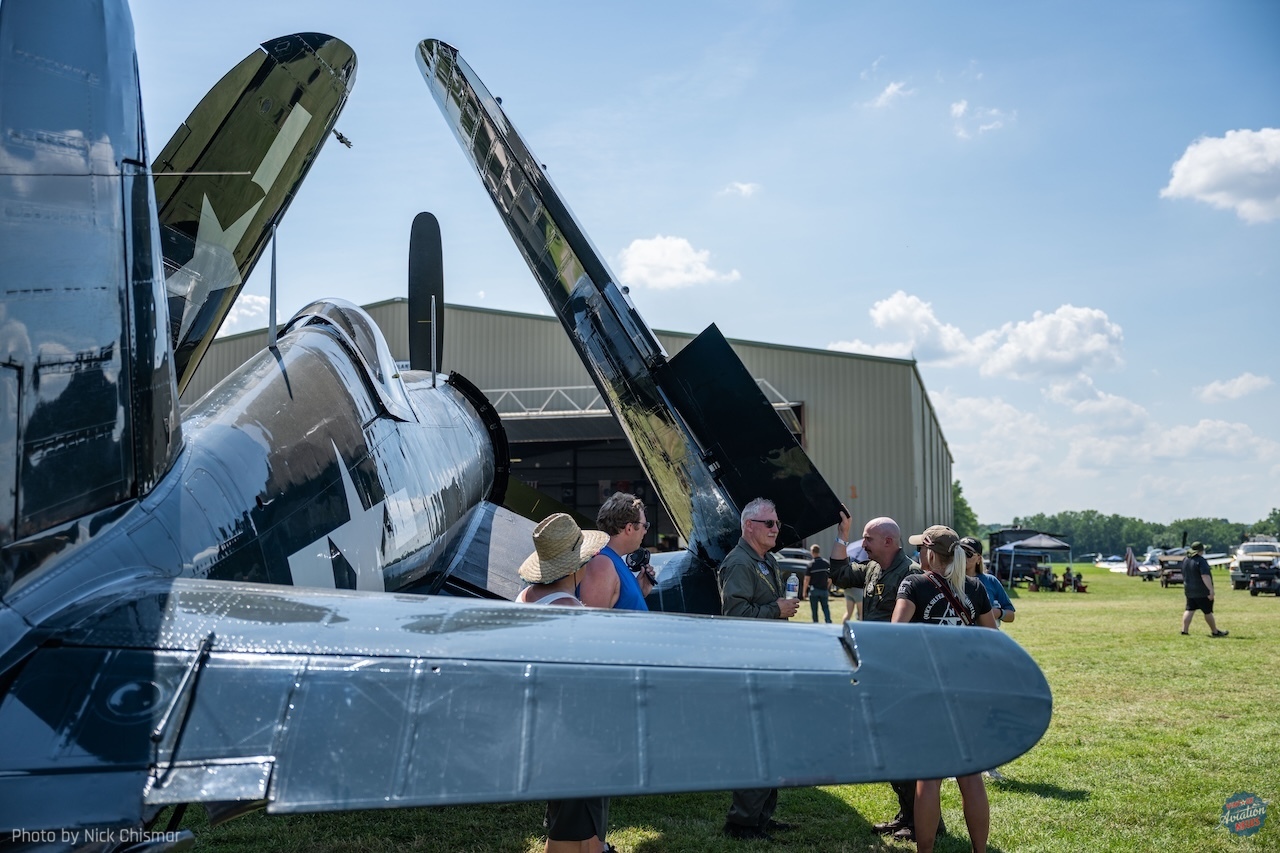
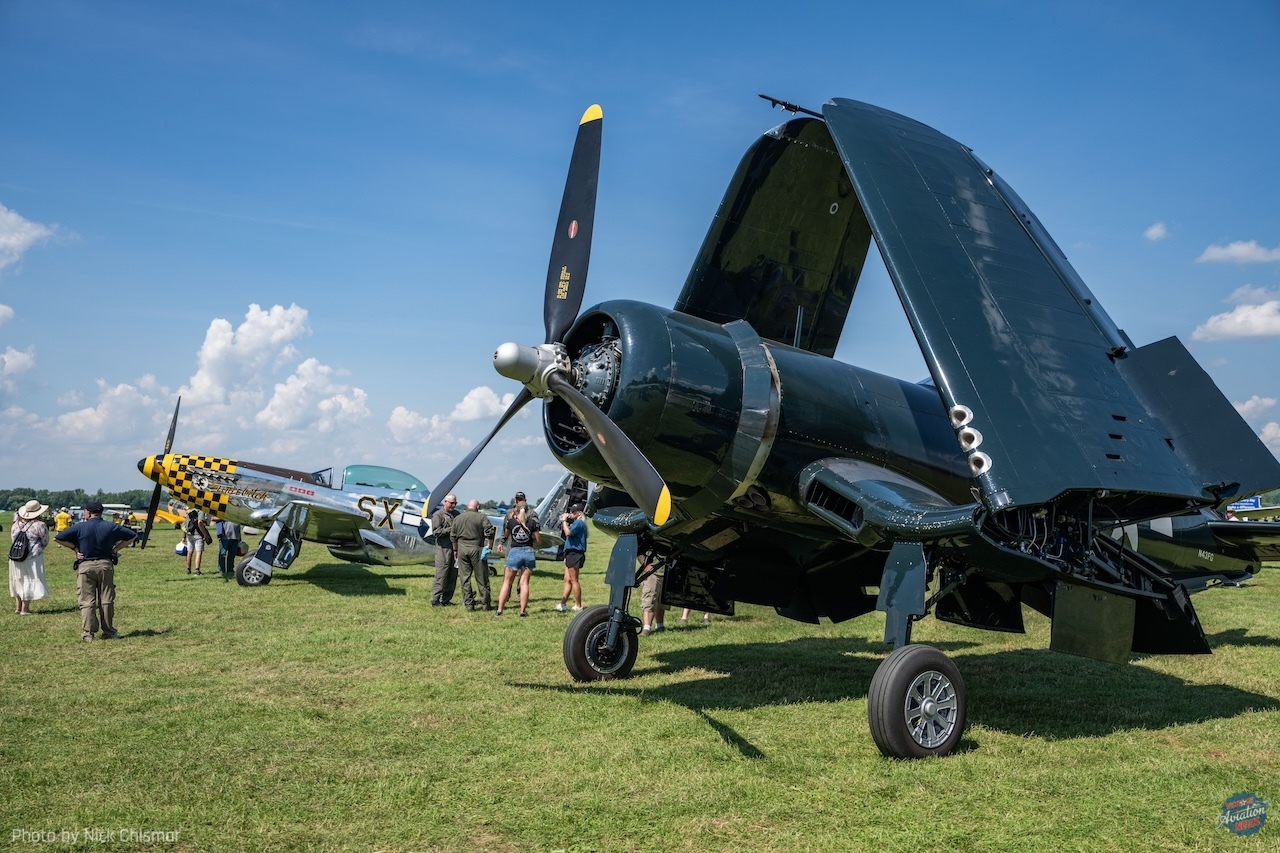
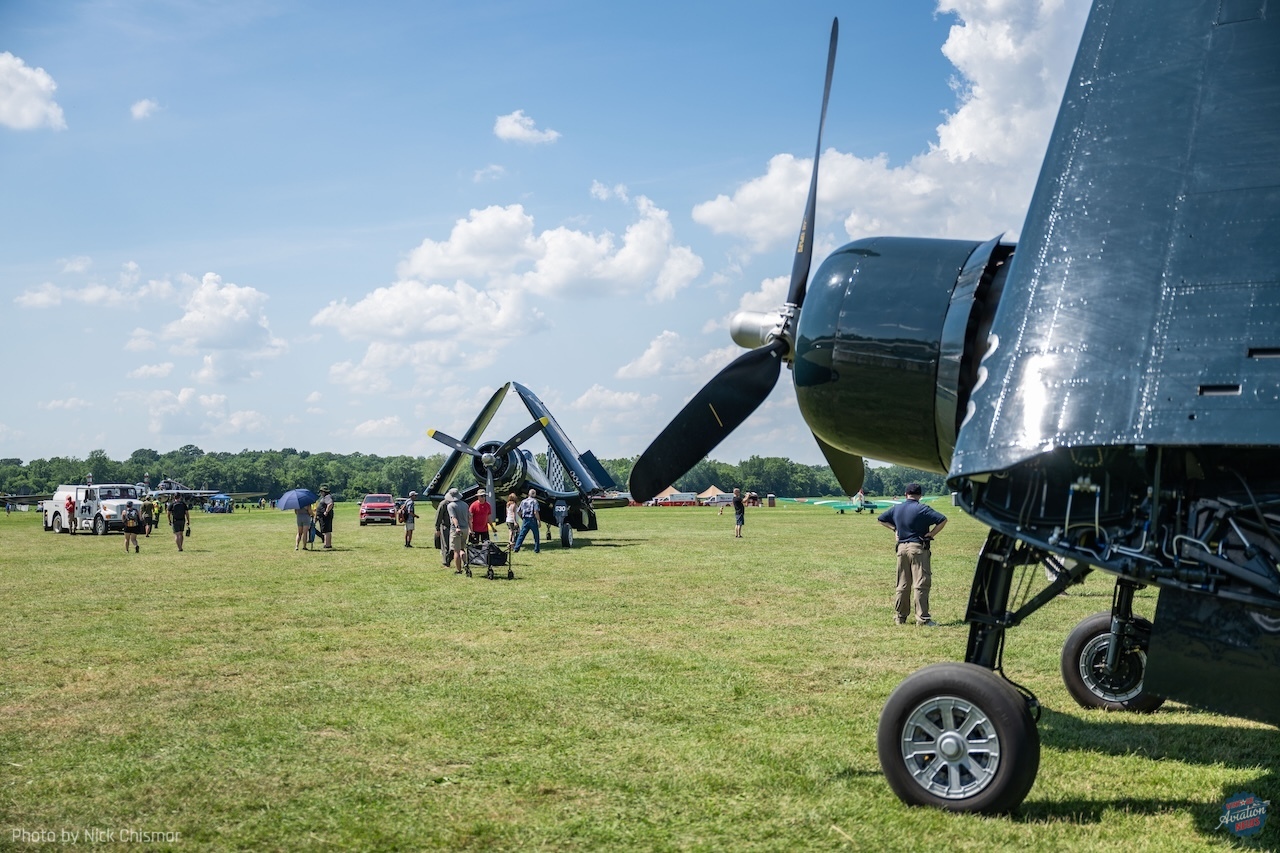
As Thom concluded his performance with a series of photo passes, CAF Airbase Georgia’s FG-1D Corsair began its takeoff roll. However, before the Corsair’s display, Trevor Rafferty took off in his Pitts Model 12. Unfortunately, a technical issue appeared during takeoff, prompting Trevor to safely return to the pattern and land shortly after. Although the crowd missed out on his trademark aerobatics, safety remained the top priority. With Trevor safely back on the ground, CAF Airbase Georgia’s Corsair came screaming in from the show right. The size, sound, and presence of the aircraft never fail to impress. A crowd favorite is always the “dirty pass” or “carrier approach,” in which the gear, flaps, and tailhook are deployed for a slow, dramatic flyby.
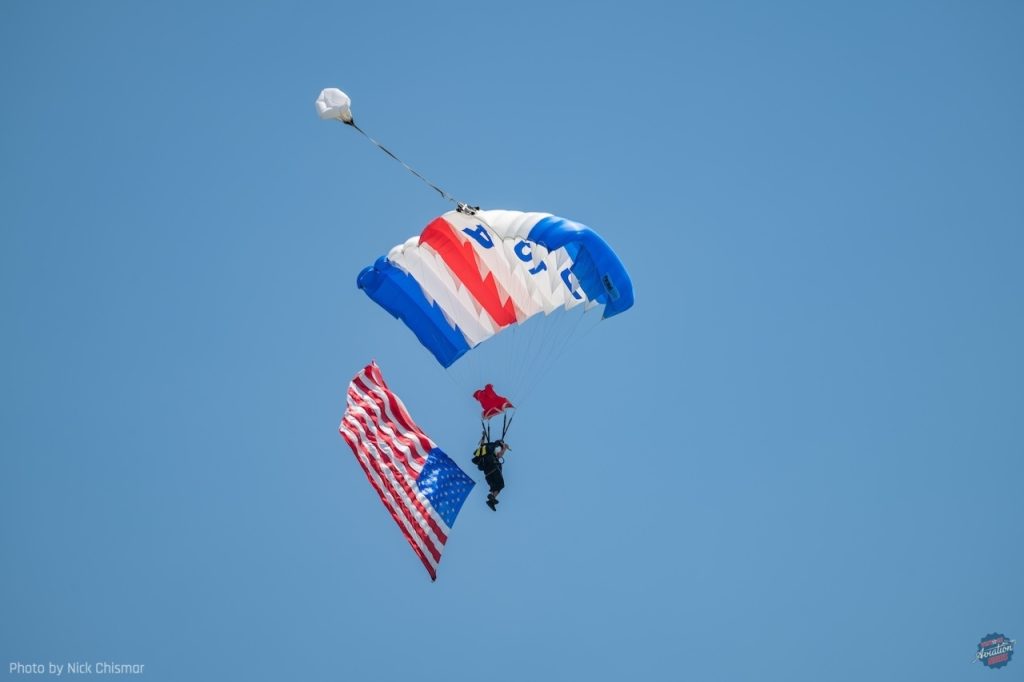
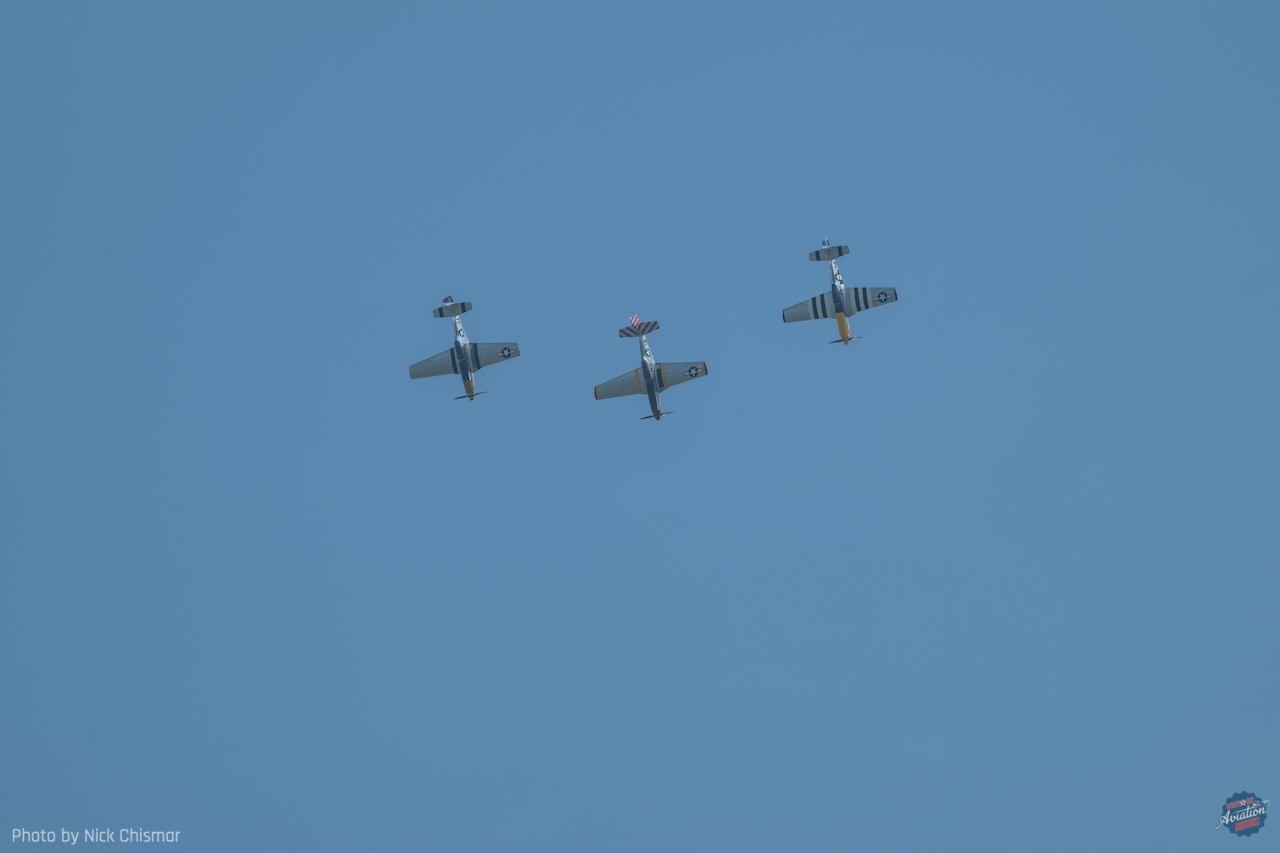
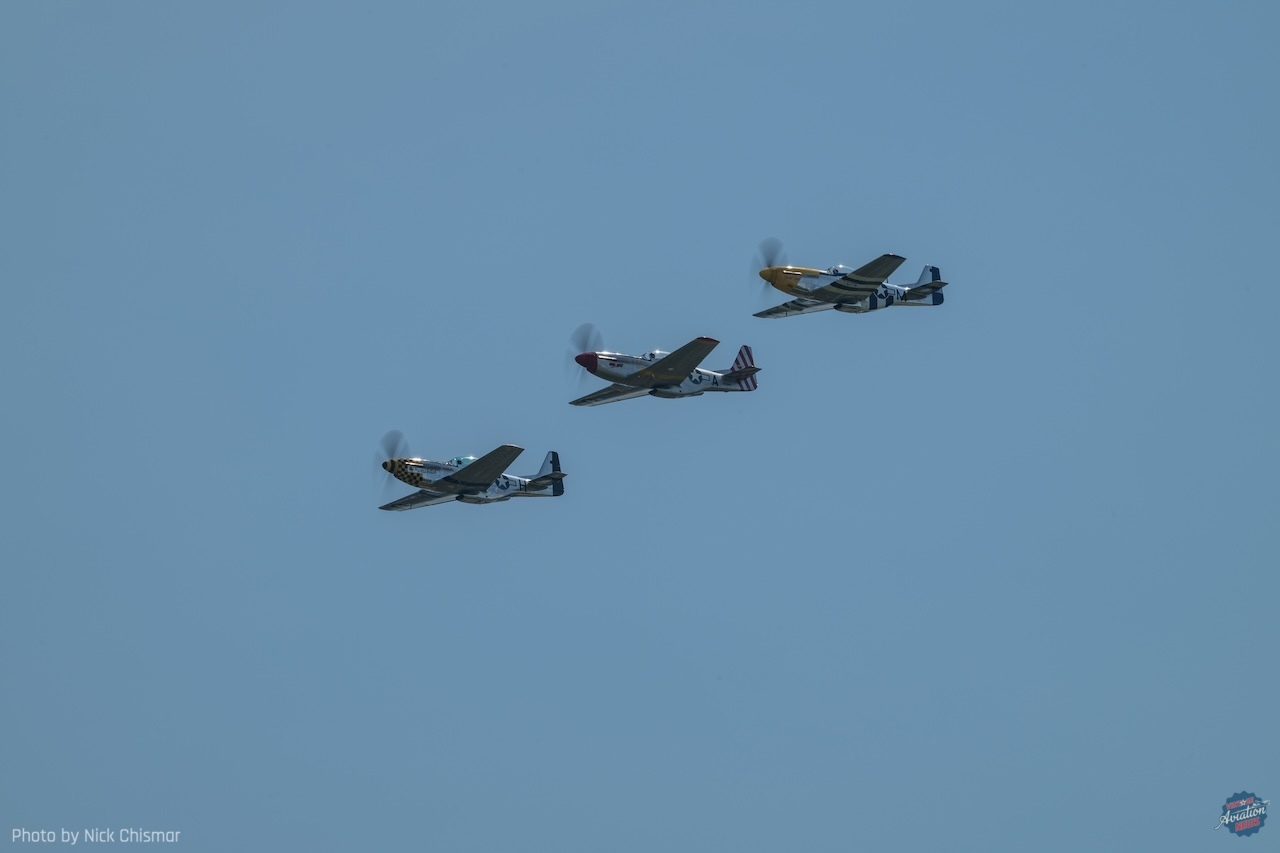
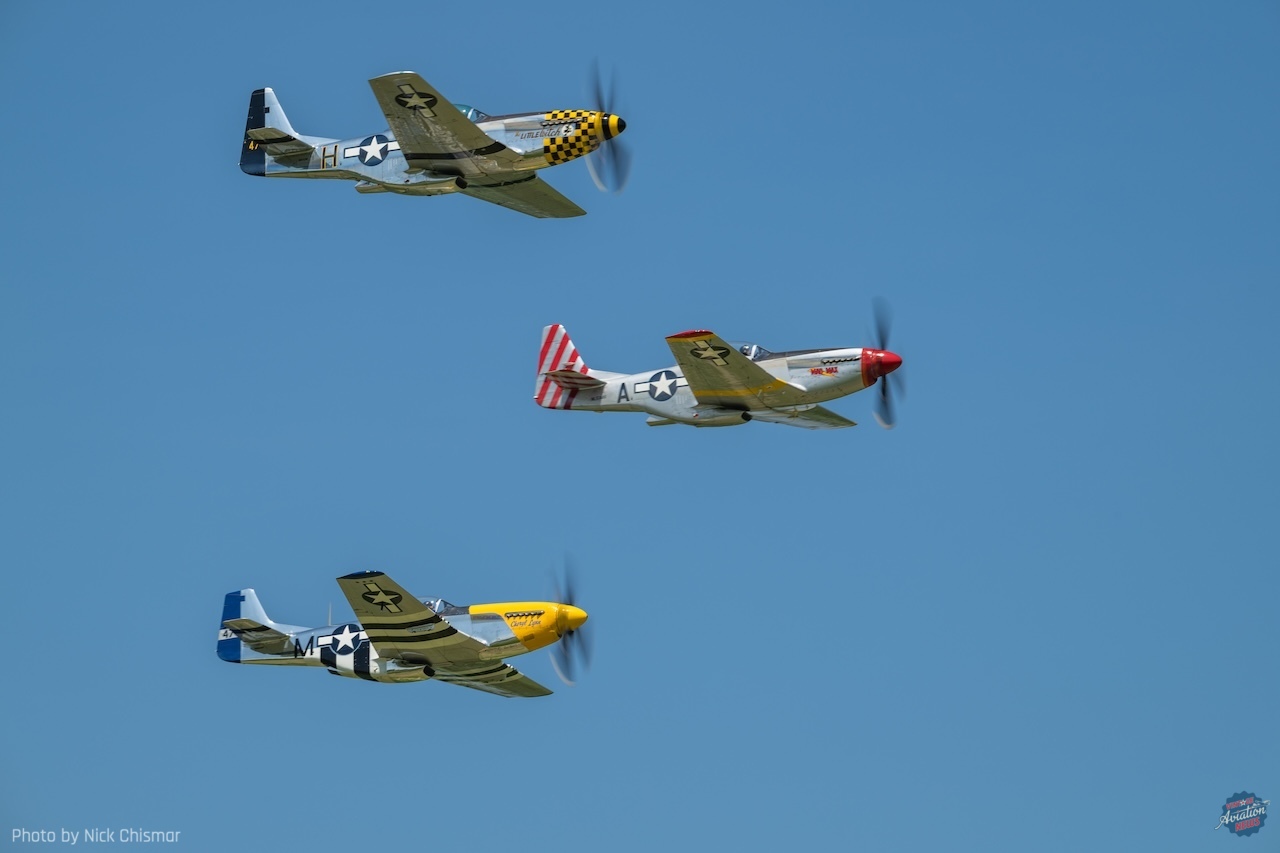
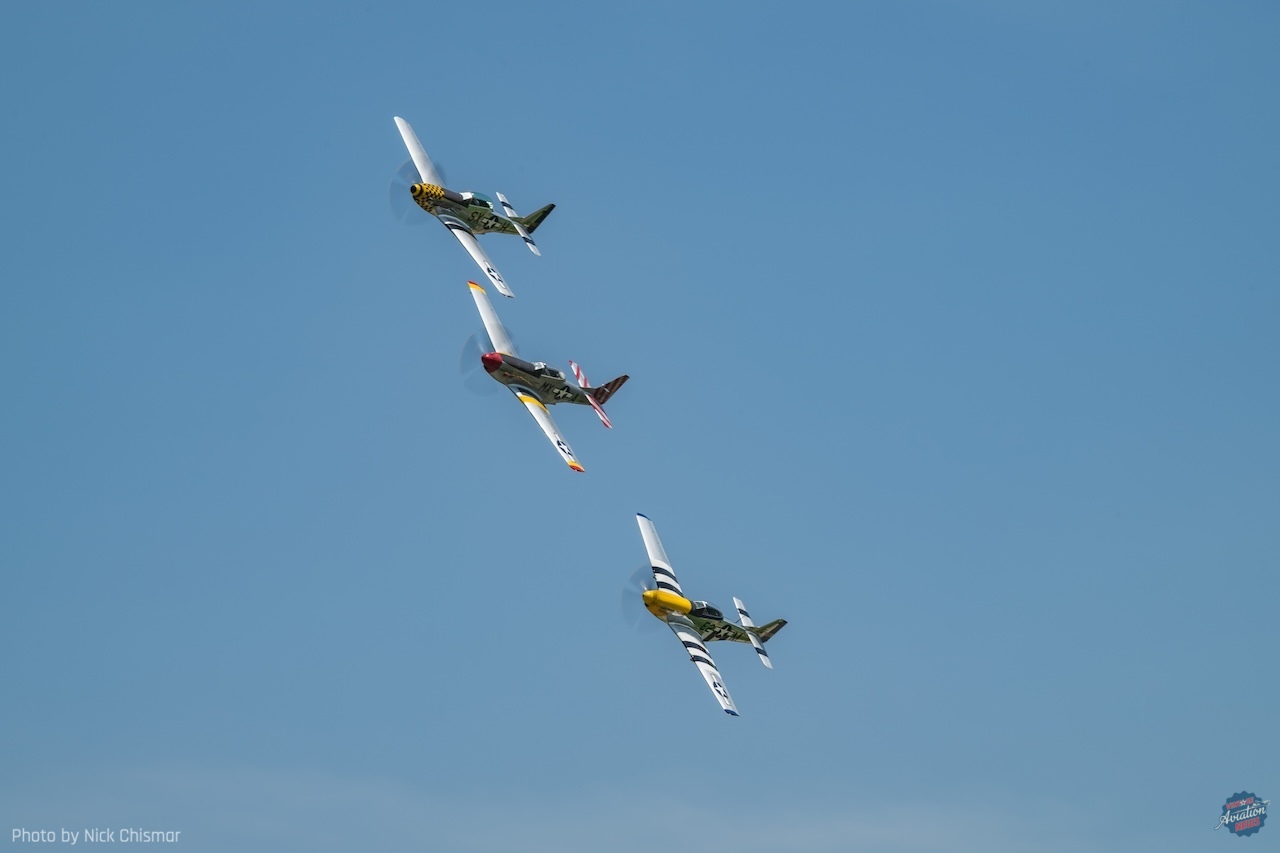
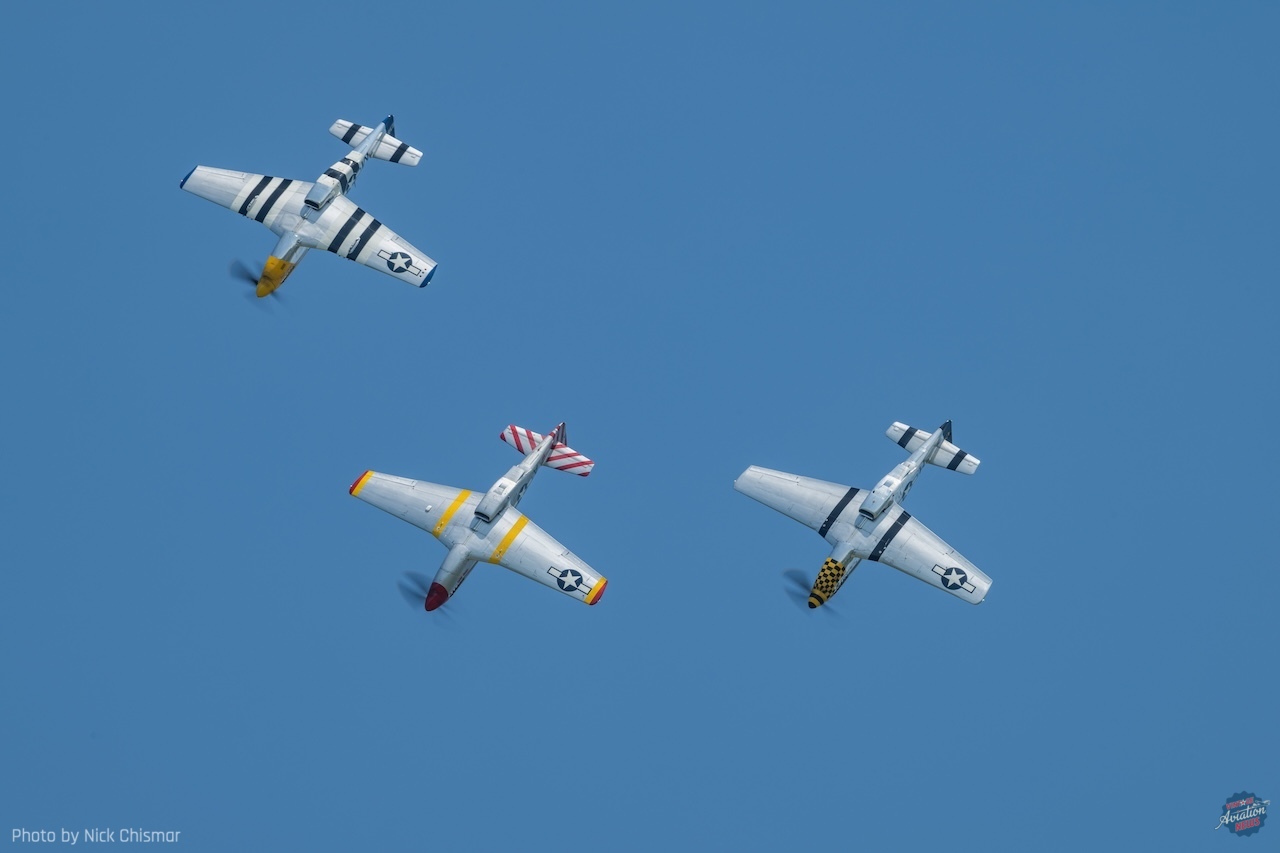
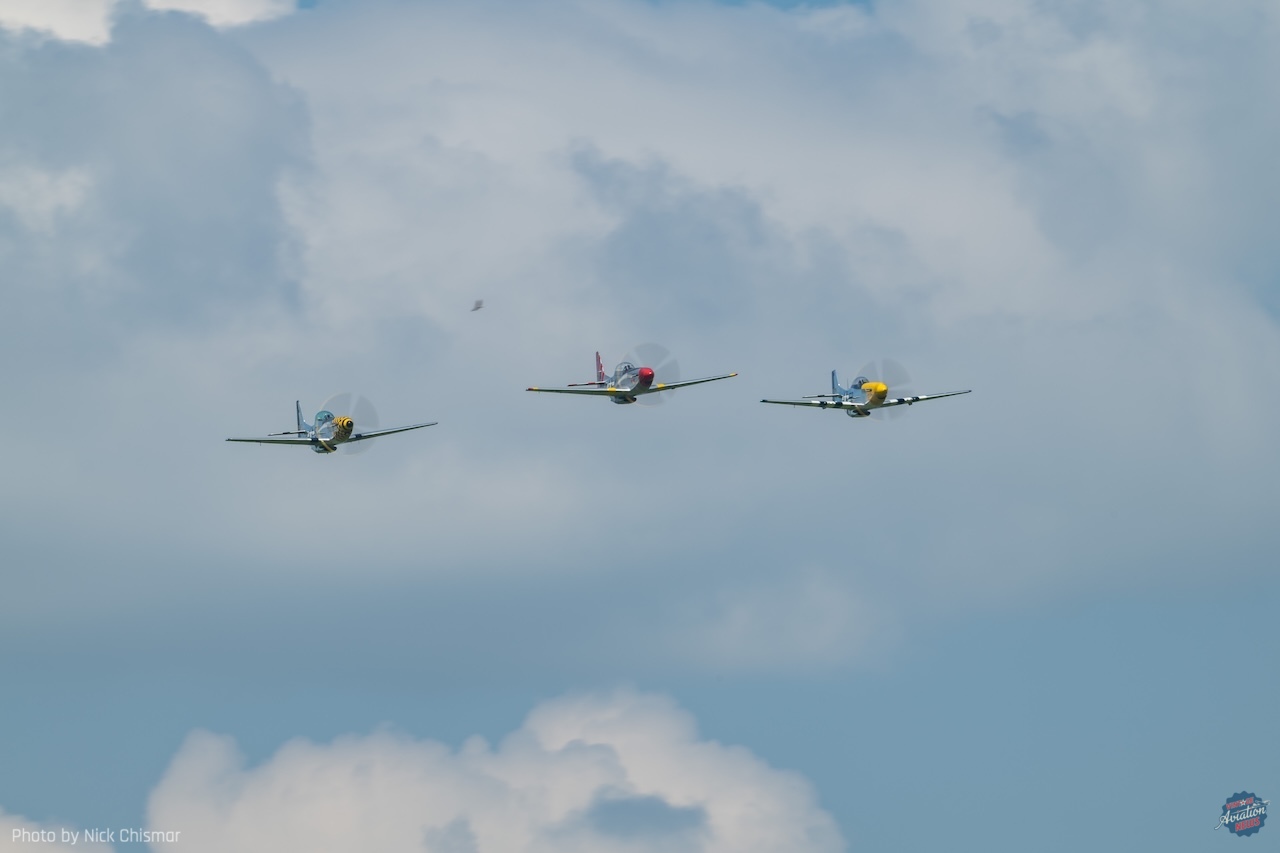
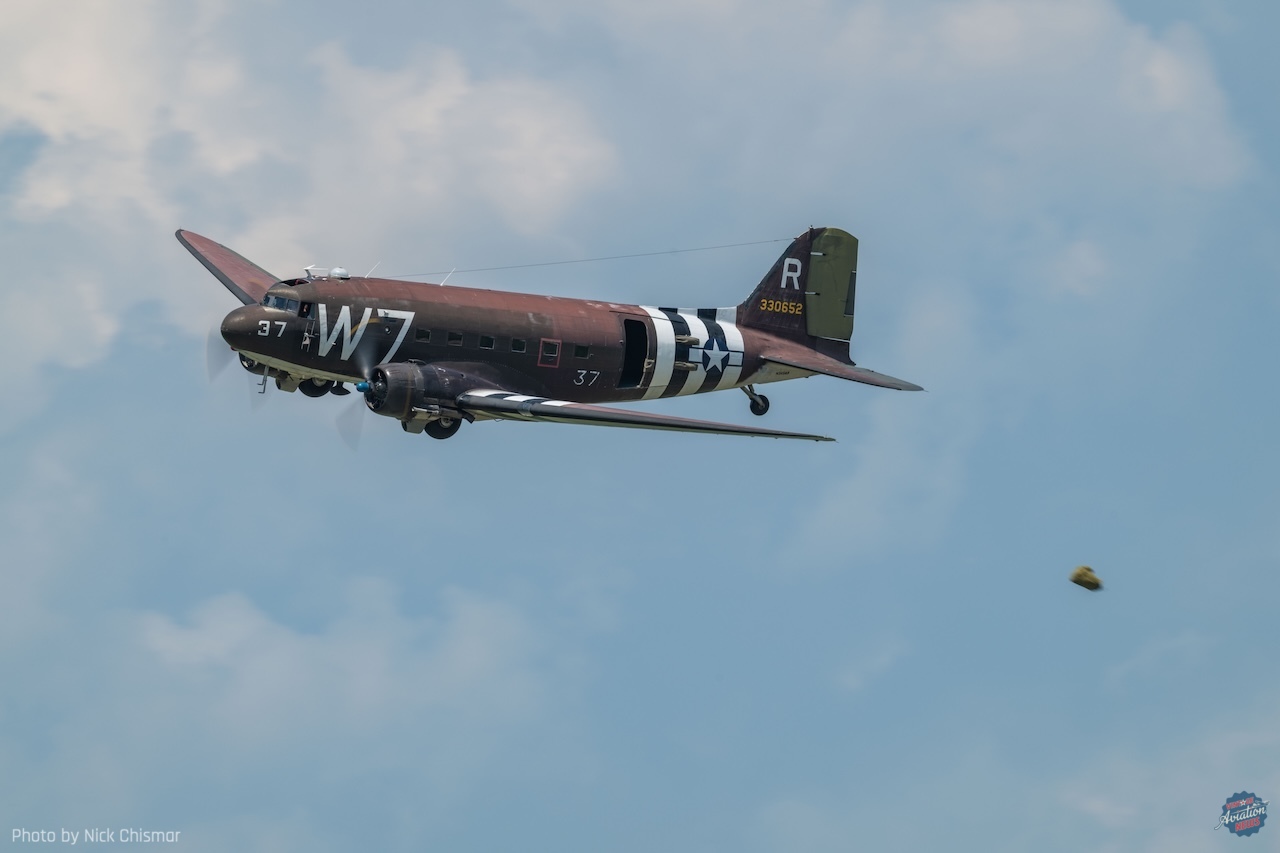
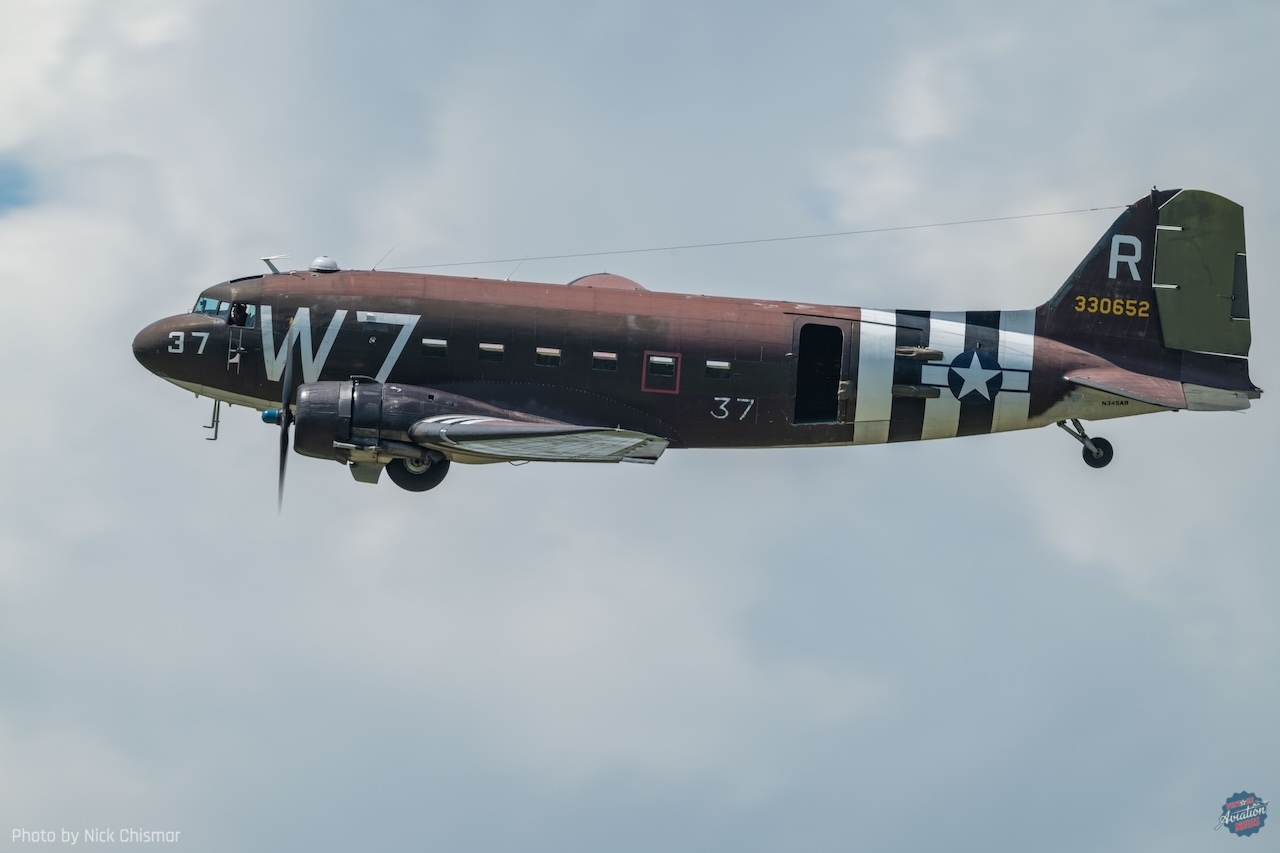
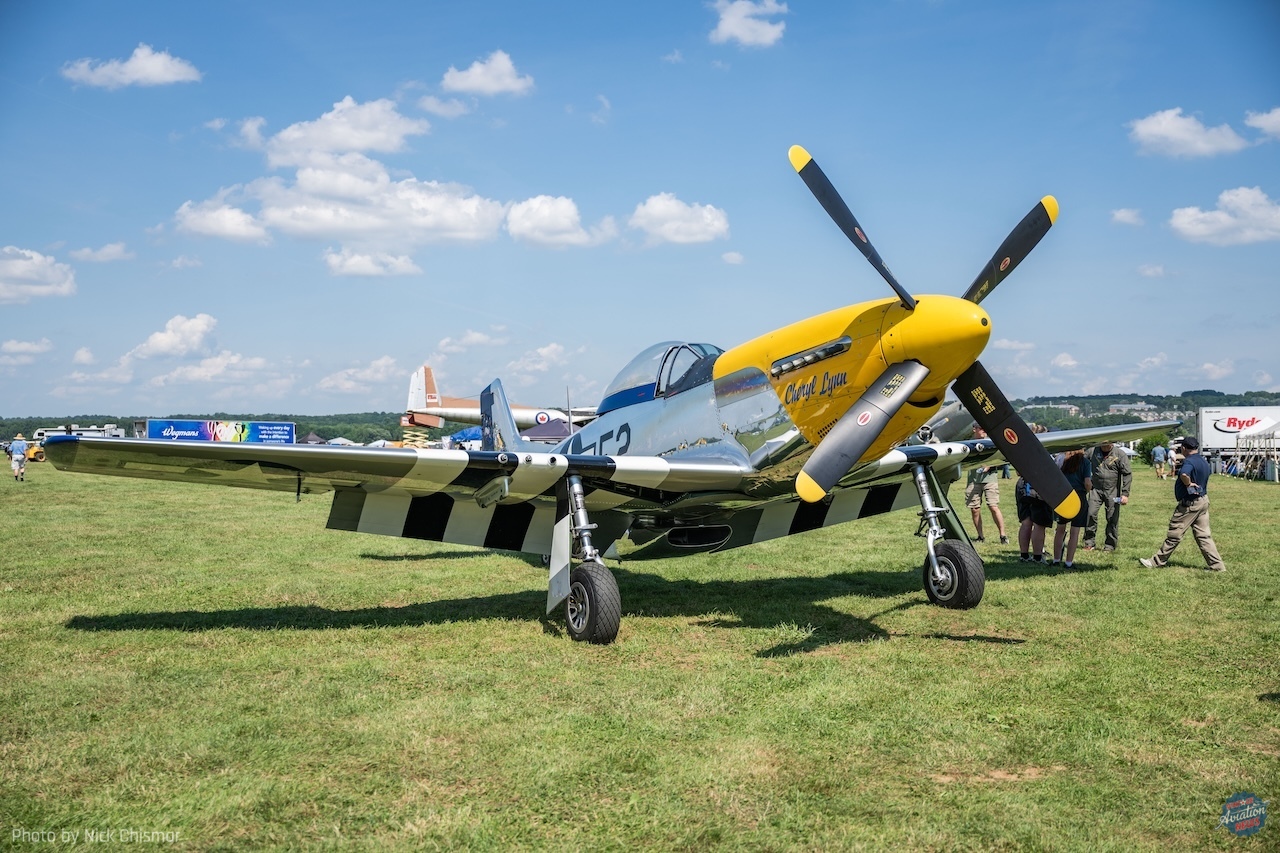
The official show opening featured a flag jump with both the Canadian and American flags dropped from the museum’s own C-47 “W7.” Soon after, four P-51s began their takeoff roll. Forming up over the field, the three P-51s of the Jack Aces were joined by Scott Yoak to perform a solemn missing man formation in honor of longtime performer and aviation legend Rob Holland.
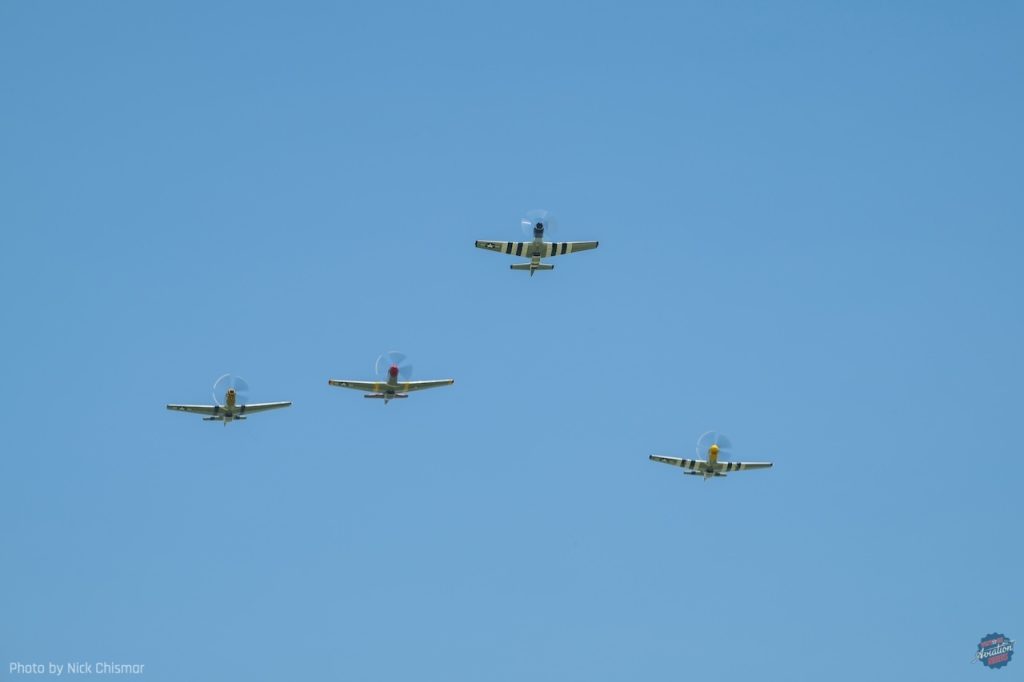
Later in the day, the Jack Aces took center stage. Seeing a single P-51 perform aerobatics is a highlight for many, but witnessing three in tight formation executing intricate maneuvers elevated the experience. Through rolls, loops, and coordinated turns, the Jack Aces were a standout addition to this year’s program.
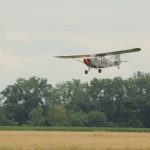
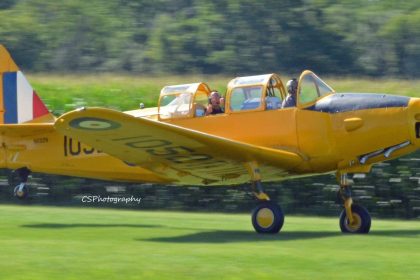
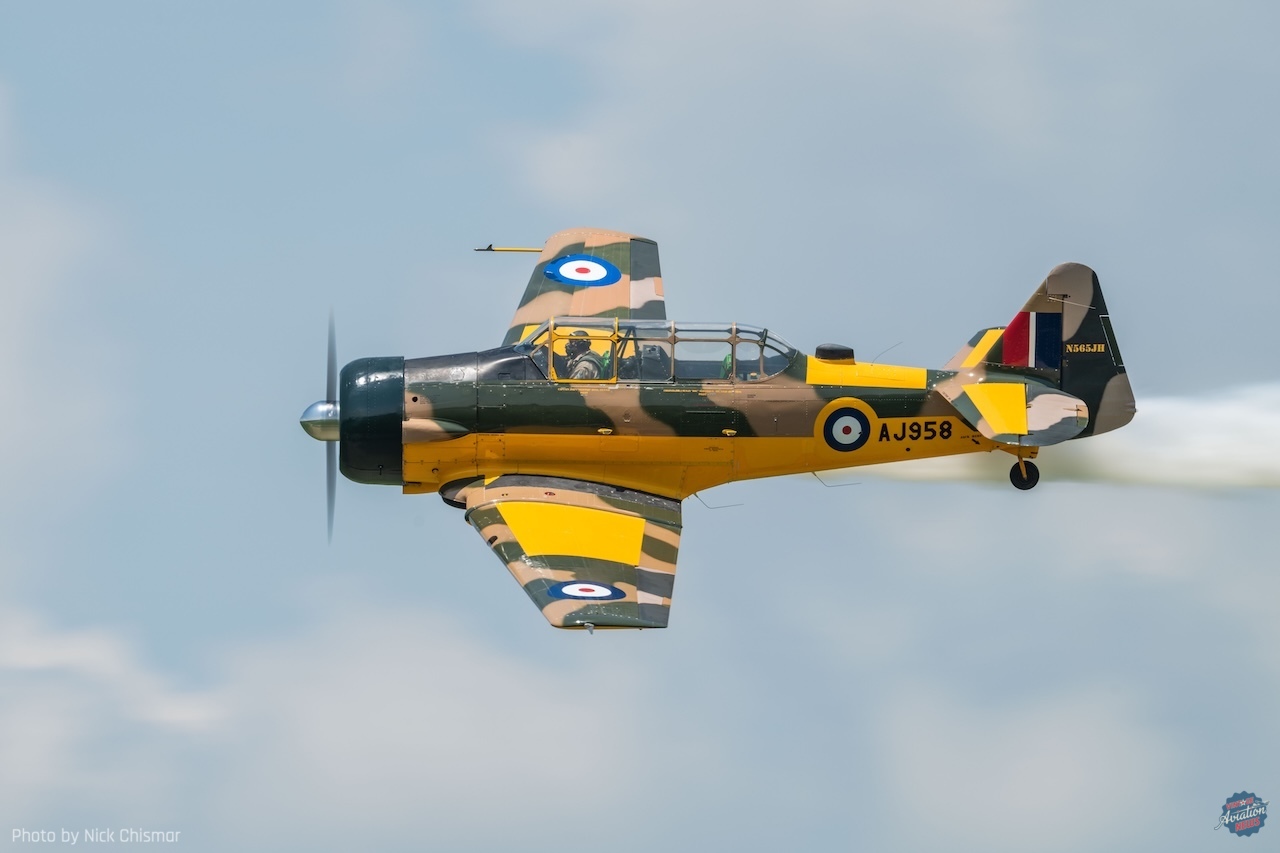
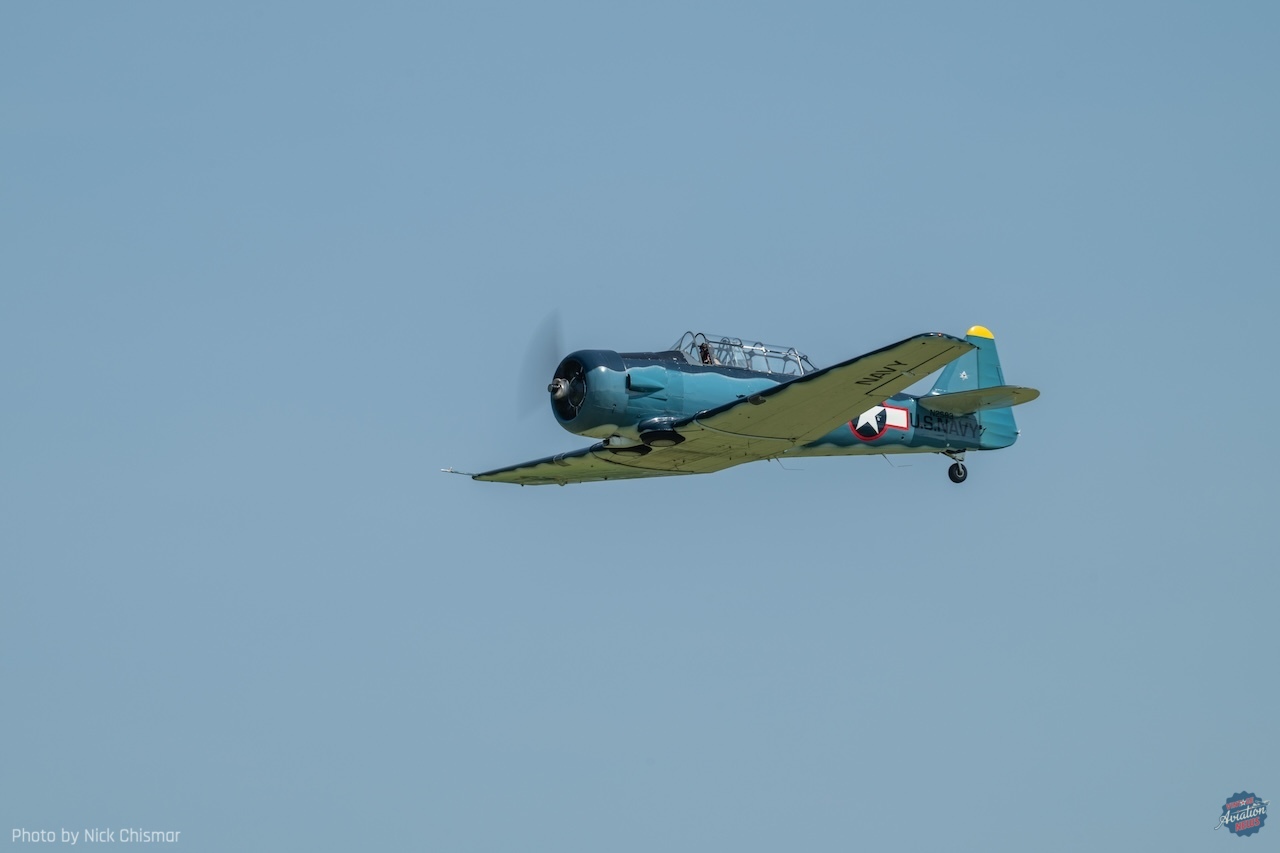
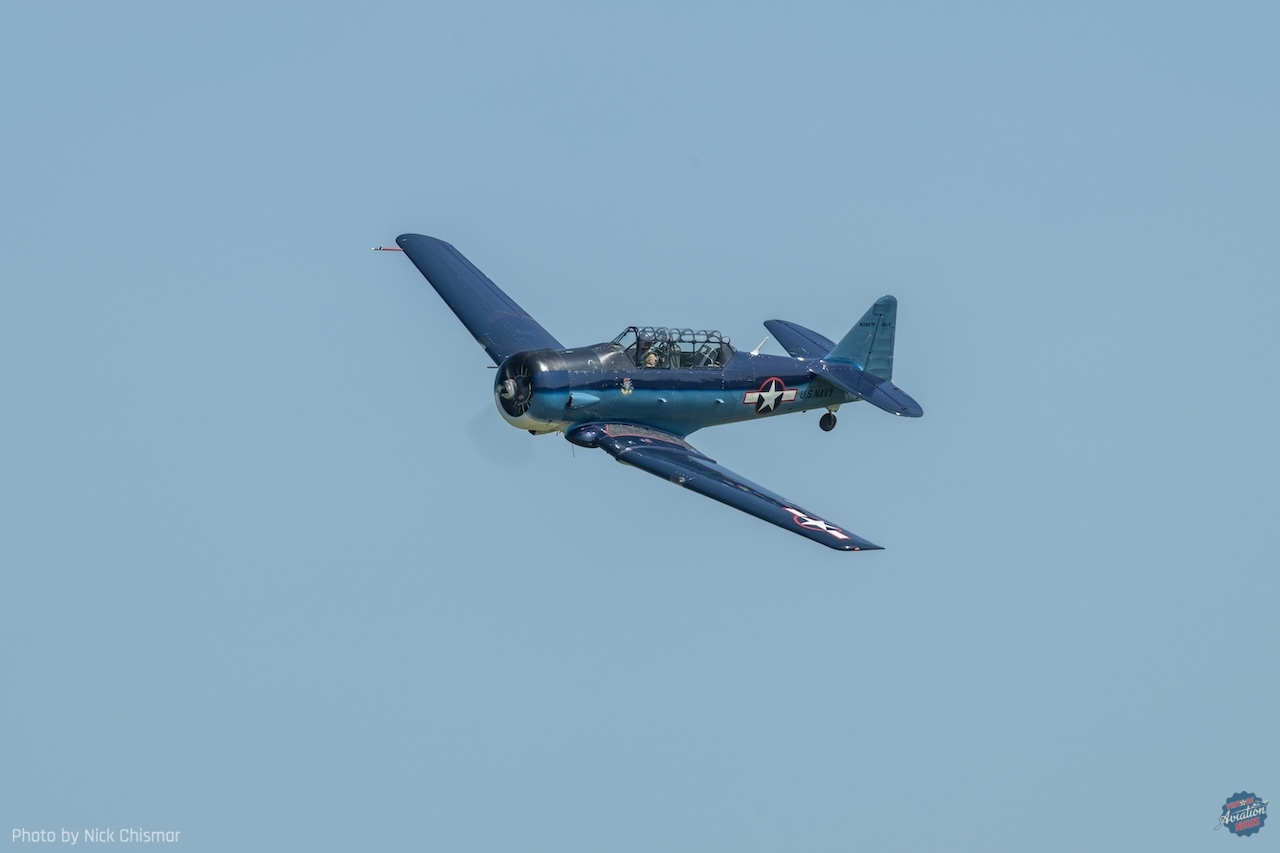
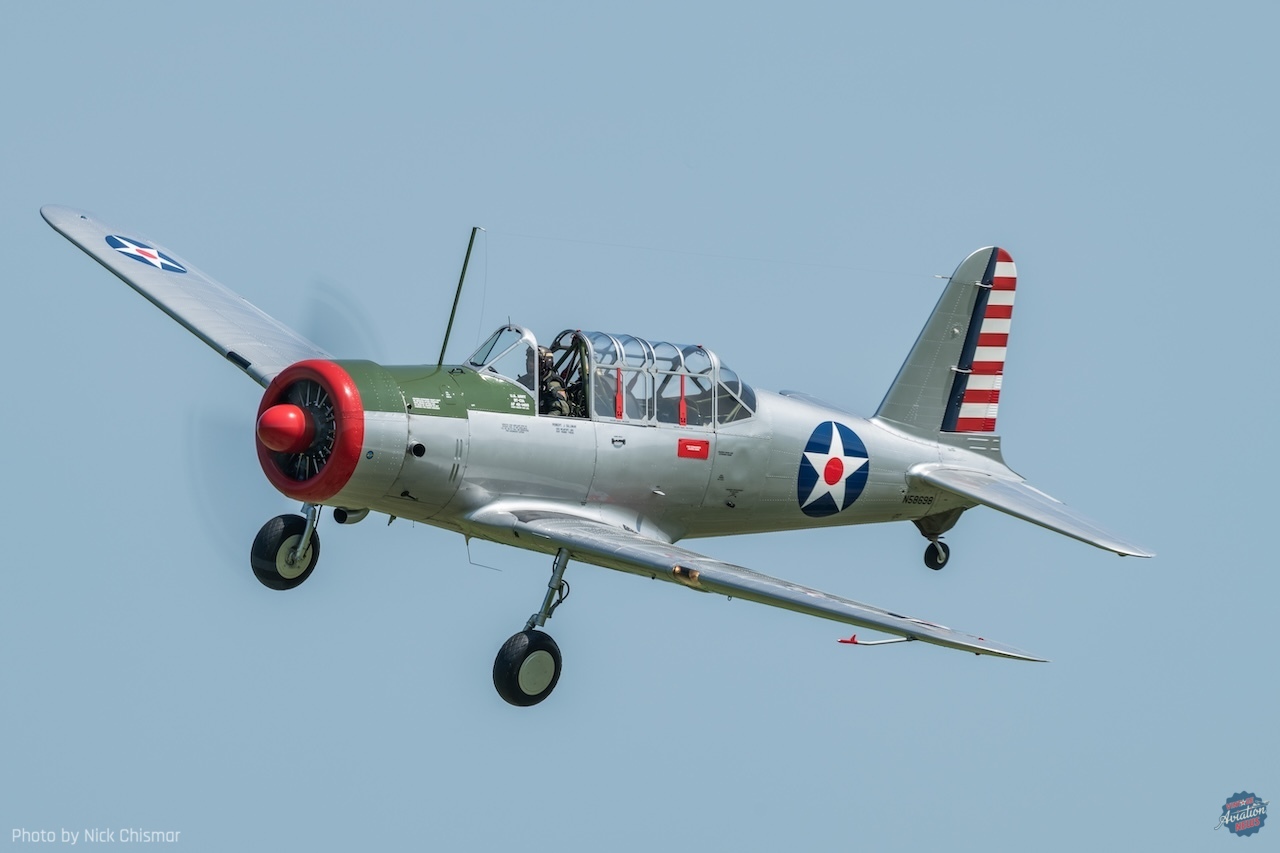
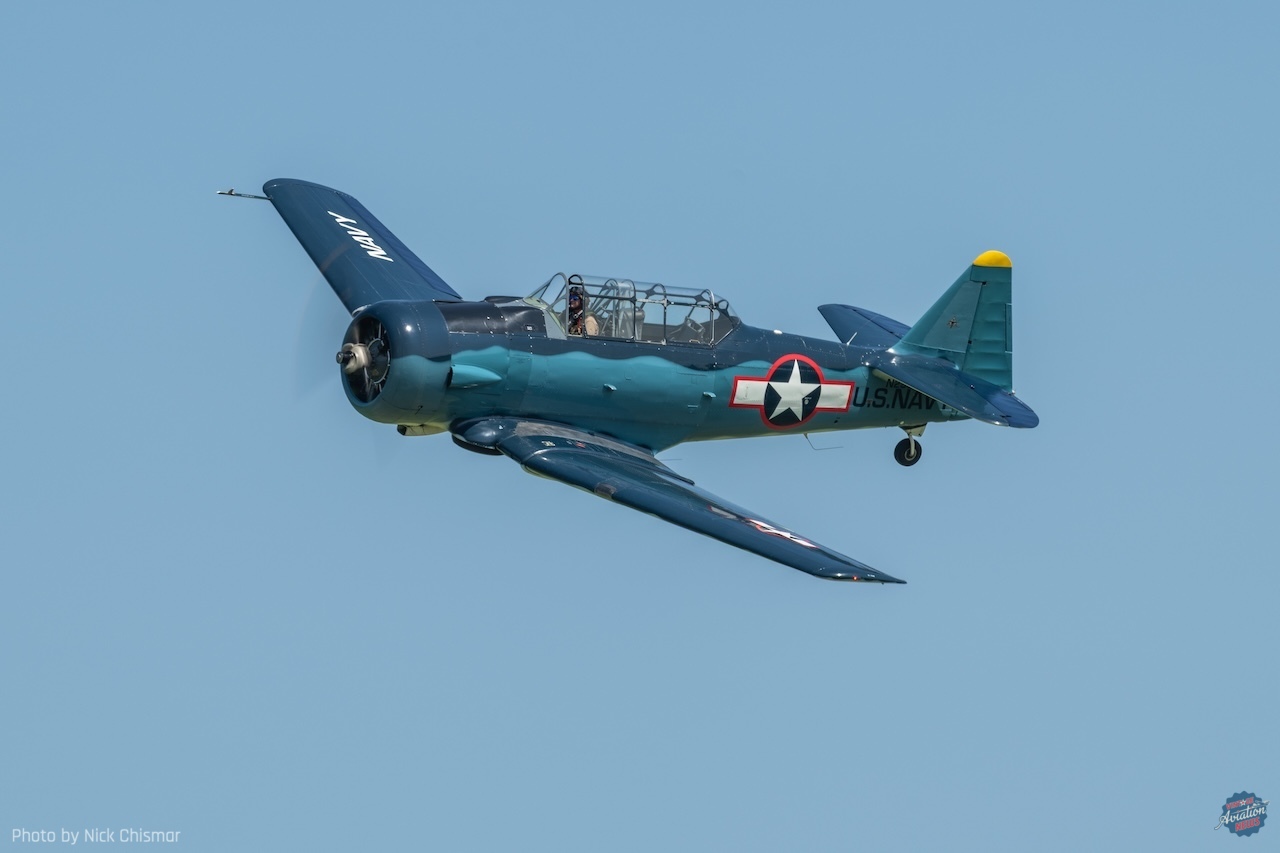
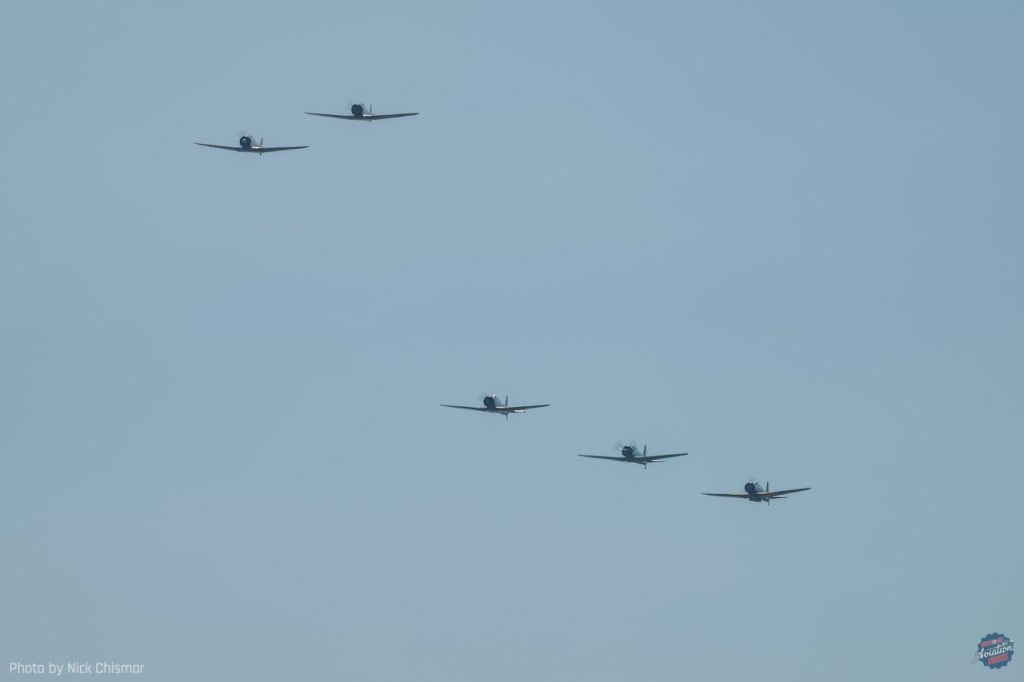
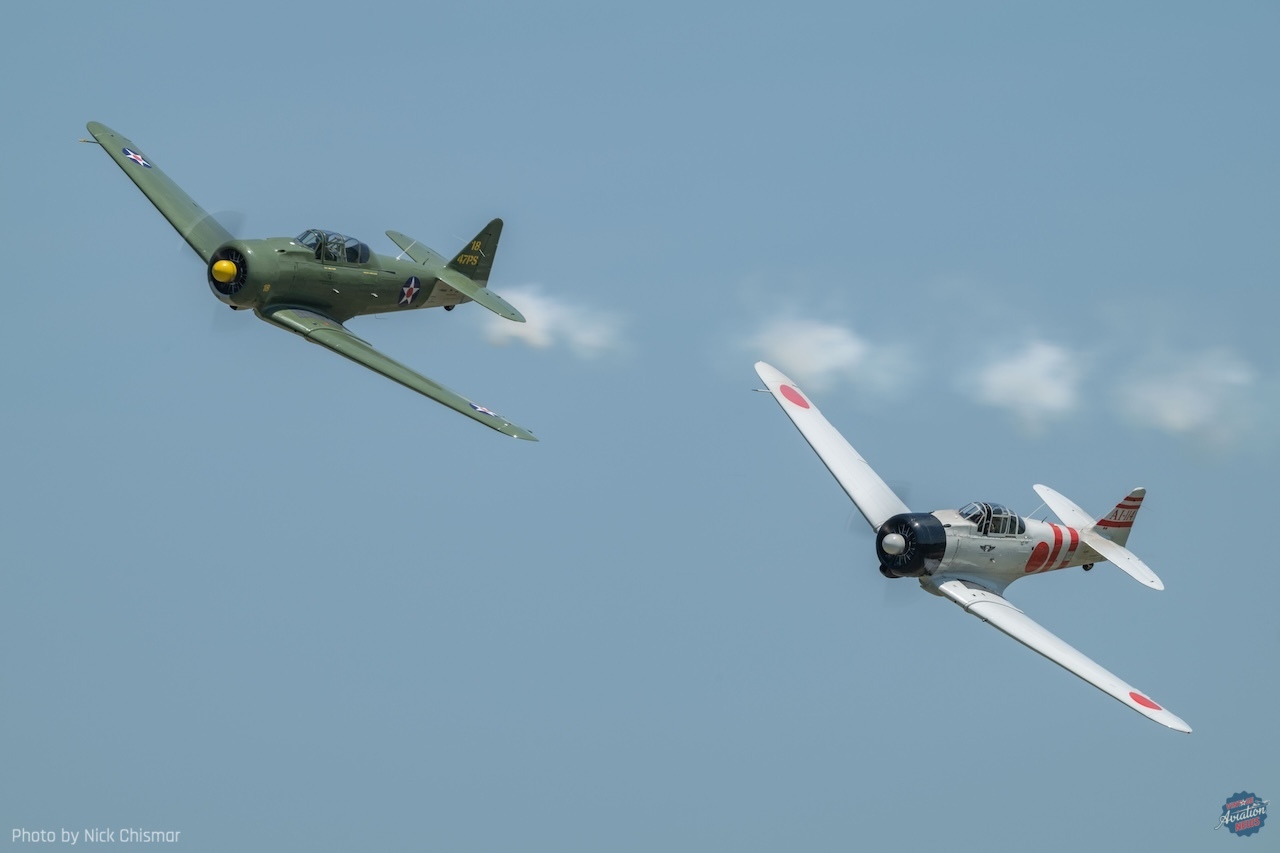
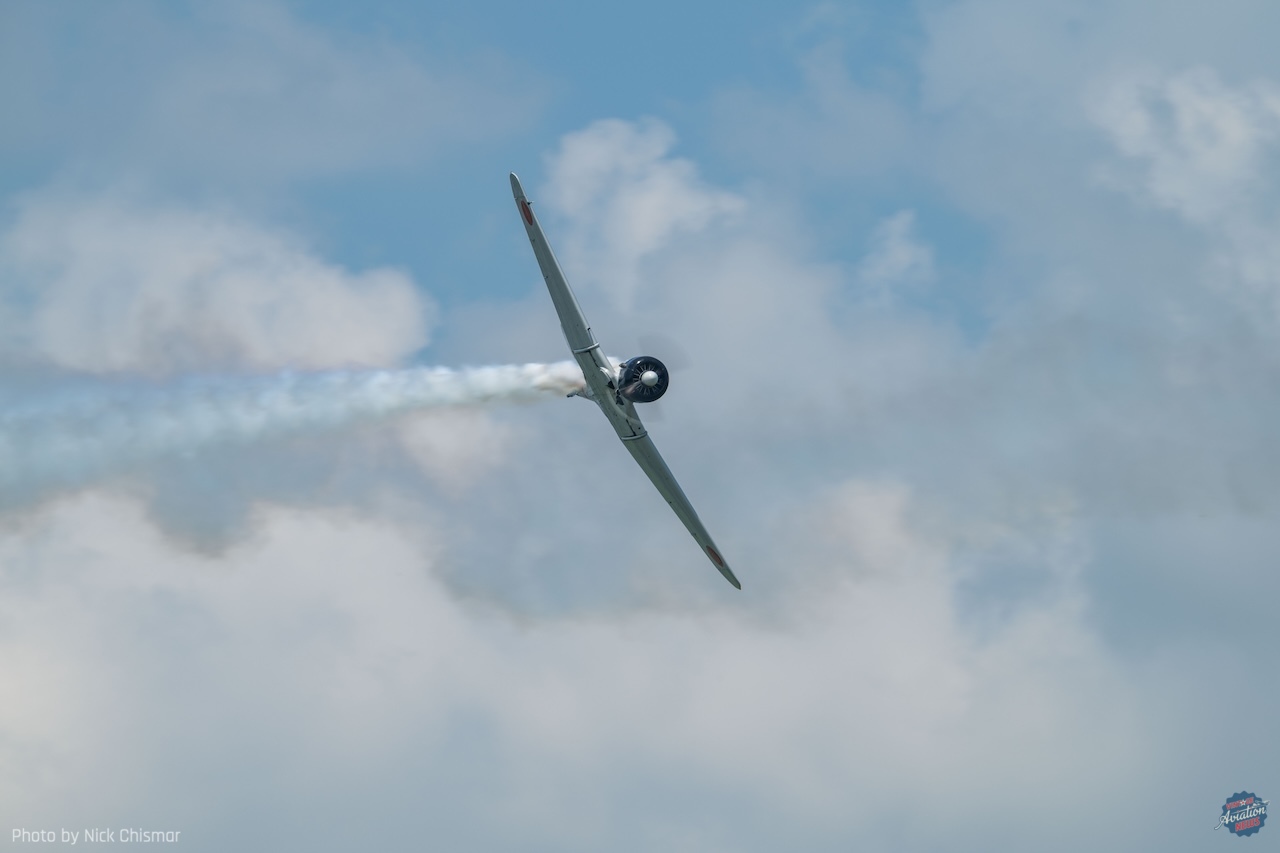
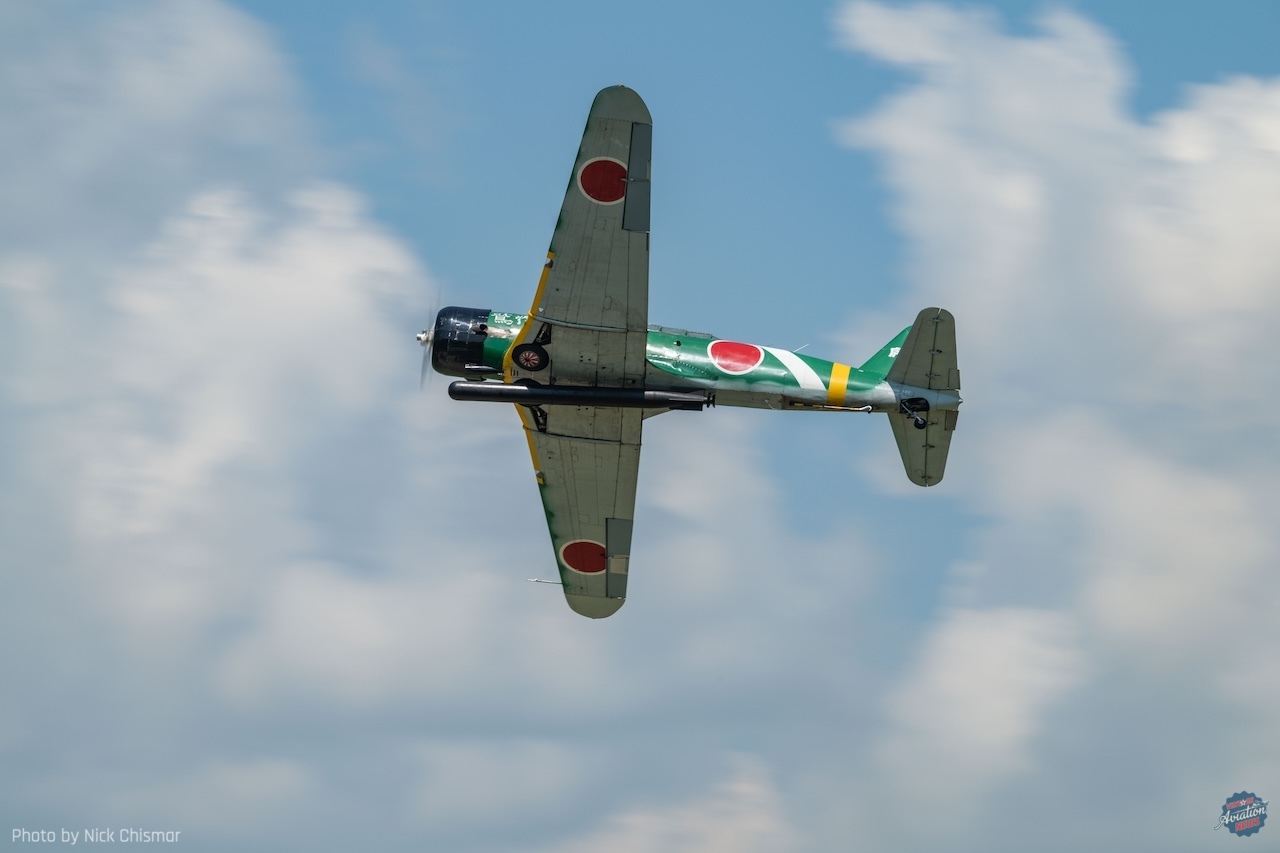
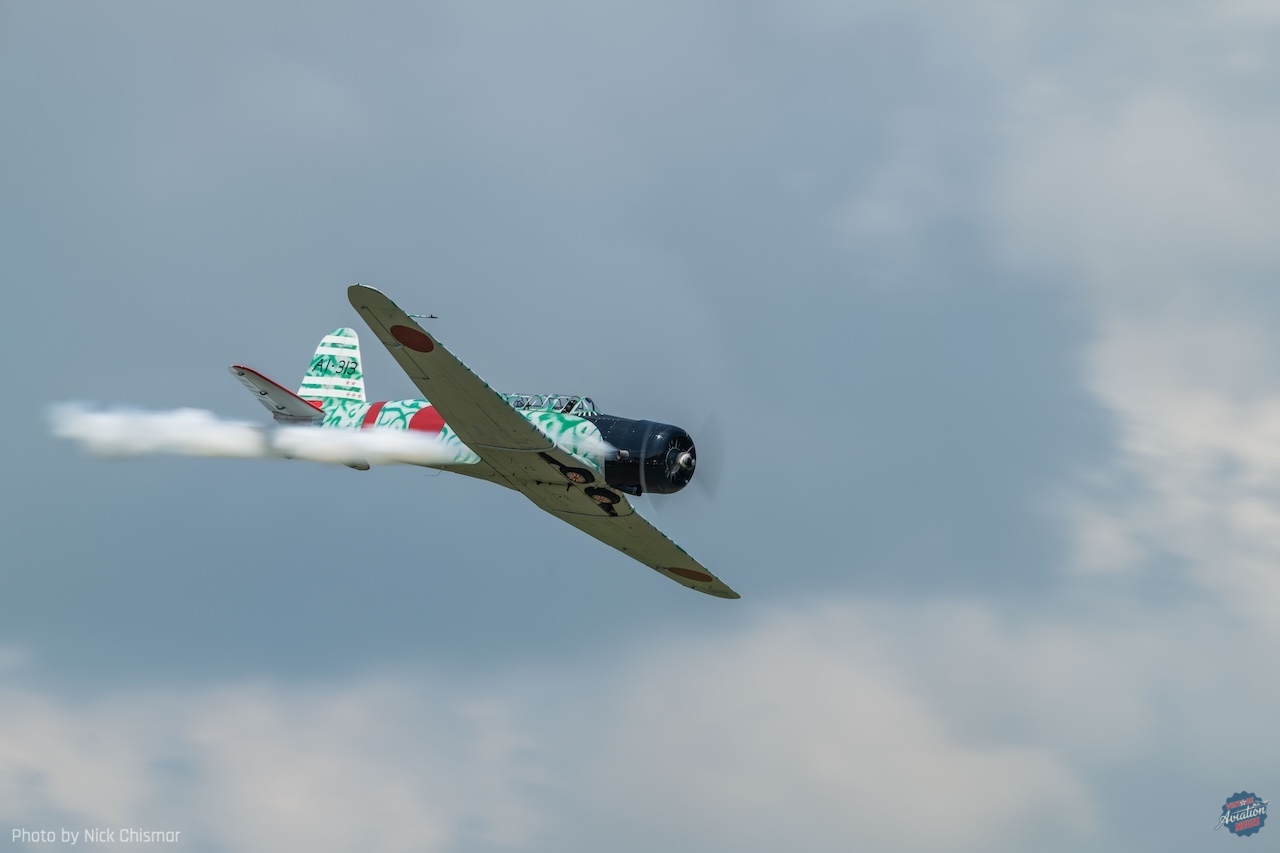
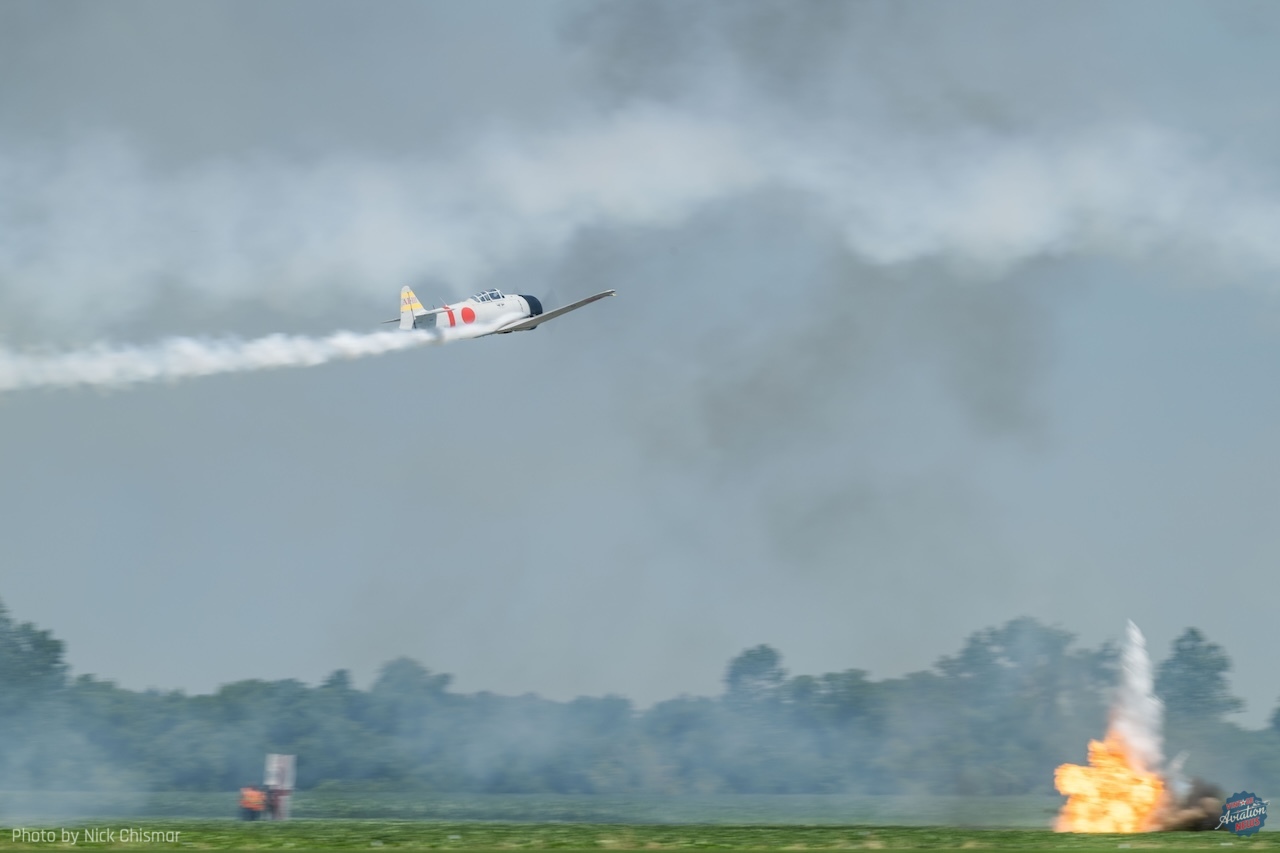
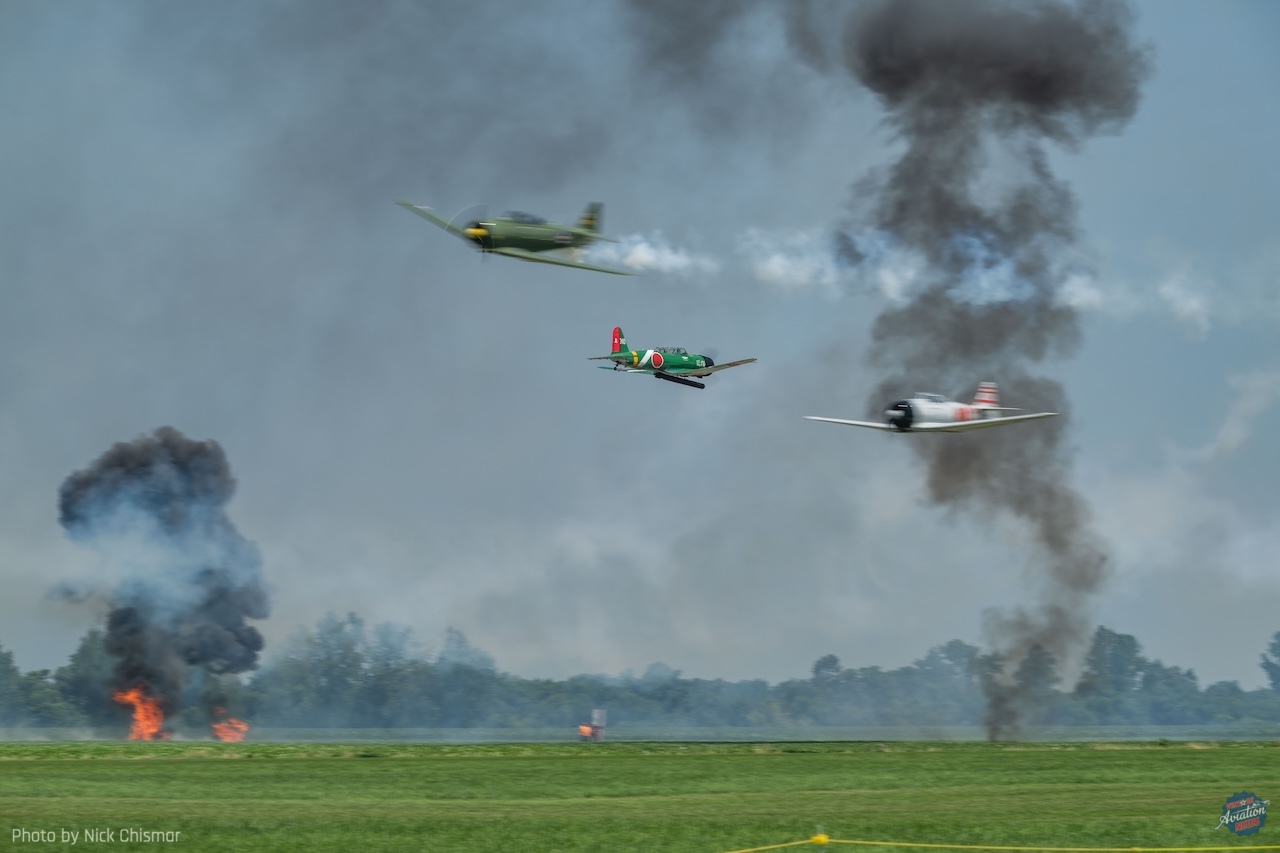
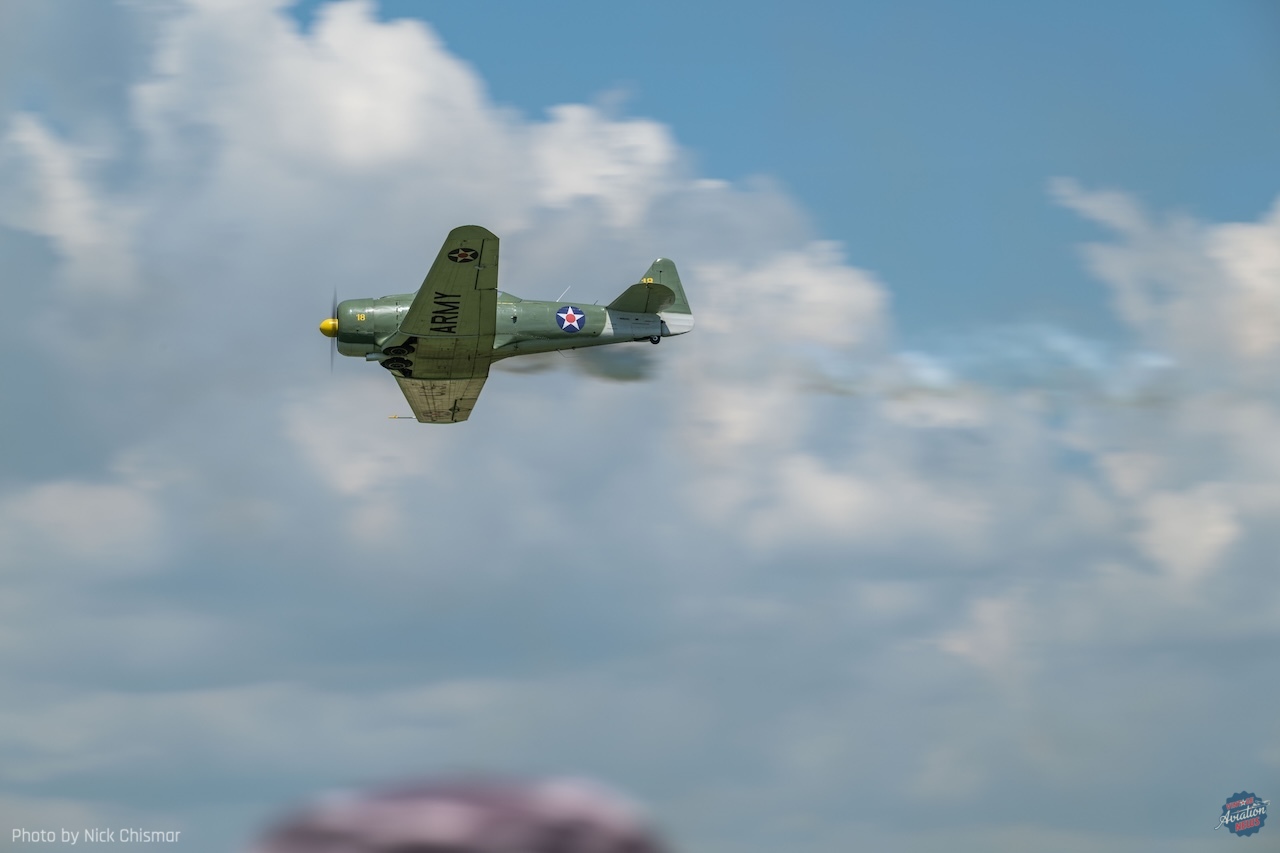
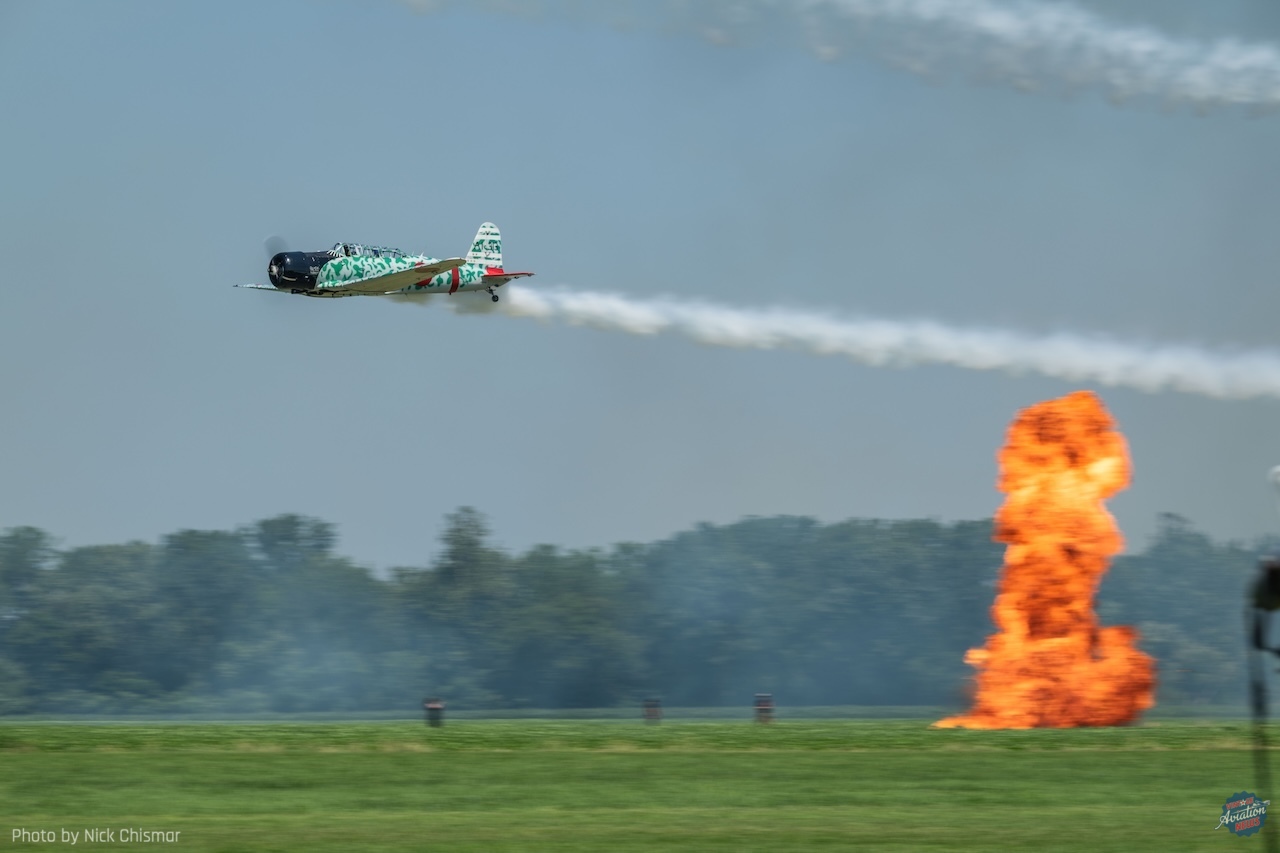
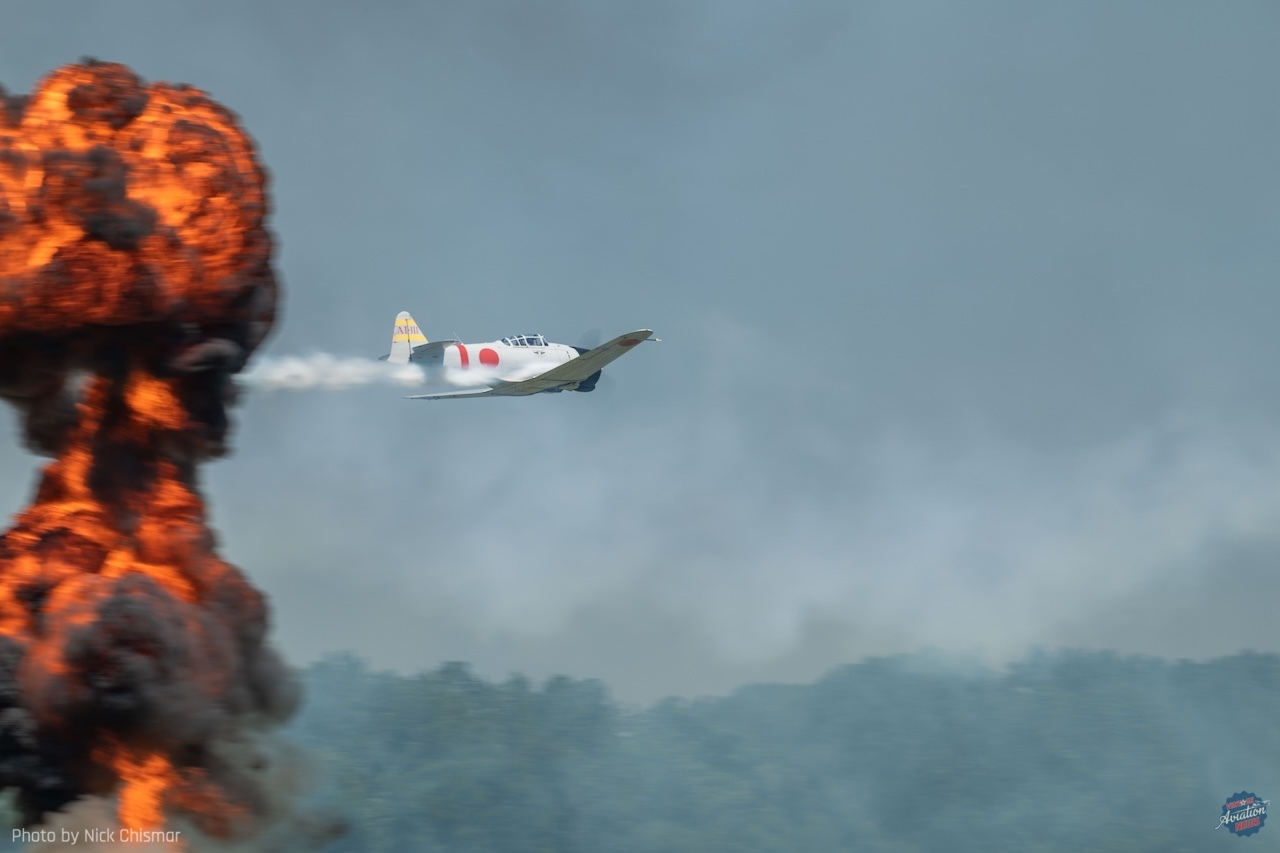
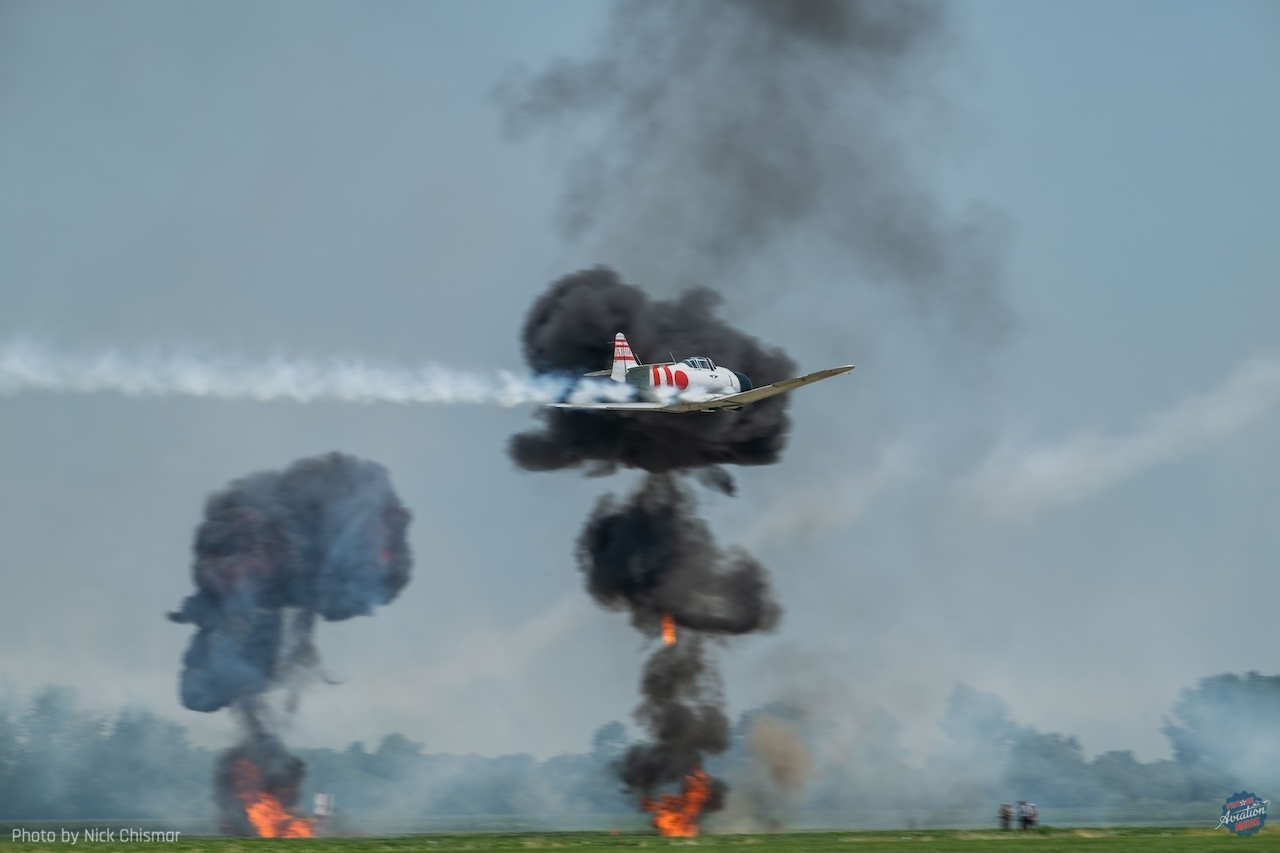
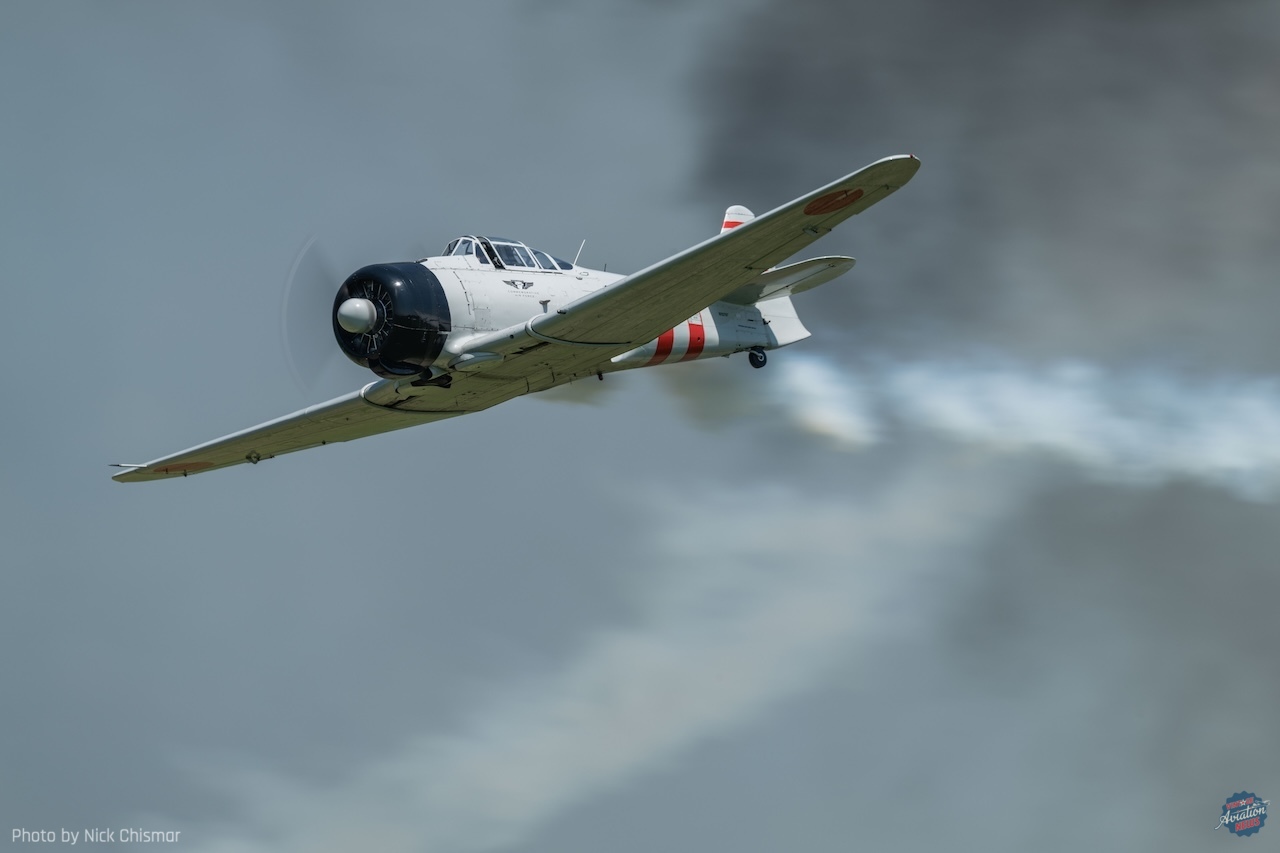
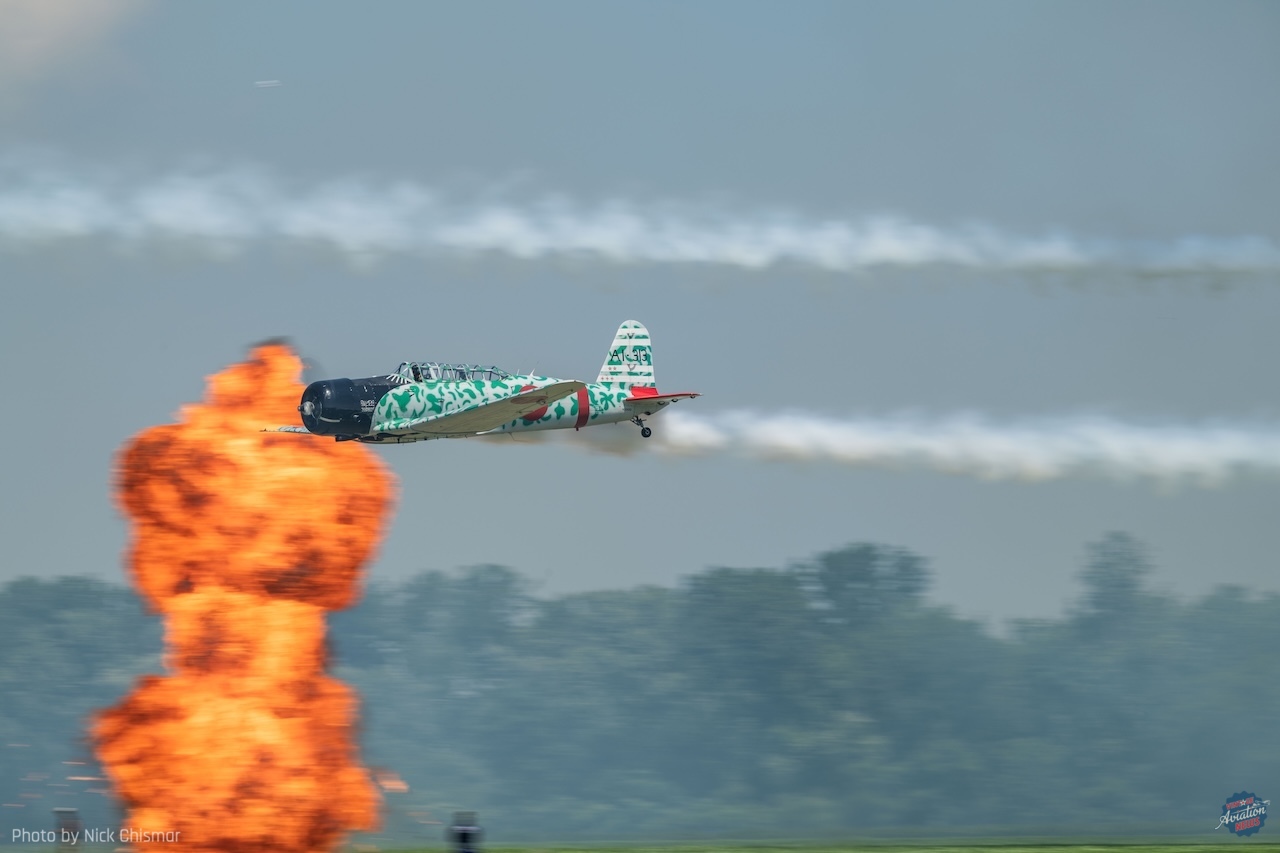
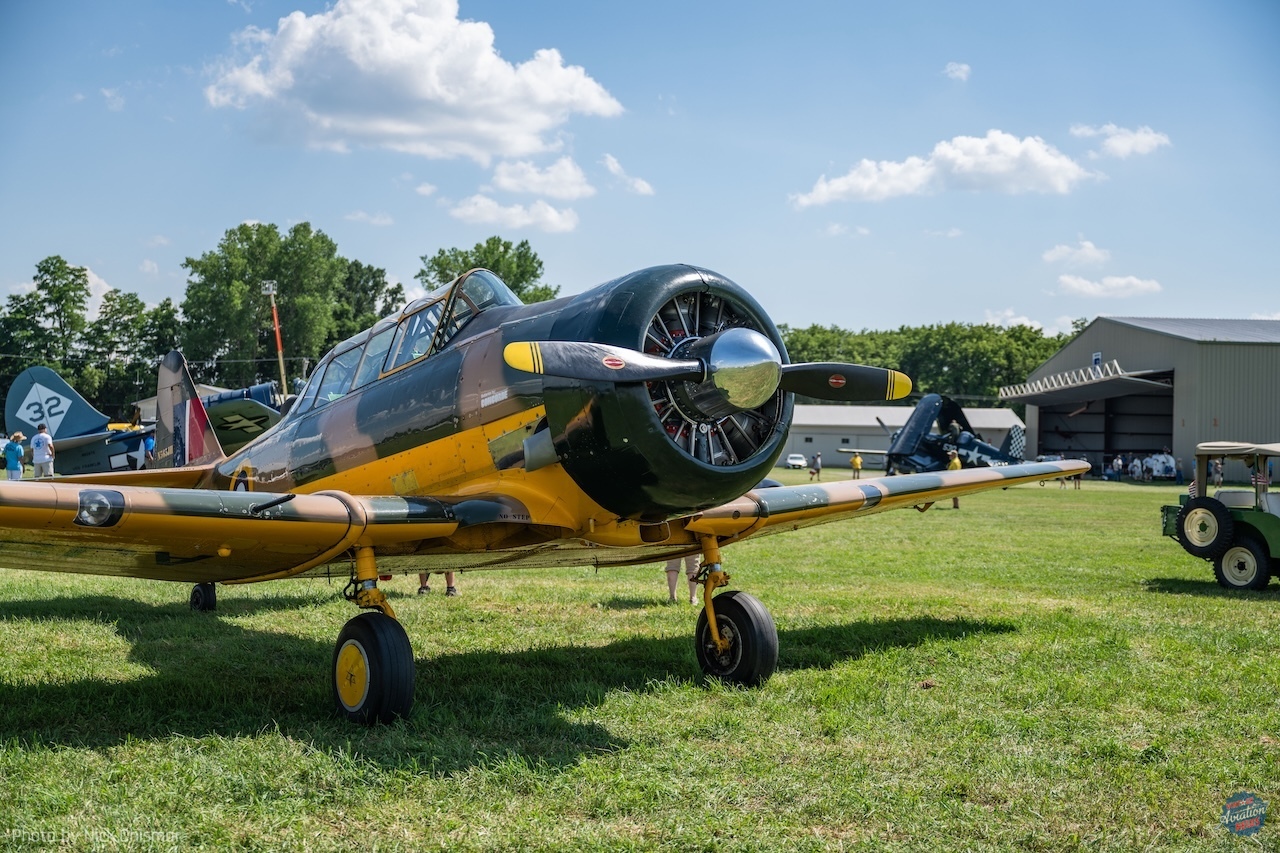
A variety of WWII-era trainers also flew throughout the day, including several T-6s, a BT-13, and a historically significant aircraft that was on the ground in Honolulu during the attack on Pearl Harbor. It was then that air raid sirens sounded, and aircraft began to approach from behind the crowd. Breaking formation in all directions, the CAF’s Tora! Tora! Tora! reenactment of the Pearl Harbor attack was underway. Featuring smoke, pyrotechnics, and carefully choreographed flight paths, the display captivated the audience. For many, it was the first time witnessing such a large number of aircraft in a single, coordinated reenactment. After each performer made a final photo pass, they regrouped for a final spectacle—the iconic “Wall of Fire.”

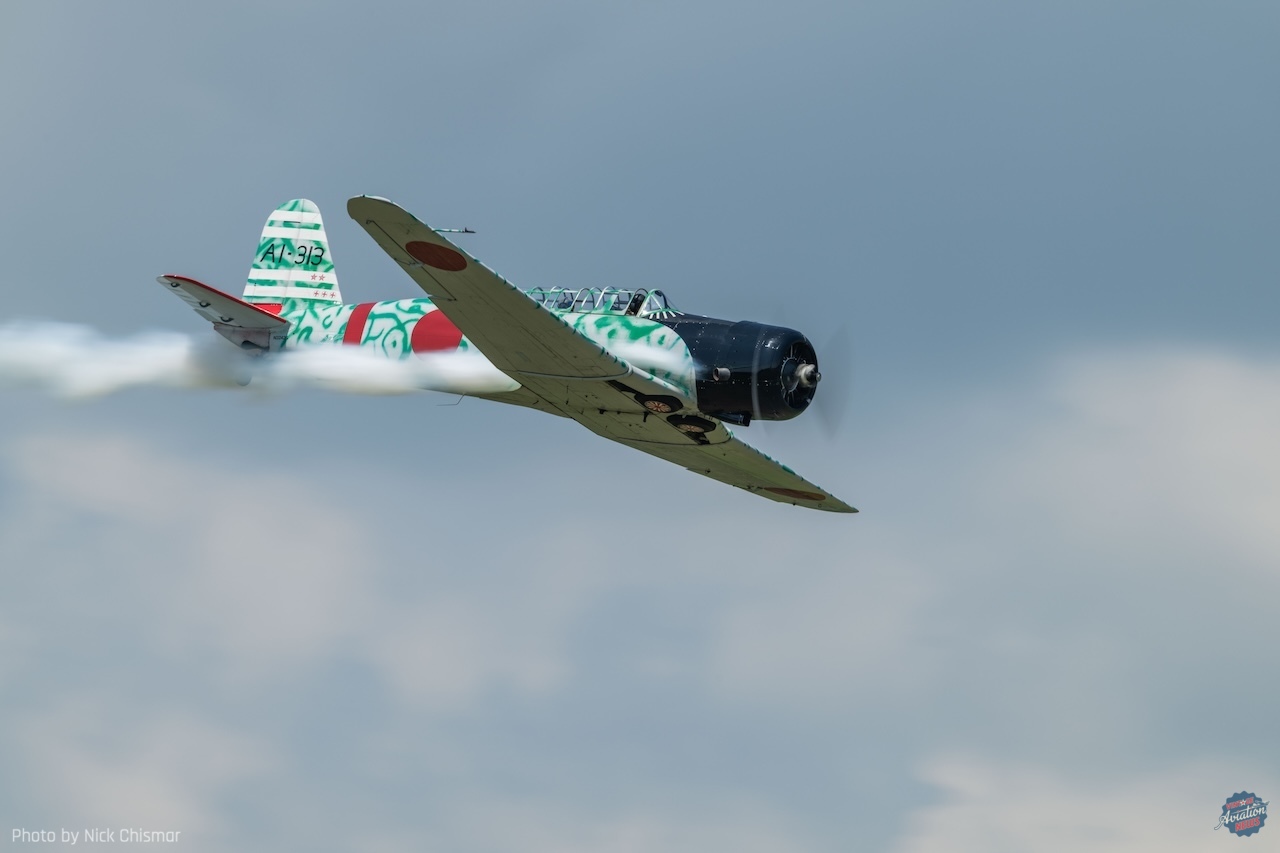
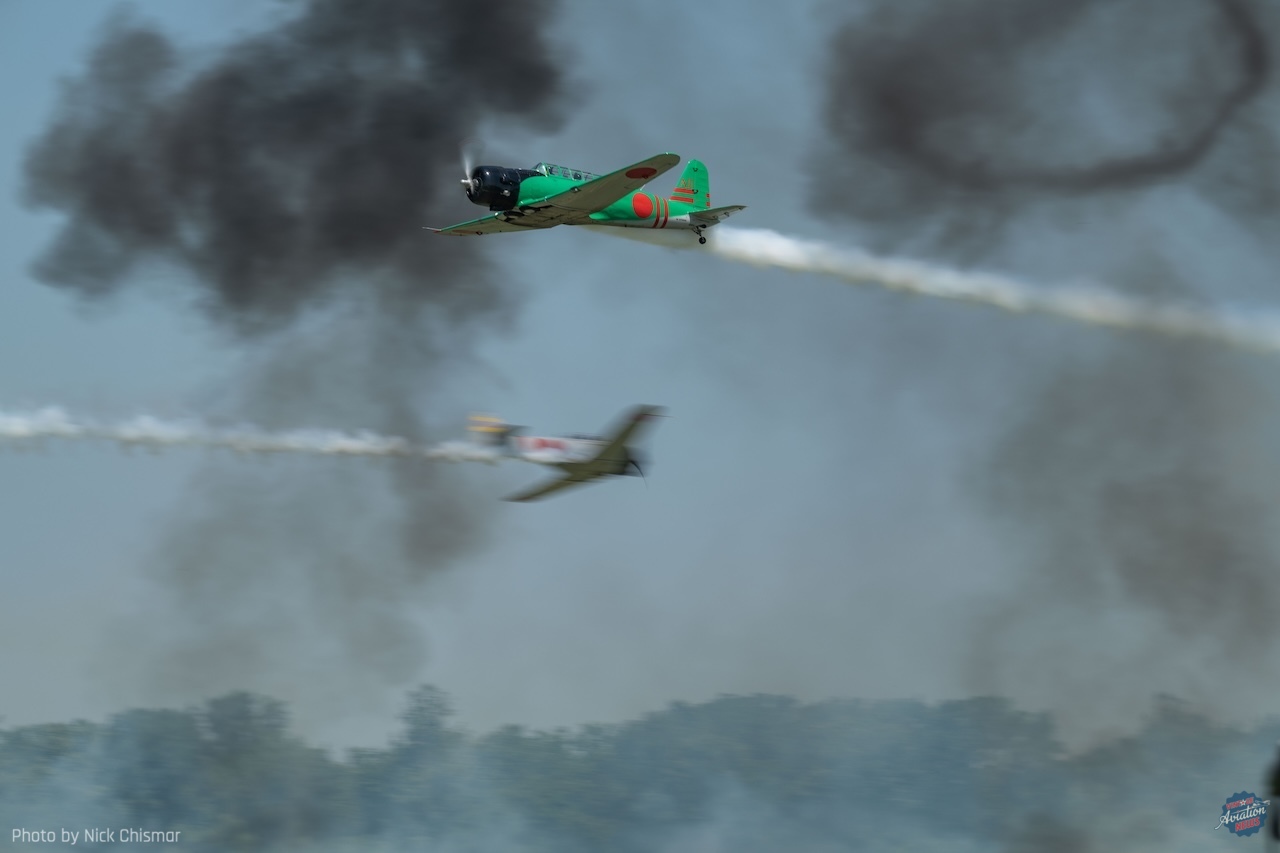
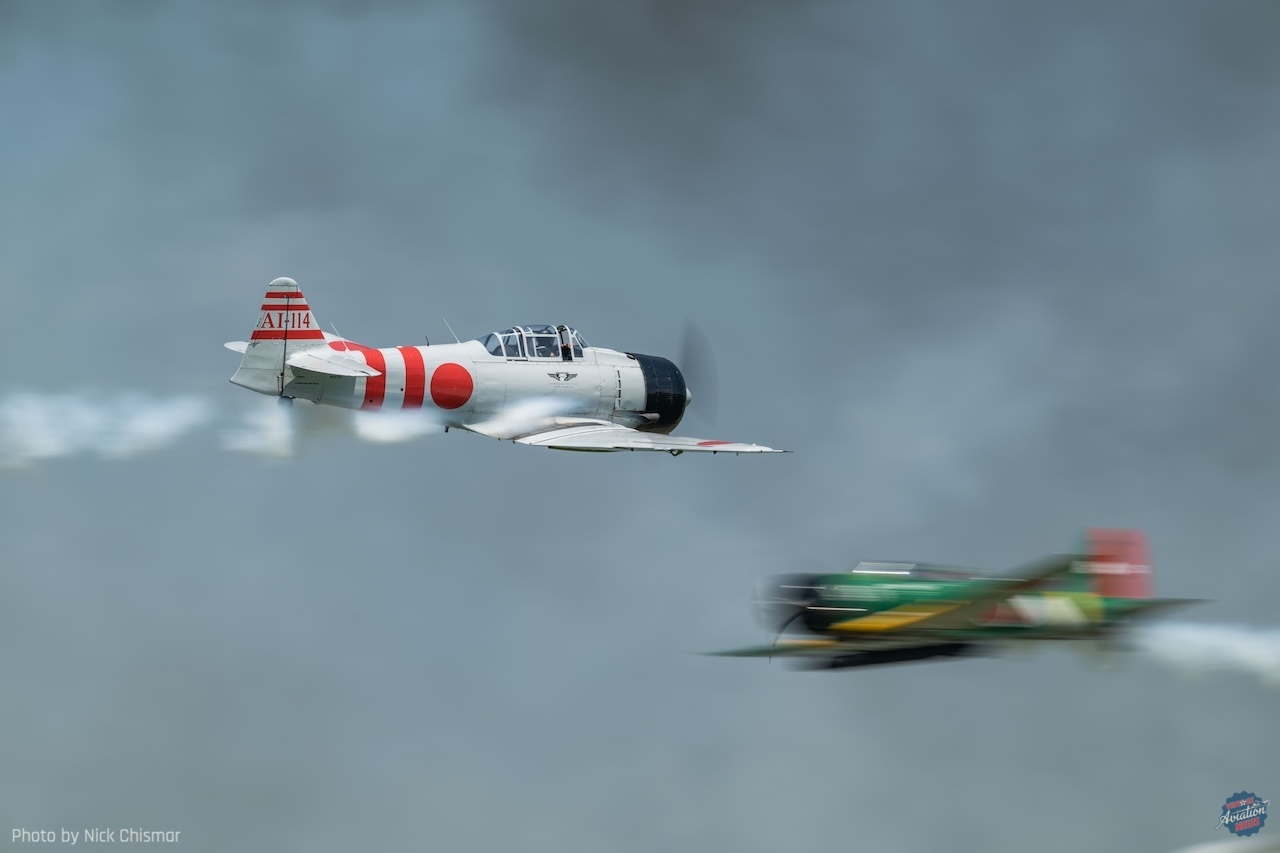
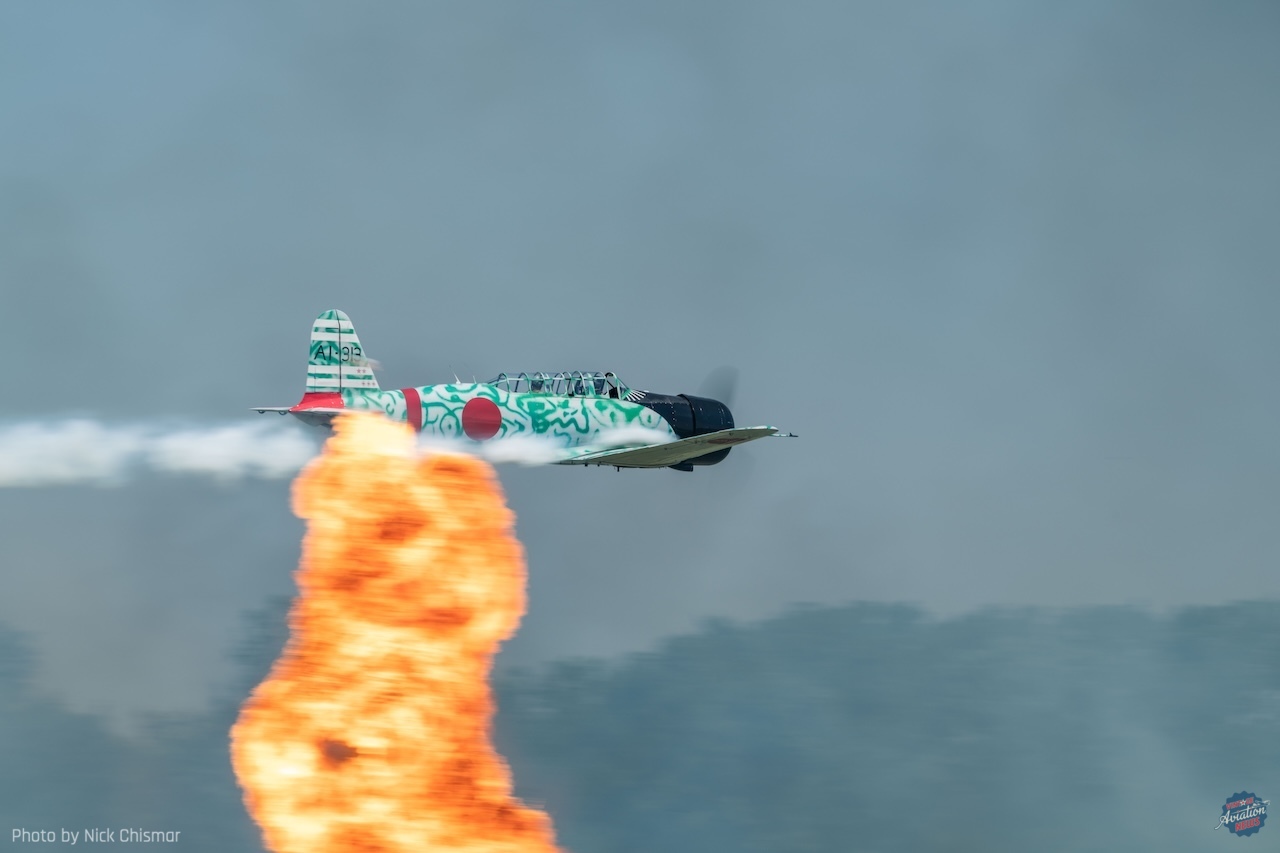
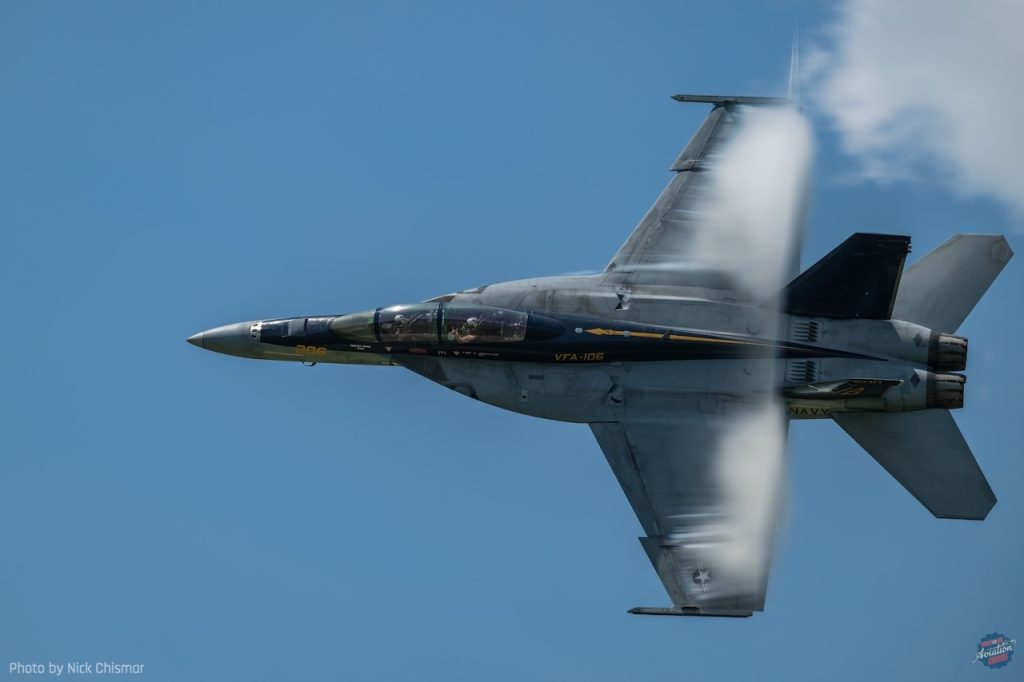
As the afternoon heat intensified, so did the pace of the flying. The U.S. Navy’s F/A-18 Rhino and the U.S. Air Force’s F-35A Demo Teams took to the skies, demonstrating the raw power and agility of America’s modern combat aircraft. Later, the F-35 joined Jim Beasley flying his P-51 Mustang for the USAF Heritage Flight, symbolizing the link between past and present.
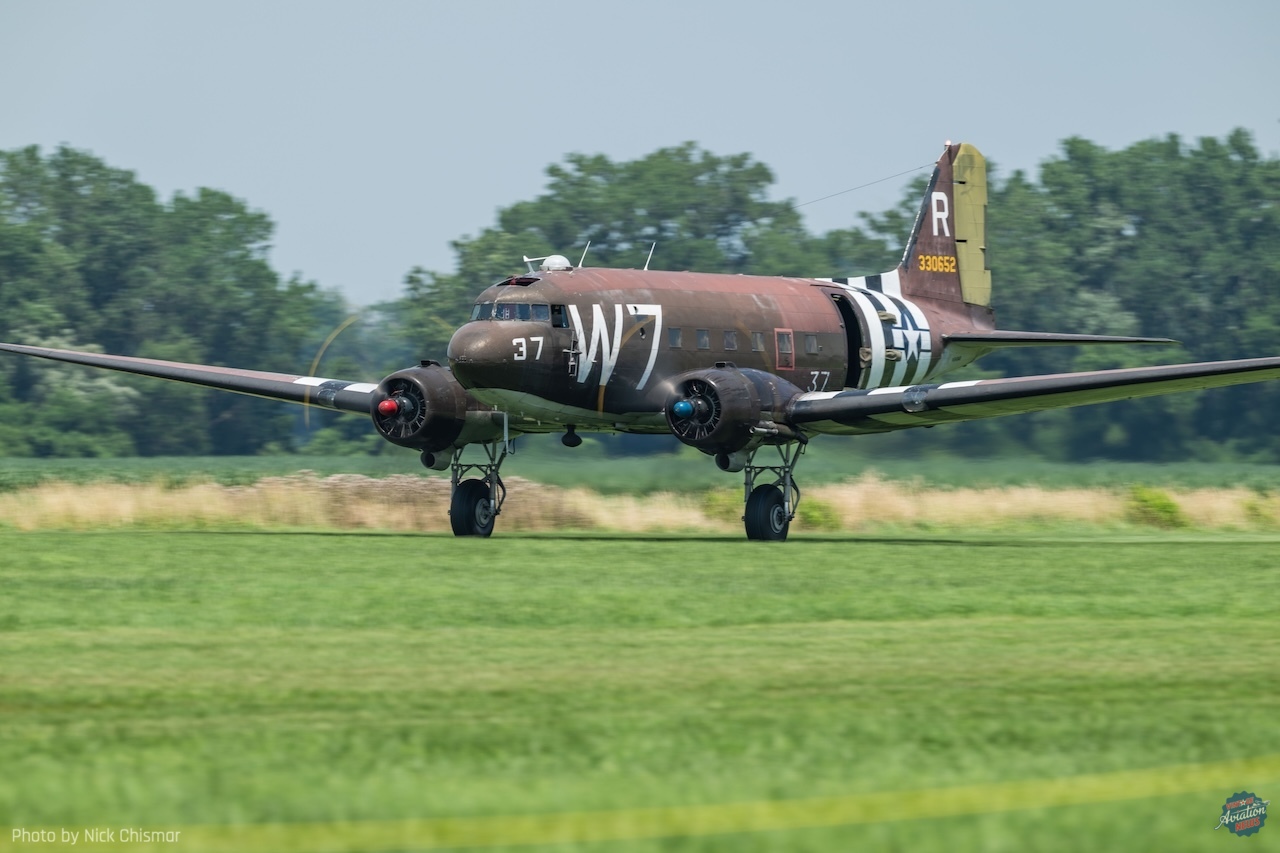
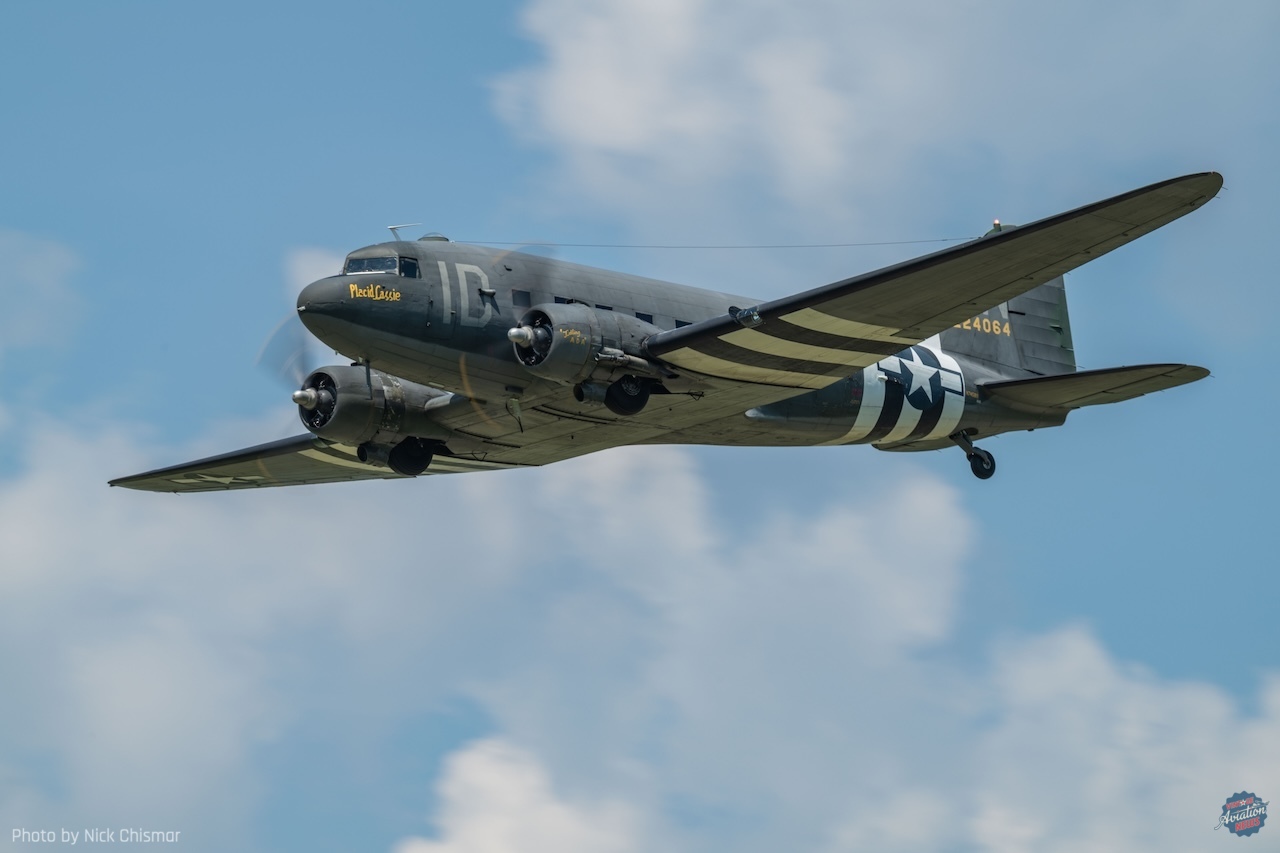
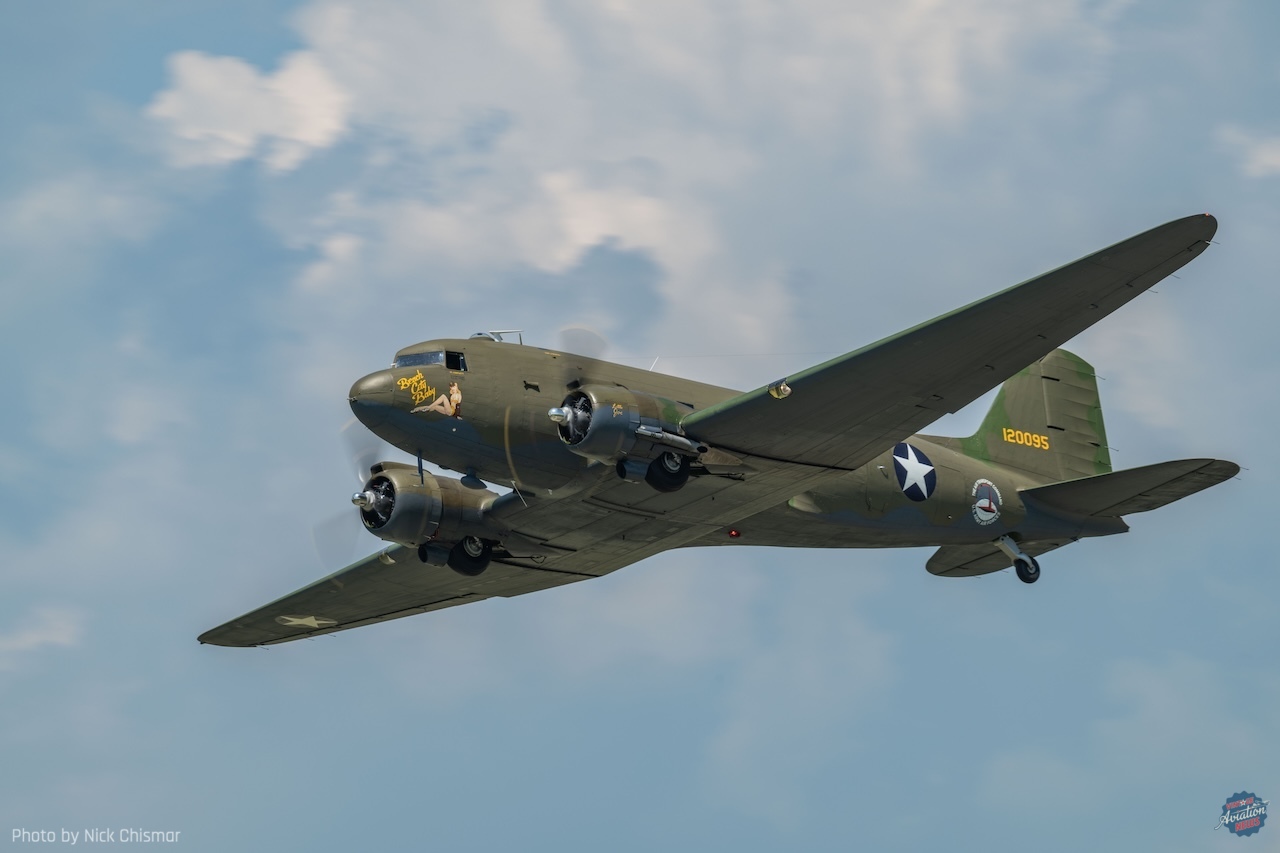
The “heavies” were next to fly, with three C-47 Skytrains—“W7,” “Placid Lassie,” and the C-53 “Beach City Baby”—launching for their own displays. Following one of the jet demos, the trio returned with sweeping passes over the crowd before “W7” conducted a cargo drop, reminiscent of operations over “The Hump” in the China-Burma-India Theater.

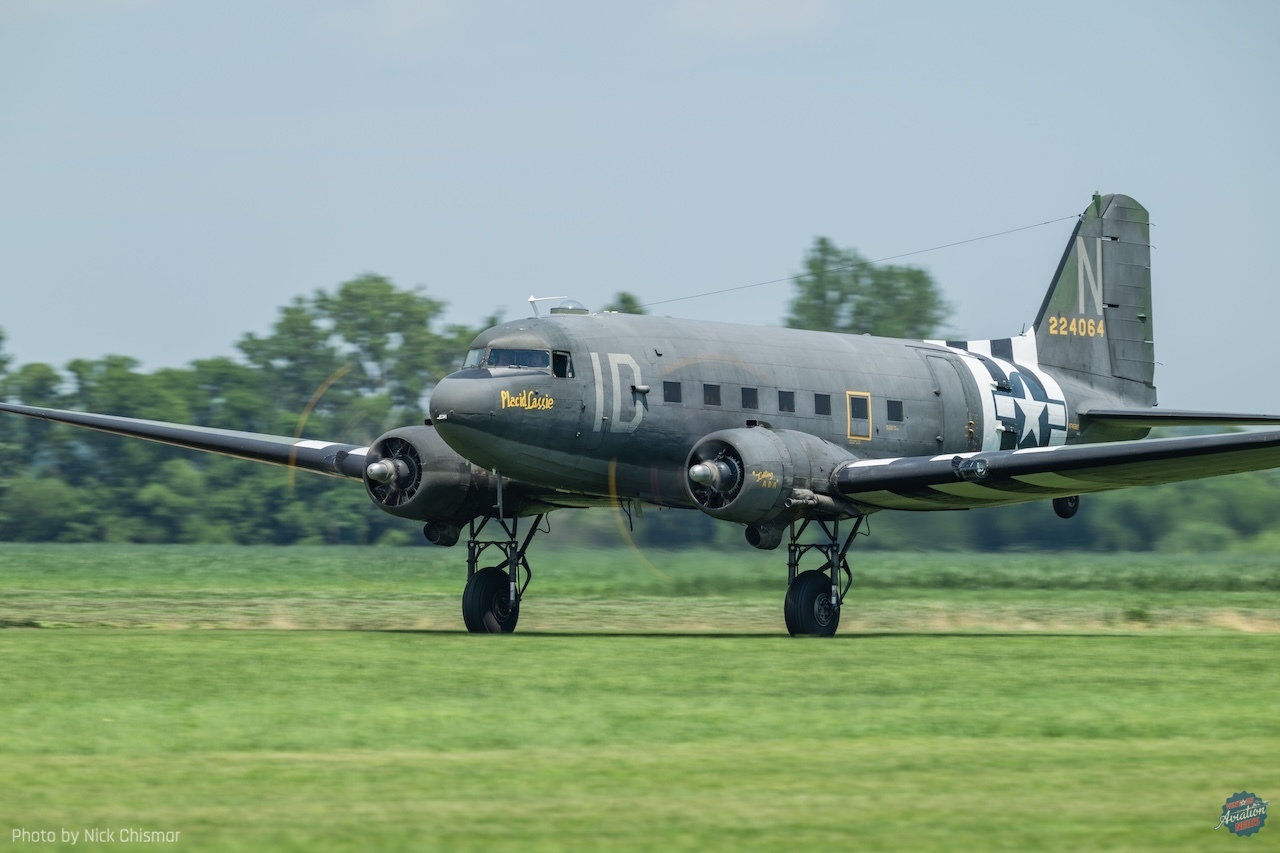
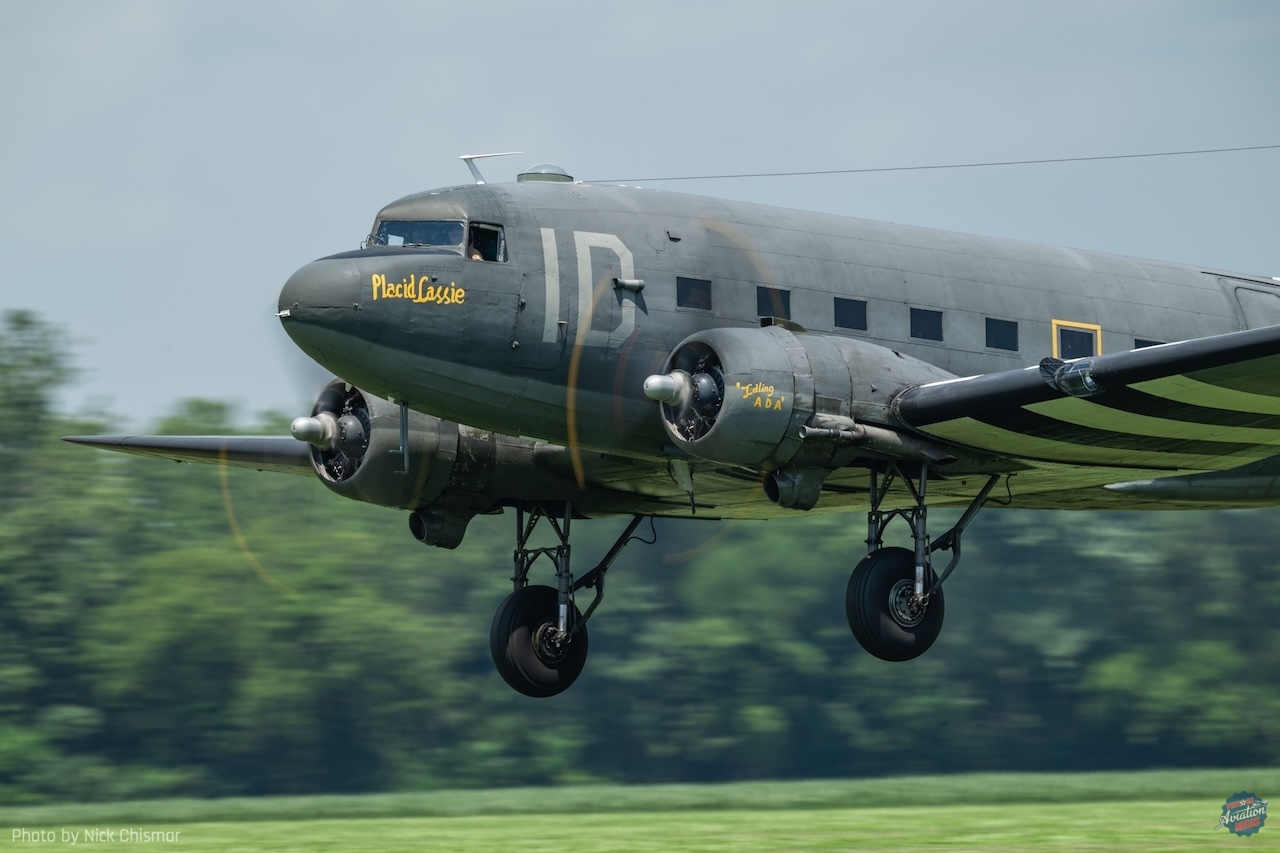
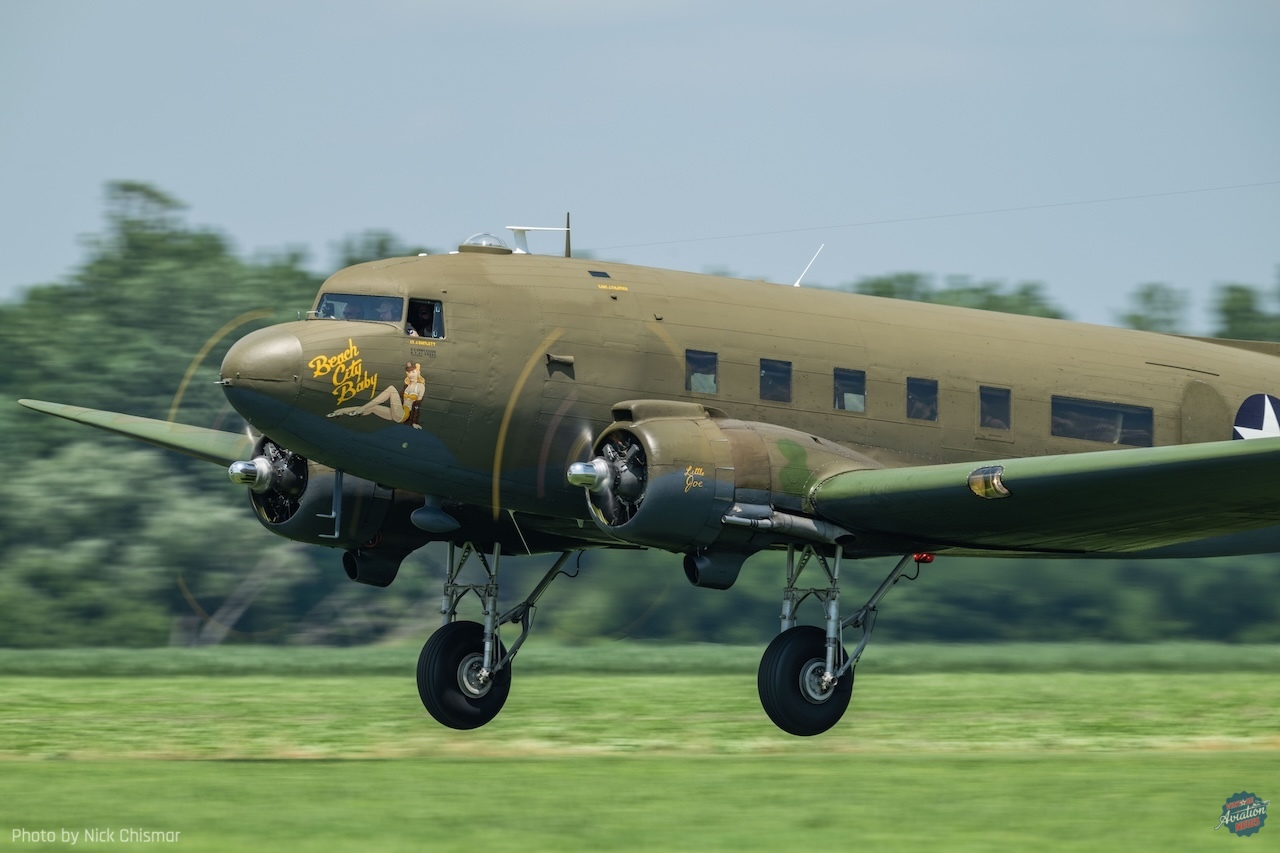
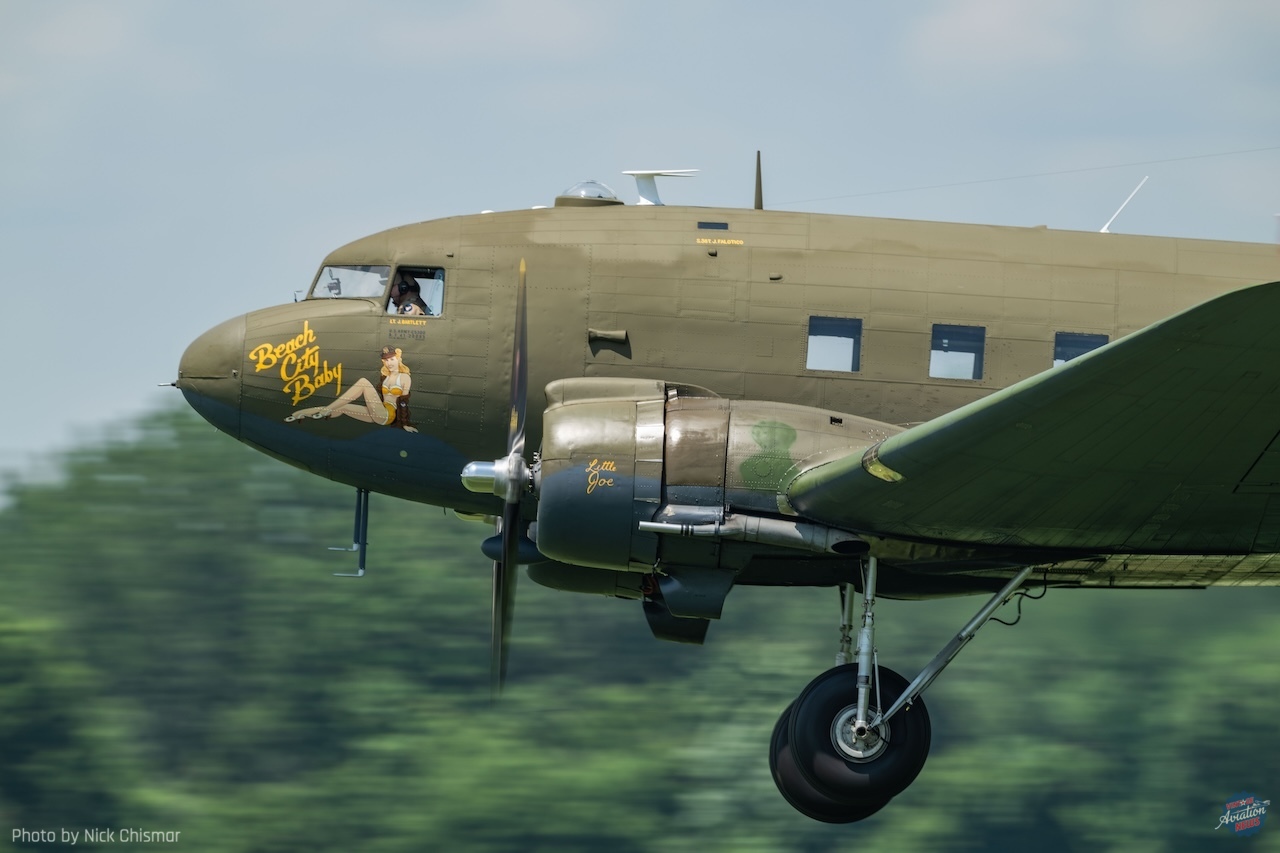
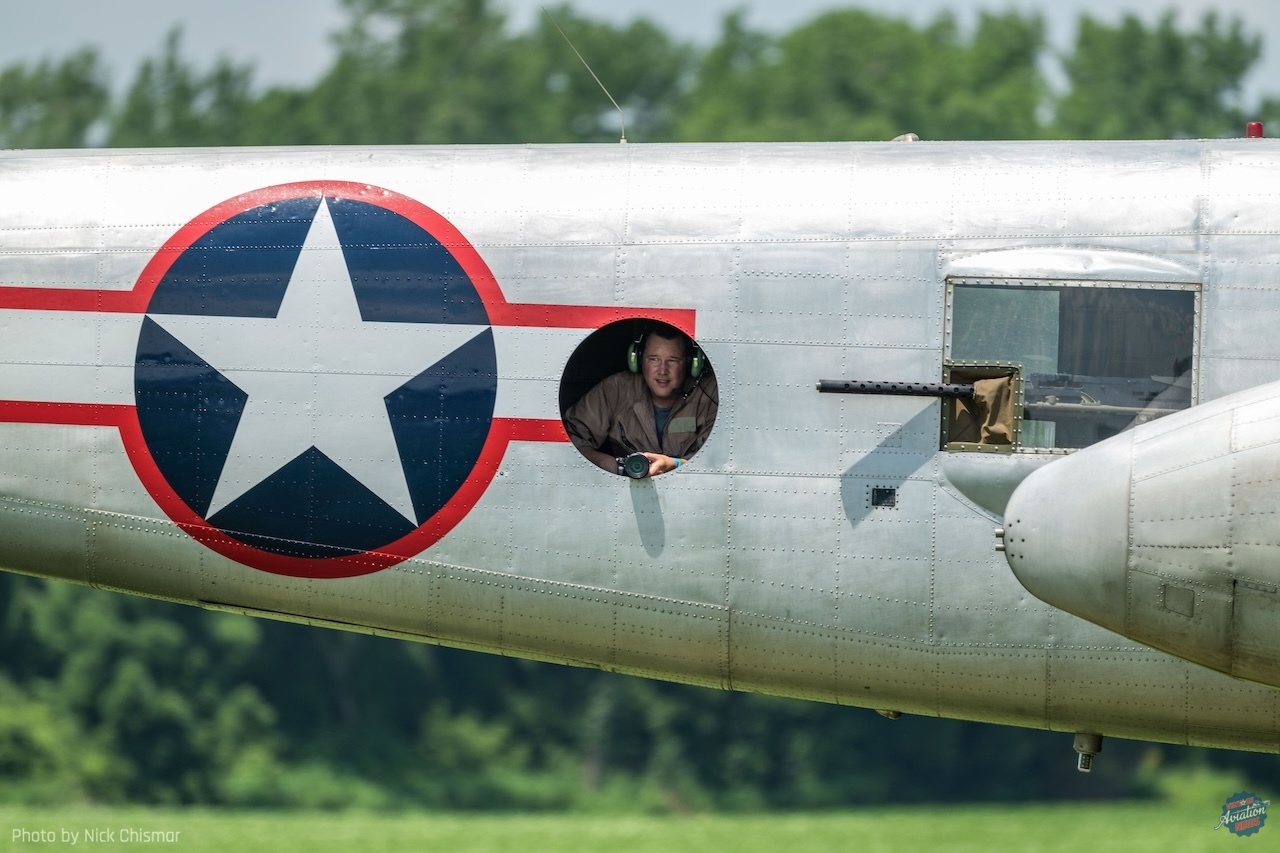
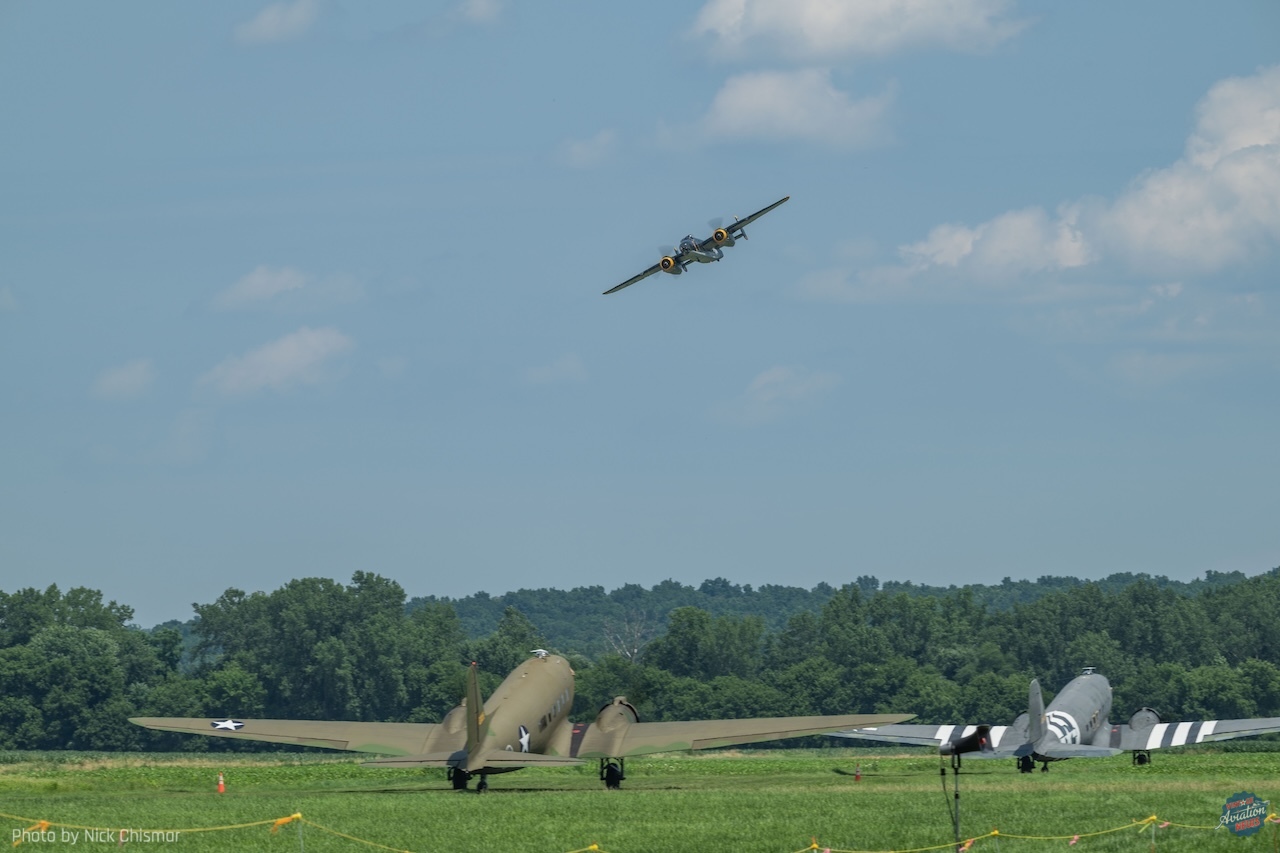
Two B-25 Mitchells, “Champagne Gal” and “Panchito,” also took to the air, demonstrating the medium bomber’s rugged performance and “hotrod-like” handling through a series of dynamic passes.
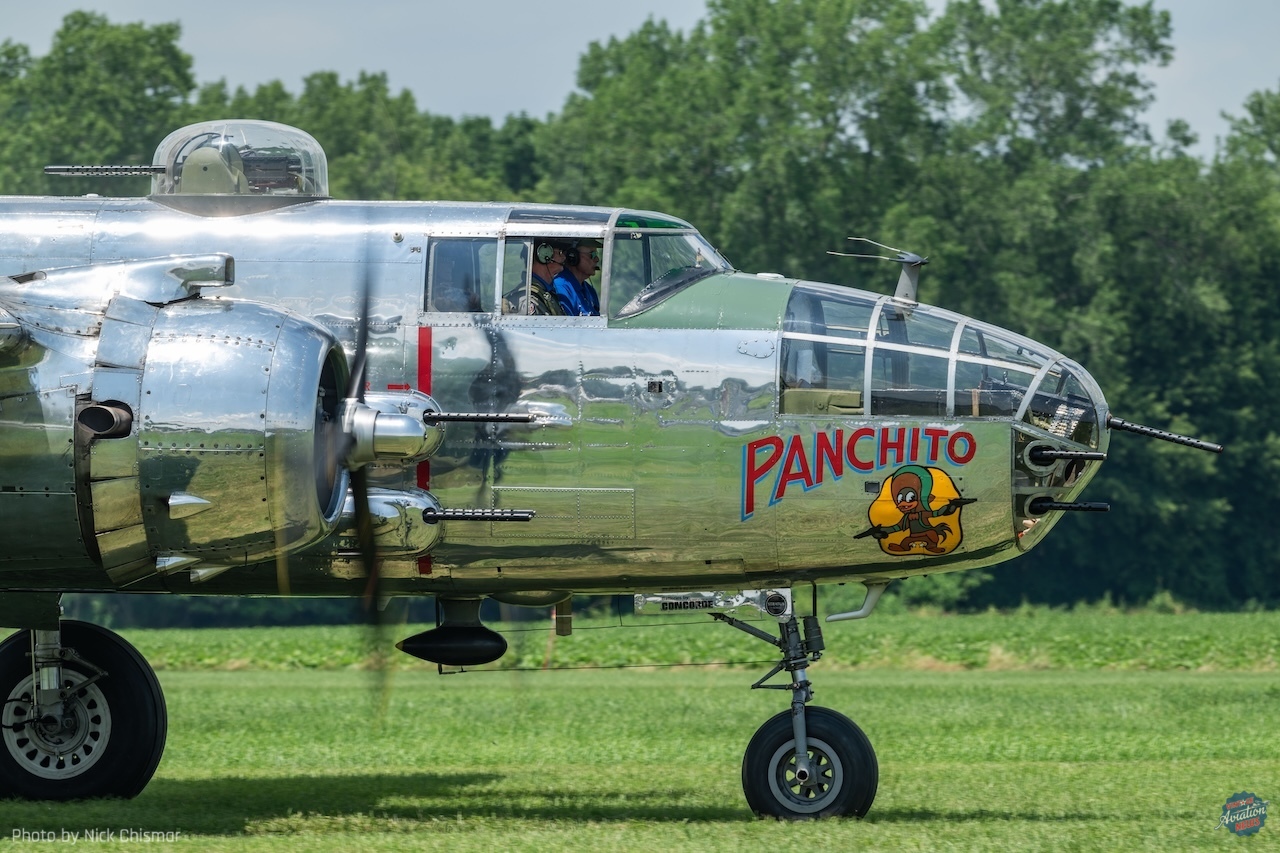
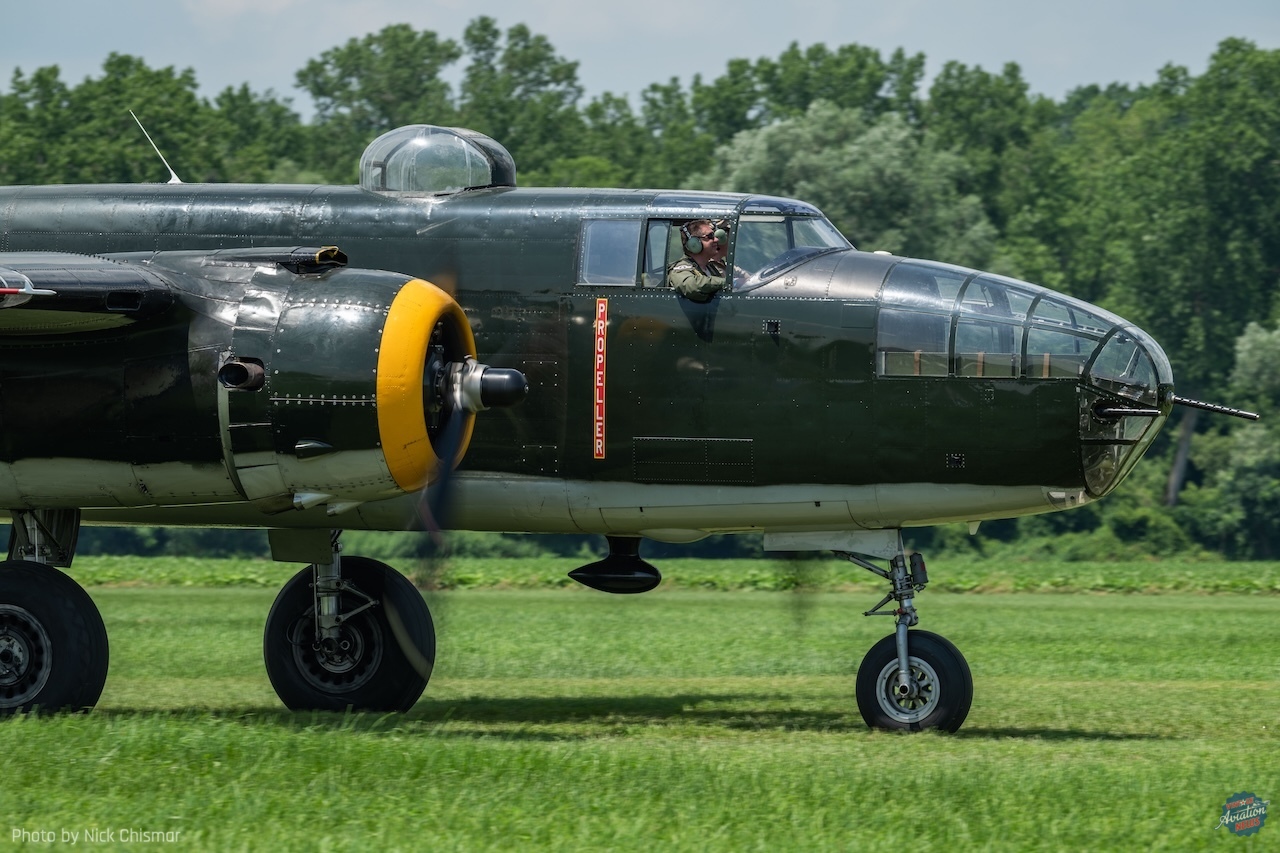
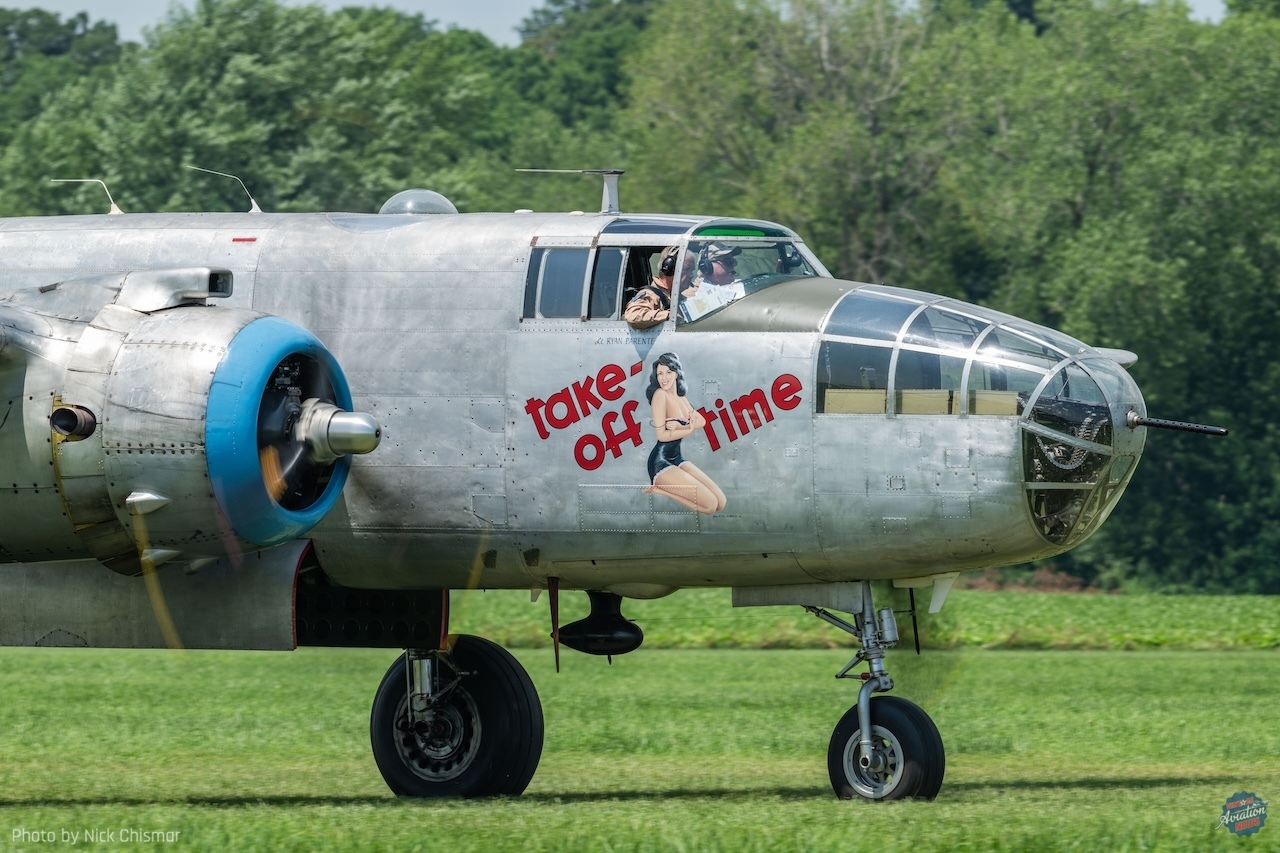
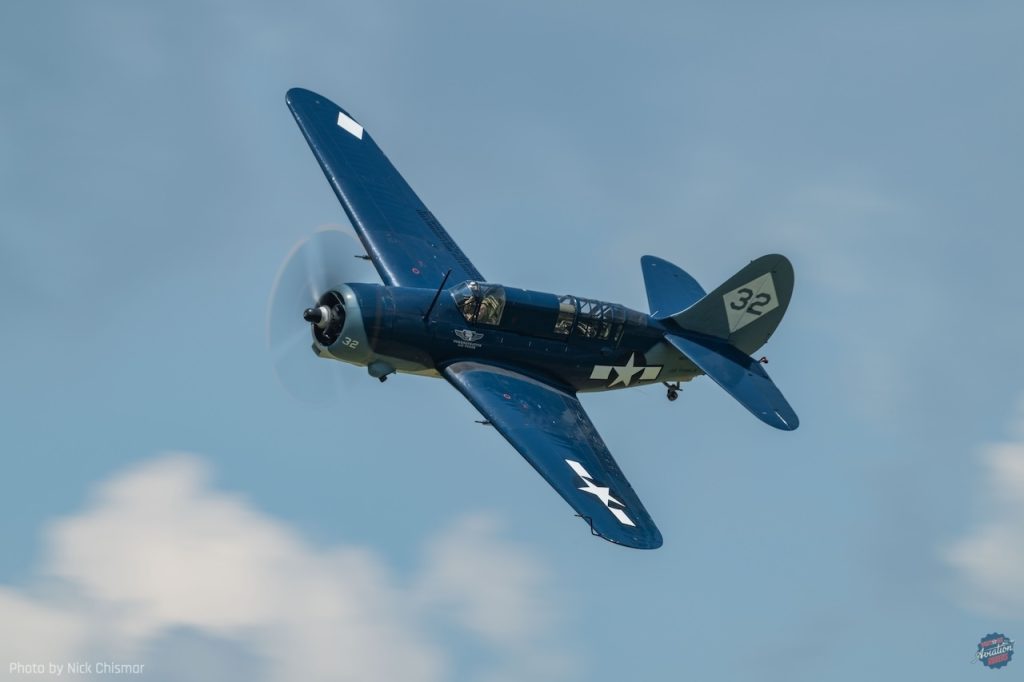
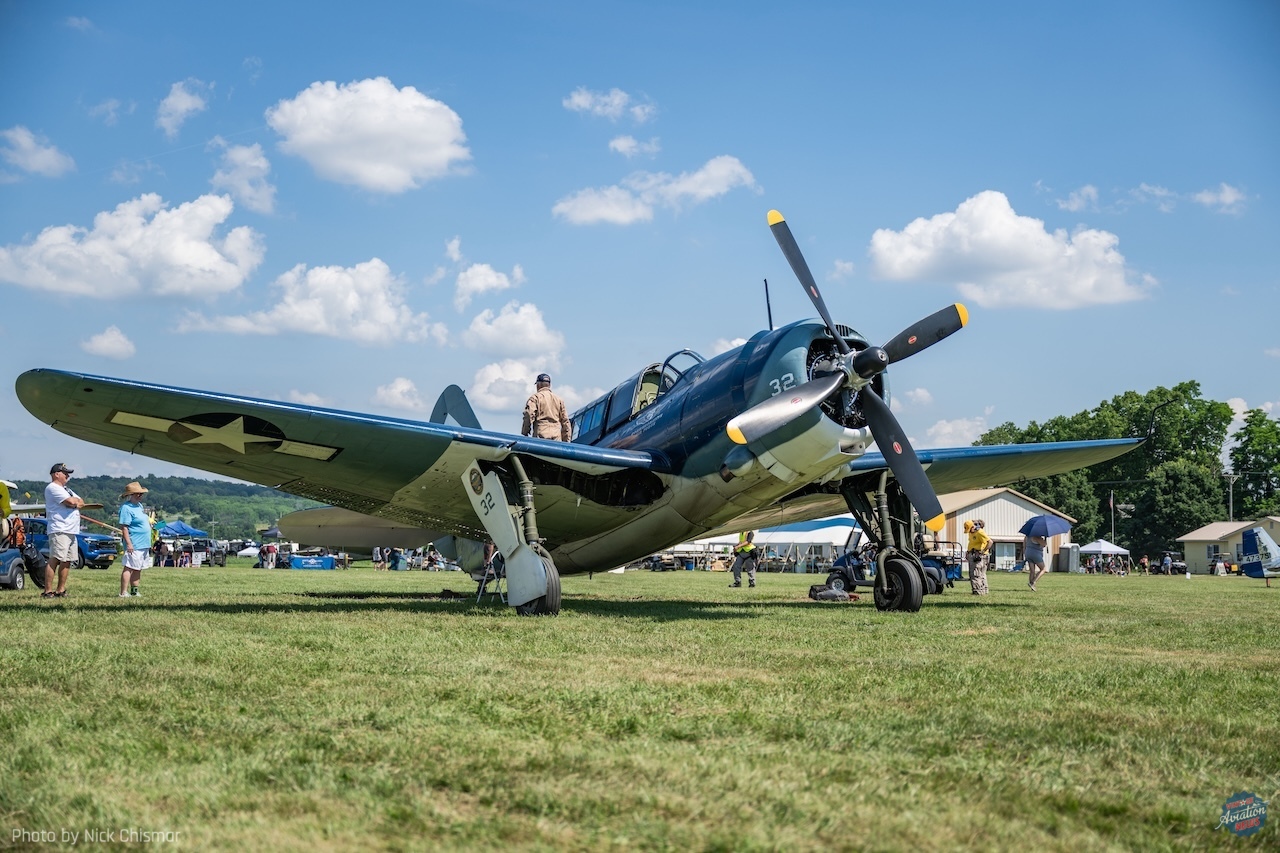
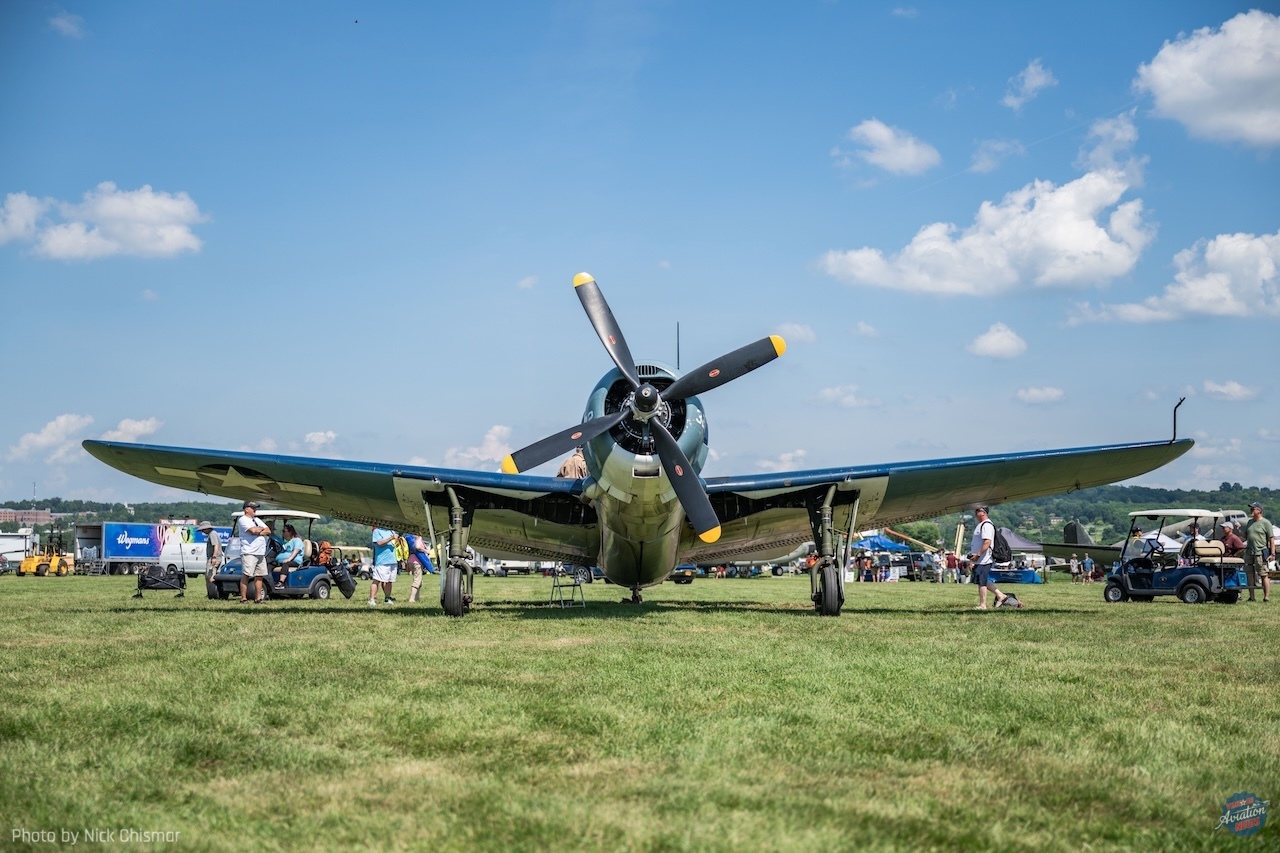
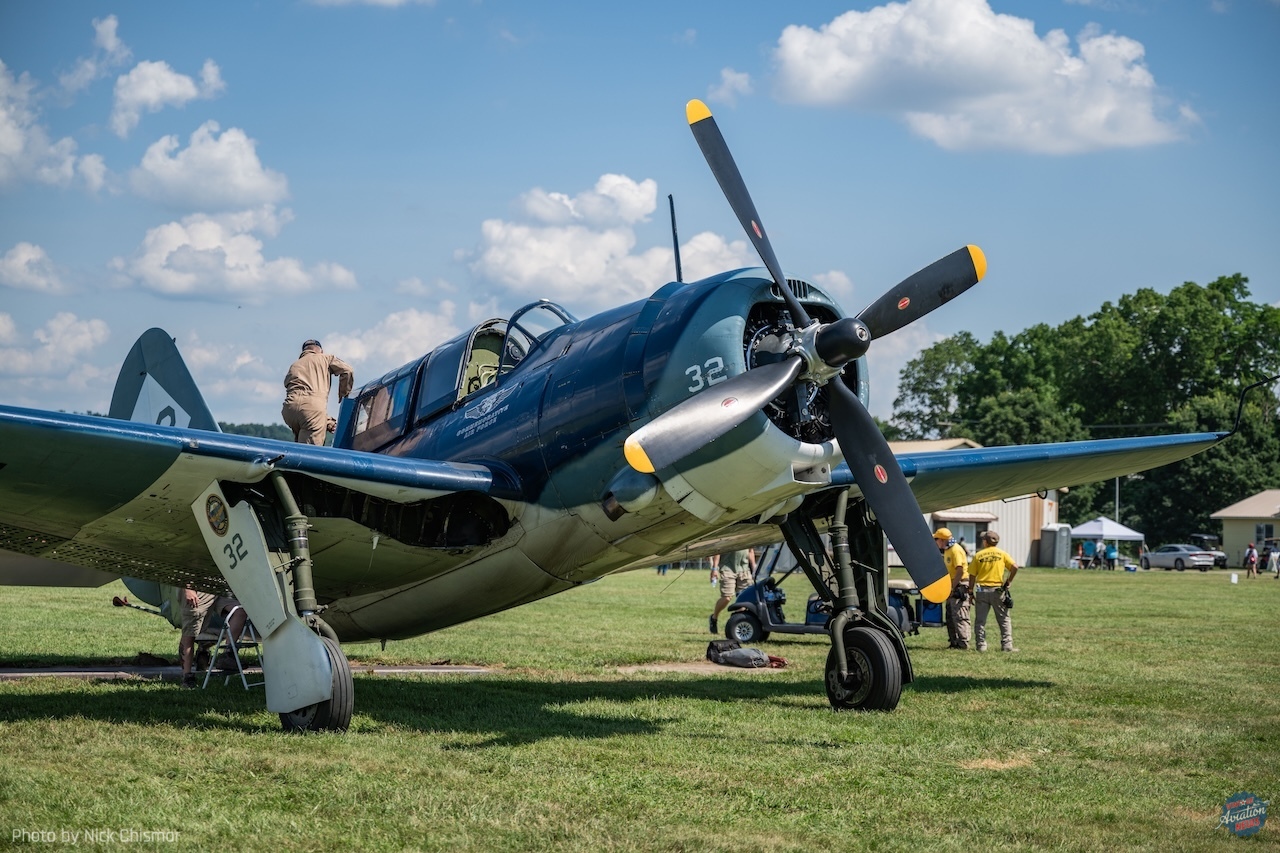
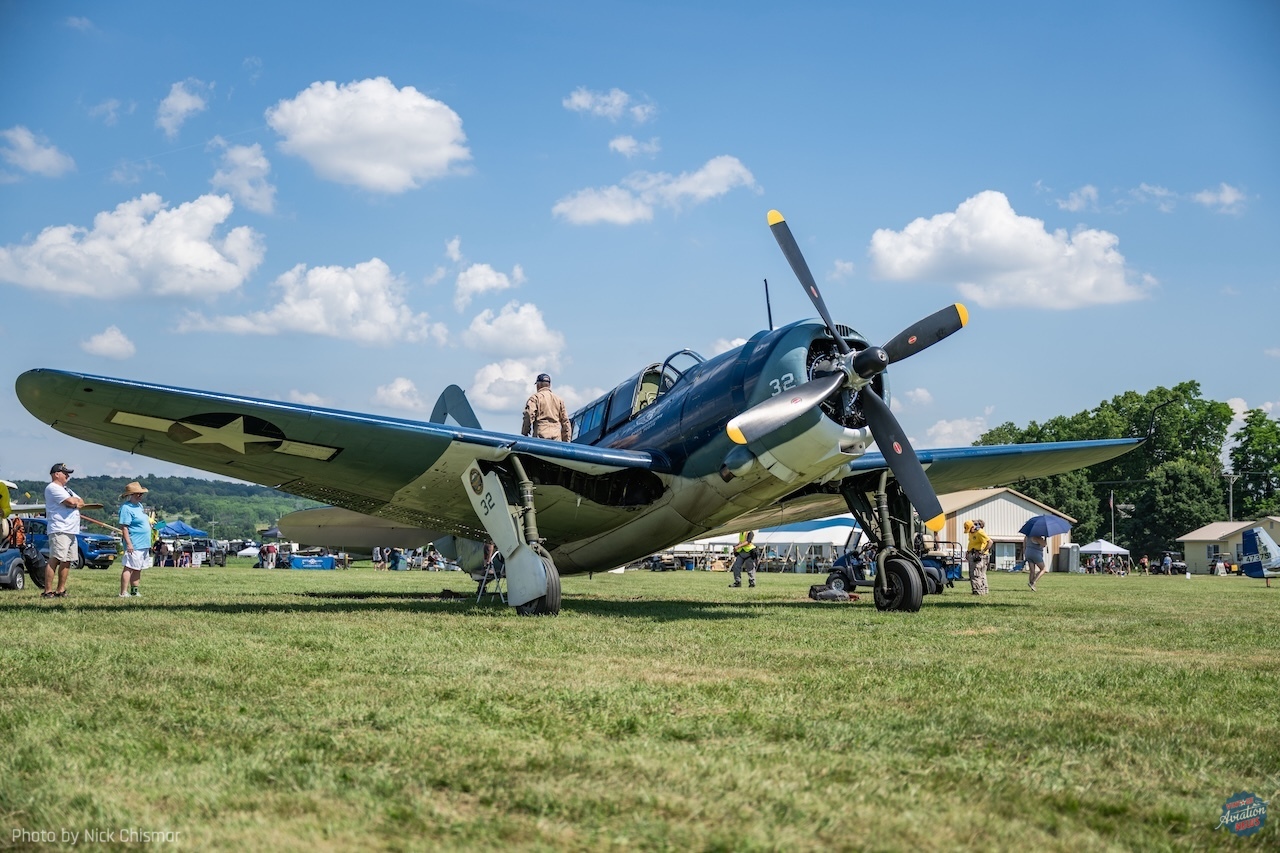
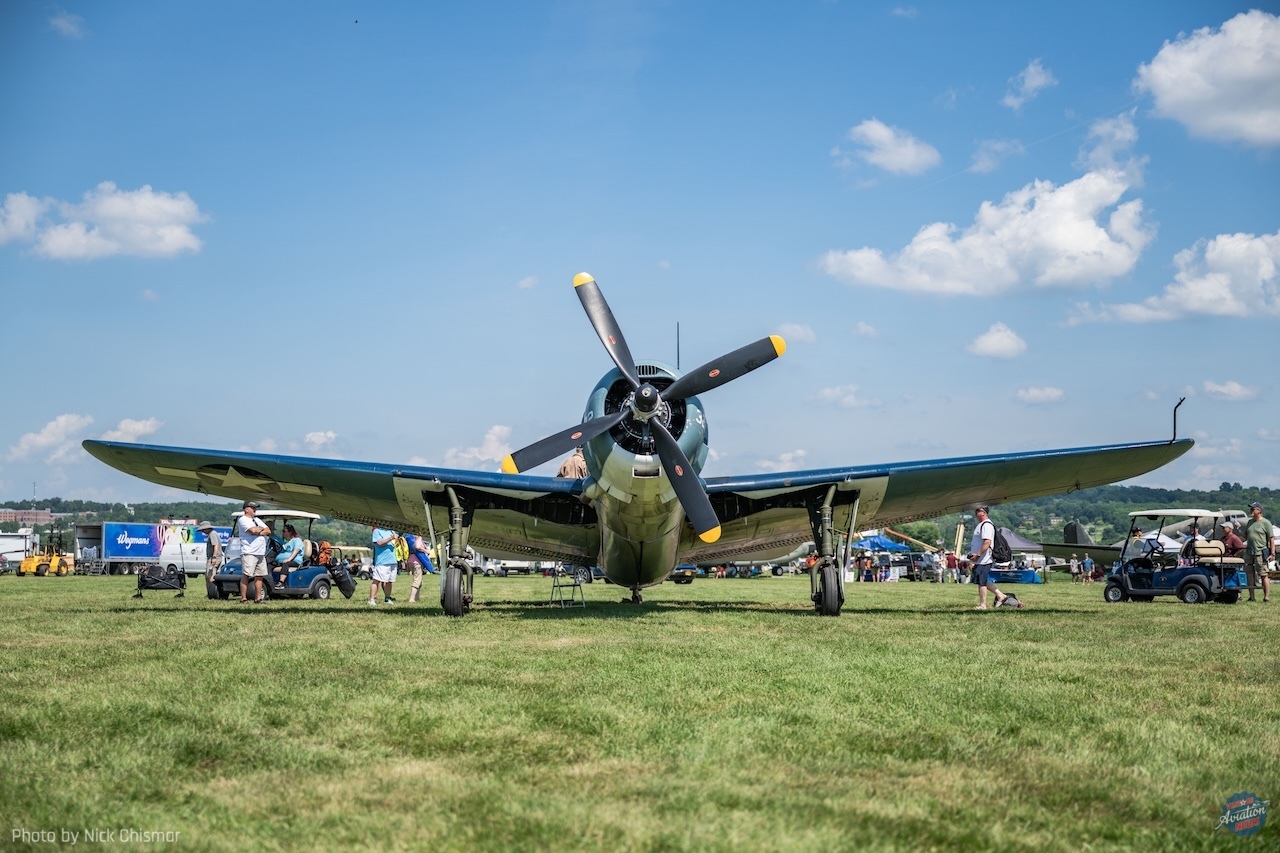
Another rare treat was the Commemorative Air Force’s SB2C Helldiver, which returned to the airshow circuit earlier this year. Its distinctive rumble and thudding engine note signaled its takeoff, followed by a somewhat lumbering climb. Once airborne, the Helldiver made several dramatic sweeping passes and sharp climbs away from the crowd. As one of only three flyable examples in the world, its presence was a true highlight for many in attendance.
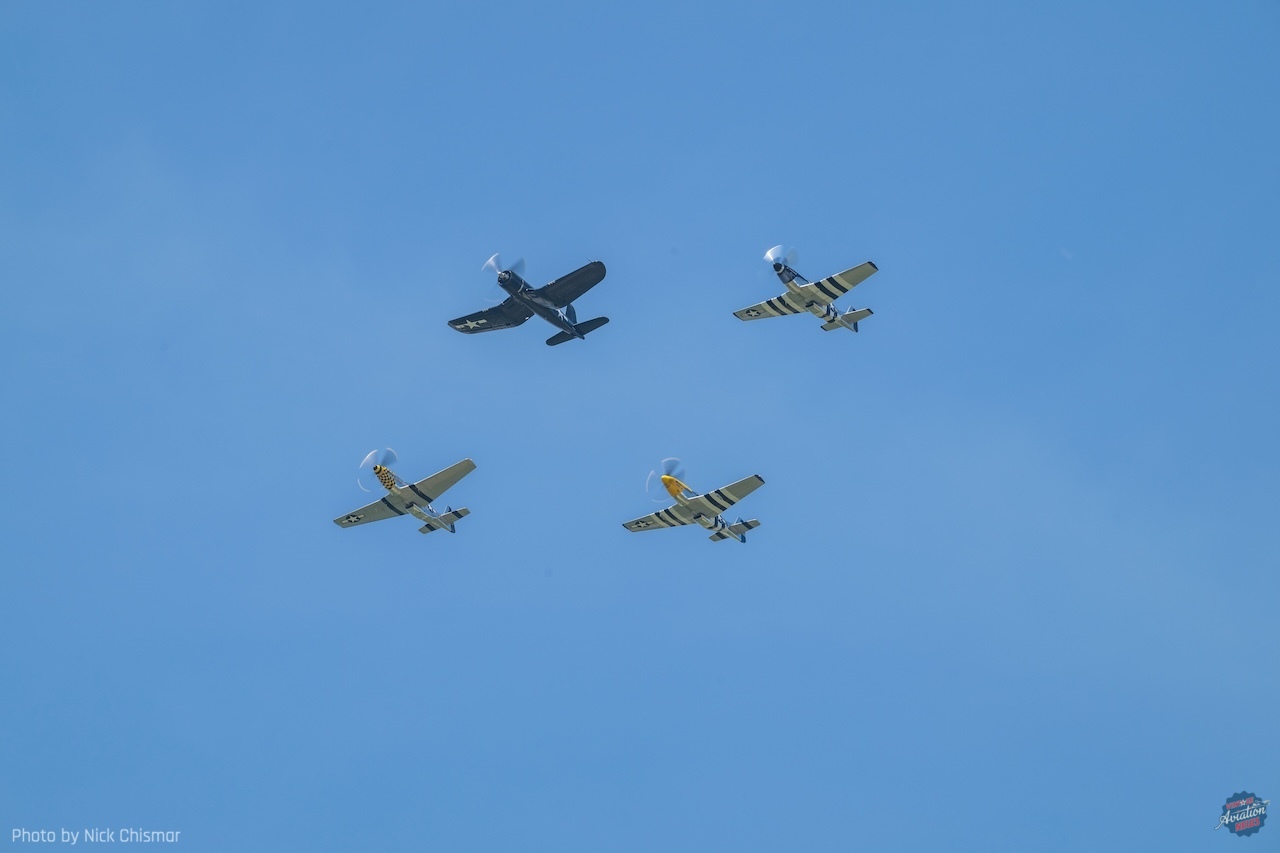
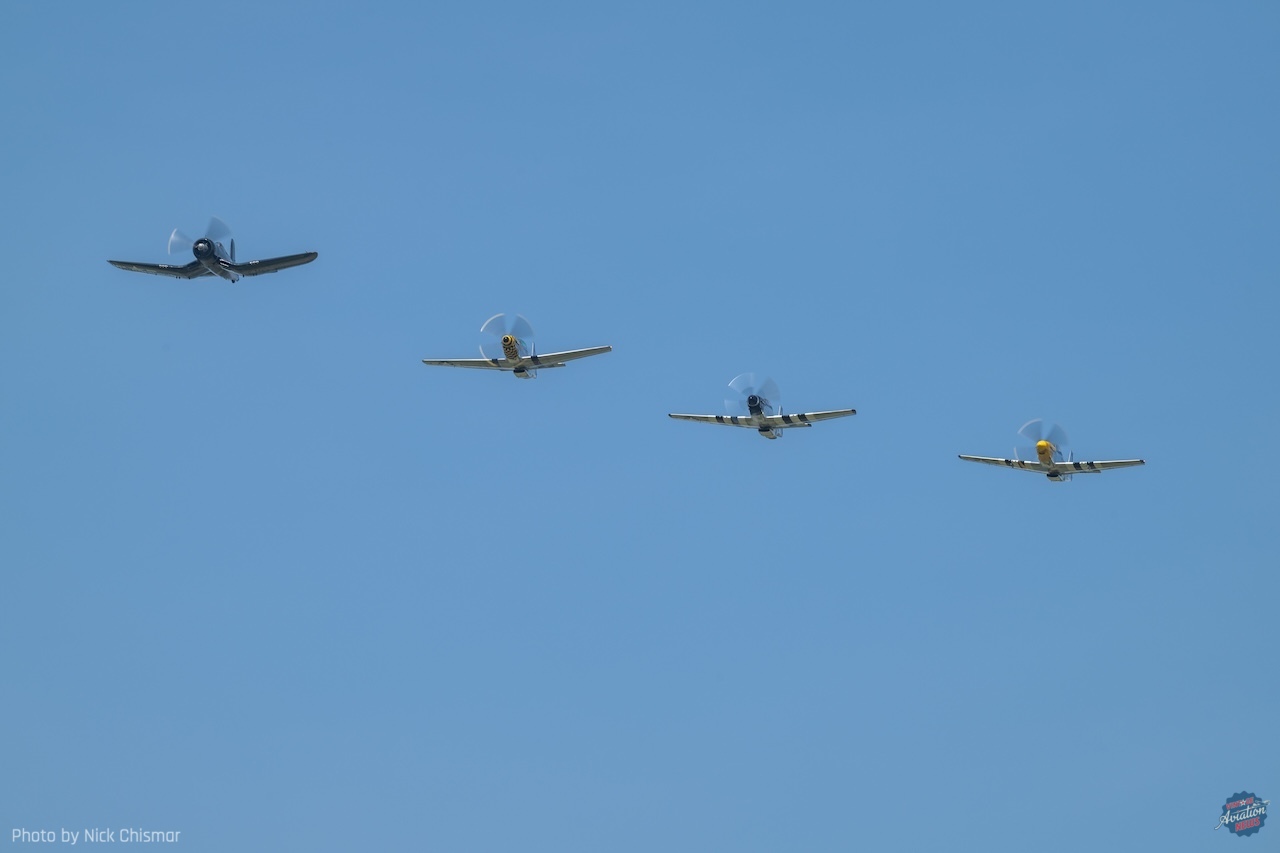
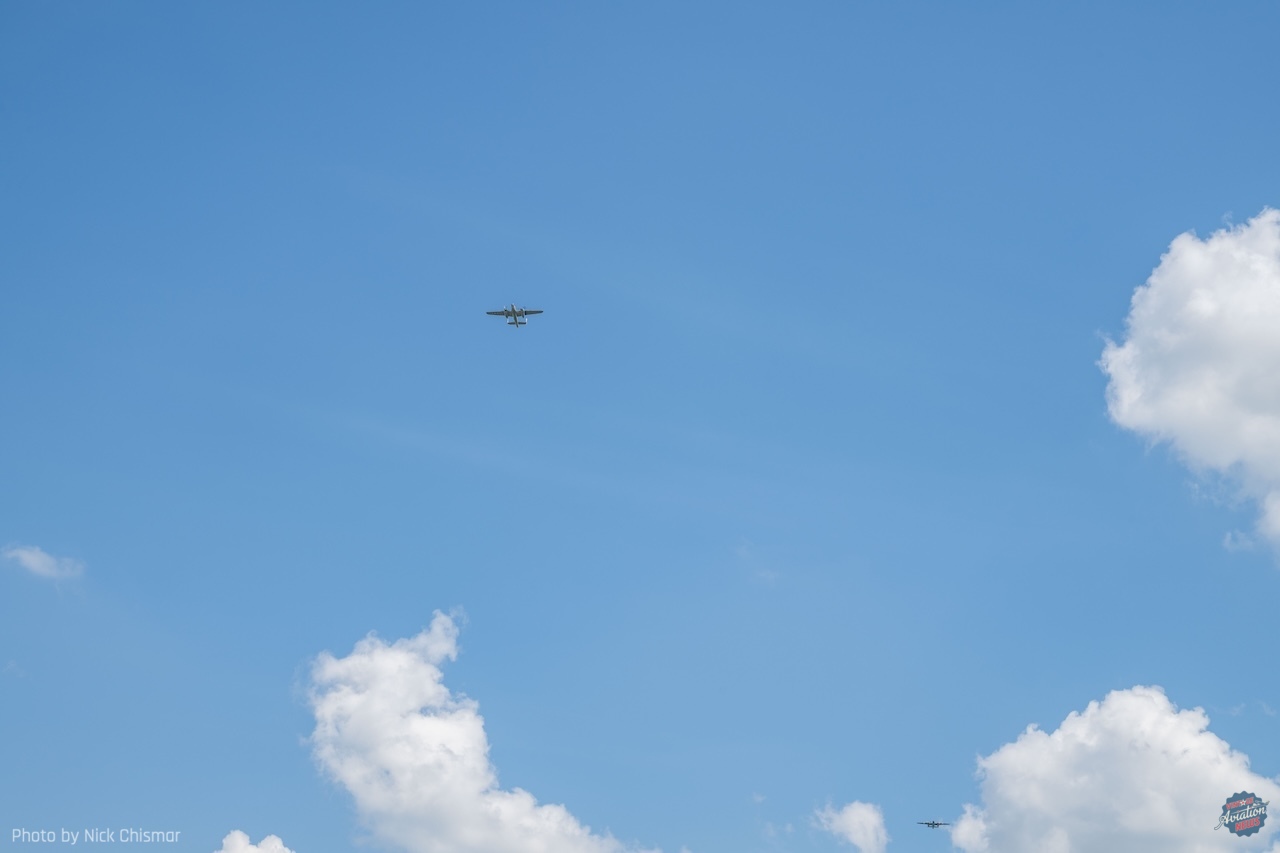
As the main airshow drew to a close, the sounds of engines spooling up again filled the field. Lou Horschel launched in his FG-1D Corsair, followed by three P-51s, the CAF Corsair, and both B-25s for a special tribute flyover in memory of Rob Holland. The fighters passed multiple times in formation while the B-25s approached from behind, creating a powerful and emotional finale.
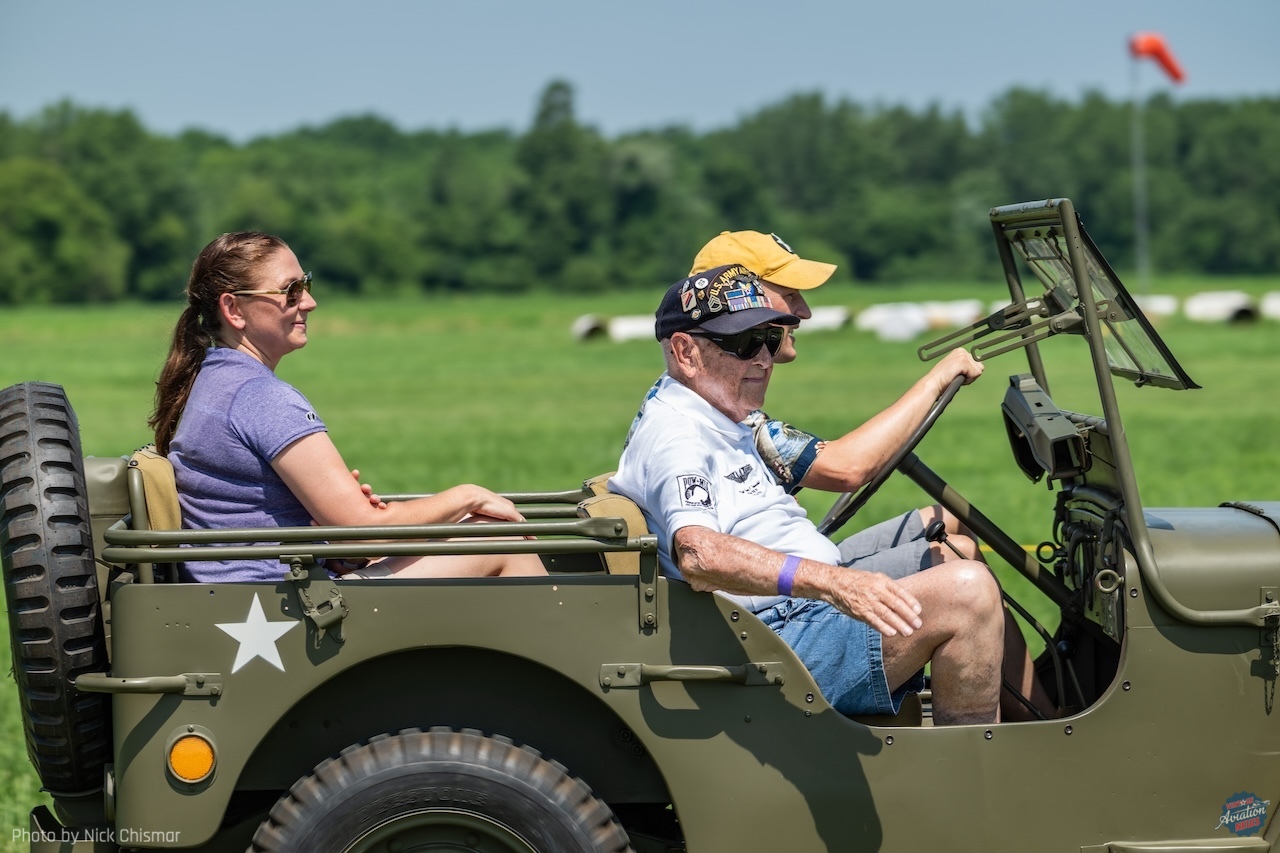
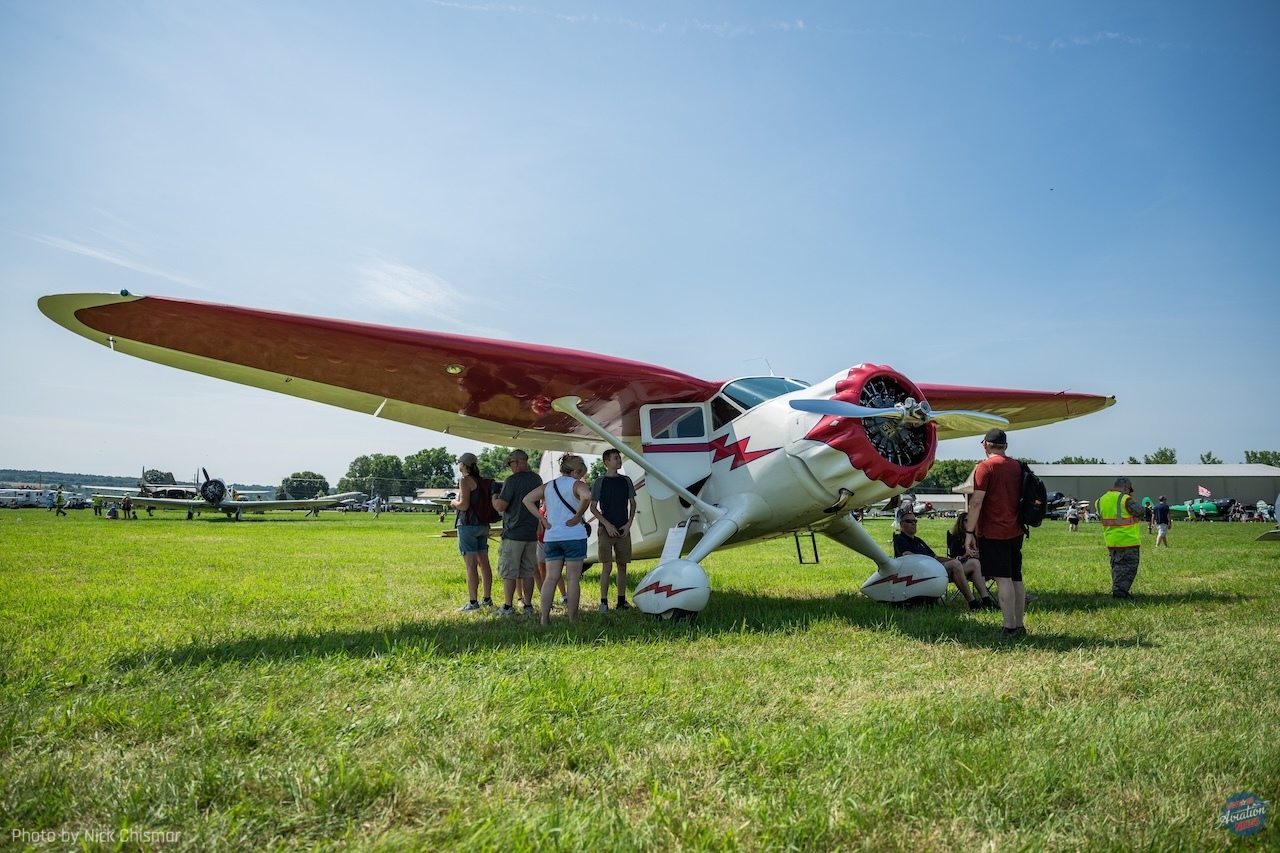
As the final aircraft touched down and the airfield grew quieter—with only ride flights continuing—Geneseo settled into a familiar rhythm. Like at few other airshows, there’s a moment at Geneseo where everything slows down. With the sun beginning to set and the aircraft resting on the grass, visitors are left to reflect and simply take it all in.
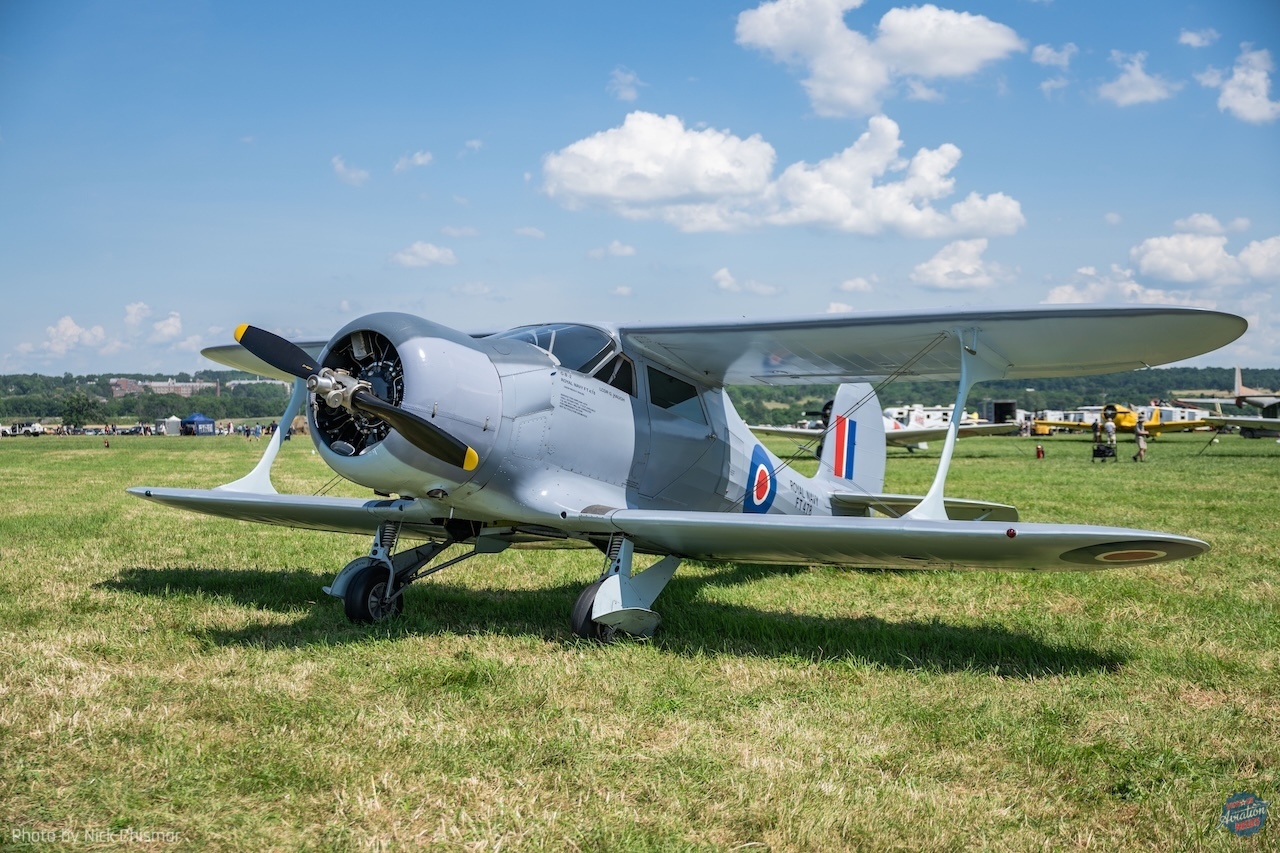
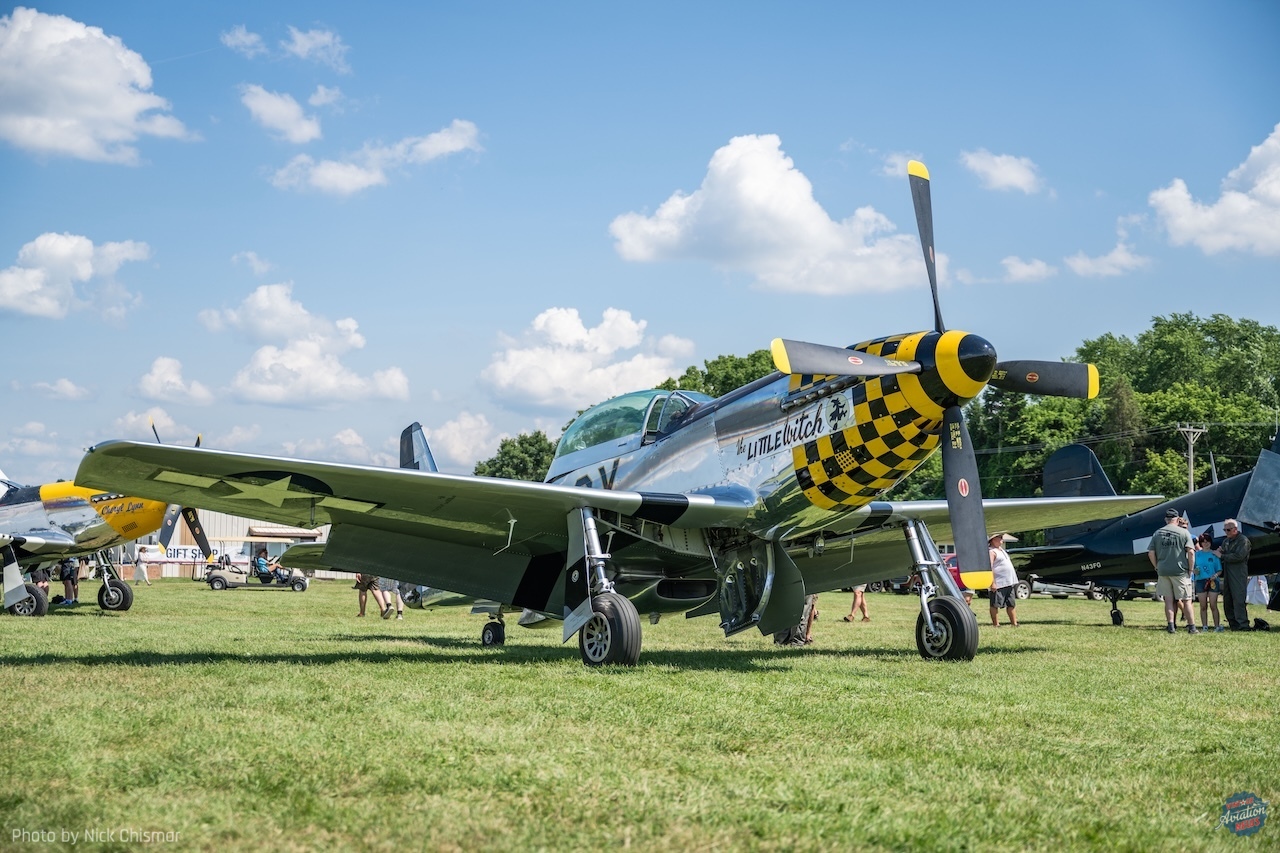
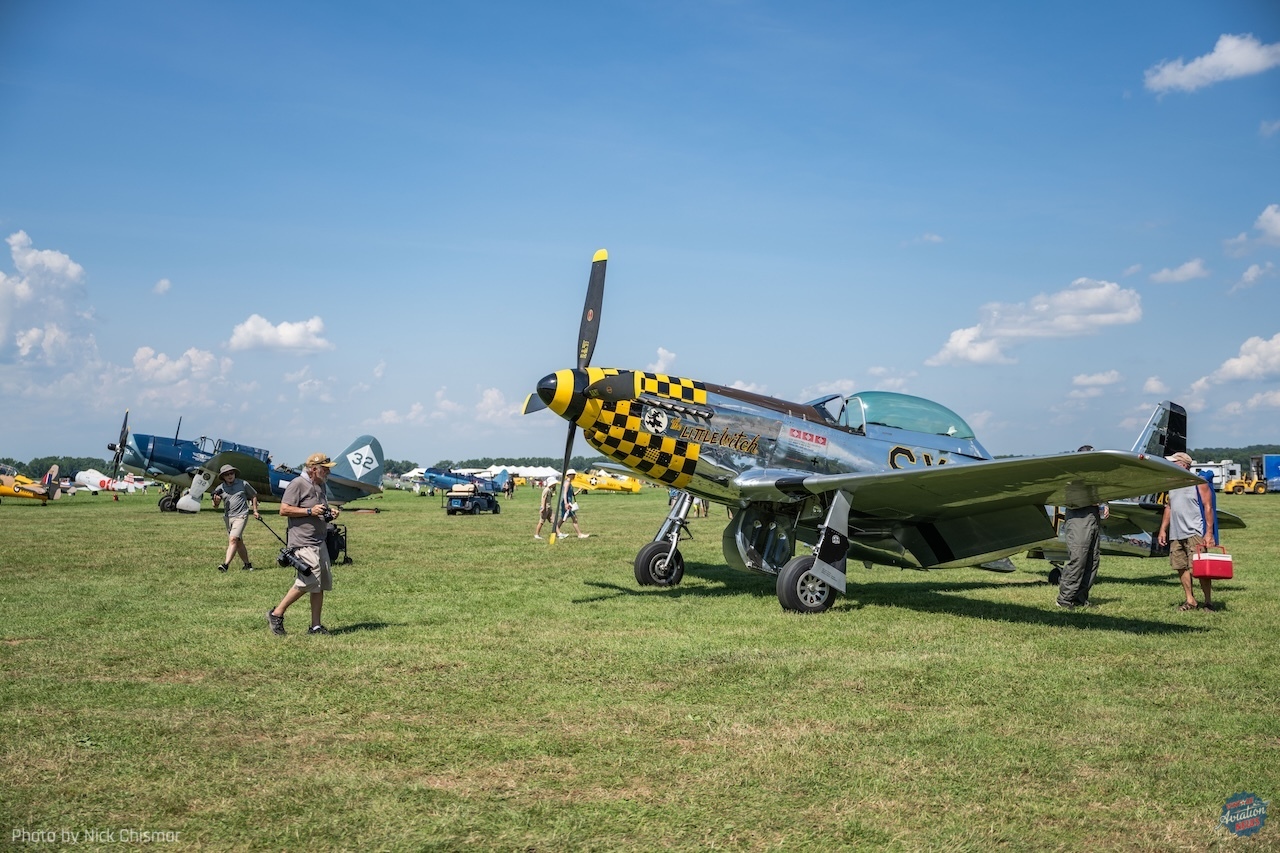
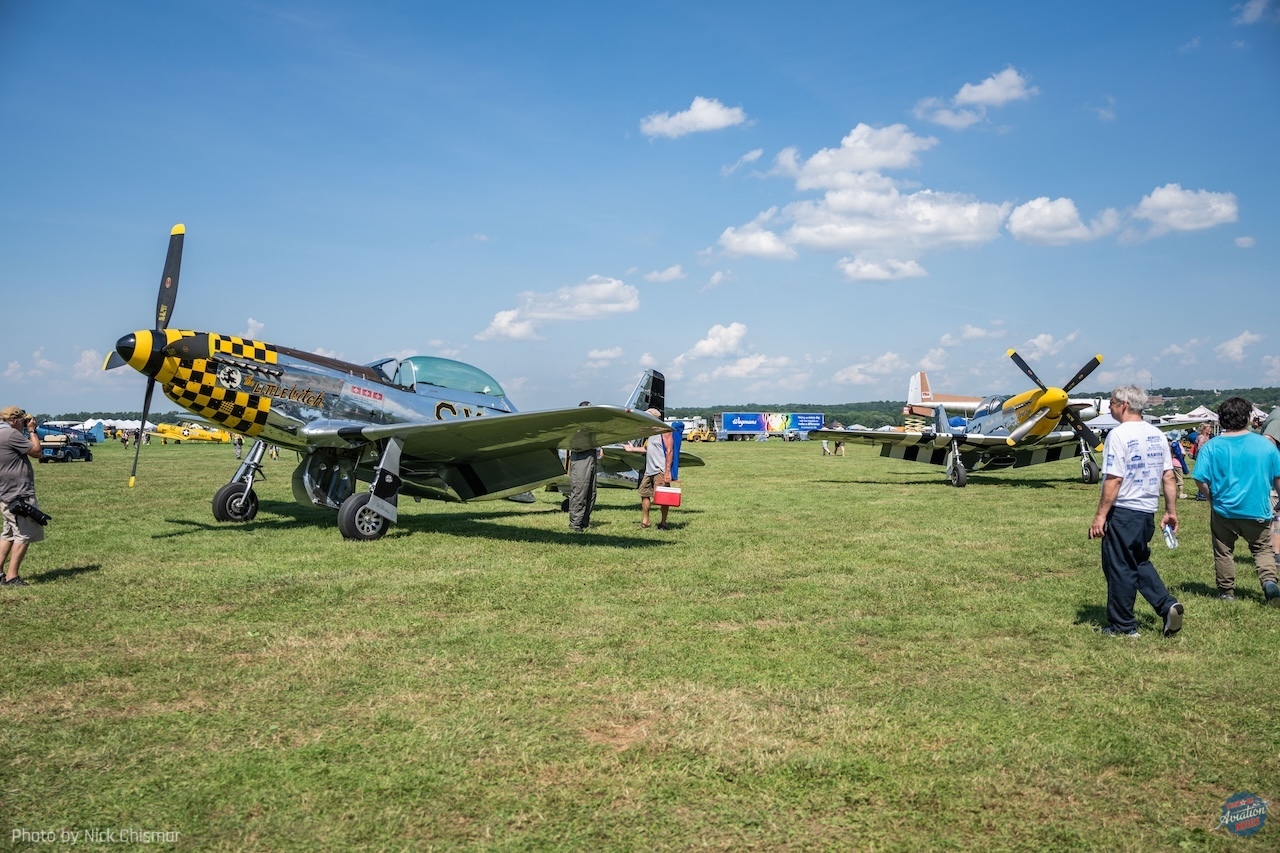
Unfortunately, Sunday’s show was cut short due to rain. But despite the weather, the “Greatest Show on Turf” once again lived up to its name. With dazzling aerial performances, historic aircraft, and a welcoming hometown atmosphere nestled in the rolling hills of western New York, the National Warplane Museum delivered yet another unforgettable airshow experience.