
(Image credit: VAN)
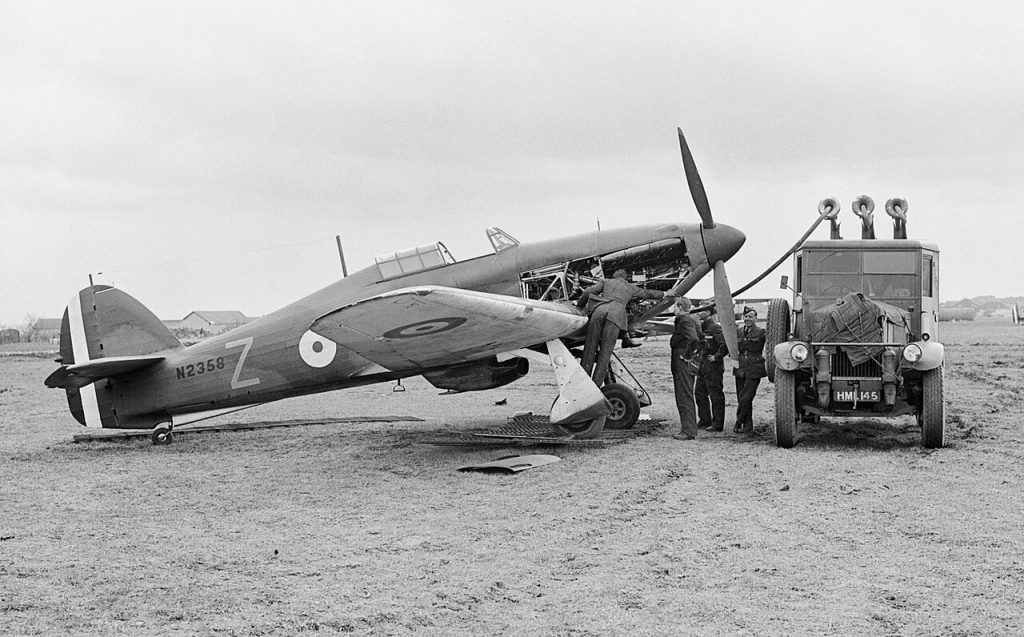
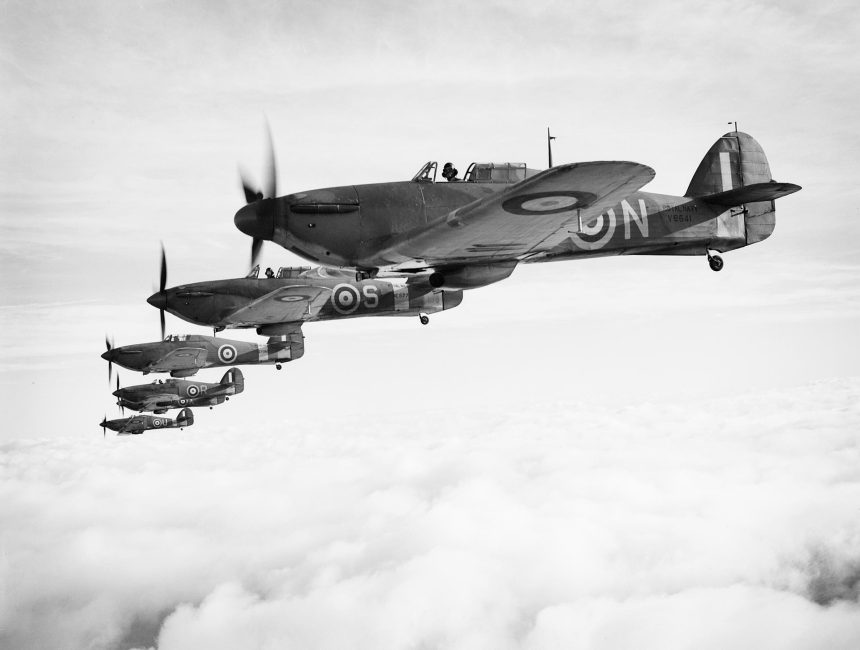
On this day in aviation history, 87 years ago (February 17, 1939), the Royal Canadian Air Force accepted its first Hawker Hurricanes. The Hurricane was a British-built single-seat, single-engine fighter that was the product of Hawker Aircraft Ltd. Hawker’s fighter first took flight on November 6, 1935, and was introduced into military service with the Royal Air Force in December 1937. The RAF allies in Canada, the Royal Canadian Air Force, would receive the Hurricane on 2/17/1939. No. 1 (Fighter) Squadron traveled to Vancouver to accept the new fighter, marking a new era for the Royal Canadian Air Force, replacing obsolete fighters with a very capable one.
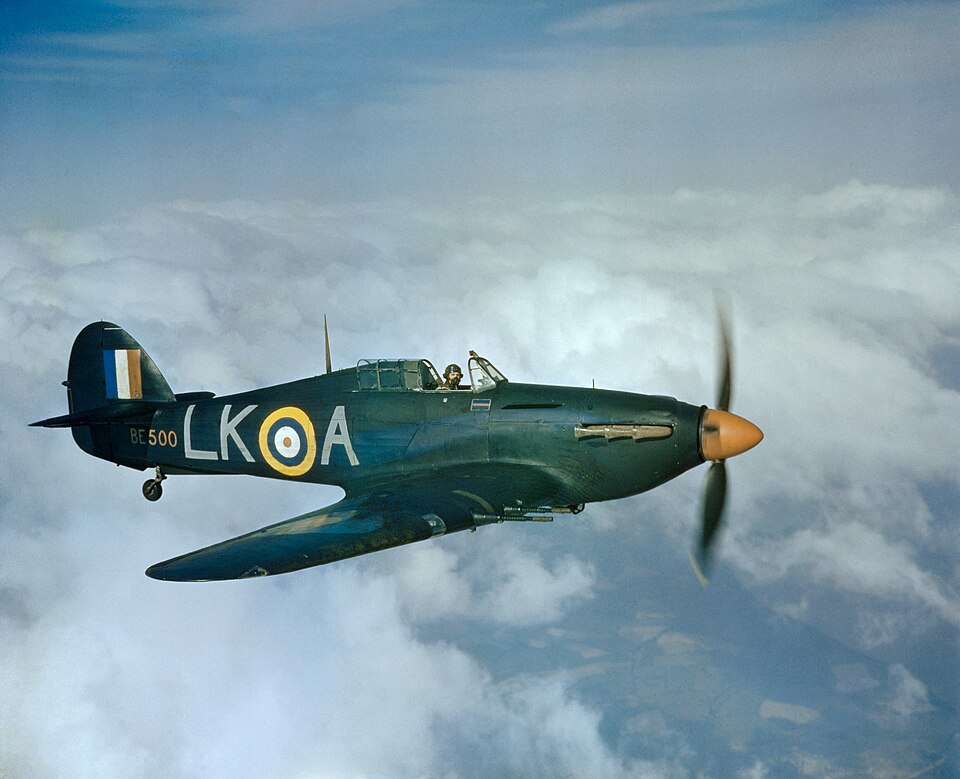
Canadian Car and Foundry began building Hurricanes under license, completing their first airframe in February of 1940. Many of these Canadian-built Hurricanes were shipped to the UK and participated in the Battle of Britain against the German Luftwaffe. During the Battle of Britain, No. 1 RCAF Squadron claimed 30 destroyed, 8 probable, and 35 damaged Luftwaffe aircraft, all while flying the “Hurri.” Notable RCAF pilots who flew Hawker’s fighter during the Second World War include S/L Ernest A. McNab, F/L Gordon McGregor, F/O “Dal” Russel, F/O J.W. Kerwin, and F/O A.D. Nesbit.
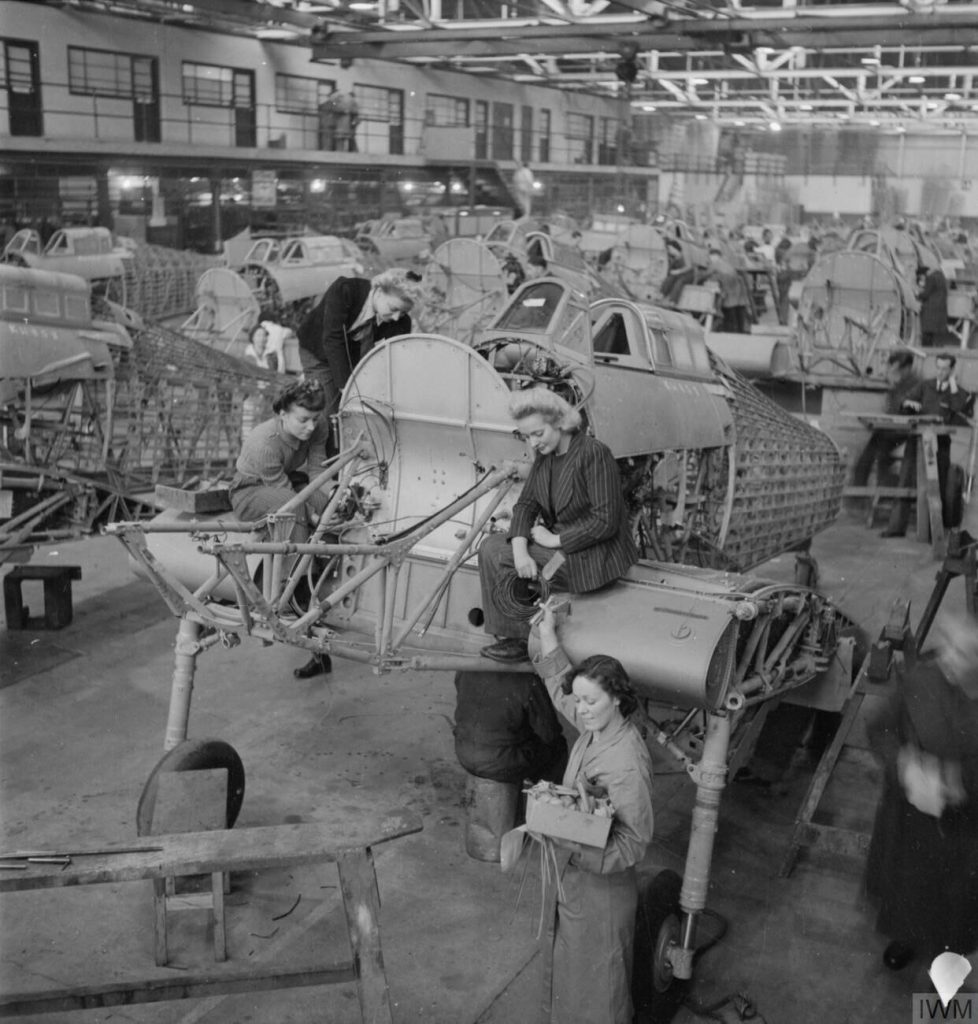
The Royal Canadian Air Force took 503 Hurricanes on-strength throughout World War Two, and flew them until 1948, at which point they were “struck off strength.” In 9 years of RCAF service, the Hawker Hurricane built a strong reputation as an aerial combat performer. Those who flew the “Hurri” truly adored the aircraft, and their loyalty often remained attached to that airframe for life (former pilots often serving as defenders of the Hawker in countless “Spitfire vs. Hurricane” debates). Today. Many Hurricanes of differing variants survive, many still flying. This is a testament to the aircraft’s design, strength, and resolve.