





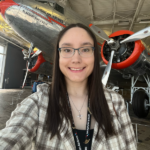
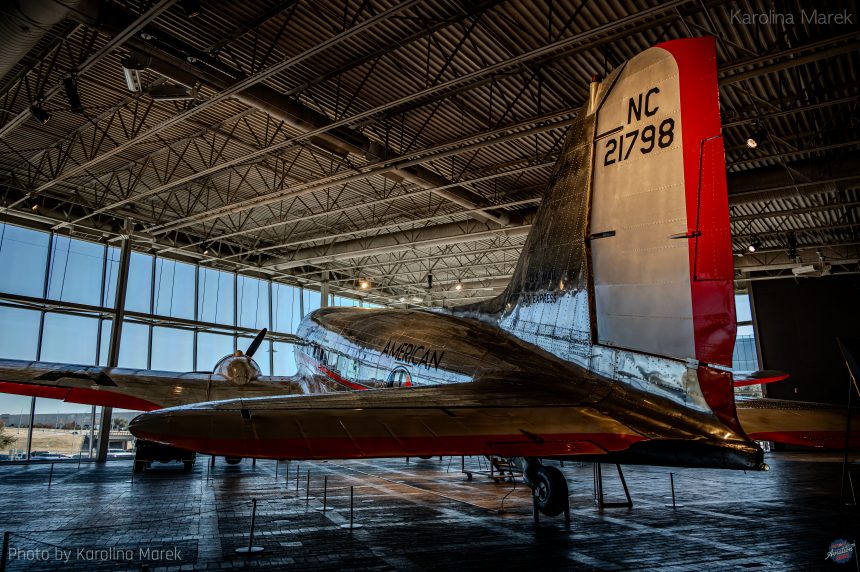

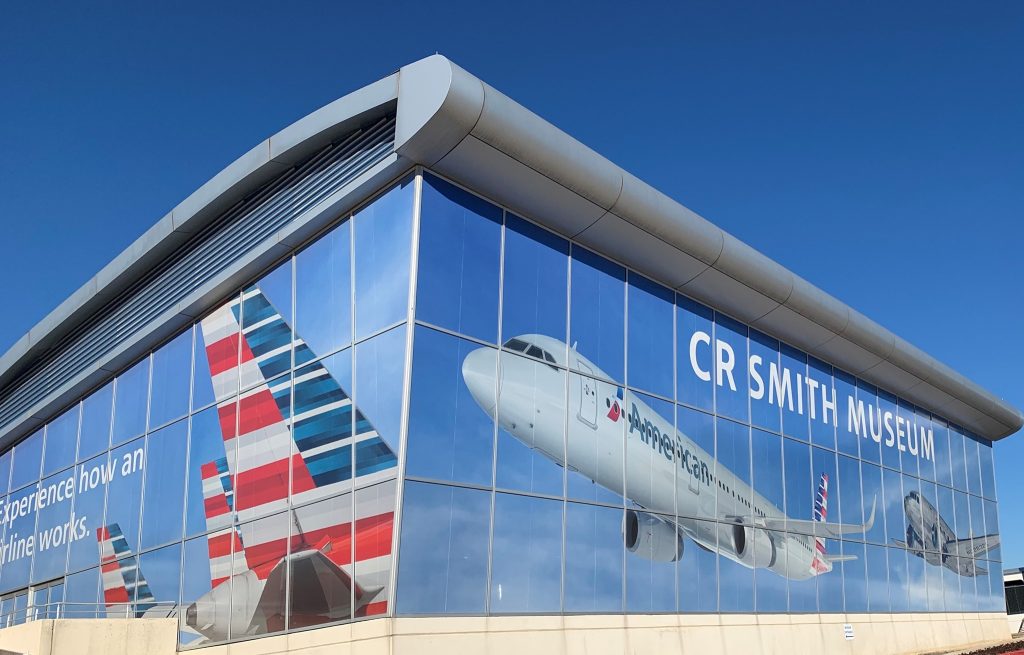
This year marks a very special anniversary in aviation history. American Airlines turns 100 years old, and we are in the 90th anniversary year of the Douglas DC-3’s first flight. Both of these events go hand in hand, and there is no better place to showcase these historic anniversaries than the C.R. Smith Museum in Fort Worth, TX, the home of the Flagship Knoxville Douglas DC-3. In a short one hundred years, American Airlines has inspired, engineered, and changed the world in numerous ways. Today, AA honors the airline’s heritage with the C.R. Smith Museum, located at the airline’s headquarters in Fort Worth, TX, a short drive from DFW Airport. Museum Archivist Tim McElroy describes the museum as an interactive space that lets one step back in time and straight into AA’s operations. “We have exhibits that show all aspects of the airline and what it really takes to get an aircraft off the ground. It’s a great place for children to learn with our interactive exhibits, where they can learn everything from how to load baggage onto an airplane to how to fly one with the museum’s interactive flight simulators.” Although the museum oversees a vast history of AA, the main attraction and centerpiece is the beautifully restored Flagship Knoxville Douglas DC-3.
(Image credit: Photo by Karolina Marek)
American Airlines played a pivotal role in the birth of the Douglas DC-3. It all started with a phone call between American and Douglas. AA wanted to introduce a new sleeper transport, and Douglas answered the call with the Douglas Sleeper Transport, which entered service with American Airlines in 1936. The DC-3 was the first airplane to turn a profit for an airline, instantly writing its name in aviation history books for both AA and Douglas.
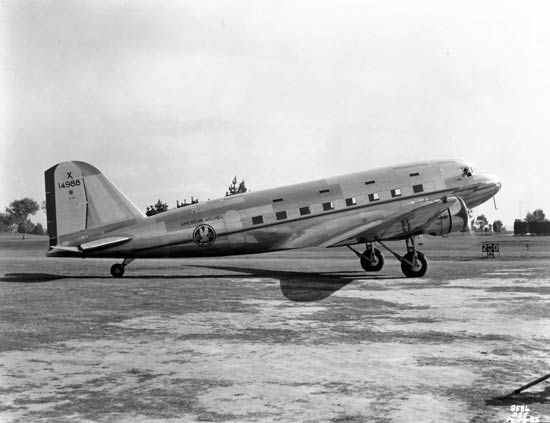
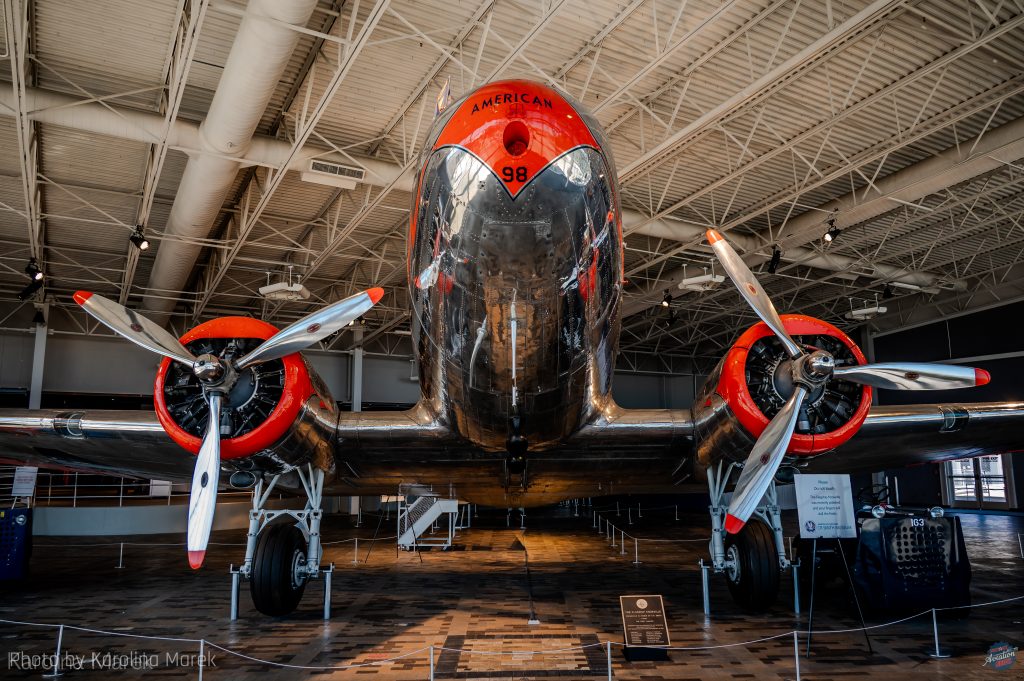
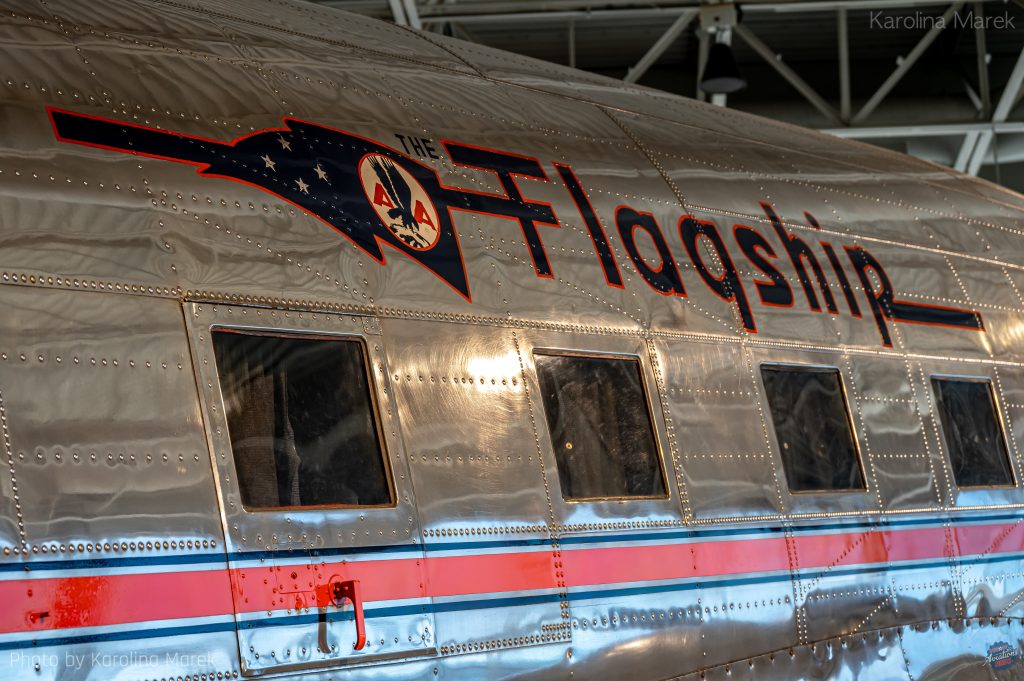
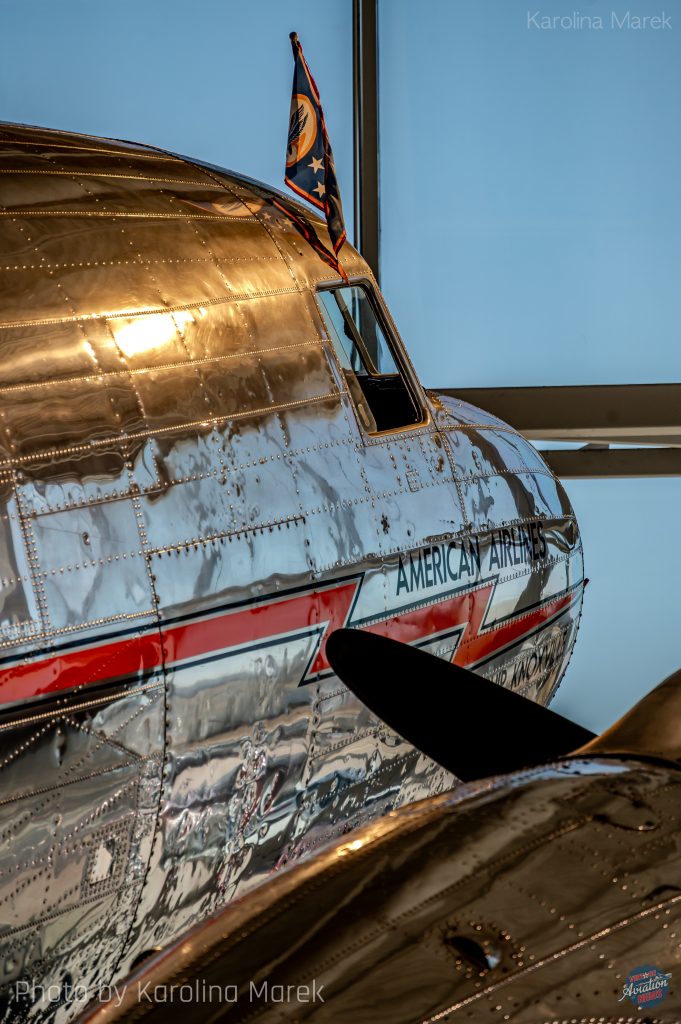
The museum’s DC-3, known as “Flagship Knoxville,” was constructed in 1940 as SN 2202 and delivered to American Airlines on March 11, 1940. The aircraft was pulled out of commercial service to serve during WWII and transferred to the Army Air Forces. The aircraft flew with the Army Air Forces from April 1942 to October 1943. Following her WWII service, the aircraft returned to American and flew under the name “Flagship Knoxville” until May 10, 1948. When American started moving on to bigger, four-engine aircraft, the airframe was sold to Colonial Airlines. In 1956, the airframe went to Eastern Airlines. After ownership by multiple smaller airlines and private operators, the Knoxville was acquired by the Grey Eagles (an association of retired AA captains) in November 1991 and flown to Tulsa for restoration. The restoration of Flagship Knoxville was a joint effort by current and retired American Airlines employees who contributed over twelve thousand volunteer hours to restore the aircraft to its former AA glory. Flagship Knoxville took to the skies one final time on May 4, 1993, flying from Tulsa to DFW. The aircraft was then towed to the current location of the C.R. Smith Museum, where it immediately began serving as an educational piece of history for thousands of visitors each year.
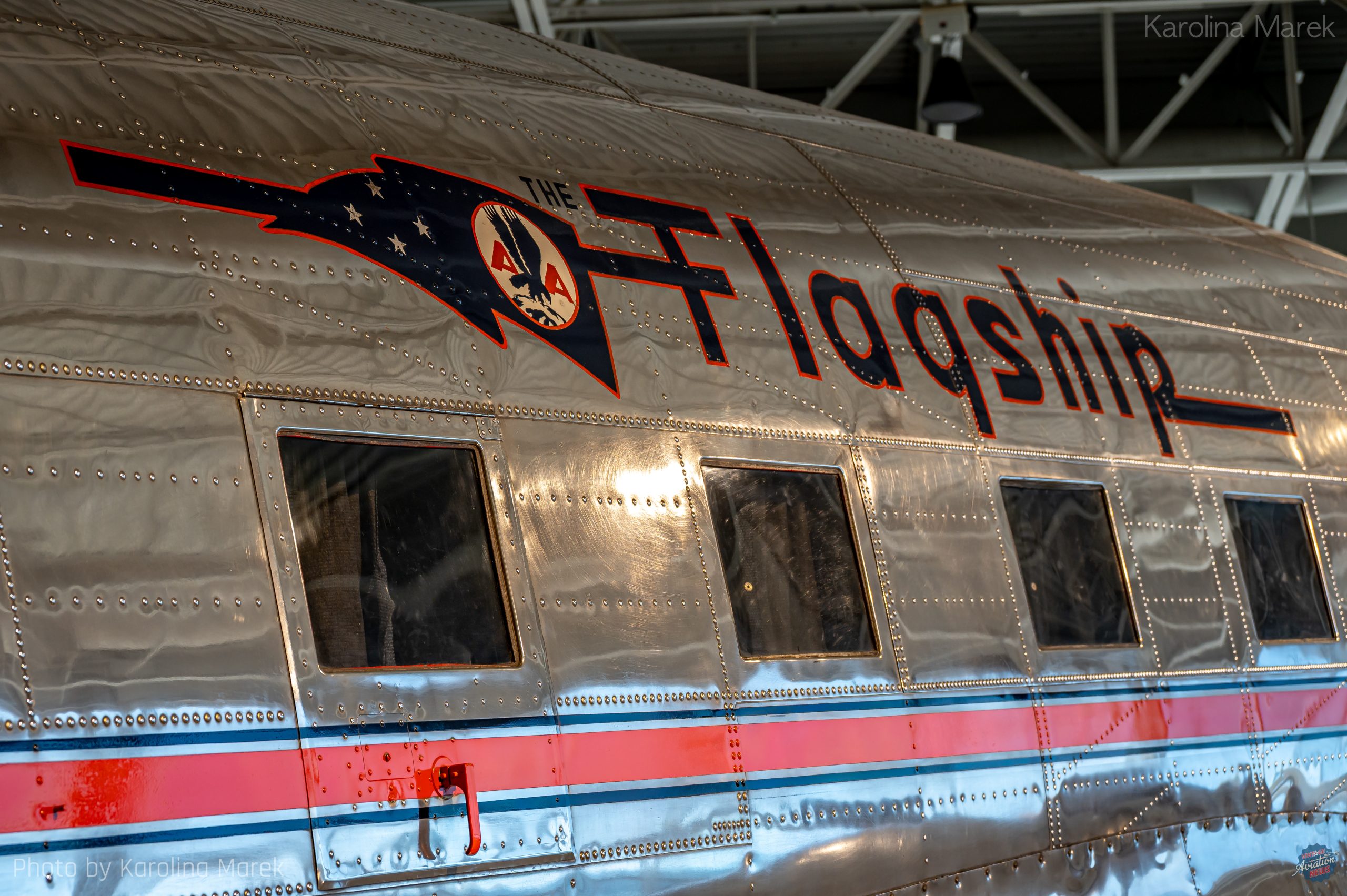
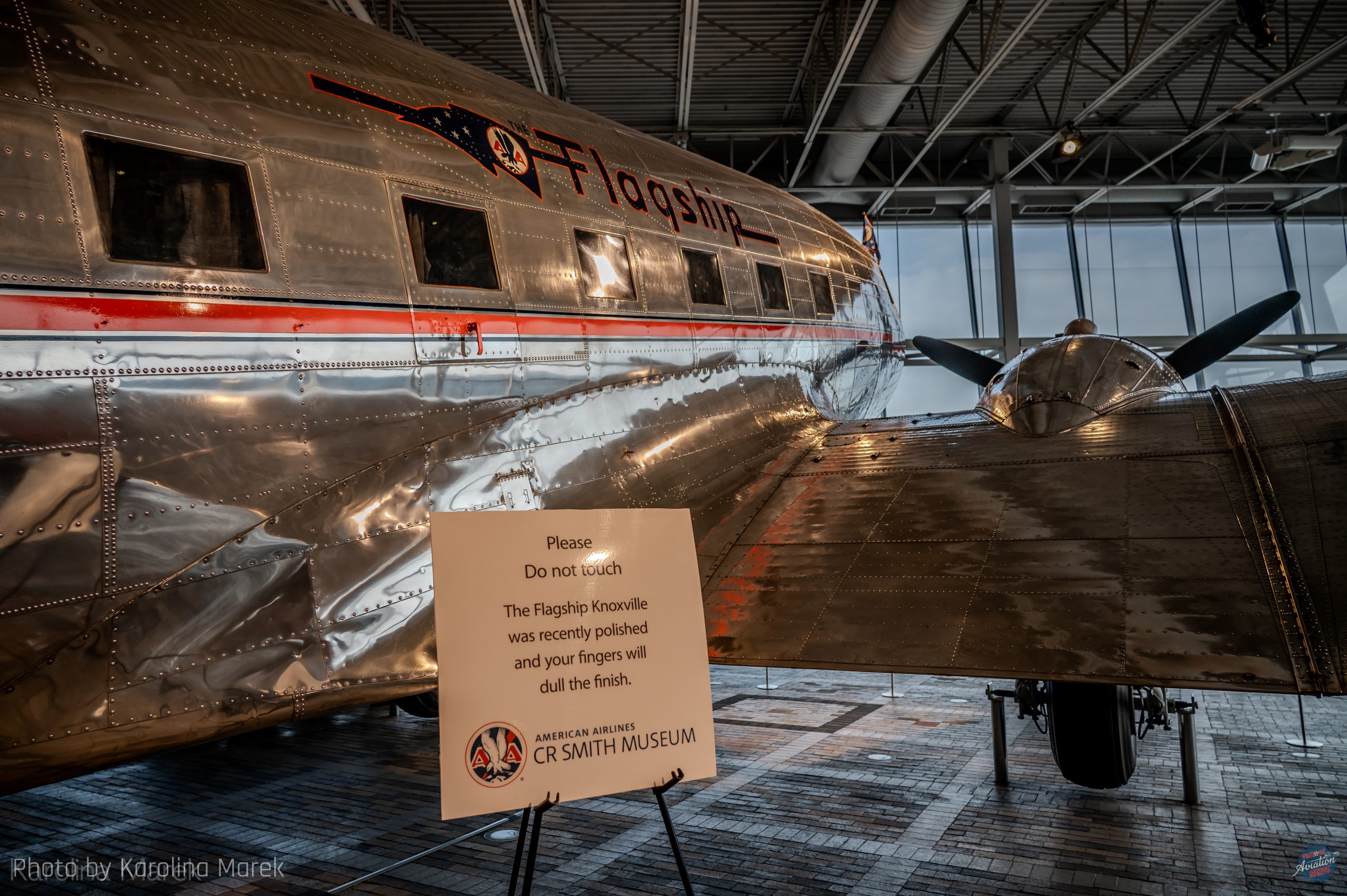
Flagship Knoxville was parked under the night sky until 1997, when a two-million-dollar enclosed “hangar” was built around the plane to help preserve its role in aviation history. While preparations were underway to build the enclosure, Flagship Knoxville was towed to DFW Airport, where it was refurbished and stored until the new hangar was ready. American’s CEO at the time, Robert L. Crandall, stated that “The Flagship Knoxville demonstrates more than just progress in aviation technology—she also represents decades of industry leadership by the people of American Airlines. The DC-3 was the first airliner to allow airlines to make money carrying passengers alone without an air mail subsidy, and it was conceived at C.R. Smith’s suggestion. The DC-3 is just one of many aviation firsts for American Airlines. Like the museum itself, our DC-3 is a celebration of this fantastic industry we love” (C.R. Smith Museum Archives – Words of Robert L. Crandall).
(Image credit: Photo by Karolina Marek)
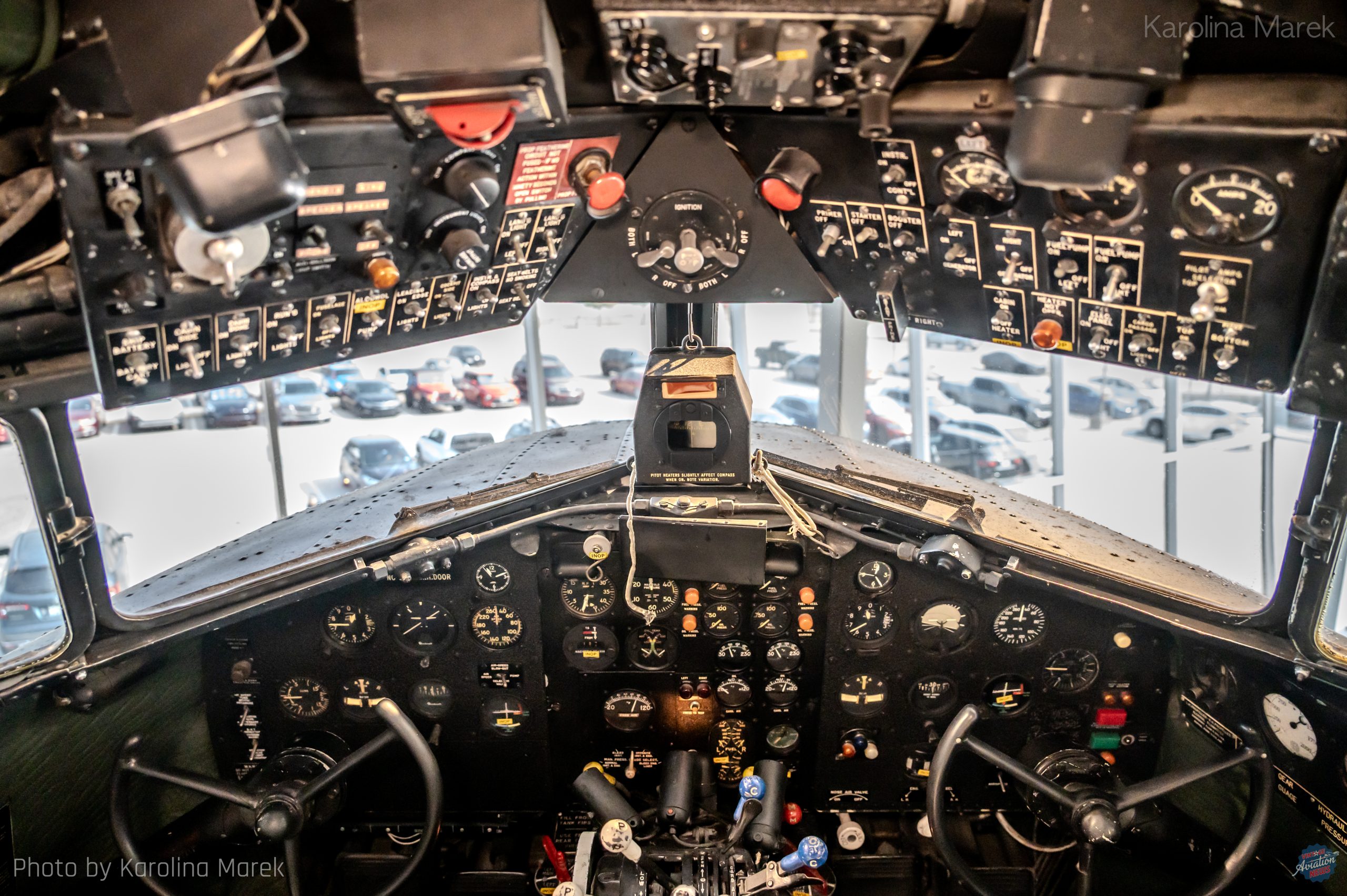
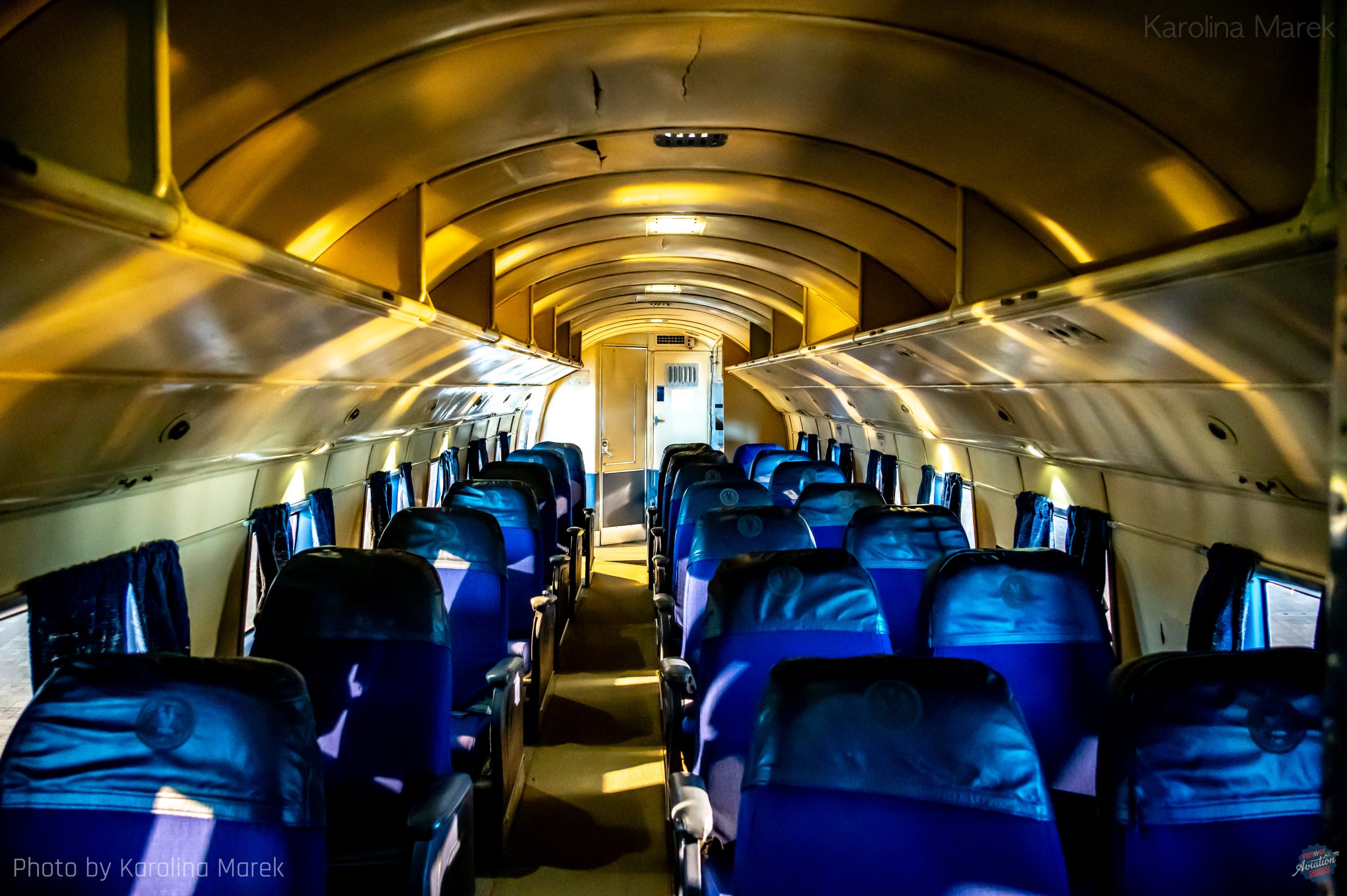
Today, Flagship Knoxville welcomes visitors from all over the world. The museum keeps the aircraft open, making it accessible to all visitors. Museum archivist Tim McElroy stated that one of the things he enjoys most is that the museum can share the history of the DC-3 with the public. “We keep her open—people can sit in the passenger seats, see the cockpit, and step back in time while imagining what air travel used to be like.” It is both important and impressive that Flagship Knoxville remains open and accessible to museum visitors. It is a unique experience to share the history of American Airlines by letting people step back in time by stepping on board the Knoxville.
(Image credit: Photo by Karolina Marek)
Museum staff and volunteers take pristine care of the aircraft. Tim stated that AA volunteers from the Tech Ops department often help maintain the airframe. He also spoke highly of museum volunteers who have cared for Flagship Knoxville over the years. “We even had retired AA mechanics who used to work on DC-3s volunteer with us. It was amazing to have them around and listen to their stories and adventures.” Most recently, Knoxville shines even brighter after being freshly polished. Museum visitors are often mesmerized when they first catch a glimpse of the aircraft. The museum takes pride in its history, and volunteers are eager to educate the next generation of aviators by sharing inspiring stories, just like that of the DC-3. The C.R. Smith Museum is an amazing place to celebrate the 100th anniversary of American Airlines and the 90th anniversary of the Douglas DC-3. Visit the museum’s webpage to learn more about planning your visit today: https://crsmithmuseum.org/







Thanks, great photos too!