







From an original article by Senior Airman Savannah Carpenter
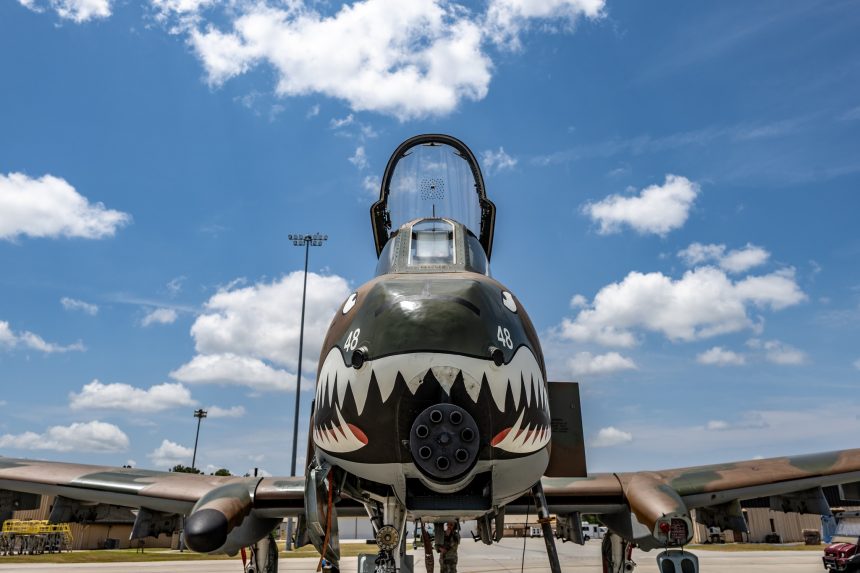
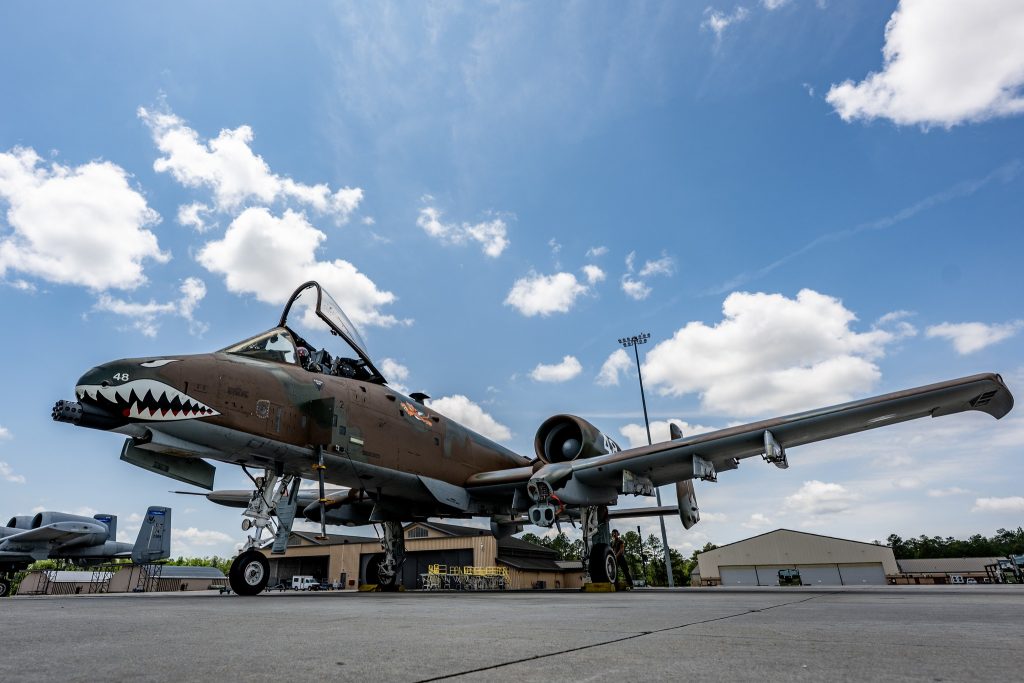
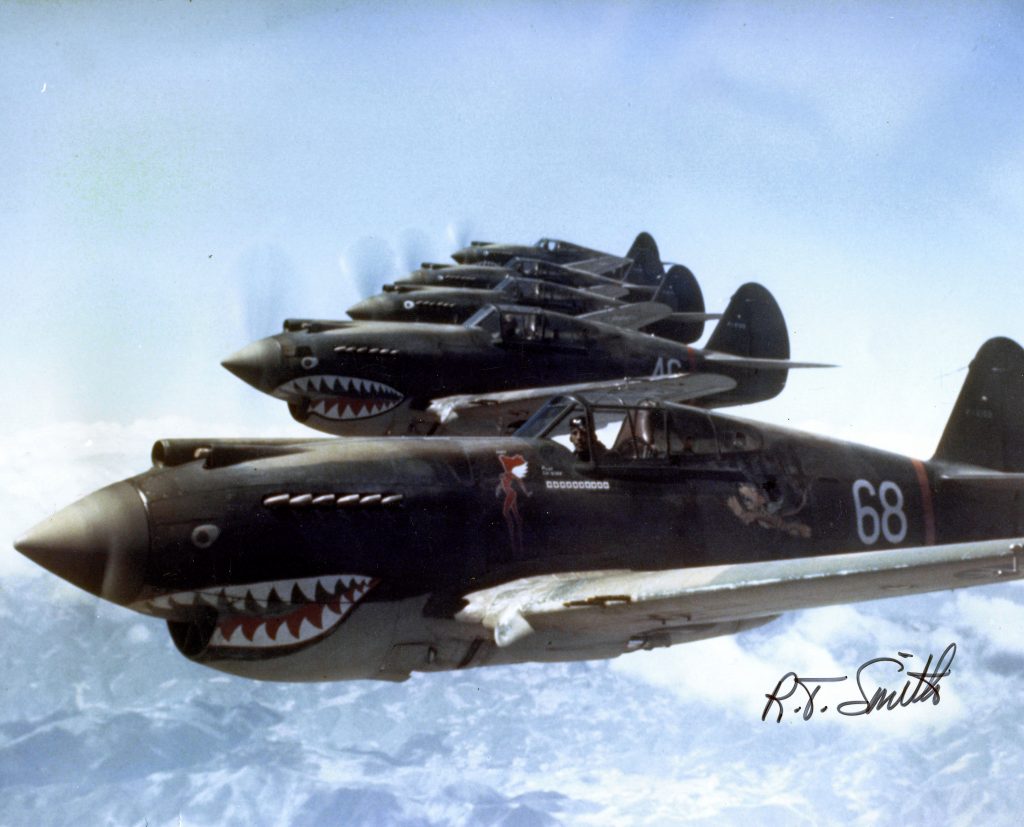
The personnel of Moody Air Force Base, Georgia, in early April, unveiled an eye-catching new heritage paint scheme on an A-10C Thunderbolt II, honoring one of the most legendary combat units of WWII—the Flying Tigers. Officially known as the 1st American Volunteer Group (AVG) of the Chinese Air Force, the Flying Tigers operated in China between 1941 and 1942 under the command of Claire Lee Chennault. Composed of volunteer pilots from the U.S. Army Air Corps, Navy, and Marine Corps, the unit achieved fame through its aggressive combat record and the shark-mouth nose art carried by its Curtiss P-40 Warhawks—imagery that remains among the most recognizable of the Second World War. The newly painted A-10 pays tribute not only to the AVG but also to Brig. Gen. David Lee “Tex” Hill, one of the organization’s most celebrated pilots and a key figure in the lineage of today’s 23rd Fighter Group.
(Image credit: U.S. Air Force photo by SrA Savannah Carpenter)
Among the rows of gray A-10 Thunderbolt IIs parked on Moody’s flight line, the aircraft immediately stands apart. A distinctive camouflage pattern, blue fuselage stripe, and Flying Tiger insignia transform the Warthog into a flying memorial to the men who fought in the China-Burma-India Theater more than eight decades ago. “The late Brigadier General David ‘Tex’ Hill was a member of Claire Chennault’s American Volunteer Group, famously known as the Flying Tigers,” explained William Godwin, historian for the 23rd Wing. “He flew P-40 Warhawks with the 2nd Pursuit Squadron and was credited with 12¼ aerial victories while serving with the AVG.”
(Image credit: U.S. Air Force photo by SrA Savannah Carpenter)
When the AVG was disbanded on July 4, 1942, the newly activated 23rd Fighter Group inherited its mission and traditions. Hill joined the unit as a major and became the first commander of the 75th Fighter Squadron. Later assuming command of the 23rd Fighter Group itself, Hill continued his combat career flying the North American P-51 Mustang and eventually increased his aerial victory total to 18¼.
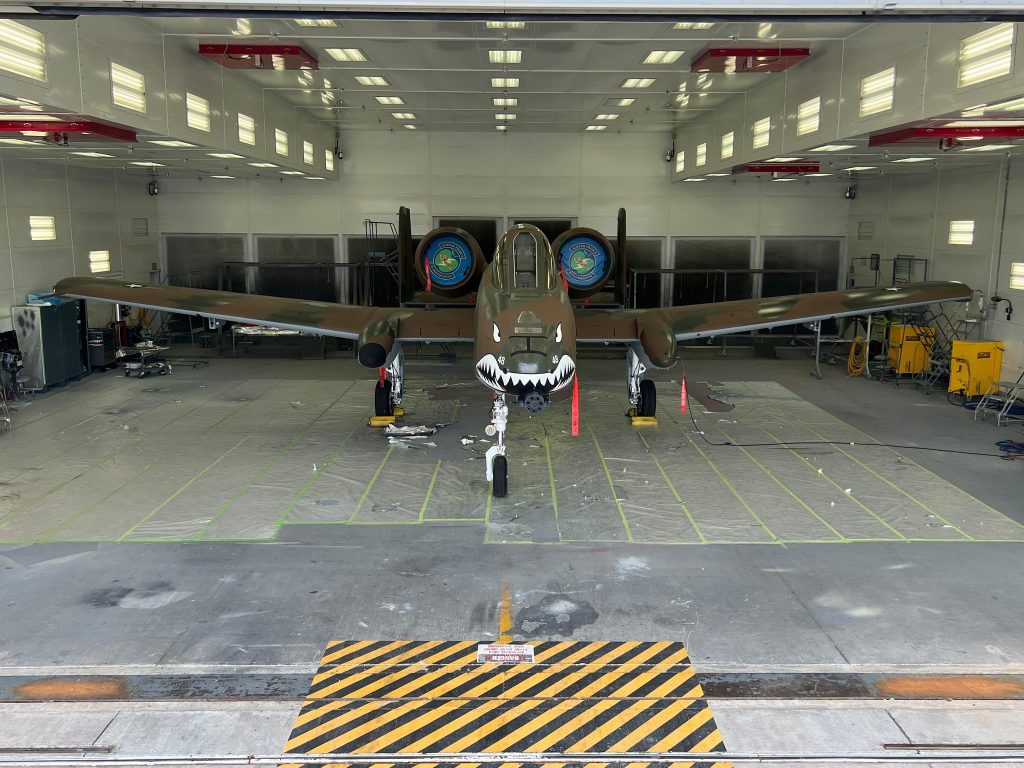
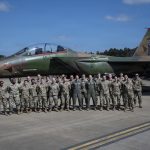
That lineage remains central to the identity of the modern 23rd Fighter Group. The 75th Fighter Squadron traces its heritage directly to the Flying Tigers, and the newly painted A-10 serves as a highly visible reminder of that connection. Creating the aircraft was no small undertaking. Eleven Airmen from the 23rd Maintenance Squadron devoted countless hours to transforming the jet from a recently transferred aircraft into a striking heritage machine. “At first, it was just another project,” said Senior Airman Memphis Waller, an aircraft structural maintenance specialist with the 23rd MXS. “But once we got into it, we realized it was something different. It gave us a chance to learn new techniques and be part of something we knew people would remember.”
(Image credit: U.S. Air Force photo by SrA Savannah Carpenter)
The restoration process involved extensive surface preparation, repainting, and the painstaking recreation of aircraft stencils and markings. According to Waller, the project required techniques not commonly used in day-to-day maintenance work, creating a learning experience for everyone involved. The aircraft itself had only recently arrived at Moody AFB following a transfer from South Korea. What began as a routine asset transfer quickly evolved into an opportunity to celebrate the wing’s heritage through a unique restoration effort. For those involved, the project carried significance beyond simply applying paint. “When people see the heritage aircraft alongside the P-40 in the air park, they can immediately connect the history,” said Staff Sgt. Tucker Lee, noncommissioned officer in charge of corrosion control for the 23rd MXS. “It’s a continuation of the Flying Tigers legacy, and that’s something this wing takes a lot of pride in.”
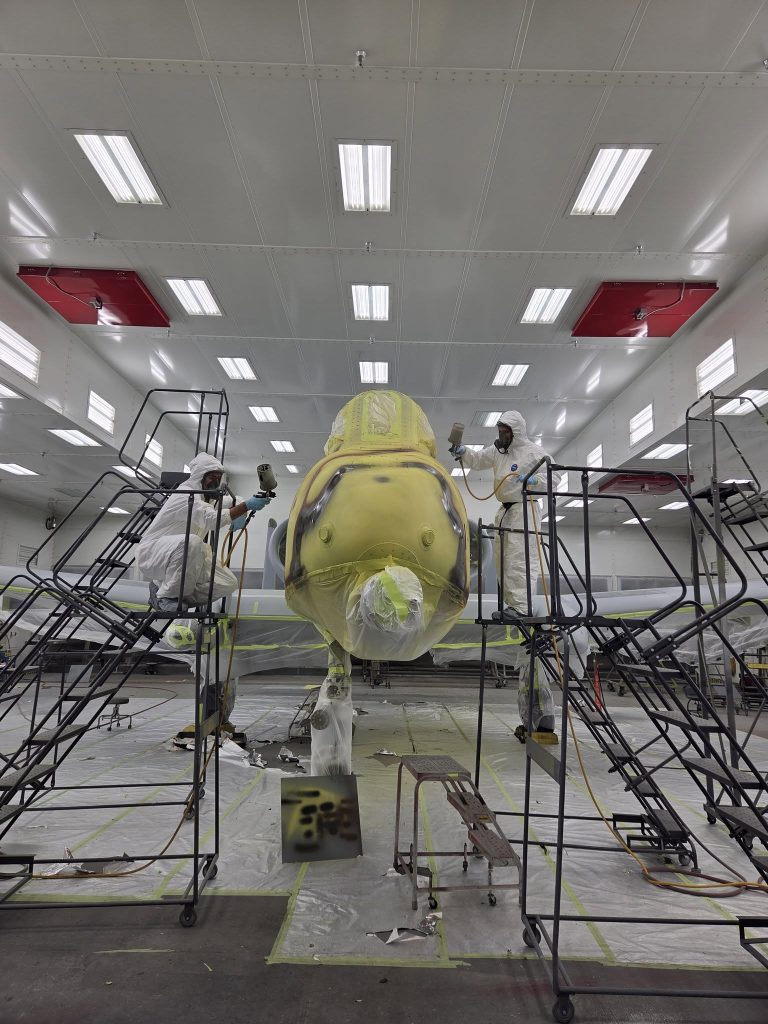
(Image credit: U.S. Air Force photo by SrA Savannah Carpenter)
Lee also noted the historical connection between the famous shark-mouth markings of the AVG’s P-40s and the aggressive nose art that later became synonymous with the A-10. “If the original Flying Tigers hadn’t been successful, we wouldn’t be here today carrying that name and history,” he said. “The shark teeth people associate with the A-10 started with the P-40s, and now they’ve become part of what makes the Warthog iconic.” Throughout the project, maintainers worked carefully to ensure the finished aircraft accurately reflected the squadron’s history while remaining fully mission capable. The result is an operational combat aircraft that also serves as a flying tribute to generations of Airmen who carried the Flying Tiger name before them. “American Volunteer Group and the 23rd Fighter Group set the standard for future generations of Flying Tigers,” Godwin said. “The AVG was told in 1941 that it would not last two weeks. Eighty-five years later, the Flying Tigers are still going strong. The men and women of the 23rd Wing are standing on the shoulders of giants while continuing to lead the way in close air support and combat search and rescue.”
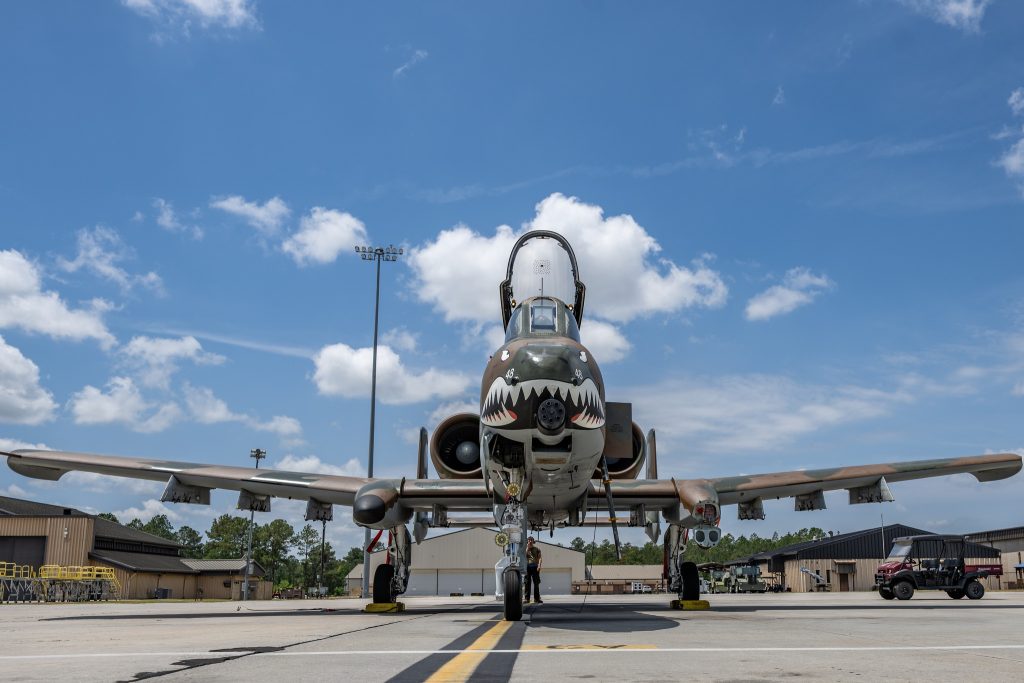
(Image credit: U.S. Air Force photo by SrA Savannah Carpenter)
The legacy of Tex Hill and the Flying Tigers is also preserved outside the military aviation community through the efforts of the Commemorative Air Force (CAF) P-40 Sponsor Group. The volunteer organization operates and maintains an airworthy Curtiss P-40N Warhawk painted in the iconic shark-mouth markings of the Flying Tigers and dedicated to Hill’s memory. As Moody AFB’s newly unveiled A-10 heritage aircraft carries that same lineage into the 21st century, one cannot help but imagine the spectacle of the two aircraft sharing the sky. A formation flight pairing the CAF’s P-40N with the Flying Tiger-themed A-10 would provide a powerful visual link between the pilots who fought in the skies over China during WWII and the Airmen who continue the Flying Tigers tradition today. Such a heritage formation would be a fitting tribute to Tex Hill, the American Volunteer Group, and the generations of aviators inspired by their legacy.
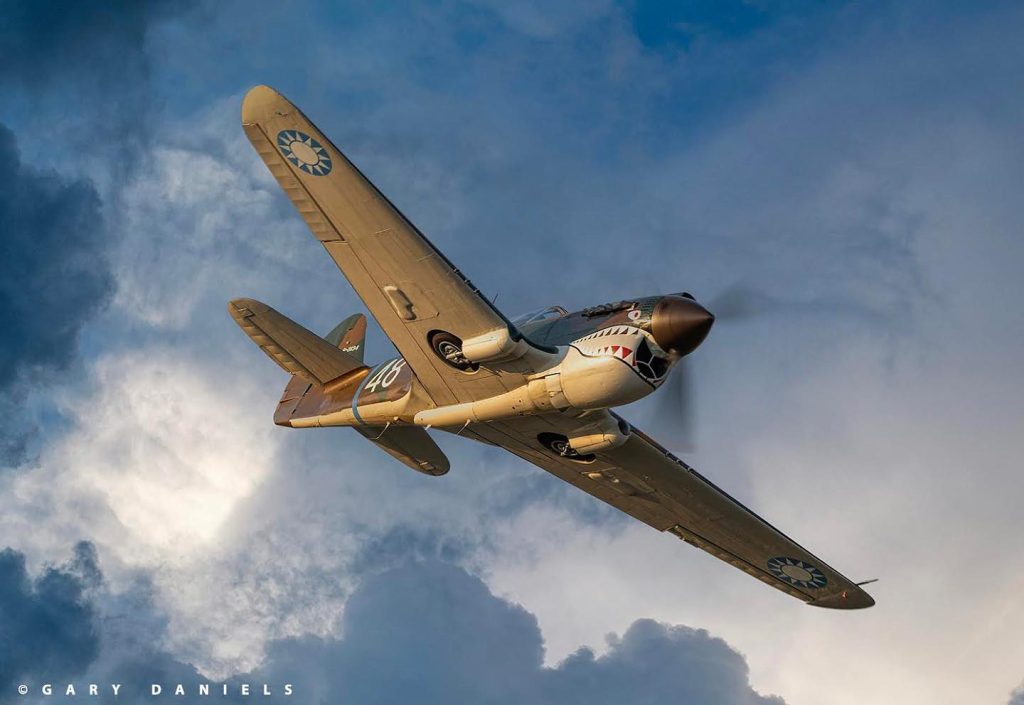
Heritage Aircraft in the Modern U.S. Air Force
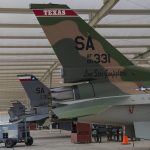
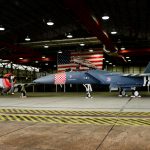
Special heritage paint schemes have become an increasingly popular way for U.S. Air Force units to celebrate their history and honor the achievements of previous generations. Applied to everything from fighters and trainers to tankers, these commemorative liveries help preserve unit identity while educating the public about significant chapters in Air Force history. Notable examples in recent years have included an A-10 Thunderbolt II painted to mark the 100th anniversary of the Maryland Air National Guard, a Nebraska Air National Guard KC-135 Stratotanker carrying invasion stripes in recognition of the unit’s WWII heritage, and a series of heritage flagship aircraft unveiled by the 14th Flying Training Wing in 2019. Vintage Aviation News has also covered a number of striking modern commemorative schemes, including the Viper Demonstration Team’s YF-16-inspired anniversary aircraft, the Texas Air National Guard’s Southeast Asia-camouflaged F-16C, the Idaho Air National Guard’s P-47 Thunderbolt-inspired A-10, and most recently, an F-15E Strike Eagle at RAF Lakenheath painted to commemorate Operation El Dorado Canyon. Moody’s Flying Tiger A-10 now joins that distinguished group of heritage aircraft, serving as a reminder that while technology and tactics continue to evolve, the traditions and sacrifices of those who came before remain an essential part of military aviation history.
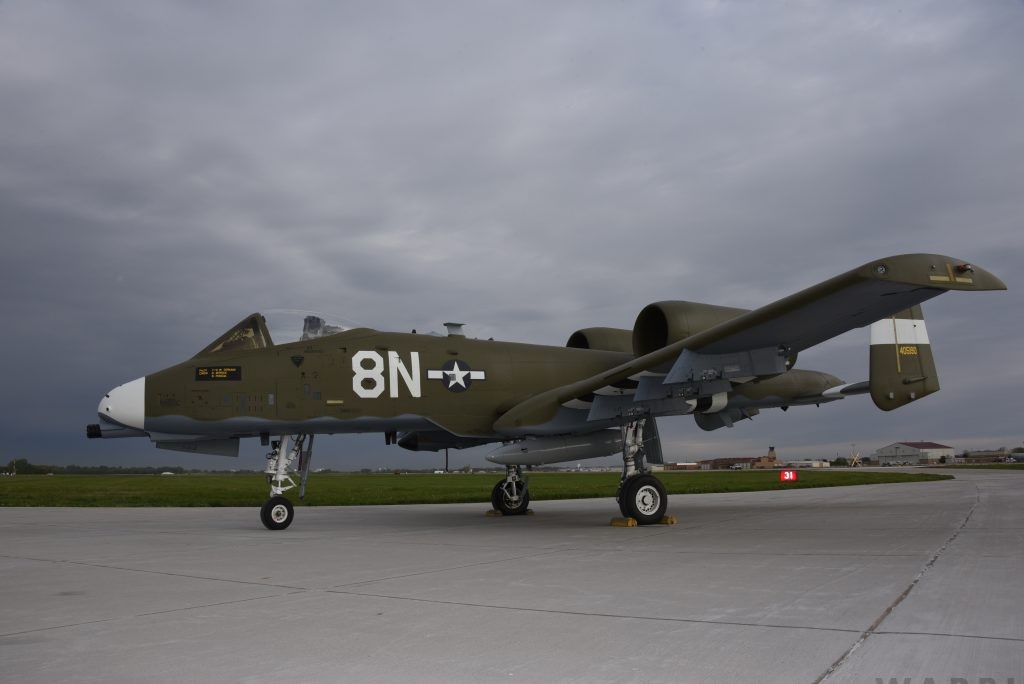





The 23TFW A-10s had the tiger teeth markings when they were stationed at England AFB back in the 80s.
An interesting article, though you forgot to add that the Nose Art first appeared on aircraft in WW1!
For WW2 see …..
”How the Curtiss P-40 Got That Wicked Shark Grin”
By Bobby White
”….. The archetypal shark mouth, as we know it today, first appeared on the noses of the Tomahawks of Royal Air Force No. 112 Squadron, fighting in North Africa. “The Shark Squadron” had received its Curtiss fighters in July 1941. Squadron nose art underwent many iterations before the British airmen settled on the definitive design. The ultimate shark appeared while 112 Squadron was serving in Egypt.”
And, though it looked good on all P40’s, the P40c Tomahawk displayed it best; a beautiful Plane and, in the right hands, a match for anything.