






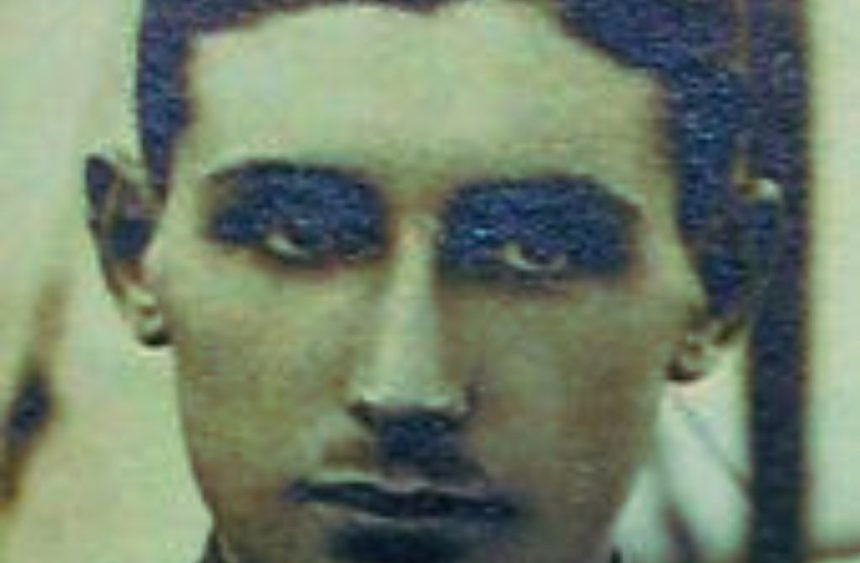

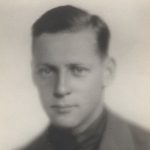
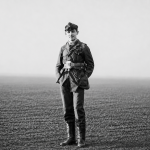
In WWI, many Canadian aces joined the military in Canada and were later sent to the front. But there was one who emigrated to England as a child and did not enlist in the Canadian forces first. Frank Ormond Soden was born on November 3, 1895, in New Brunswick, Canada, but moved to England in 1904. He began his military career in the British Army as an infantry officer, becoming a second lieutenant in the South Staffordshire Regiment in 1914. He entered a war zone for the first time on July 14, 1915. In 1916, he joined the Royal Flying Corps (RFC) and officially transferred on April 27, 1917.
Ace Journey of Frank Ormond Soden
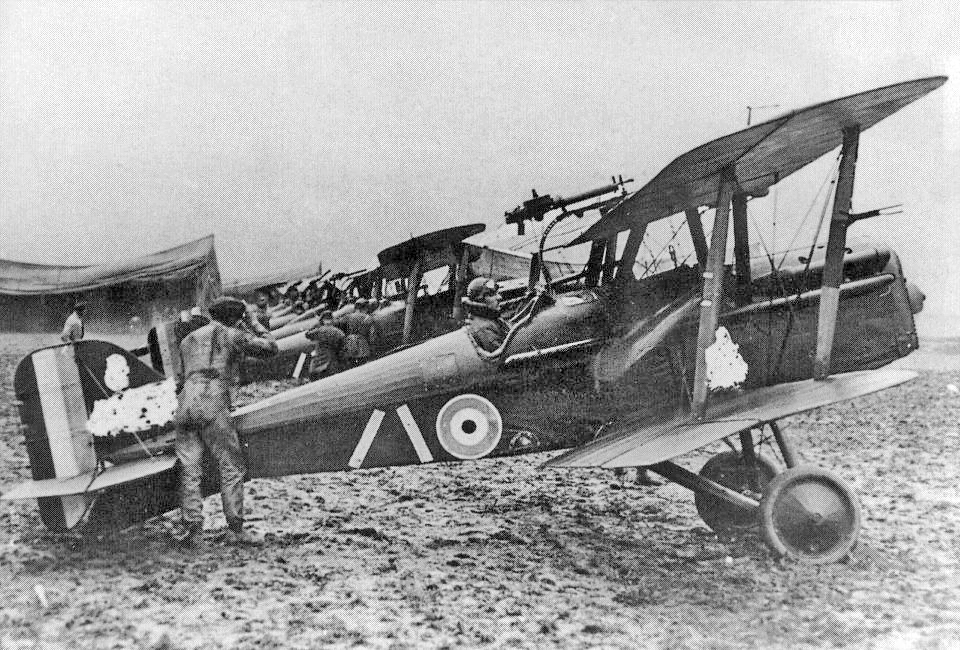
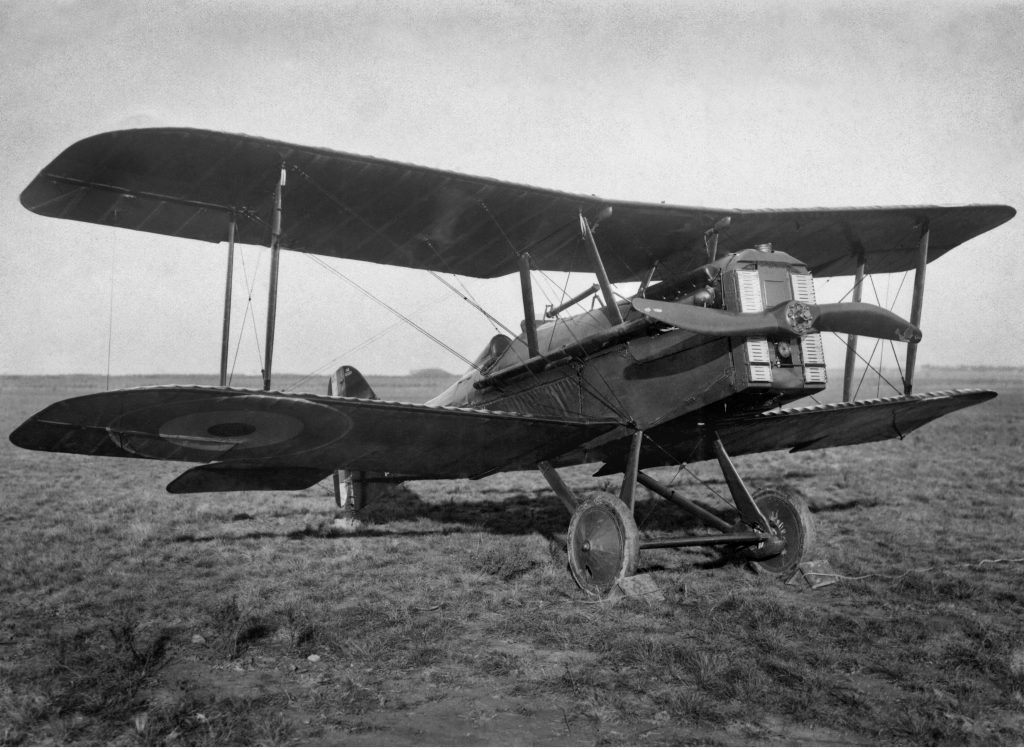
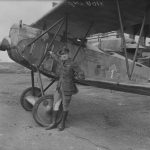
In RFC, Frank Ormond Soden joined No. 60 Squadron, where he flew a Nieuport initially. His first official victory came on June 25, 1917, when he shot down an Albatros D.III. On July 3, he shot down an Albatros D.V. After his second victory, his unit was provided with new Royal Aircraft Factory S.E.5a. In this new aircraft, his first victory came on September 17, followed by a victory on September 20. On September 23, he shot down an Albatros D.V to officially become an ace. Further, he shot down one aircraft in October, four in November, and one in December, bringing his score to 11 by the end of 1917. He started 1918 with a good note and shot down a DFW C on January 1. On January 9, 1918, Frank Ormond Soden won his most important battle against Max Ritter von Müller, who had shot down 36 enemy planes and five British aces. With Captain Robert Chidlaw-Roberts, Soden set Müller’s Albatros D.V on fire while flying near Moorslede, Belgium. Müller escaped the burning plane but fell to his death. He added one more victory in January and two in February, to reach a personal score of 16. As the RFC joined the Royal Naval Air Service to become the Royal Air Force (RAF) in April 1918, he was promoted to flight commander of No. 41 Squadron. His next victory came in August, a month in which he destroyed three aerial targets, followed by one in September and seven in October, to finish his WWI at a personal score of 27.
The Cancellation
For WWI service, Frank Ormond Soden was awarded the Distinguished Flying Cross, with a citation, “A bold and skillful officer who has accounted for three enemy aeroplanes and two balloons during recent operations.” Soden stayed in the RAF after the war. He later joined the RAF Iraq Command and served in Kurdistan, which is in northern Iraq. For his work there, he received a Bar to his Distinguished Flying Cross on December 19, 1922, and was promoted to the rank of flight lieutenant. In 1929, he served in the British Mandate of Palestine, leading No. 14 Squadron, and later worked at RAF headquarters in Jerusalem. He returned to the UK in 1934 to command No. 65 Squadron, which reformed on August 1 at RAF Hornchurch. He was promoted to group captain on April 1, 1939. During WWII, Frank Ormond Soden was the station commander at RAF Upper Heyford. He then became the commander of RAF Biggin Hill, one of RAF Fighter Command’s important airfields, from December 1940 to June 1941. After that, he served in the Middle East as the airfield commander at RAF Castel Benito and as the leader of Operational Training Units. Soden retired from the RAF on May 21, 1945. He married Wanda Holden and moved to Kenya. In 1953, during the Mau Mau Uprising, he defended his house near Timau against 20 armed Mau Mau attackers. He later helped evacuate refugees from Congo using light aircraft and was shortly held by Congolese forces. He died in a hospital in London on February 12, 1961. In the Aces series, Frank Ormond Soden stands as a brave ace with great leadership skills. Read stories about more Aces HERE.













What is the source of these Canadian ace profiles? How are they produced (any AI content)?
Hello, James. Different sources are used across articles, and they are well-linked in the text. All content is written by me, and we don’t use AI-generated content at Vintage Aviation News. Thanks.