





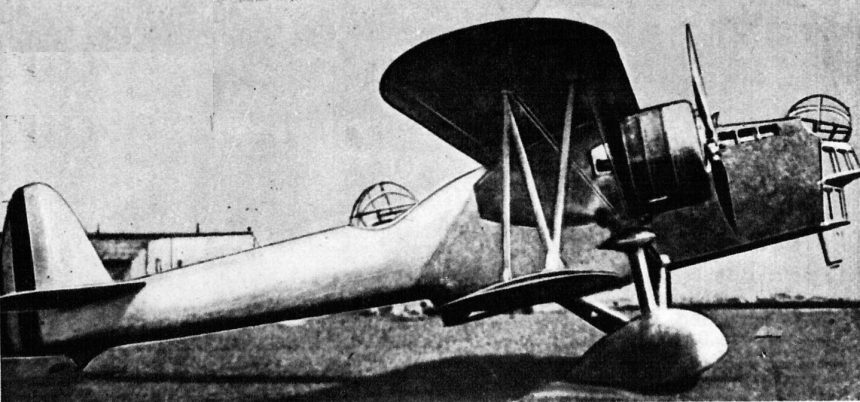

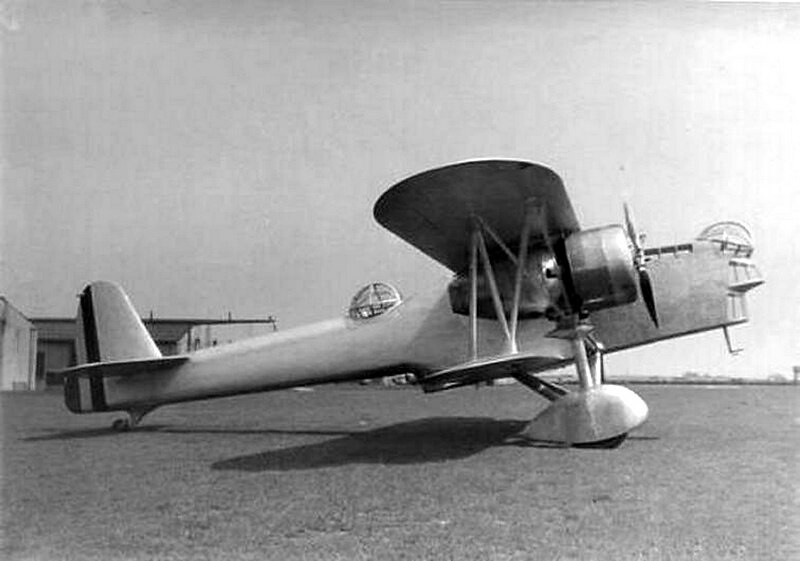
On this day in aviation history, 90 years ago (June 2, 1936), the first flight of the took place. Named after a species of beetle, the GR.8 was a multi-role combat aircraft prototype of Belgian origin. Les Ateliers de Constructions Aéronautiques Belges (LACAB) developed the Doryphore to handle bombing, recon, and escort fighter duties. LACAB began to design the GR.8 in response to a Belgian Air Force specification, which sought a multi-purpose bomber and long-range reconnaissance aircraft that could stand in as a fighter. This “Swiss Army Knife” concept took the form of a twin-engined biplane of mixed material construction. The fuselage was made of steel tubing and covered by plywood and fabric. The wings were wooden and of a two-bay and unequal span type. Twin 780-hp Gnome-Rhône 14Kdrs 14-cylinder radial engines powered the GR.8. The landing gear was fixed, but with wheel pants for aerodynamic efficiency. The Doryphore featured two machine gun positions, one in the nose and the other in the dorsal area. Each position was equipped with twin 7.62mm machine guns. A ventral position held two additional machine guns.
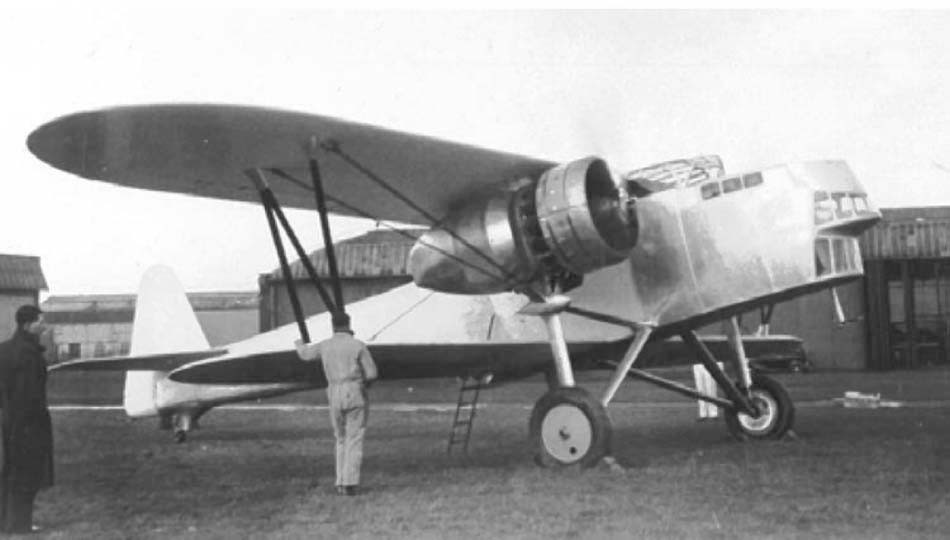
A crew of three manned the GR.8, which had a length of 44 ft 2 in, a wingspan of 59 ft 1 in, and stood 13 ft 7 in tall. The Doryphore could attain a maximum airspeed of 220 mph and reach a service ceiling of 28,900 ft. The GR.8 had a range of 540 nmi and could reach 13,100 ft in 7 minutes. In addition to the six 7.62mm machine guns, LACAB’s prototype multi-role combat aircraft could also be loaded with 1,800 lbs of bombs. After the initial test flight on 6/2/36, the sole GR.8 prototype was handed over to the Belgian Air Force for further flight testing. The Spanish Republican Air Force made an attempt to buy the aircraft, but they were prevented from doing so by the international arms embargo. On April 4, 1938, the sole Doryphore prototype received significant damage from a landing accident. Repairs were made to the wings and landing gear, but the GR.8 never flew again. The aircraft’s development program was ended after the German Invasion of Belgium in May 1940.


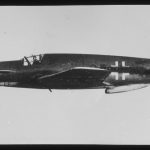


This unusual looking aircraft was the only attempt by Belgium to design, and build an aircraft of their own creation.After the Germans were defeated at the War in Europe, Belgium never again tried to develop aircraft of their own designs.