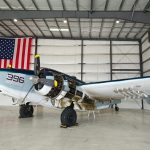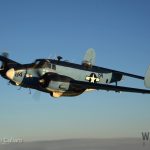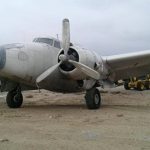
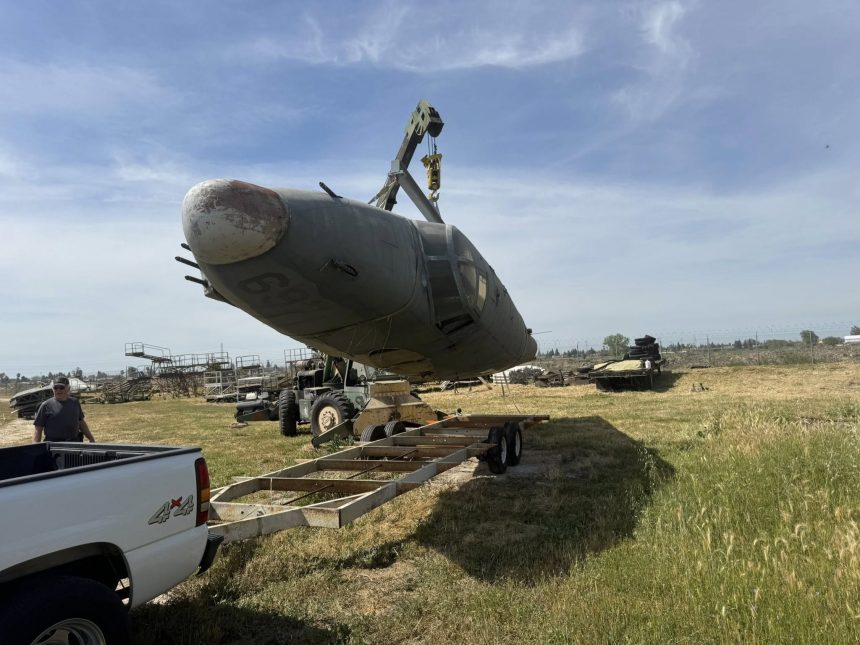

After more than two years of work, the March Field Air Museum of Riverside, California, has at last procured the last components of a Lockheed PV-2 Harpoon WWII patrol bomber. This aircraft has had a long journey to get to the museum adjacent to March Air Reserve Base, but its newfound presence signals the start of a new chapter in the story of this 80-year-old patrol bomber. The MFAM’s Lockheed PV-2 Harpoon was built by Lockheed Aircraft in Burbank, California, as construction number 15-1182 and delivered to the US Navy as BuNo 37216. Following the conclusion of its active USN service life, it was flown to NAS Litchfield Park, Arizona (now Phoenix-Goodyear Airport) on January 19, 1954, and stored outdoors until its acquisition by Ralph S. Johnson/Master Equipment Co., Cheyenne, Wyoming, who had the aircraft registered as N7256C by August 12, 1957. Johnson’s company (later reformed as RALCO Inc) installed a tank for pesticides in the former bomb bay of the aircraft, and PV-2 N7256C was primarily flown to protect crops from grasshoppers. On June 24, 1977, the aircraft was landing at Torrington, Wyoming, when the left main landing gear collapsed, causing the aircraft to nose over on the ground. However, no injuries were reported, and the aircraft was later repaired and returned to flying condition. The aircraft went through several owners during the 1980s and 1990s, ending up with Earl R. Benedict of Vacaville-Nut Tree, California, by 1995. Benedict re-registered the PV-2 as N10PV and based it out of Sonoma Valley Airport, Schellville, California. By 2010, N10PV had become dormant and would sit on the airport’s flight apron for several years.
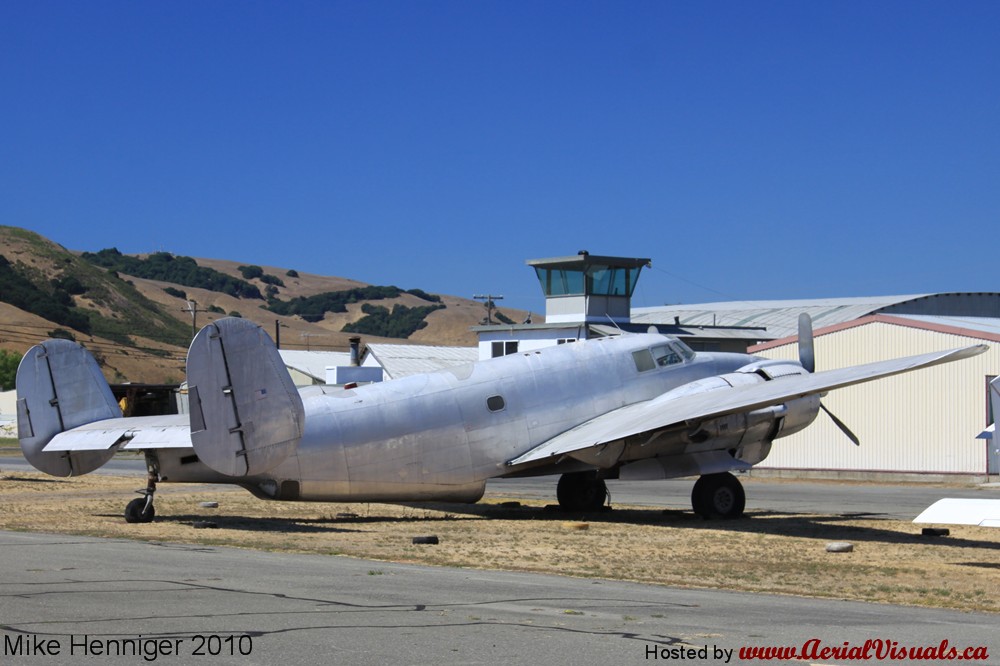
In 2014, PV-2 BuNo 37216/N10PV was acquired by Tony Rocha, then curator of the Castle Air Museum in Atwater, California, and with the help of museum volunteers, he would have BuNo 37216 disassembled at Sonoma Valley Airport and transported by truck to the Castle Air Museum, 118 miles to the southeast. Over the next decade, the aircraft was slowly reassembled on the museum’s outdoor storage lot, separated from the rest of the collection by a chain-link fence, and would eventually be repainted as a WWII USN PV-2. However, the museum’s limited budget, plus the need to restore other aircraft in the collection and to reassemble new additions acquired from across the country, meant that work on the PV-2 progressed slowly. Additionally, because the aircraft was officially owned by Tony Rocha and not the museum itself, it meant that when Rocha eventually stepped down from his role as curator, the status of the aircraft became uncertain. In 2023, it was decided that, in a three-way discussion between Tony Rocha, the Castle Air Museum, and the March Field Air Museum, PV-2 BuNo 37216 would be shipped to the March Field Air Museum and be placed on display there. One of the key figures in the transfer of the PV-2 from Atwater to Riverside was Greg Stathatos, founder of the site B-17 Archaeology and restoration volunteer at the Castle Air Museum who had previously worked as a restoration volunteer at the March Field Air Museum. It would be Stathatos who would organize the transport of the aircraft by road, some 300 miles south to Riverside.
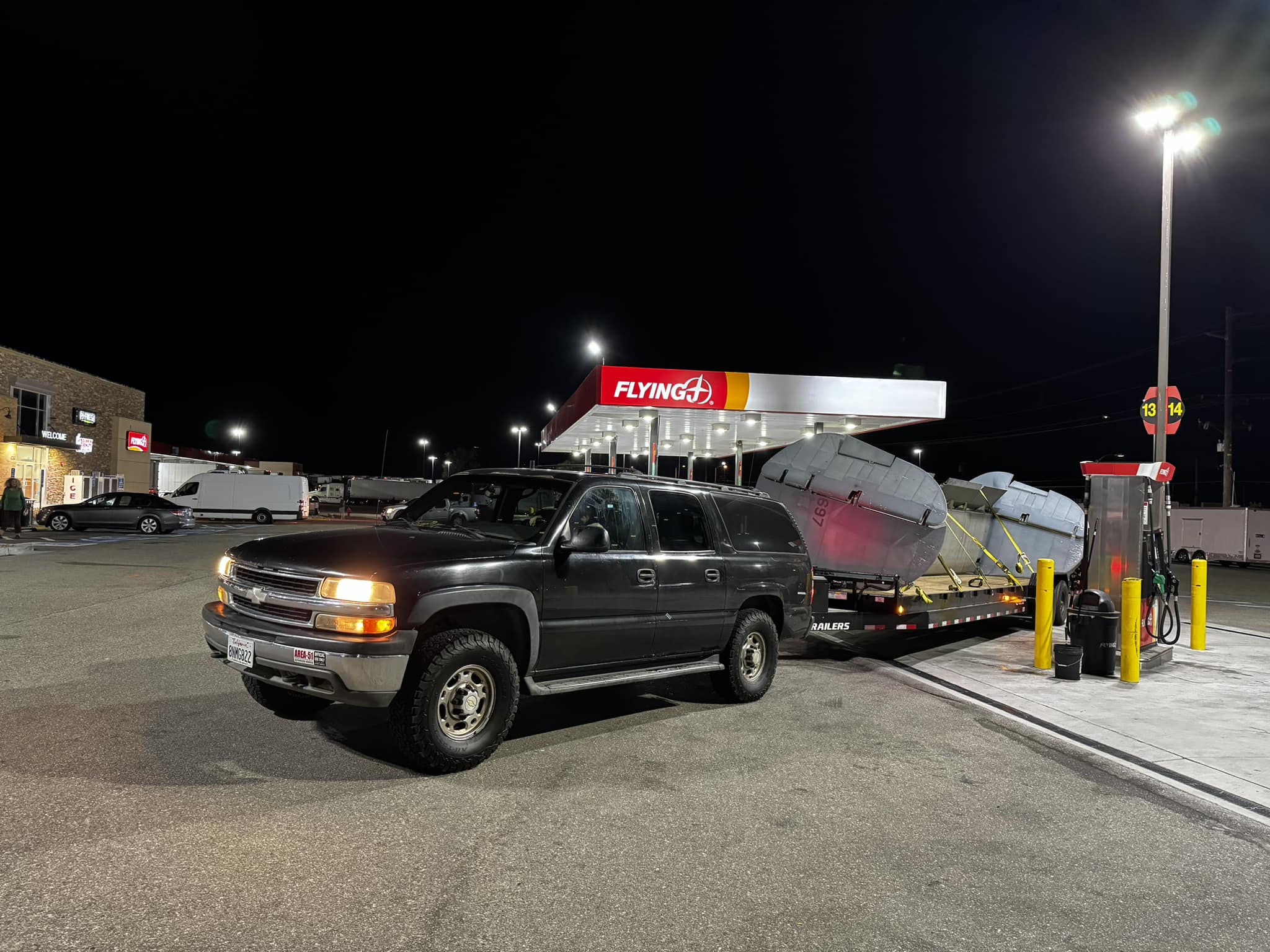
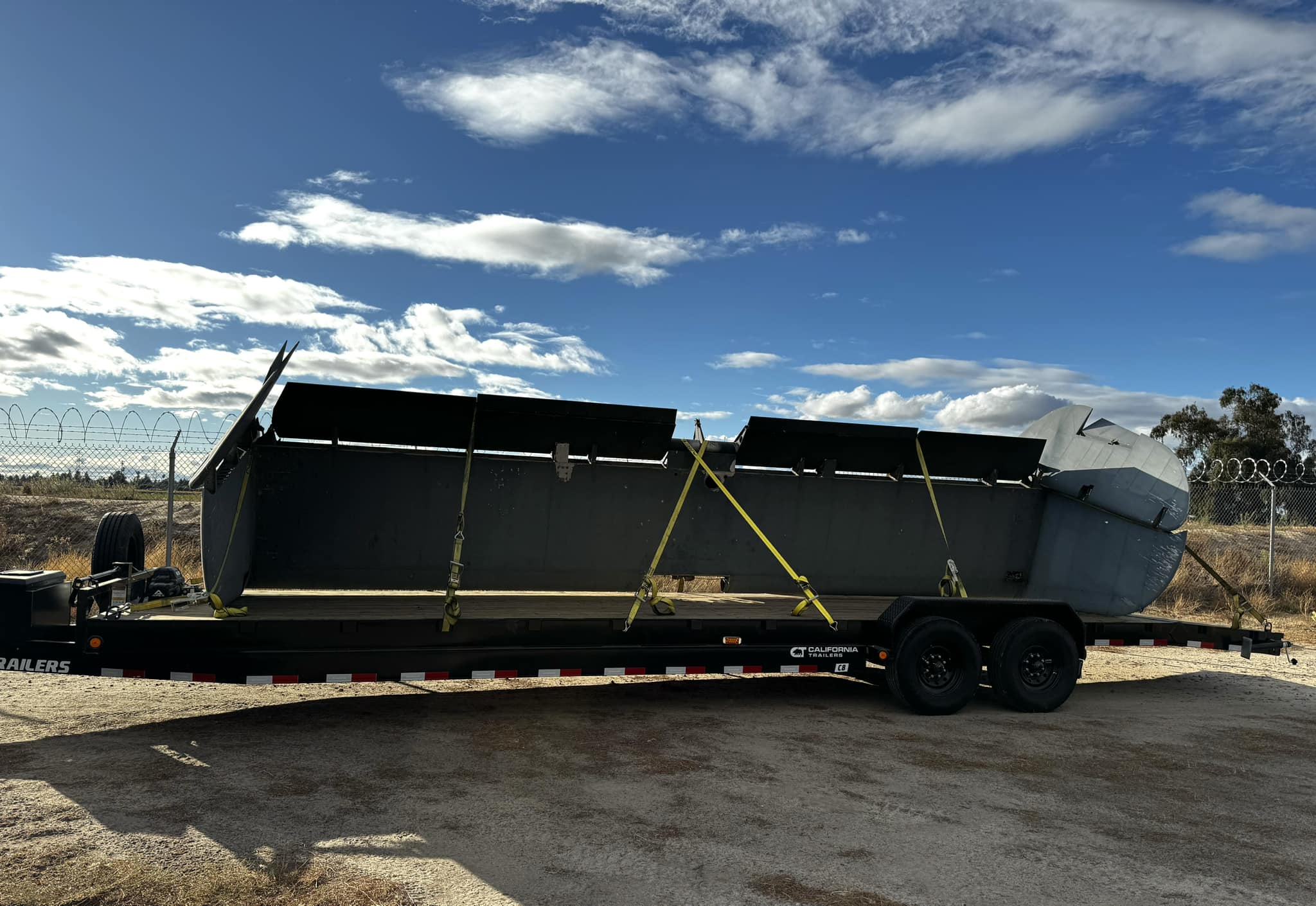
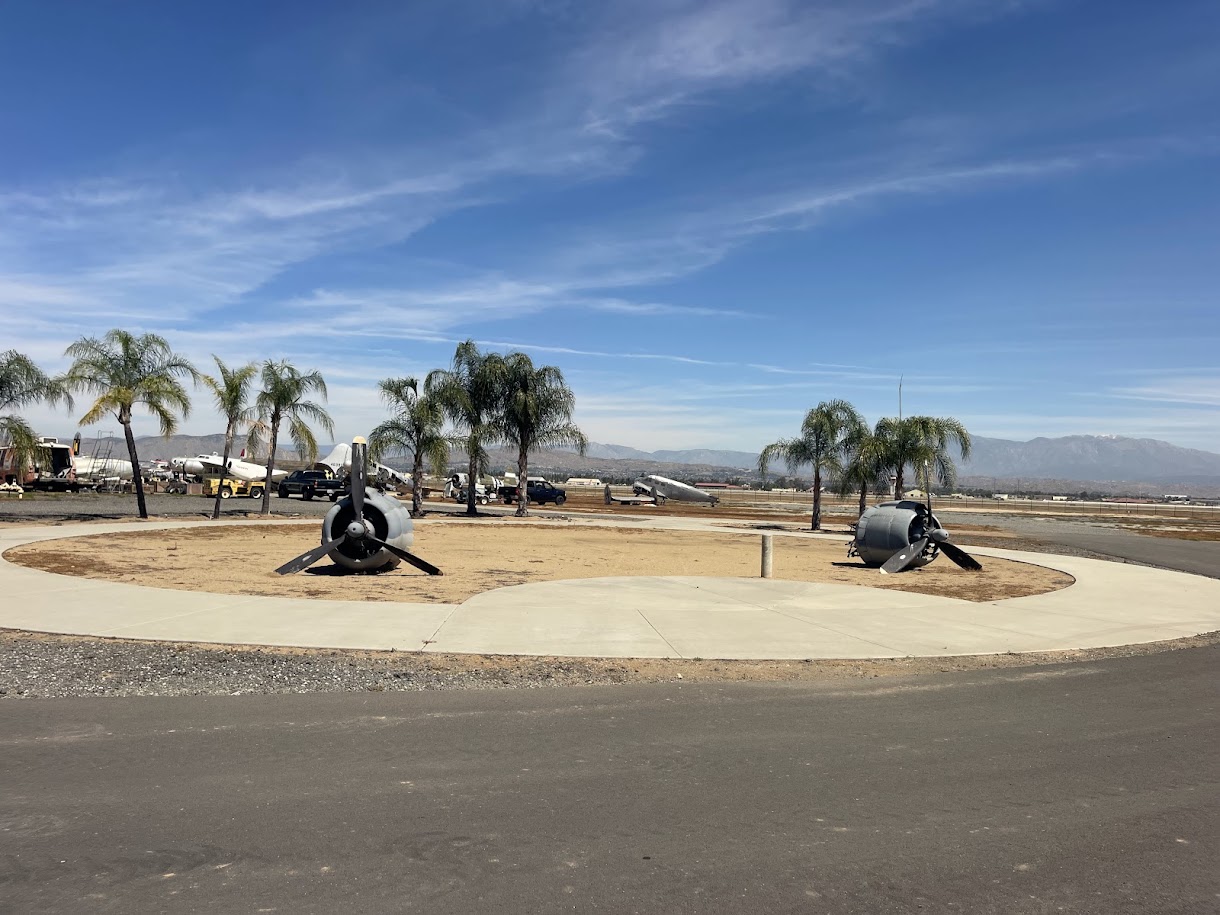
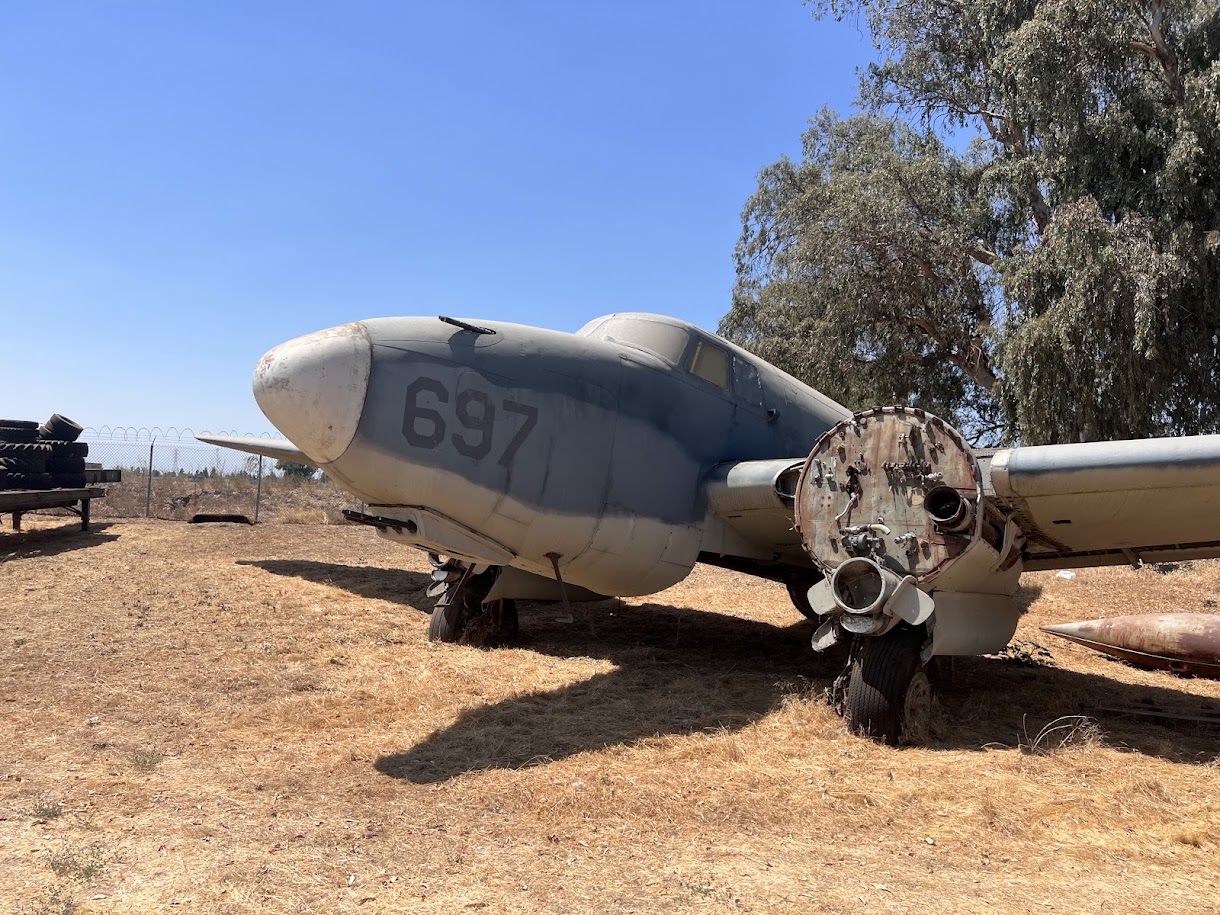
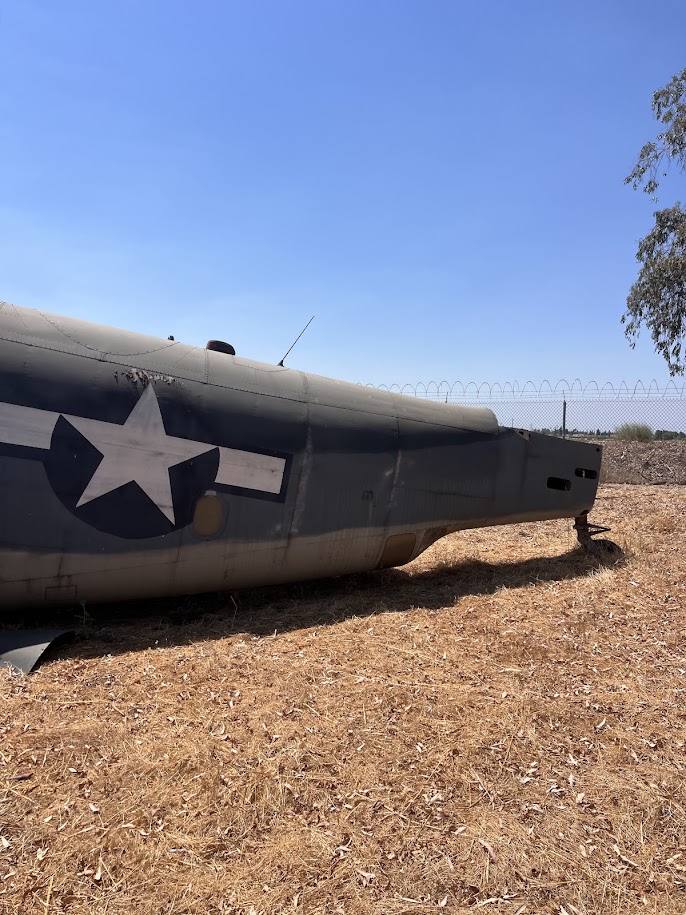
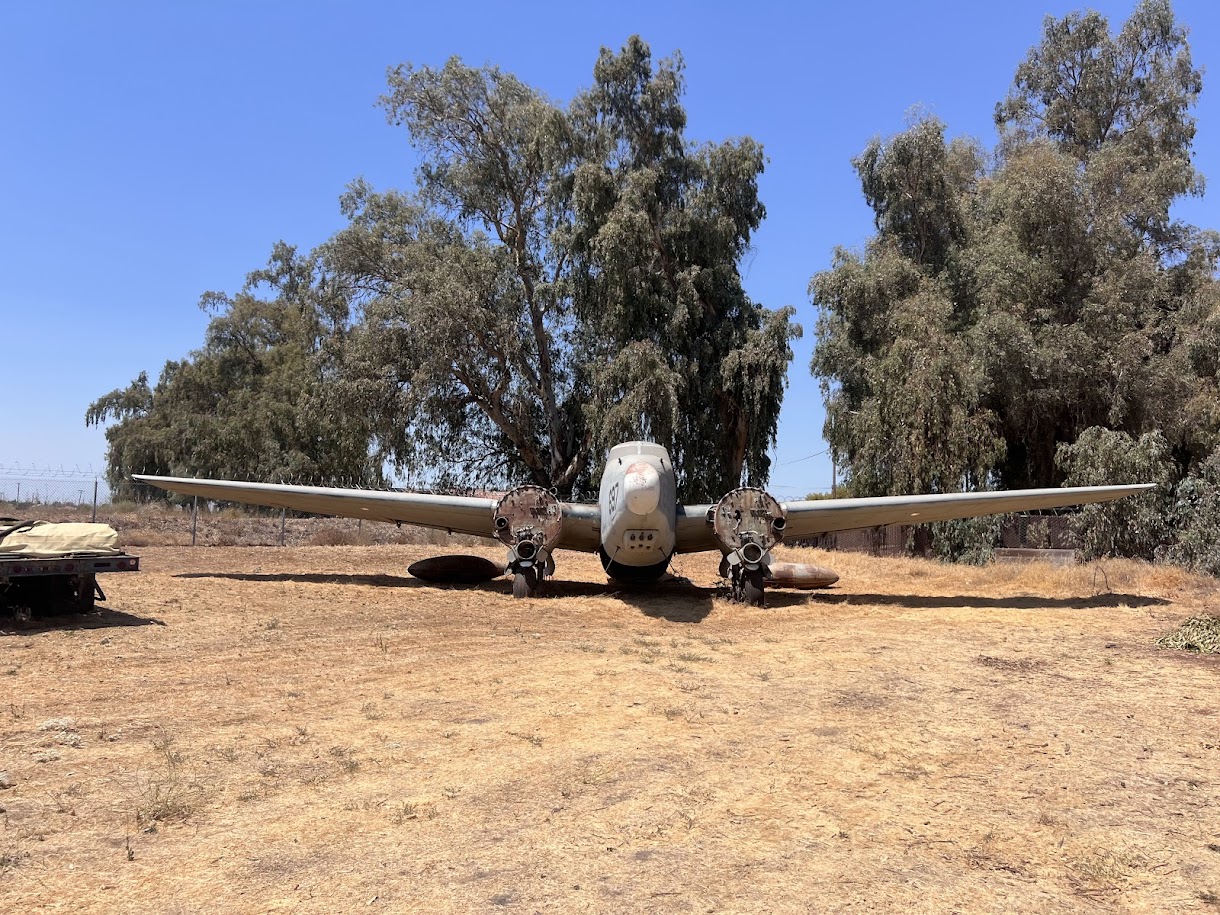
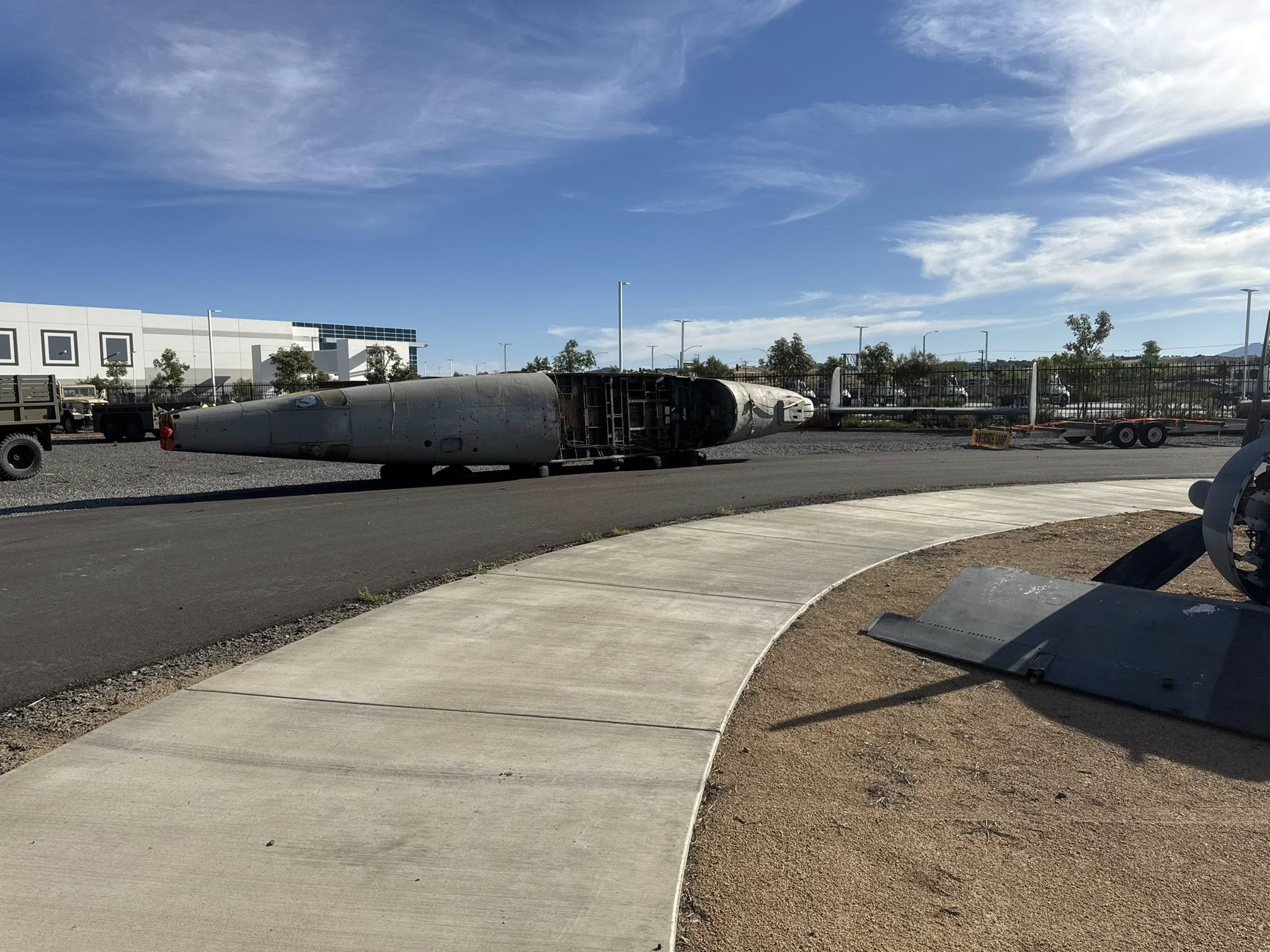
By October 2023, the tail assembly consisting of 37216’s horizontal and vertical stabilizers was removed from the aircraft’s tail and trucked on a trailer down to the MFAM, with the aircraft’s two Pratt & Whitney R-2800 engines and propellers being shipped down as well. However, budgetary setbacks and personnel changes at the March Field Air Museum would lead to an uncertain situation, where the wings and fuselage of the Harpoon remained at Castle, while the engines and tail assembly lay at March. After more than two years, though, the volunteers at March Field were finally given the green light to collect the rest of the aircraft. In March of 2026, another truckload carrying the outer wing panels arrived at the March Field Air Museum. By April 4, the final two truckloads of BuNo 37216 (the fuselage and the center wing box) had arrived at the MFAM, with restoration chief Alex LaBonte Jr overseeing the unloading of the sections from the trailers.
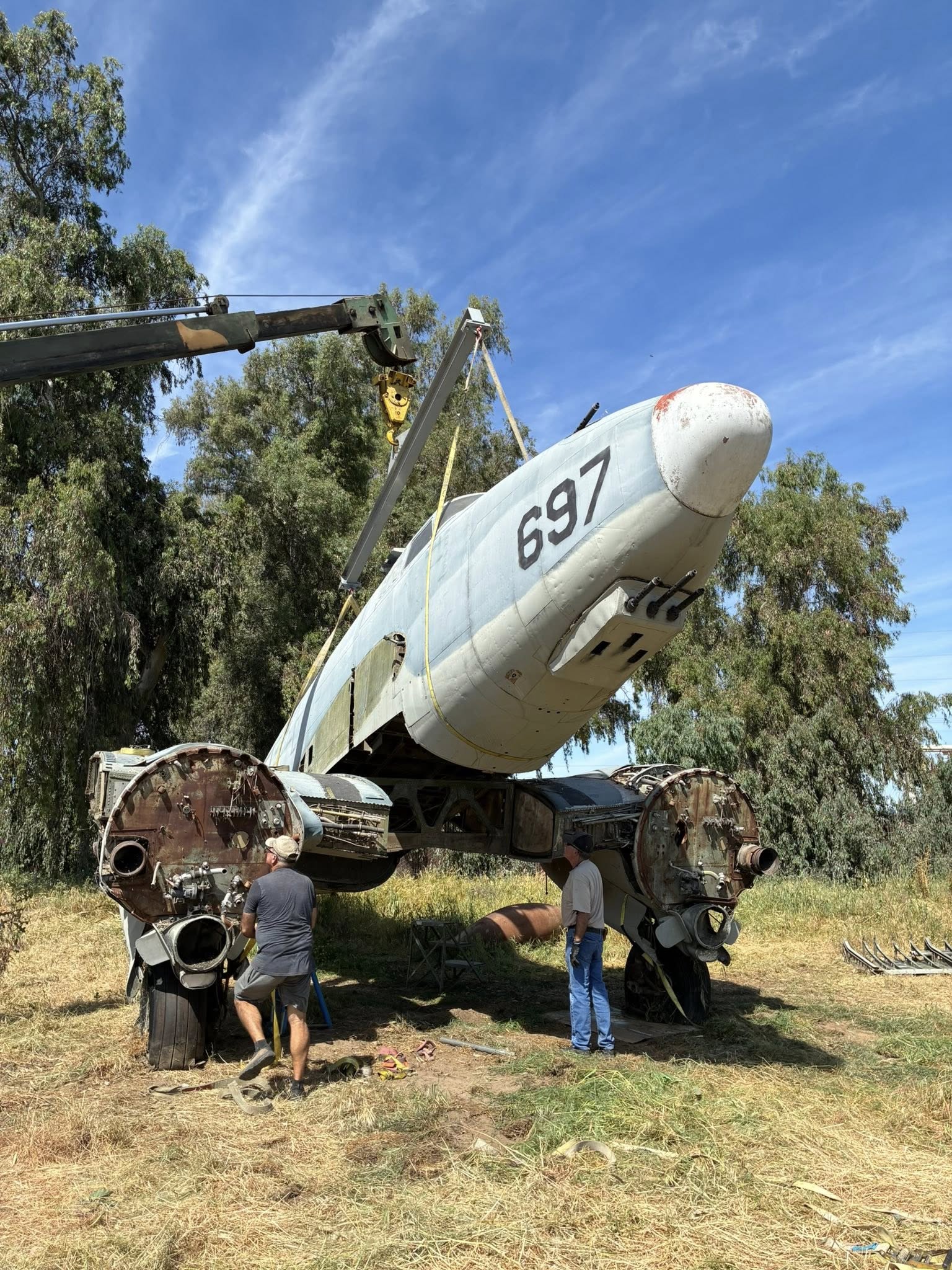
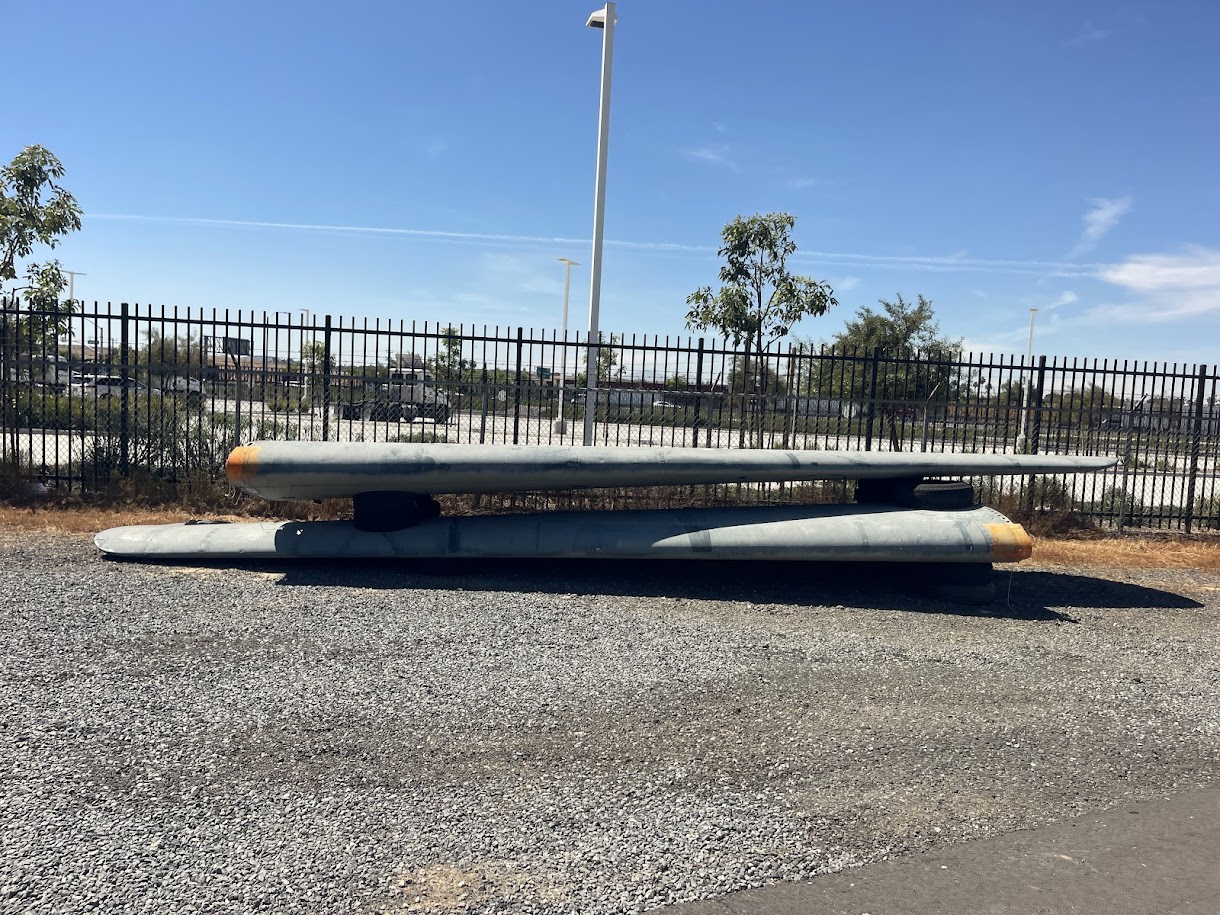
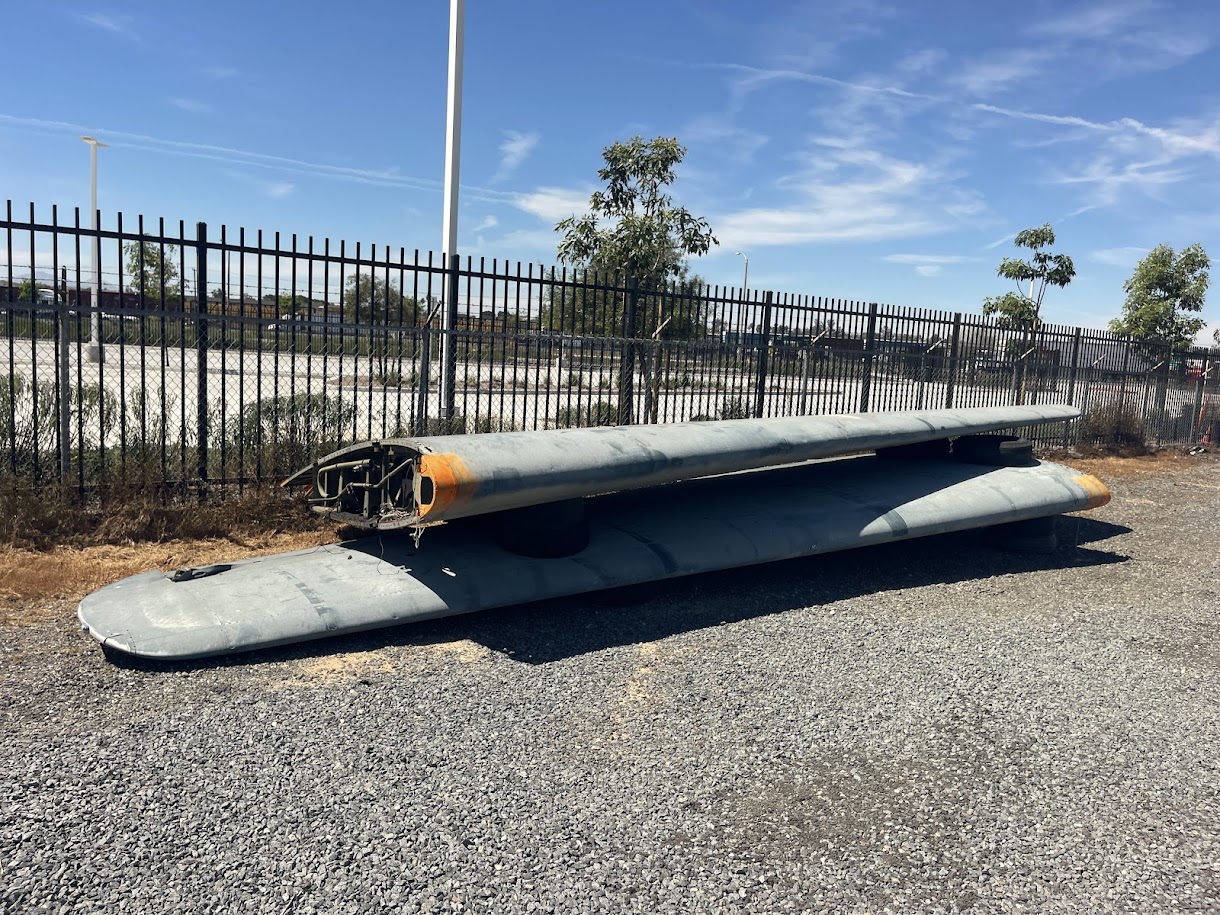
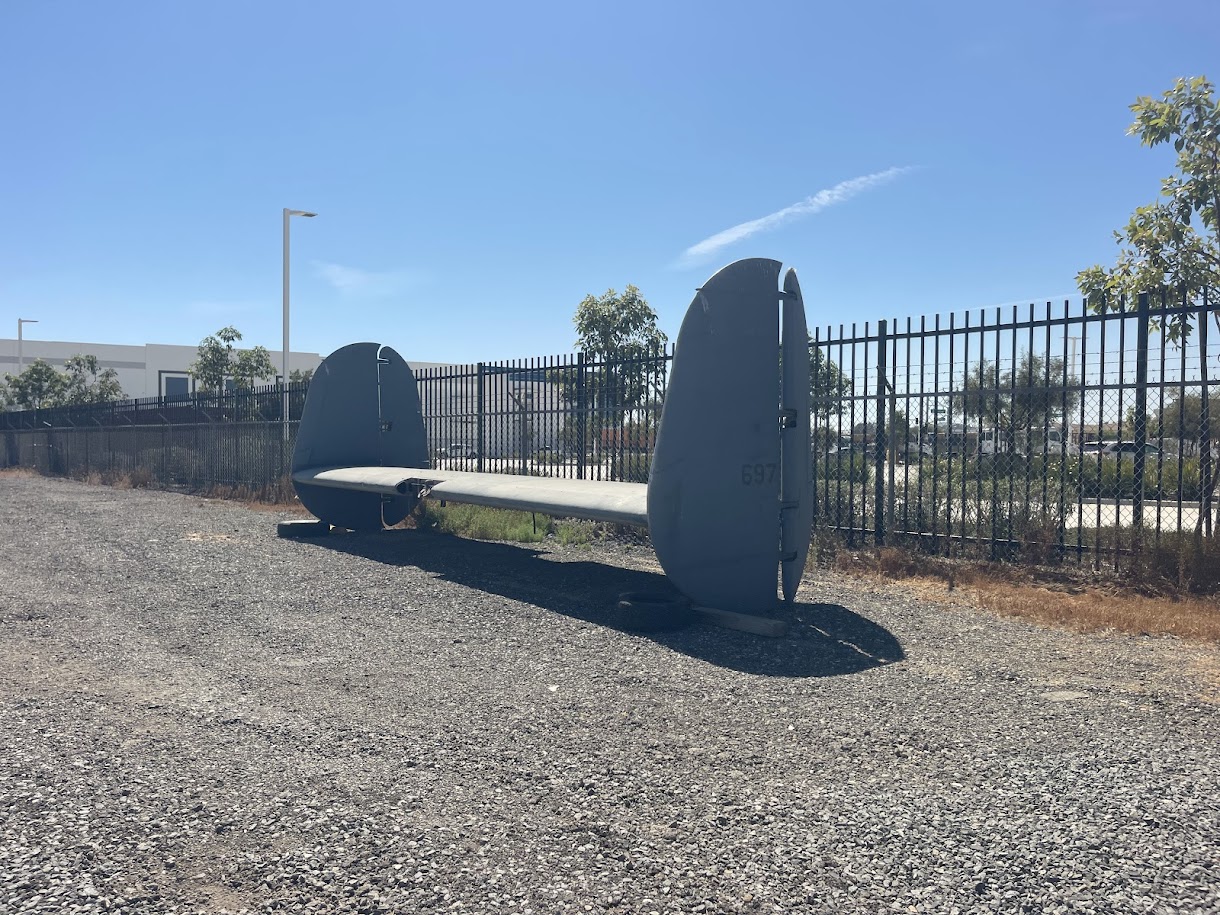
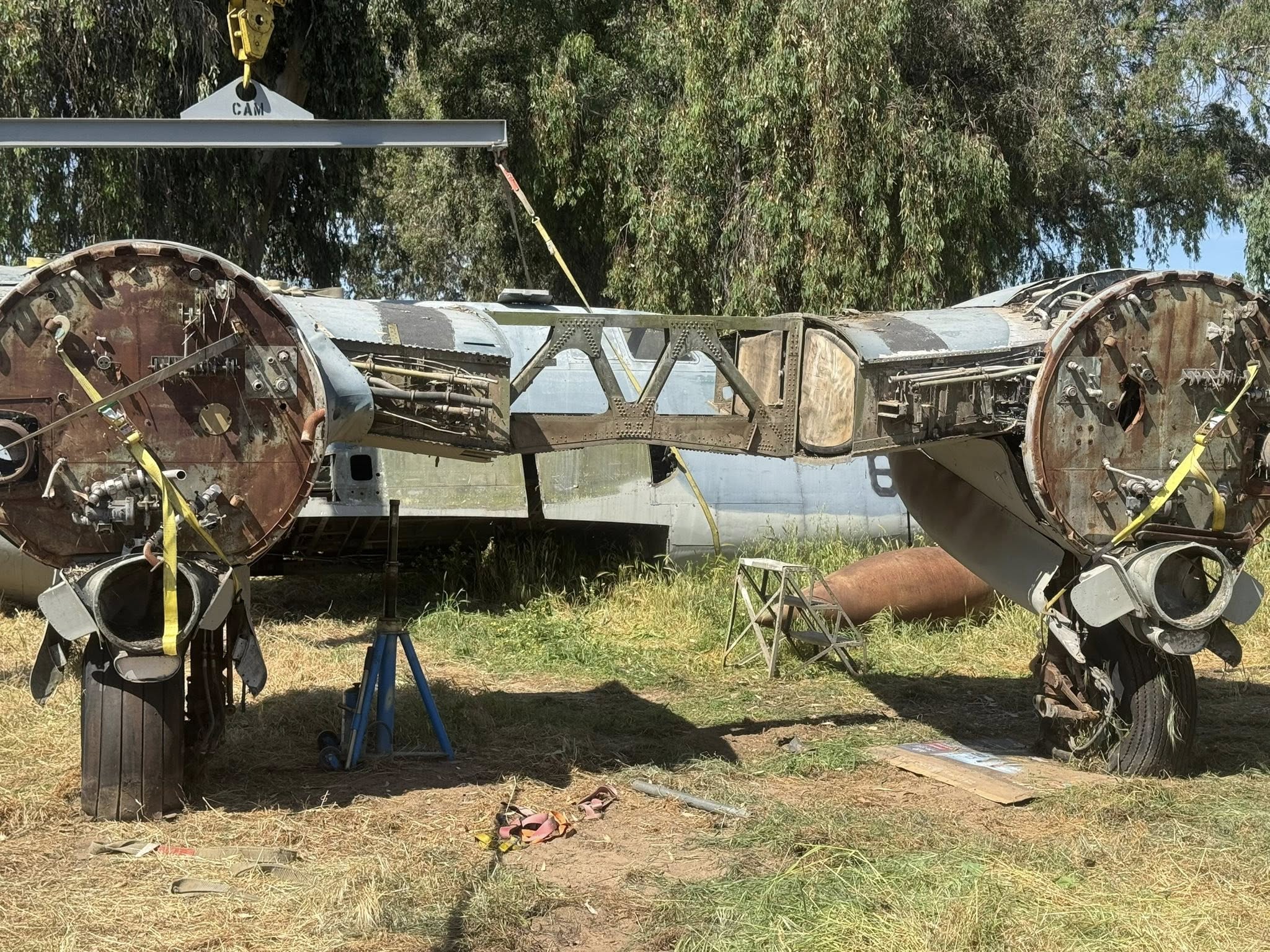
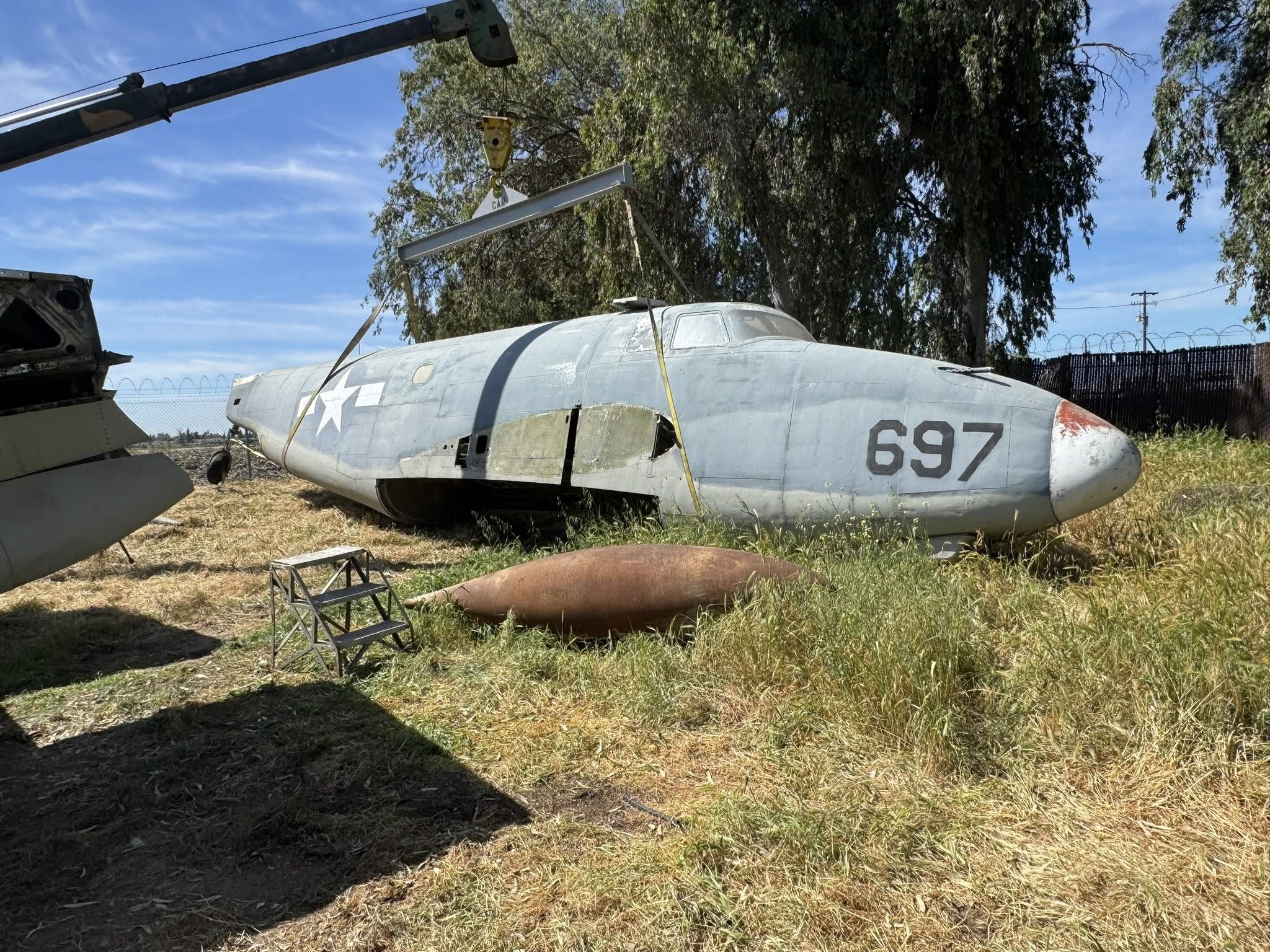
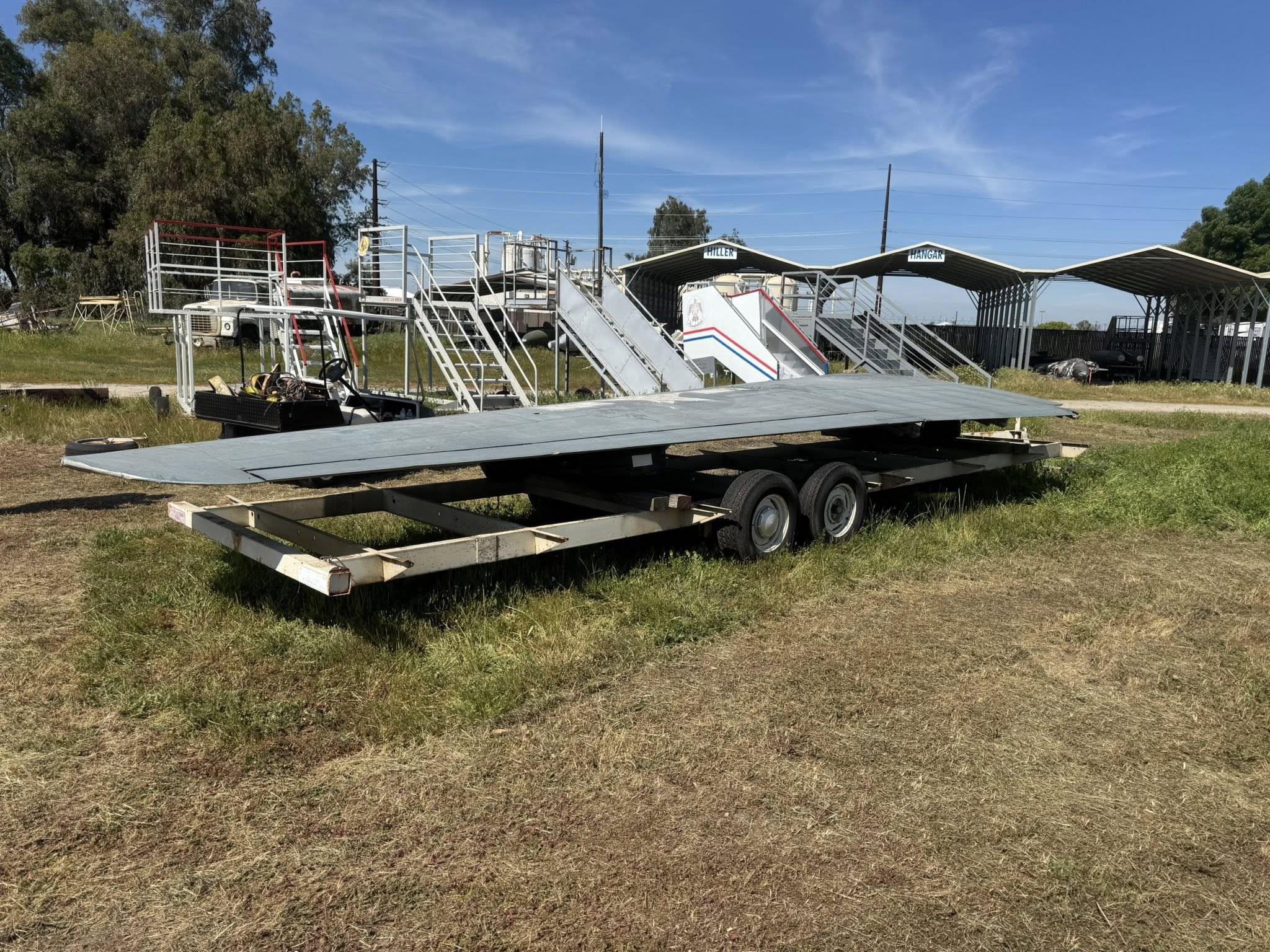
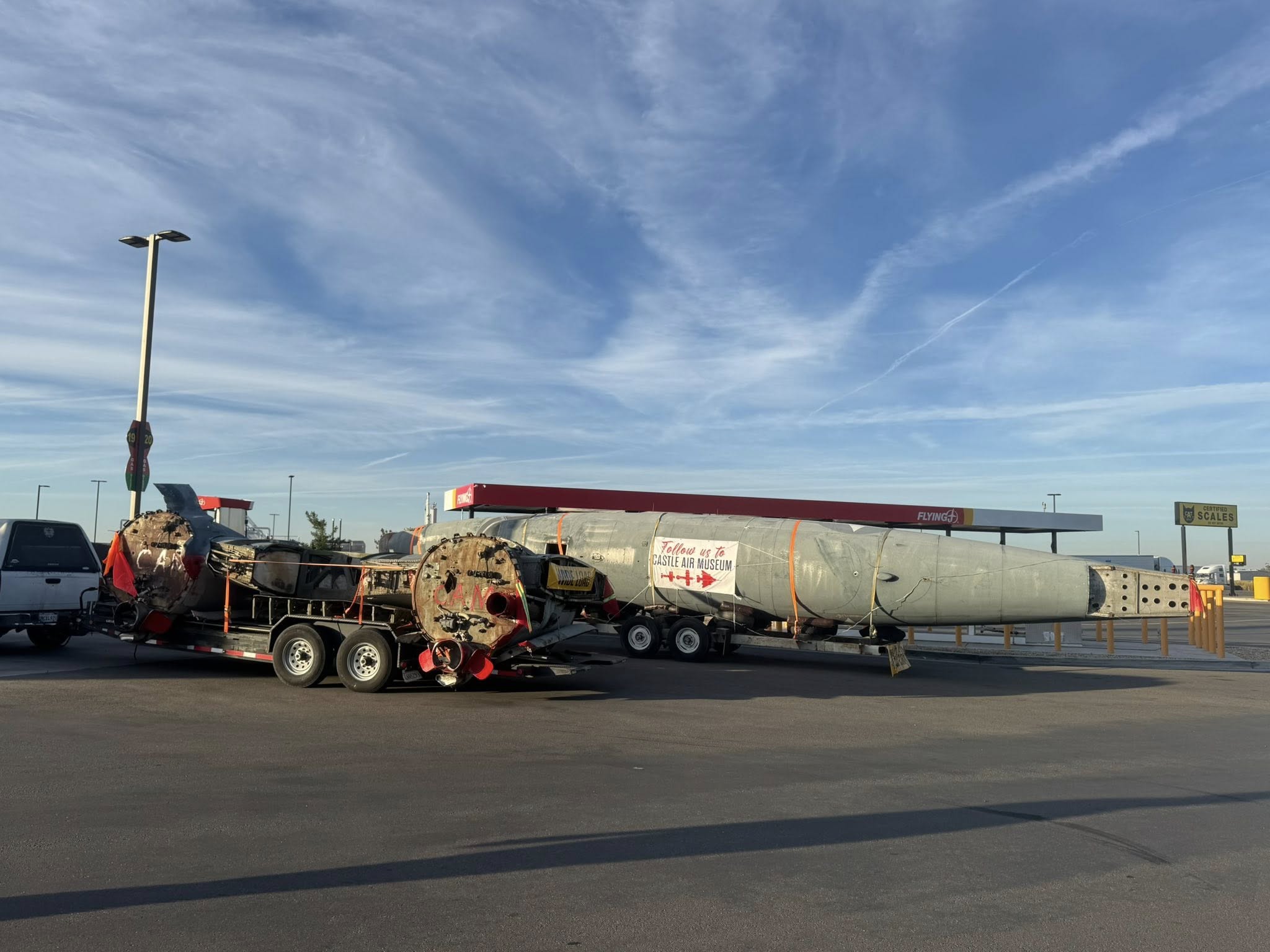
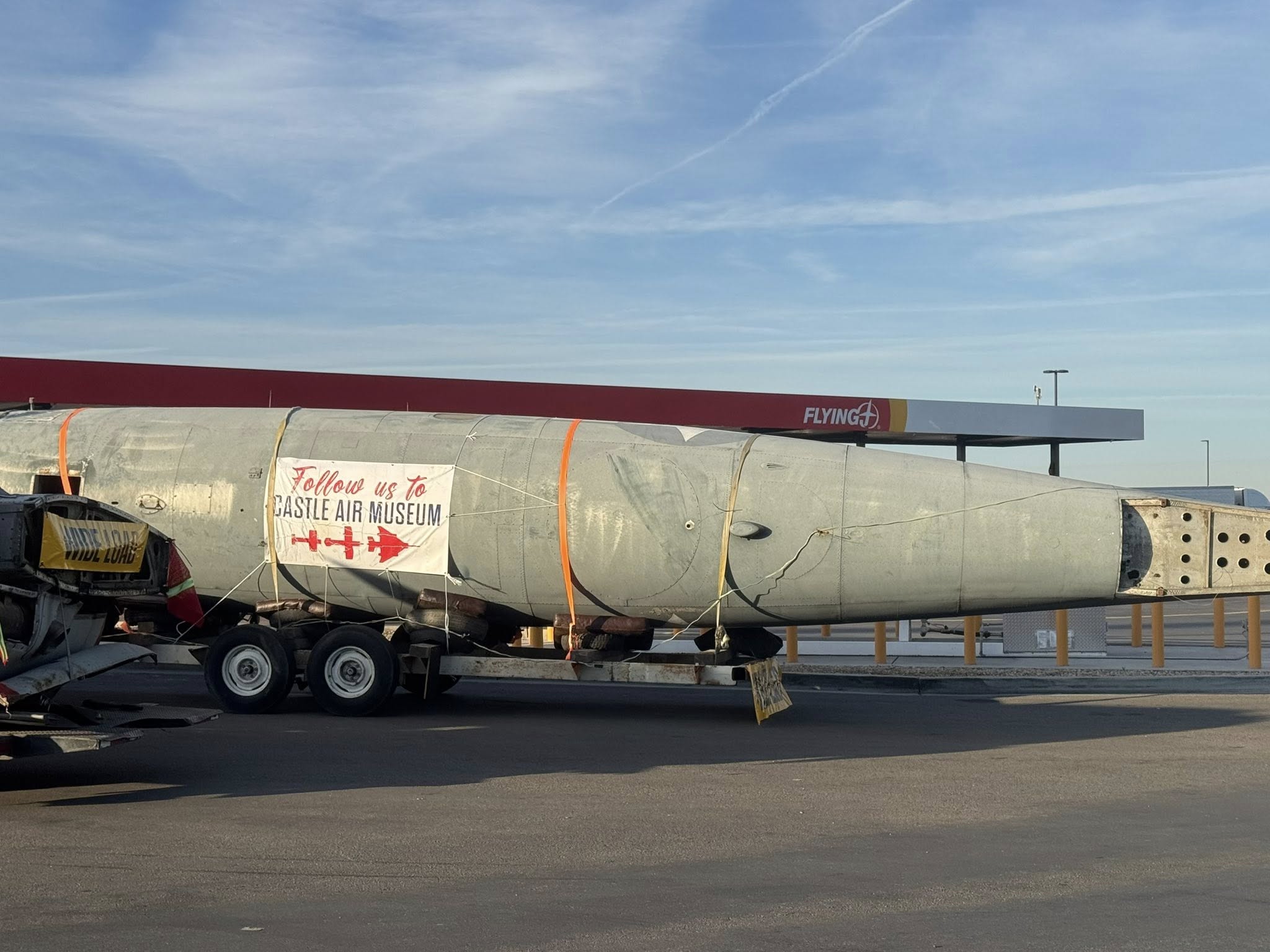
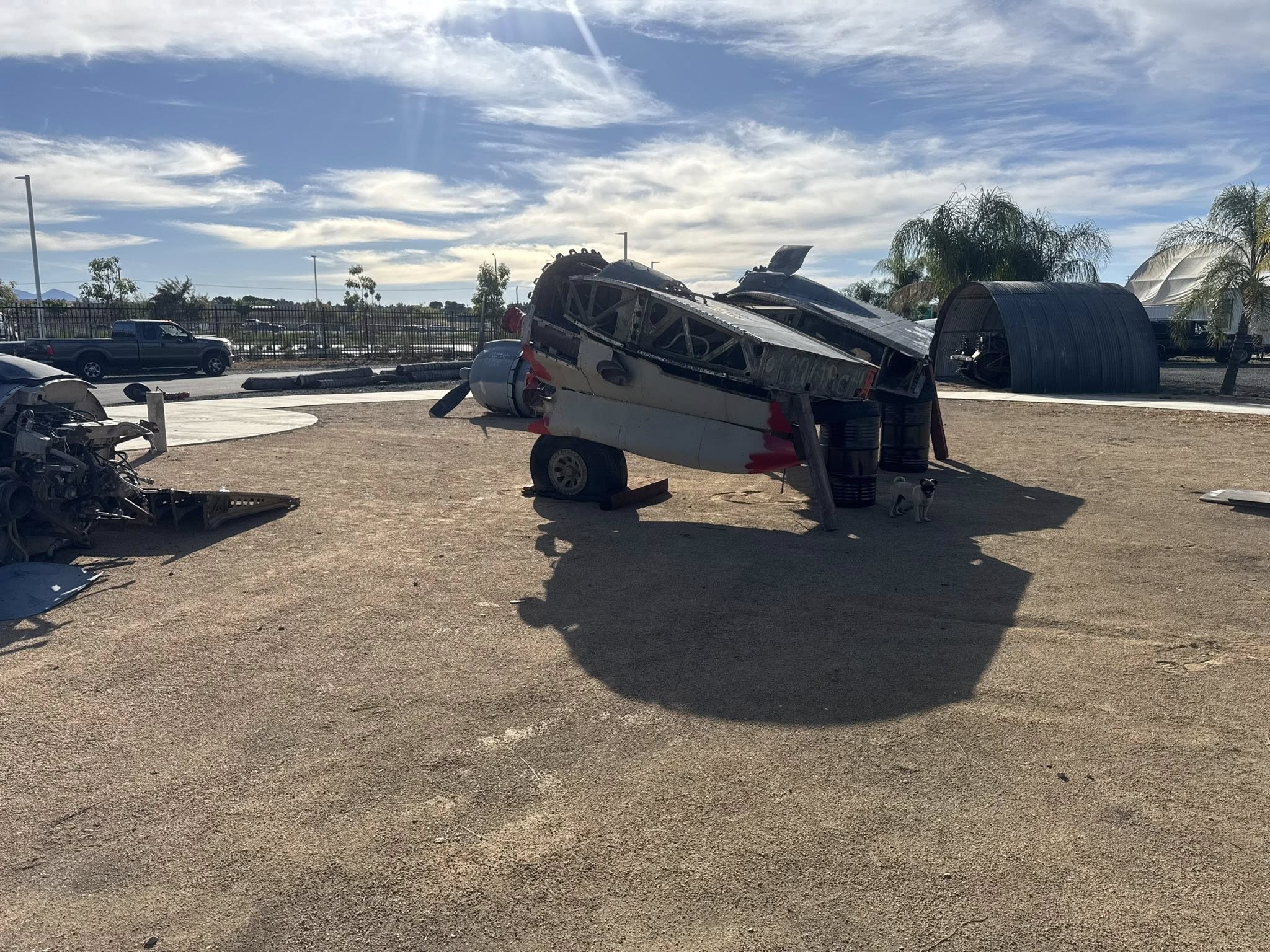
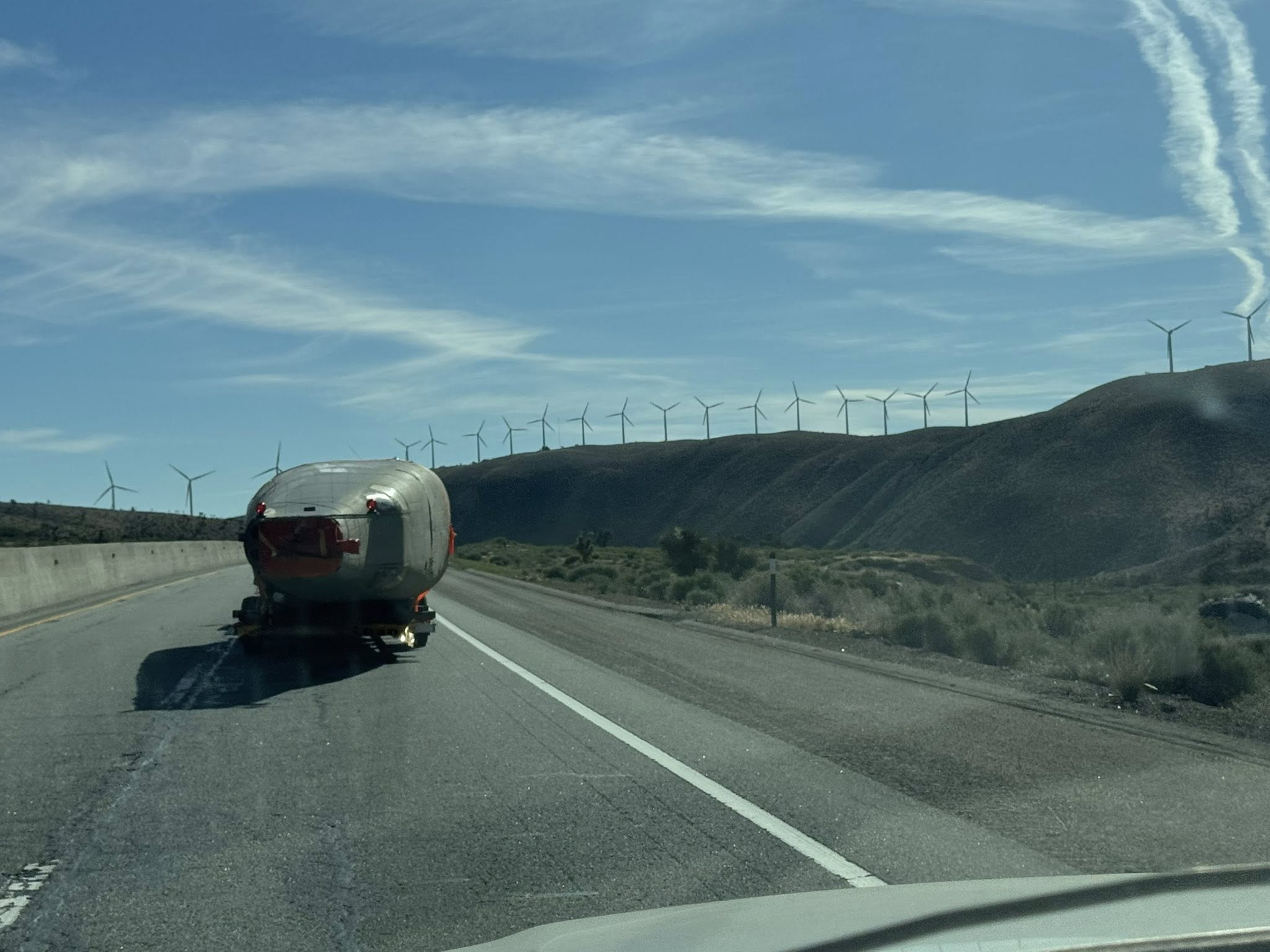
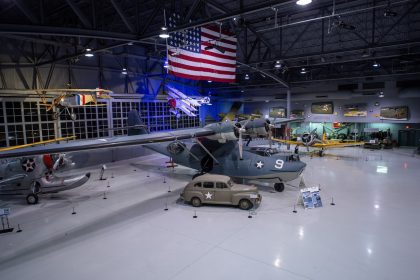
With the arrival of the Harpoon’s fuselage and wings, the aircraft will be reassembled for static display at the March Field Air Museum. With the museum moving its North American B-25J Mitchell, s/n 44-31032, from the south end of the museum to the entrance, PV-2 Harpoon BuNo 37216 will be displayed where the B-25 had previously been stationed, and finally, this aircraft will now have a secure place to serve as a testament to the airmen who flew the aircraft both during and after the Second World War on the grounds of one of the nation’s oldest continuously operating airbases.
For more information, visit the March Field Air Museum’s website HERE.