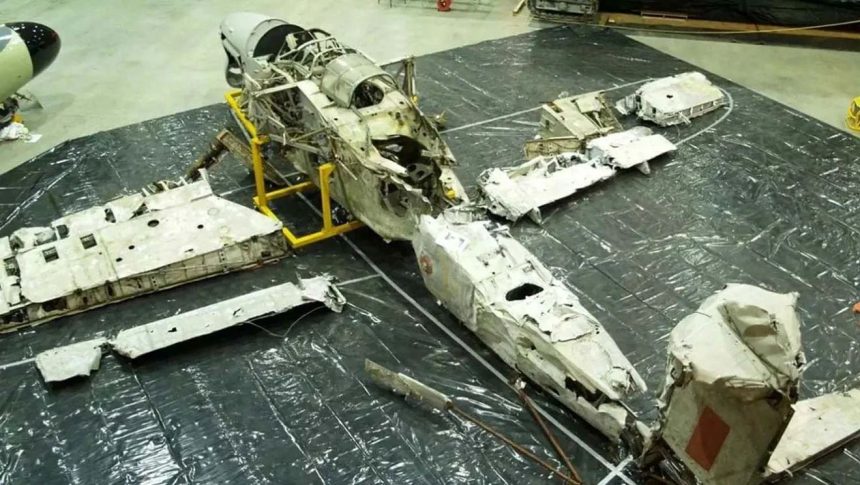

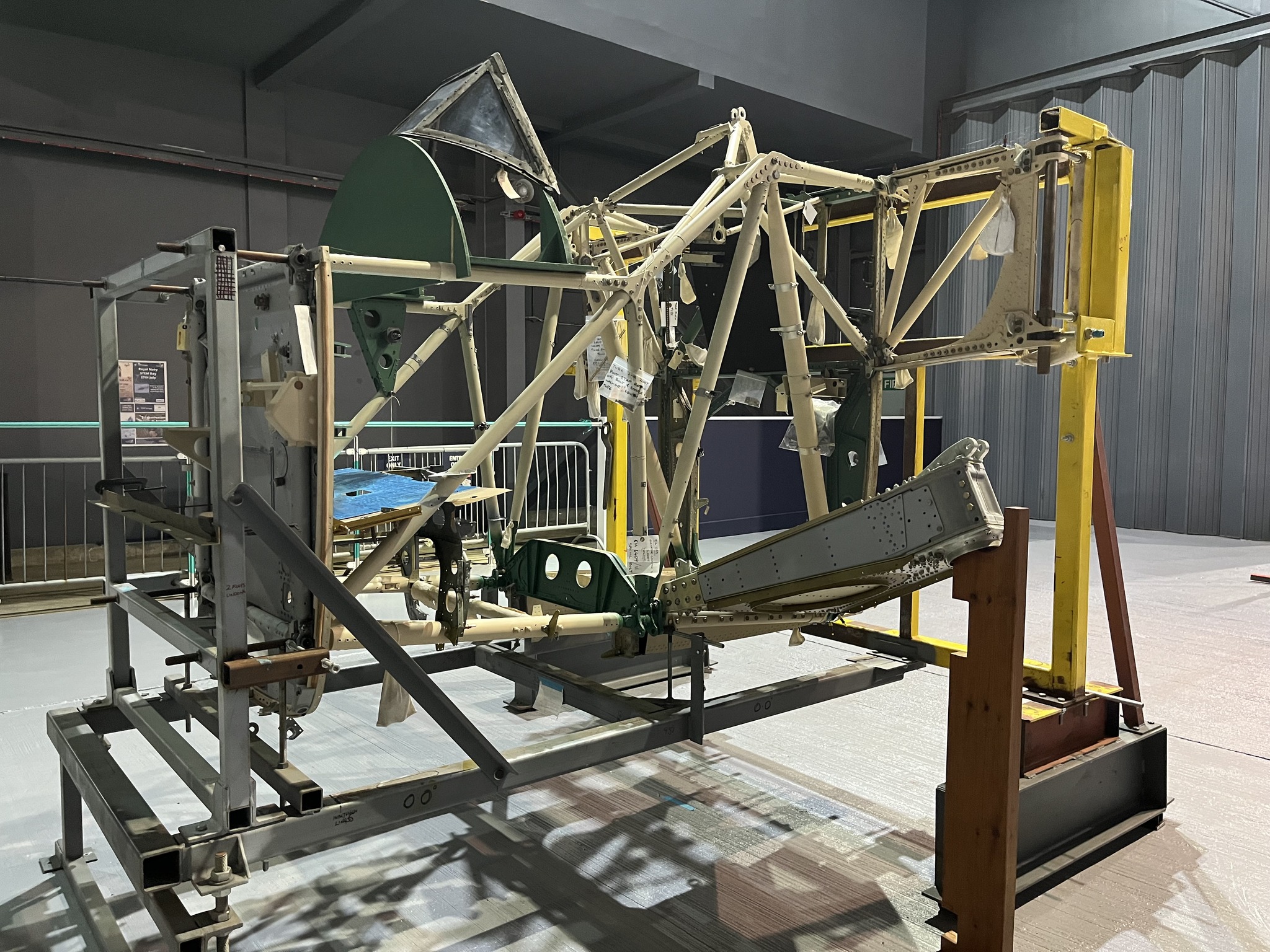
In a recent press release, the National Museum of the Royal Navy announced that it had secured a £50k grant of extra funding for the Fleet Air Arm Museum’s long-term and ongoing reconstruction of a Fairey Barracuda, one of the Royal Navy’s most widely used carrier borne torpedo bombers of the Second World War. This grant will be used to study and organize the Fairey Aviation archives in order to catalogue materials relating to the Barracuda project.
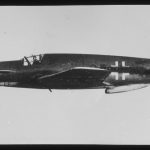
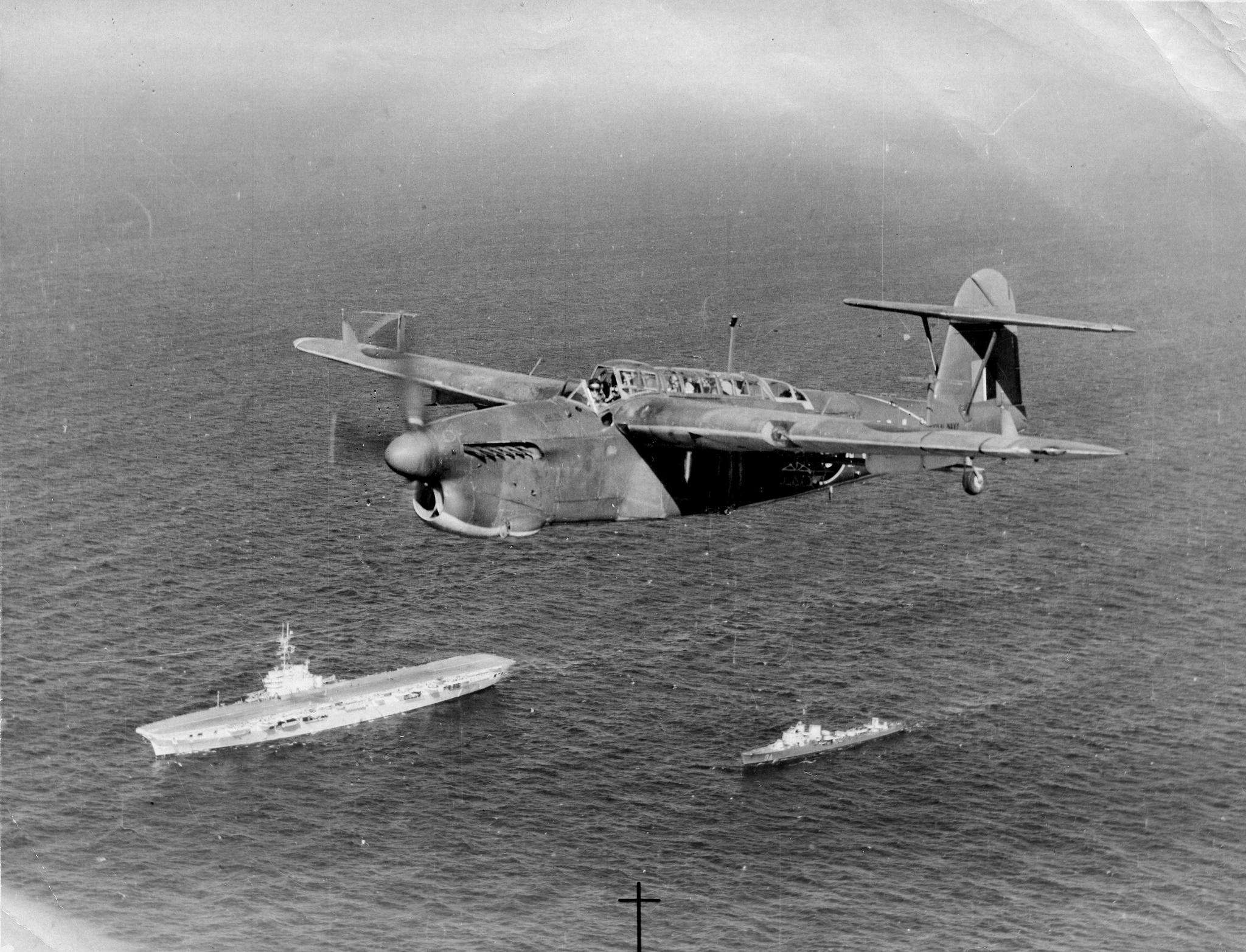
Developed as a successor to the Fairey Swordfish and Fairey Albacore biplane torpedo bombers, the Fairey Barracuda was distinguished by its shoulder-mounted wings and four-bladed propeller for its Rolls-Royce Merlin engine. From 1943 to the end of WWII, the Barracuda saw extensive combat flying from the decks of British fleet carriers from the Norwegian Sea to the Dutch East Indies (modern day Indonesia) and was also used in the Royal Navy’s attempts to sink the German battleship Tirpitz. Despite the fact that 2,602 Fairey Barracudas were built, none were set aside for preservation, being scrapped after their service had concluded.
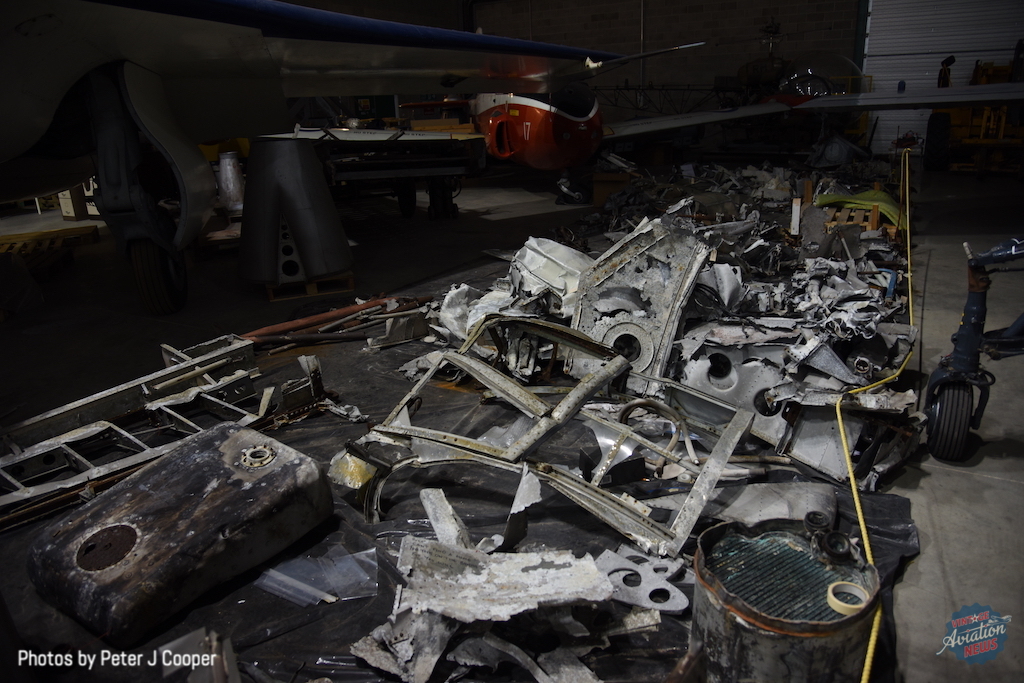
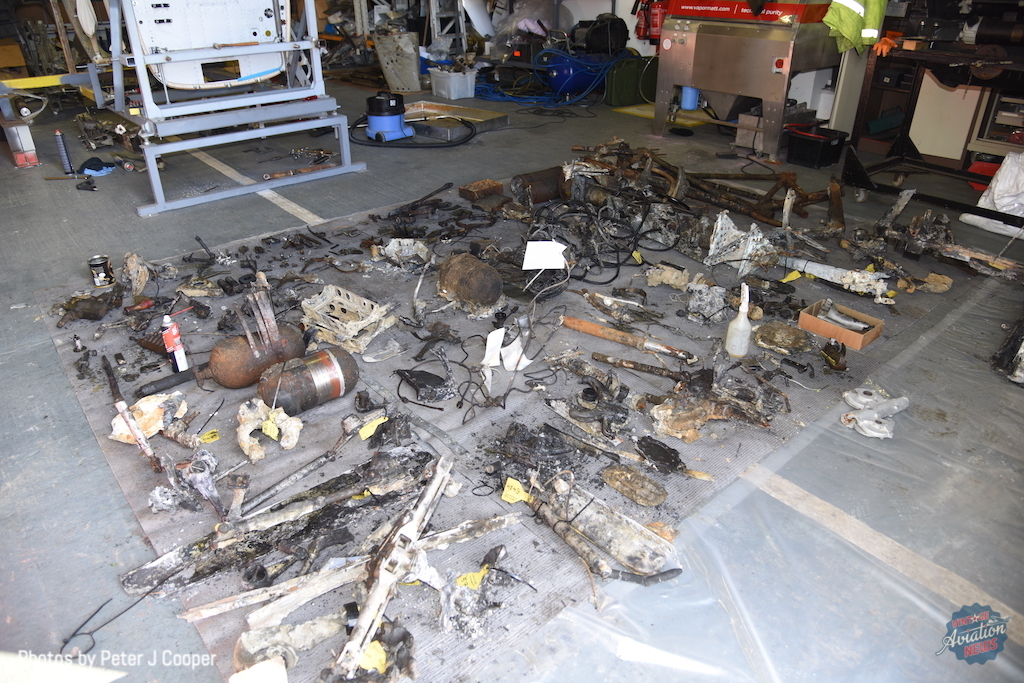
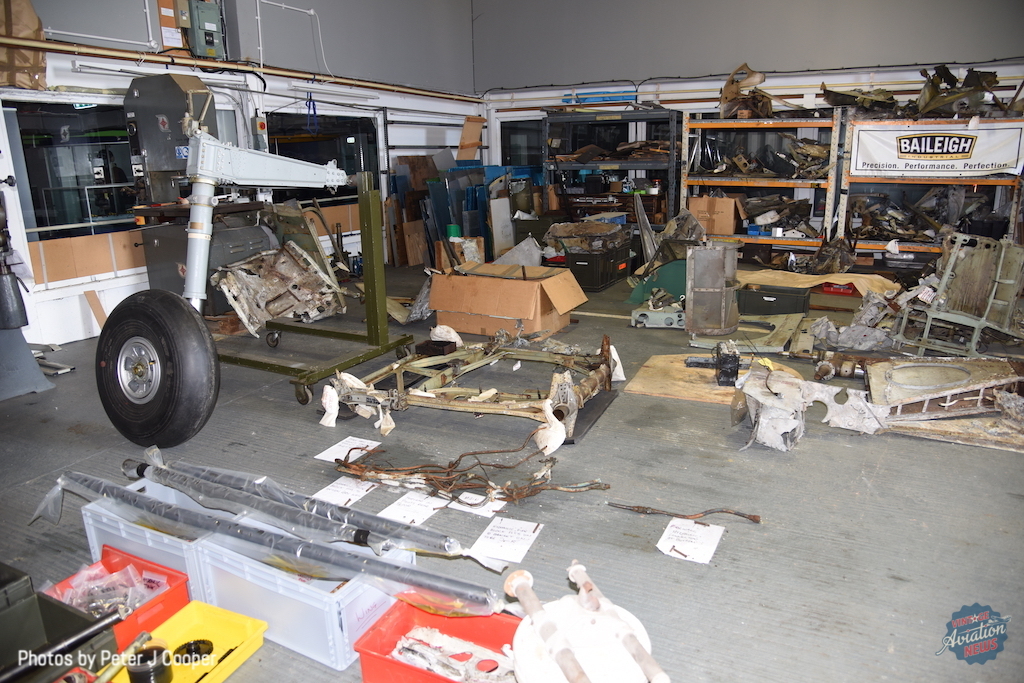
Since the 1970s, the Fleet Air Arm Museum at Yeovilton, England has scoured wreck sites to retrieve pieces of Fairey Barracudas with the goal of having an airframe worthy of being displayed at their museum. While the Fleet Air Arm Museum has been using the wreckage of Barracuda Mk II DR872 as the basis for the rebuild project, whose wreckage was pulled from Blackhead Moss near Londonderry, Northern Ireland in 1971, the museum has also utilized components retrieved from four other Barracuda wrecks (LS931, DR306, MD956 and PM870) found in Scotland. Louisa Blight, Head of Collections and Research at the National Museum of the Royal Navy, said of the project and the recent grant: “For a long time, the Barracuda project has felt like building a life-sized Airfix model – but this funding gives us the ‘instruction manual’ we’ve been missing.”
The new grant has come from Archives Revealed, a partnership between the National Archives, the Pilgrim Trust, the Wolfson Foundation and the National Lottery Heritage Fund, whose mission statement is “to ensure that significant archive collections, representing the lives and perspective of all people across the UK, are made accessible to the public for research and enjoyment.” To that end, the National Museum of the Royal Navy received assistance from the RAF Museum in Hendon to secure the £50k grant from Archives Revealed. The grant allows both museums access to all Fairey aircraft design and development materials to help better understand not only the Barracuda, but a range of other Fairey Aviation products flown by both the Royal Navy and the Royal Air Force. To follow the ongoing restoration of the Fairey Barracuda, visit this link HERE: Barracuda Live: The Big Rebuild | National Museum of the Royal Navy