







By Randy Malmstrom
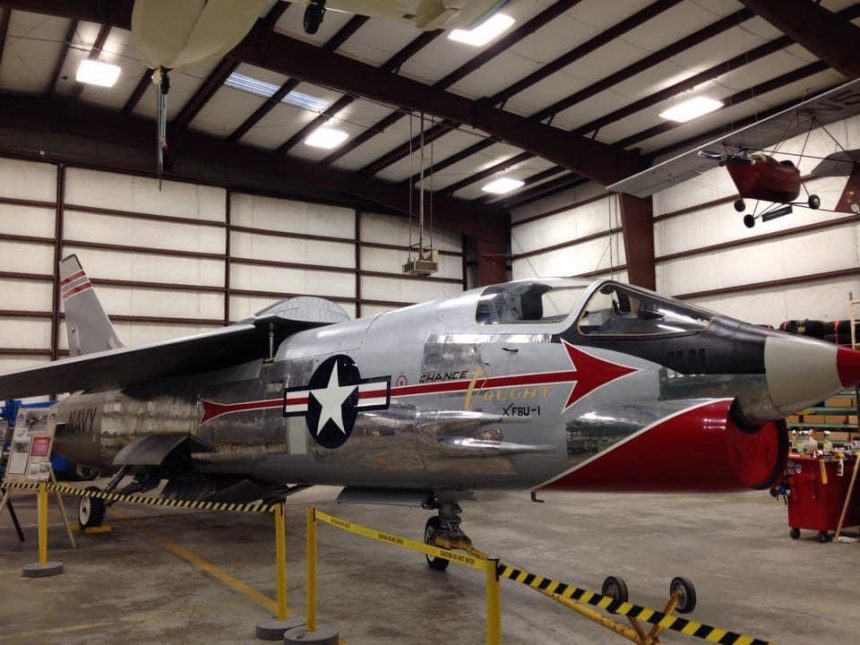
Since his childhood, Randy Malmstrom has had a passion for aviation history and historic military aircraft in particular. He has a particular penchant for documenting specific airframes with a highly detailed series of walk-around images and an in-depth exploration of their history, which have proved to be popular with many of those who have seen them, and we thought our readers would be equally fascinated too. This installment of Randy’s Warbird Profiles takes a look at the Museum of Flight‘s Vought XF8U-1 Crusader, BuNo. 138899.
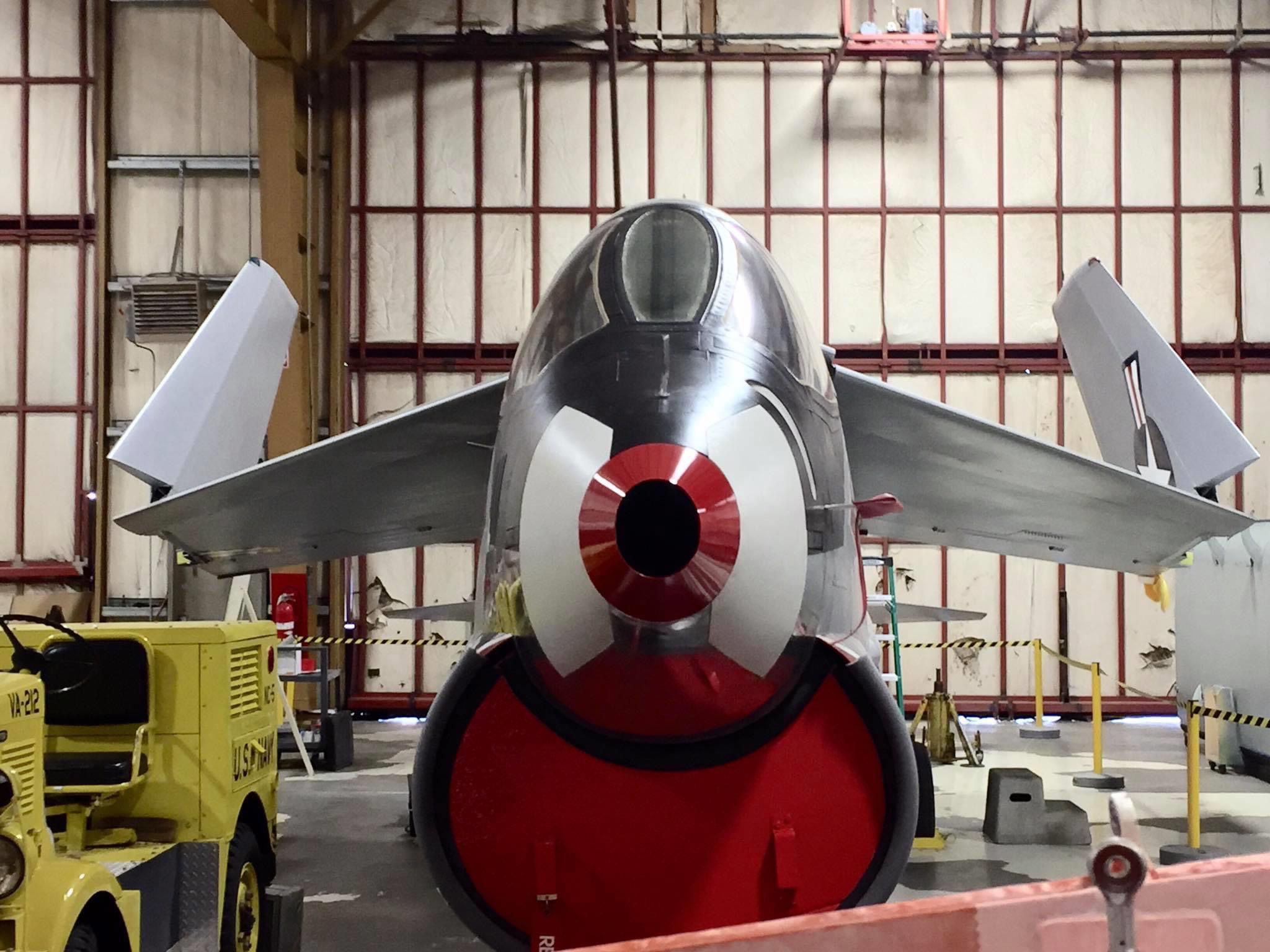
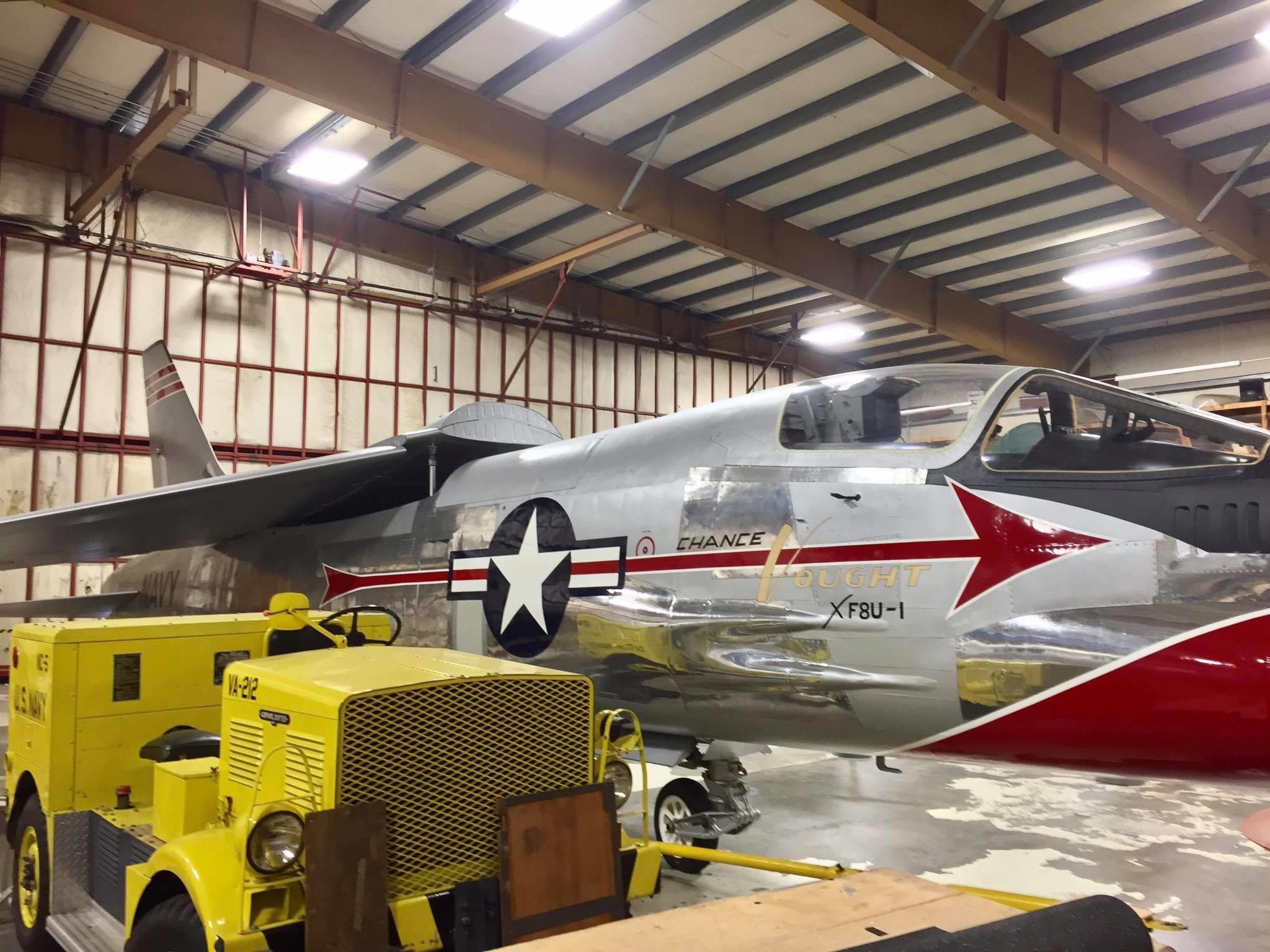
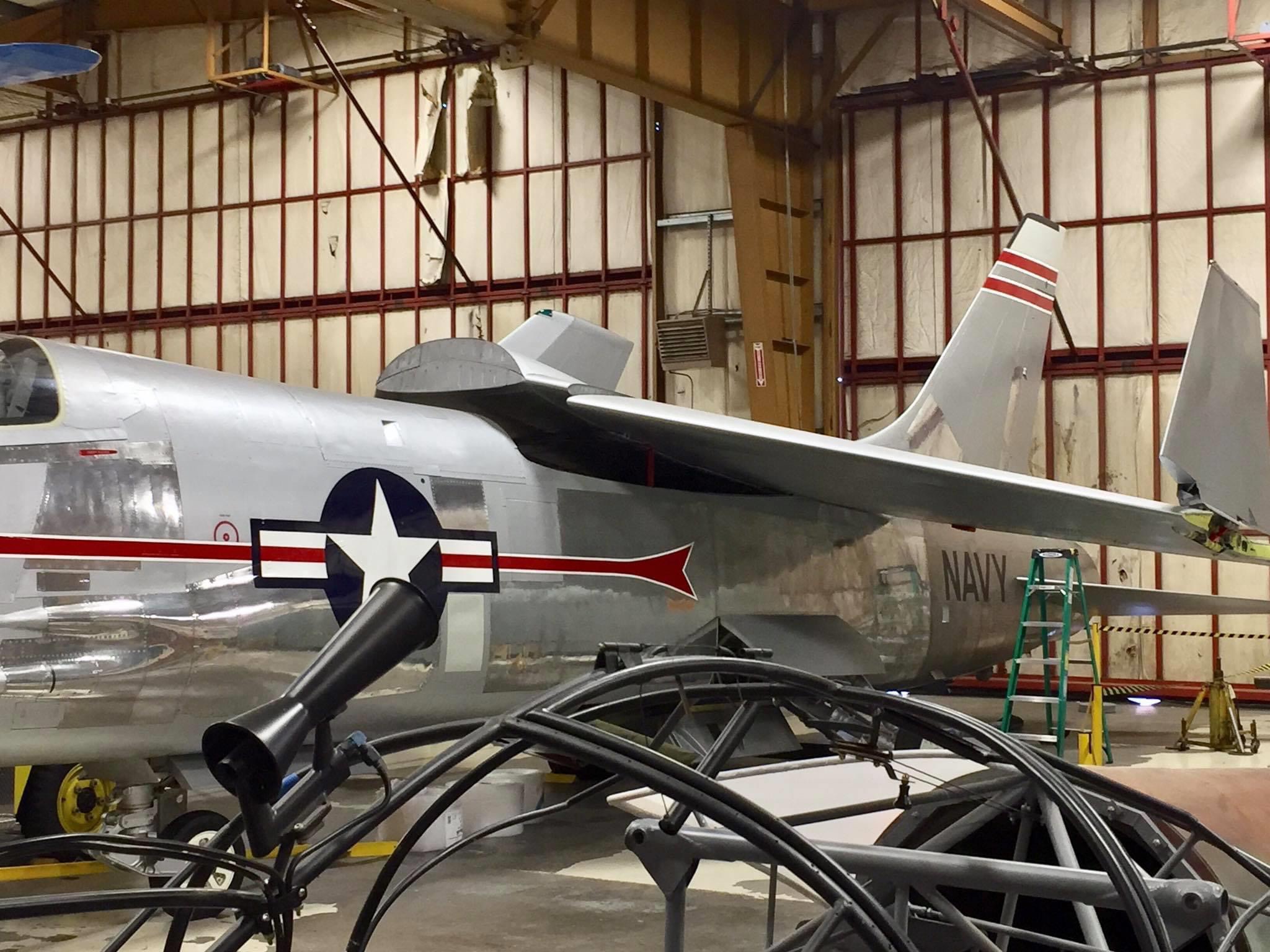
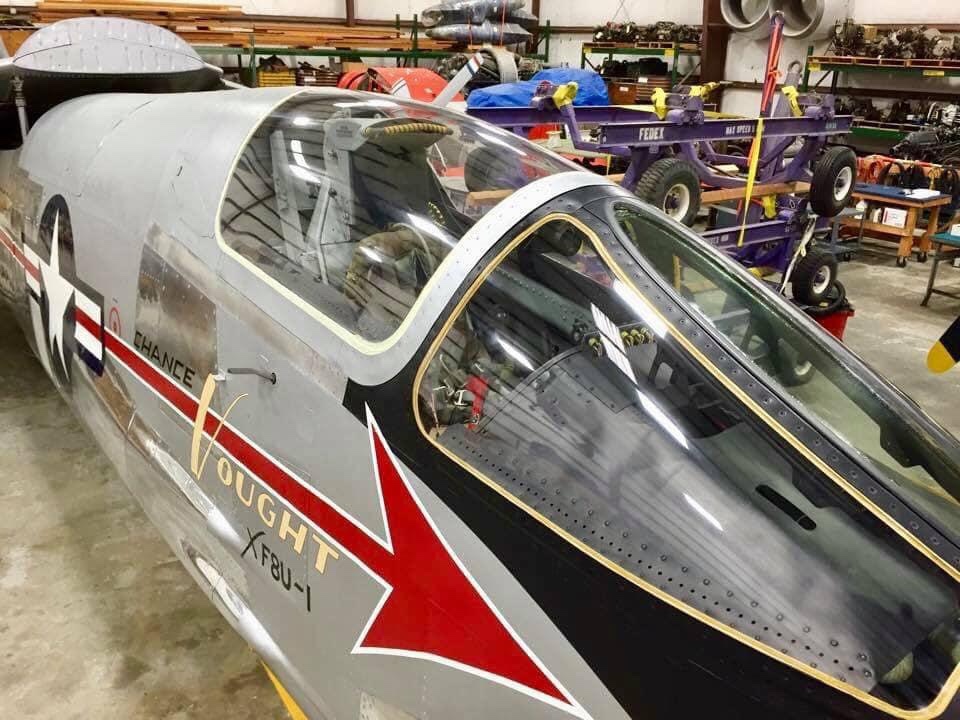
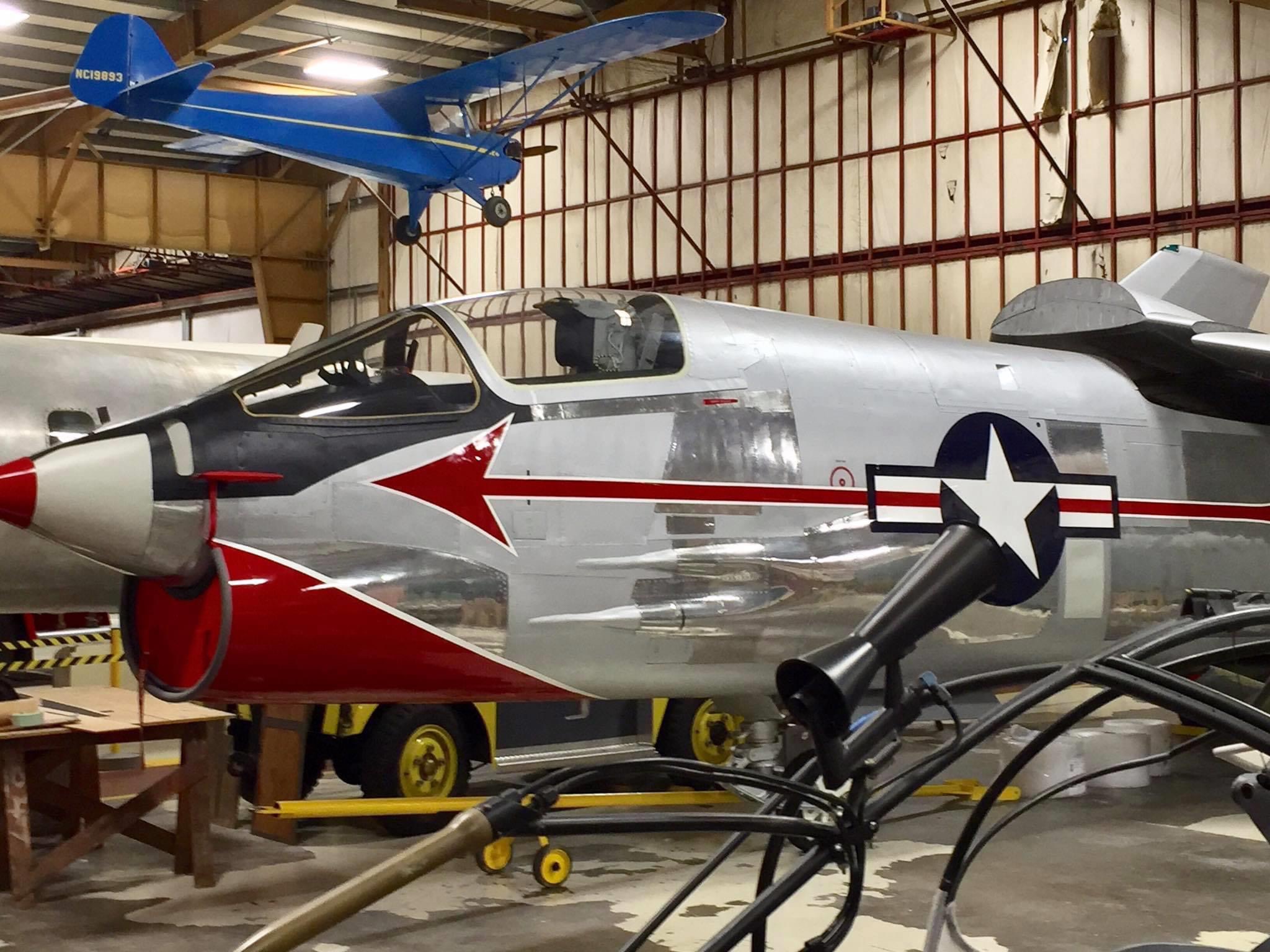
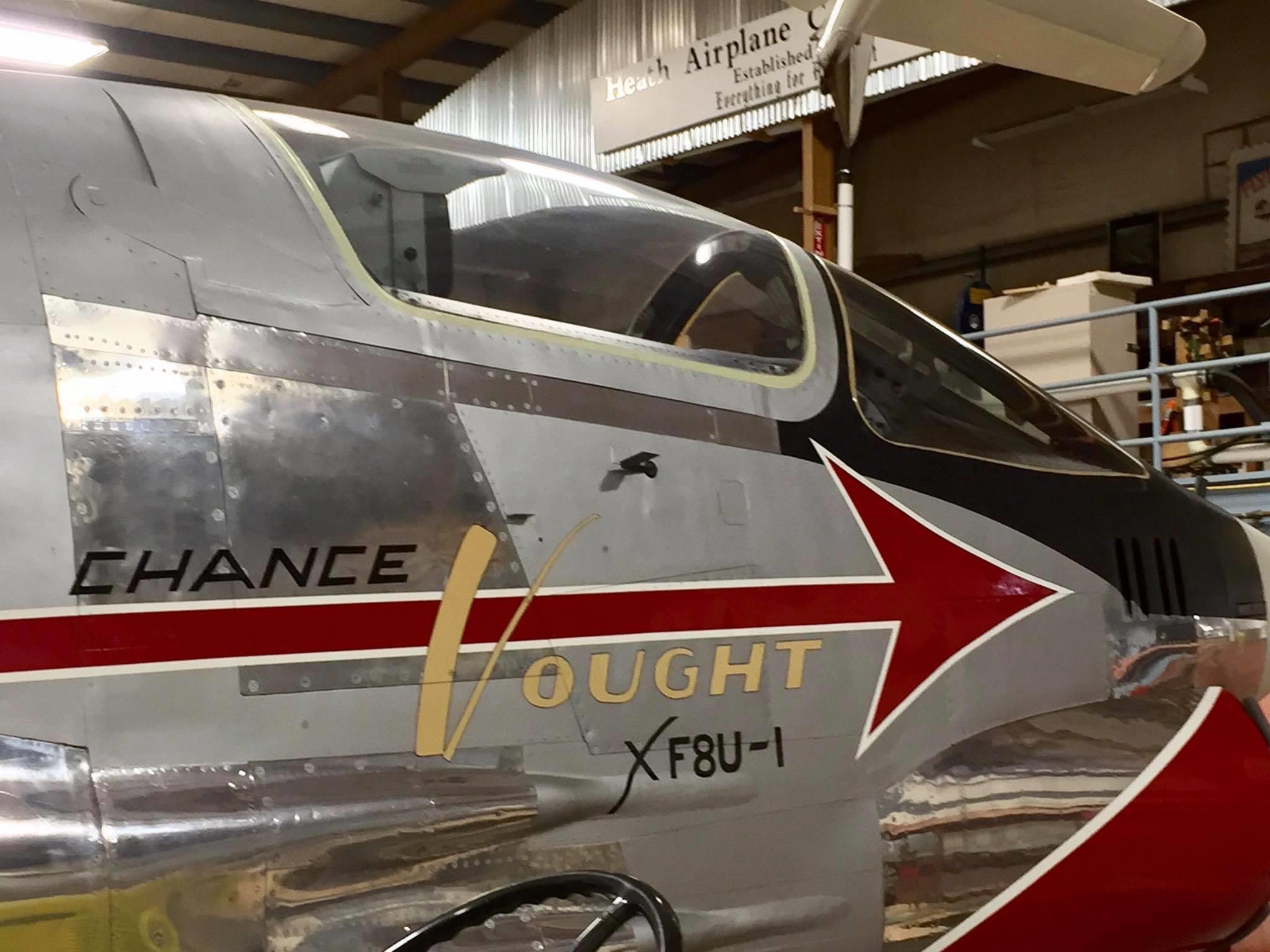
This particular aircraft was ordered by the U.S. Navy Bureau of Aeronautics on June 29, 1953, and was the first of two XF8U-1 Crusader prototypes. In February 1955, it was flown from the Chance Vought plant in Grand Prairie, Texas (outside of Dallas), in a Douglas C-124 Globemaster to the U.S. Air Force Flight Test Center at Edwards Air Force Base in the Mojave Desert in California.
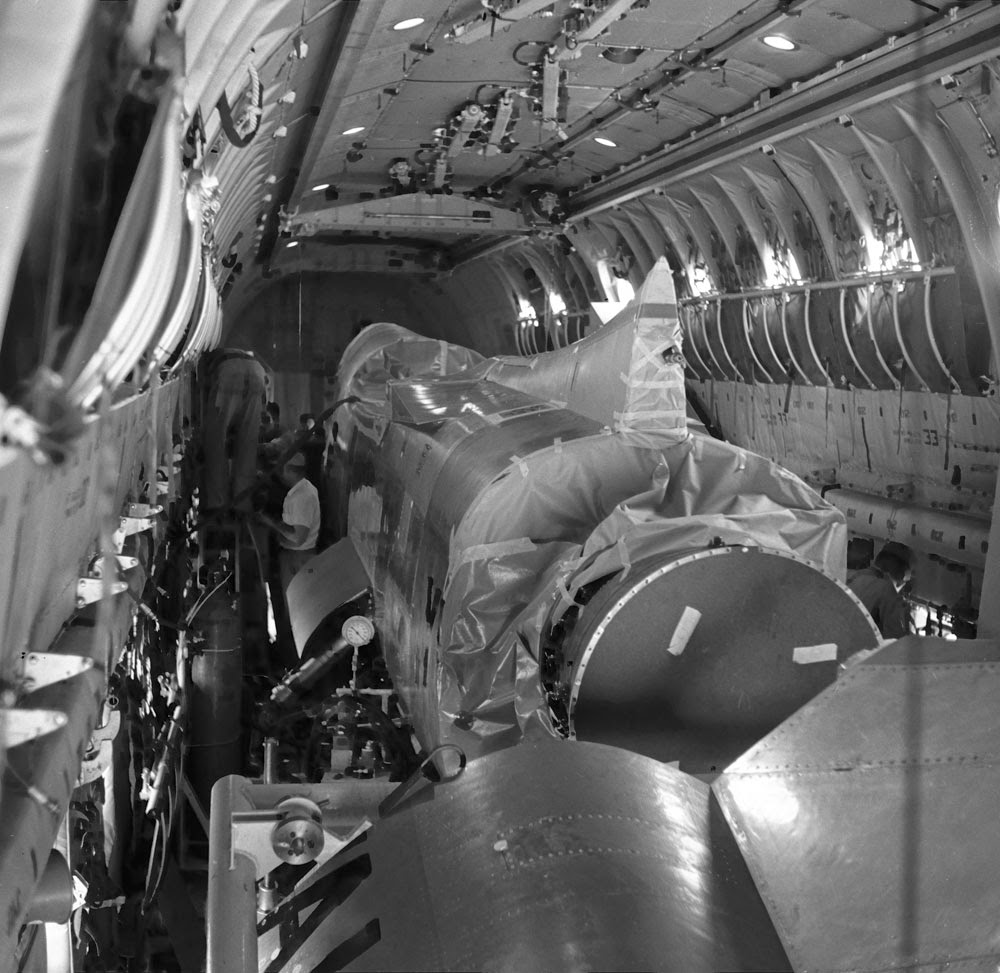
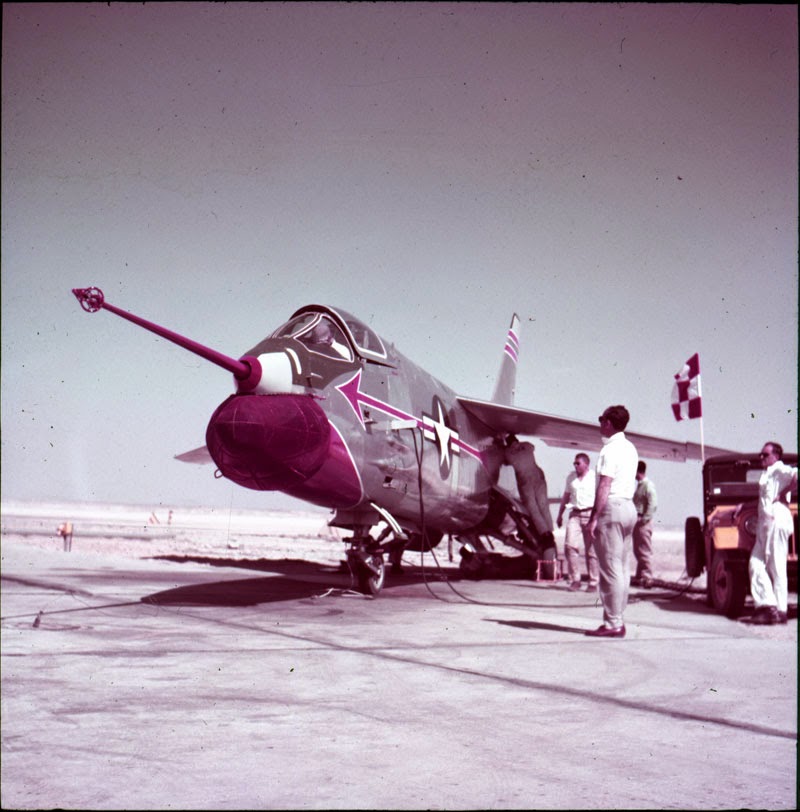
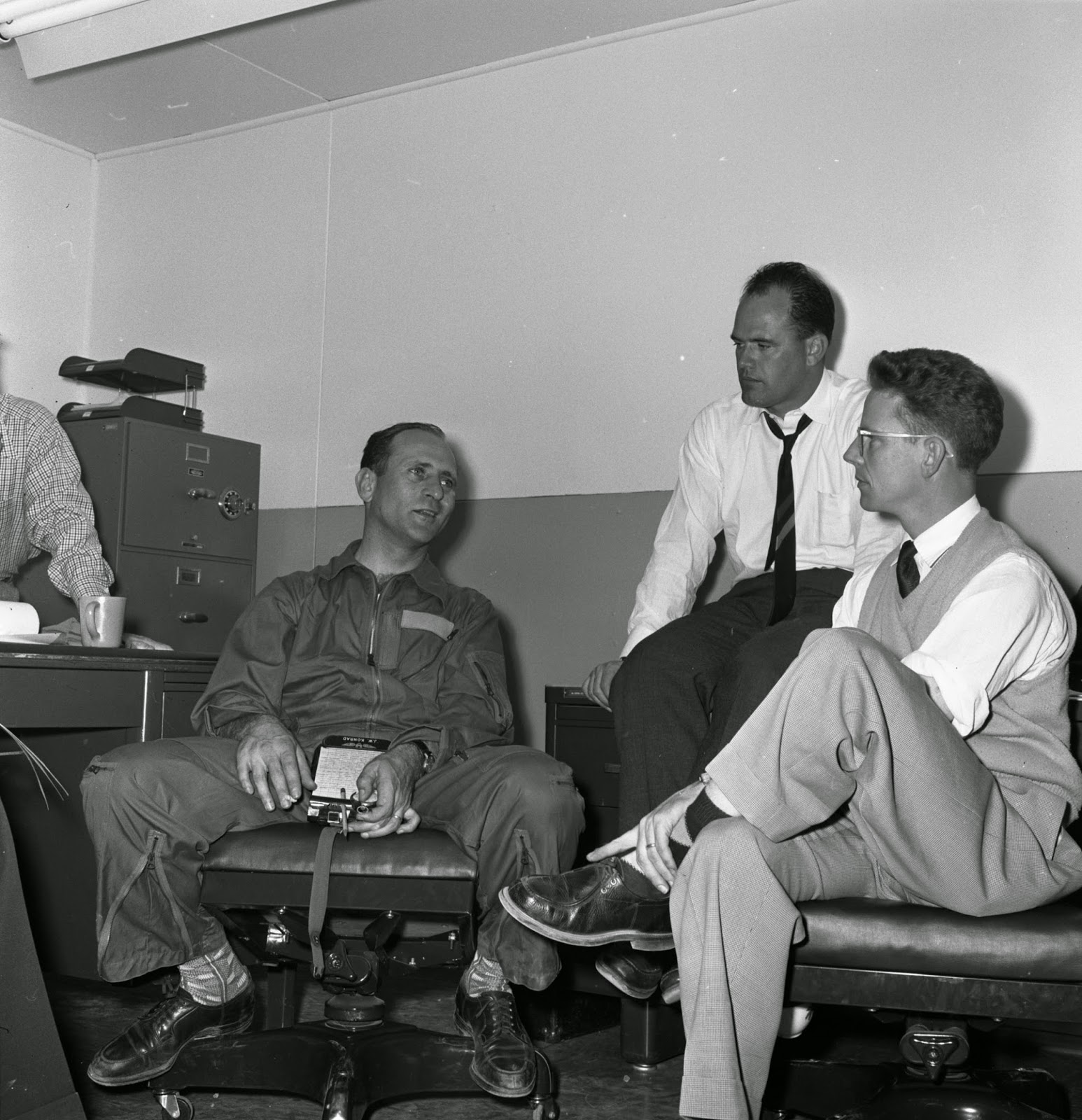
There, on the morning of March 25, 1955, Vought Chief Test pilot John W. Konrad took the aircraft up for its first flight which lasted 51 minutes and was the first aircraft to achieve Mach 1 on a level flight on its first flight – and in the words of a Naval officer “…took the Navy out of the third row and put it right up front!” (Konrad, among other things, flew B-17s with the 305th Bomb Group, and C-47s and C-54s during the Berlin Airlift before joining the Chance Vought Test Program in 1954.) This “899” aircraft flew a total of 509 times over a 67-month period.
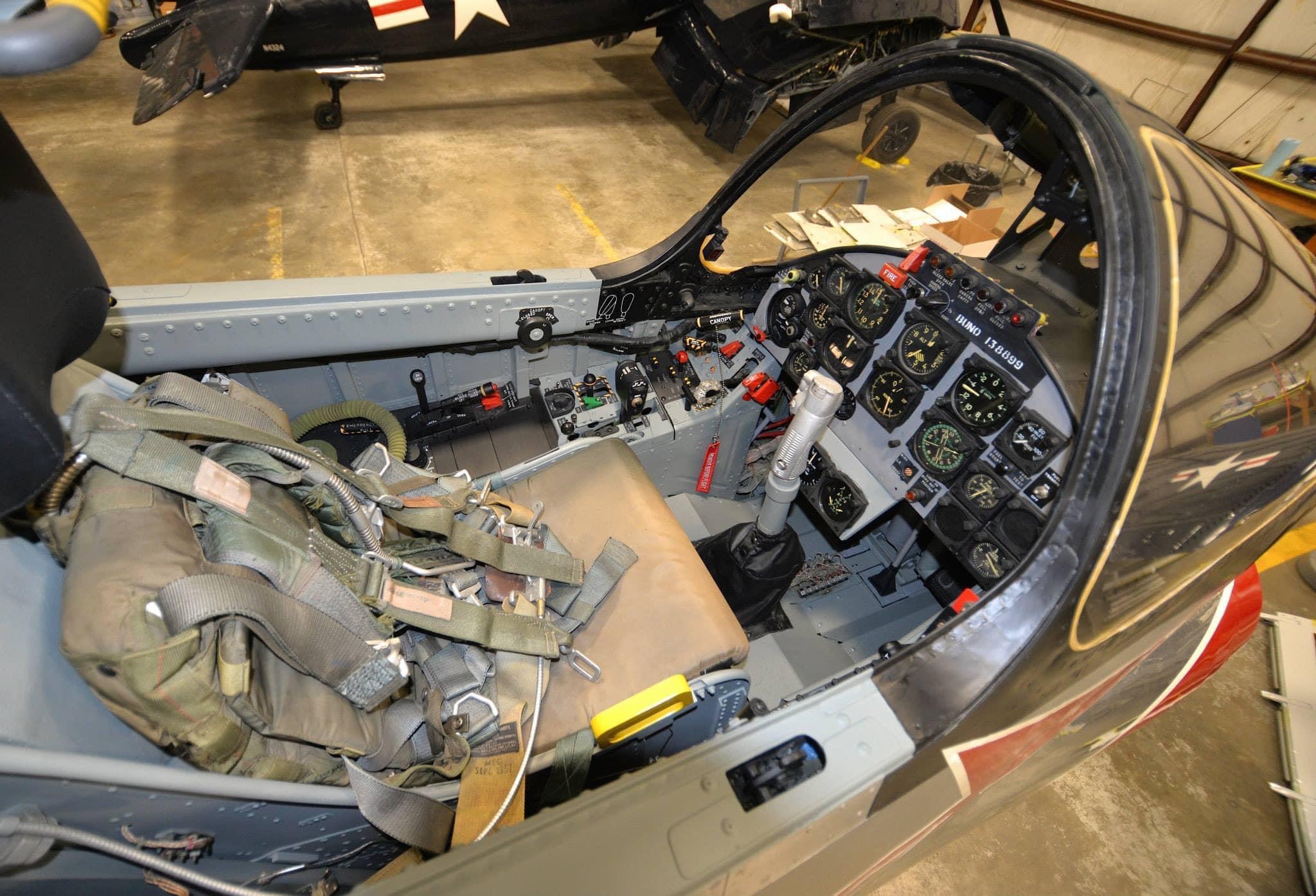
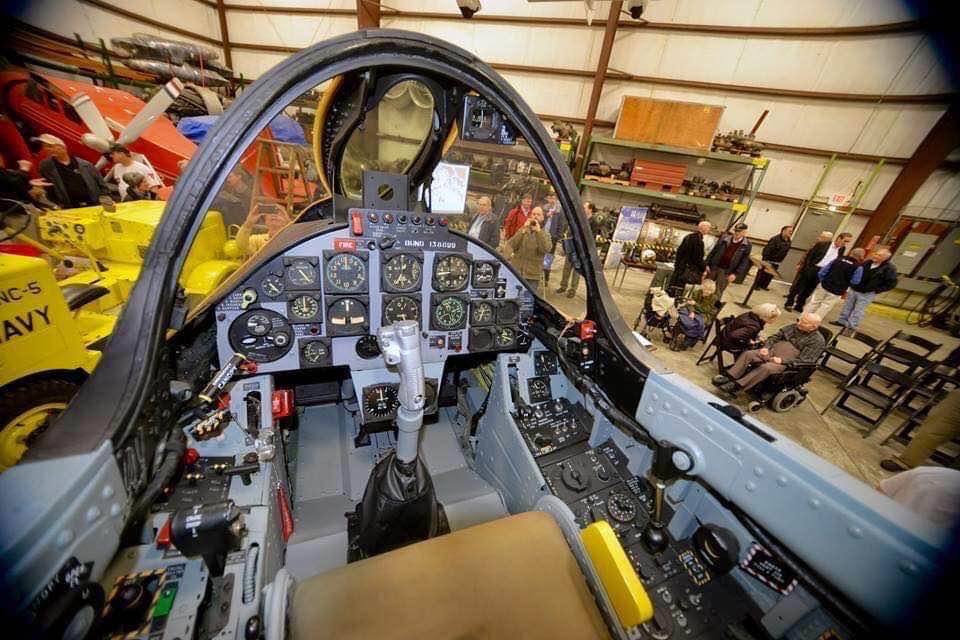
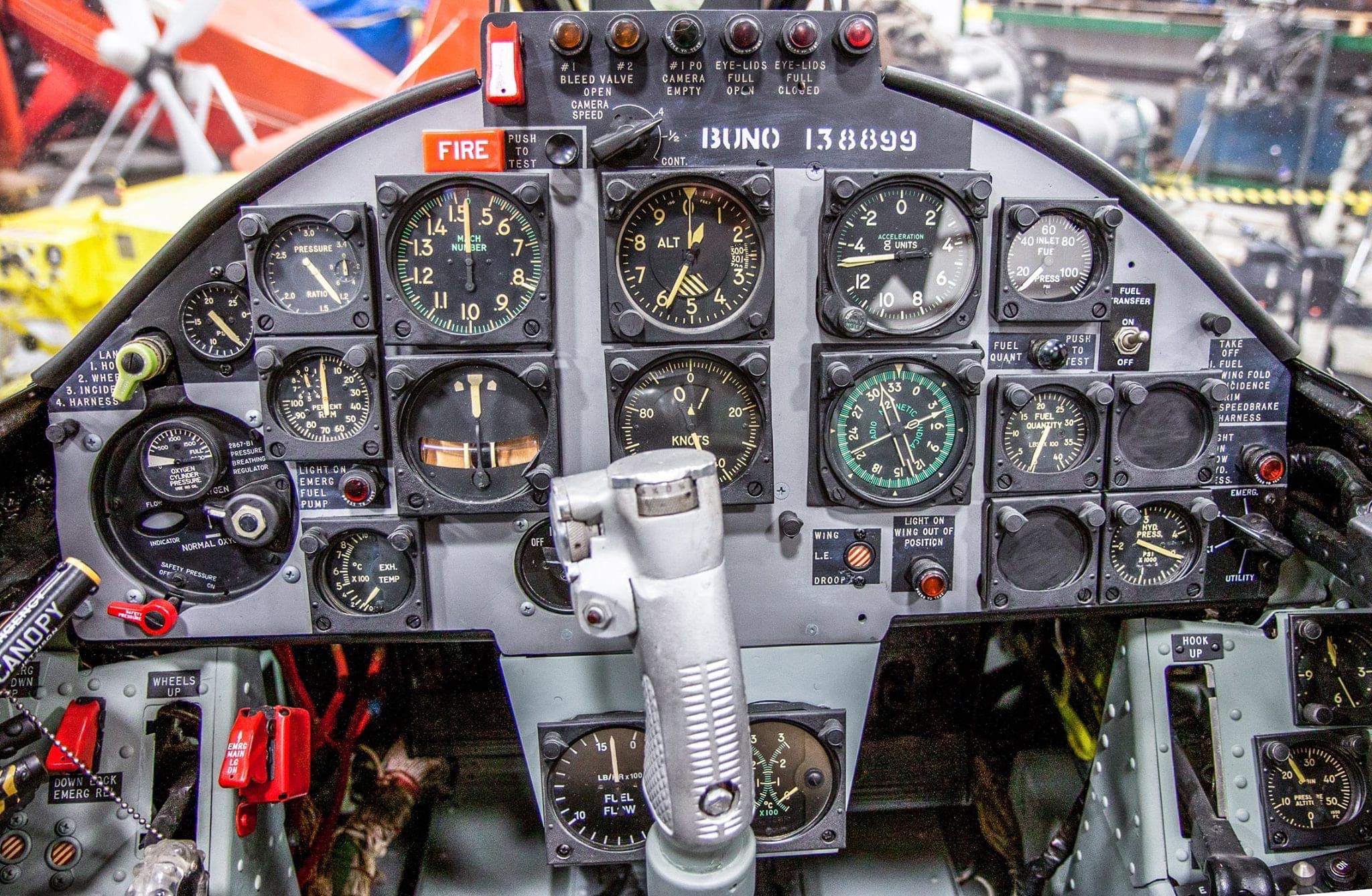
On October 25, 1960, it was transferred to the Smithsonian Institution’s National Air and Space Museum and put into storage at “Silver Hill” at what is now known as the Paul E. Garber Preservation, Restoration and Storage Facility in Silver Hills, Maryland, until 1987 when it was put on loan to the Museum of Flight (MOF) in Seattle, Washington, and the restoration was finished at the Museum’s Restoration Center and Reserve Collection in Everett, Washington. I understand ownership was later transferred to the MOF, but I have not found the record. The photos are mine as well as those courtesy of Craig Wall, Don England, Garrett Downing, Jim Goodall, and John Hayden – thanks.
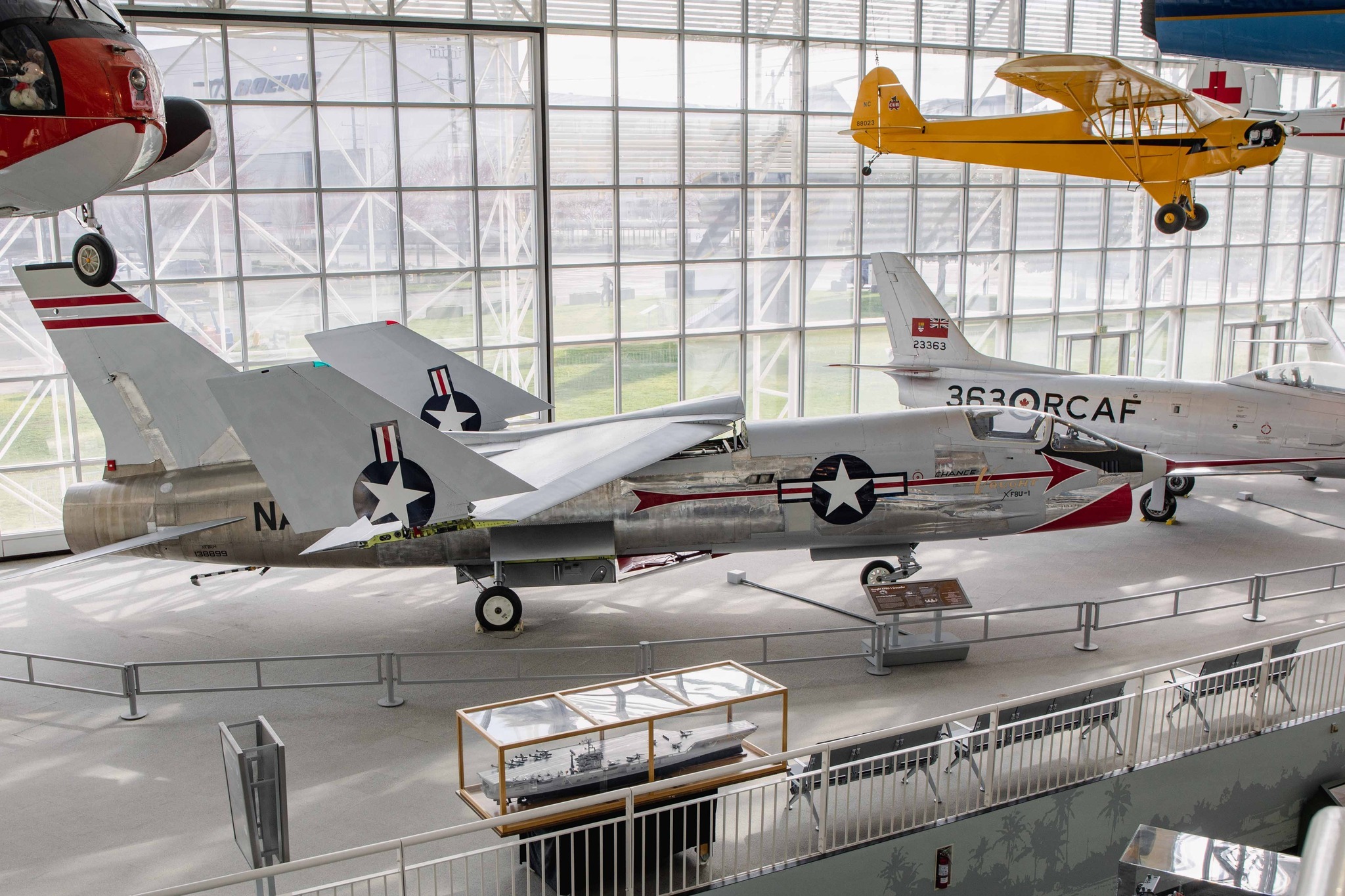
The single-seat, single-engine, carrier-based Vought F-8 Crusader was built for the U.S. Navy and U.S. Marine Corps (although it did serve with at least the French Navy and Philippines Air Force) and saw service primarily during the Vietnam War. In competition with seven other companies, in May of 1953, the Chance Vought Division of United Aircraft Corporation was awarded a contract to design a new carrier-based fighter (the specifications called for a maximum speed only slightly above Mach 1, but Vought engineers were looking at almost twice that speed – one of the main reasons for the Navy’s selection of the Chance Vought design).
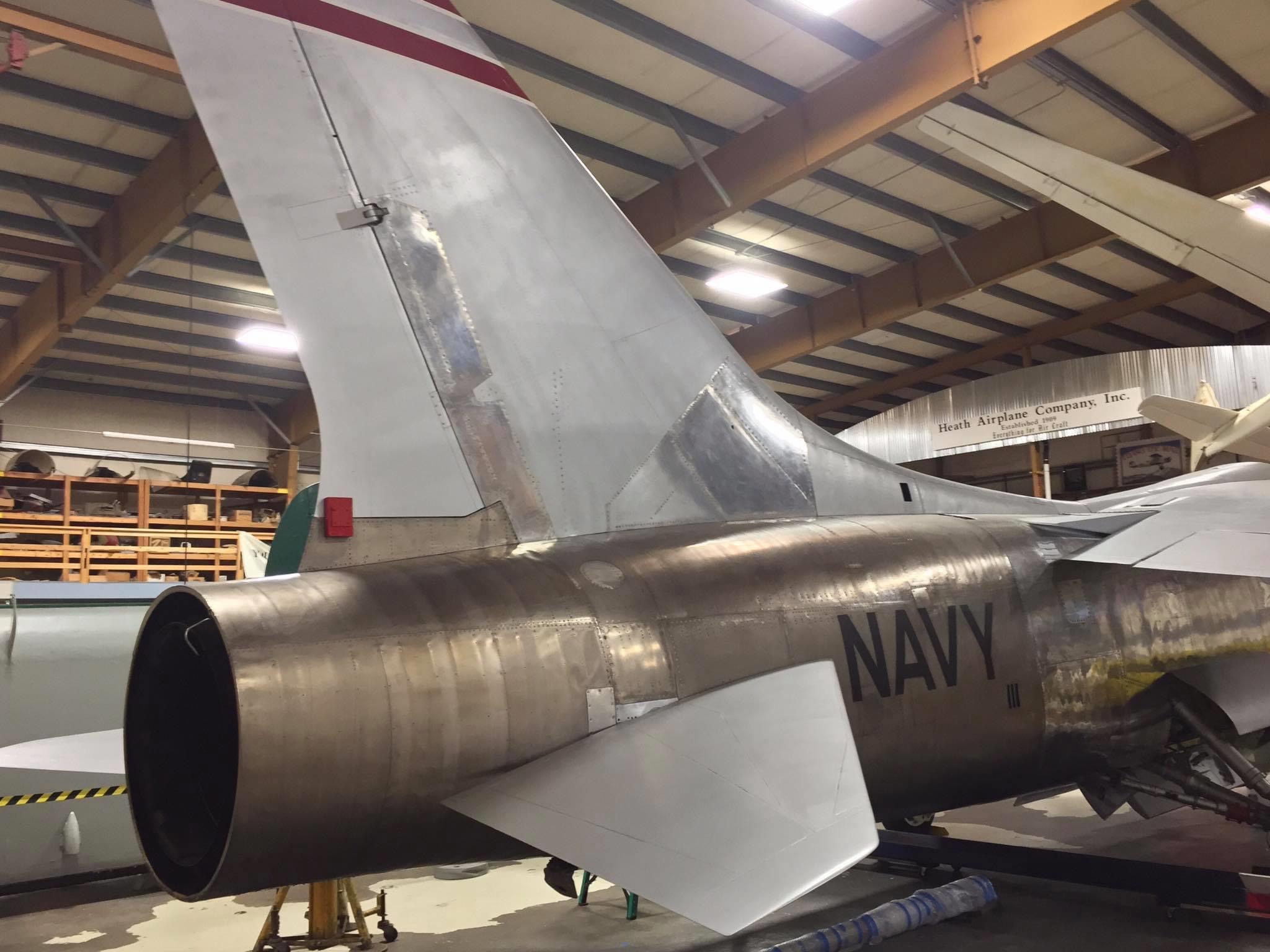
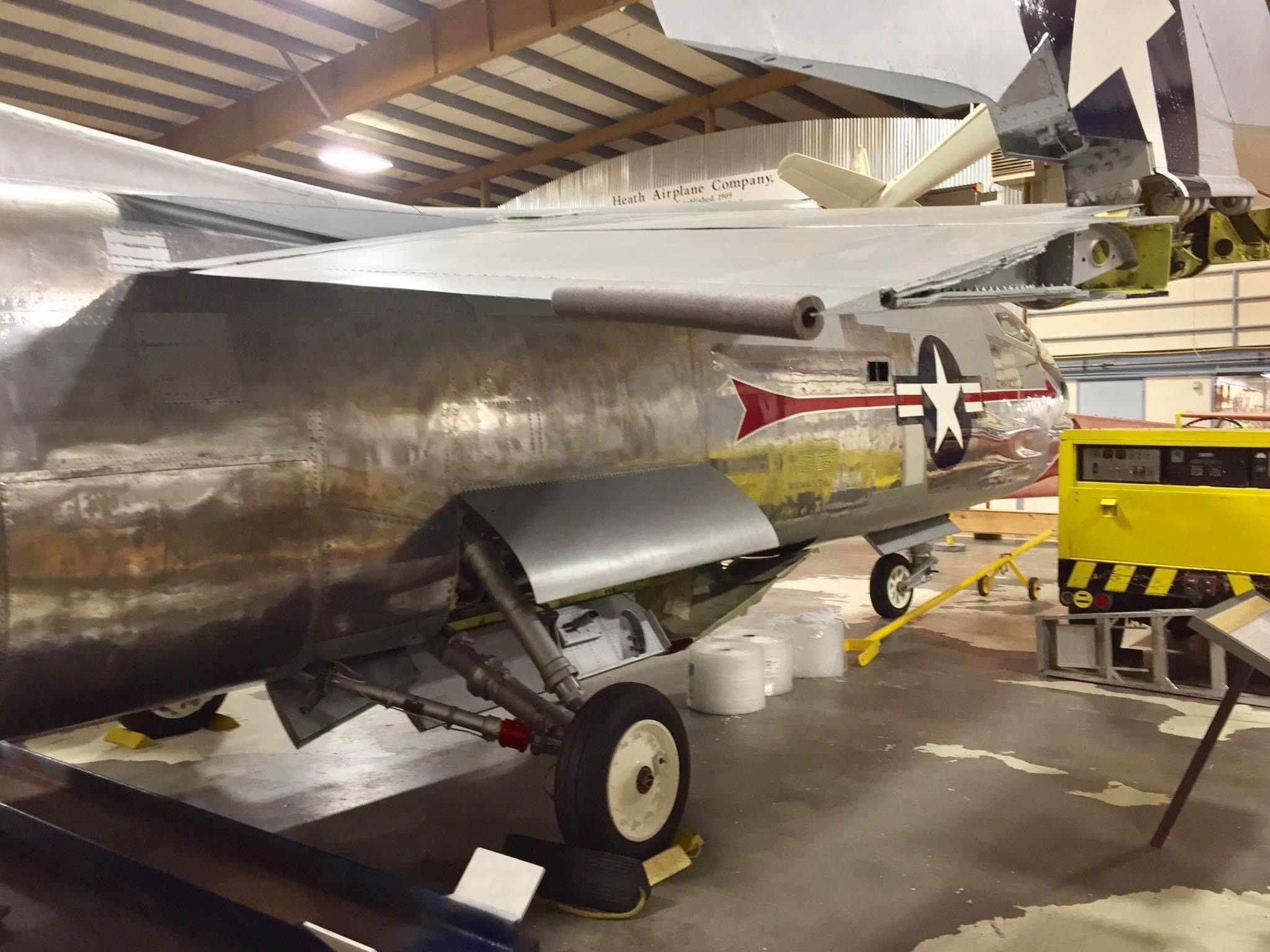
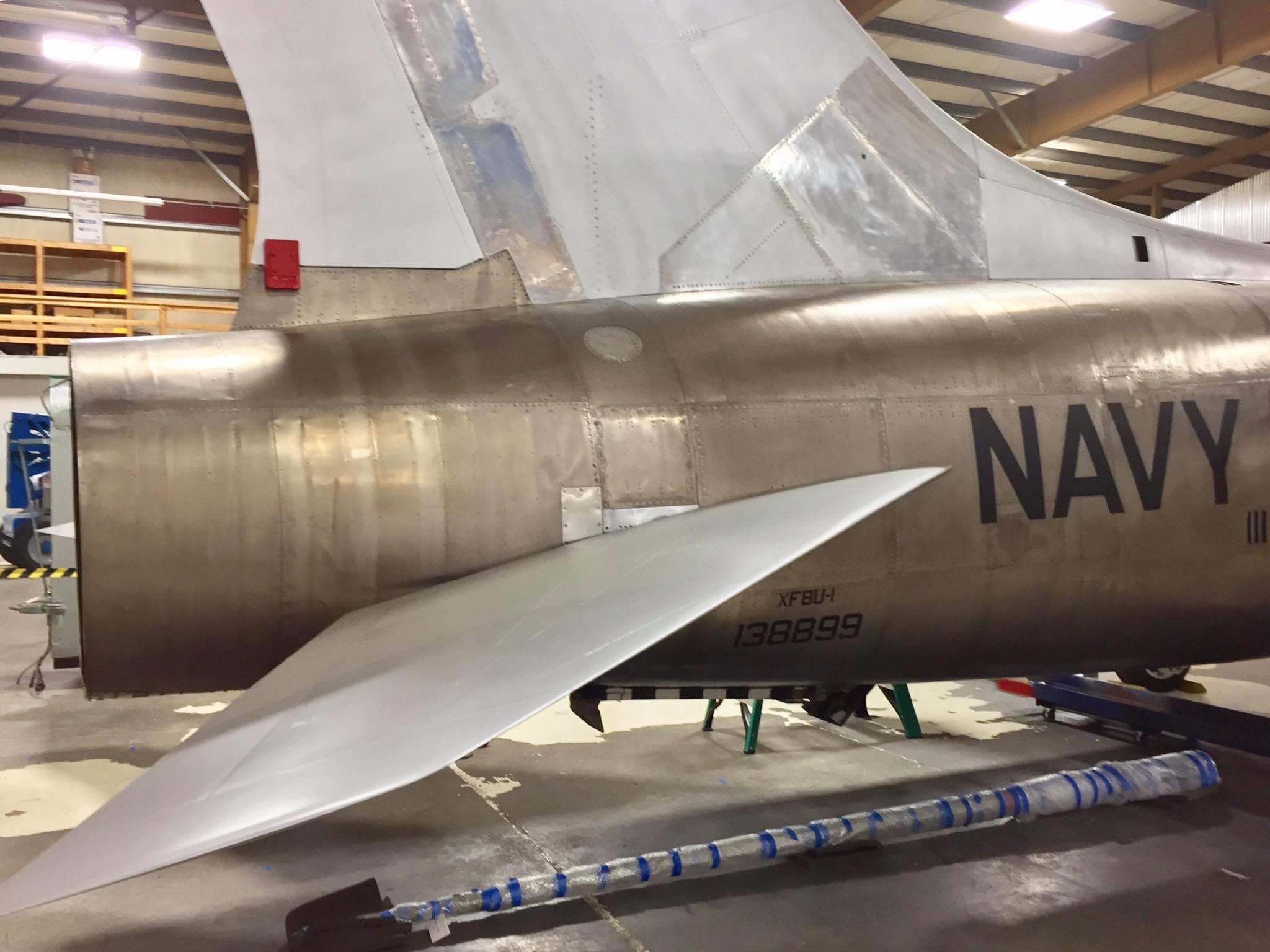
As a side note, by November of 1953, unemployment at the Chance Vought Division had reach 13,800, so that on July 1, 1954, the Division’s management was scrambled and it separated from United Aircraft and formed Chance Vought Incorporated and employment increased dramatically by March 21, 1957, when aircraft were flowing to fleet units at the rate of eight per month (although tooling was capable of 40). The prototype Crusaders were powered by a Pratt & Whitney J57-P-11 turbojet fueled by 1,188 gallons of fuel (U.S.) contained in the main tank in the middle of the fuselage and in the wing center section and had a service ceiling of 42,300 ft. and a range of 398 miles.
The second prototype, BuNo. 138900, followed shortly after the first at Edwards Air Force Base and was scrapped after 460 flights. The first 30 production models were fitted with a J57-P-12 engine which was then replaced by the more powerful J57-P4A. It was fitted with a one-piece, variable-incidence wing, hinged on the rear spar that could be raised up to 7 degrees using a self-locking hydraulic actuator. When the pilot actuated the unlock handle (on the starboard side of the cockpit), it unlocked the wing toward its upward position and at the same time actuated the hinged leading edges to a drooped position. This and the drooped trailing edge flaps provided a significant increase in lift. In addition, the outer wing panels fold approximately 90 degrees at about the mid-point for stowing the aircraft.
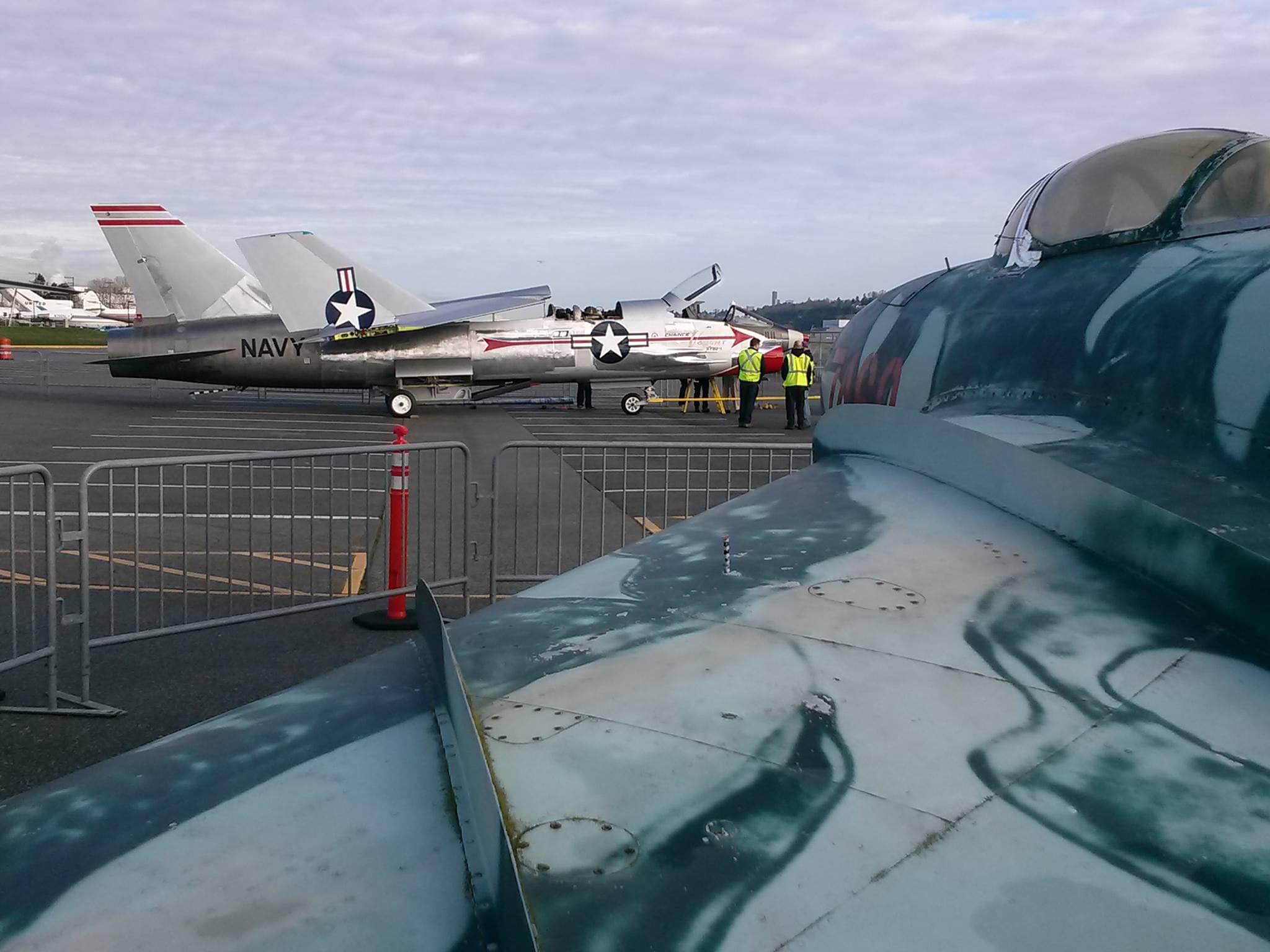
The first production F8U-1 flew on September 30, 1955, completed its carrier qualification trials on the USS Forrestal by April 1956, and the Navy accepted the first F8U-l aircraft on December 28, 1956. Also in 1956, a joint Collier Award was given to both the Navy and Chance Vought “…for the conception, design and development of the first operational carrier-based fighter capable of speeds exceeding 1,000 miles per hour” (Since 1911, the Collier Trophy honored “the greatest achievement in aviation in America, the value of which has been proved by actual use during the preceding year”). Its high landing speed earned it the moniker “Ensign Killer” and it’s giant air intake earned it another nickname: “Gator.”
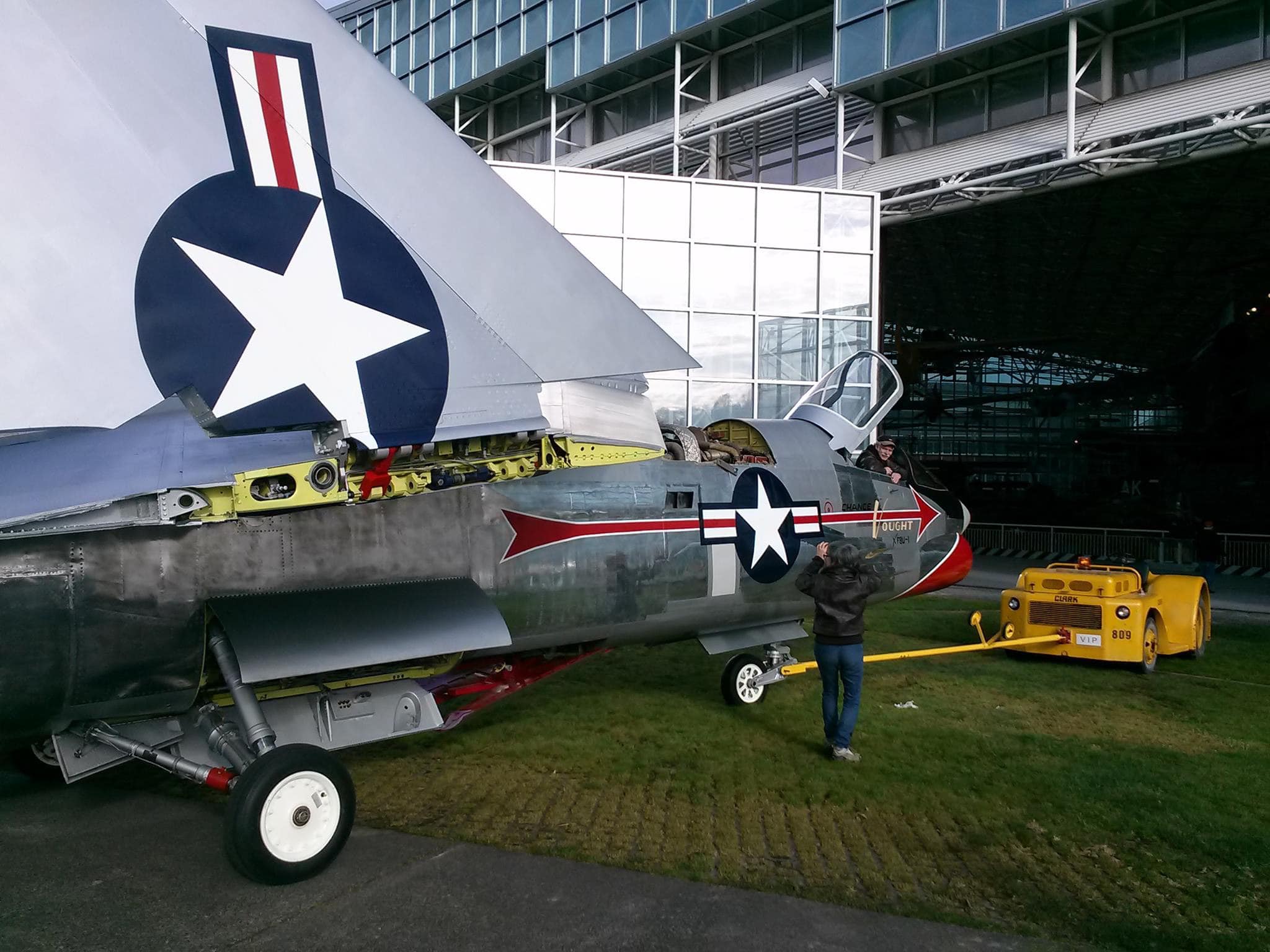
While the prototypes were unarmed, the production models armament included four Colt MK-12 20mm autocannon located on the underside of the fuselage; an AIM-9 Sidewinder air-to-air missile on each side of the upper fuselage surface and below the wing leading edge; and a rocket pack carrying thirty-two unguided 2.75-inch “Mighty Mouse” folding-fin aerial rockets was located on the lower surface of the fuselage in front of the speed-brake.
The production models were equipped with an AN/APG-30 gunsight-ranging radar as well as an air refueling probe semi-submerged in a cavity, covered with an elliptical with a hydraulically powered door and was located on the starboard side of the fuselage. The F8U-1P, a reconnaissance variant of which 144 were produced, was introduced on December 17, 1956, and in which the cannon and fire control equipment were replaced by a squared-off camera bay for vertical, oblique and forward-facing photography.
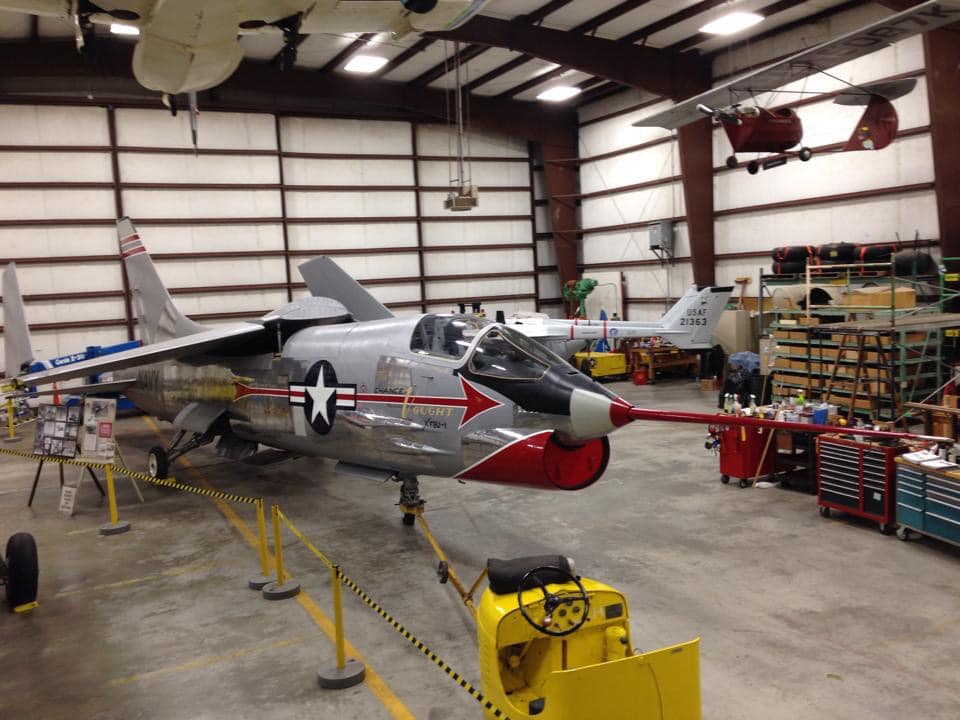
It was in one of these photo reconnaissance aircraft that on July 16, 1957, U.S. Marines Major (and future astronaut and senator) John Glenn, Jr., set the cross-country speed record from Los Alamitos Naval Air Station in California to Floyd Bennett Field in Brooklyn, New York. His average speed was 723.52 mph in spite of three subsonic in-flight refueling speeds. His top speed was 725.55 mph and he made the trip in 3 hours, 23 minutes and 8.4 seconds. The flight represented an overall equivalent speed of Mach 1.1 and a continuous photographic coverage over the entire route. Glenn dubbed the flight “Project Bullet” because he would fly faster than a round from a .45-caliber pistol. Glenn’s former aircraft was lost on December 13, 1972, while serving aboard the USS Oriskany (CVA-34) piloted by Commander Tom Scott (USN, Retired) when the aircraft crashed into the sea while landing following a flight over North Vietnam; Scott survived.
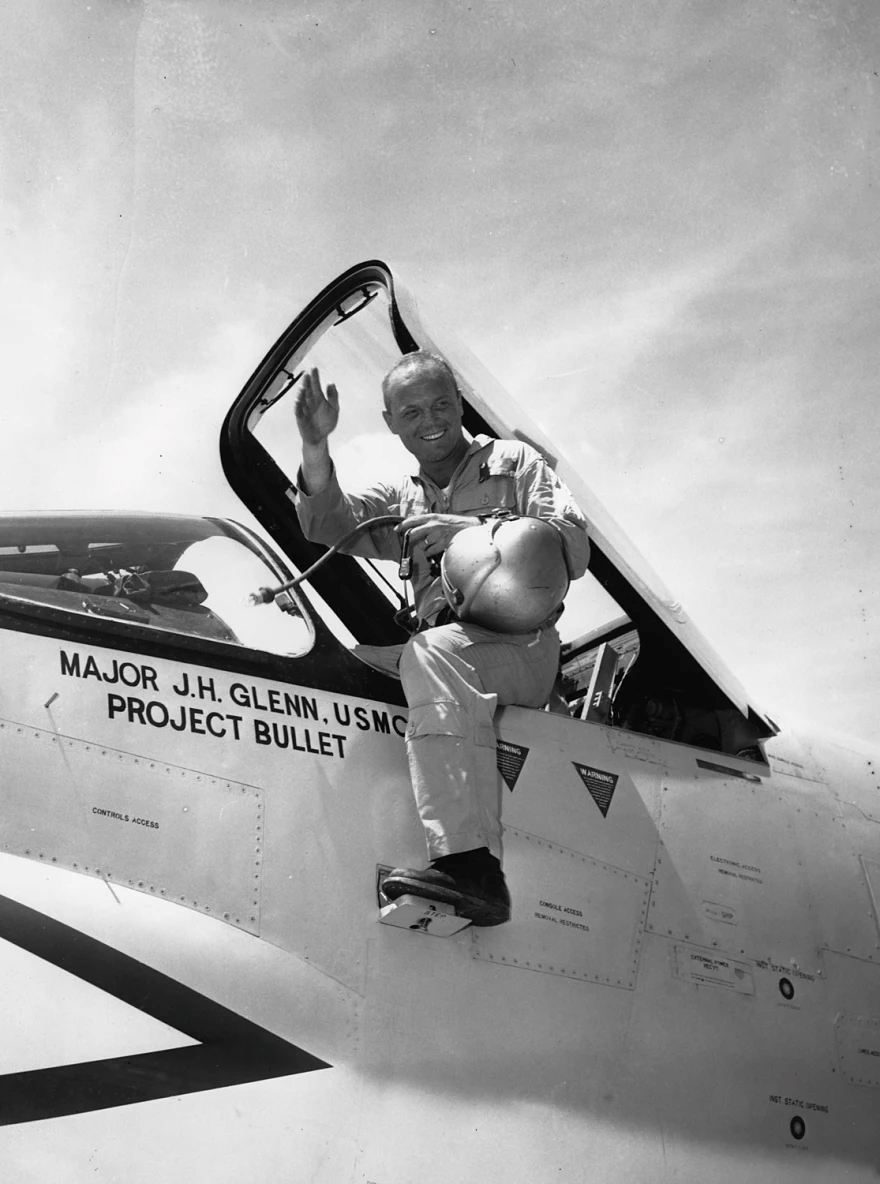
*Editor’s note: Vintage Aviation News has previously covered the first Crusader now on display in Seattle in previous articles you can read HERE
About the author 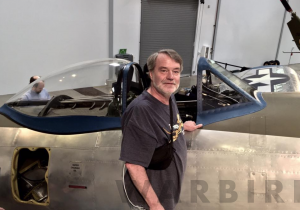 Randy Malmstrom grew up in a family steeped in aviation culture. His father, Bob, was still a cadet in training with the USAAF at the end of WWII, but did serve in Germany during the U.S. occupation in the immediate post-war period, where he had the opportunity to fly in a wide variety of types which flew in WWII. After returning to the States, Bob became a multi-engine aircraft sales manager and as such flew a wide variety of aircraft; Randy frequently accompanied him on these flights. Furthermore, Randy’s cousin, Einar Axel Malmstrom flew P-47 Thunderbolts with the 356th FG from RAF Martlesham Heath. He was commanding this unit at the time he was shot down over France on April 24th, 1944, spending the rest of the war as a prisoner of war. Following his repatriation at war’s end, Einar continued his military service, attaining the rank of Colonel. He was serving as Deputy Wing Commander of the 407th Strategic Fighter Wing at Great Falls AFB, MT at the time of his death in a T-33 training accident on August 21, 1954. The base was renamed in his honor in October 1955 and continues to serve in the present USAF as home to the 341st Missile Wing. Randy’s innate interest in history in general, and aviation history in particular, plus his educational background and passion for WWII warbirds, led him down his current path of capturing detailed aircraft walk-around photos and in-depth airframe histories, recording a precise description of a particular aircraft in all aspects.

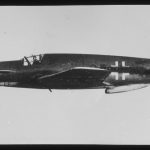


The only Gators that had an area ruled fuselage, were the Photo Gators(RF-8A/G).
Wasn’t the F-8 Chance-Vought also called the ” Last Gunfighter”? That is till Military Aviation wised up to the fact that guns weren’t obsolete in a close in Dogfight.
Yes, even when aircraft such as the F-4 Phantom II had gun pods added to them, the Crusader was, and still is, referred to as “The Last Gunfighter”.