
By Randy Malmstrom
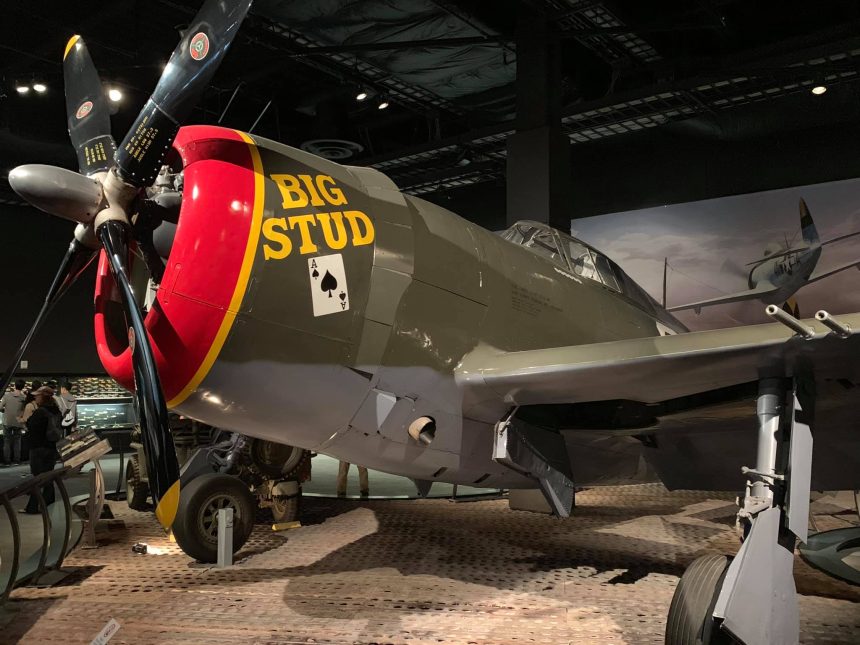
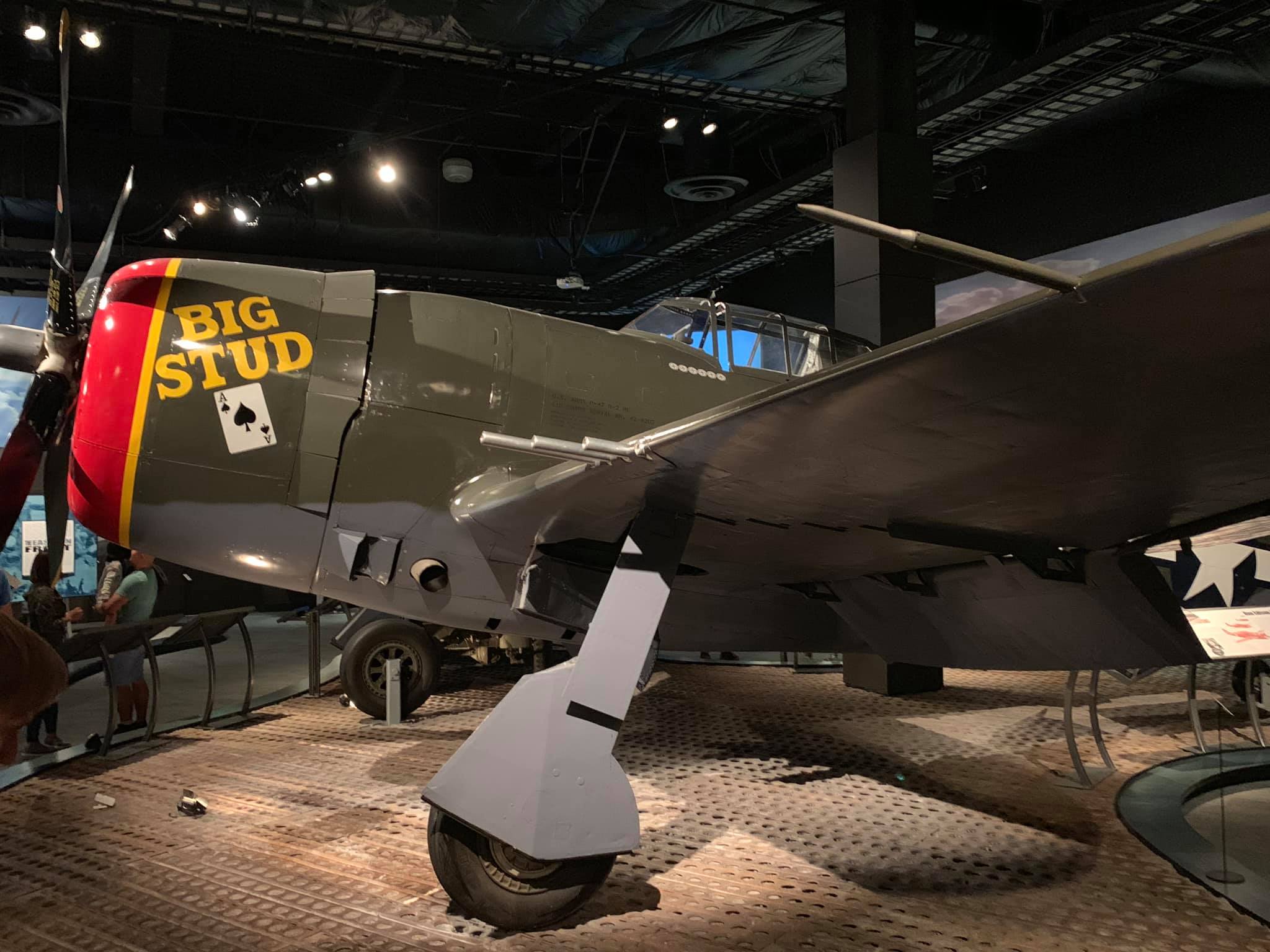
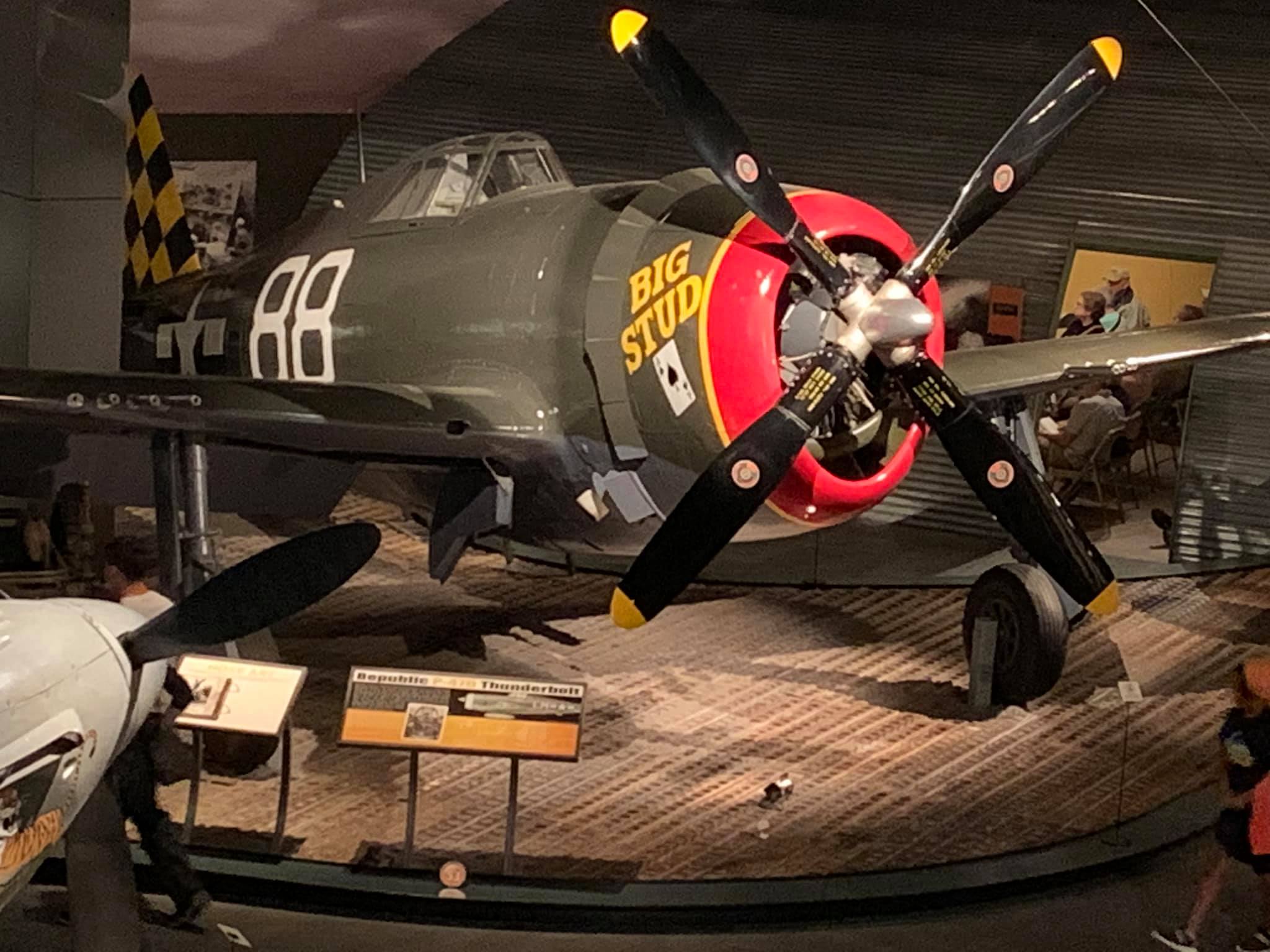
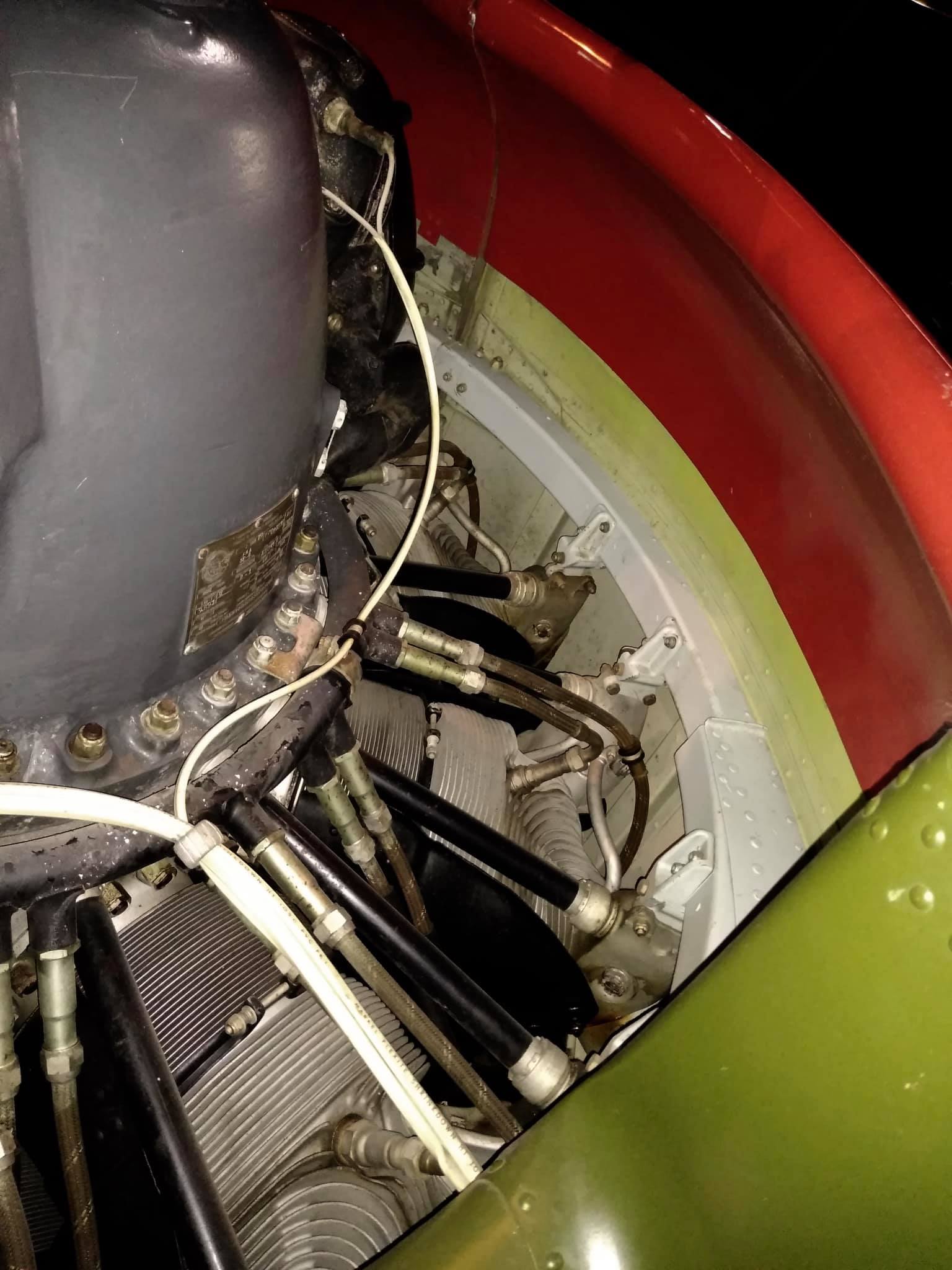
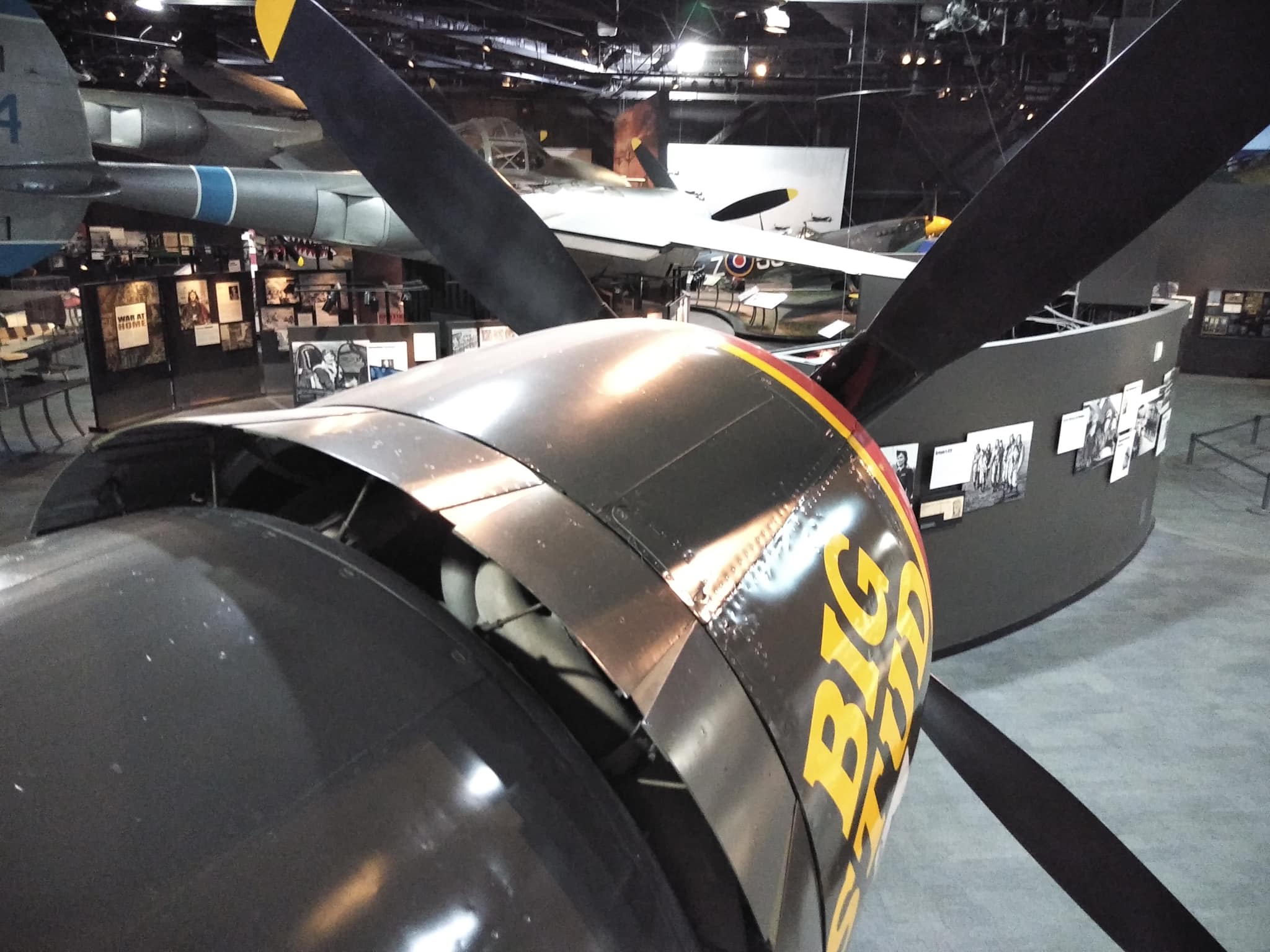
Republic P-47D-2-RE Thunderbolt, #42-8205, N14519. This particular aircraft was a World War II war bond purchase by the citizens of Neshoba County, Mississippi and built as a training aircraft in 1942 at Republic Aviation’s Farmingdale, New York, plant and accepted by the U.S. Army Air Forces and initially assigned to the 359th Fighter Group based at Grenier Field, New Hampshire.
The “Buy-a-Bomber” campaigns were devised to enable communities and groups to contribute to the purchase of an individual aircraft which would be named, according to certain criteria, by those communities—whether they be states, counties, cities, townships, societies, or even schools or businesses; and the amount of monies raised through the sale of War Bonds or Stamps determined the type of aircraft which would be “purchased.” About $275,000 would enable a community group to have a B-17 or B-24 named for it; about $110,000 could “purchase” a B-25 or a pursuit plane/fighter or liaison plane. In the early months of WWII, aircraft purchased by local bonds were flown to a local airfield, and a naming ceremony was carried out with full publicity, but this became impracticable, so the aircraft were painted up as they left the factory or modification facility, and a photograph was sent to the community representatives or local newspapers.
While at Grenier, the aircraft ground looped after a mechanical failure while being flown by 2nd Lt. Edward J. Hyland on May 14, 1943. (Hyland was killed in action near Lingen, Germany, while engaged with a group of Bf-109’s on a mission to Diepholz, Germany, in P-47D #42-8542 – his body was removed by the Germans and turned over to the local authorities).
Thereafter, this aircraft served with numerous training units until it was sent to the boneyard in September of 1945. However, it was spared and re-registered as NC75640 and exported to Bolivia in October of 1949 and served with the Fuerza Aérea Boliviana, being just one of the many aircraft that were sent to Latin American countries as part of post-World War II military assistance programs (this was part of a Lend-Lease agreement with the United States). The Rio Treaty (1947) was an agreement binding the republics of the Western Hemisphere together in a mutual defense system. Also called the Rio Pact or the Inter-American Treaty of Reciprocal Assistance, the treaty became effective on December 3, 1948, when two-thirds of the member states had ratified it.
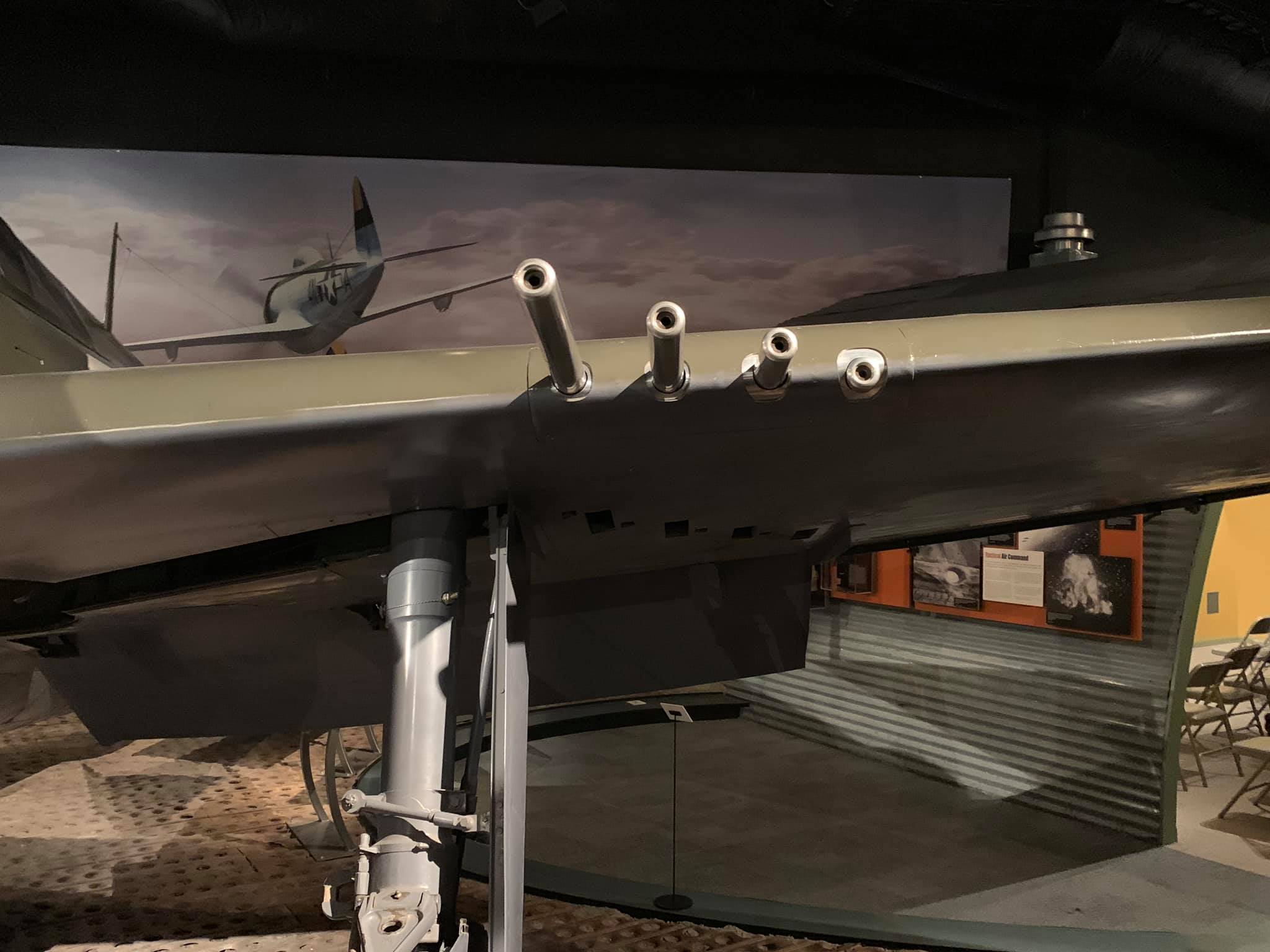
For a period of time, this aircraft served as a “gate guardian” at the airport in La Paz, Bolivia. Returned to the U.S. by 1976, Doug Champlin/Windward Aviation acquired the aircraft from Jim Cullen/Westair International in and it went to Dick Martin of Carlsbad, California for a complete rebuild to airworthiness which was completed in 1981 and transferred to the Museum of Flight (MOF) in Seattle, Washington, its FAA registration cancelled, and the listed owner prior to de-registration being Windward Aviation Inc. As far as the color of the cockpit, it seems the situation of the aircraft over time has been a factor.
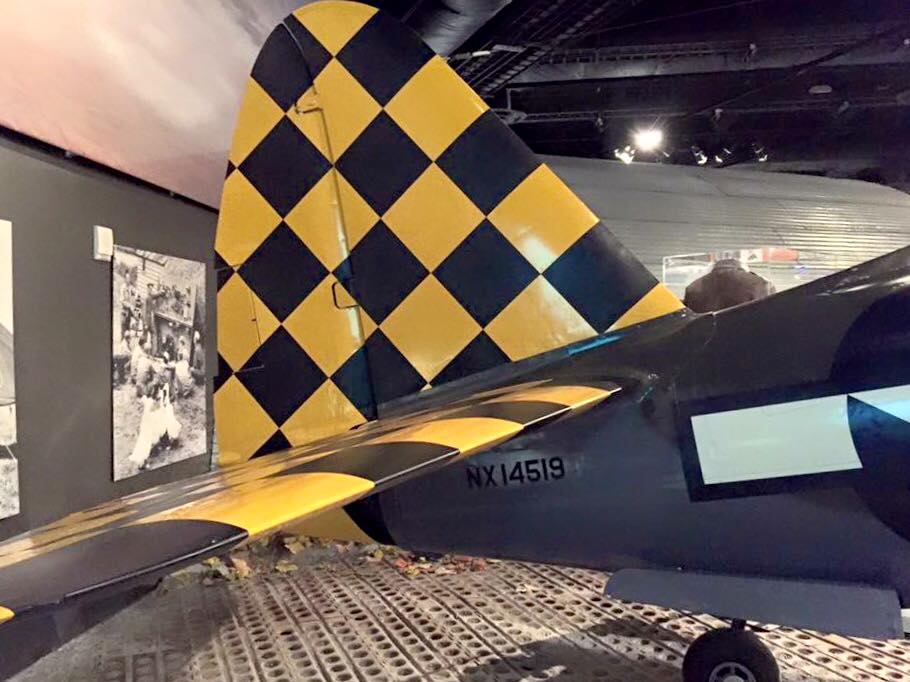
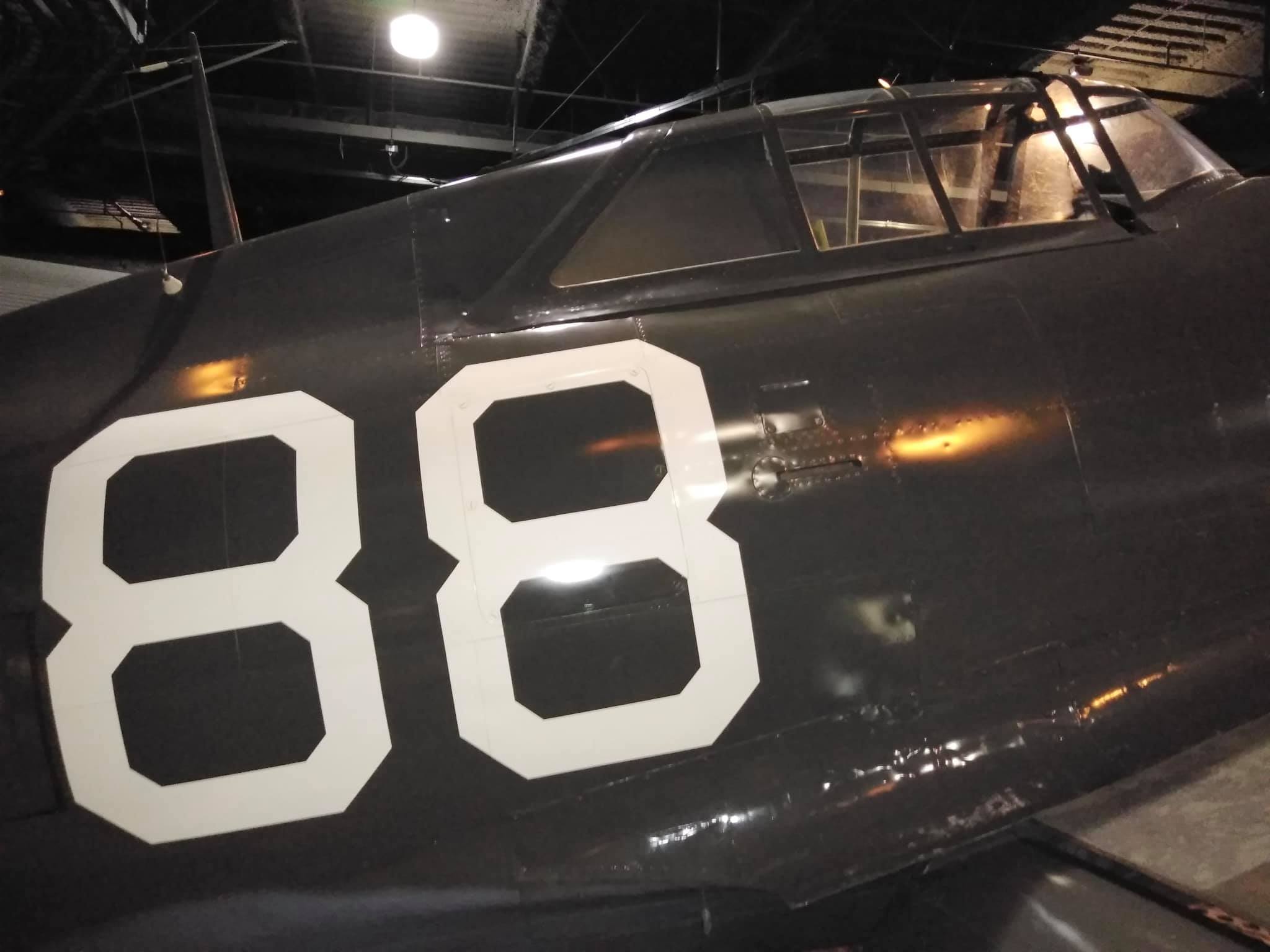
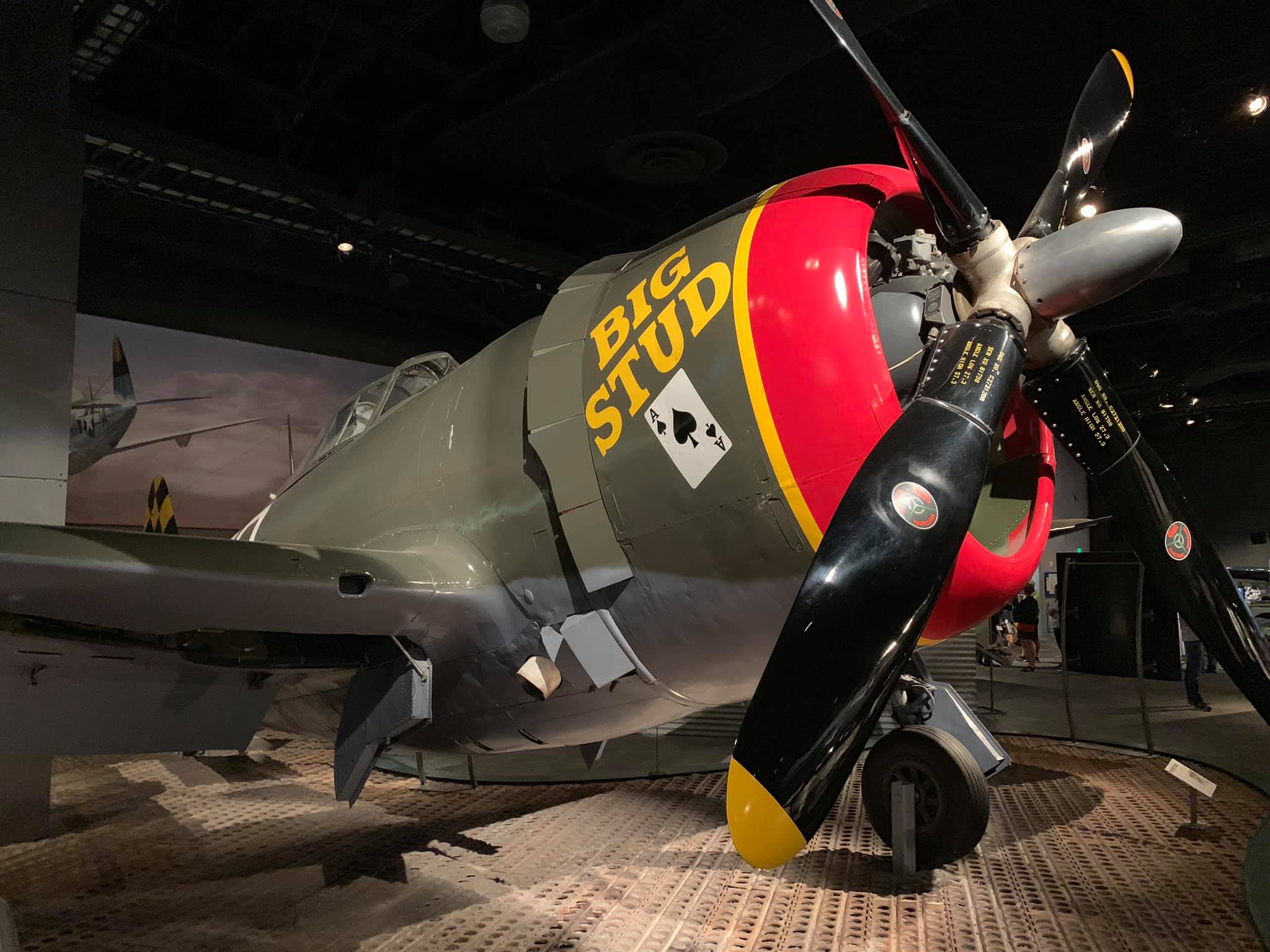
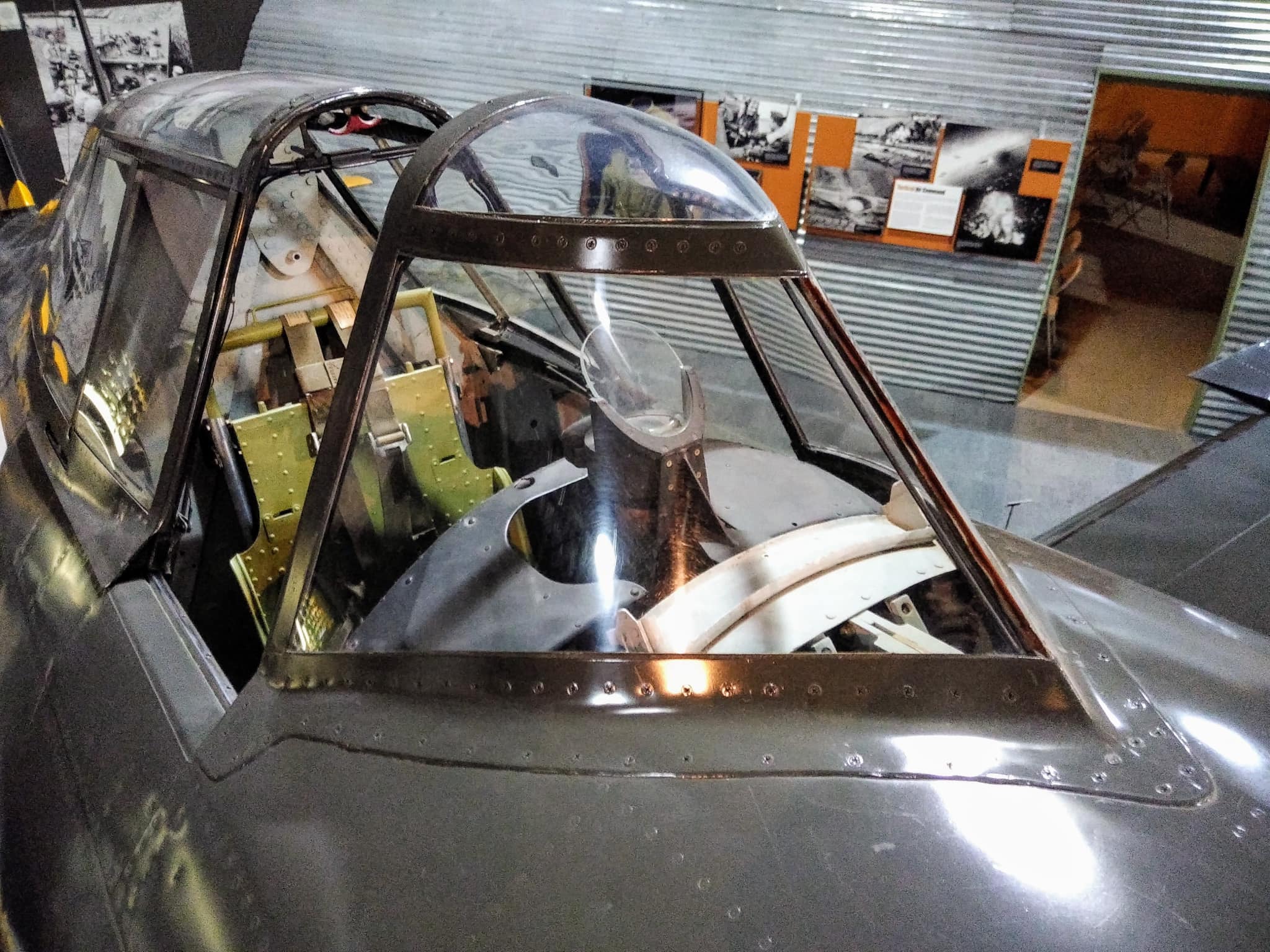
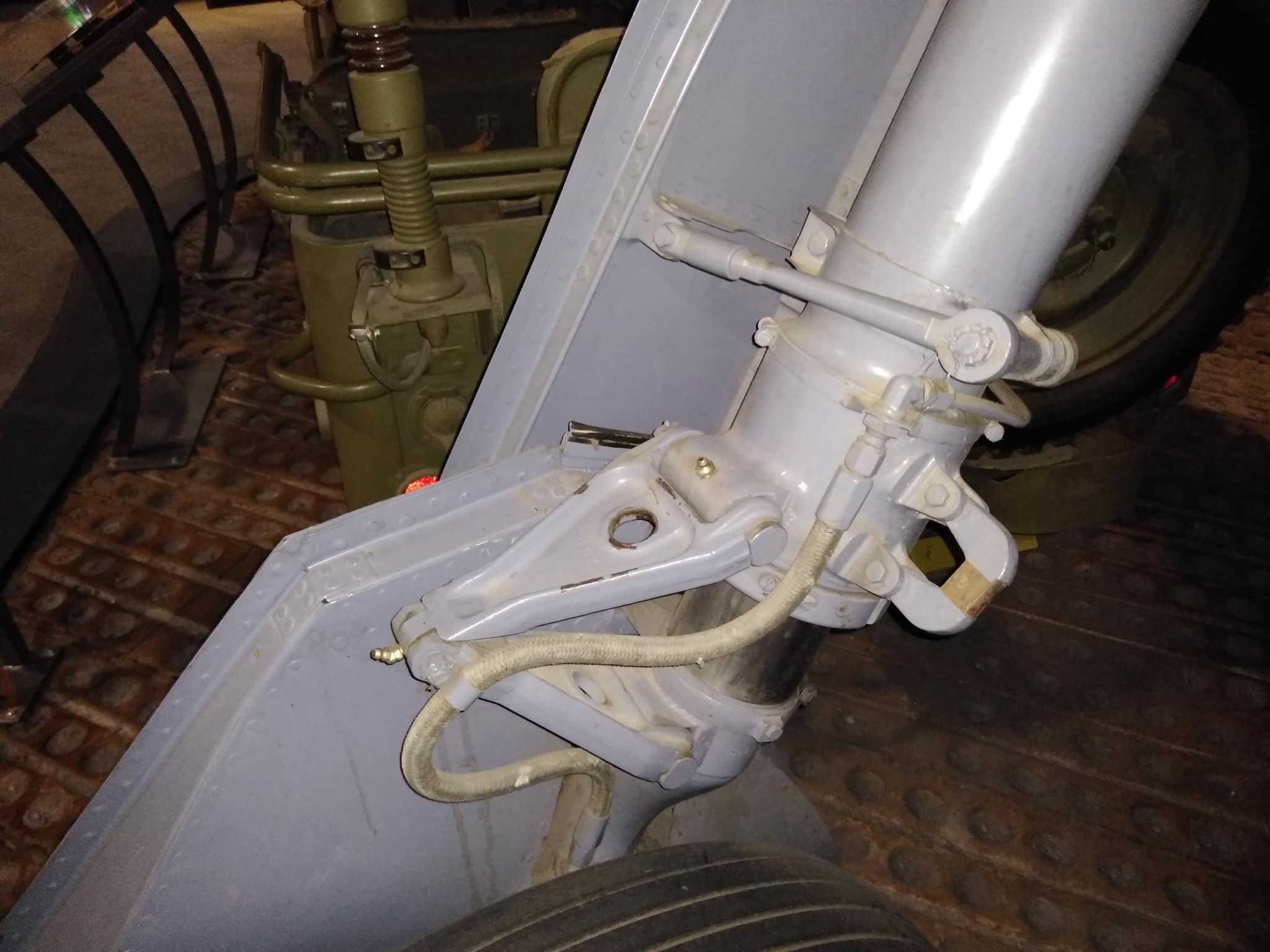
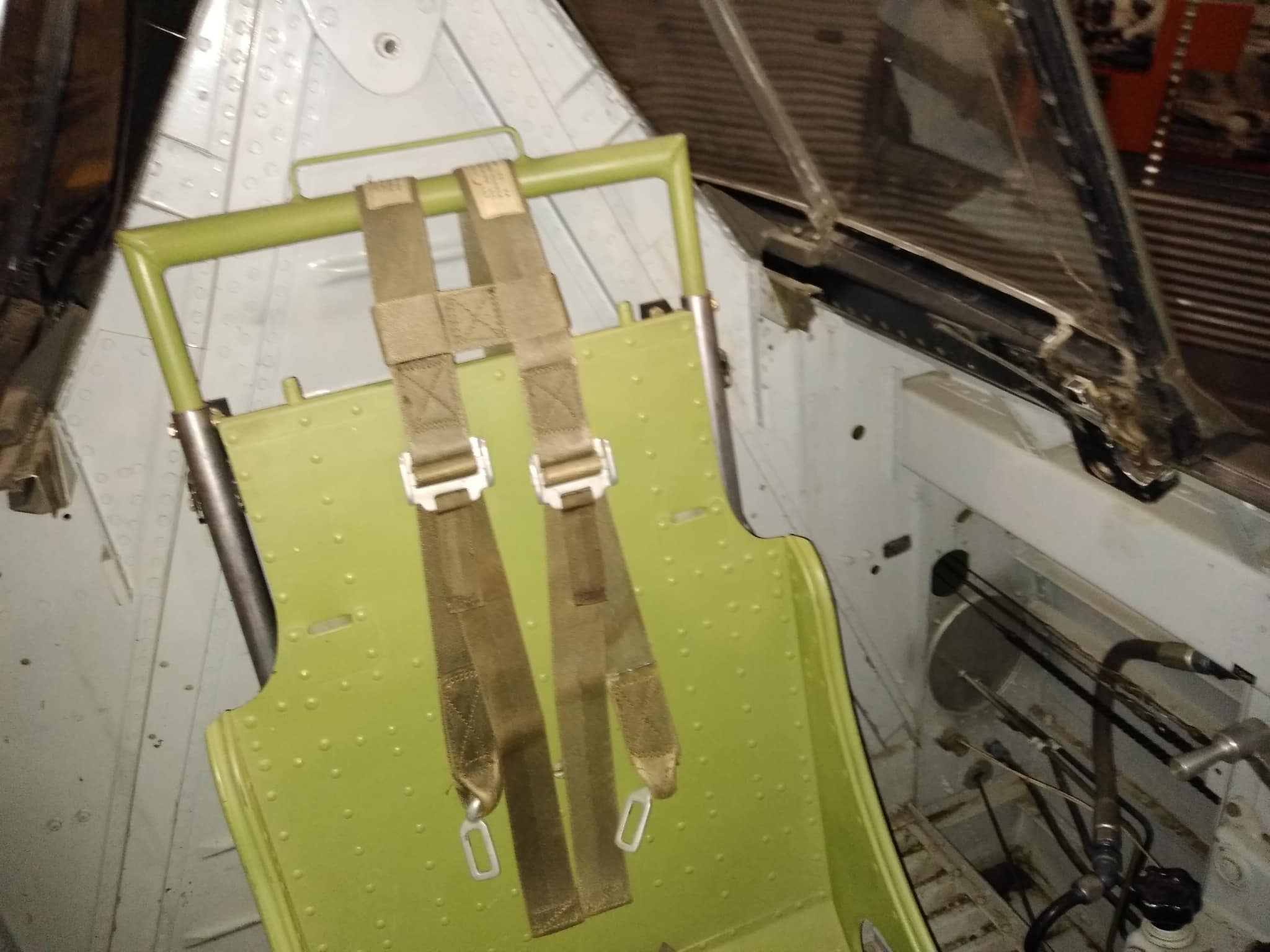
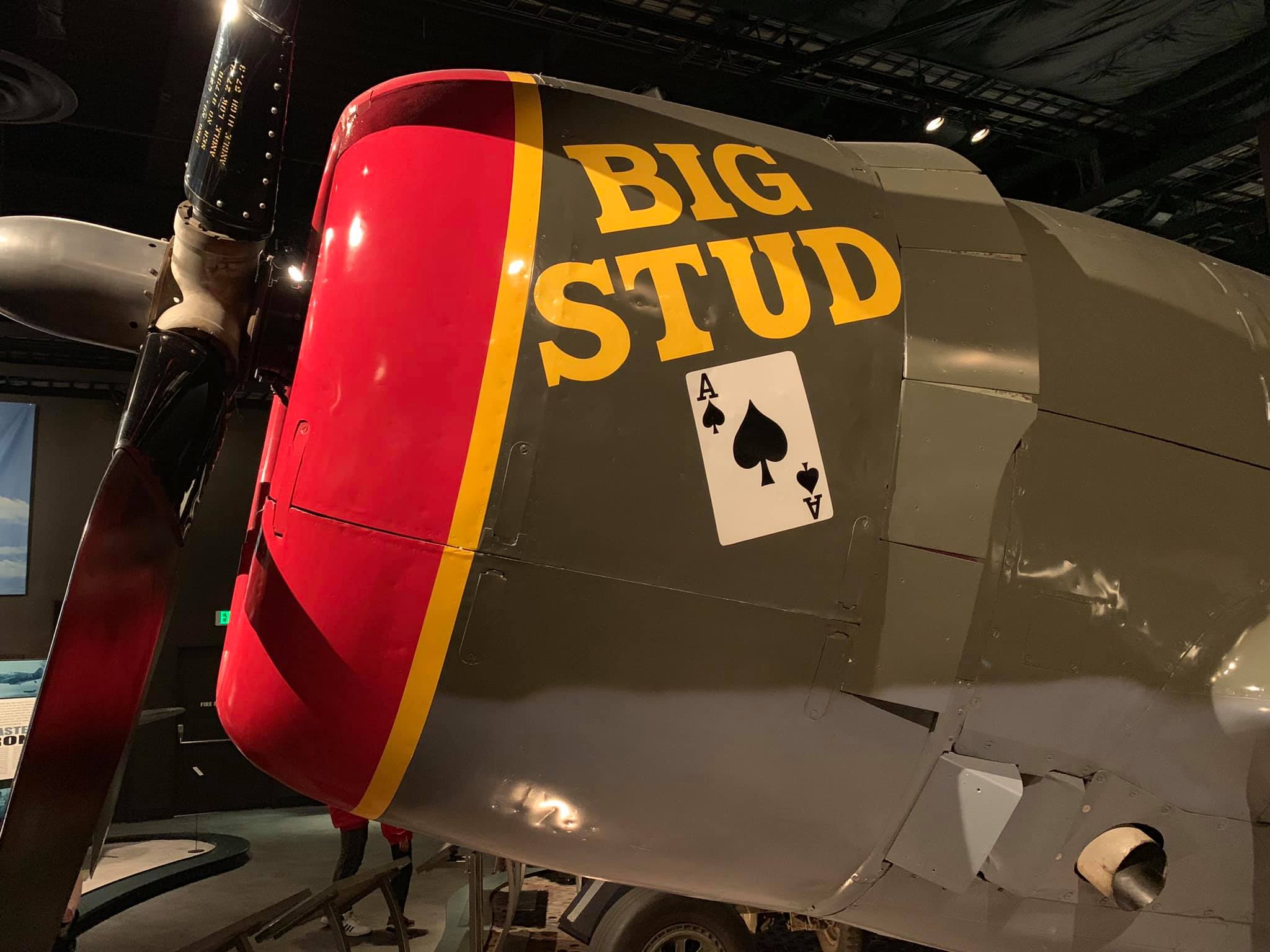
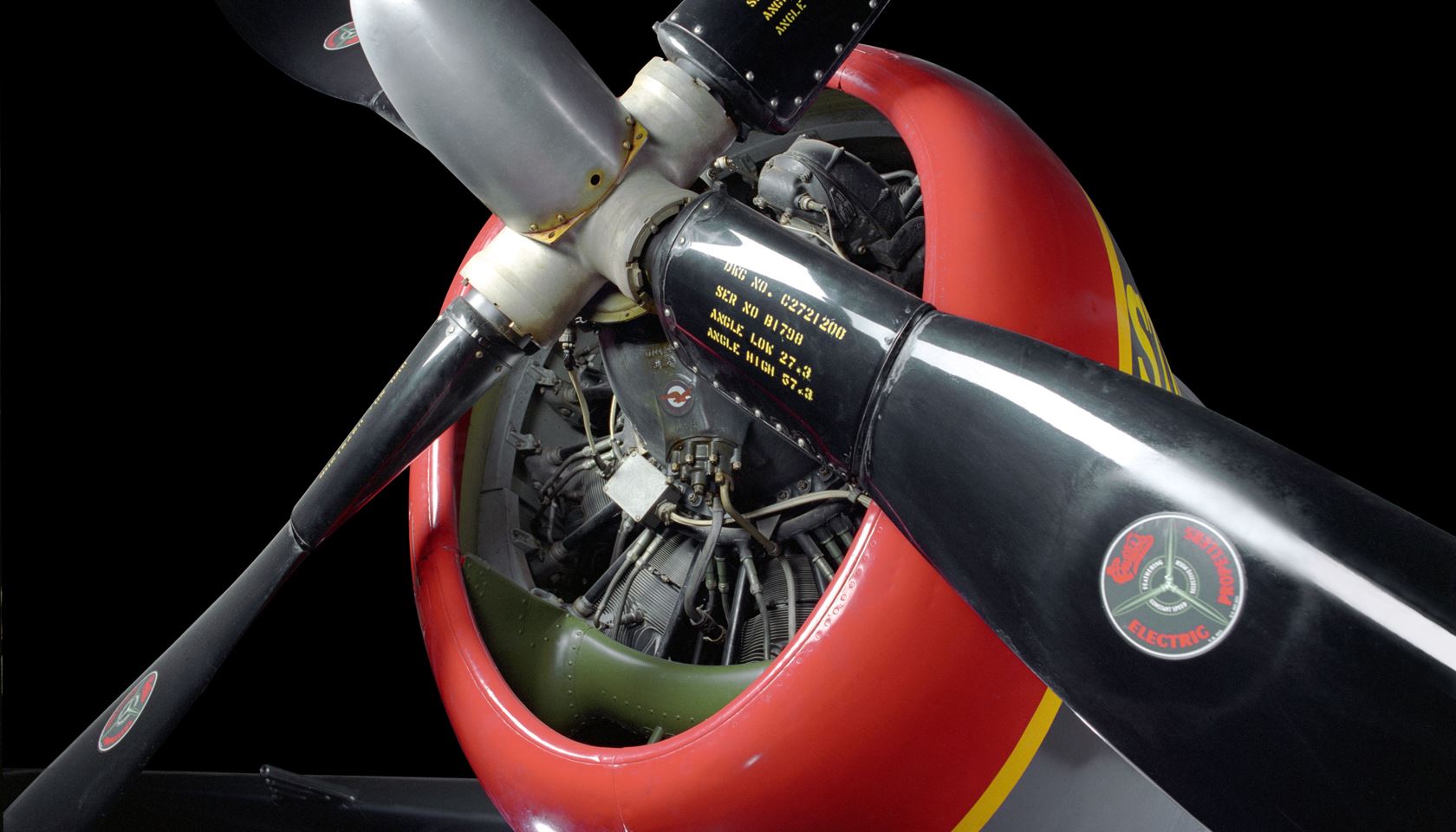
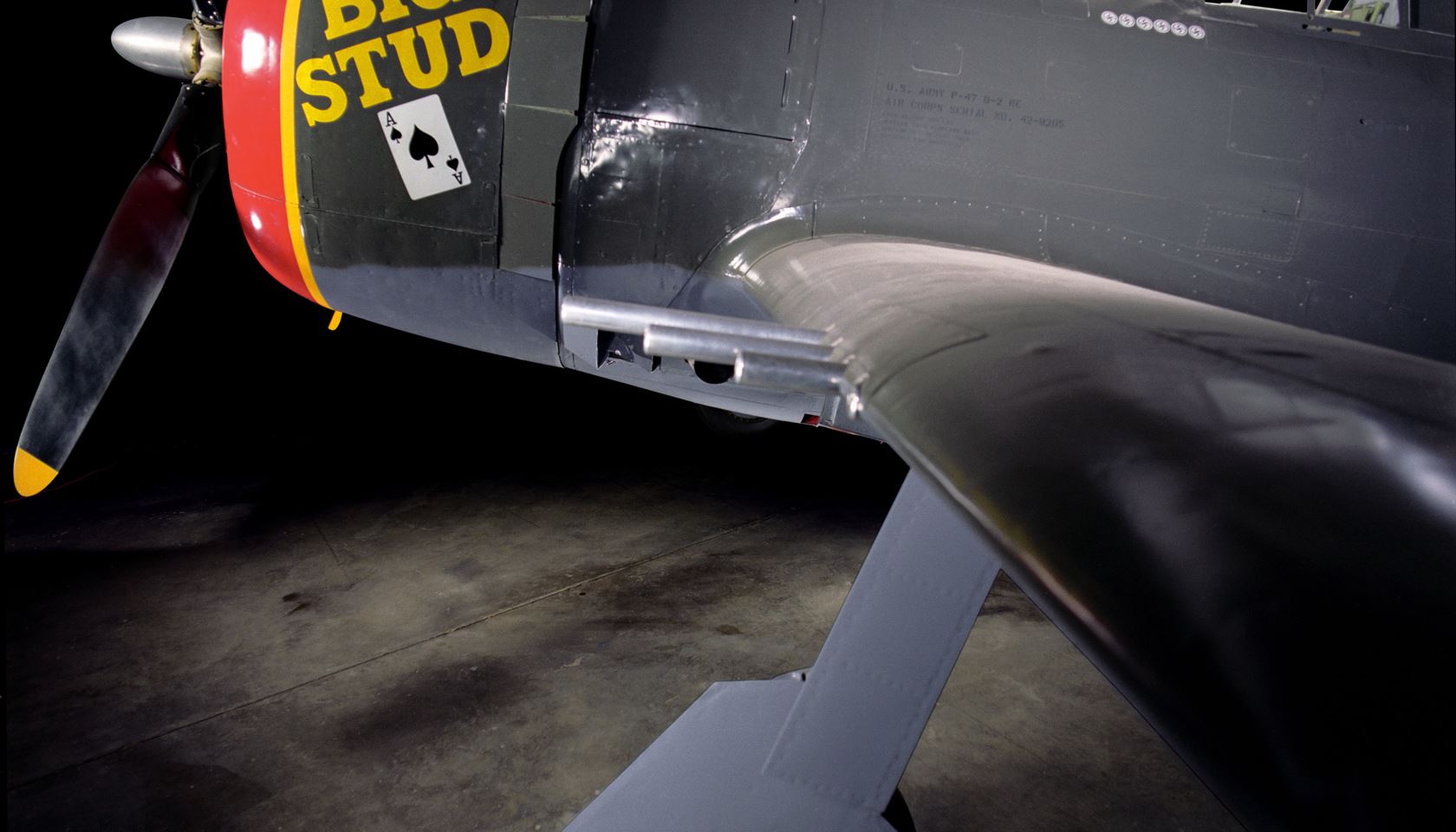
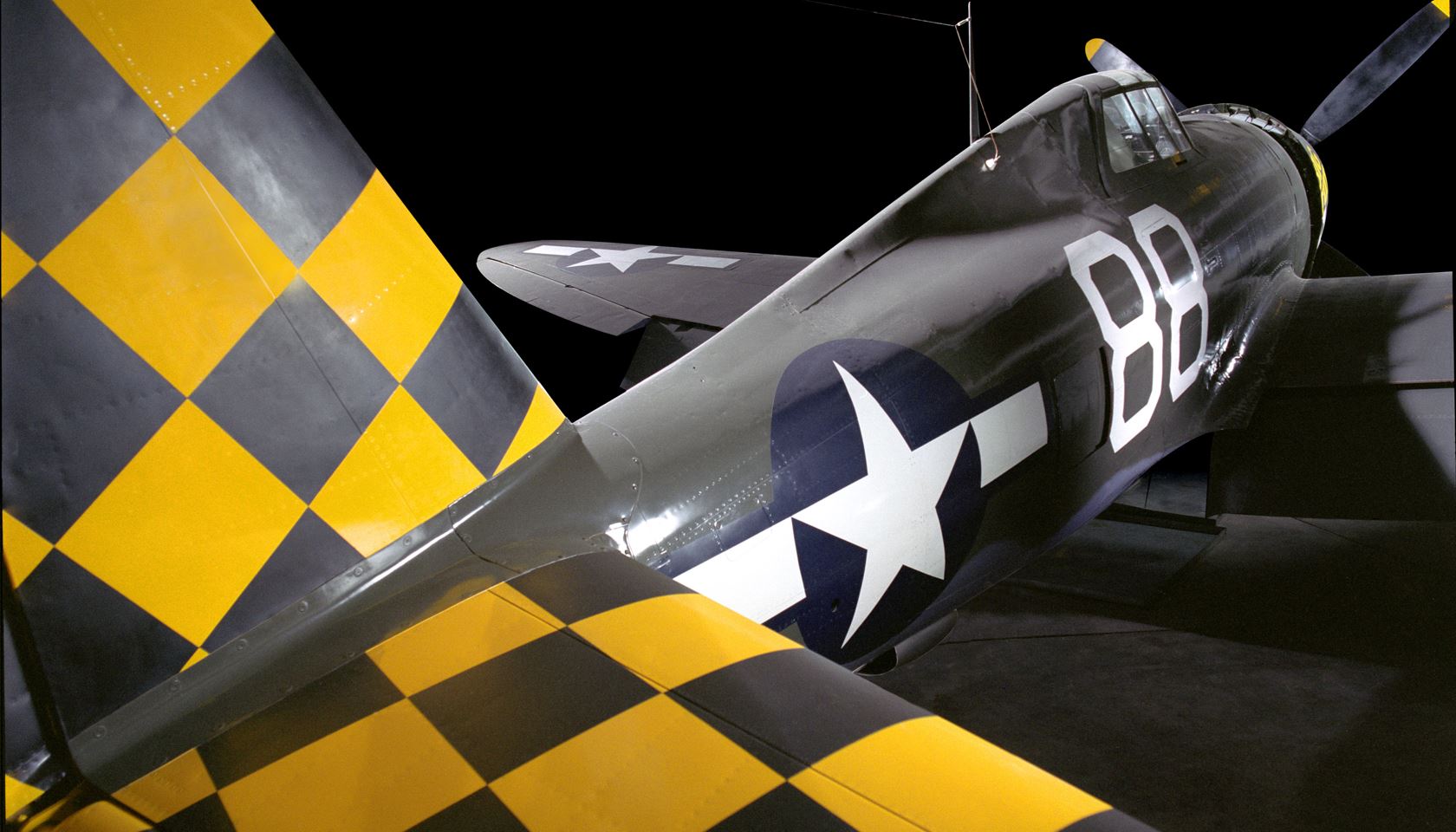
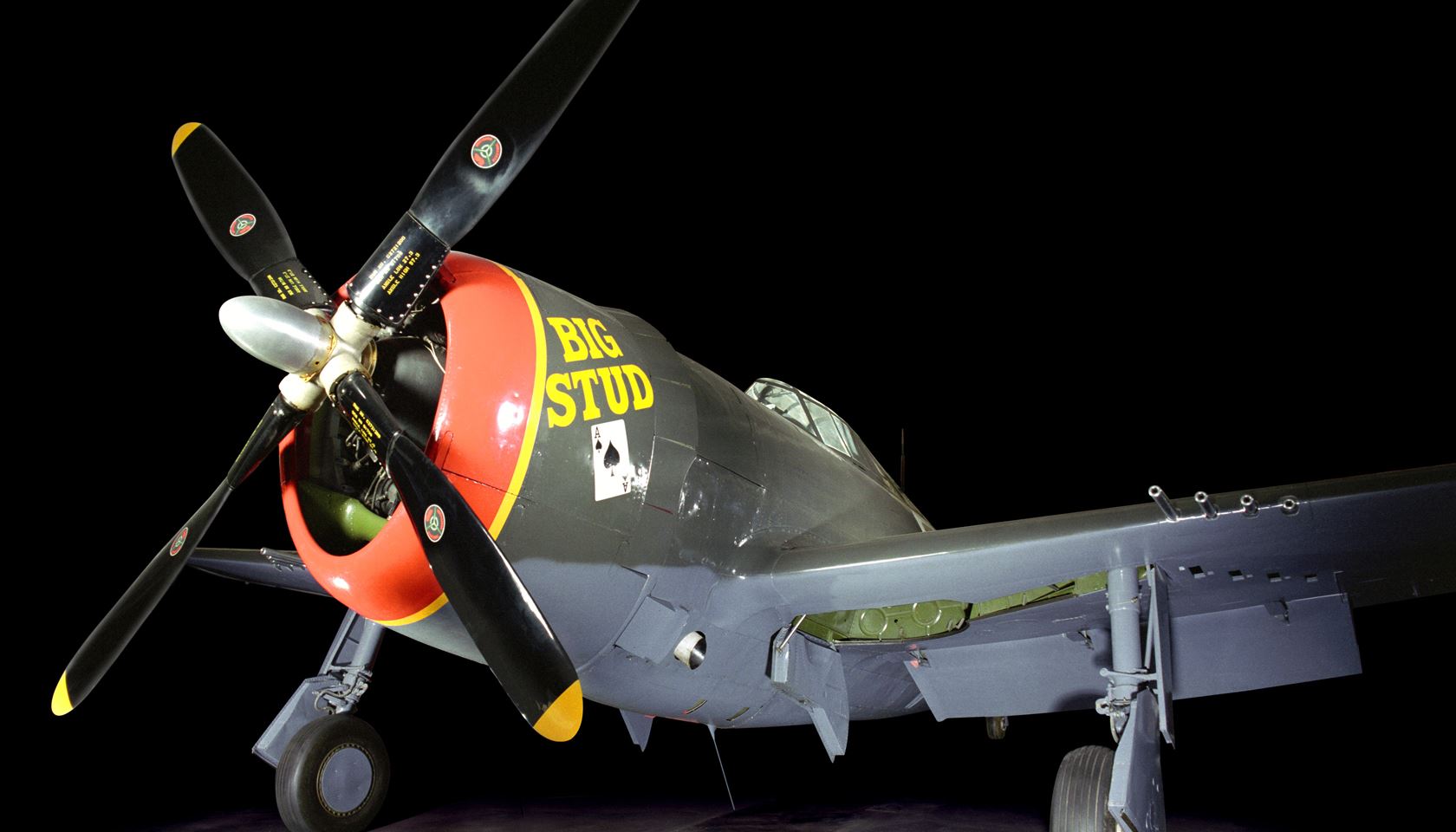
The aircraft was restored in the markings of production block number P-47D-10-RE, s/n 42-75008, “Big Stud” #88 of Lt. Col. Robert Baseler, C/O of the 325th Fighter Group, the “Checkertail Clan.” The nose is red with a yellow border indicated the Mediterranean Theater of Operations, the yellow and black checkerboard tail represented the group. The number 88 was inherited from the days when the group was flying P-40s; the playing card was white and black (and in some cases, the final three radio call numbers were added above and behind the national insignia on the fuselage). My photos and those courtesy of Don England, thanks.
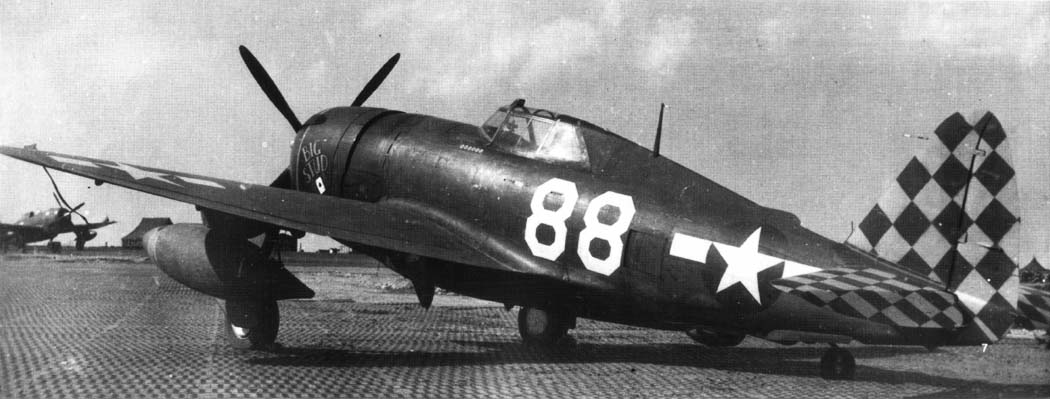
The 325th Fighter Group, after which this aircraft is now painted, was activated at Mitchel Field, New York, in the summer of 1942 along with the 317th, 318th, and 319th Fighter Squadrons. It was trained at Hillsgrove Army Air Field in Curtiss P-40 aircraft before moving to North Africa by ship and transport planes in January and February of 1943. The group entered combat in April of 1943 and began with the Twelfth Air Force escorting medium bombers, flying strafing missions, and conducting sea sweeps from bases in Algeria and Tunisia, and participated in the defeat of Axis forces in Tunisia, the reduction of Pantelleria, and the conquest of Sicily.
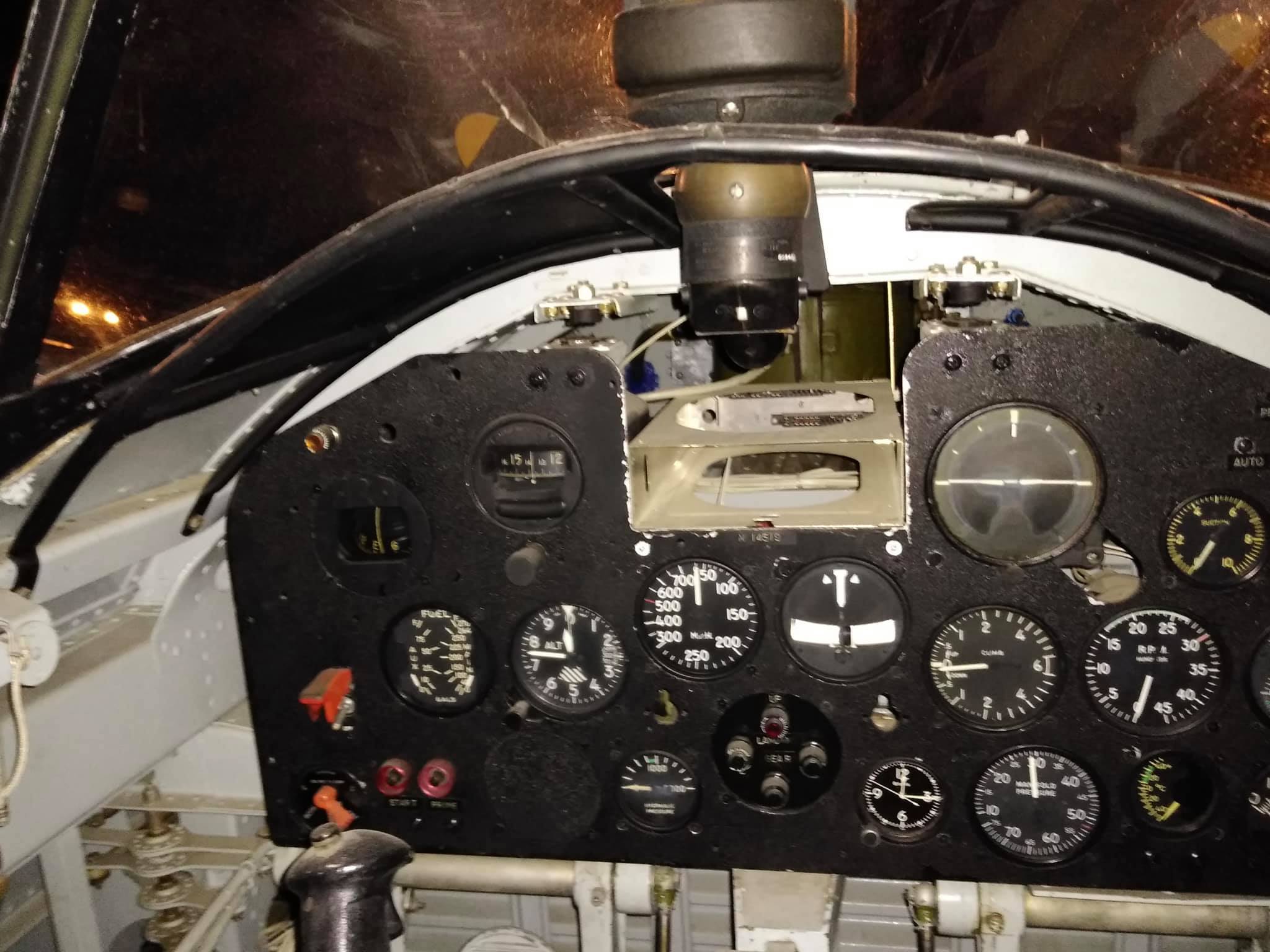
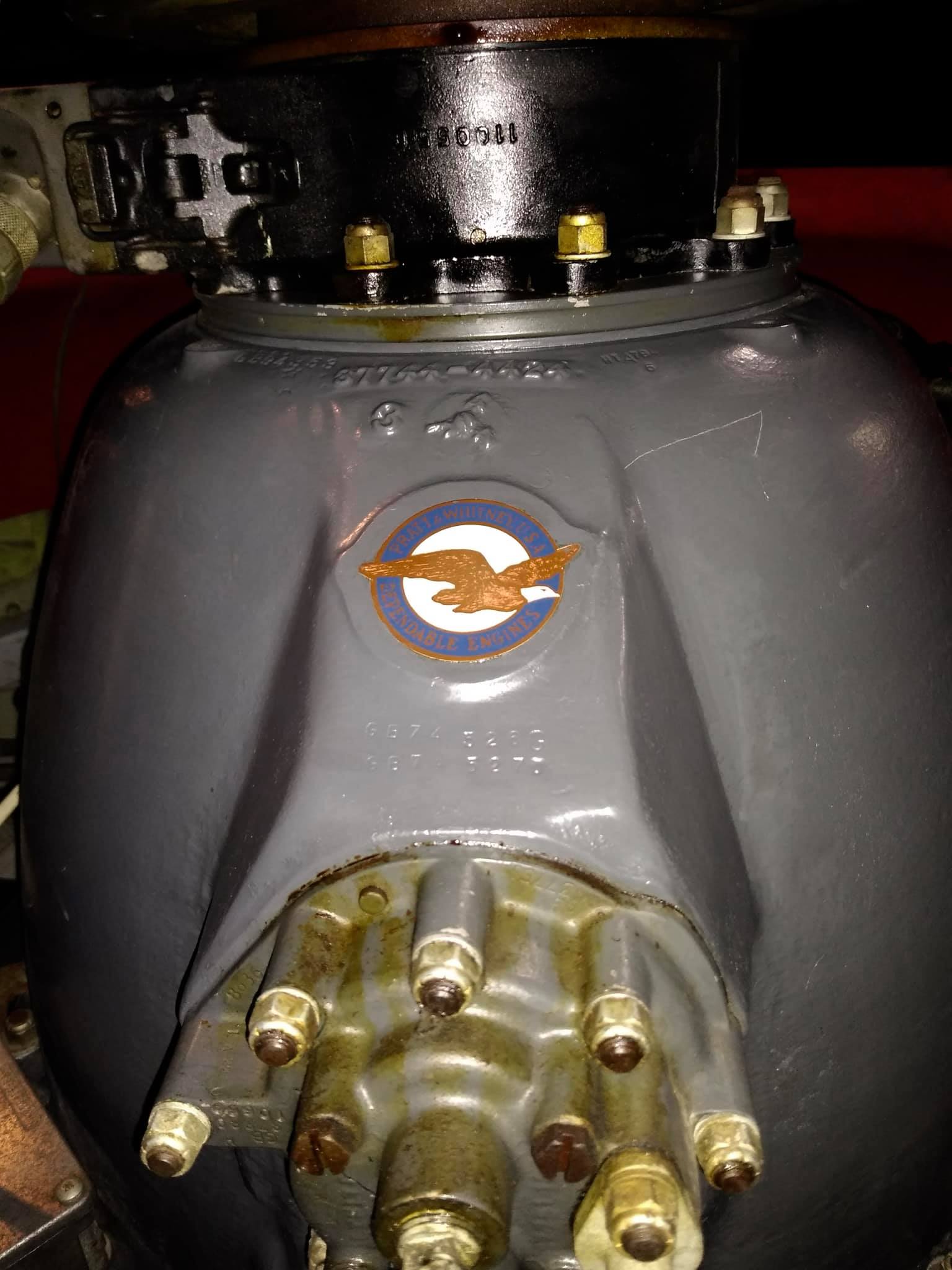
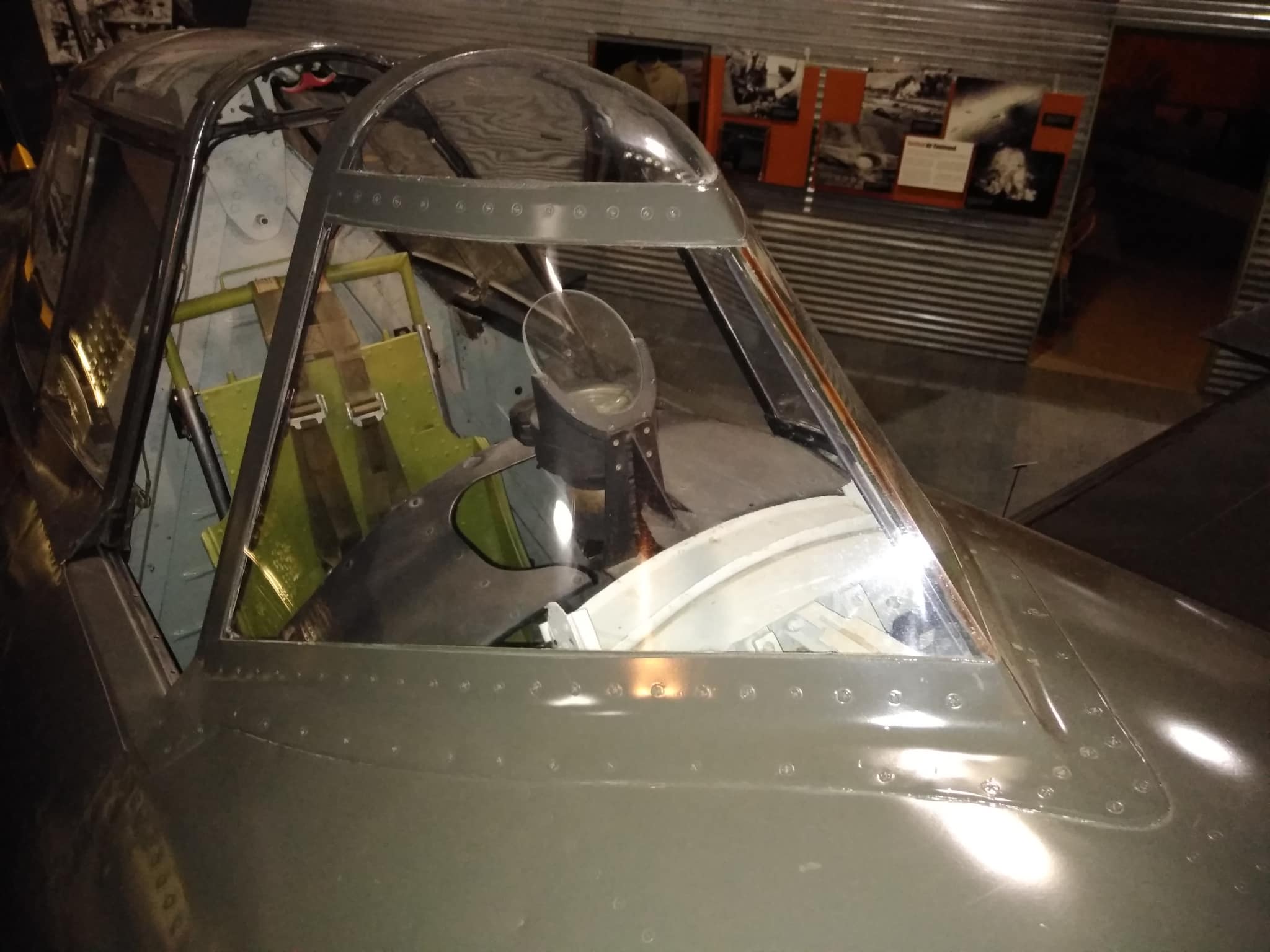
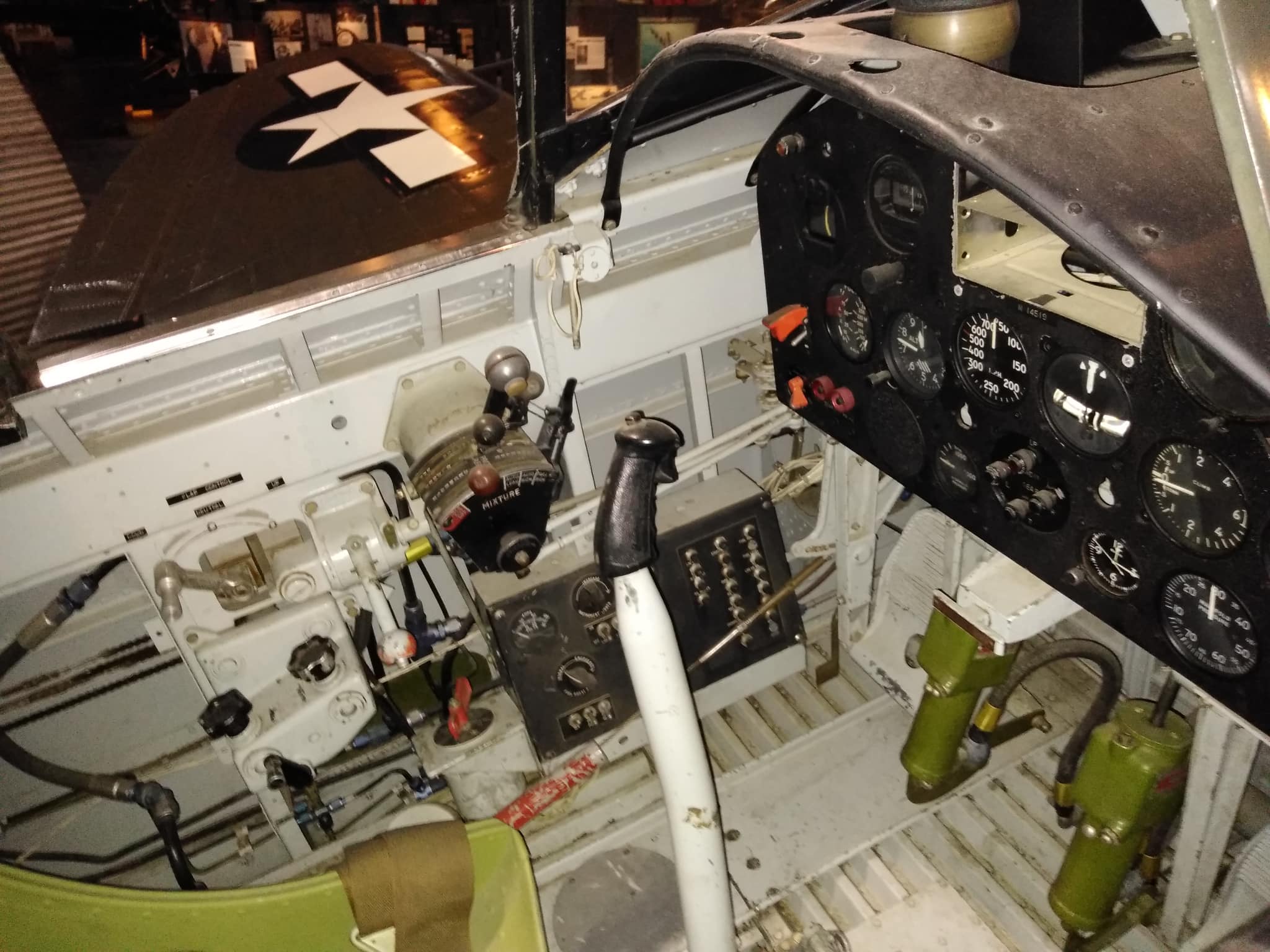
The group received a Distinguished Unit Citation (DUC) for action over Sardinia on July 30, 1943, when it (using diversionary tactics) forced a superior number of enemy planes into the air and destroyed more than half of them. During the period from the end of September to mid-December 1943, it was converted to a Republic P-47 Thunderbolt aircraft and moved to Italy; it did not fly combat missions during this period. It then began operations with the Fifteenth Air Force (also based in Italy, flying B-17s and B-24s), primarily engaged in bomber escort operations. It received a second DUC for a mission on January 30, 1944, when it flew more than 300 miles at very low altitude to surprise enemy fighters that were defending German airfields near Villaorba, Italy.
By severely damaging the enemy’s force, the 325th enabled heavy bombers to strike vital targets in the area without encountering serious opposition. In May of 1944, the group converted to North American P-51 Mustang aircraft and provided the fighter escort on the first shuttle bombing mission from Italy to Russia in early June 1944, and became the first American group to score a victory while flying from a Russian base.
It escorted heavy bombers during long-range missions to attack the Messerschmitt factory at Regensburg deep in Bavaria, the Daimler-Benz tank factory at Berlin, oil refineries at Vienna, and other targets, such as airfields, marshalling yards, and communications targets in Italy, France, Germany, Czechoslovakia, Austria, Hungary, Romania, and Yugoslavia. It also covered operations of reconnaissance aircraft and strafed such targets as trains, vehicles, and airfields. The group continued combat operations until May 1945. It returned to the U.S. that October and was inactivated on October 28, 1945.
About the author:  Randy Malmstrom grew up in a family steeped in aviation culture. His father, Bob, was still a cadet in training with the USAAF at the end of WWII, but did serve in Germany during the U.S. occupation in the immediate post-war period, where he had the opportunity to fly in a wide variety of types that flew in WWII. After returning to the States, Bob became a multi-engine aircraft sales manager and, as such, flew a wide variety of aircraft; Randy frequently accompanied him on these flights. Furthermore, Randy’s cousin, Einar Axel Malmstrom, flew P-47 Thunderbolts with the 356th FG from RAF Martlesham Heath. He was commanding this unit at the time he was shot down over France on April 24th, 1944, and spent the rest of the war as a prisoner of war. Following his repatriation at war’s end, Einar continued his military service, attaining the rank of Colonel. He was serving as Deputy Wing Commander of the 407th Strategic Fighter Wing at Great Falls AFB, MT, at the time of his death in a T-33 training accident on August 21, 1954. The base was renamed in his honor in October 1955 and continues to serve in the present USAF as home to the 341st Missile Wing. Randy’s innate interest in history in general, and aviation history in particular, plus his educational background and passion for WWII warbirds, led him down his current path of capturing detailed aircraft walk-around photos and in-depth airframe histories, recording a precise description of a particular aircraft in all aspects.