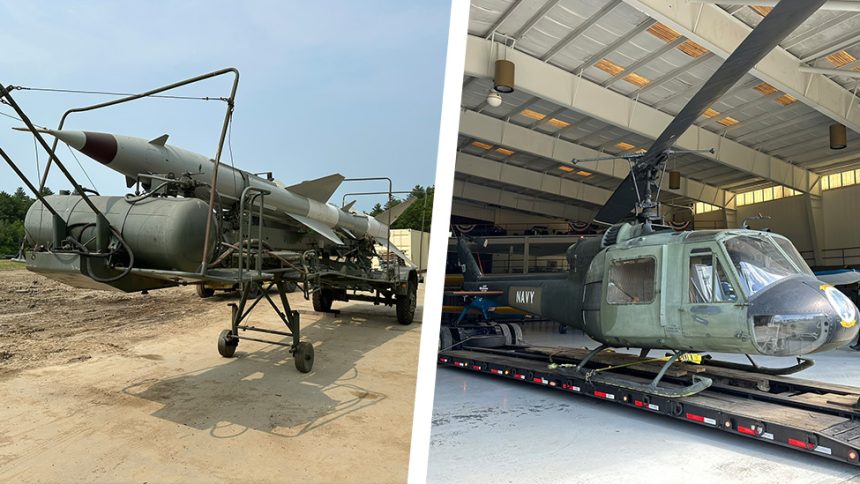

The American Heritage Museum (AHM) is set to expand its Vietnam War Gallery with two significant additions: a Soviet-designed SA-2 Guideline surface-to-air missile (SAM) and a Bell HH-1K “Huey” helicopter representing the U.S. Navy’s Helicopter Attack Squadron Light (HA(L)-3) “Seawolves.” Both artifacts are now on-site, with restoration staff and volunteers preparing them for display over the coming year.
SA-2 Guideline: Cold War Icon
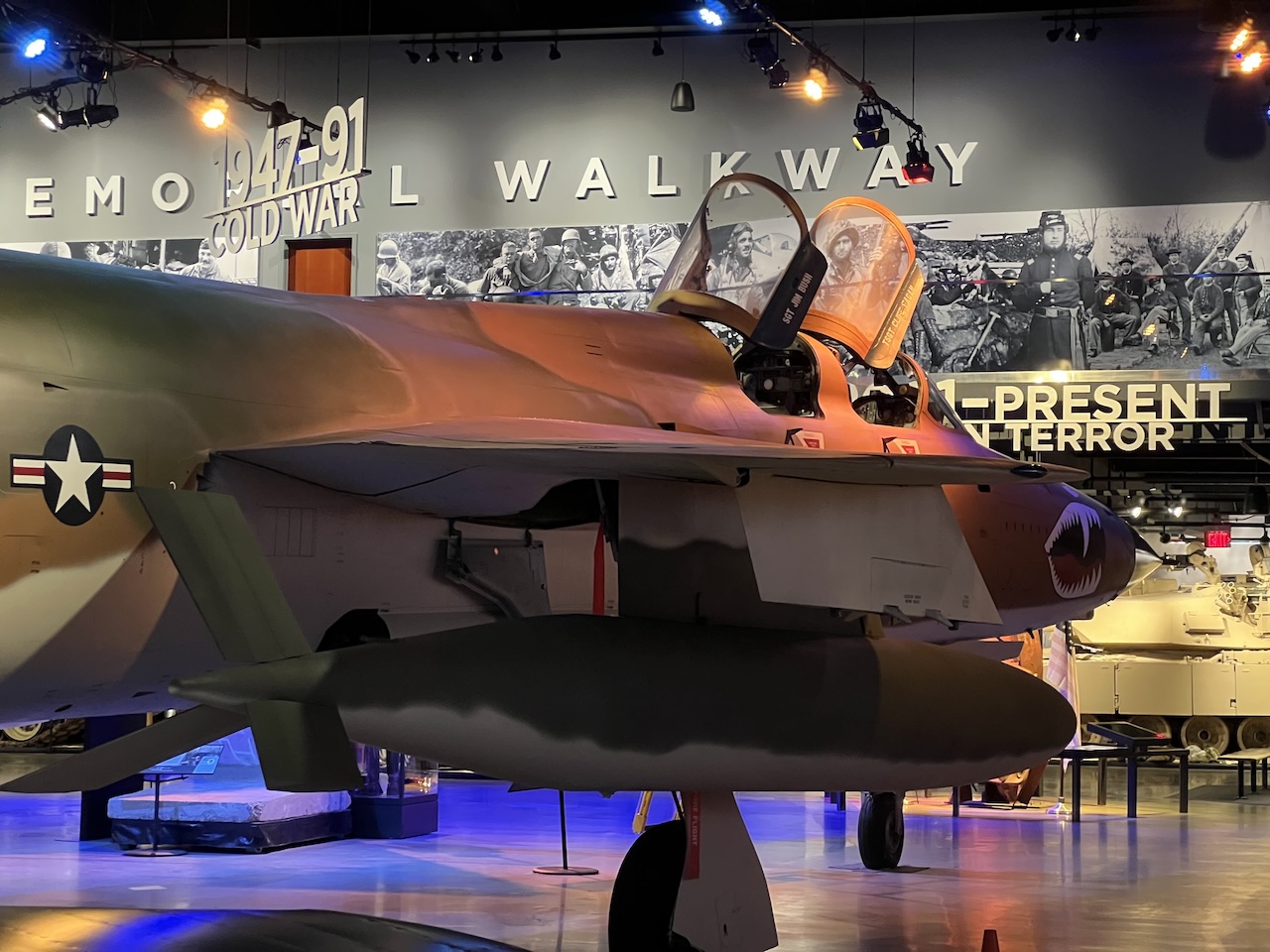
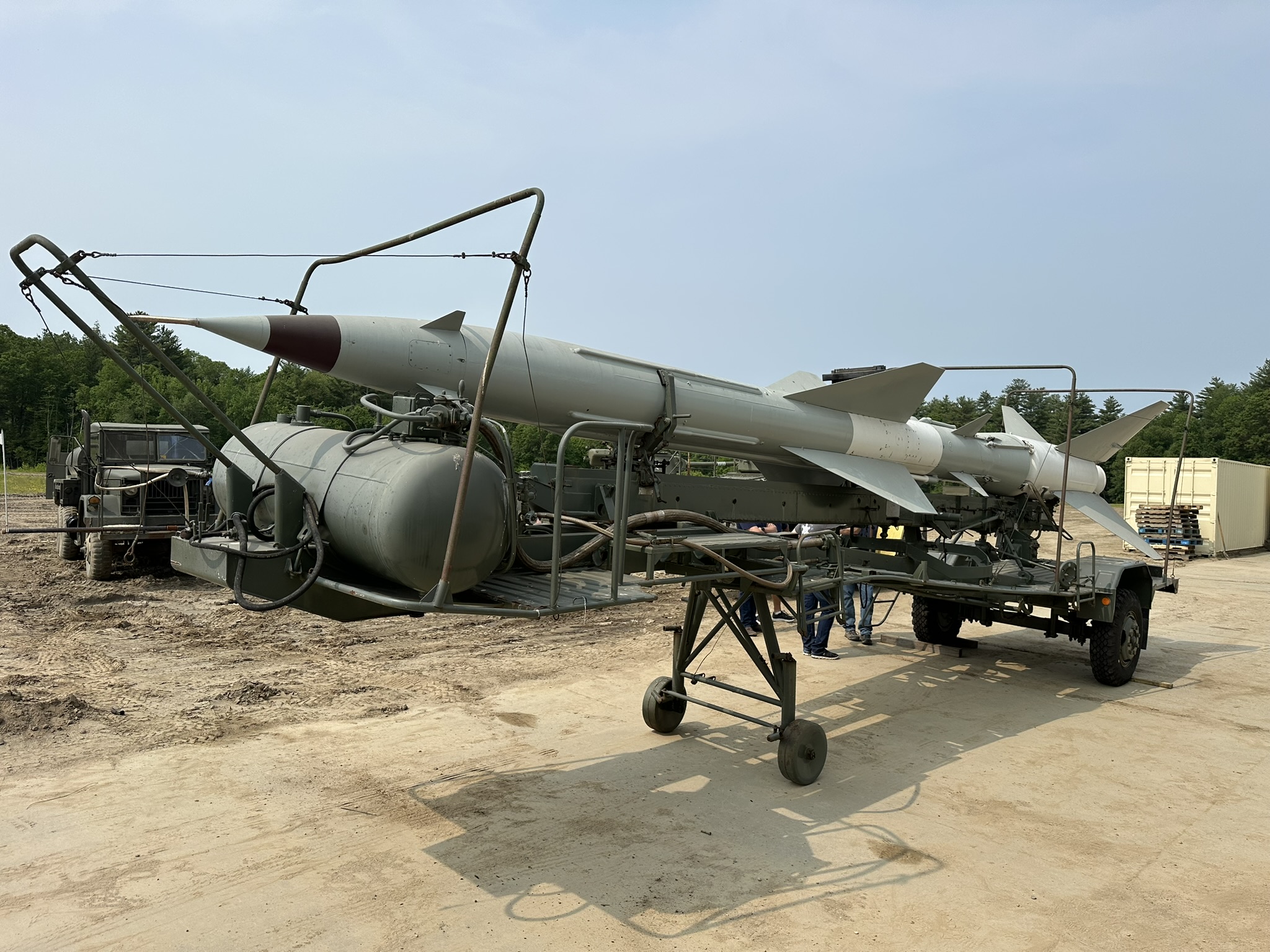
The SA-2 Guideline arrived at the museum on June 4 and is on long-term loan from the National Museum of the U.S. Air Force (NMUSAF) in Dayton, Ohio. It will be exhibited alongside the NMUSAF’s F-105G Thunderchief “Wild Weasel,” creating a compelling narrative about the duel between North Vietnamese air defenses and American suppression tactics during the war. First developed in the mid-1950s, the Soviet V-750 Dvina—known in NATO terminology as the SA-2 Guideline—was the first truly effective surface-to-air missile system. It gained notoriety after downing U.S. reconnaissance aircraft during the Cold War, including Gary Powers’ U-2 in 1960 and Maj. Rudolph Anderson’s U-2 during the Cuban Missile Crisis in 1962.
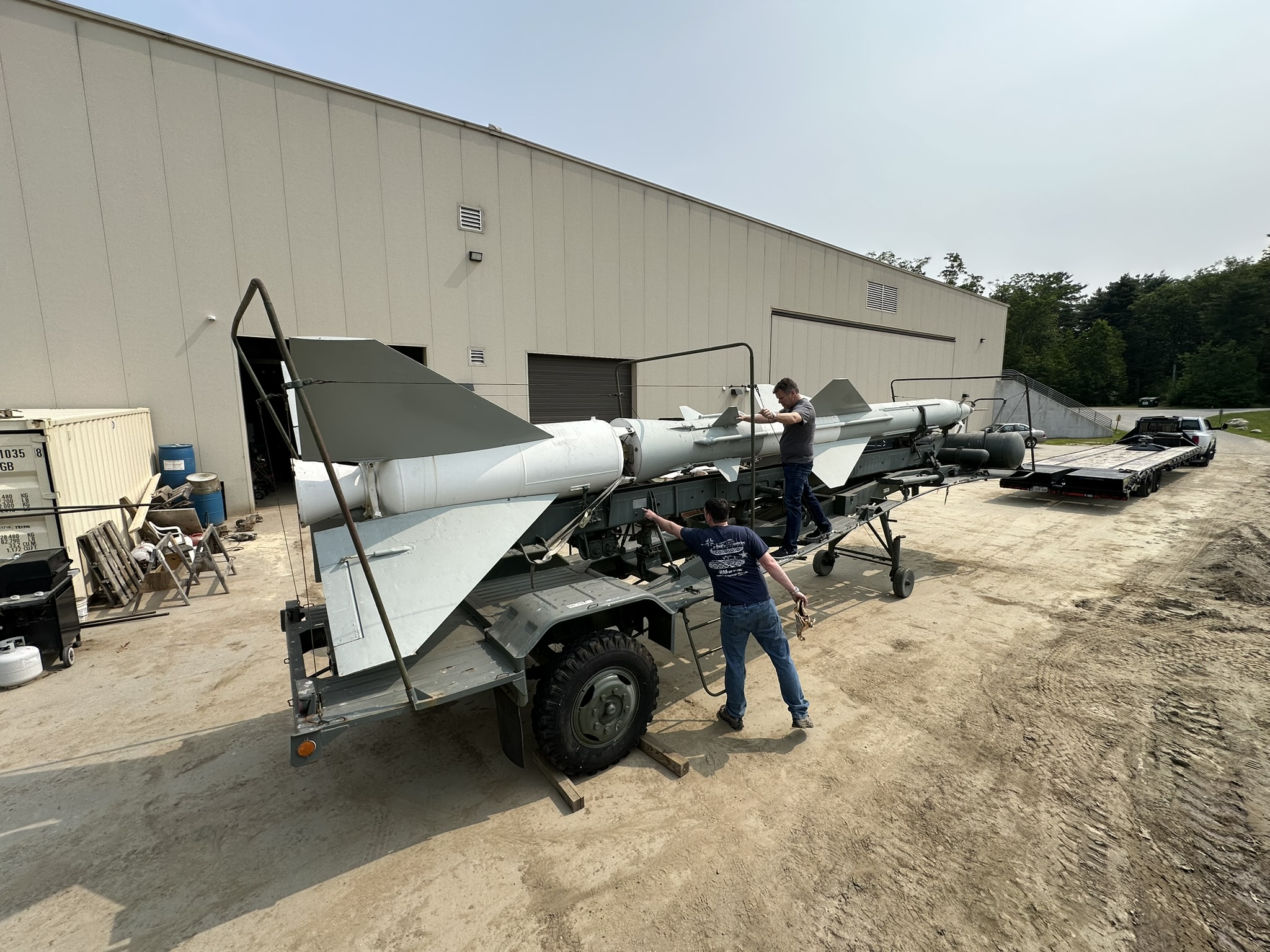
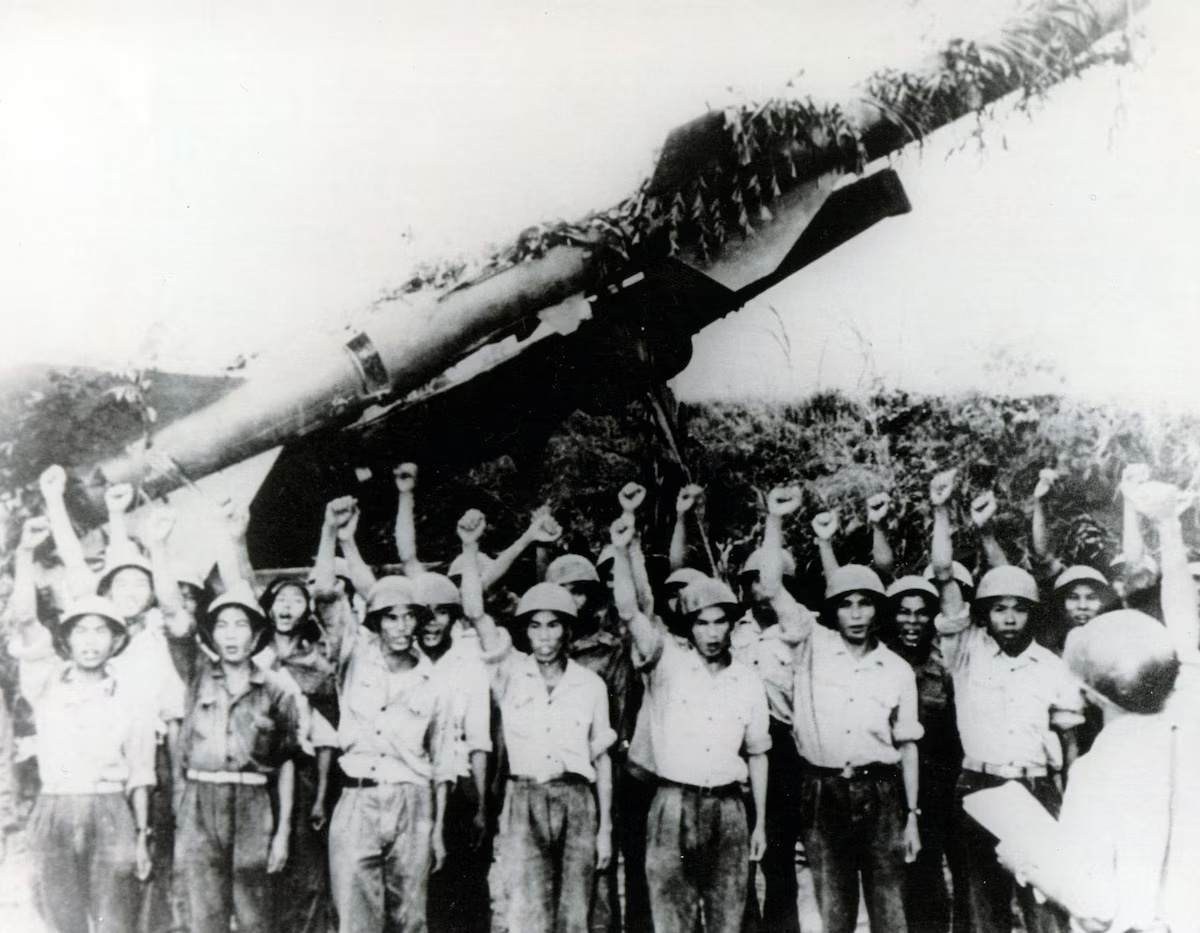
North Vietnam began receiving SA-2 systems in 1965, during the early stages of Operation Rolling Thunder. Supported by Soviet advisors, the North Vietnamese deployed mobile, camouflaged SAM sites equipped with six missiles, radars, and protective anti-aircraft guns. These sites posed a significant threat to U.S. aircrews. Capable of reaching speeds of Mach 3.5, engaging targets up to 60,000 feet, and delivering a 288-pound blast-fragmentation warhead, the SA-2 forced the U.S. Air Force to innovate. The result was the “Wild Weasel” program, where specialized aircraft like the F-105G hunted and destroyed SAM sites before they could strike.
By displaying the SA-2 alongside the F-105G, AHM will vividly depict the high-stakes “cat-and-mouse” battles fought over North Vietnam. The missile is currently undergoing cosmetic restoration and will be installed in the Vietnam War Gallery later this year.
Bell HH-1K Huey: Symbol of Air Mobility
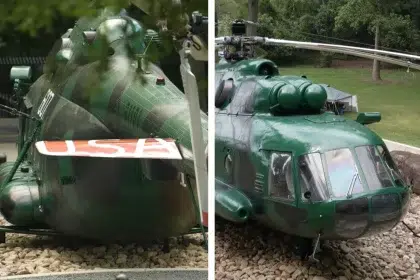
On July 1, the museum received another iconic artifact—an HH-1K Iroquois, better known as the “Huey”—on long-term loan from the National Naval Aviation Museum in Pensacola, Florida. Once displayed, it will broaden the gallery’s focus on the role of air power in Vietnam. First flown in 1956, the Huey earned its nickname from its original Army designation, HU-1. With a cruise speed of around 115 mph, it was not the fastest helicopter, but its versatility was unmatched. Hueys transported troops, evacuated the wounded, and served as armed gunships. Between 1965 and 1969 alone, they evacuated an estimated 378,000 wounded personnel from Vietnam’s battlefields.
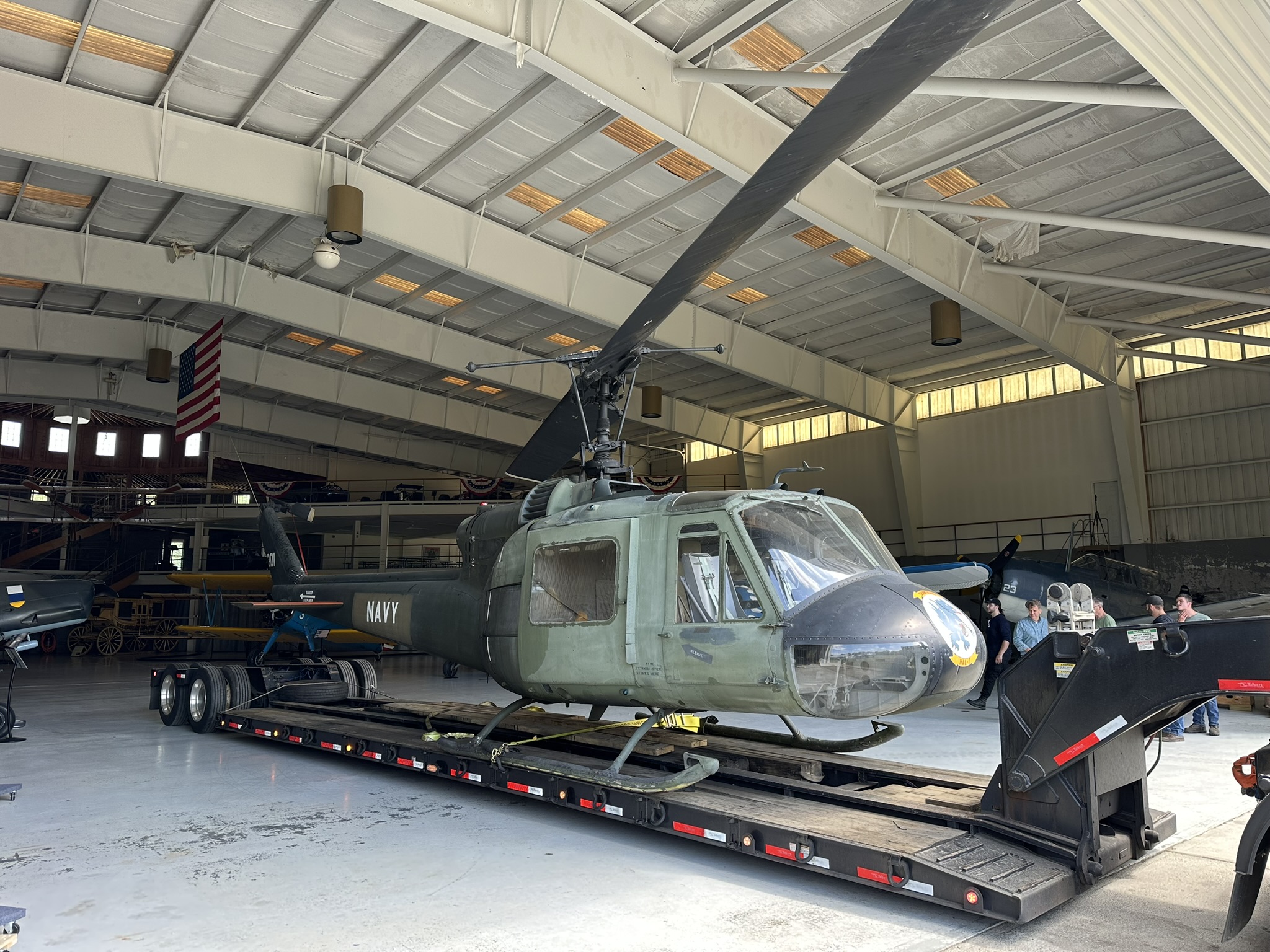
In Naval service, the Huey appeared in several variants, including the UH-1E, HH-1K, and TH-1L. In 1967, the Navy formed HA(L)-3 “Seawolves,” which flew heavily armed Hueys in support of riverine patrols and special operations in the Mekong Delta. The museum’s HH-1K (Bureau Number 157188) served with HA(L)-5, a Naval Air Reserve squadron at NAS Point Mugu, California. It supported special operations missions, including SEAL team insertions, and still bears damage from live-fire training exercises off San Clemente Island.
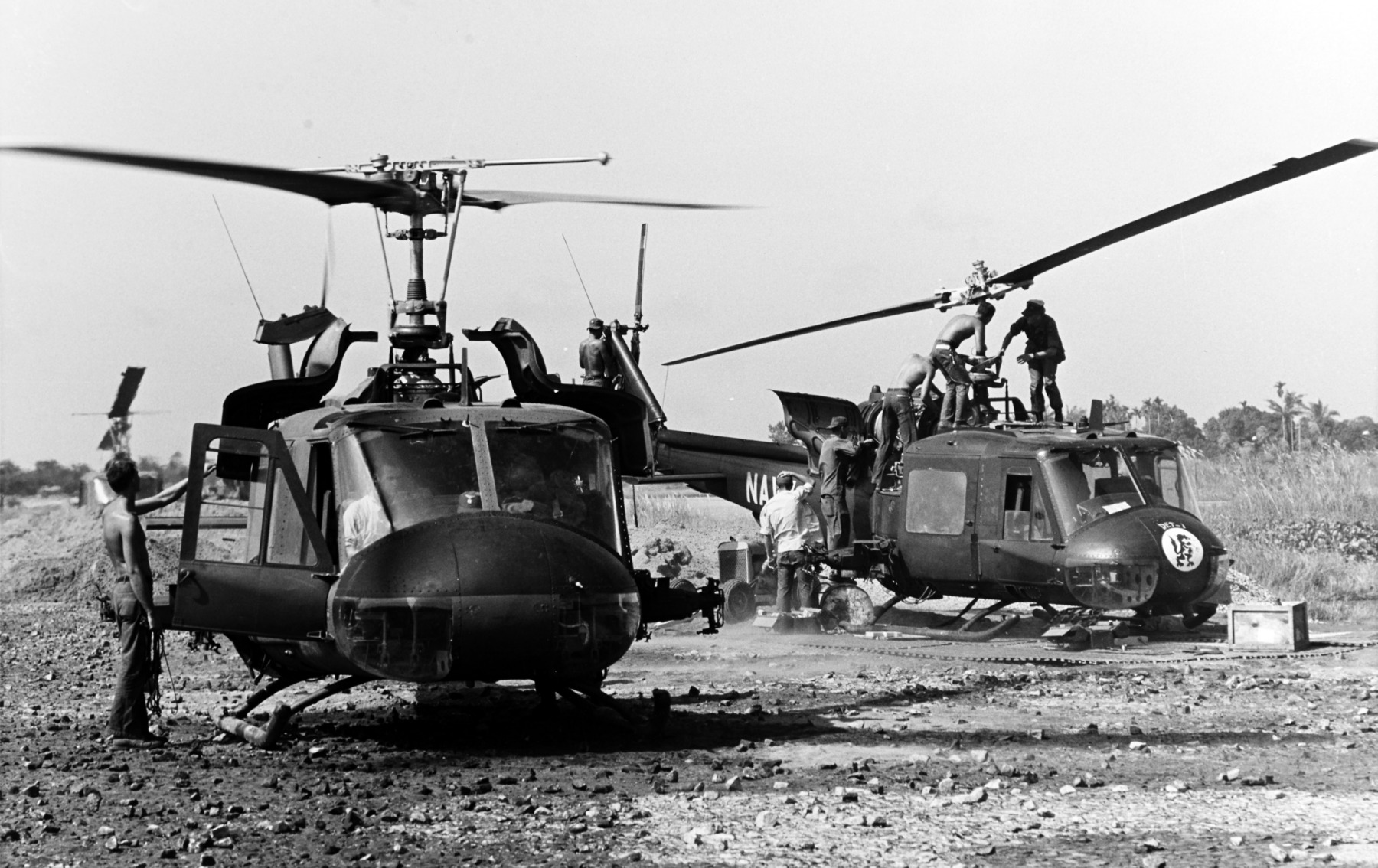
For now, the helicopter will be stored in the museum’s hangar annex for cosmetic restoration. It will be displayed later this year, positioned above the museum’s North Vietnamese PT-76 amphibious tank. Until then, it will be viewable only during special event weekends through October. When installed, these two artifacts will further immerse visitors in the air war over Vietnam—one representing the deadly threats faced by U.S. pilots, the other symbolizing the lifesaving role of helicopters in one of America’s most complex conflicts. For more information, visit www.americanheritagemuseum.org.