








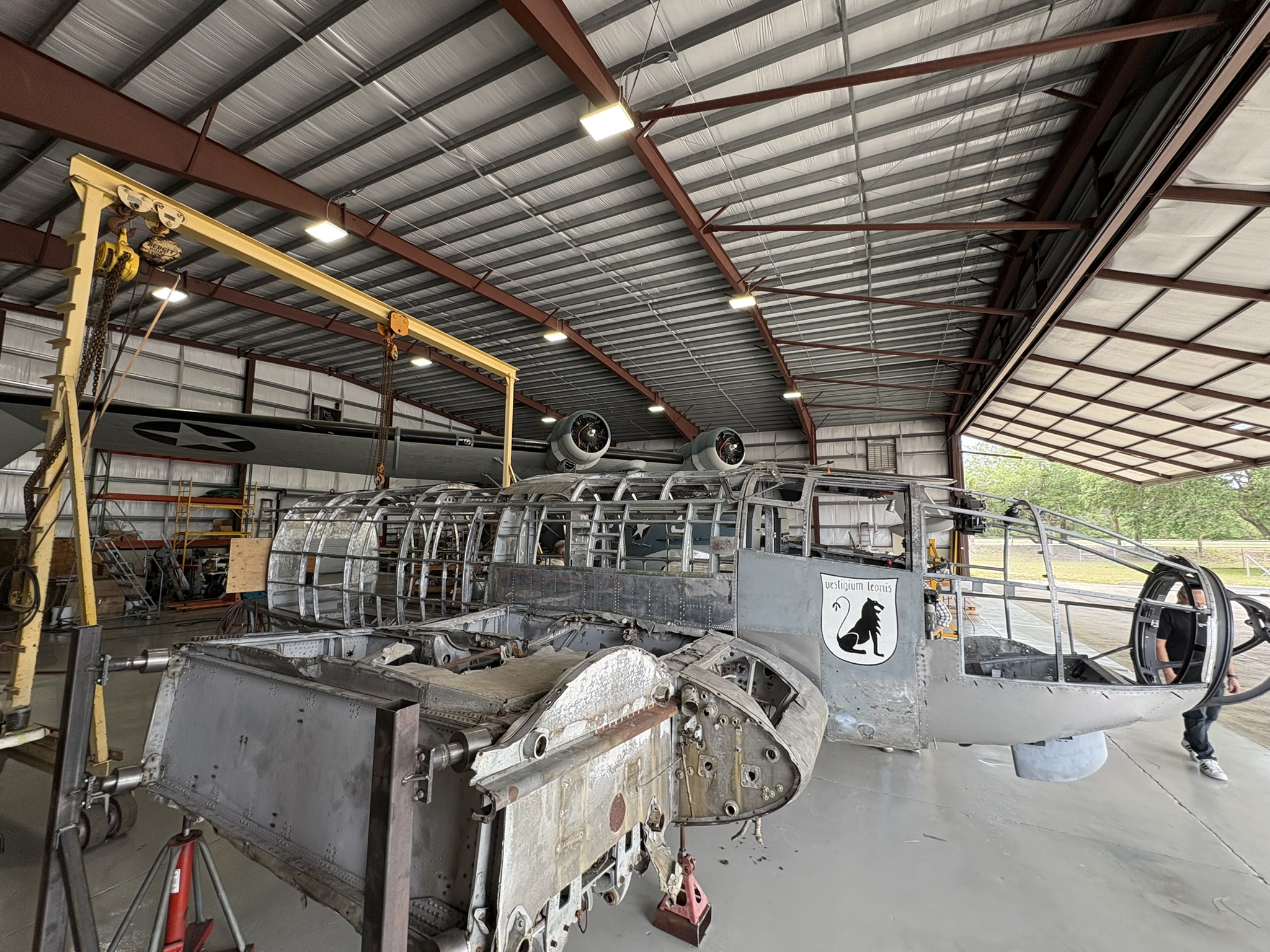
Thanks to major support from the Prescott Foundation, the American Heritage Museum has officially launched the restoration of its rare Heinkel He 111H-3 bomber at American Aero Services in New Smyrna Beach, Florida. Owned by the American Heritage Museum and destined for display in Hudson, MA, this historic German medium bomber is one of only a handful surviving worldwide—and one with documented combat history.
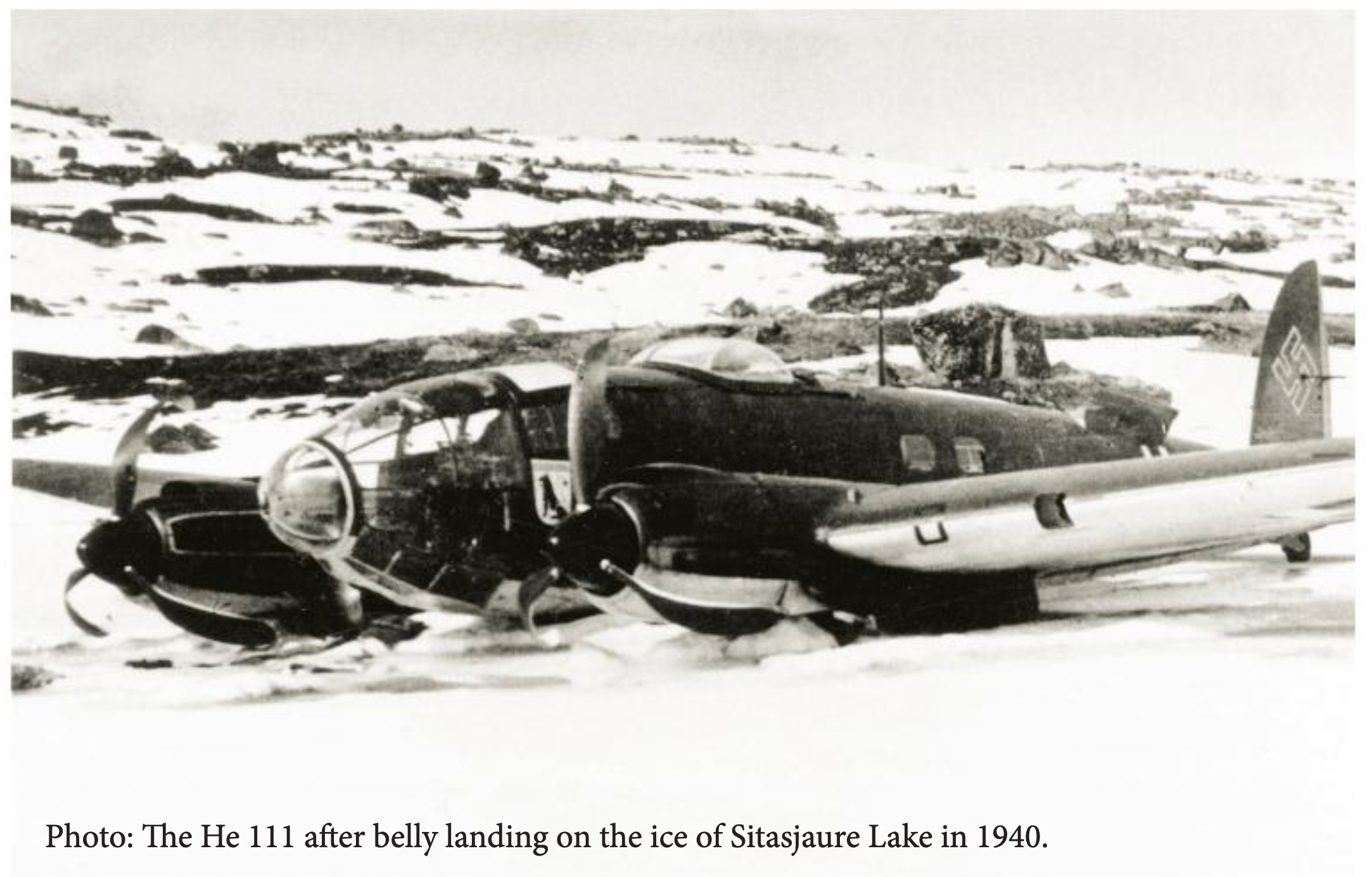
The aircraft saw action during the German Norwegian Campaign in the spring of 1940. On May 15, it participated in an attack on British Royal Navy forces in Bjerkvik before being intercepted by Blackburn Skua fighters launched from the HMS Ark Royal. Severely damaged in the engagement, the He 111 was forced to belly land on the frozen surface of Sitasjaure Lake in northern Sweden. It remained there undisturbed until Swedish volunteers recovered the wreck in 2008. (The full history was featured in a 2021 issue of the museum’s magazine.)
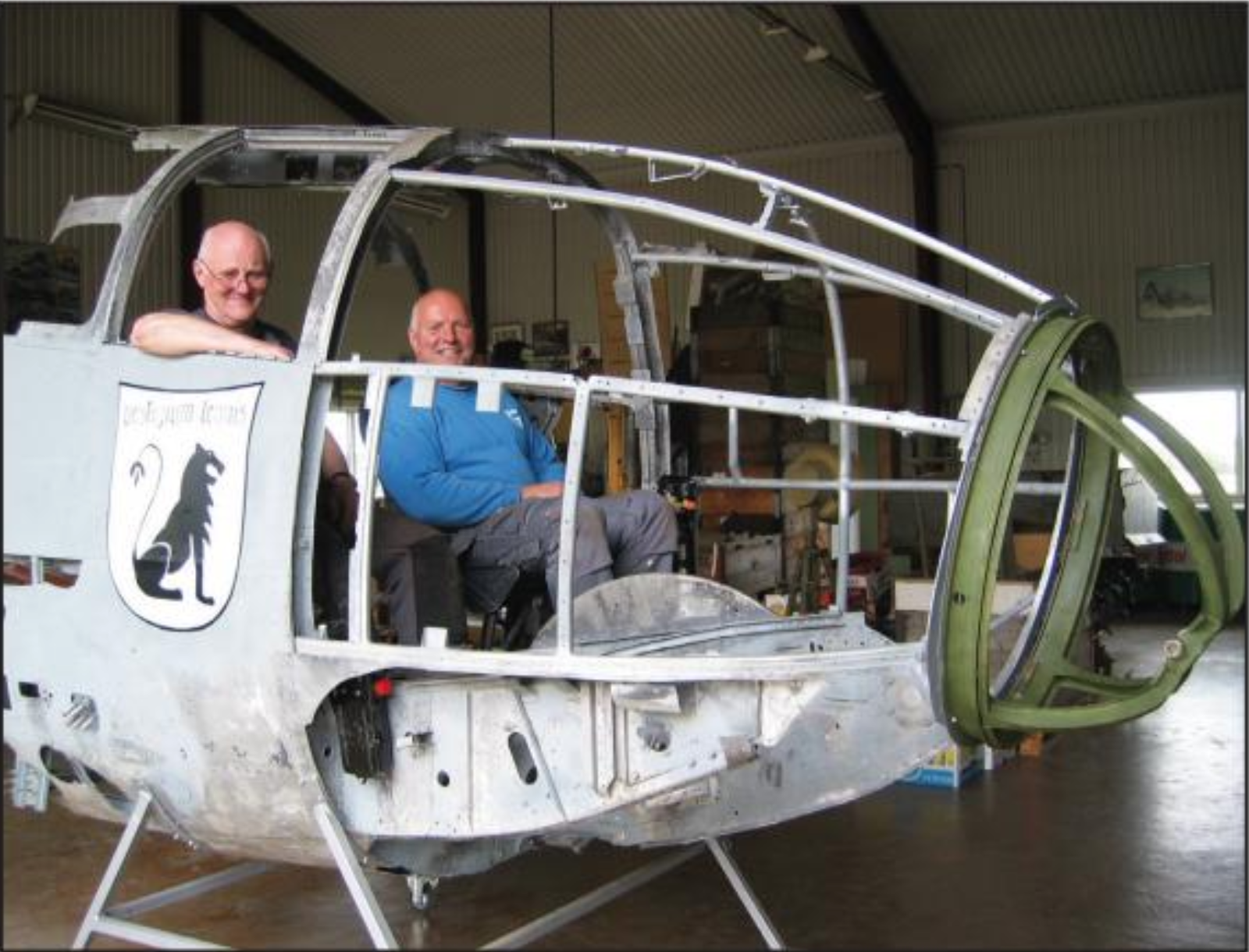
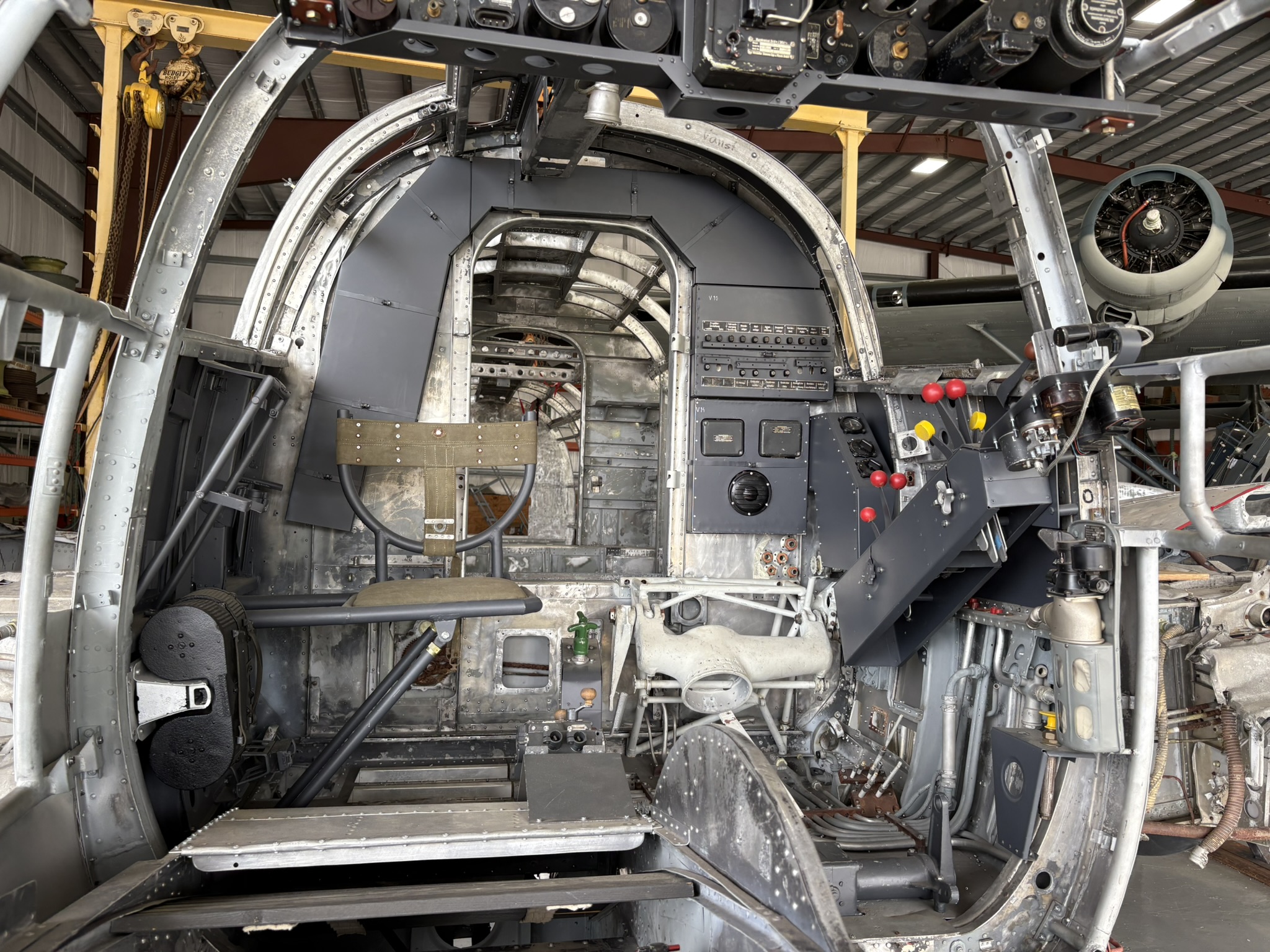
Acquired by the American Heritage Foundation in 2021, the bomber and numerous original components were transported to the United States in 2022. The goal of the restoration is to return the aircraft to static display condition in its 1940 configuration, complete with a detailed interior. Once complete, it will offer visitors a unique opportunity to study German aircraft design, which in many ways diverged significantly from that of the Allies.
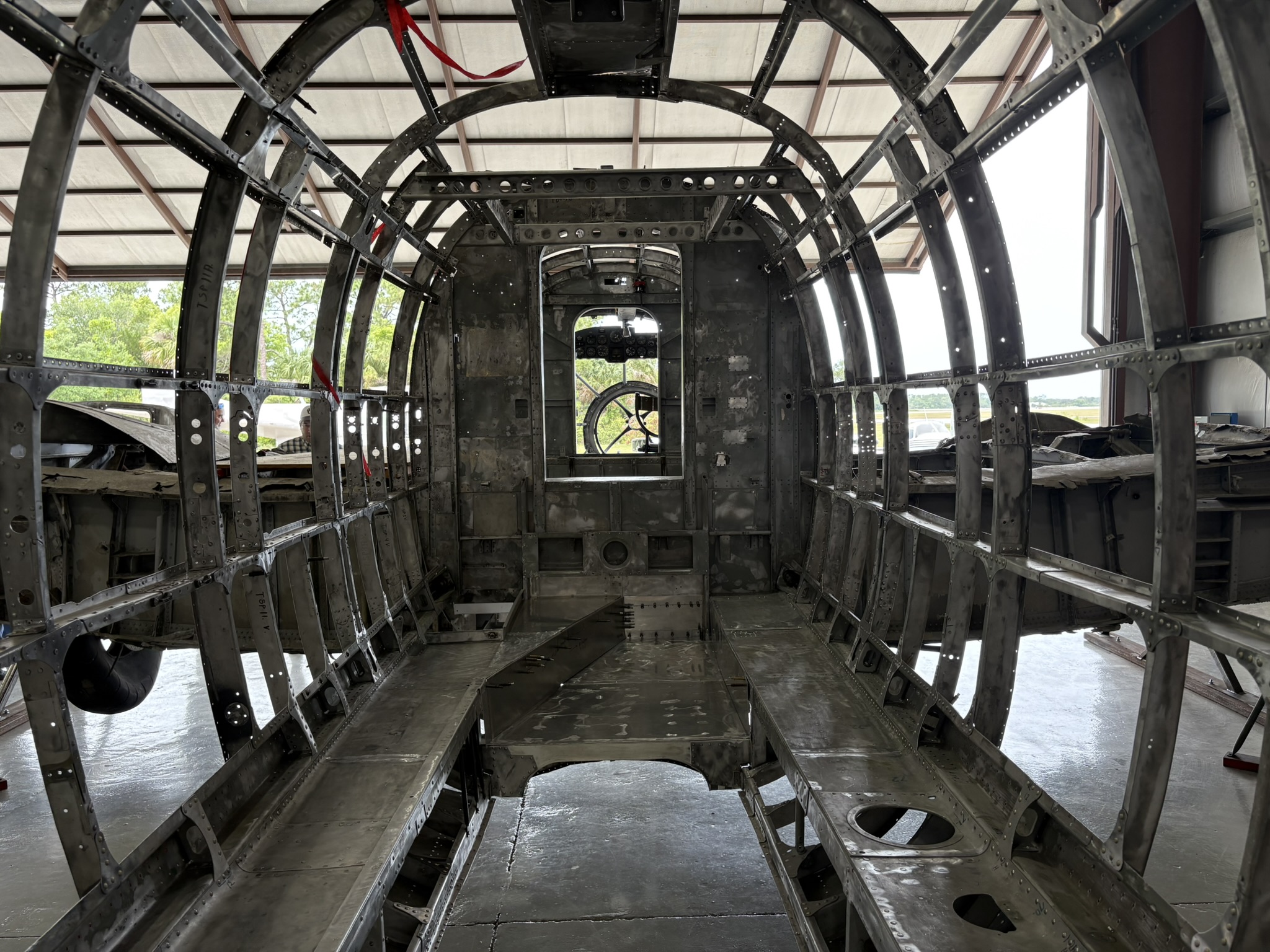
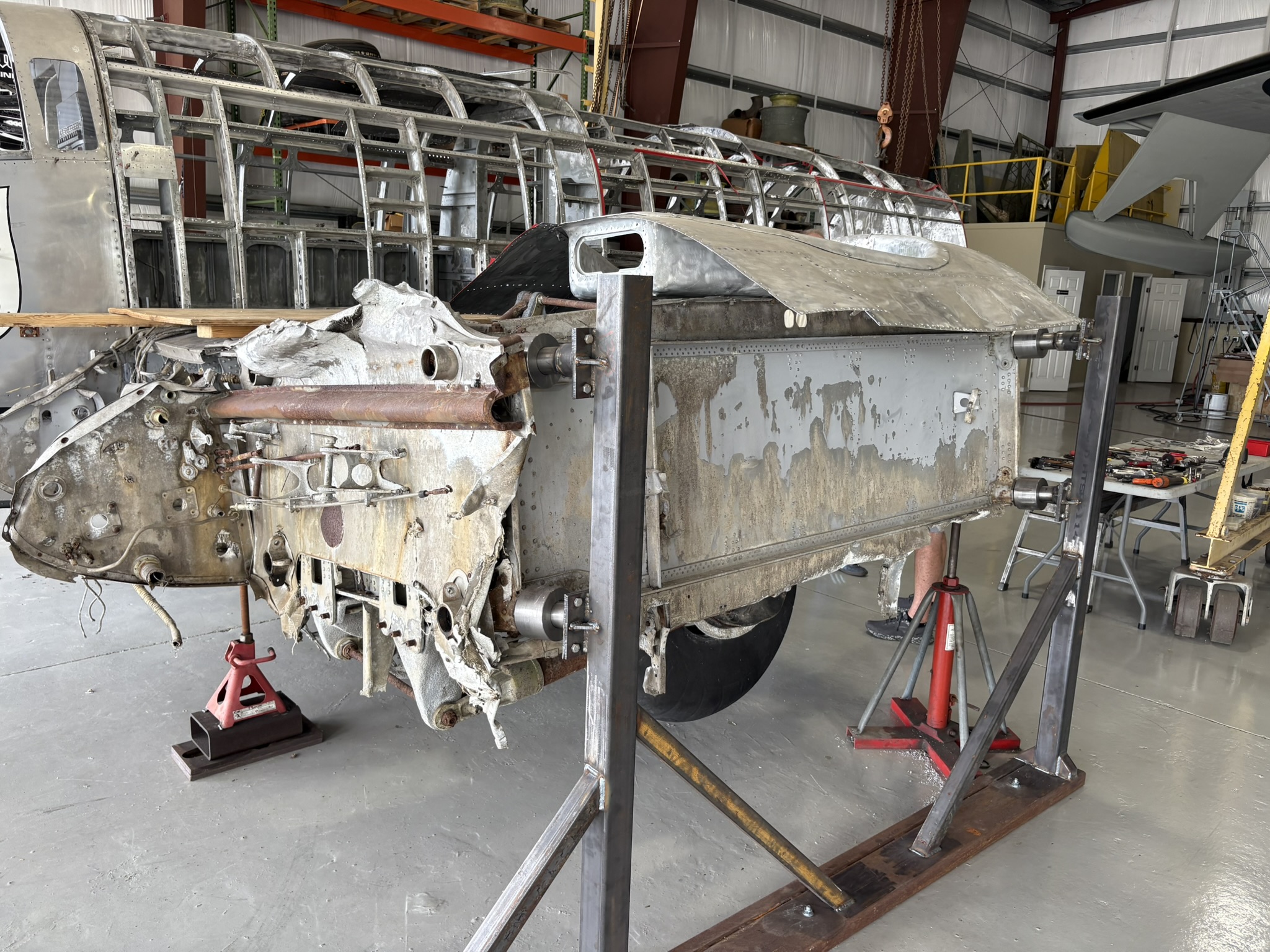
Current restoration work includes de-skinning portions of the fuselage to assess and repair internal structures such as stringers and longerons. The fuselage has already been joined with the center wing section to ensure structural stability, and repairs are underway at key connection points. The next phase will include re-skinning the fuselage using period-correct rivets, followed by restoration and reinstallation of original equipment. For more information about the American Heritage Museum, visit www.americanheritagemuseum.org.












I’m looking forward to seeing the HE-111 – the first type of airplane Flight Officer Yeager shot down on March 4, 1944. You can learn more about Chuck Yeager in these books:
Yeager, An Autobiograpny
101 Chuck YEAGER-isms: Wit & Wisdom from America’s Hero
Chuck Yeager: WHAT A RIDE! My Amazing Life with The Original Right Stuff by his favorite co-pilot & wife, Victoria Yeager
I enjoyed speaking at the Vintage Hangar at AirVenture a week ago. If you would like me to come give a talk – General Chuck Yeager stories, I would be interested. Thank you!