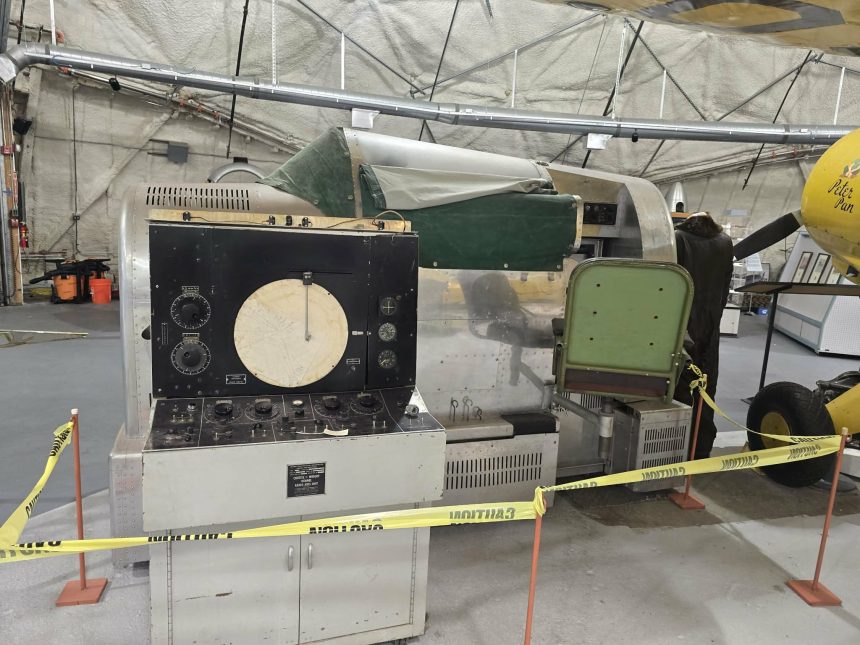

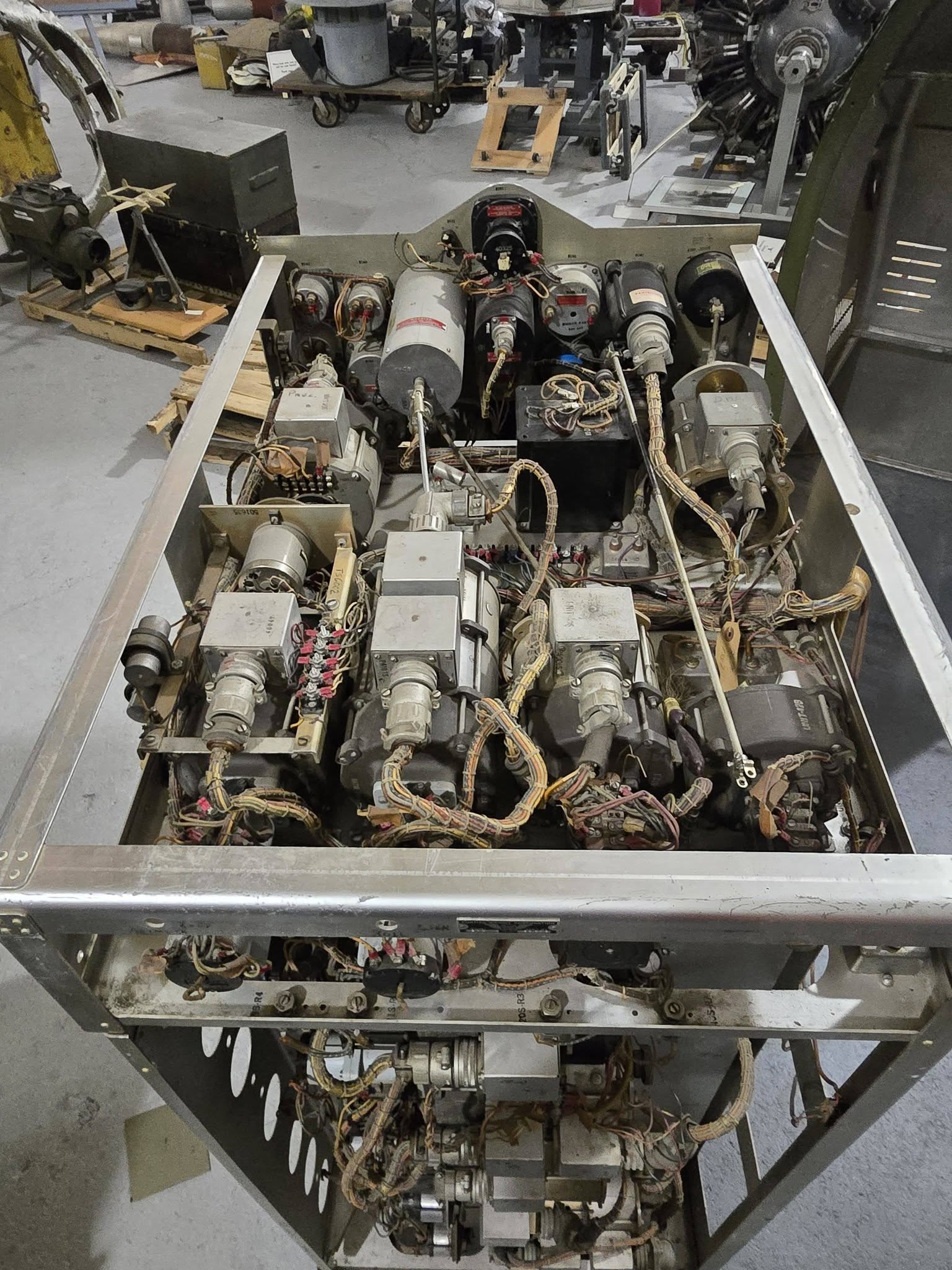
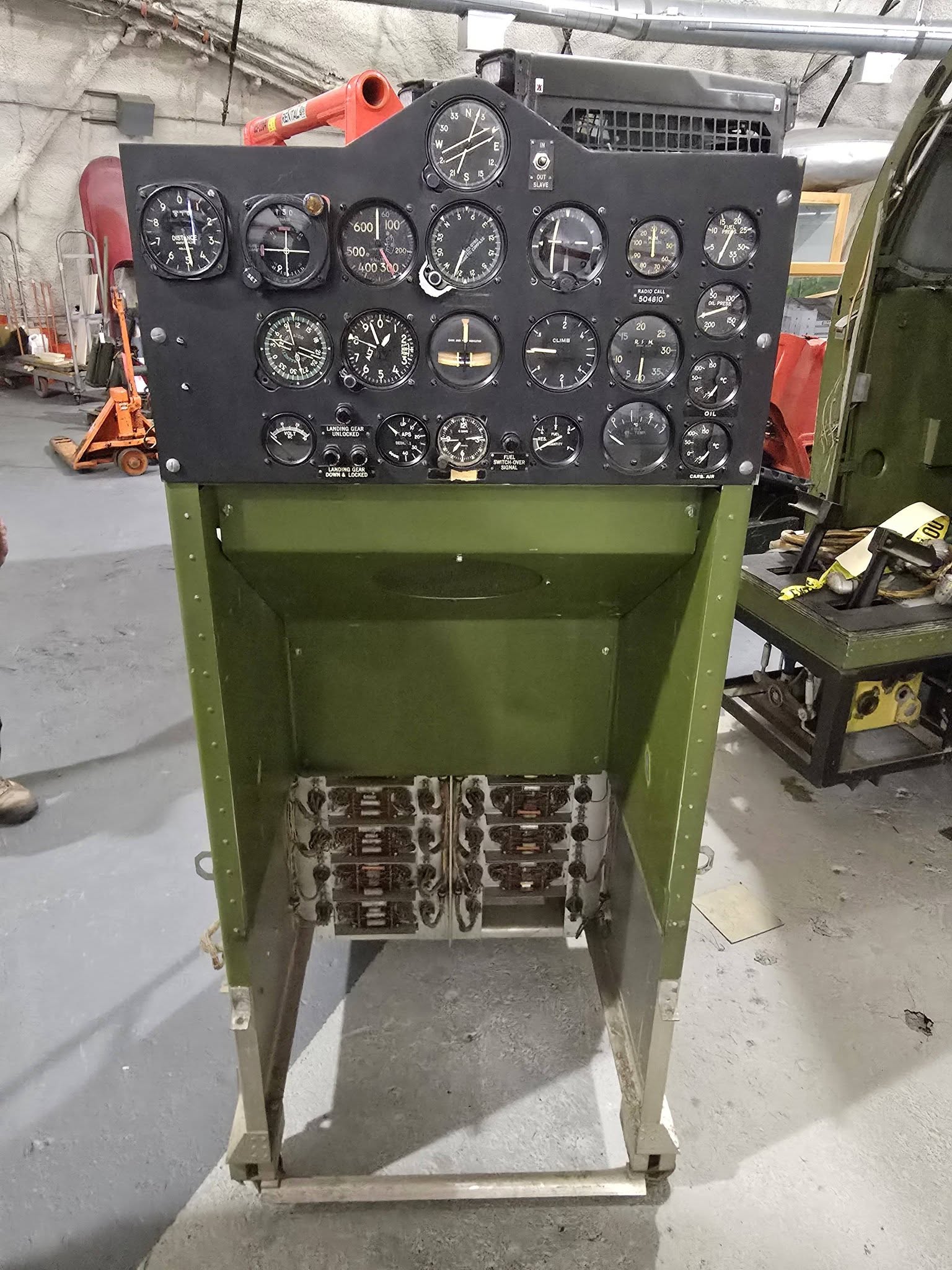
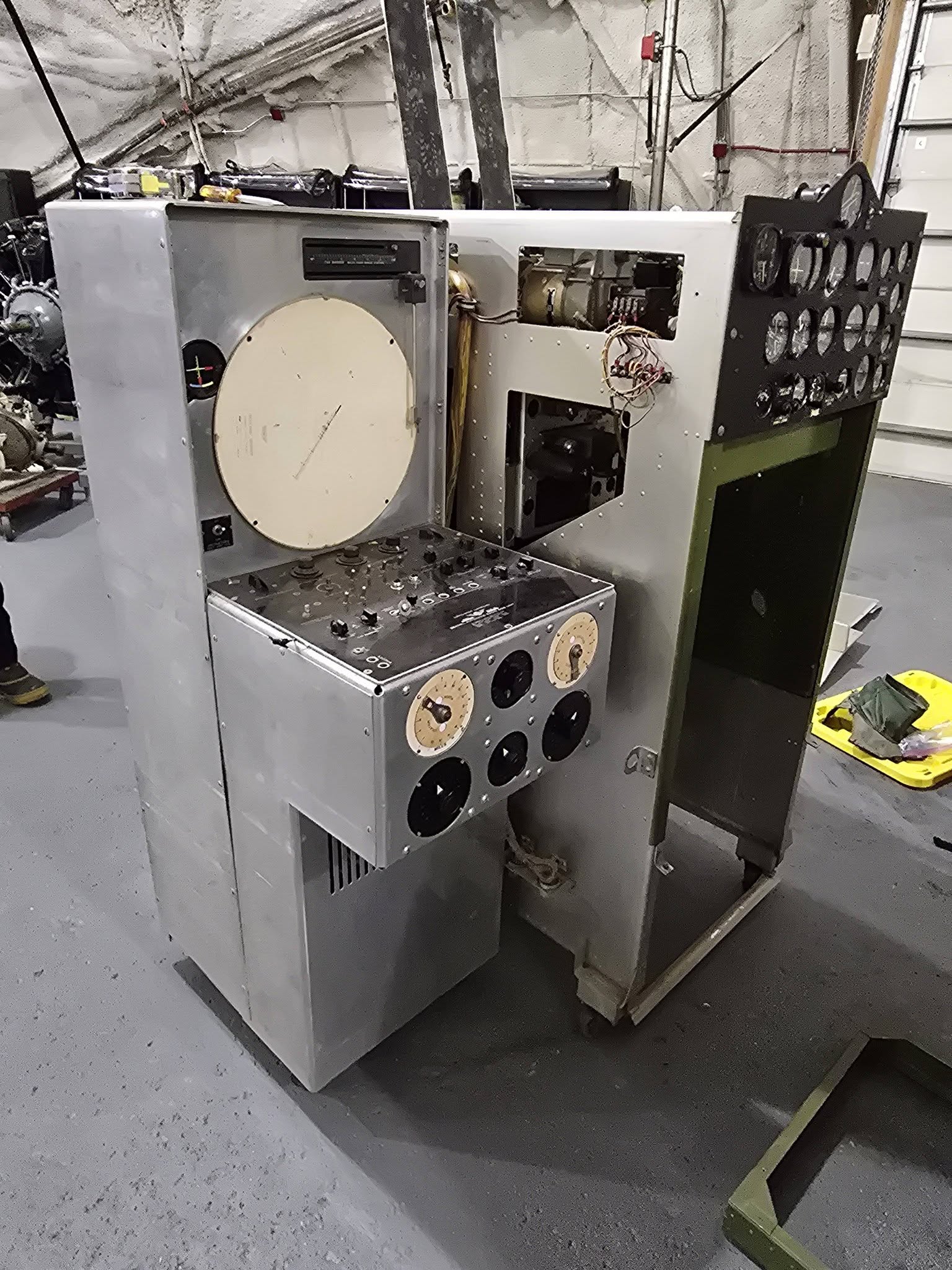
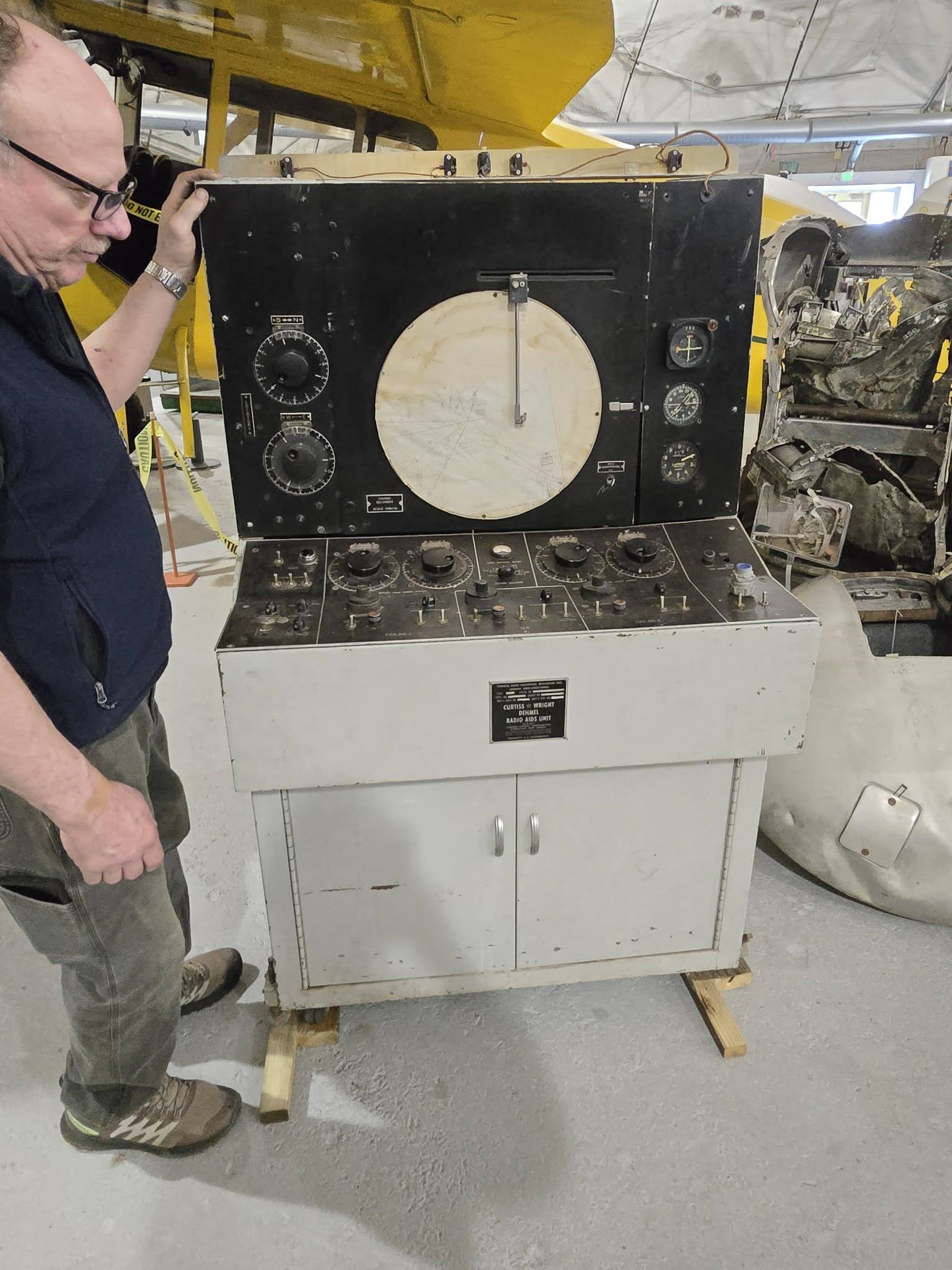
The Warbirds of Glory Museum, in New Hudson, MI, has announced the acquisition of a rare and historically significant Curtiss-Wright Dehmel Flight Trainer, P-3A model—an important addition that further strengthens the museum’s mission on aviation history and education. The trainer, generously sourced from the Pioneer Air Museum in Fairbanks, Alaska, is a 100 percent complete example of a system produced in very limited numbers during and shortly after World War II. Today, only a handful of these advanced training devices are known to survive in museums or private collections, making this acquisition particularly noteworthy.
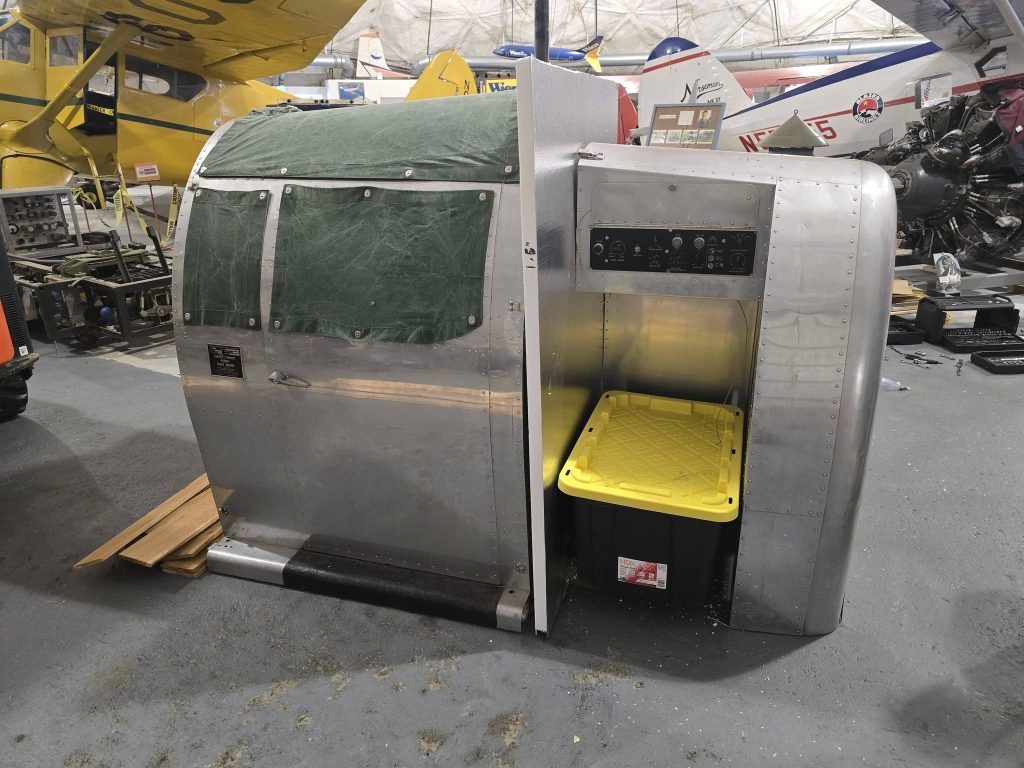
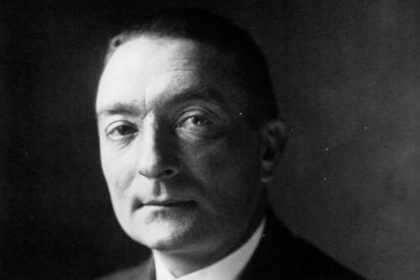
Developed around 1943 by Dr. Richard C. Dehmel and manufactured by Curtiss-Wright, the P-3A represented a major leap forward in pilot training technology. Dehmel, a pioneer in simulation and control systems, helped introduce one of the earliest uses of analog computing in aviation training. His system employed an analog computer capable of solving real-time equations of flight, allowing the trainer’s instruments and controls to respond with remarkable accuracy to pilot inputs at speeds of up to approximately 250 knots.
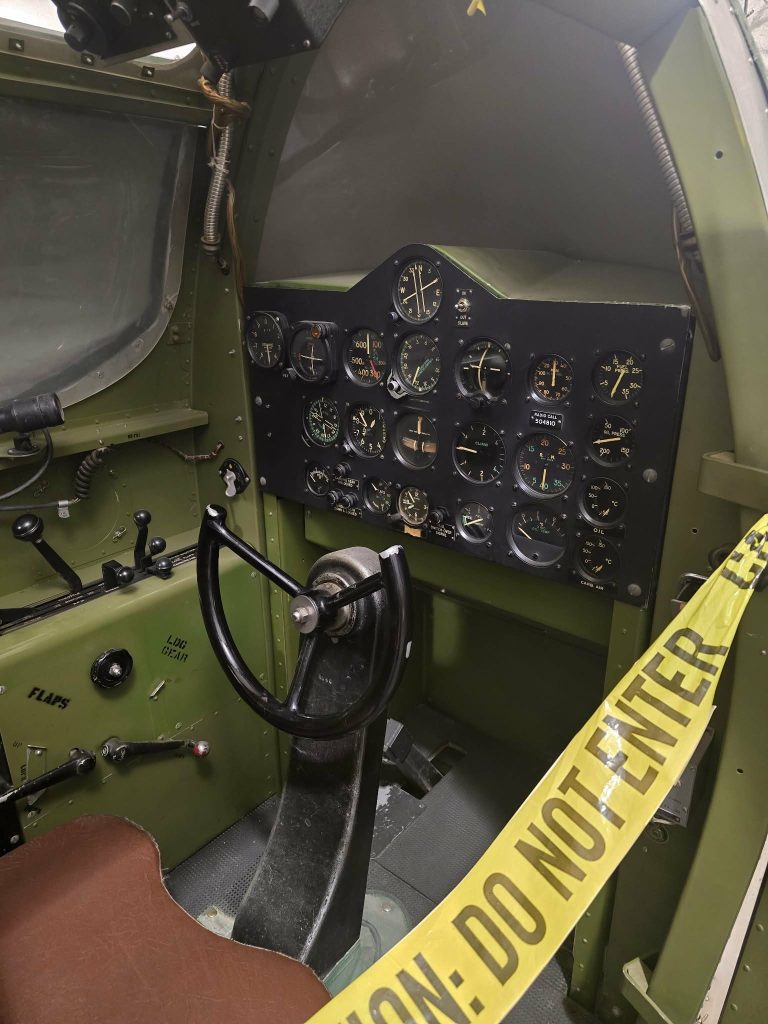
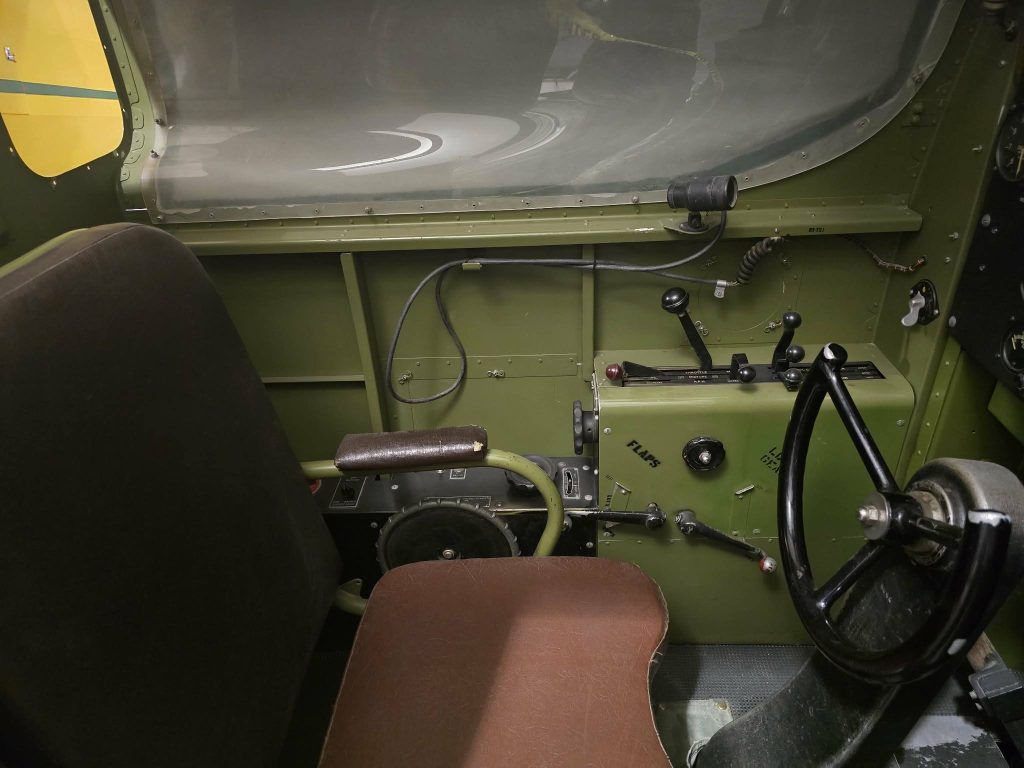
Modeled after the North American B-25 Mitchell, the Dehmel Flight Trainer provided a highly realistic environment for pilot instruction. It went well beyond earlier mechanical systems such as the Link Trainer, offering accurate simulation of instrument flight, radio navigation, and aerodynamic behavior. This capability proved invaluable during WWII, enabling pilots to train for complex flight conditions—including poor visibility—without risking aircraft or lives.
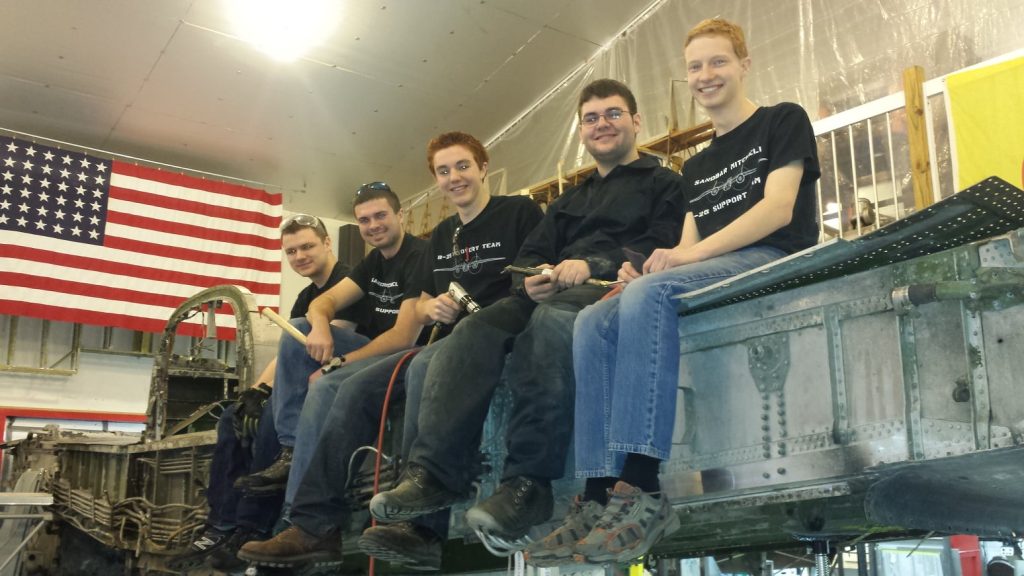
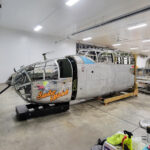
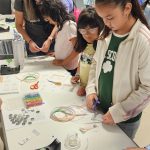
The arrival of the P-3A is especially fitting for the Warbirds of Glory Museum, where education and hands-on learning are central to its mission. The museum is currently home to a unique STEM-focused restoration program centered on a WWII B-25J Mitchell. In this initiative, students gain real-world experience by working directly on the aircraft, developing skills in machining, CAD design, engineering, and fabrication. The program not only preserves a historic bomber but also serves as a training ground for the next generation of aviation and technical professionals.
By adding the Dehmel Flight Trainer to its collection, the museum is creating a powerful link between past and present—showcasing both the tools that trained WWII pilots and the modern educational programs preparing future engineers and aviators. As restoration and display plans move forward, the P-3A will stand as a testament to innovation in flight training and to Dr. Dehmel’s lasting impact on simulation technology—an influence that continues to shape modern aviation training systems today. To learn more and support the Warbirds of Glory Museum, visit www.warbirdsofglory.org.