
By Randy Malmstrom
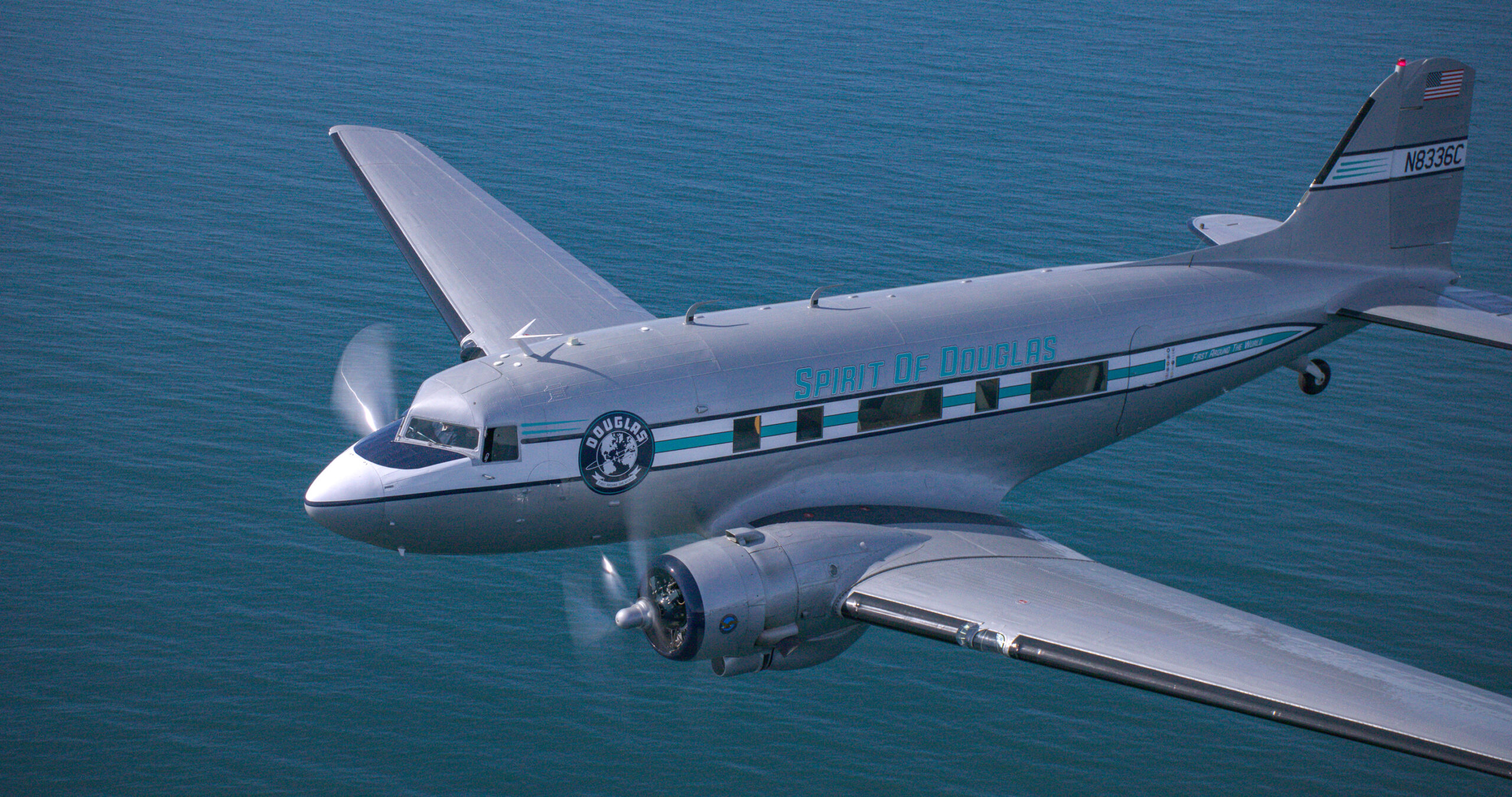
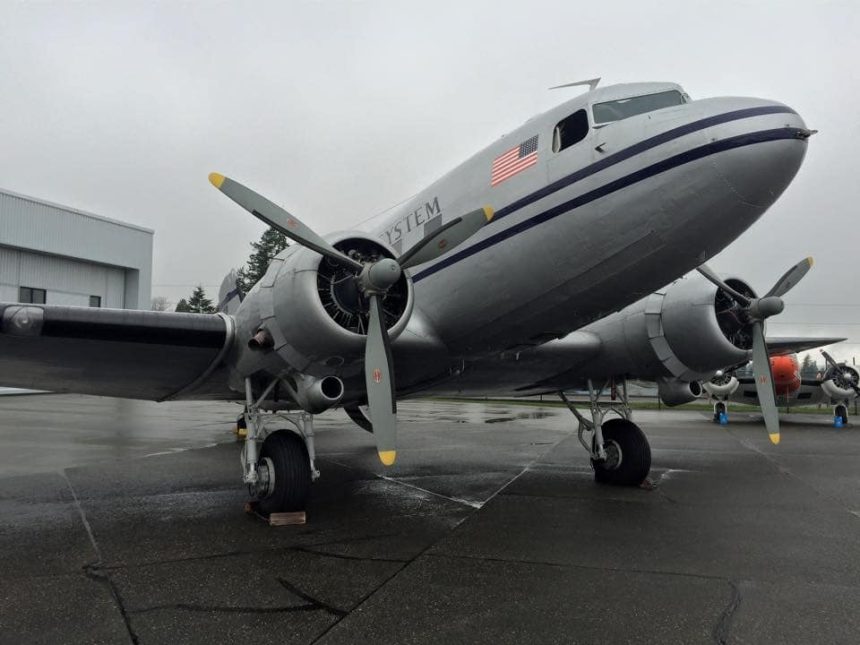
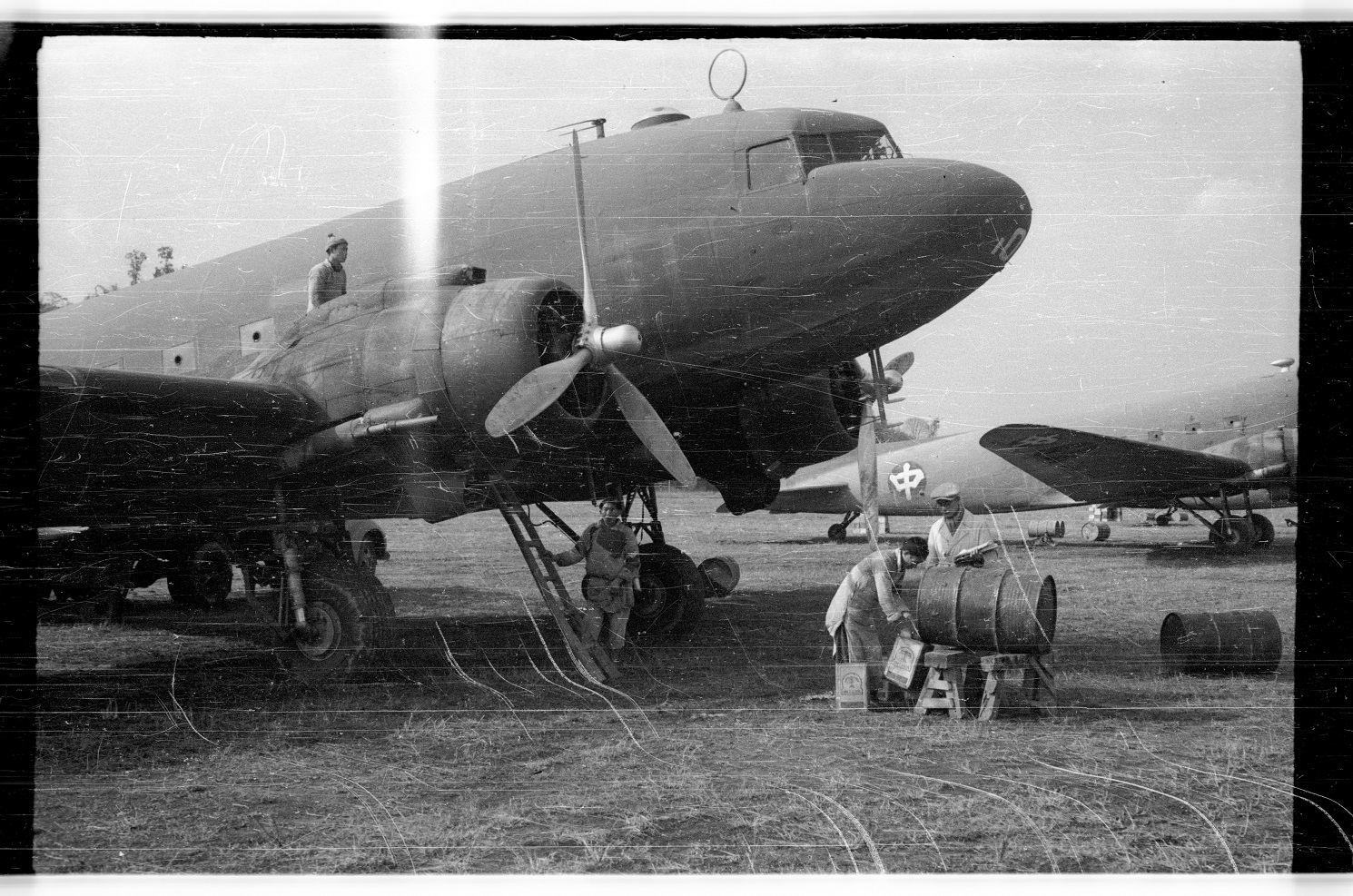
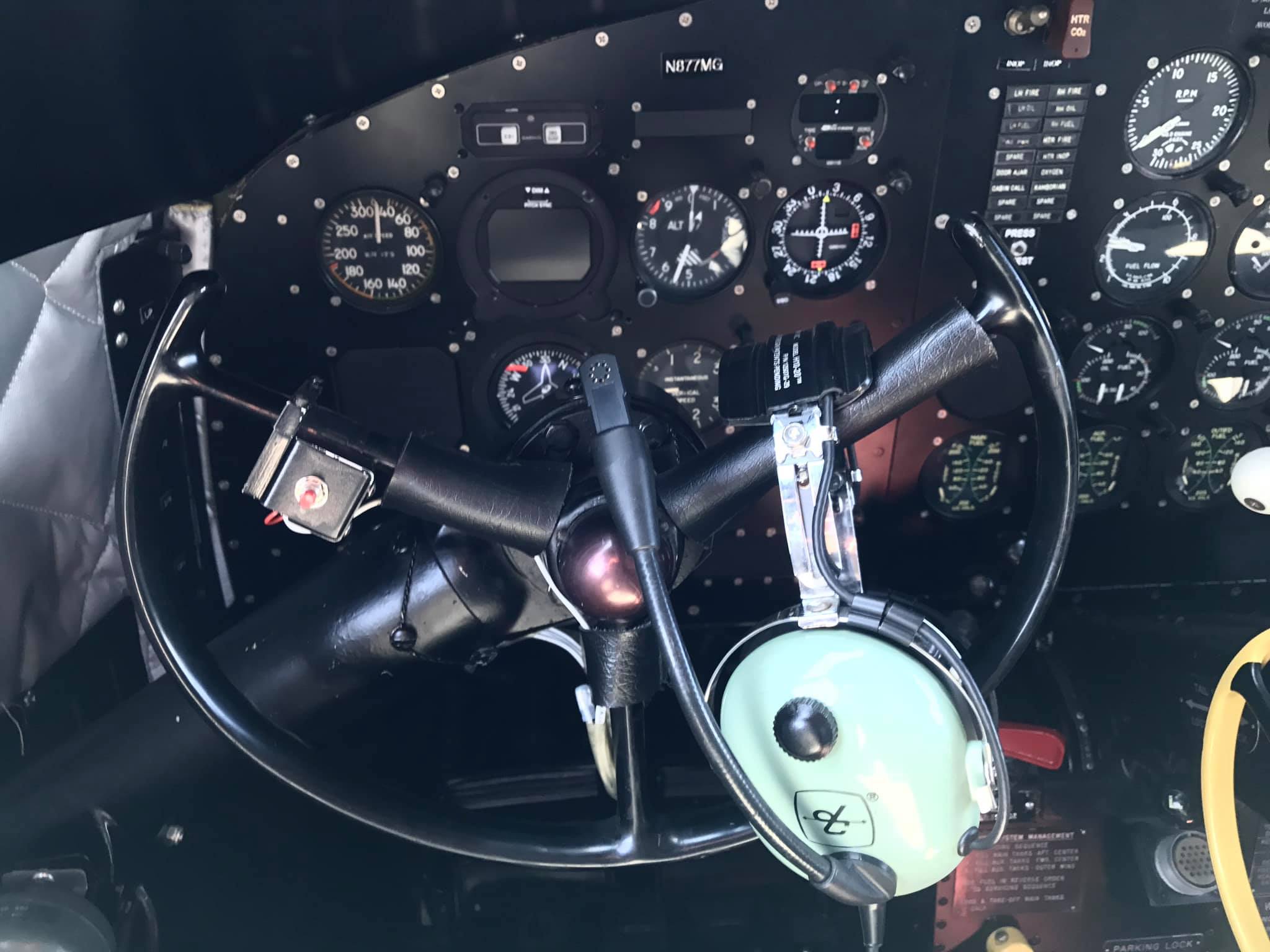
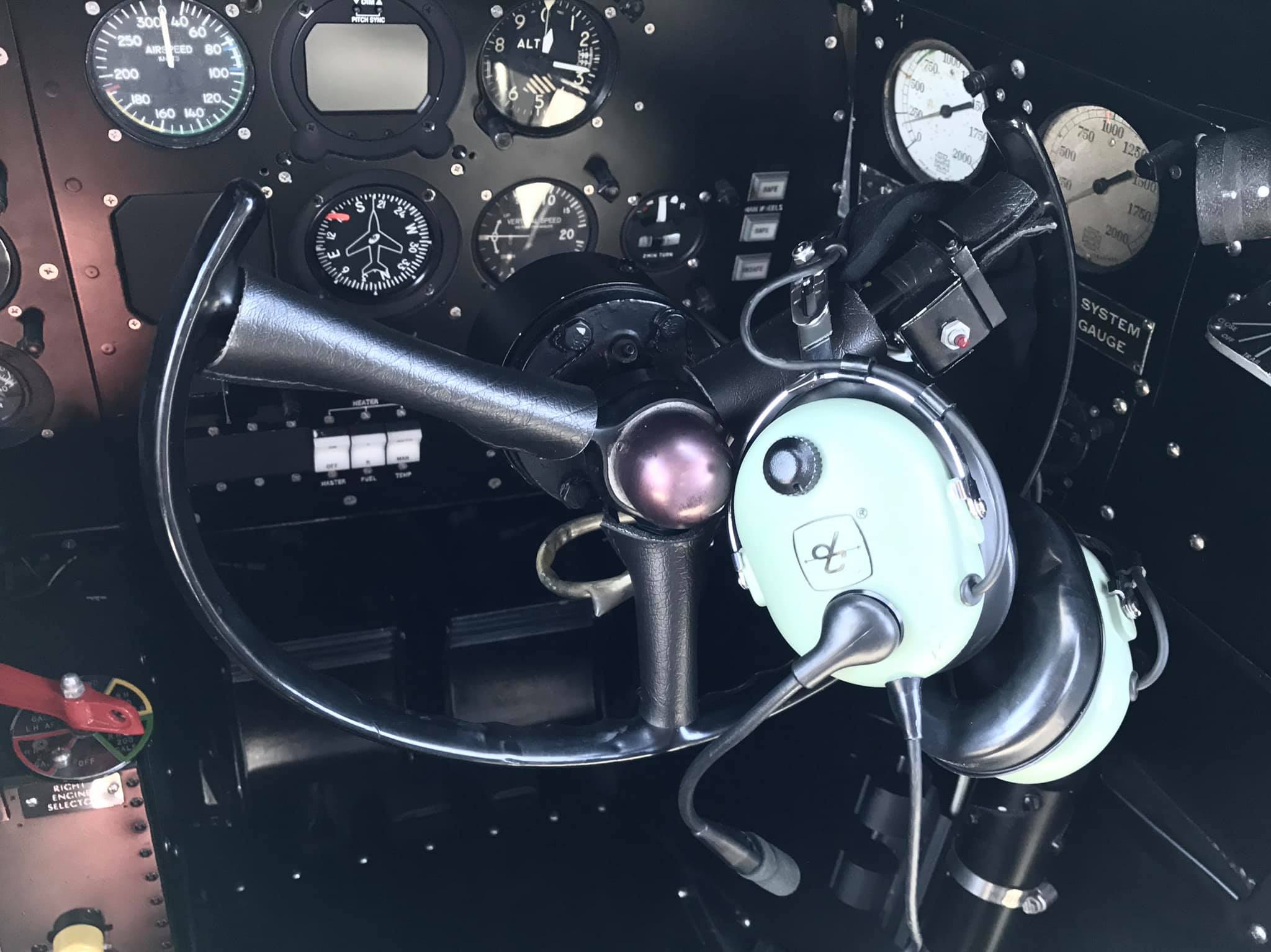
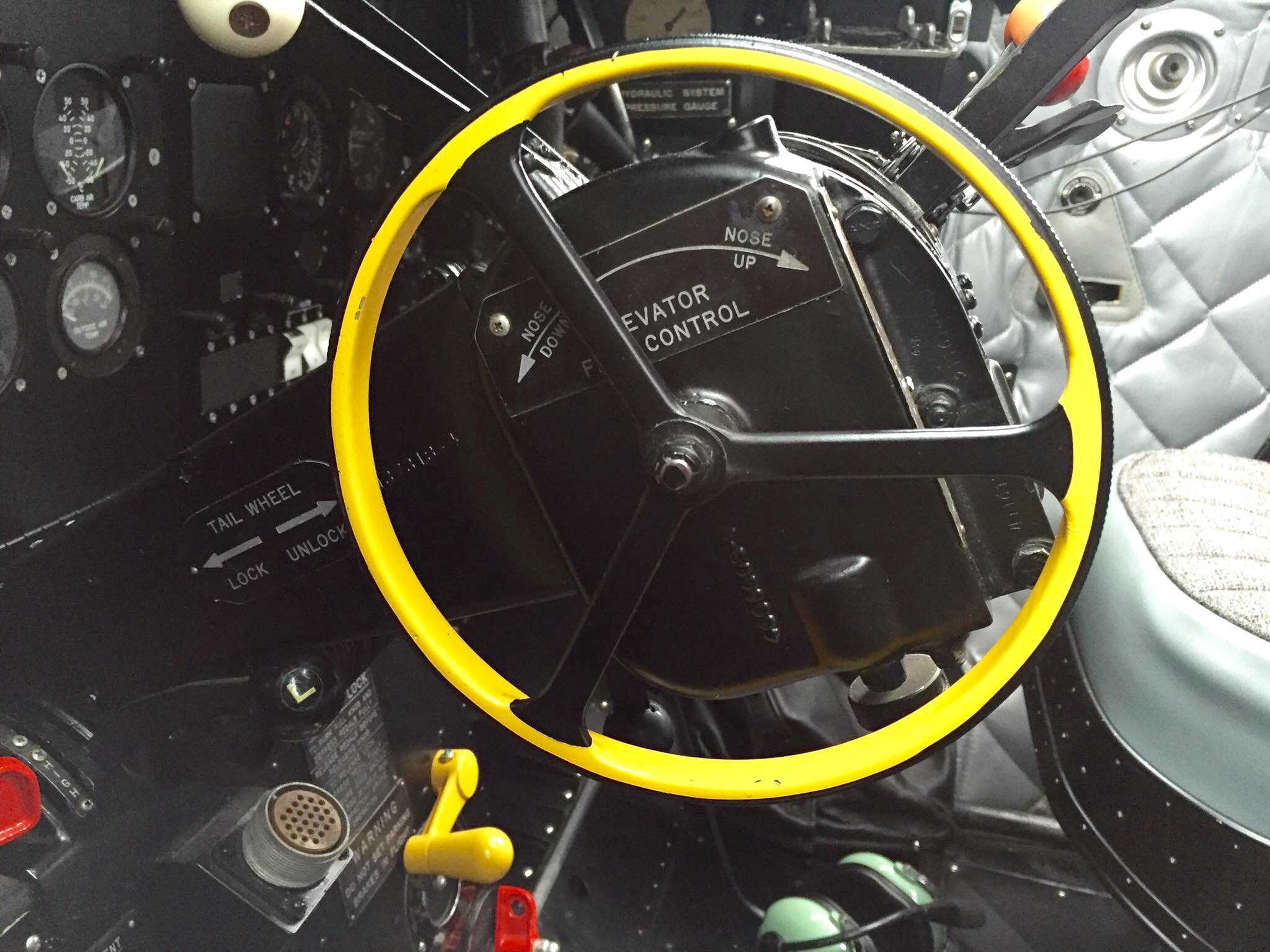
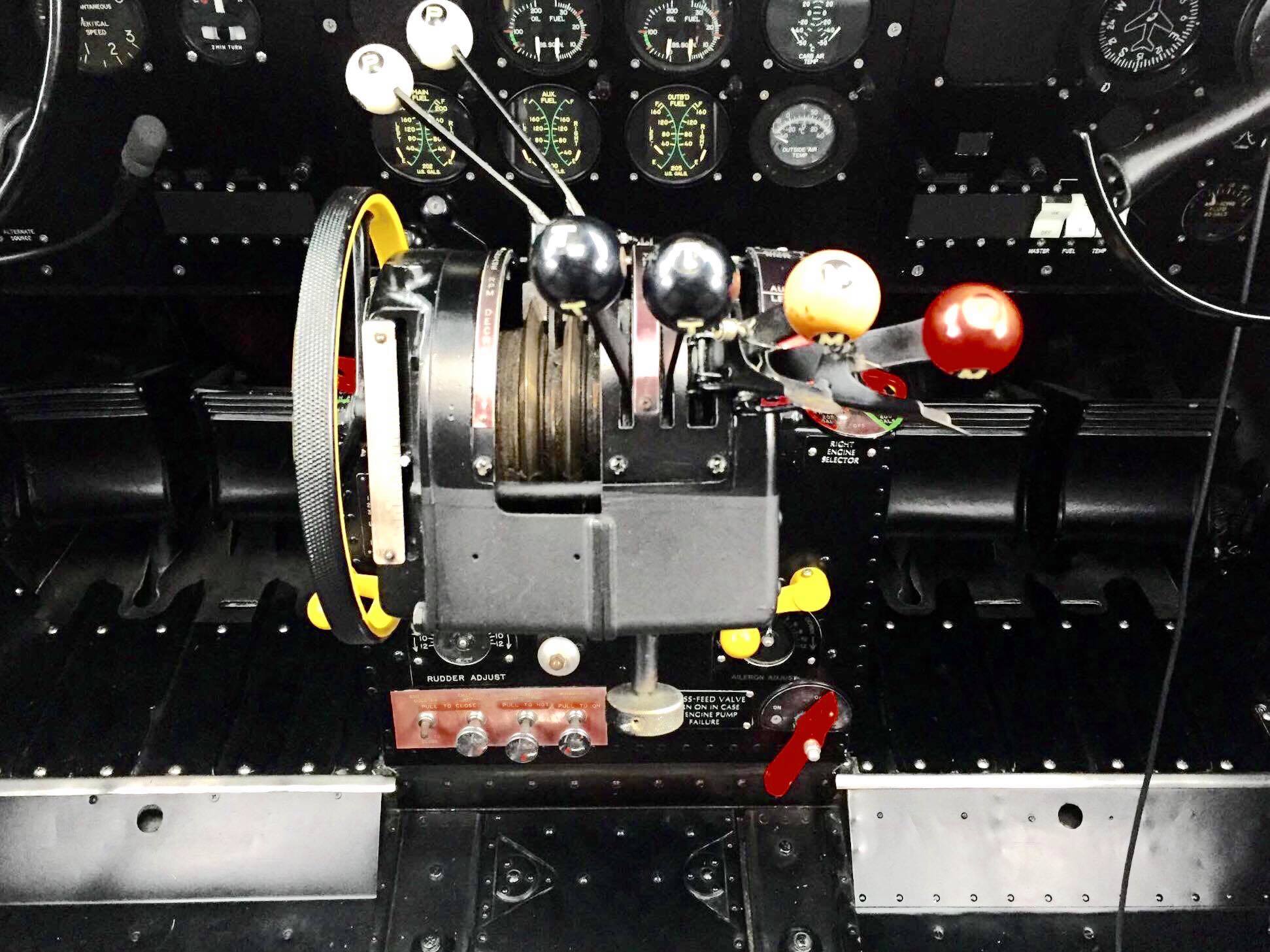
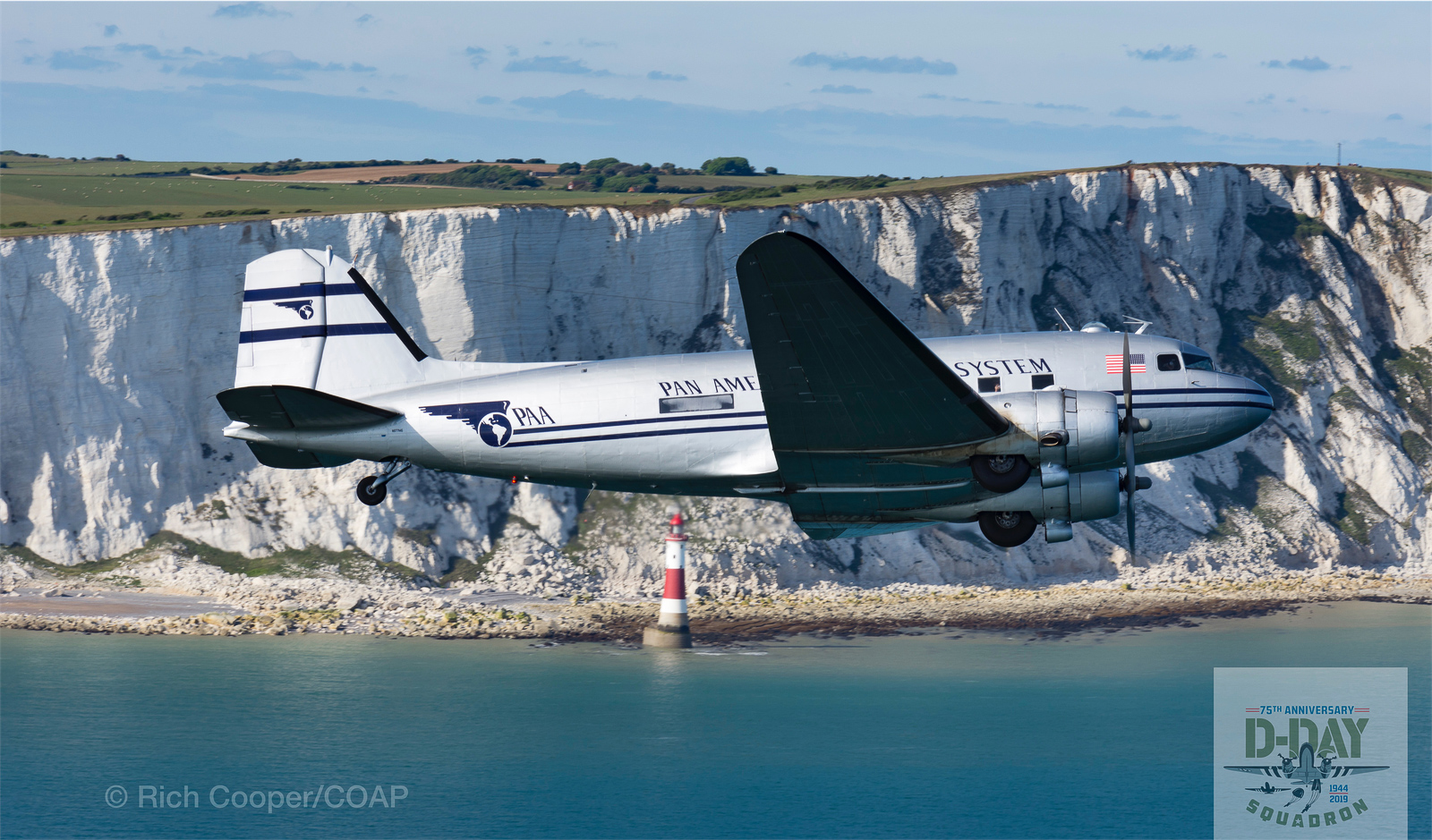
Douglas C-47 Skytrain (DC-3C), Douglas s/n 20806/Line Number 4193, N877MG. This particular aircraft was delivered on July 31, 1944, and was ferried by Capt. Peter J. Goutiere, in August of that year, from the Douglas factory in Long Beach, California, as Pan American Air Ferries “Ship 100” to Miami, Florida. It then went to China National Aviation Corporation (CNAC), a joint venture between Pan American and the Chinese Nationalist government. The ferry flight across the Atlantic Ocean through Africa to India took ninety hours over a 14-day period. CNAC was a civilian operation based in Hong Kong, but with the outbreak of World War II, it moved its headquarters to Kolkata, India, and changed its operations to wartime transport services flying DC-2’s and DC-3’s. They flew supply missions over “The Hump” (the route from India to China over the Himalayan Mountains, the round trip of which took 7 hours).
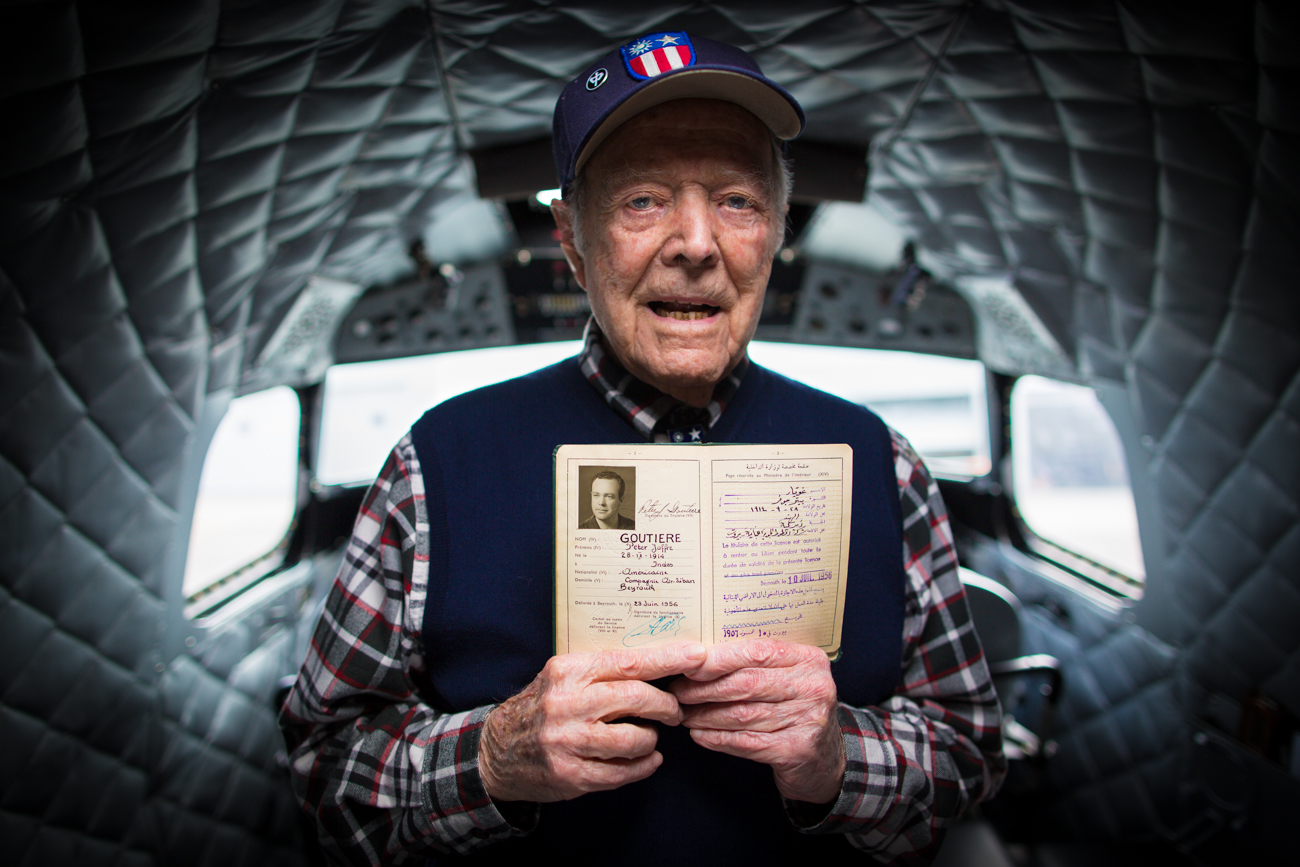
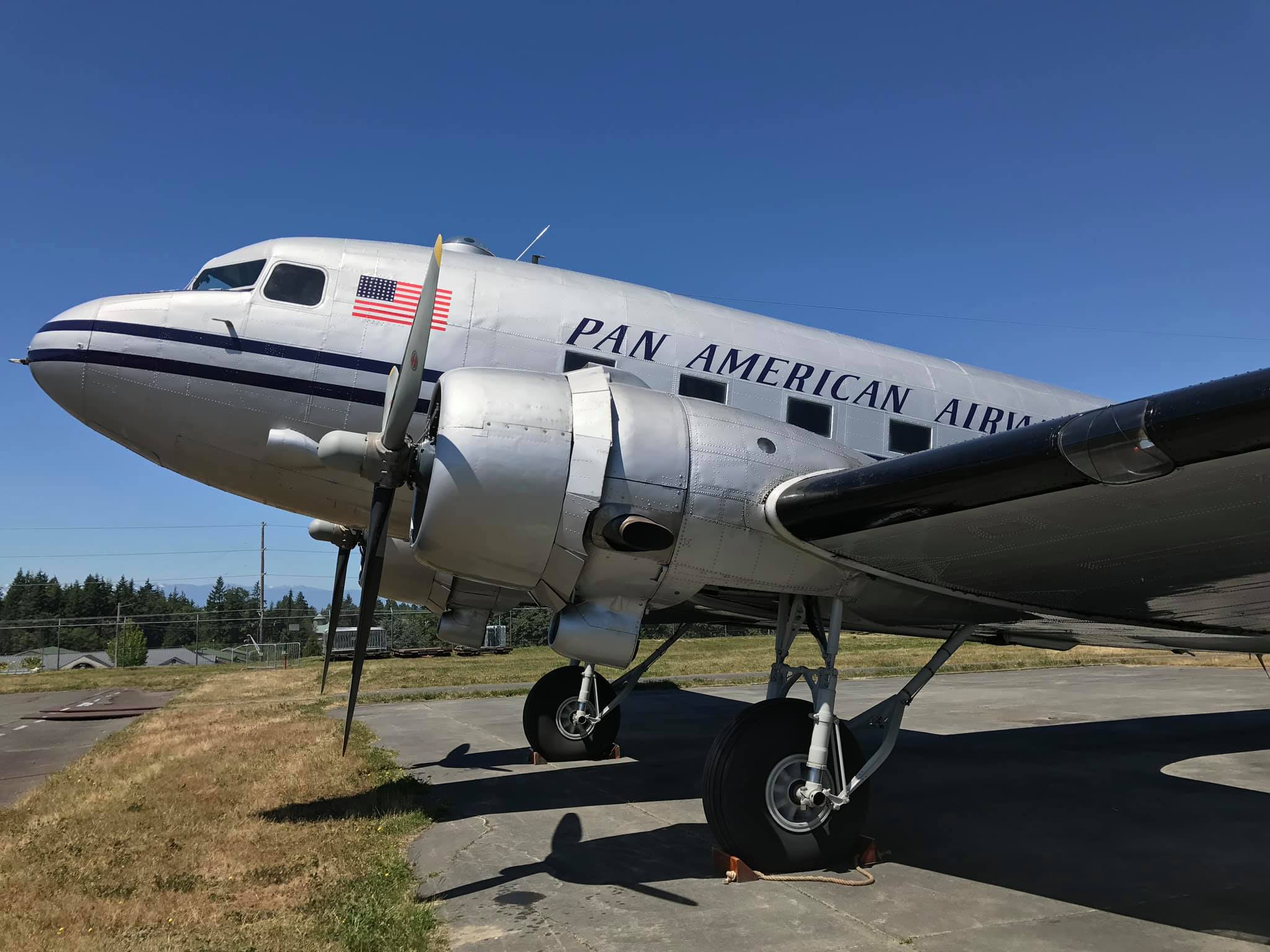
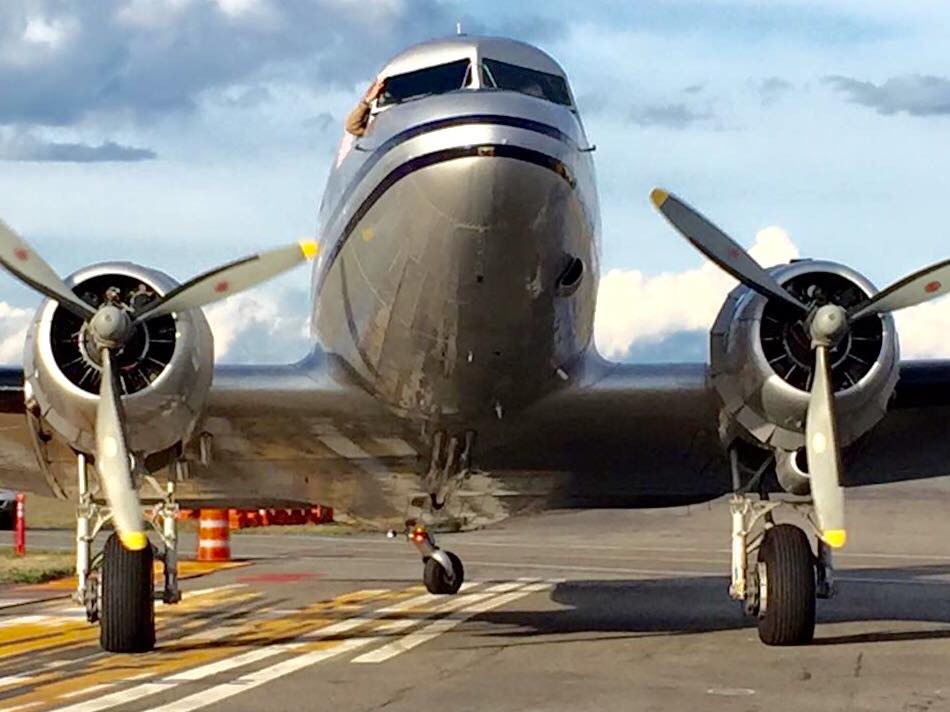
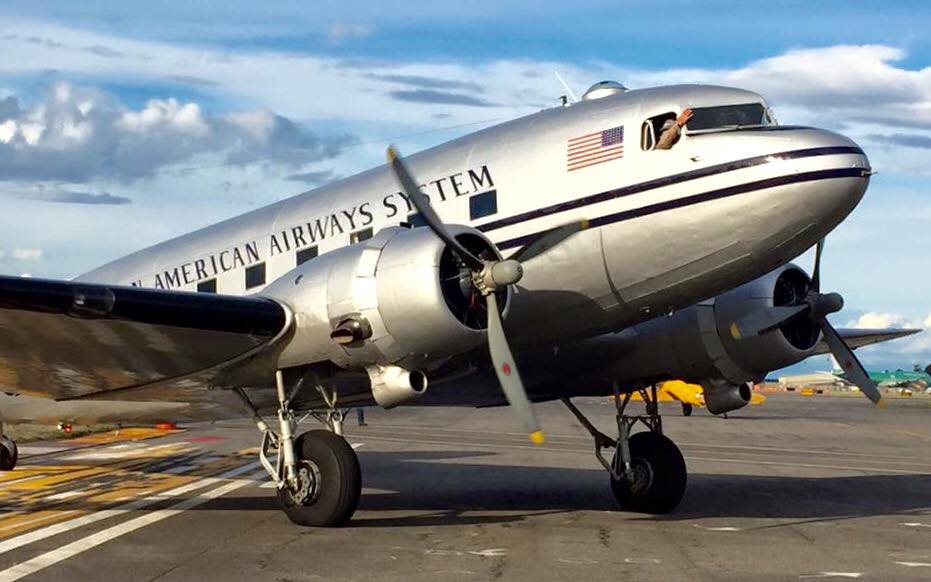
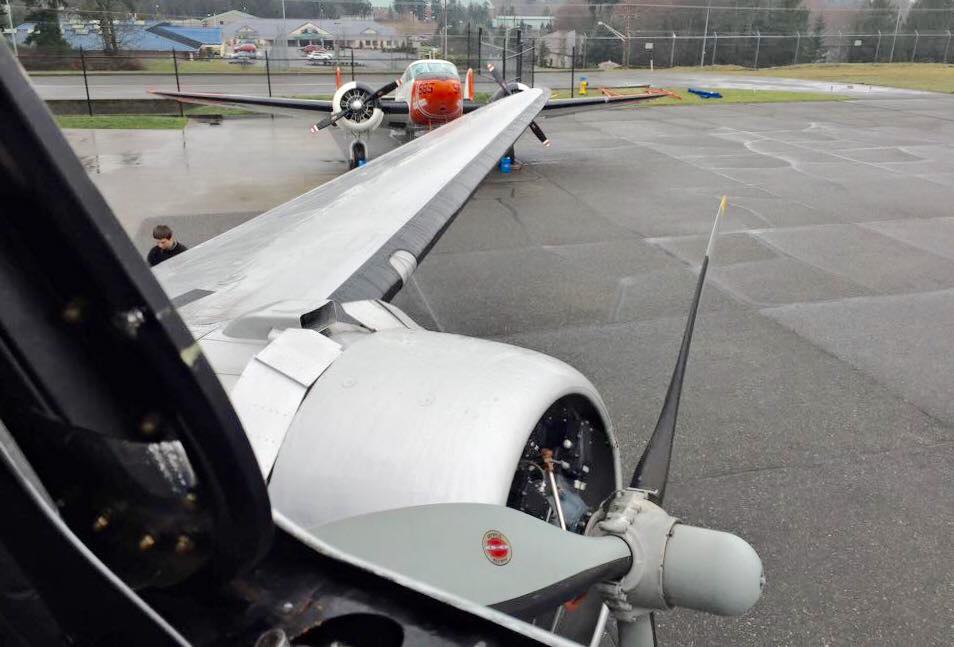
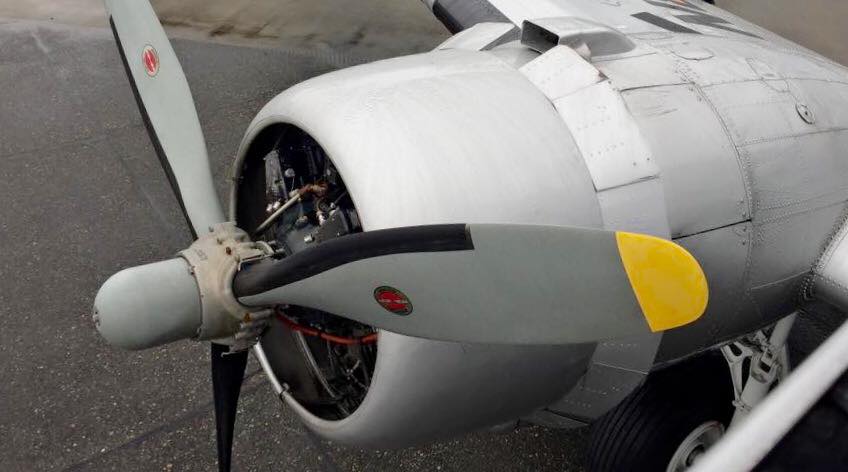
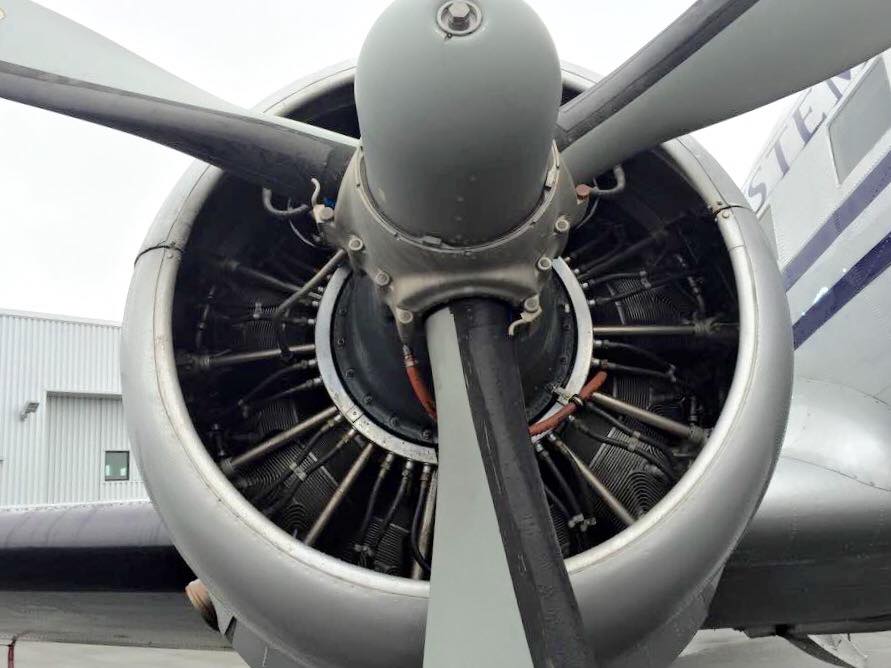
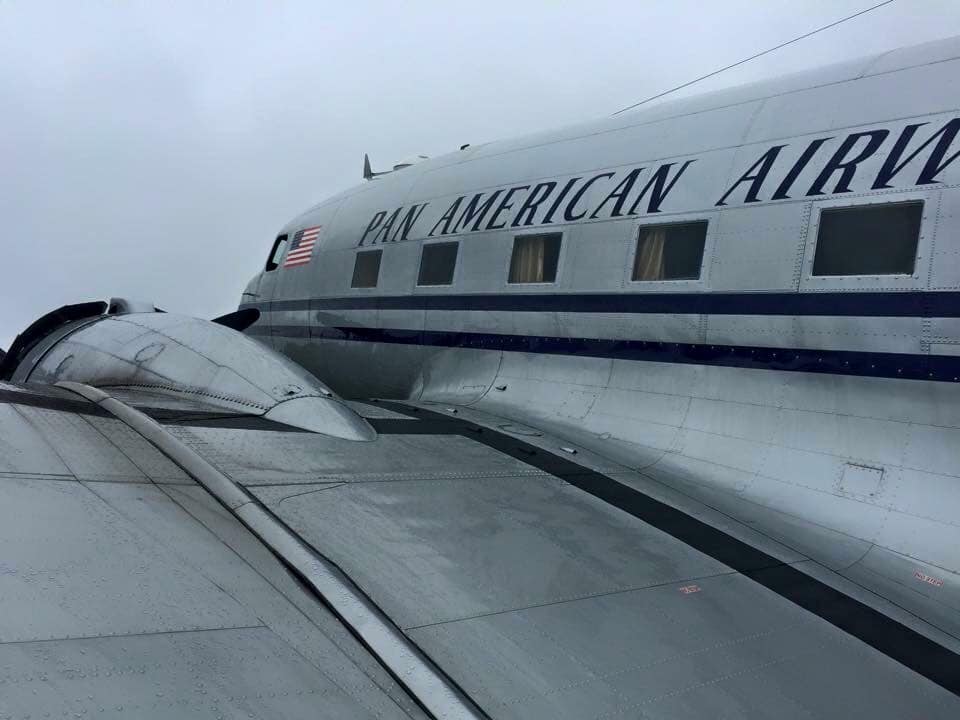

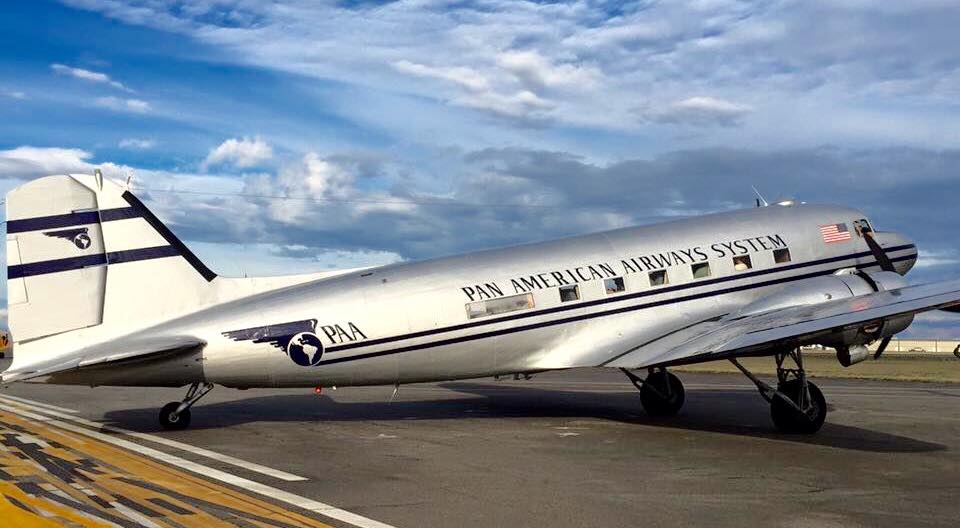
While the U.S. Army Air Forces considered 100 “Hump” flights to be a full tour of duty, CNAC needed pilots, so instead, it paid them well and gave them regular time off in Calcutta. Capt. Goutiere had been a Pan American DC-3 copilot who was rejected by the U.S. Army Air Corps when he volunteered following the U.S. entry into World War II, so instead, he travelled in secret to ferry Curtiss P-40’s in North Africa. But when the P-40’s never arrived, he became a CNAC ferry pilot in December 1942. He flew some 680 missions through September 1945 in this CNAC Ship 100, delivering supplies and gasoline to U.S. and Chinese forces. Capt. Goutiere was reunited with this aircraft in San Francisco in September 2014. Following WWII, this aircraft exchanged many civilian hands in the U.S. prior to its 2006 acquisition by Historic Flight Foundation, located on two airfields in Washington state, and where it flies with 1949 Pan American Airways System colors. It is perhaps the sole remaining CNAC C-47 in existence. (I rode in a DC-3 in the Caribbean in 1962). My photos and YouTube clips.
Following the crash of Transcontinental and Western Air’s (TWA) Fokker F-10A NC999E on March 31, 1931 (U.S. football legend Knute Rockne was killed in this crash), the U.S. Bureau of Air Commerce required all operators of wooden spar and rib aircraft to perform periodic internal safety inspections of their aircraft. Due to the costs and time delays created by the circumstances, TWA approached Consolidated, Curtiss, General Aviation, Martin, and Douglas for a design similar to the Boeing Model 247 (the first 60 of which Boeing was delivering to United Air Lines). A contract was awarded to Douglas Aircraft Company, and its development was headed by a design team led by Donald Douglas, James “Dutch” Kindelberger, Arthur Raymond, Ed Burton, Jack Northrop, George Strompl, and Fred Herman. The resulting DC-1 had its maiden flight on July 1, 1933. The DC-2 that followed had a higher service ceiling, increased speed, and a wider fuselage for more seating, and deliveries to TWA commenced in July 1934. But American Airlines operated the Curtiss T-32 Condor sleeper aircraft on its transcontinental flights and requested that Douglas create a still larger version of the DC-2. The resulting DC-3 prototype first flew on December 17, 1935, and it went into service in June 1936.
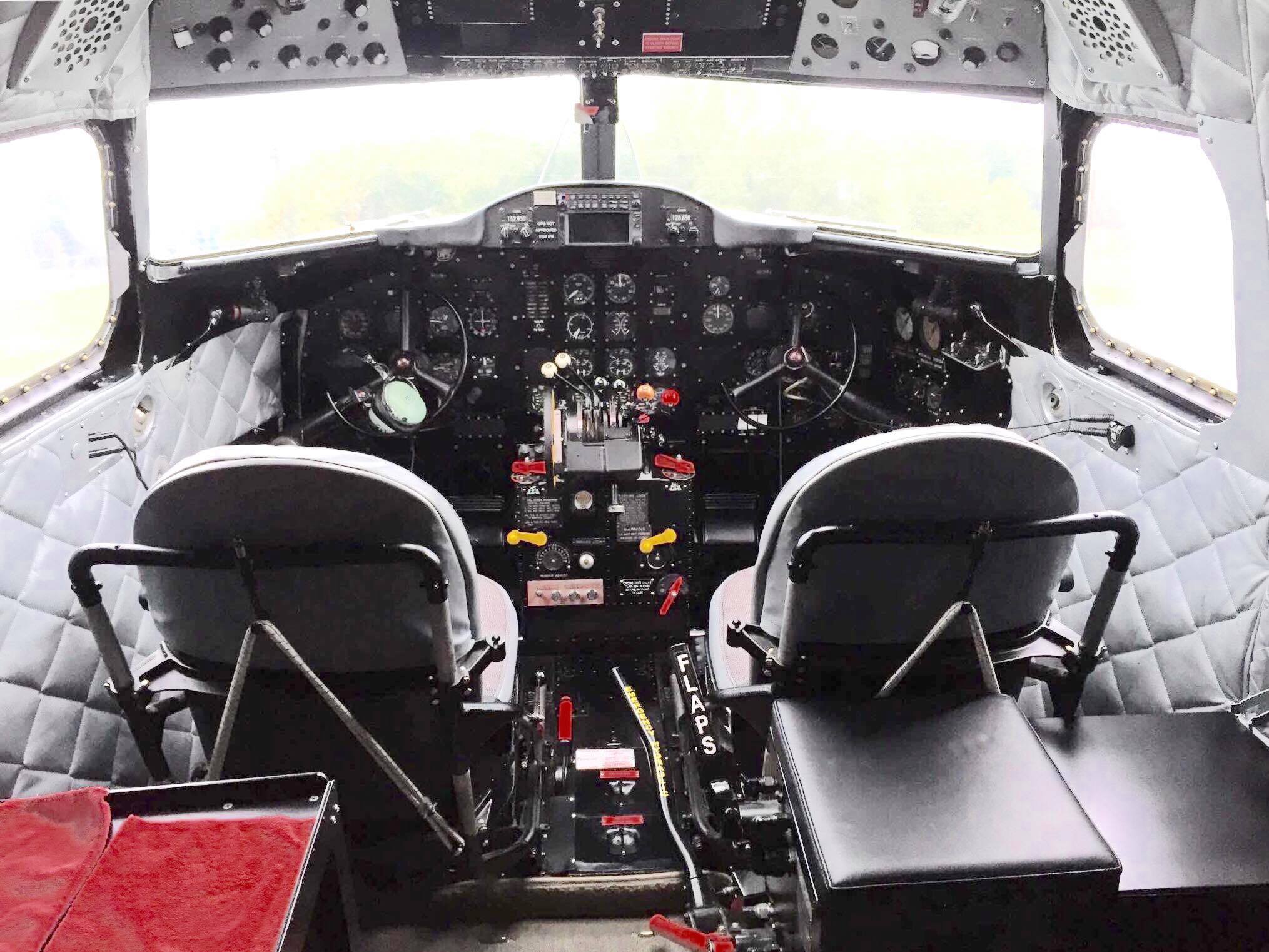
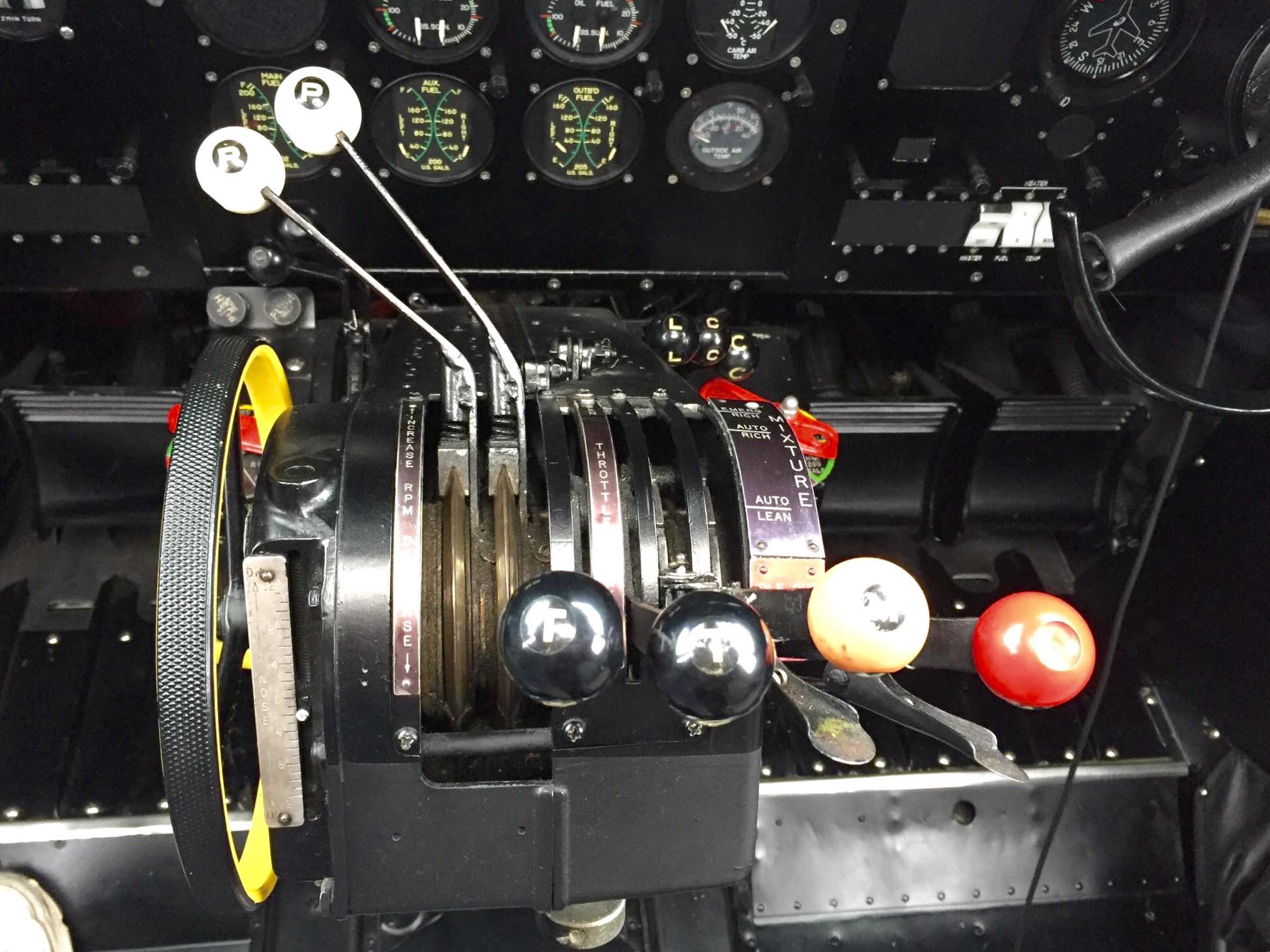
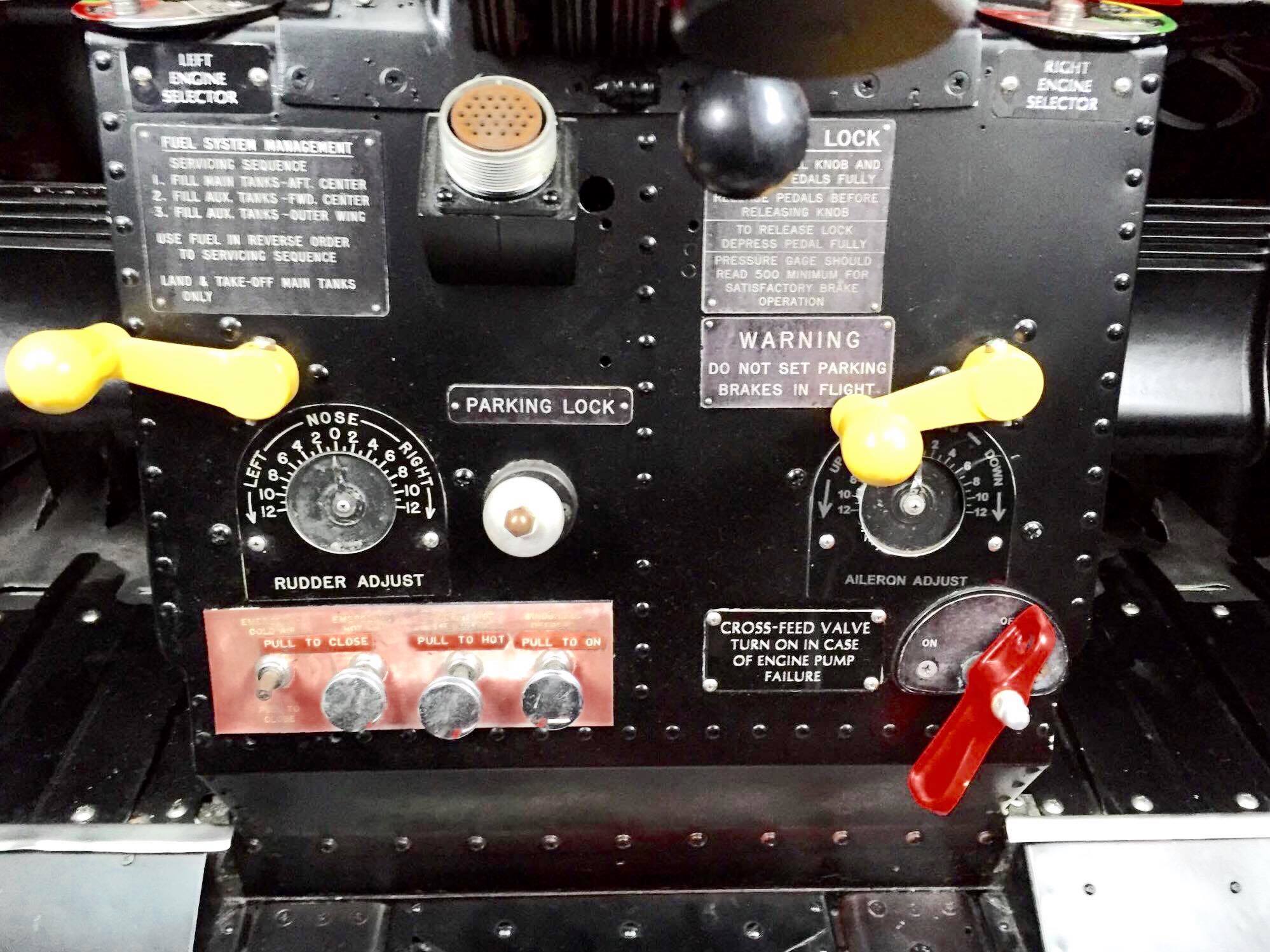
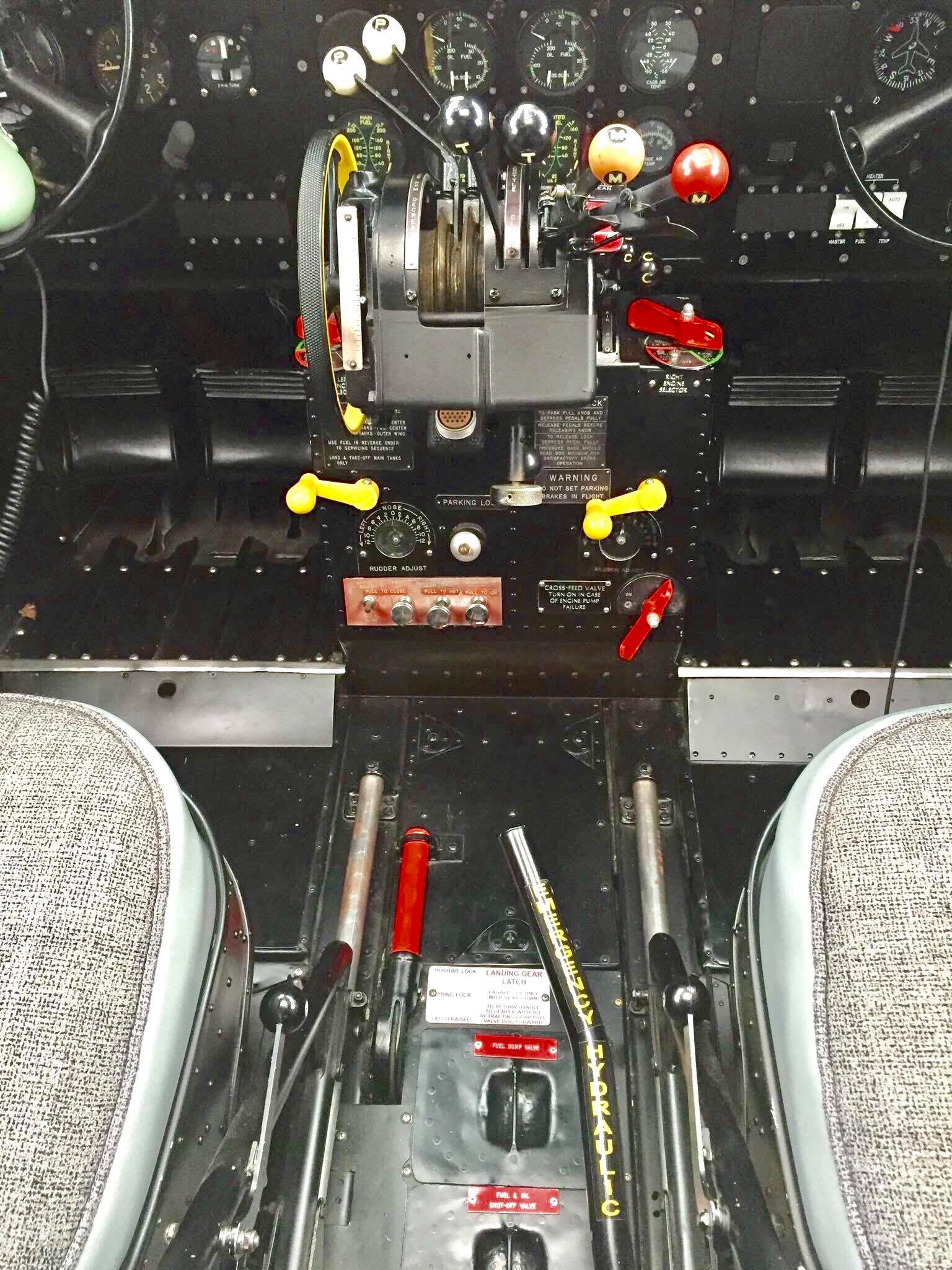
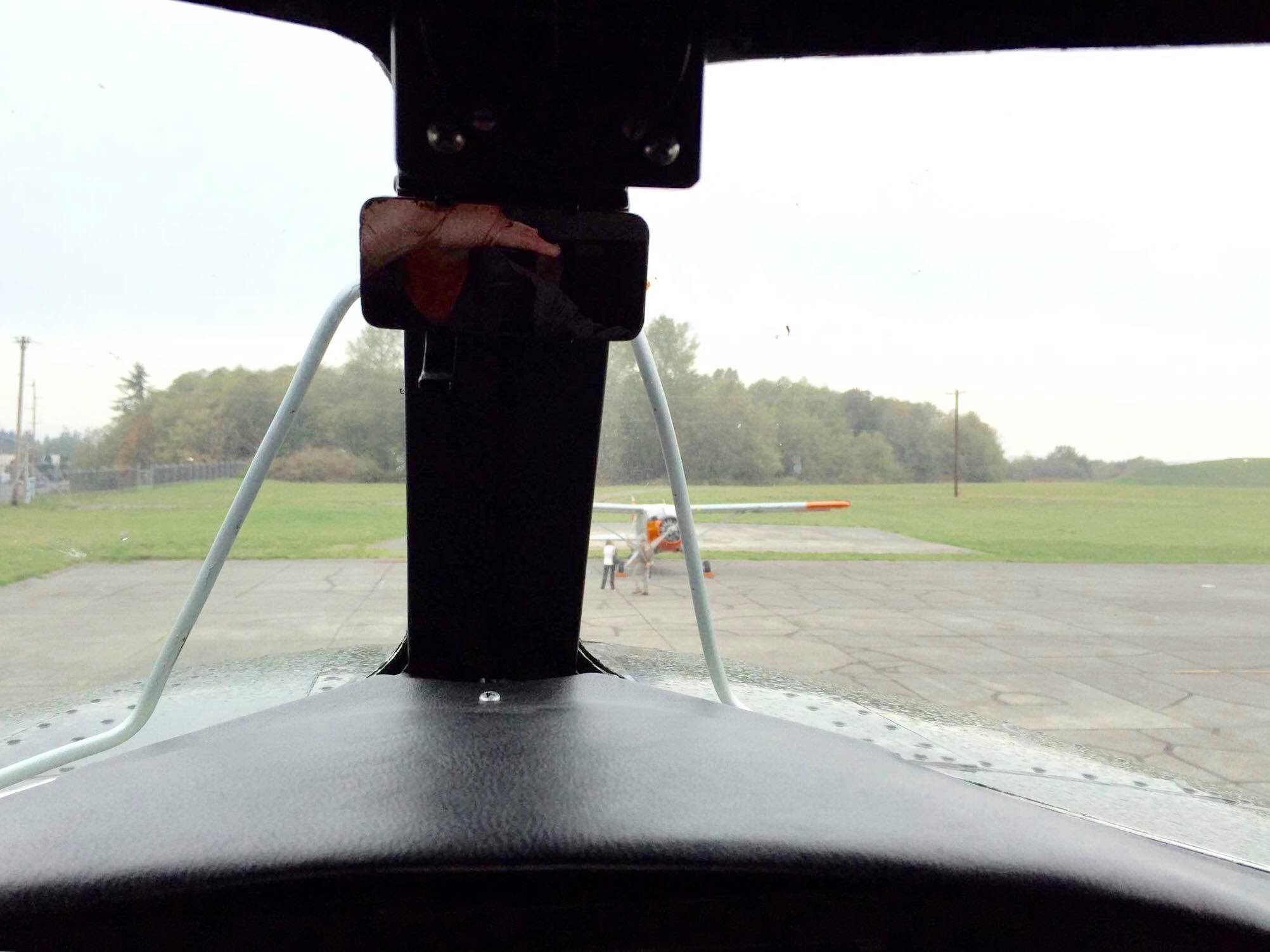
Douglas farmed out manufacturing licenses to the Netherlands and the Soviet Union, and beginning in 1938, the Japanese company Mitsui (a subsidiary of Nakajima Hikoki) built a version of the DC-3 and its Pratt & Whitney engines under license, which were operated by Dai Nippon Koku and pressed into military service with the Imperial Japanese Navy during the war. With the outbreak of World War II, large numbers of DC-3’s were converted to the famous utility transport with the C-47 designation and were nicknamed “Skytrain,” “Skytrooper,” “Dakota” (by U.K. forces; DACoTA for Douglas Aircraft Company Transport Aircraft), and “Gooney Bird.” Also known by British Commonwealth forces as “Dakota,” it also had the nicknames “Skytrooper” and “Gooney Bird” and “Old Bucket,” and during the Vietnam War it was known as “Puff” and “Puff, the Magic Dragon” ostensibly as a result of its appearance and sound at night while defending hamlets in the Mekong River Delta (as reported by Capt. Jack Harvey).
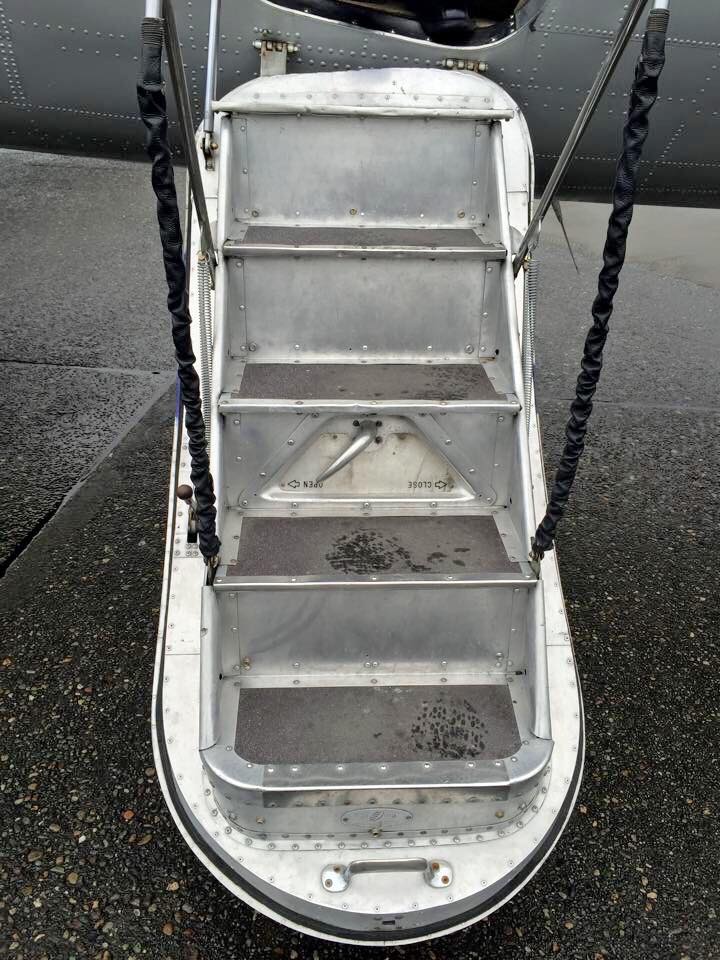
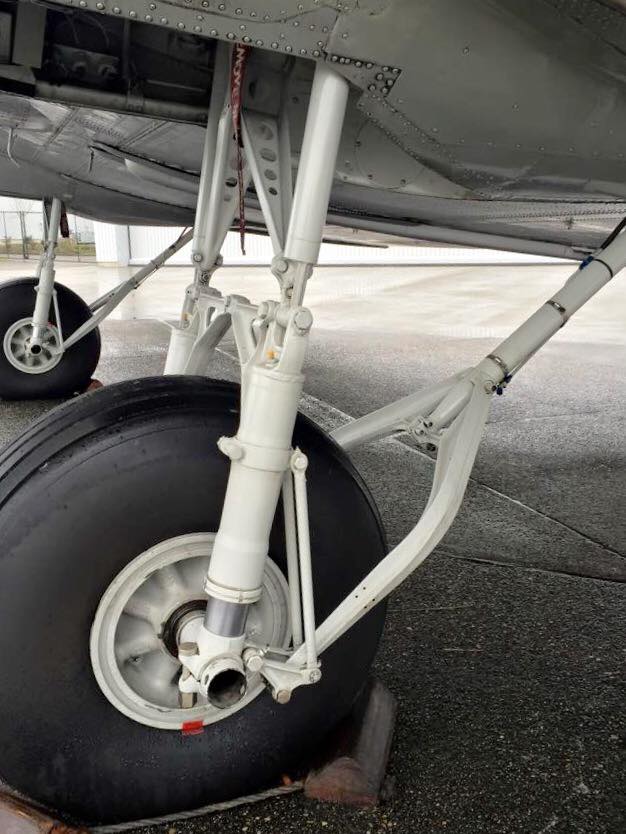
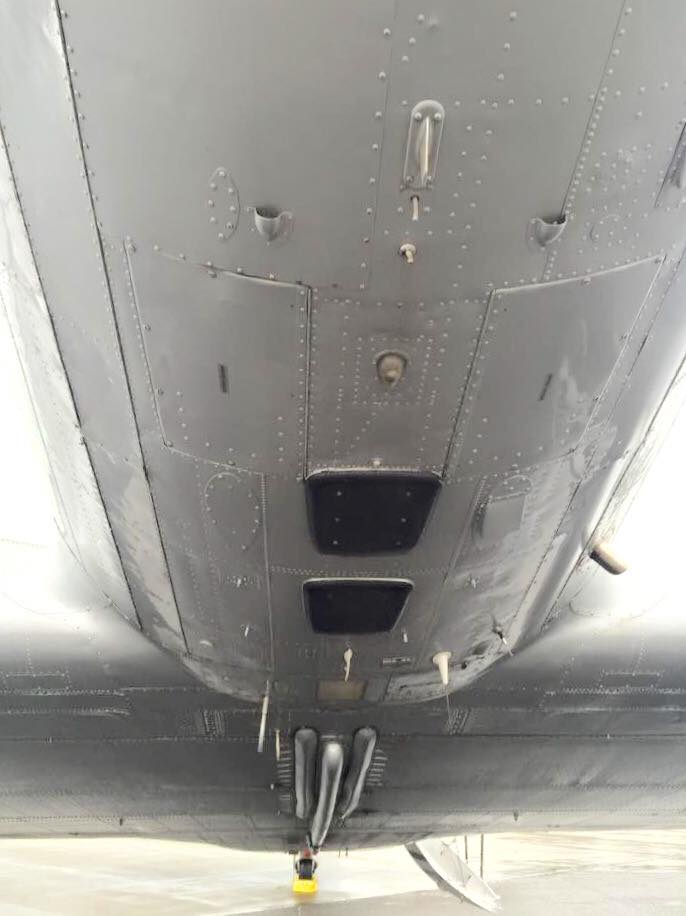
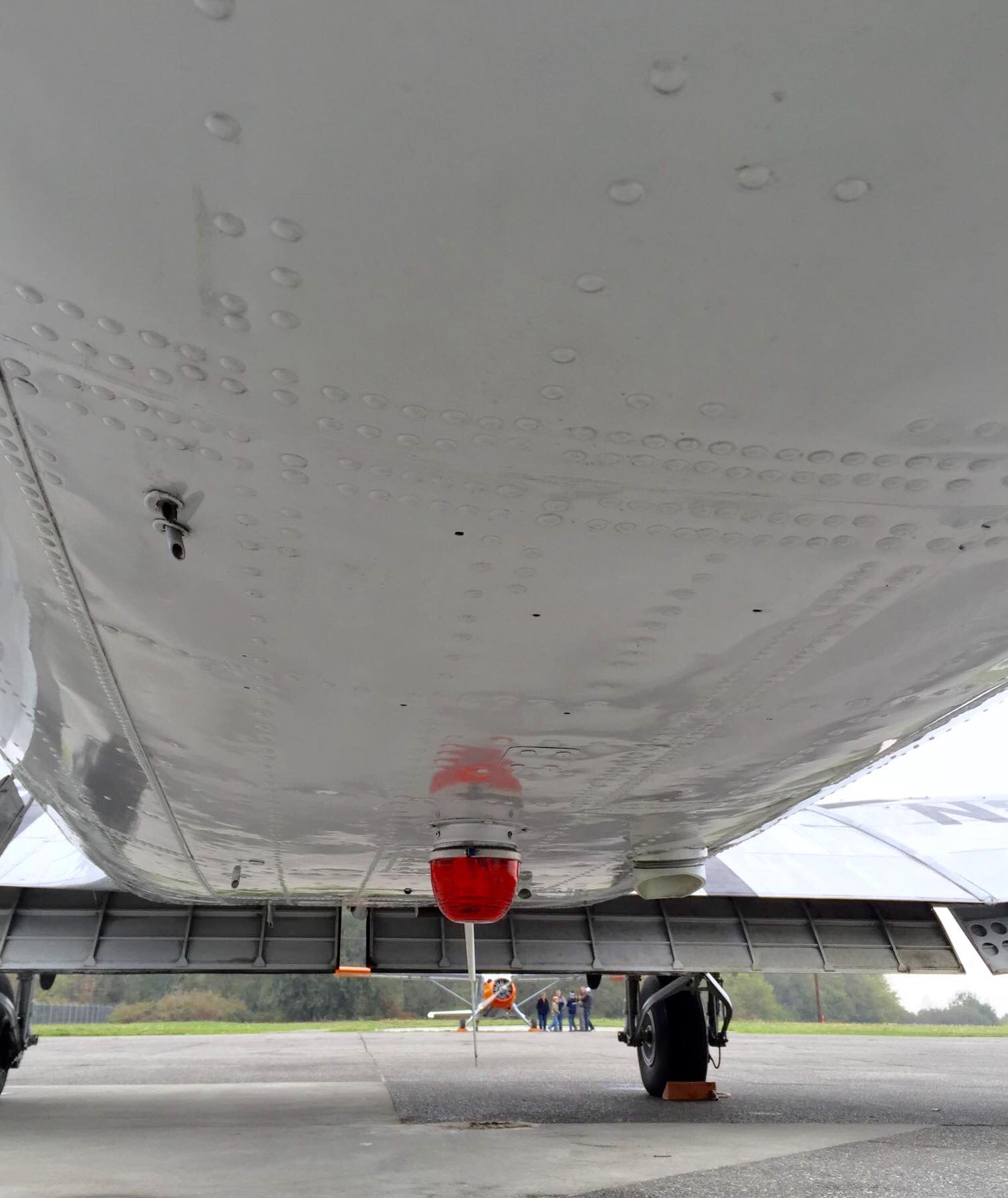
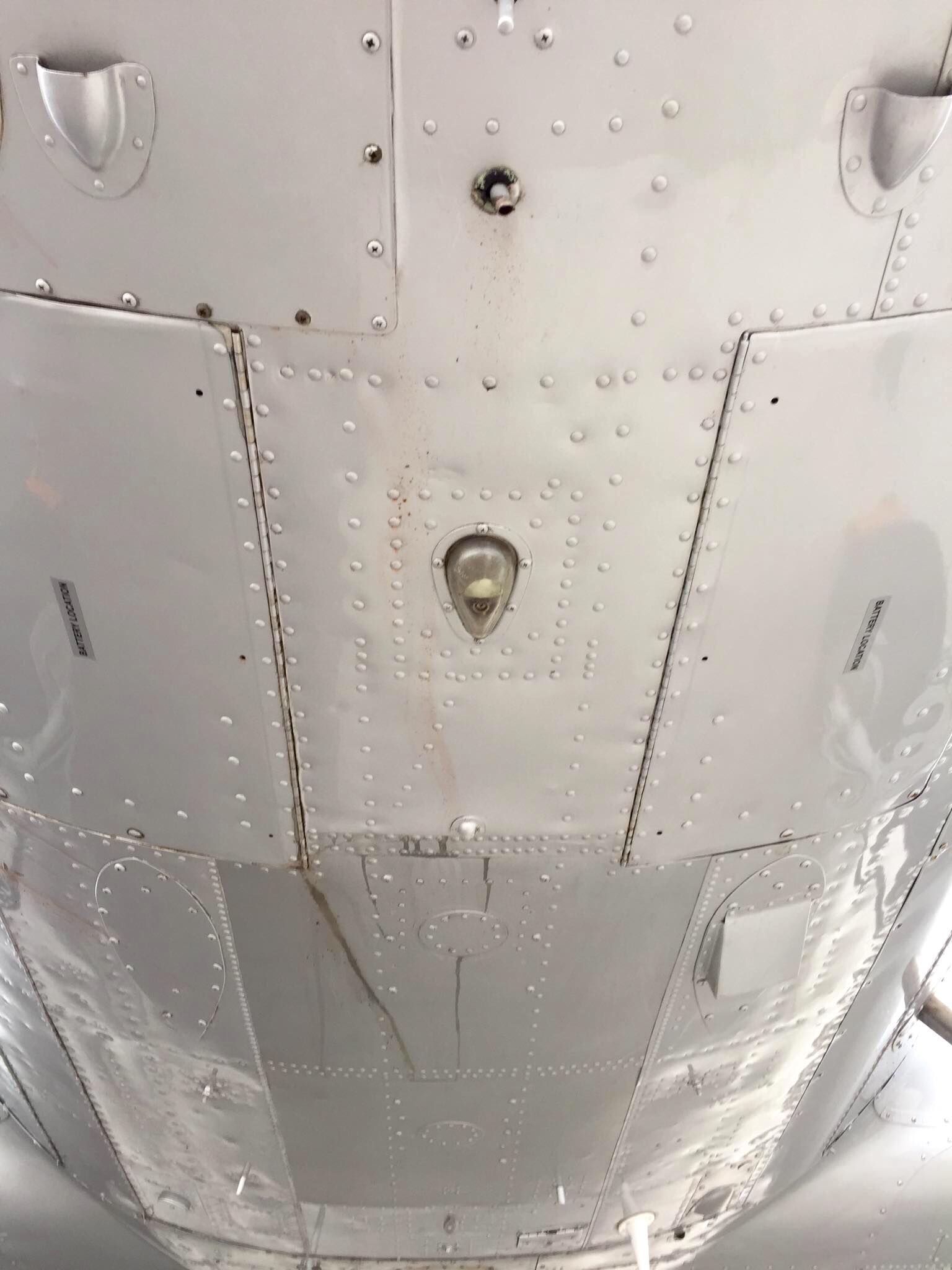
Theories abound as to how the aircraft got the “Gooney Bird” nickname. It has been said that the name came from the South Pacific, where small atolls were the home of the wandering albatross, the giant seagull-like bird noted for its powers of flight, and sometimes unflattering but safe landings. Some U.S. GI’s said the C-47 looked like the bird, with a heavy body and long wings, and mimicked the bird in its struggle to get off the rain-soaked dirt fields. Or, the name comes from the definition of stupid or goon. Pilots called the C-47 stupid because they said it didn’t know it wasn’t supposed to be able to do the things it did. Another source claims that before the C-47, the C-39 was nicknamed “Gooney Bird” by the Tenth Transport Command at Patterson Field in Dayton, Ohio.
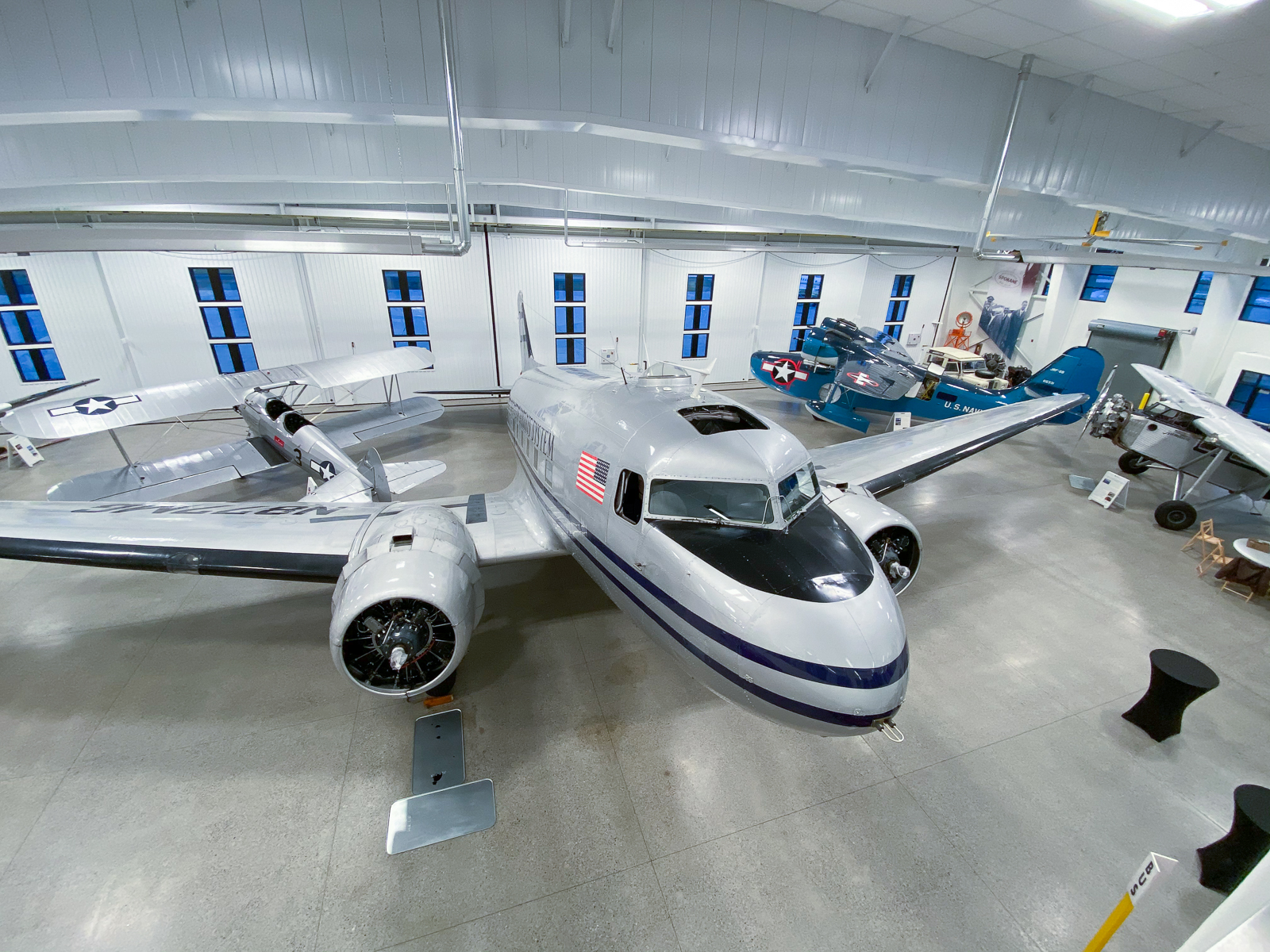
The C-47 was fitted with two Pratt & Whitney R-1830-92 Twin Wasp engines and could hold 28 troops, a jeep, or a 37 mm cannon. Variants included the AC-47D Spooky gunship, SEC-47 electronic reconnaissance aircraft, EC-47Q antiaircraft systems evaluation, and C-53 Skytrooper. Built under license in the Soviet Union, 20,000 were produced with the designation Lisunov Li-2 (named after chief engineer Boris Pavlovich Lisunov) and were fitted with a pair of 900 hp. Shvetsov M-62 engines (developed from the licensed Wright SGR-1820F, which powered the DC-2). The aircraft served a great many roles, from troop and freight transport, parachute drops, glider tug, and ambulance. This DC-3C variant was powered by a pair of Pratt & Whitney R-1830 Twin Wasp radial engines.
Editor’s notes: Since this profile was written, this aircraft was sold through Platinum Fighter Sales to Hangar 180 at Lewiston-Nez Perce County Regional Airport in Lewiston, Idaho. It is now undergoing an extensive refurbishment but will return to the skies alongside the rest of Hangar 180’s fleet of airworthy WWII aircraft. More on Hangar180’s socials HERE and HERE.
About the author 
Randy Malmstrom grew up in a family steeped in aviation culture. His father, Bob, was still a cadet in training with the USAAF at the end of WWII, but did serve in Germany during the U.S. occupation in the immediate post-war period, where he had the opportunity to fly in a wide variety of types that flew in WWII. After returning to the States, Bob became a multi-engine aircraft sales manager and, as such, flew a wide variety of aircraft; Randy frequently accompanied him on these flights. Furthermore, Randy’s cousin, Einar Axel Malmstrom, flew P-47 Thunderbolts with the 356th FG from RAF Martlesham Heath. He was commanding this unit at the time he was shot down over France on April 24th, 1944, and spent the rest of the war as a prisoner of war. Following his repatriation at war’s end, Einar continued his military service, attaining the rank of Colonel. He was serving as Deputy Wing Commander of the 407th Strategic Fighter Wing at Great Falls AFB, MT, at the time of his death in a T-33 training accident on August 21, 1954. The base was renamed in his honor in October 1955 and continues to serve in the present USAF as home to the 341st Missile Wing. Randy’s innate interest in history in general, and aviation history in particular, plus his educational background and passion for WWII warbirds, led him down his current path of capturing detailed aircraft walk-around photos and in-depth airframe histories, recording a precise description of a particular aircraft in all aspects.