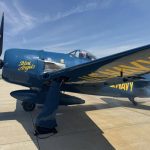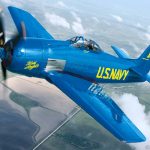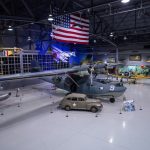
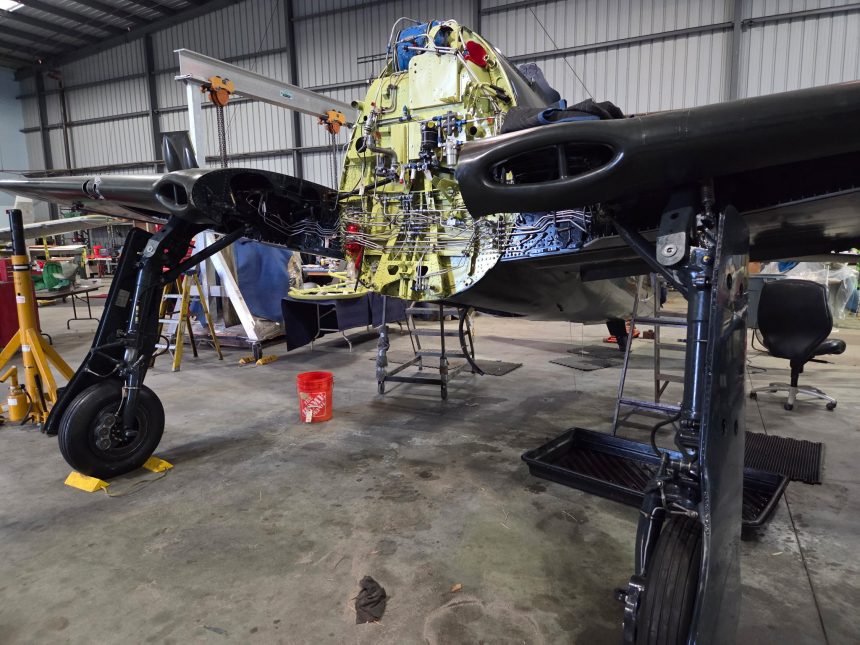

Inside the hangars of the Commemorative Air Force Southern California Wing (CAF SoCal) in Camarillo, California, the Grumman F8F-2 Bearcat (BuNo. 122674)—the last piston-engine fighter designed for the U.S. Navy—is undergoing a complete restoration under the guidance of crew chief John McMahon, a veteran A&P mechanic with more than four decades of experience. After flying regularly until 2020, the Bearcat was grounded for a comprehensive teardown when inspection revealed extensive fatigue and age-related issues.
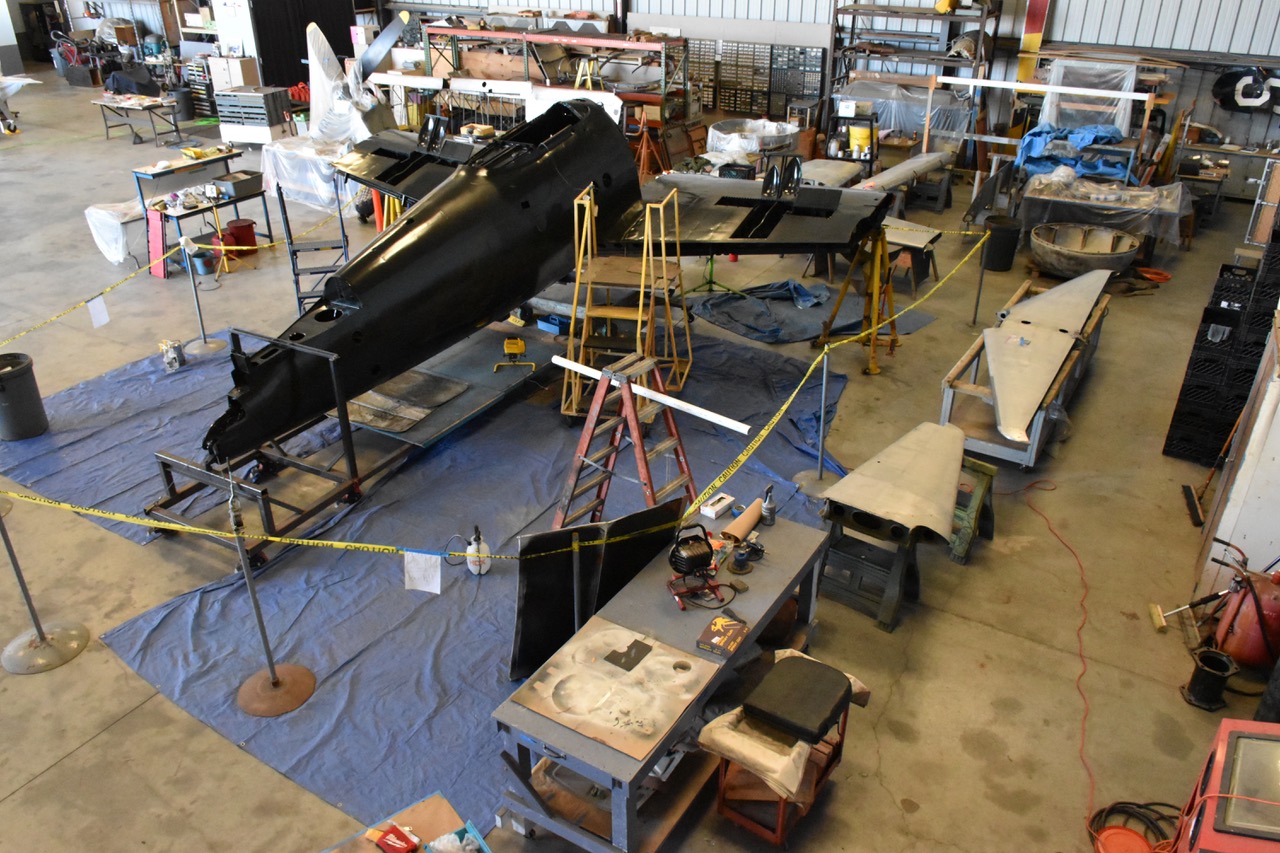
Restoration work has exposed numerous structural and mechanical challenges, including worn aileron linkages, outdated plumbing, and other degraded components. Nearly the entire airframe has been disassembled to address these issues thoroughly, with only a newer fuel bladder remaining in place. A detailed report on the project was published in May 2025, and we recently caught up with McMahon to learn about the latest developments.
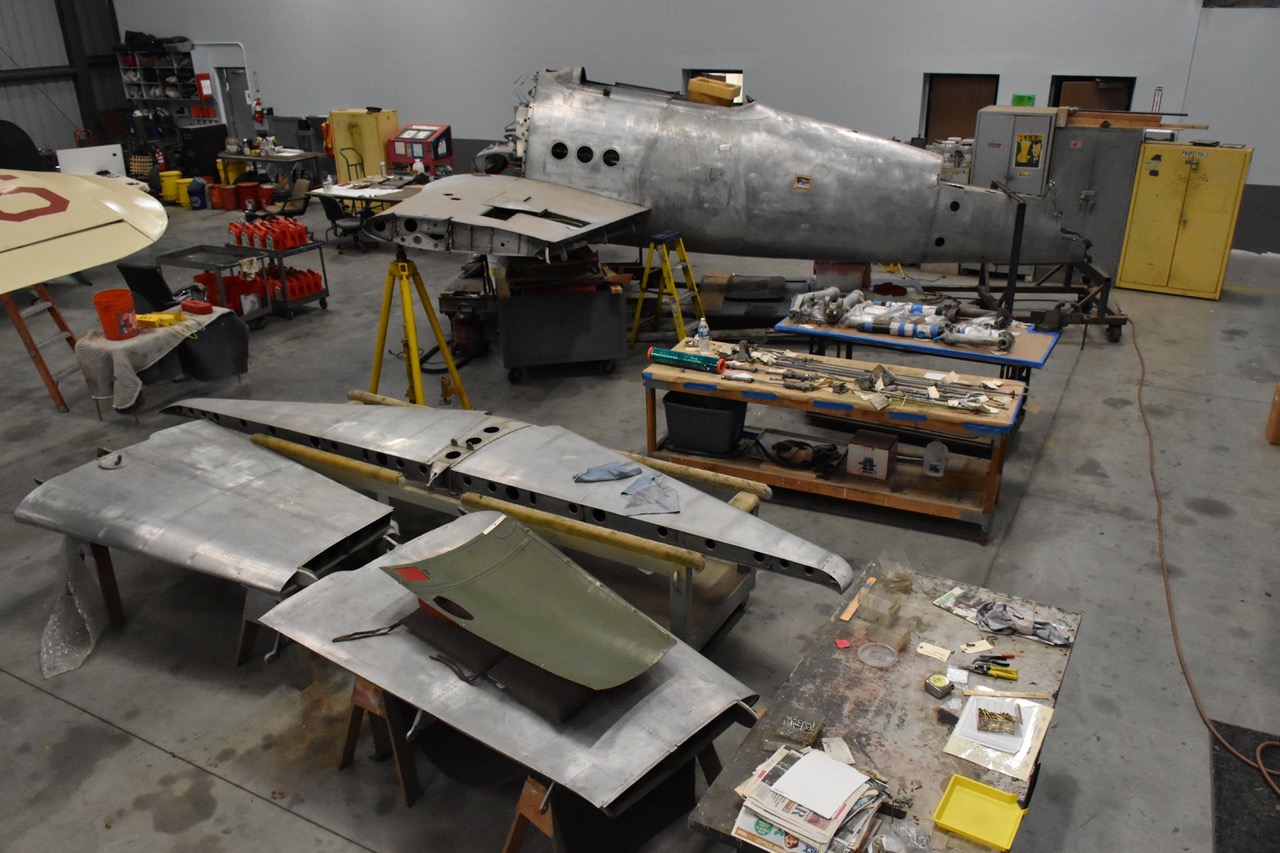
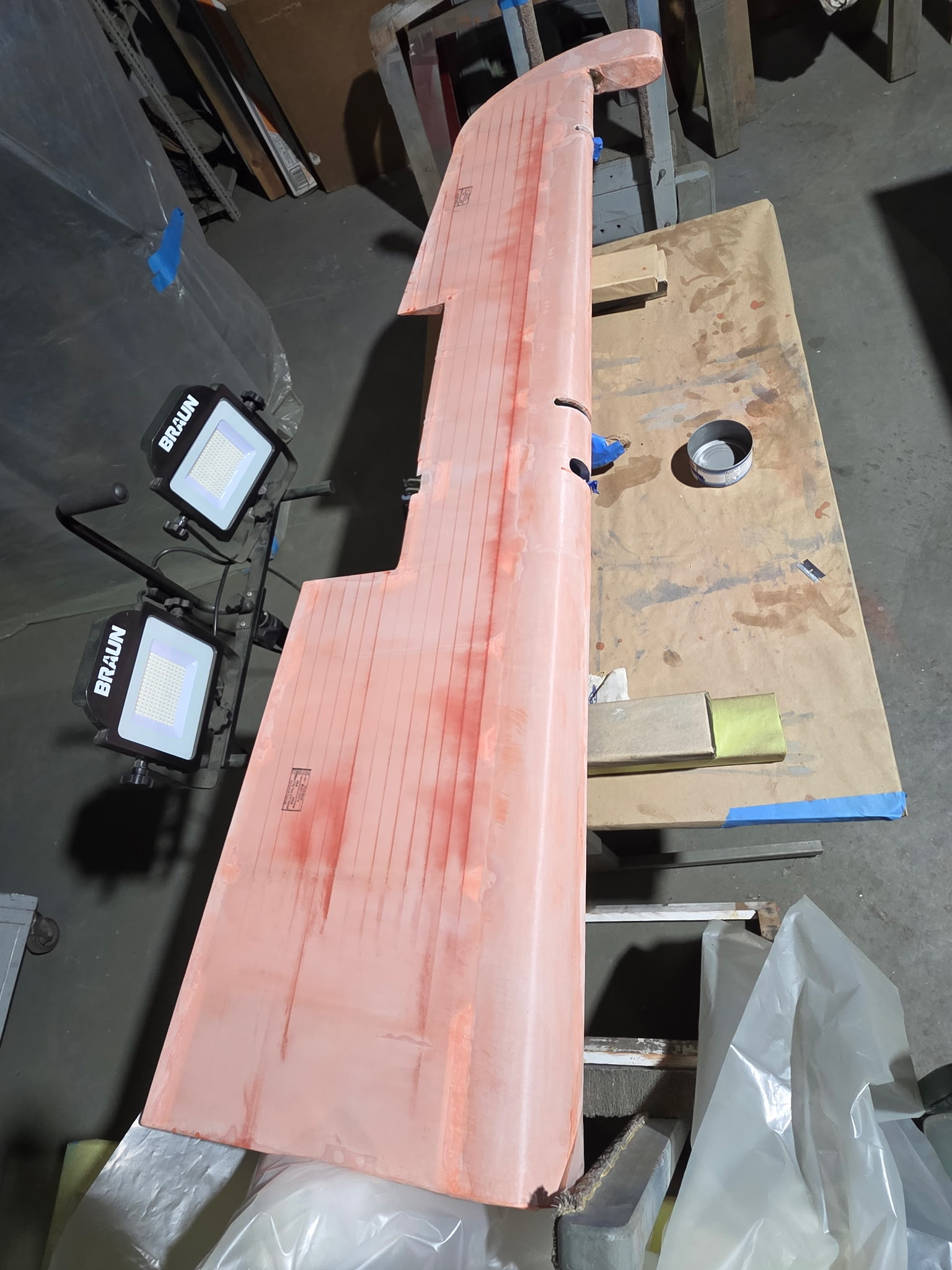
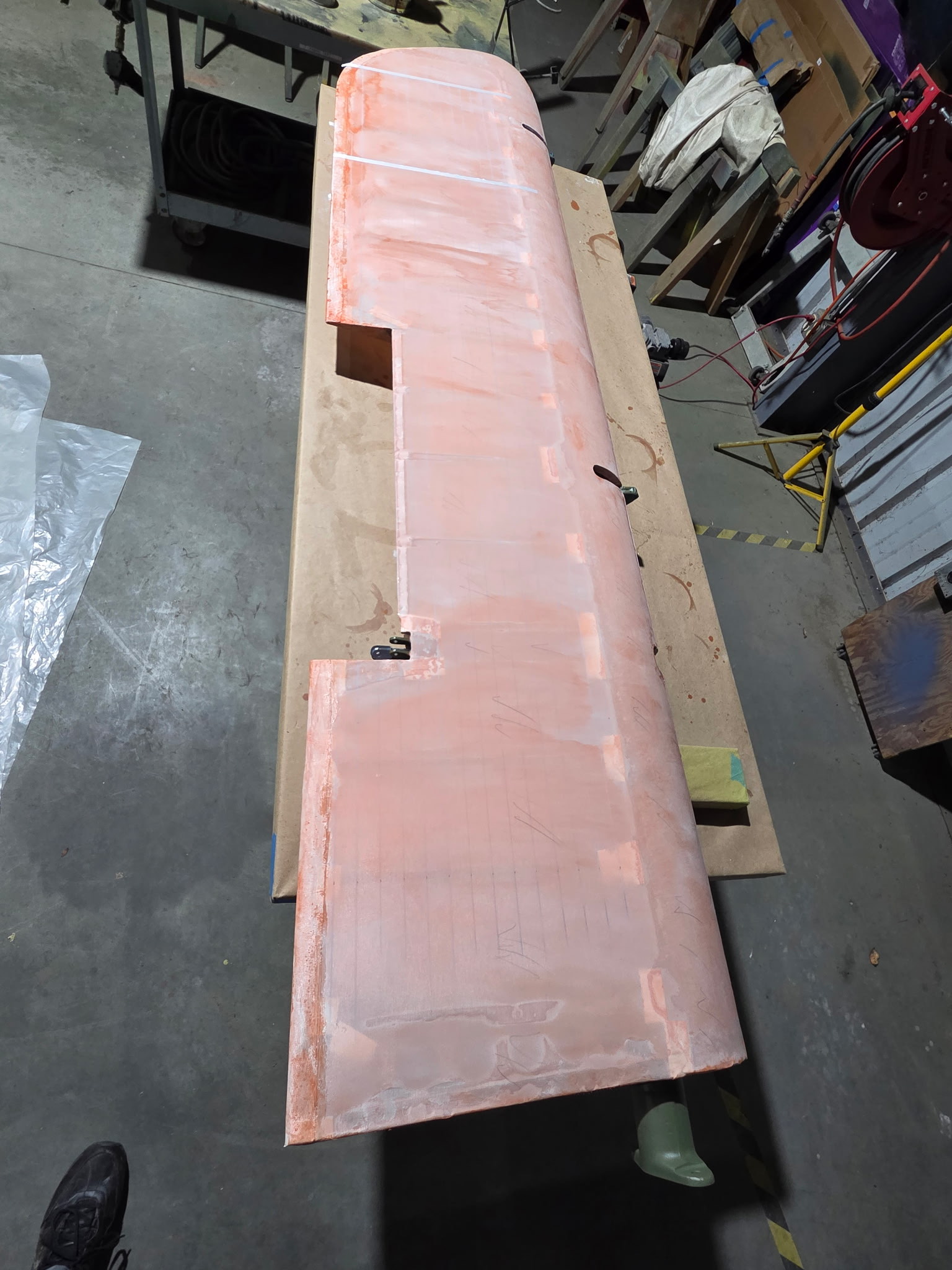
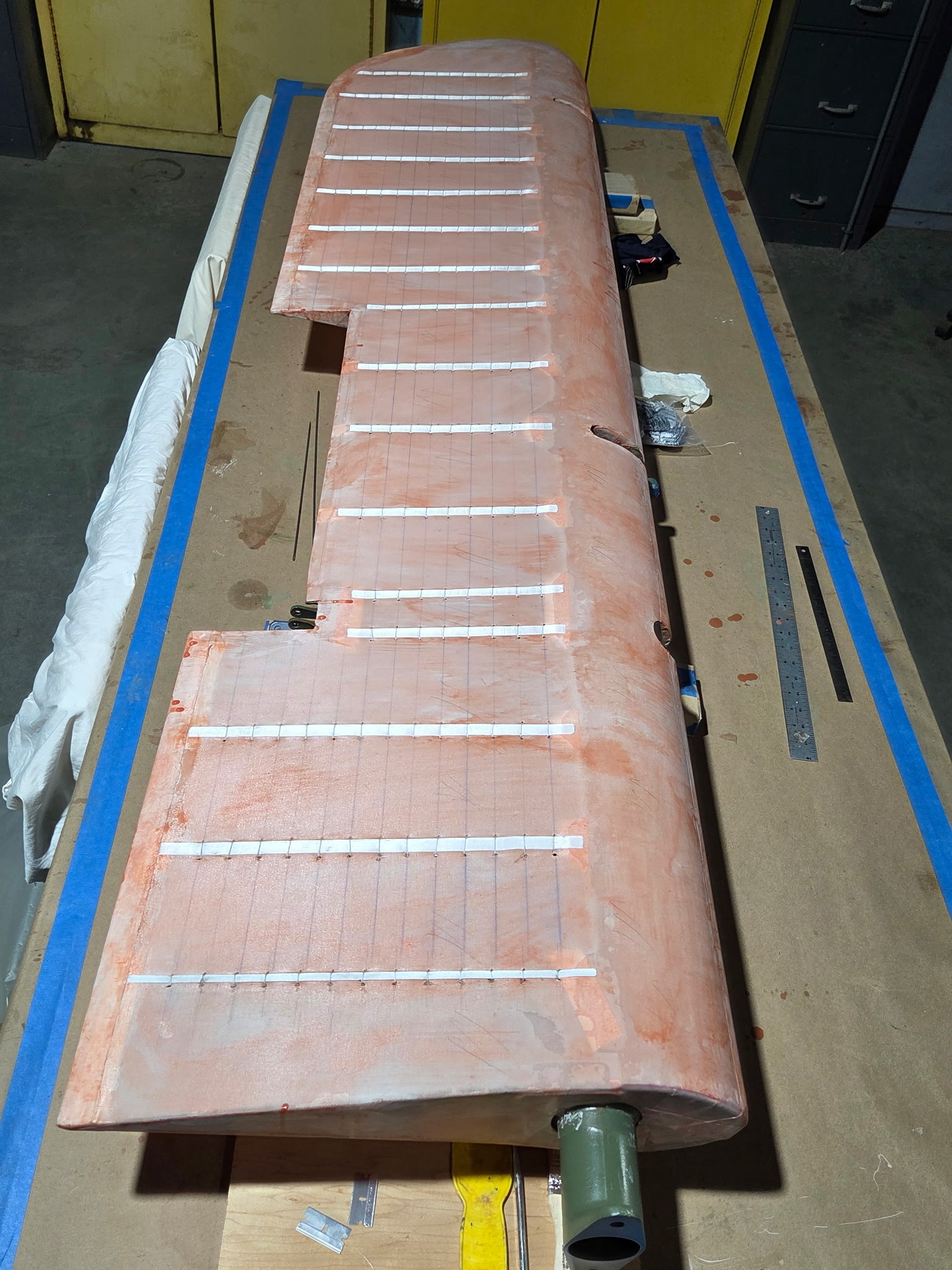
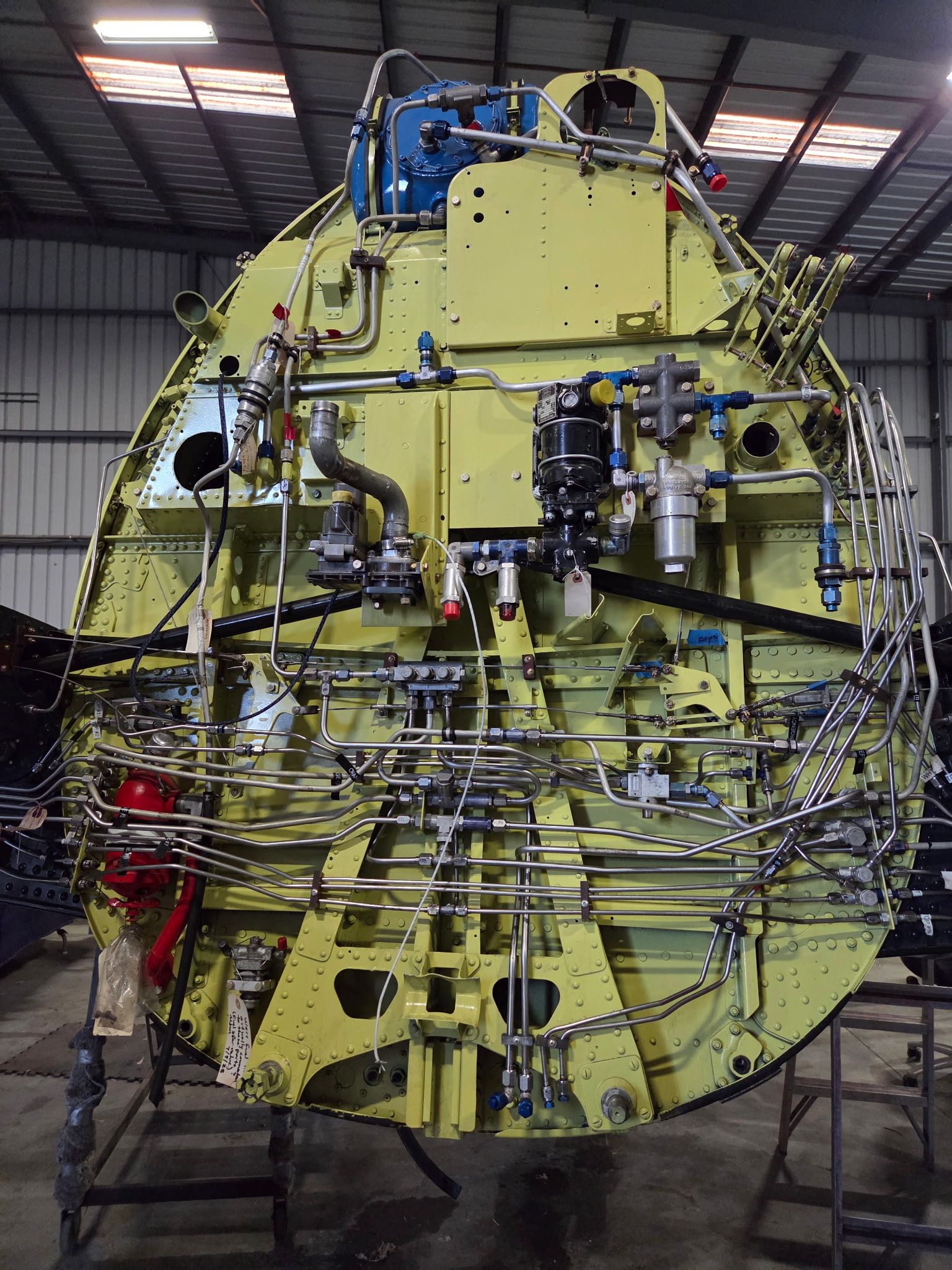
“The vertical and horizontal stabilizers are now installed permanently, and all cable runs are in place,” McMahon said. “The ailerons and linkages are installed and awaiting final rigging, while the elevators have yet to be covered. The auto wing panels and associated linkages are fully installed, and the firewall plumbing is complete, aside from fine-tuning the landing gear. Gear swings have been completed and are fully functional.”
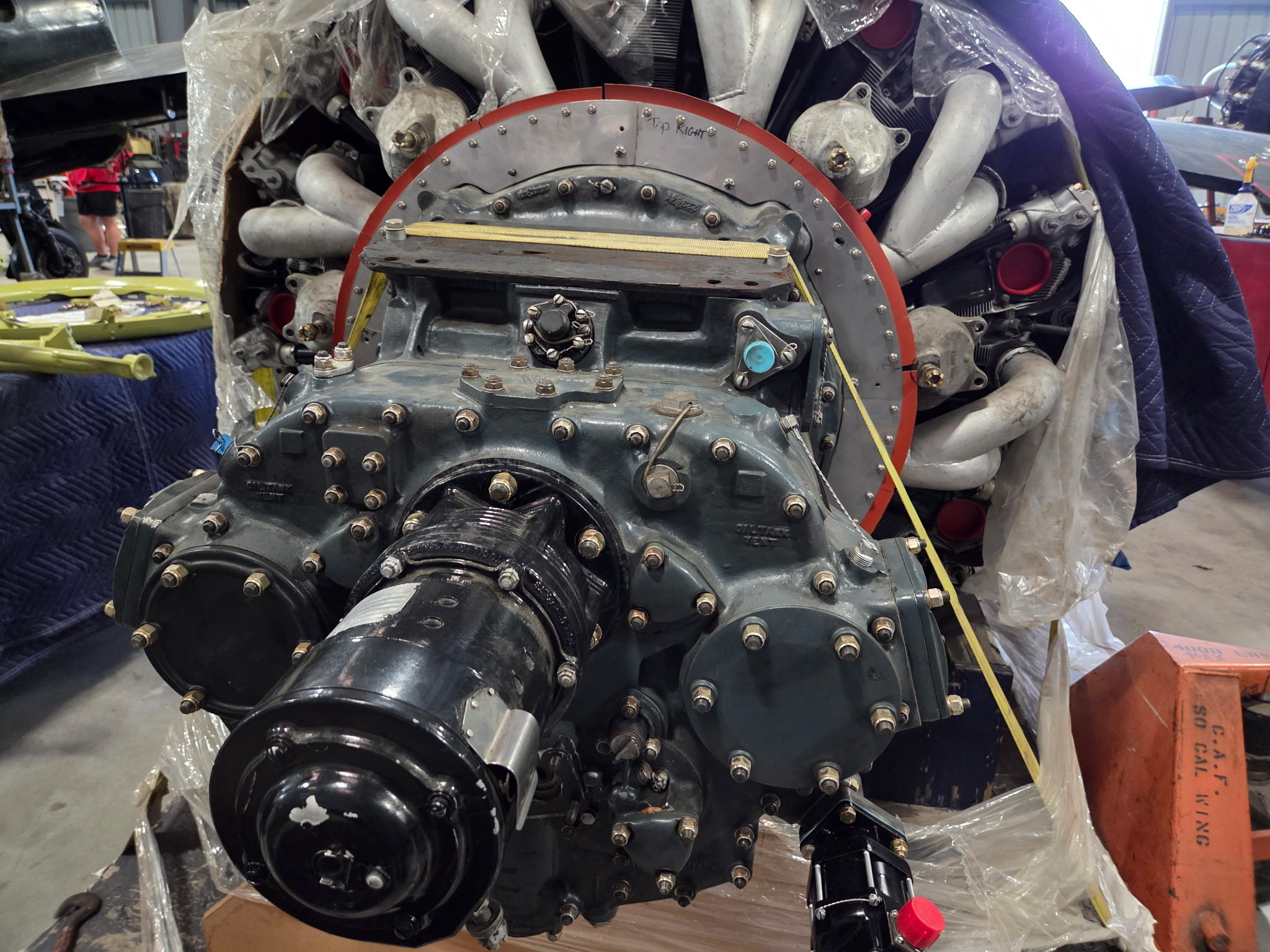
The team is currently preparing the Bearcat’s Pratt & Whitney R-2800 engine. “The engine is mounted with all associated components, including the cowl ring, cowl flaps, and oil coolers,” McMahon explained. “We’re building all new hoses—oil, fuel, and sense lines—and we’re about 50% complete with that work. The cowl ring and nose bowl were in poor condition, but repairs are now finished and painting of the nose bowl is pending. We expect an engine run by the end of this year, possibly sooner.”
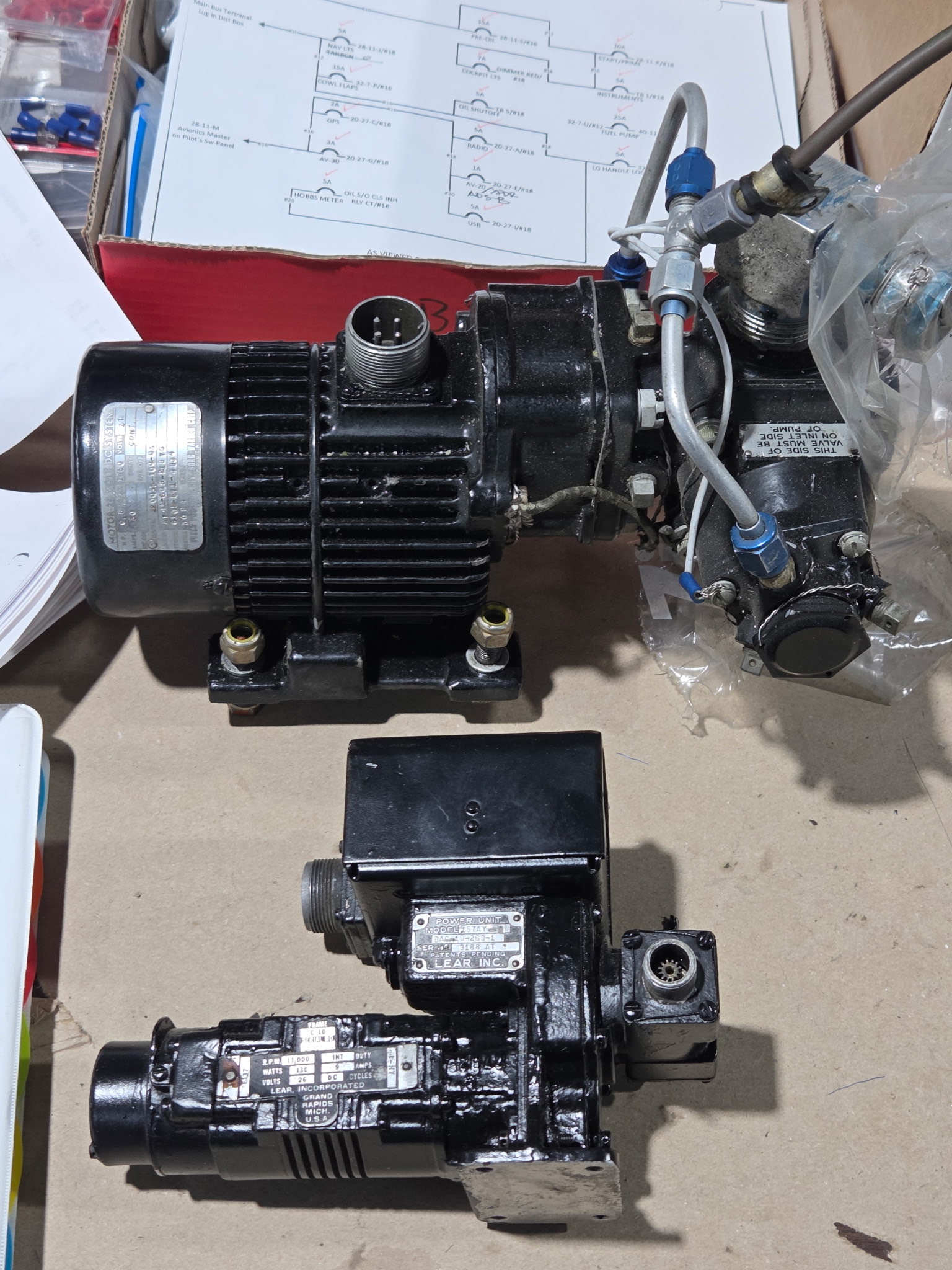
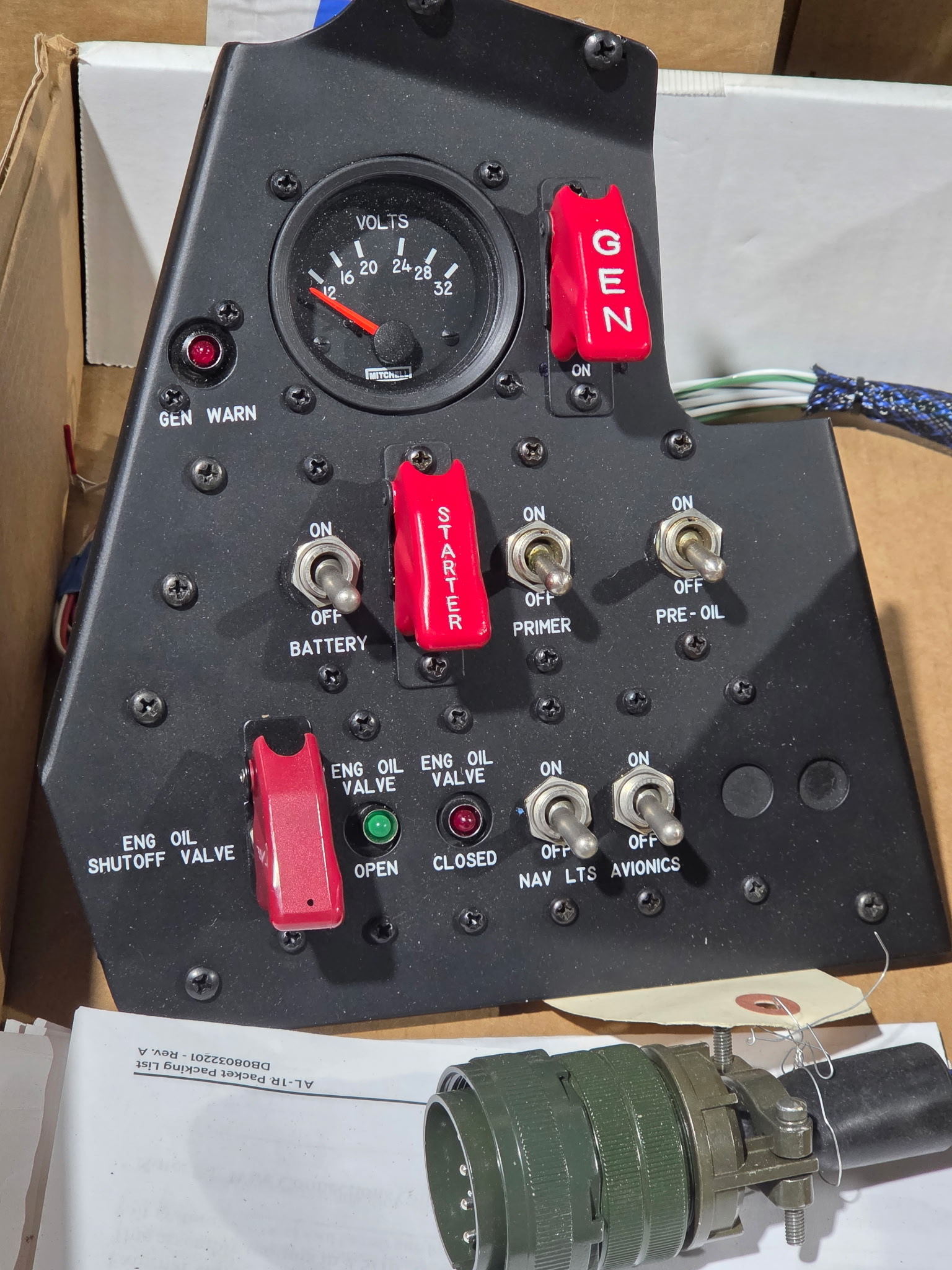
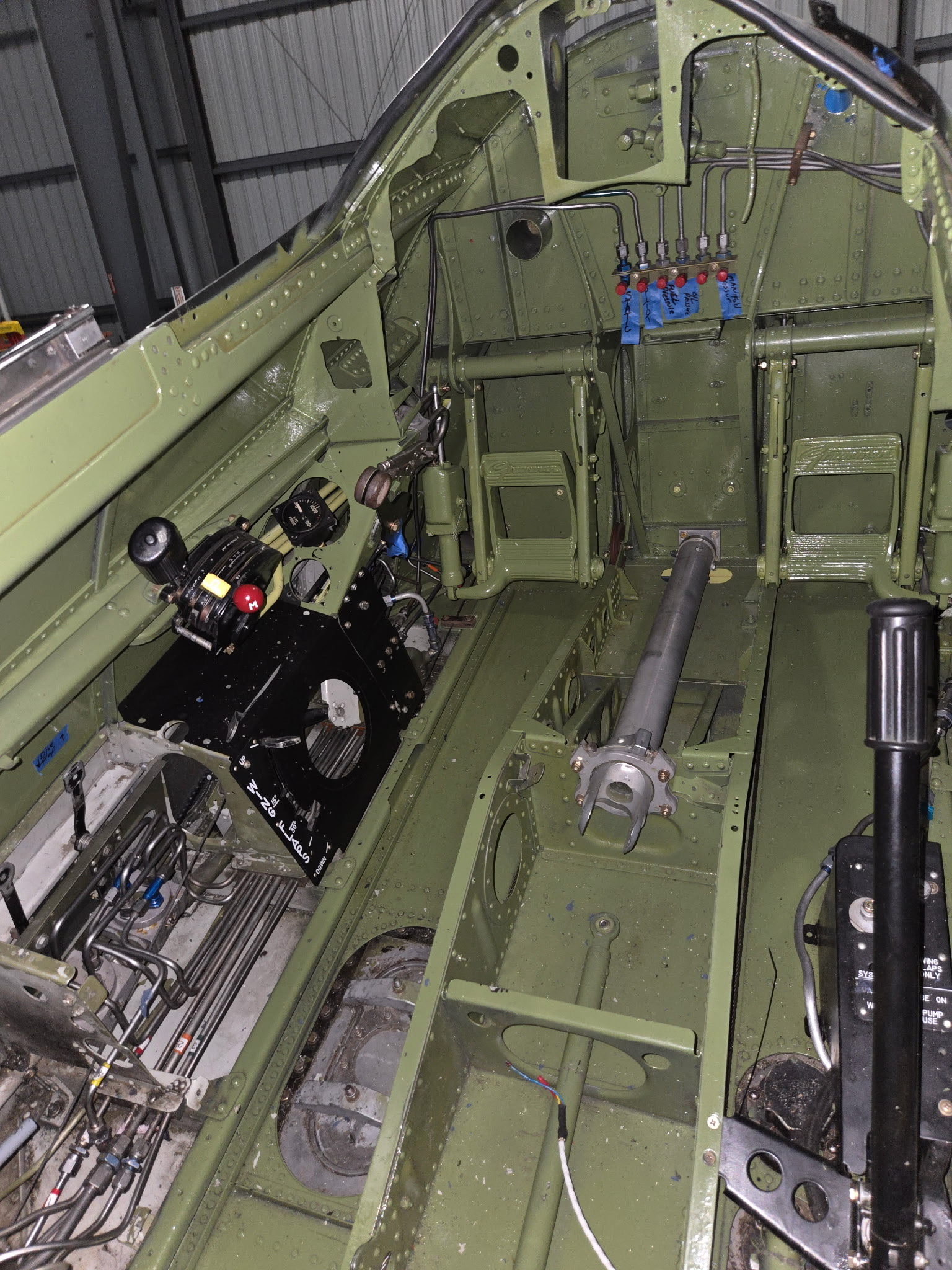
Significant progress is also being made in the cockpit. McMahon is leading the overhaul of all wiring, including replacing and repairing cable runs, overhauling existing wiring, and installing a comprehensive new avionics package. The upgrades include dual AV-30 units, a Garmin VHF radio, an in-panel GPS navigator with WAAS capability, ADS-B In for traffic, and LED lighting throughout. All placards, switch panels, and circuit breakers have been refurbished to look new, and the instrument panel is currently being finalized. The windscreen frame requires one final repair before the canopy and windscreen can be installed.
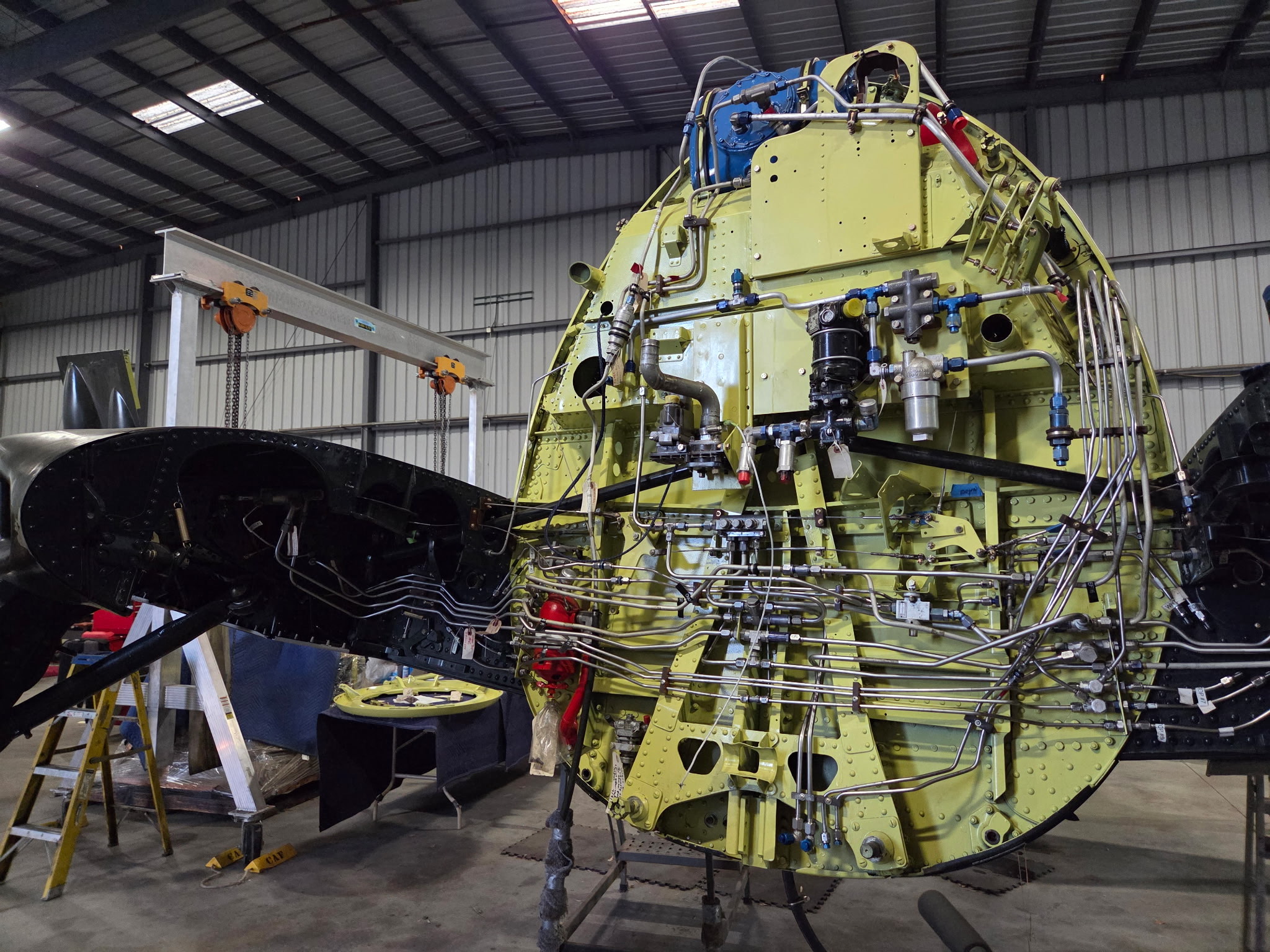
“The wiring harnesses will be installed soon, and we’re rebuilding everything to be as new as possible,” McMahon said. “We’ve worked through challenges with gear leaks, struts, and actuators, which is normal for a project of this complexity. Sourcing difficult components like boots and Teleflex cables has been a challenge, but networking with others in the industry has made it possible. A couple of days ago, we also started the engine assembly.”
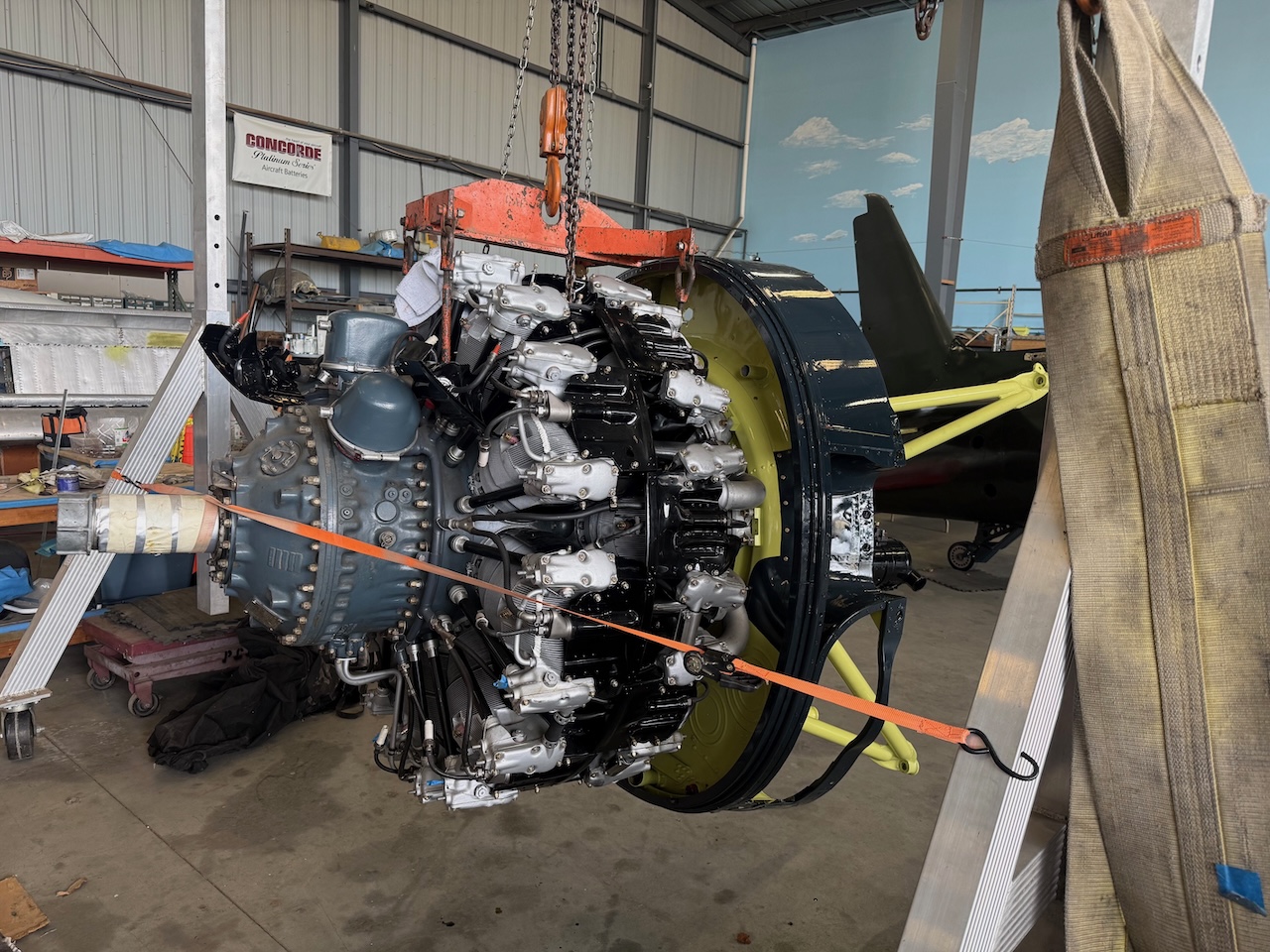
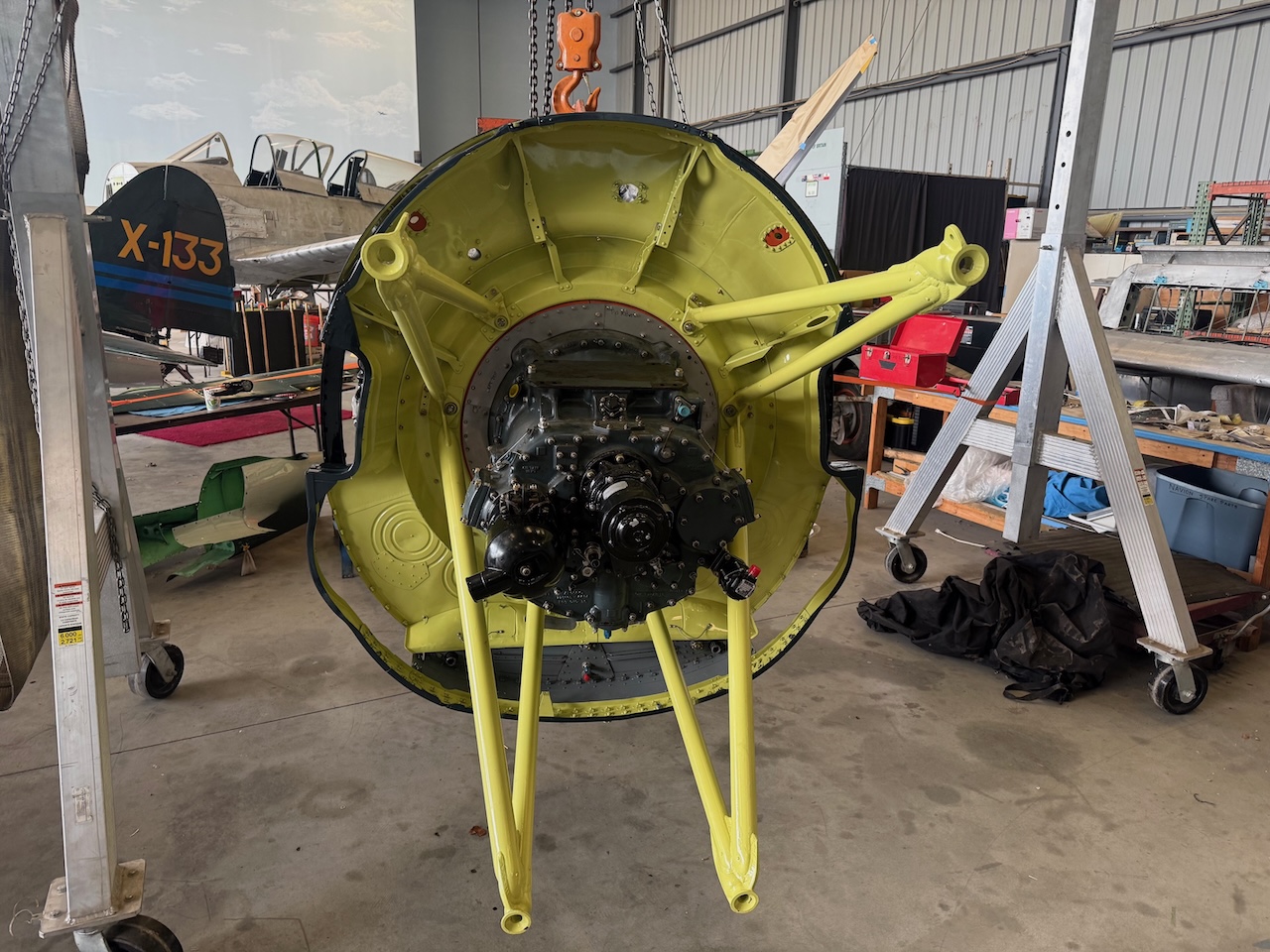
Looking ahead, McMahon anticipates an engine run in the coming months and estimates that the Bearcat could be ready for flight in roughly a year and a half, barring unforeseen setbacks. The exterior paint and final delivery schedule remain under discussion. “This project is coming together beautifully,” he said. “Seeing the engine run will be a huge milestone, and we’re excited to continue restoring this iconic Navy fighter to flying condition.” For more information and to support the CAF SoCal Wing mission, visit www.cafsocal.com.