

Following the recent legal transfer of a rare B-24 Liberator to the National Museum of the Mighty Eighth Air Force—previously reported by Vintage Aviation News—restoration efforts on the historic aircraft are now officially underway. The aircraft, transferred from the Barksdale Global Power Museum at Barksdale Air Force Base in Louisiana, represents one of only a few surviving examples in the Air Force’s historical collection. Its relocation to Pooler, Georgia, reflects a collaborative effort between the U.S. Air Force and the museum to ensure the long-term preservation and public interpretation of this important World War II bomber. Work to disassemble the bomber has started at the Barksdale Global Power Museum at Barksdale Air Force Base in Louisiana, and the move to Georgia is expected to be completed within the year.
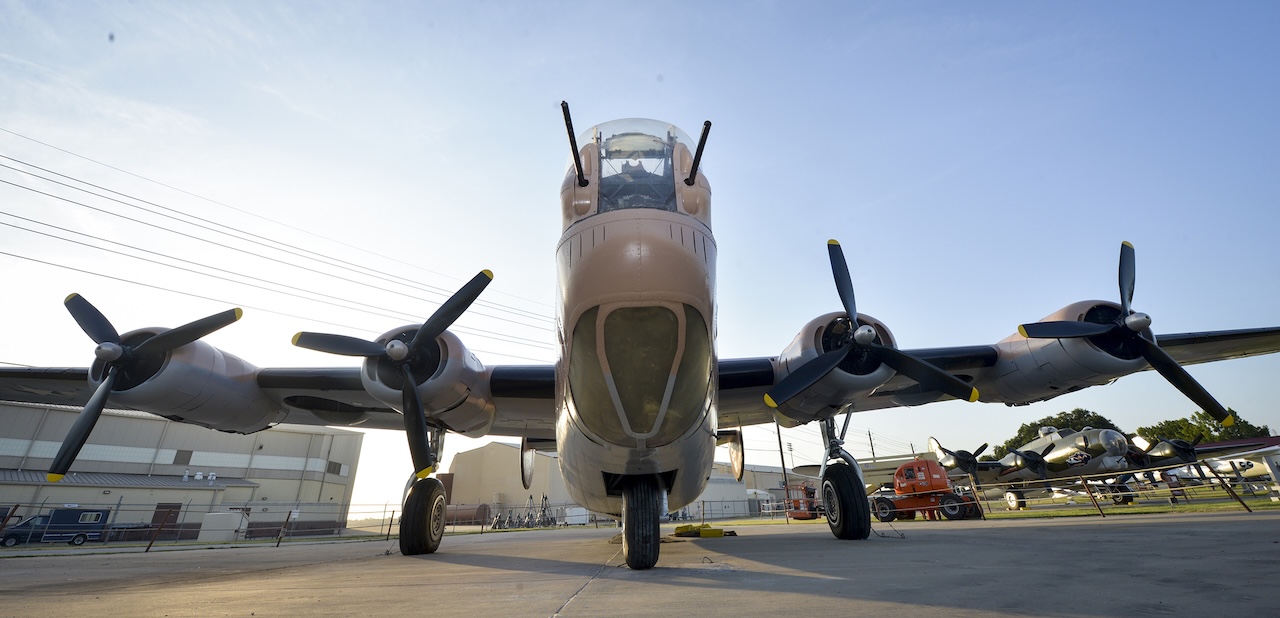
“Our main priority is the preservation of the historic bomber… By rehoming [it] to the Mighty Eighth Museum, it will allow the artifact to be kept alive and well for generations,” said Maj. Gen. Jason Armagost, commander of the Eighth Air Force. The arrival of the B-24 is especially significant for the museum, which already houses a restored B-17 Flying Fortress. Together, these two aircraft will help tell a more complete story of the Eighth Air Force’s strategic bombing campaign during World War II.
Restoration Now Underway
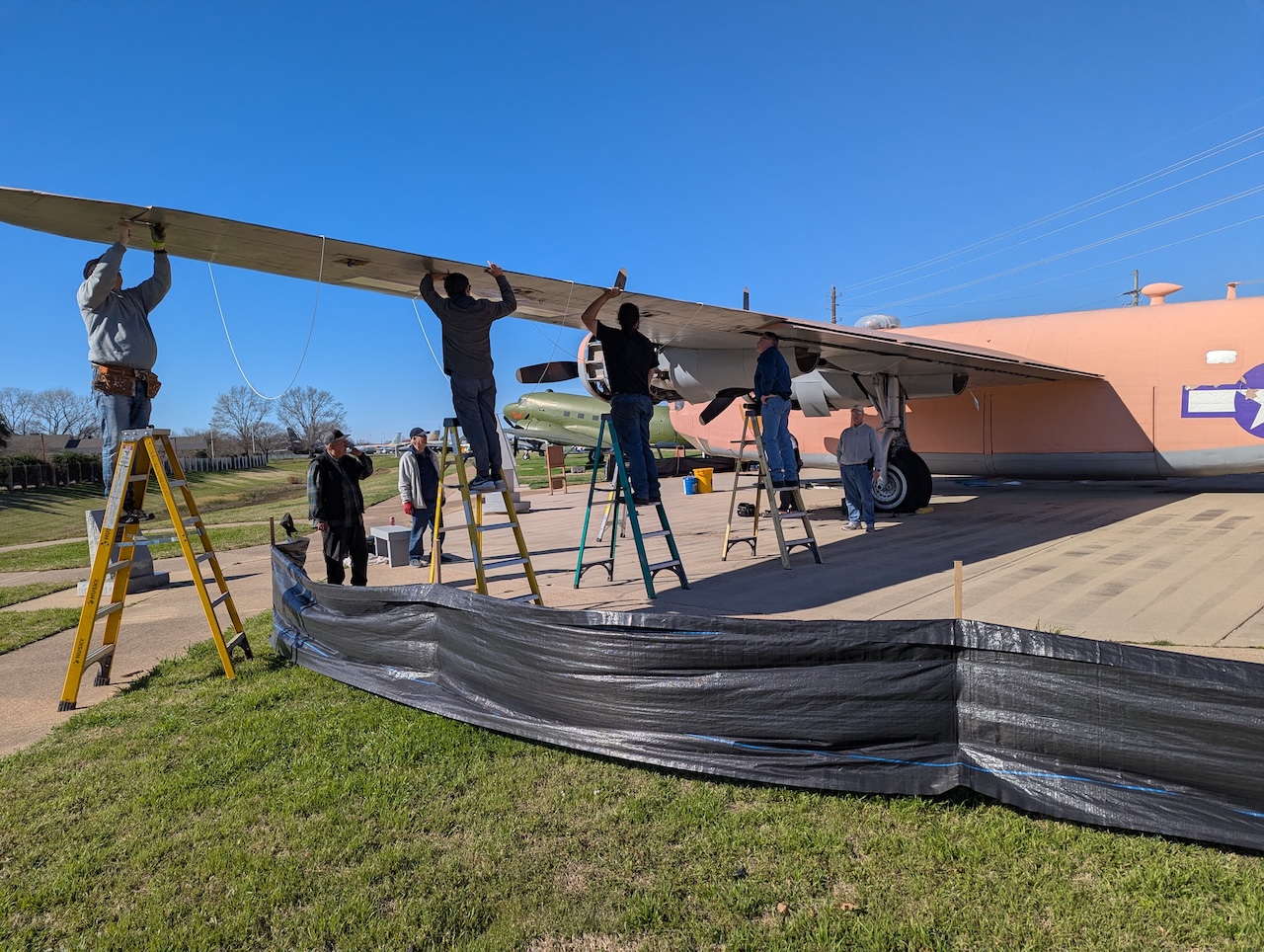
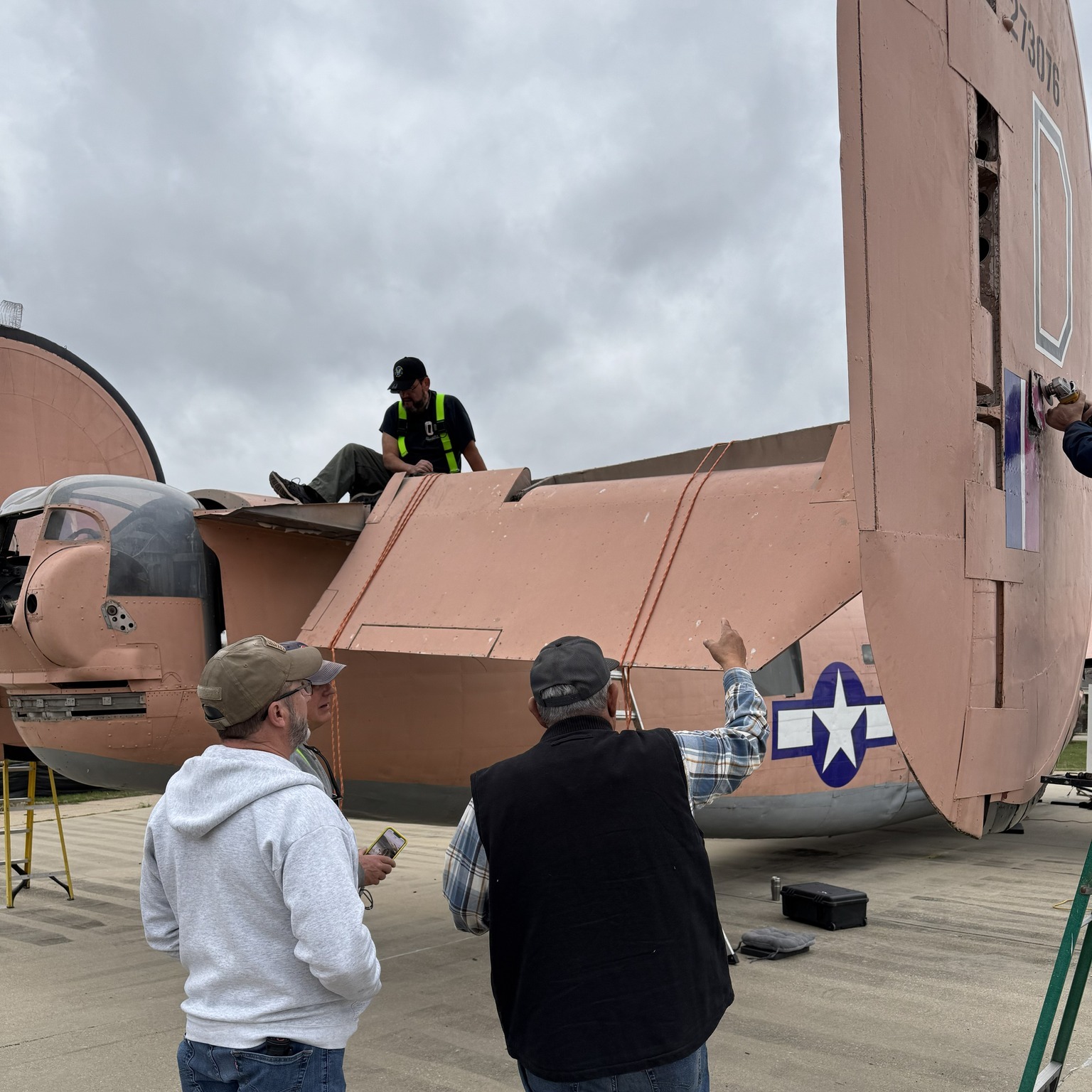
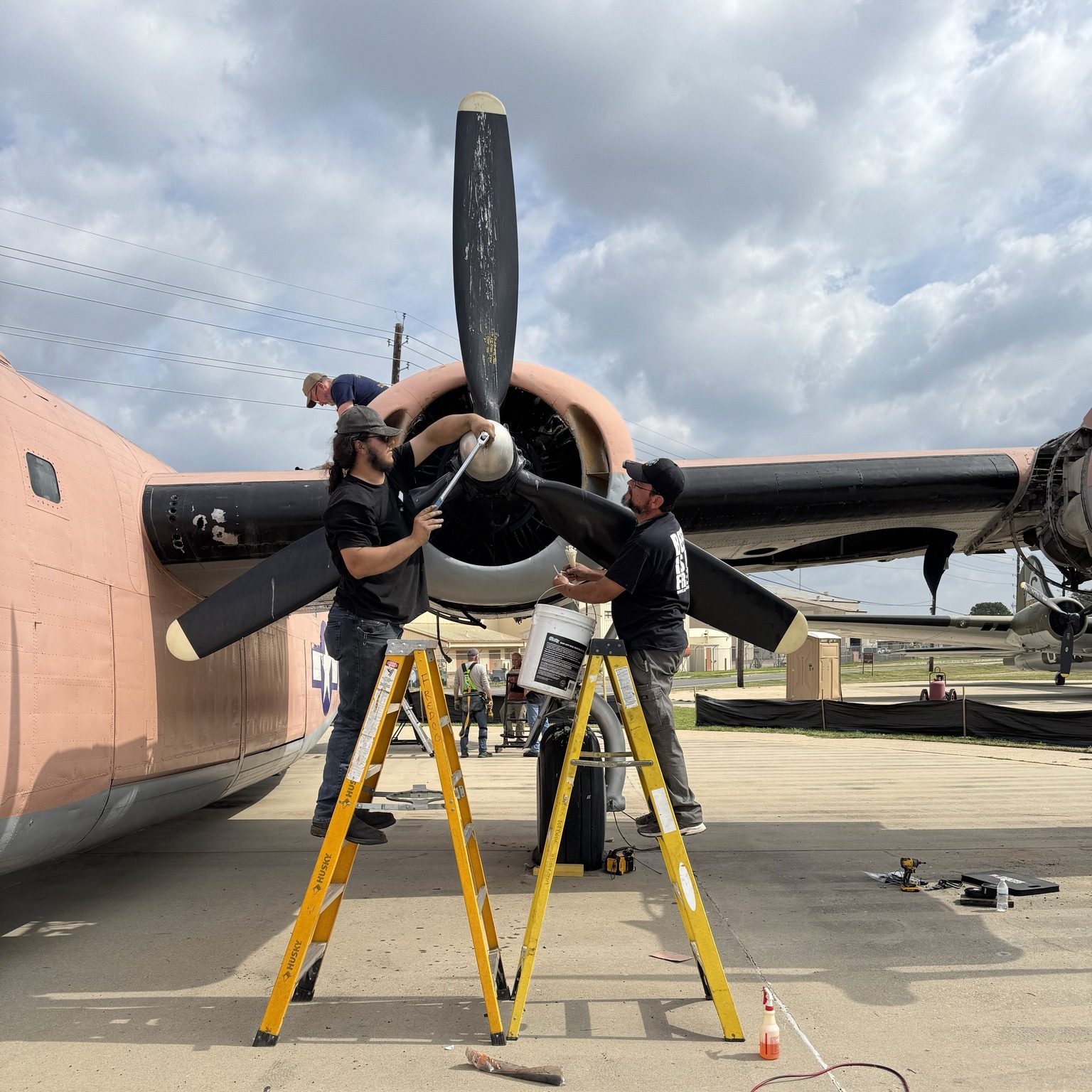
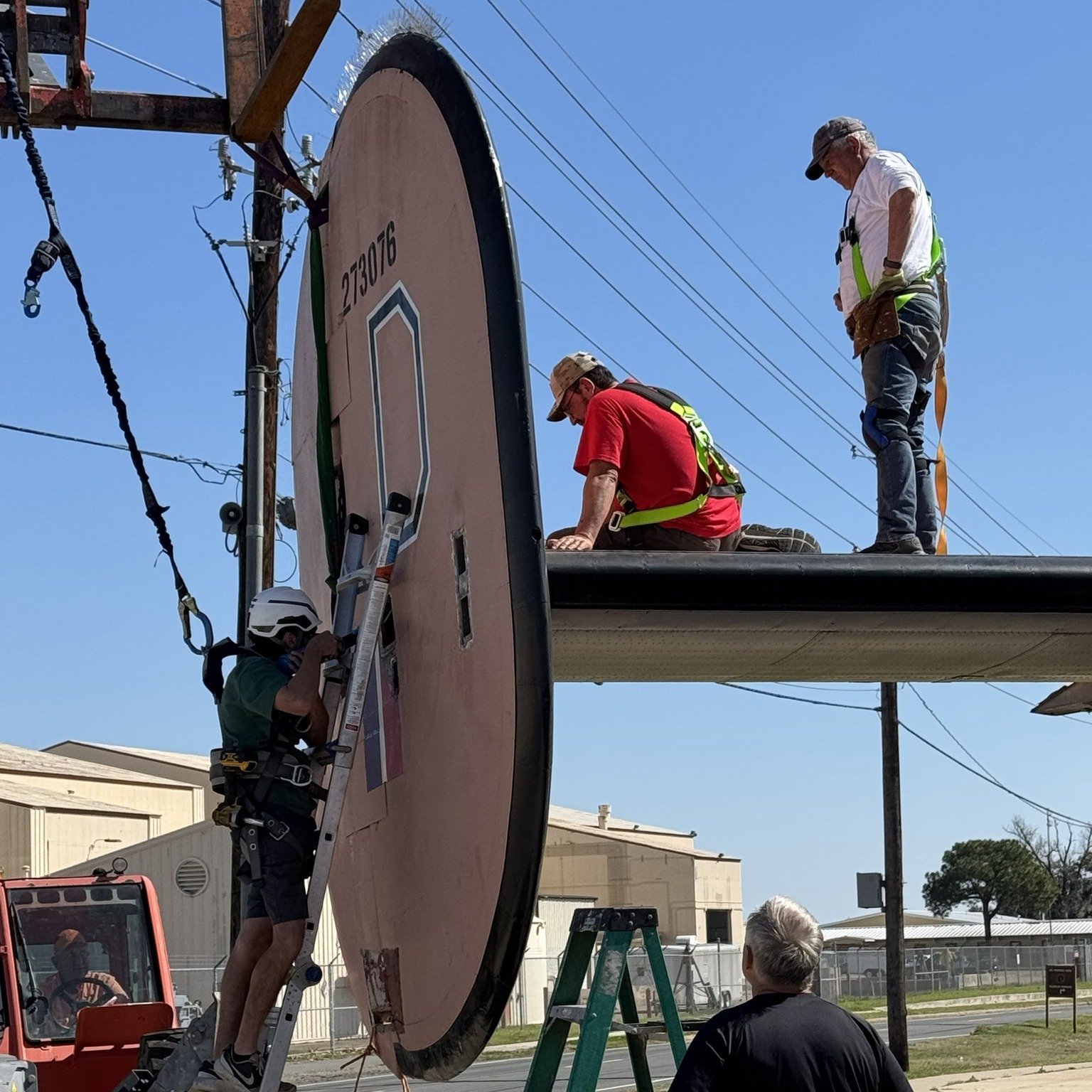
With the aircraft now in the museum’s care, restoration work has begun. Last month, a team from the museum traveled to Barksdale Air Force Base—home of the modern Eighth Air Force—to initiate the first phase of the project. During this visit, museum staff and Air Force personnel conducted a comprehensive catalog of the aircraft’s components to ensure historical accuracy throughout the restoration process. Major sections of the aircraft—including the ailerons, flaps, horizontal and vertical stabilizers, nose, top and tail turrets, and propeller sets—were disassembled and prepared for transport to specialized restoration facilities.

A Future Centerpiece
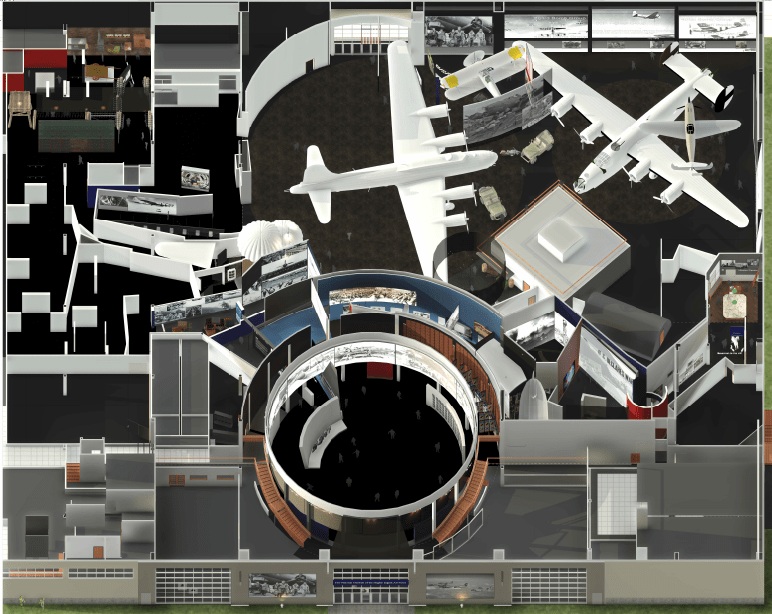
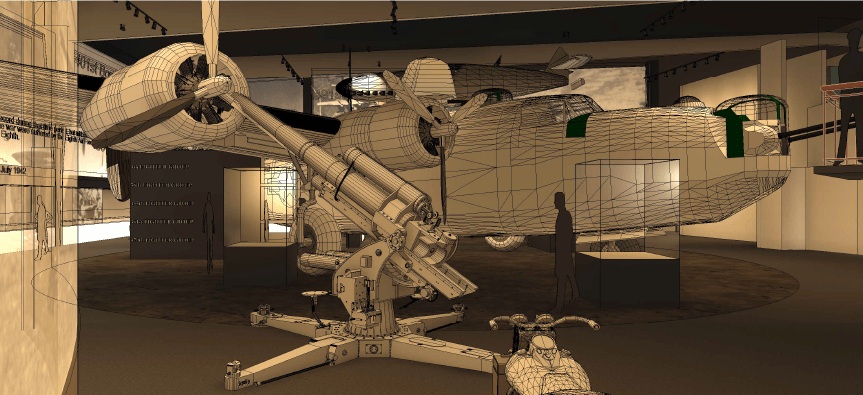
Once restored, the B-24 will become a centerpiece of the museum’s newly redesigned gallery floor. It will be displayed alongside the museum’s B-17, reuniting the two iconic heavy bombers that served together during World War II. “This restoration represents an important step in preserving the history of the airmen who flew these missions,” said Dawn Brosnan, Director of Communications and Marketing for the museum. Bringing both aircraft together will provide visitors with a powerful and tangible connection to the Eighth Air Force’s legacy.
Preserving a Legacy
The Consolidated B-24 Liberator played a critical role in Allied operations across multiple theaters during World War II. With relatively few surviving examples today, this restoration project represents a significant effort to preserve aviation history. With the addition of the B-24, the National Museum of the Mighty Eighth Air Force continues to advance its mission of educating visitors about the courage, sacrifice, and achievements of those who served in the largest air armada in history. For more information about the National Museum of the Mighty Eighth Air Force, visit www.mightyeighth.org.