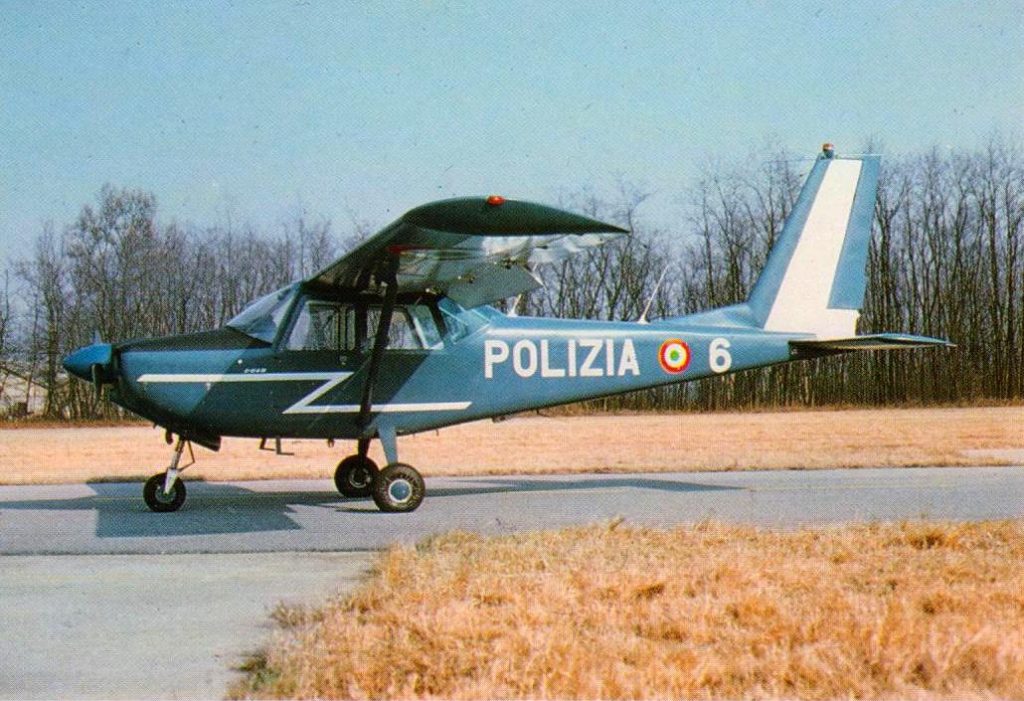
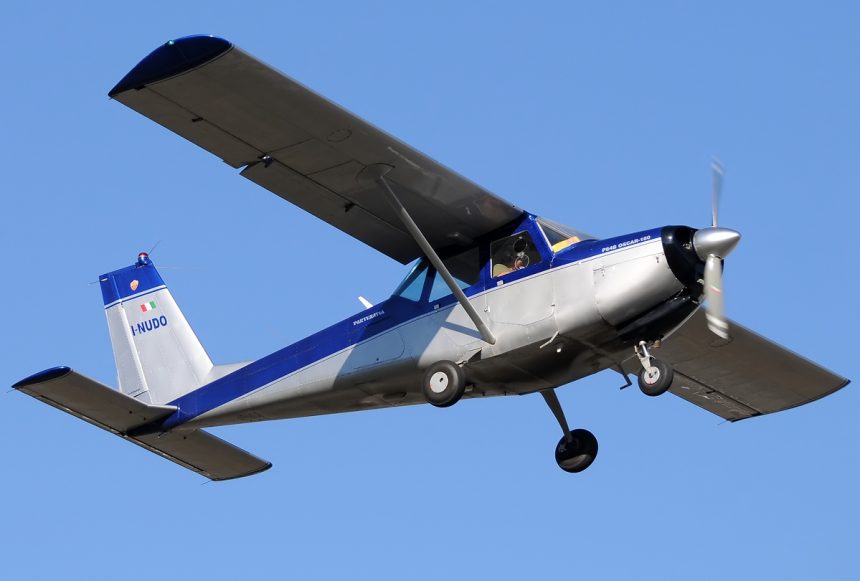

On this day in aviation history, 61 years ago (April 2, 1965), the Partenavia Oscar flew for the first time. Built by Italian aircraft manufacturer Partenavia Construzioni Aeronautiche, the Oscar is a single-engine high-wing general aviation aircraft. The Oscar was developed from the Partenavia P.57 Fachiro, only with the airframe being of all-metal construction. Partenavia named the prototype the P.64 Fachiro III, and the aircraft would first fly on 4/2/65. Following the P.64’s first flight, modifications would be made to the overall design of the aircraft. A panoramic rear window was installed, and the aircraft was renamed the P.64B Oscar B – first flying in 1967.
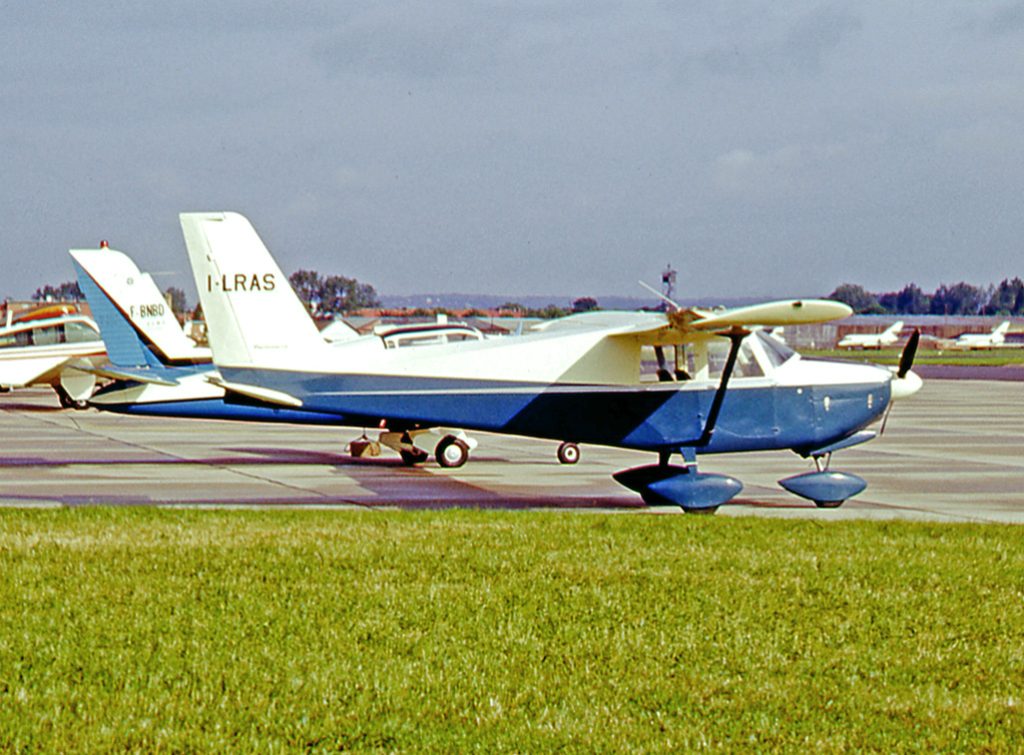
The Partenavia Oscar shares a striking resemblance to the highly successful Cessna 172 Skyhawk general aviation training aircraft. Several variants of the aircraft were built, including the 180-horsepower Lycoming O-360-A1A-powered Oscar 180 and the 200-horsepower Lycoming O-360-A1B-powered Oscar 200. Oscars were primarily flown by the Aero Club d’Italia. South Africa also made use of the aircraft; 21 Oscars were delivered to the country and assembled by AFIC Limited. These Oscars were marketed as the AFIC RSA 200 Falcon. A fully aerobatic version of the Oscar was first flown in January 1976, the P.66C Charlie. Partenavia built 96 P.66Cs and 312 Oscars in total. The Partenavia P.66C-160 Charlie was powered by the 160-horsepower Lycoming O-320-H2AD 4-cylinder horizontally-opposed engine. The aircraft had space for three passengers along with the single pilot. The P.66C could cruise between 128 and 135 mph, and attain a maximum airspeed of 150 mph. Dirty stall speed was 51 mph, while a clean stall would be met at 61.2. P.66Cs had a range of 461 nautical miles at max cruise power, an endurance of 3 hours and 54 minutes. The aircraft had a service ceiling of 14,990 feet and could climb at a rate of 949 feet per minute.