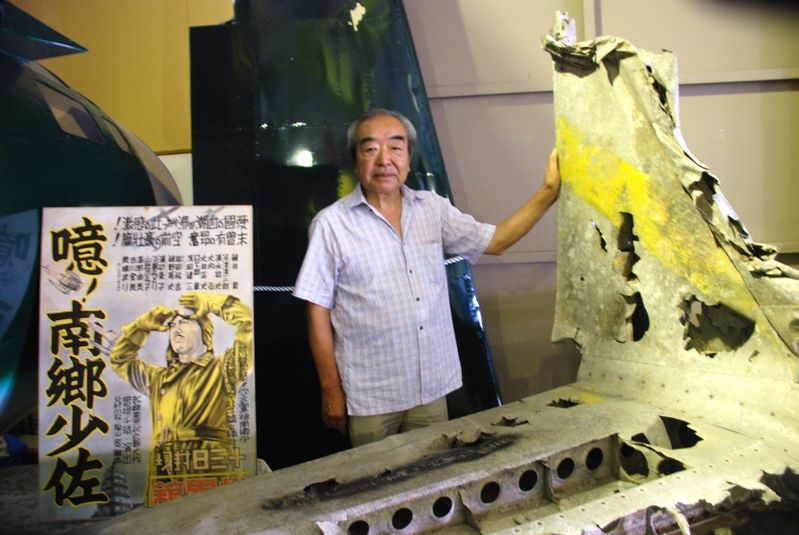
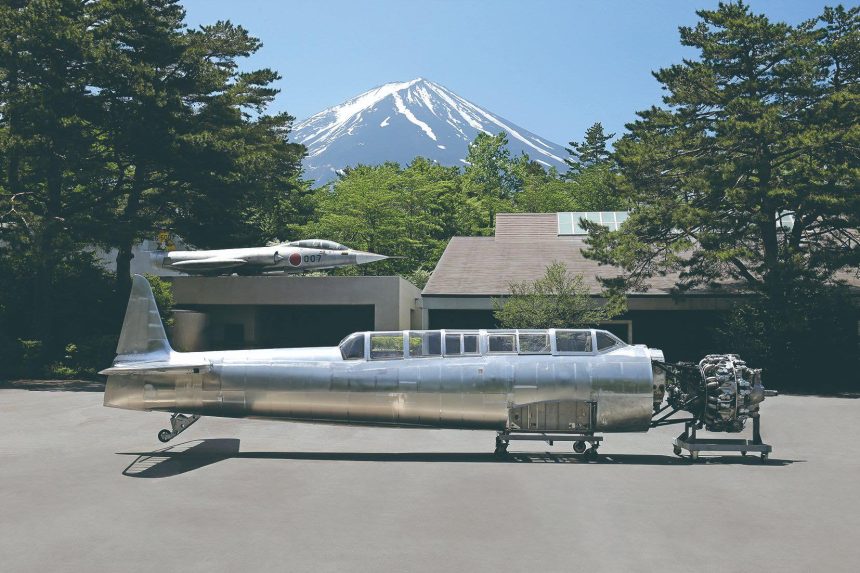

Restoration of the Kawaguchiko Motor Museum/Fighter Museum’s exceptionally rare Nakajima C6N1 Model 11 Saiun has reached another significant stage, with substantial progress made on the aircraft’s engine mount and cowling. Located near Mount Fuji in Narusawa, Yamanashi Prefecture, the privately operated museum welcomed visitors during its customary month-long opening in August. Curated by former racing driver and automotive businessman Nobuo Harada, the collection is generally accessible to the public for only one month each year. As Vintage Aviation News reported in its previous feature on the museum, the collection encompasses vintage automobiles and some of Japan’s rarest surviving WWII aircraft. Among its most historically significant projects is the ongoing reconstruction of the Nakajima C6N1 Saiun, known to Allied forces by the reporting name “Myrt.”
(Image credit: Kawaguchiko Motor Museum/Fighter Museum)
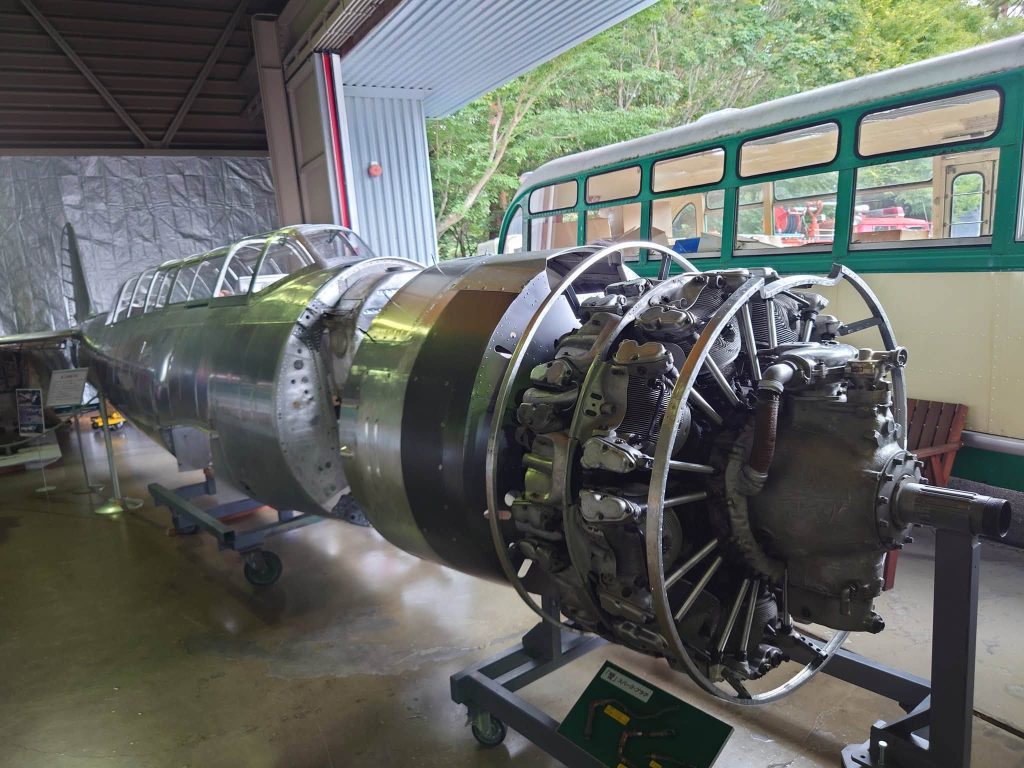
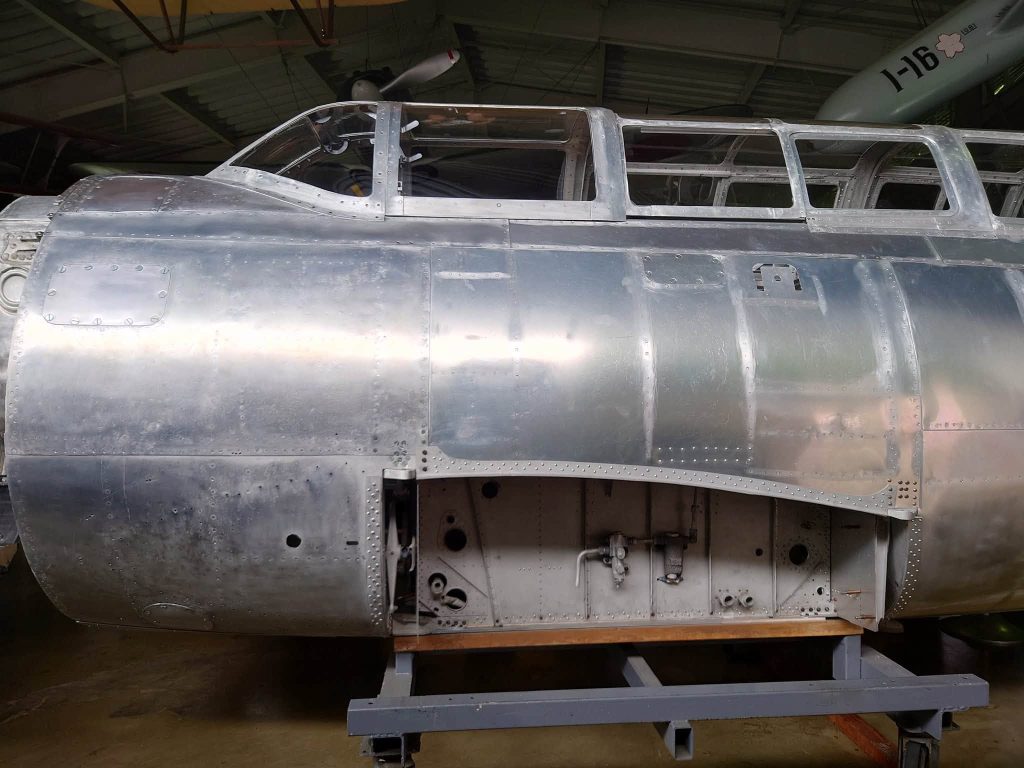
Work on the aircraft has progressed steadily since 2021, and the museum’s limited annual opening gives returning visitors an unusual opportunity to follow the project from one stage to the next. Photographs taken in 2021, 2023, 2025, and 2026 document the gradual transformation of the surviving airframe as additional components have been restored and installed. During this year’s opening, visitors were able to examine the aircraft with its engine-mount structure exposed—a view that may not be available again once restoration advances. According to reports from museum visitors, the current phase of the project is focused on completing the engine mount and cowling. The museum reportedly plans to reassemble the aircraft more fully next year.
(Image credit: Kawaguchiko Motor Museum/Fighter Museum)
The Saiun, whose name is commonly translated as “Iridescent Cloud” or “Painted Cloud,” was developed as a high-speed, carrier-based reconnaissance aircraft for the Imperial Japanese Navy. The prototype first flew on May 15, 1943, and the type entered operational service during 1944. By that stage of the Pacific War, Japan’s carrier force had sustained severe losses, and the Saiun consequently conducted much of its operational flying from land bases. Powered by a Nakajima Homare radial engine, the streamlined reconnaissance aircraft could reach approximately 380 mph at 20,000 feet, making it difficult for many Allied fighters to intercept. The Kawaguchiko aircraft was abandoned at the end of WWII near Moen No. 1 Airfield on Weno Island in Chuuk, formerly known as Truk. The airframe remained there for many years before being salvaged and eventually acquired by a private owner in the United States. Harada purchased the remains in 2015 and returned them to Japan for restoration.
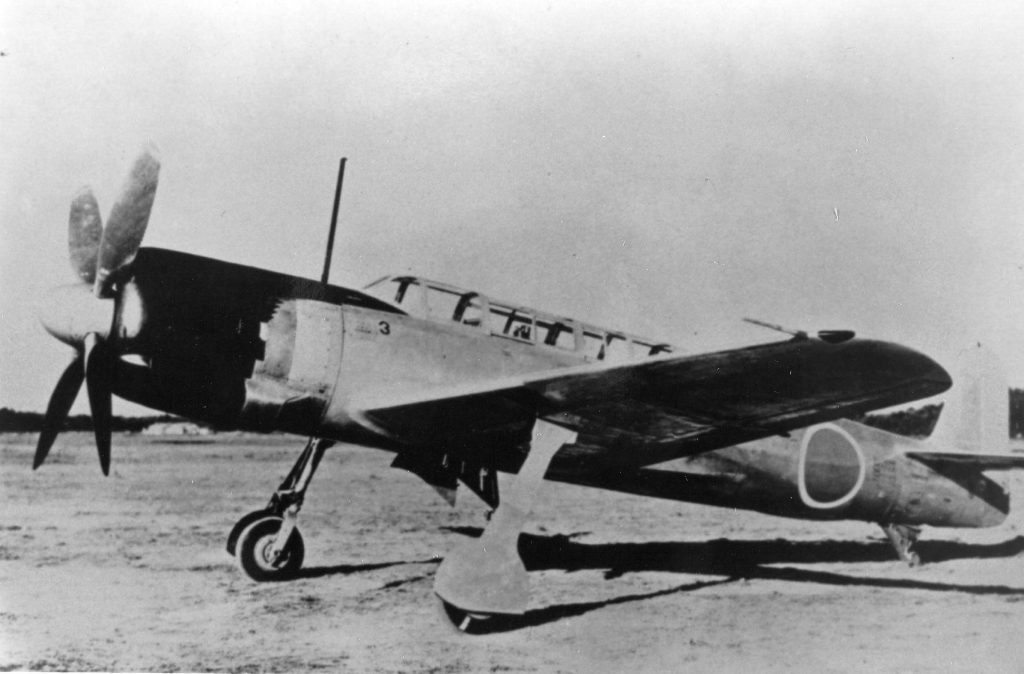
The reconstructed, unpainted fuselage was placed on public display at Kawaguchiko in August 2023, allowing visitors to observe the restoration while work continued. Its survival is especially significant because very few examples of the type remain. Another C6N1, configured as a night fighter, was captured in Japan following the war and transported to the United States for evaluation. That aircraft is held by the Smithsonian’s National Air and Space Museum and remains in storage at the Paul E. Garber Preservation, Restoration, and Storage Facility in Suitland, Maryland. The wreckage of another Saiun remains submerged in Chuuk Lagoon.
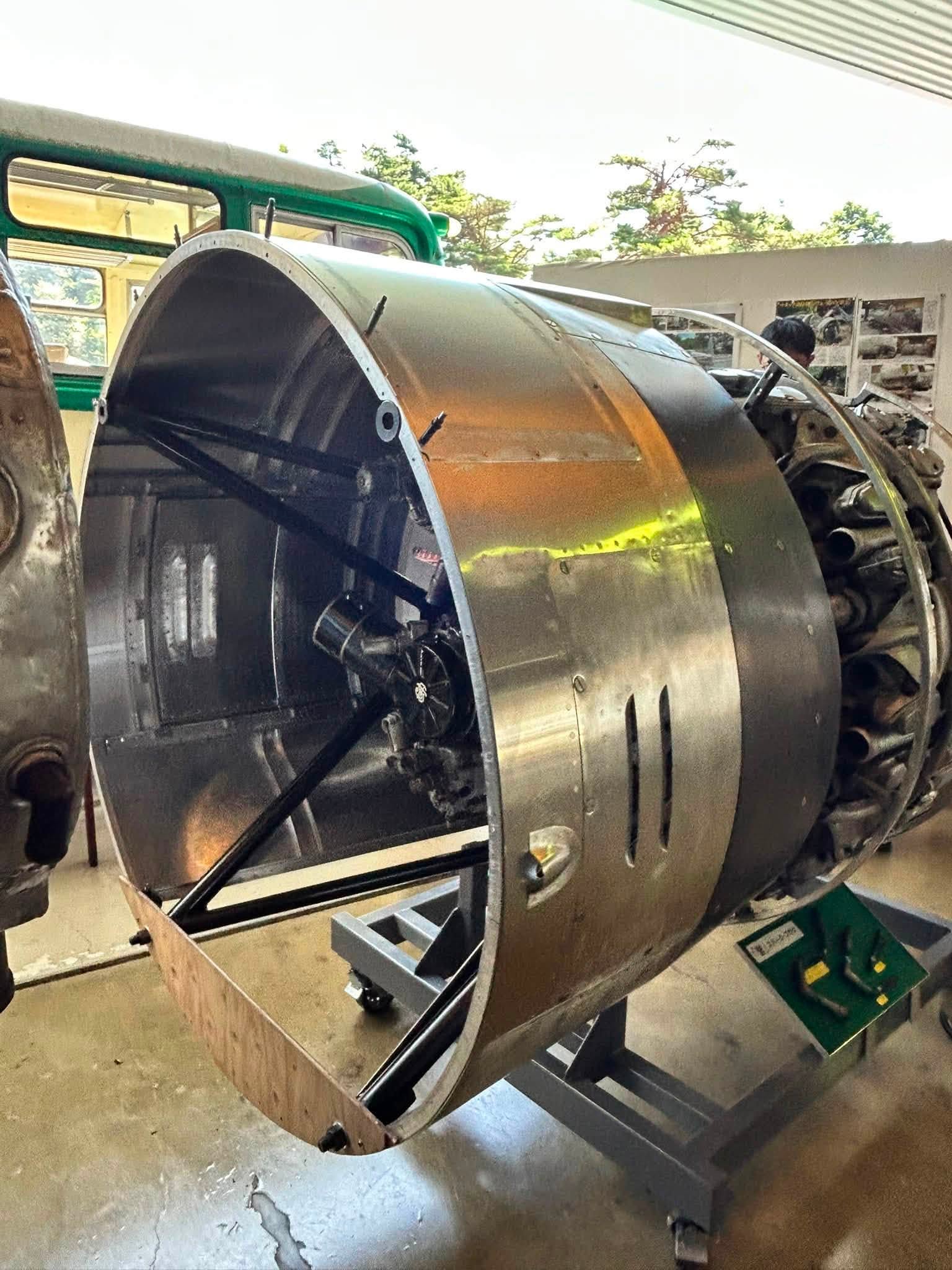
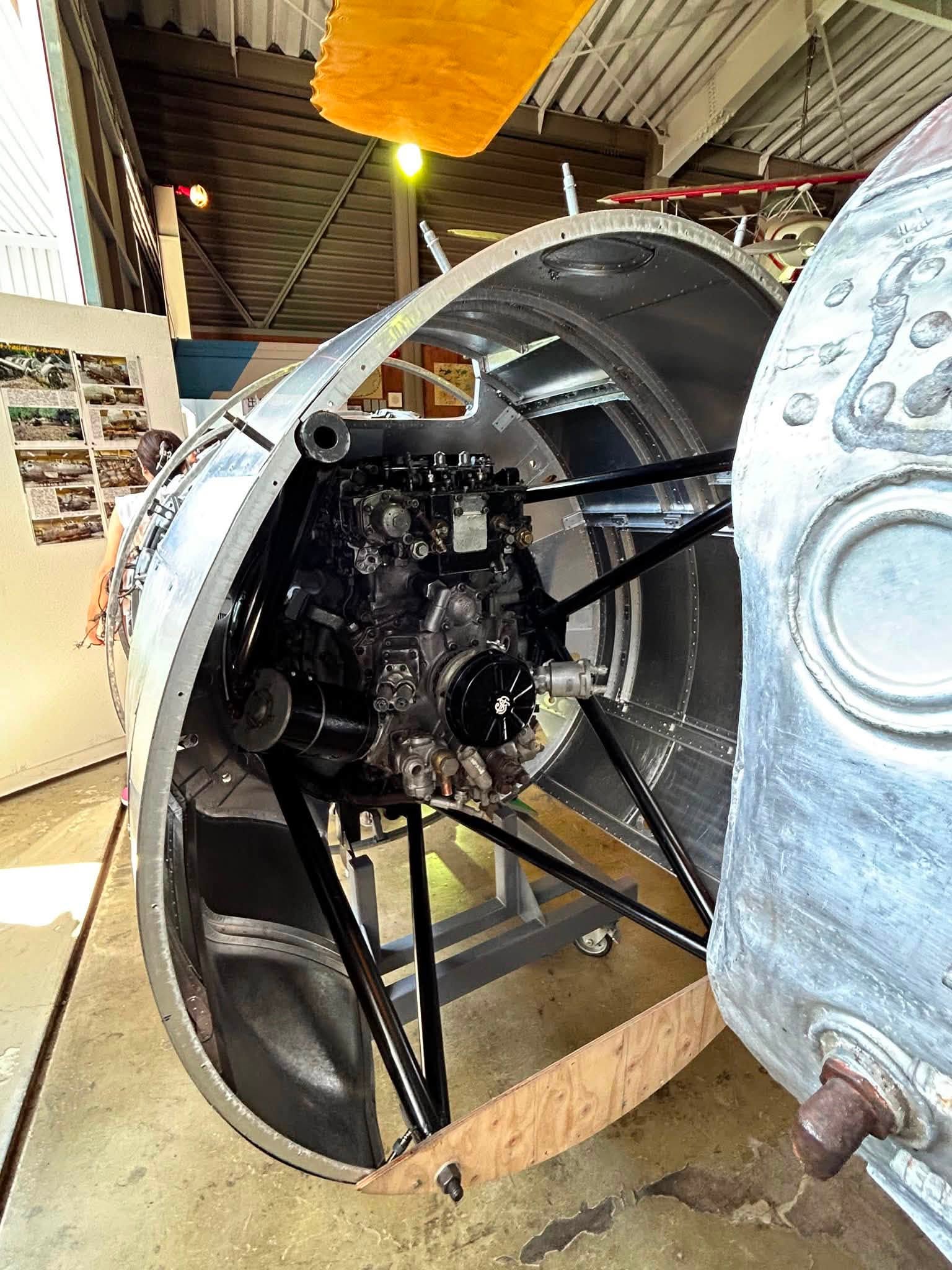
Harada has spent decades preserving examples of Japan’s wartime aviation heritage. His museum’s aircraft collection includes several Mitsubishi A6M Zero fighters recovered from Yap Island, two restored Nakajima Ki-43 Hayabusa fighters, and a reconstructed Mitsubishi G4M bomber incorporating an original tail section. While the Kawaguchiko Motor Museum/Fighter Museum’s short opening season limits opportunities to see the collection, it also allows restoration work to continue during the remainder of the year. For repeat visitors, the evolving condition of the Saiun has become one of the museum’s principal attractions, providing a rare chance to witness the long-term reconstruction of an aircraft type that has nearly disappeared from aviation history. As previously stated, the Kawaguchiko Motor Museum/Fighter Museum is only open during August, with operating hours from 10am to 4pm. If you do make it to Japan during August, be sure to put this museum on your itinerary. For more information, visit www.car-airmuseum.com.