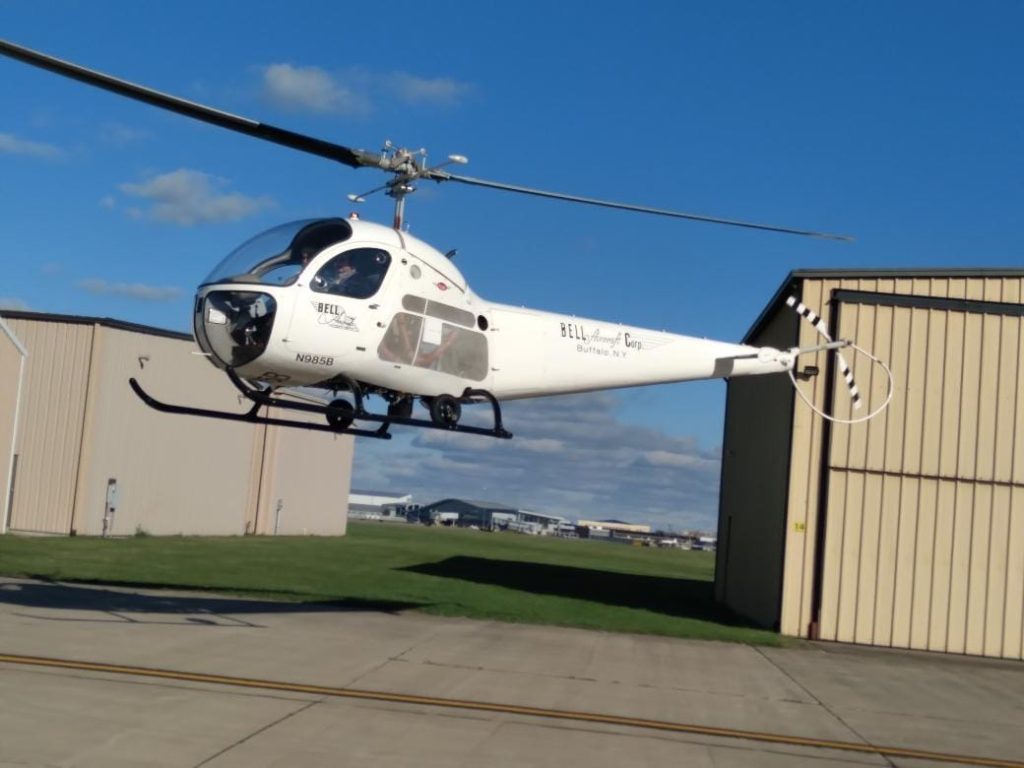
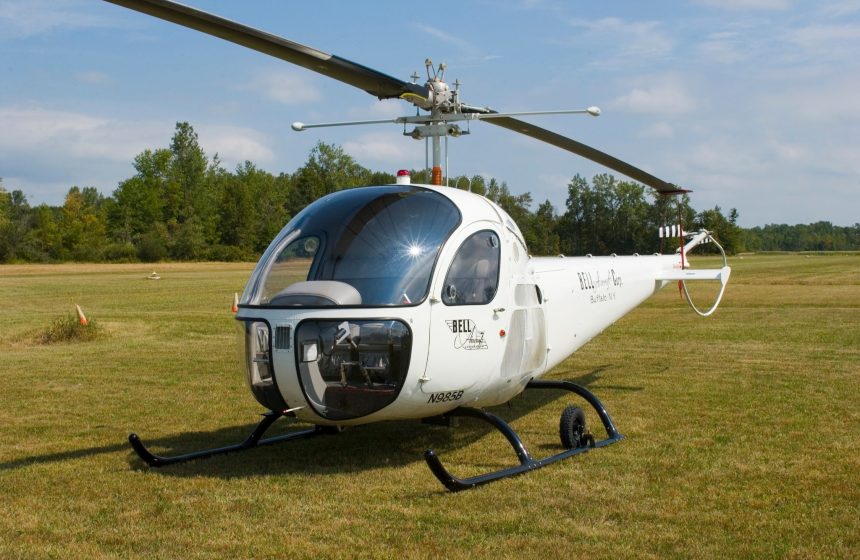

In the mid-1950s, Bell Helicopter set out to transform rotary-wing aviation with a bold idea: a helicopter designed not just for utility, but for comfort, style, and executive travel. The Bell Model 47H-1 was the result—an aircraft ahead of its time, and one that would later owe its survival to the dedication of a single restorer: Paul D. Faltyn. The Bell 47H-1 represented a major evolution from earlier Bell designs. With a streamlined fuselage, enclosed tail boom, and a refined cabin interior, it was among the first helicopters aimed at business and passenger markets rather than purely industrial use. Despite its innovations—improved aerodynamics, quieter cabin, and automobile-style seating—the aircraft struggled commercially. Only 33 examples were ever produced, making it one of the rarest Bell helicopters.
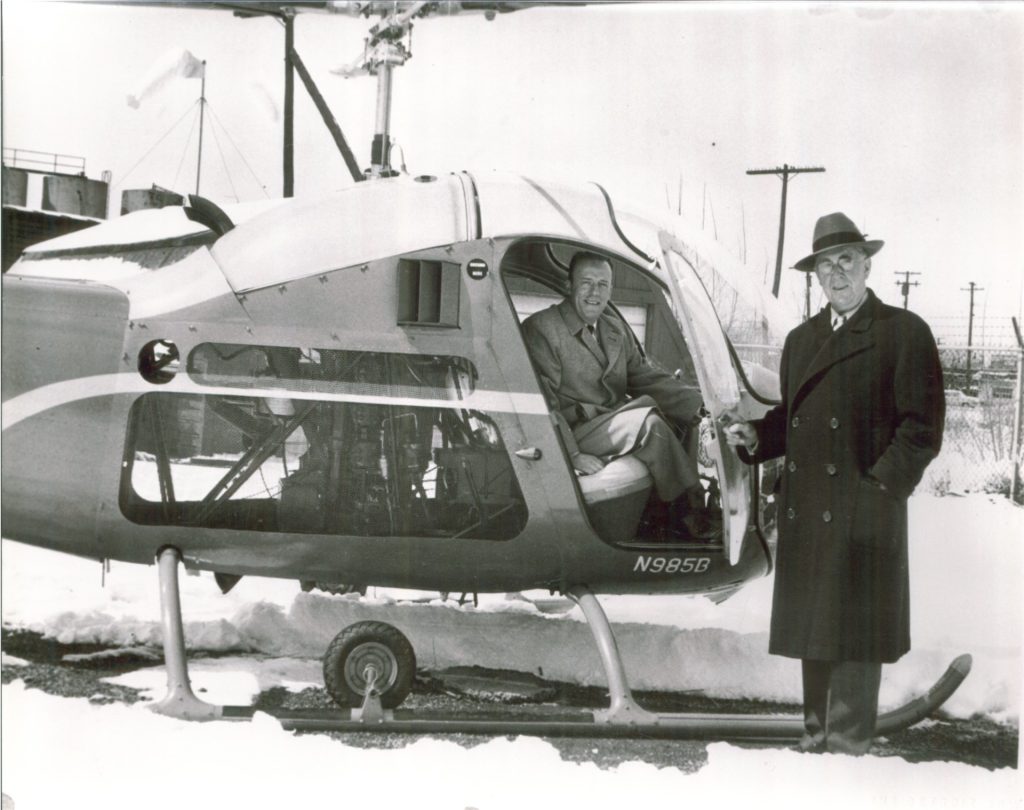
For Paul D. Faltyn, the Bell 47H-1 was more than just a rare aircraft—it was a mission to preserve a nearly forgotten piece of aviation history. Faltyn was no stranger to restoration work. With experience restoring warbirds, he brought both technical knowledge and a deep appreciation for historic aircraft to the project. When he first encountered the Bell 47H-1 (serial number 1362, N985B) in Denton, Texas, he immediately recognized both its rarity and its vulnerability. The helicopter had been sitting idle in a pole barn for 13 years. While many would have seen a deteriorating relic, Faltyn saw potential—and responsibility. As he later reflected, many early helicopters had already been lost because museums and collectors overlooked them. He was determined that this one would not meet the same fate.
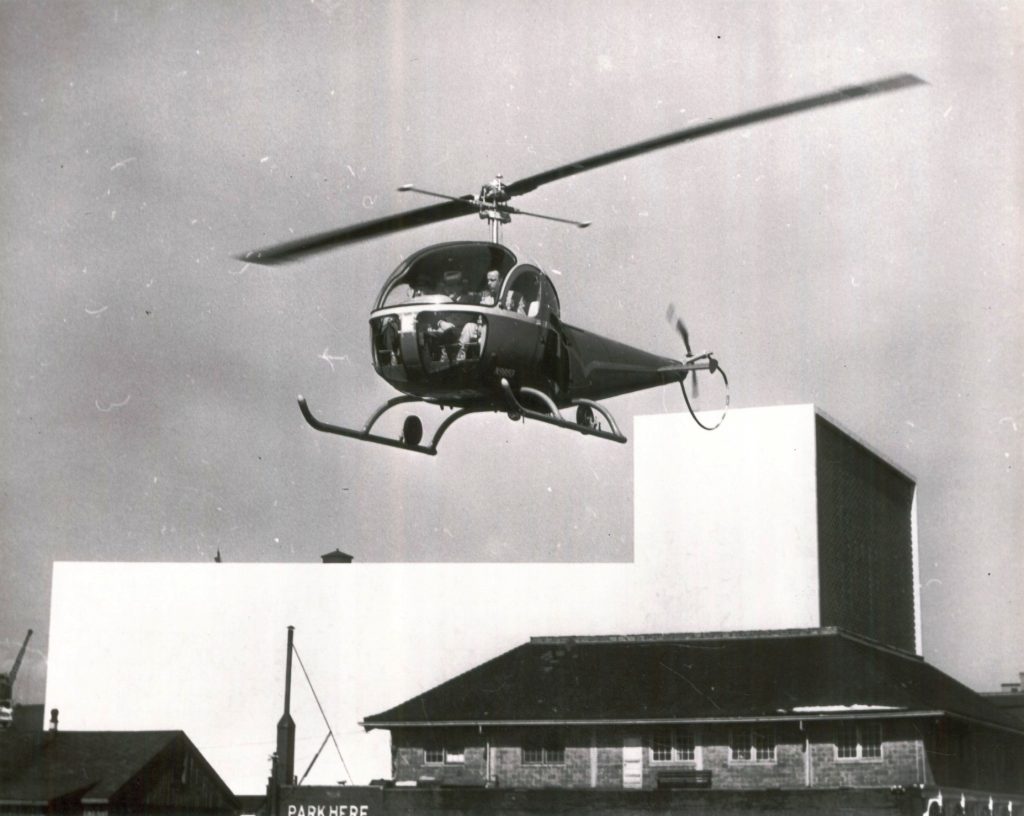
After inspecting the aircraft and even briefly hovering it, Faltyn entered negotiations with the owner. The process was not easy; the helicopter’s rarity was weighed against the significant cost of a full restoration—estimated between $75,000 and $100,000. Ultimately, a deal was reached, and Faltyn transported the helicopter back to Niagara Falls, New York—just half a mile from the original Bell Aircraft plant. The location added a symbolic dimension to the project, bringing the aircraft back to its roots.
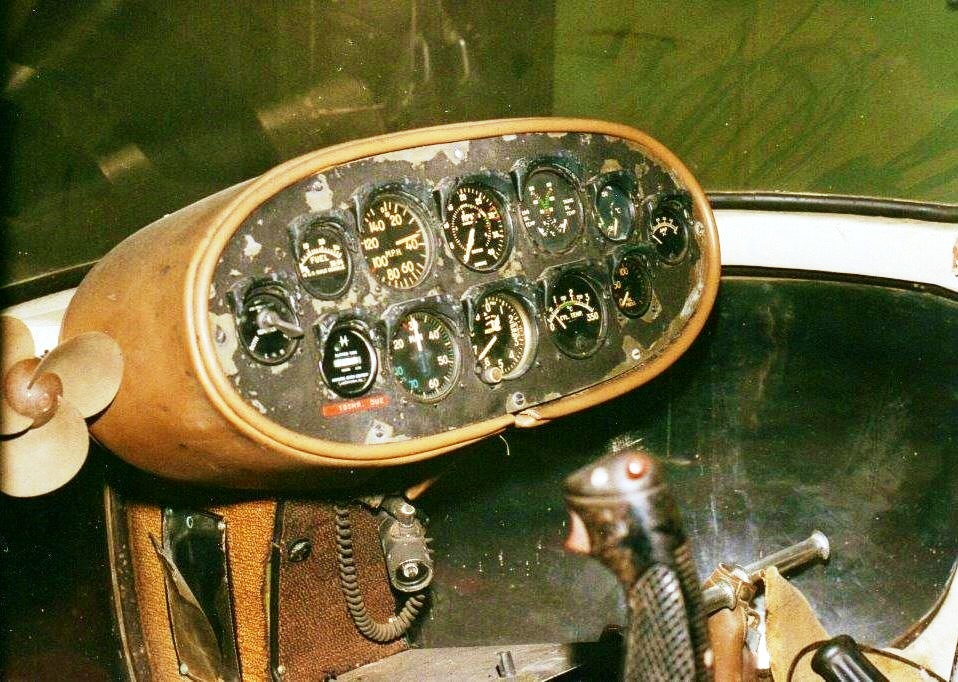
What followed was not a simple restoration, but a painstaking, years-long effort that reflected Faltyn’s persistence and leadership. Initially estimated at three to four years, the project stretched to more than ten. Faltyn assembled a small but skilled team, including experienced Bell 47 mechanics and industry friends who contributed their time, expertise, and even long-distance travel to source parts and equipment. Under Faltyn’s direction, the helicopter was completely disassembled. Every component—from the engine and transmission to the smallest fittings—was inspected, repaired, or replaced. New wiring, hydraulics, control systems, and avionics were installed, ensuring both authenticity and airworthiness. One of the greatest challenges was recreating the unique bubble canopy specific to the H-1 model. Faltyn collaborated with an engineer specializing in Plexiglas enclosures to reproduce the original design—an effort that required precision measurement and custom fabrication.
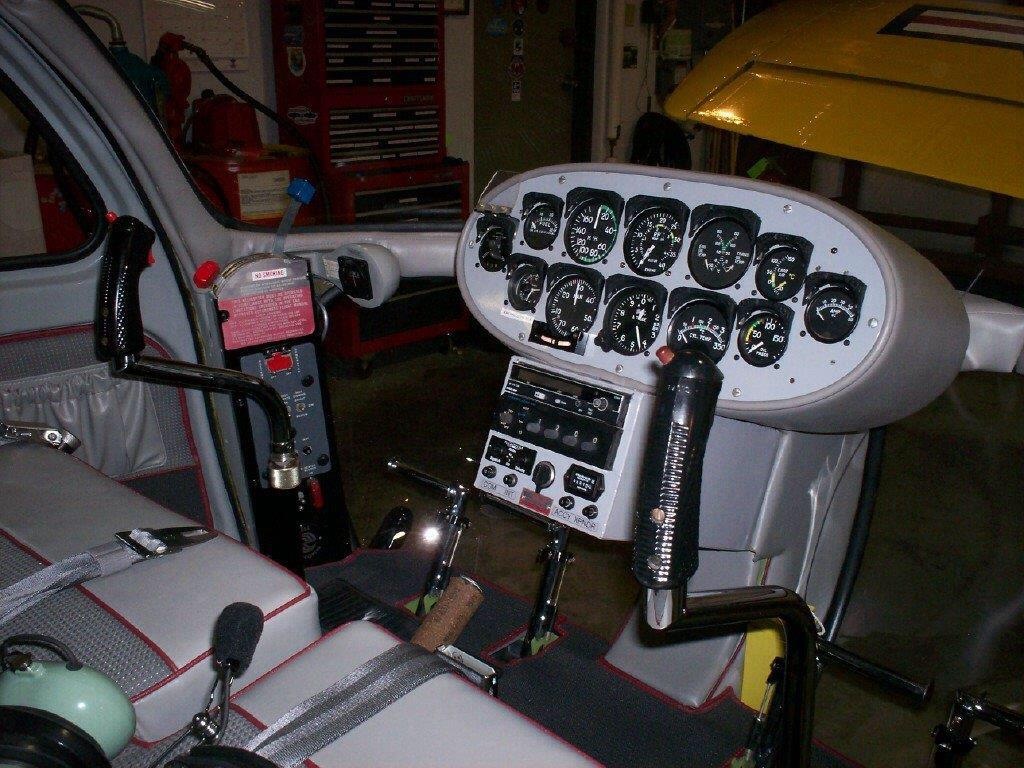
Faltyn’s restoration was not a solo endeavor—it was a community effort driven by shared passion. Friends in the aviation industry helped locate rare tooling, transport parts, and assist in complex assembly tasks. Even details like the paint scheme and markings were handled with historical accuracy, with Bell Helicopter providing guidance on period-correct decals and placards. The result was not just a restored aircraft, but a faithful recreation of a 1950s executive helicopter. After years of work, the helicopter was ready. Faltyn oversaw ground testing, engine break-in, and rotor balancing before moving on to hover and taxi trials. Minor adjustments and troubleshooting followed, but the aircraft proved sound. Then came the defining moment: the first full flight. On a calm, clear day, Faltyn lifted the Bell 47H-1 into the air for the first time in over two decades. He flew it for 30 minutes, circling the historic Bell Aircraft plant—a deeply personal and symbolic achievement.
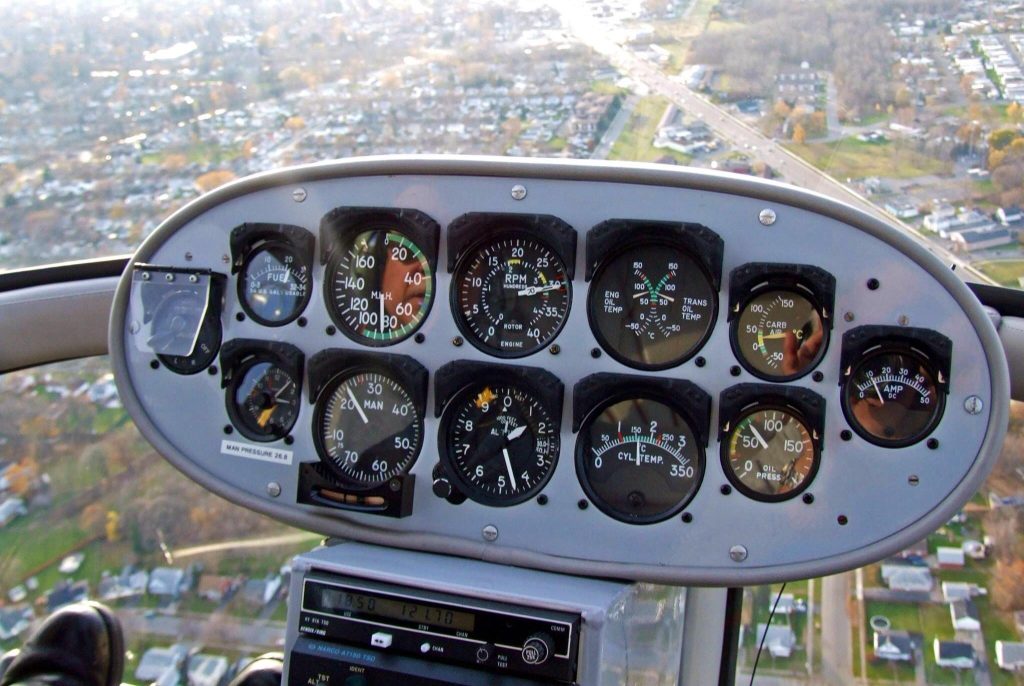
Today, Paul Faltyn continues to share the aircraft with the public, flying it to airshows, fly-ins, and aviation events. The helicopter consistently draws attention—not only because of its rarity, but because of the story behind it. For Faltyn, the restoration was more than a technical challenge—it was an act of preservation. He recognized that without intervention, this rare aircraft might have been lost forever. “I knew I had to save it for future generations,” he reflected—a statement that captures the spirit behind the entire project. The Bell 47H-1 may not have succeeded commercially, but it marked an important step in the evolution of executive aviation. Today, thanks to Paul Faltyn’s dedication, one of these rare machines not only survives—but flies. His work stands as a reminder that aviation history is not just preserved in museums, but in the hands of those willing to restore, maintain, and share it with the world.