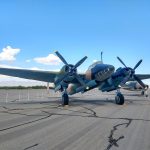
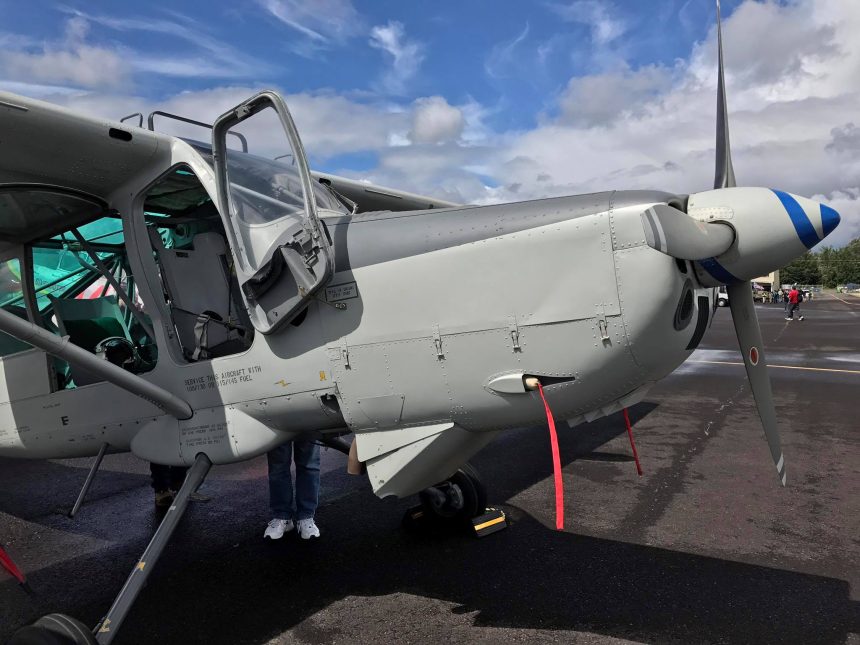

Since his childhood, Randy Malmstrom has had a passion for aviation history and historic military aircraft in particular. He has a particular penchant for documenting specific airframes with a highly detailed series of walk-around images and an in-depth exploration of their history, which have proved to be popular with many of those who have seen them, and we thought our readers would be equally fascinated too. This installment of Randy’s Warbird Profiles takes a look at an example of an Aermacchi AM.3CM Bosbok observation aircraft.
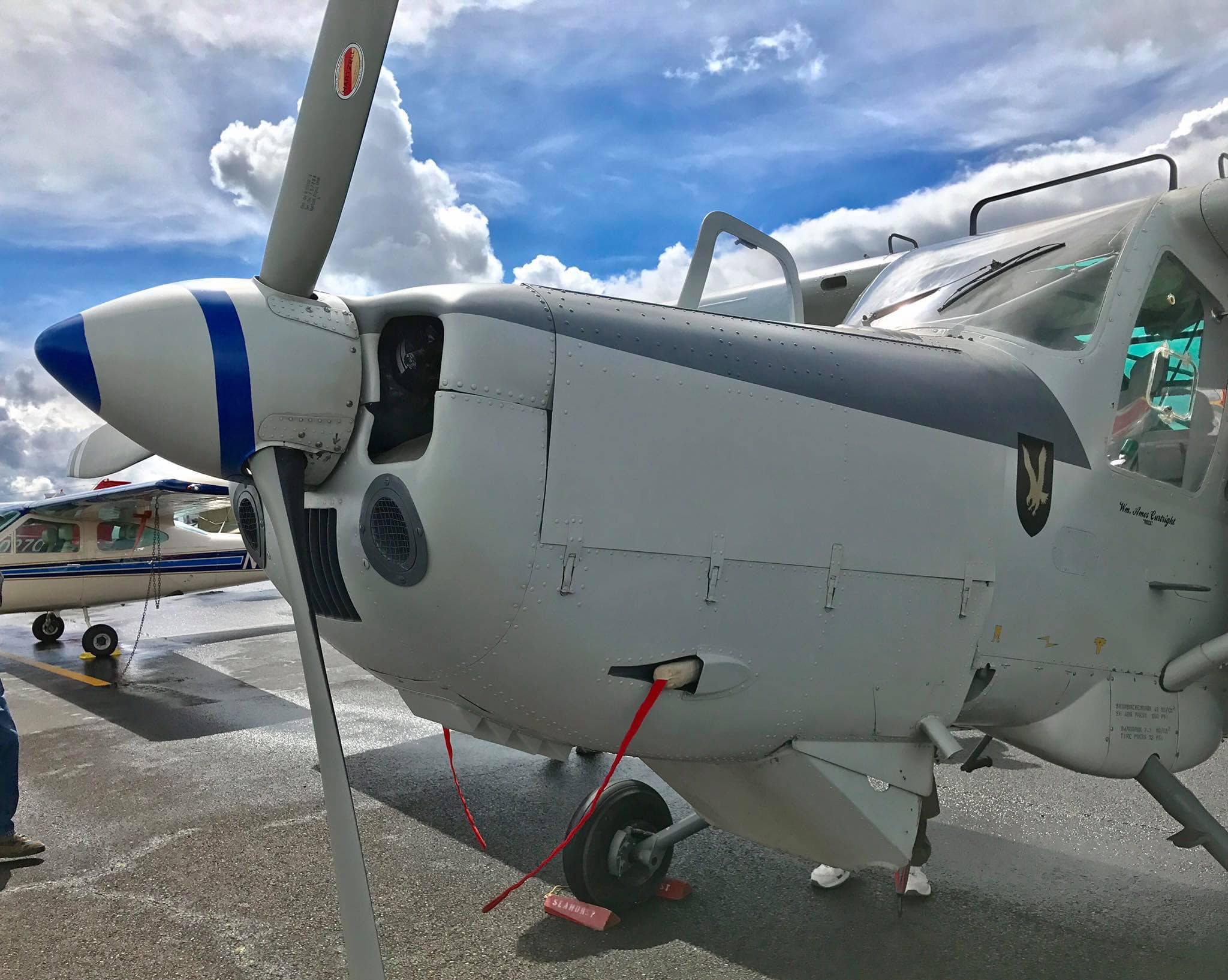
Aermacchi AM.3CM Bosbok (Bush-buck), s/n 949, N949CM. This particular airworthy aircraft is in the markings of 42 Squadron “Per Spicimus” (We Survey) of the South African Air Force, based at Potchefstroom, South Africa. The most recent owner listed is David A. Hoelscher in Kernville, Texas*.
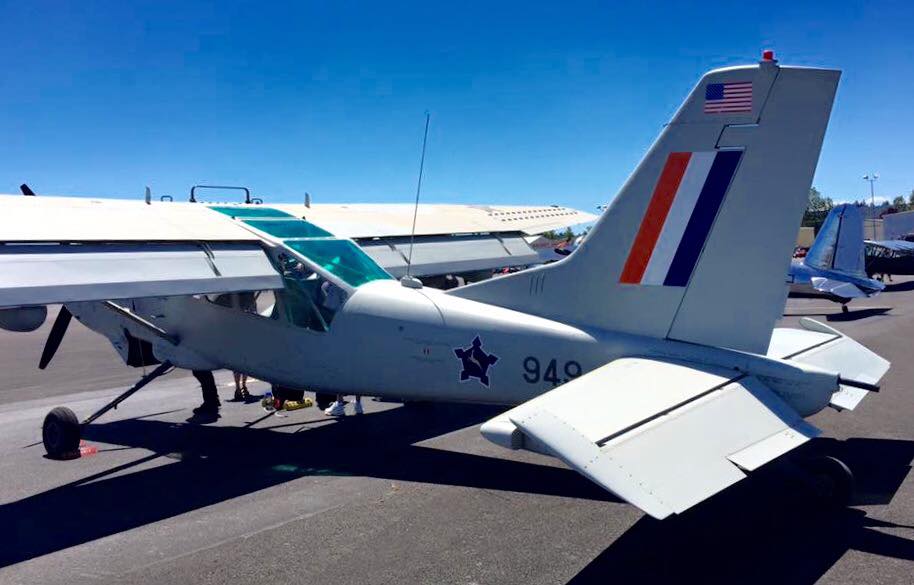
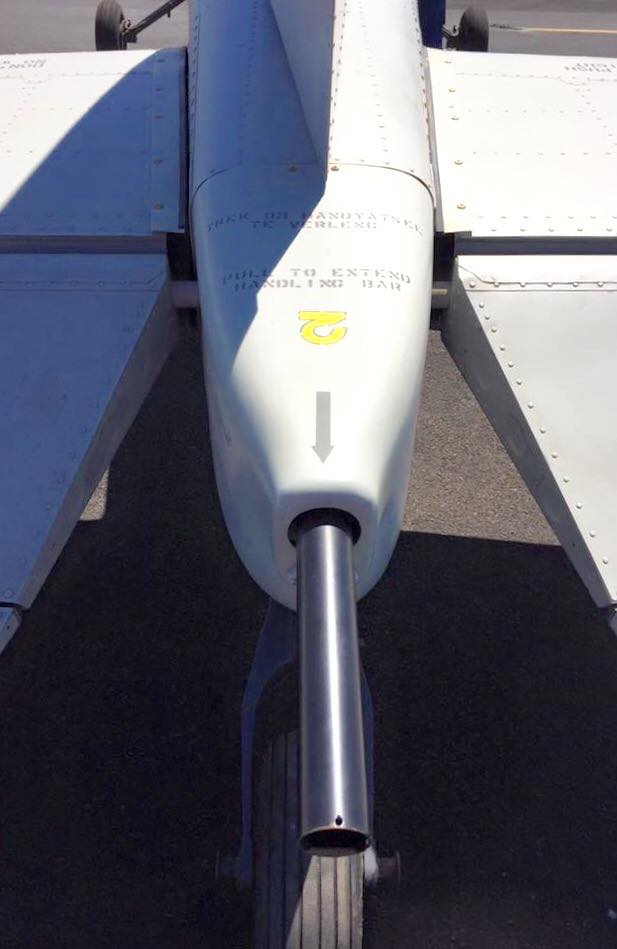
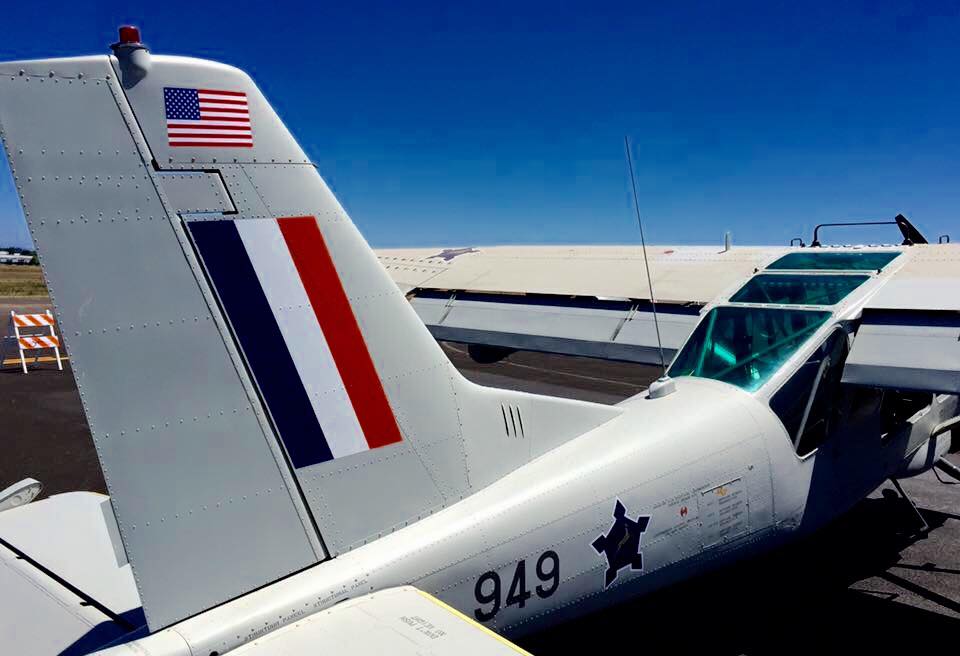
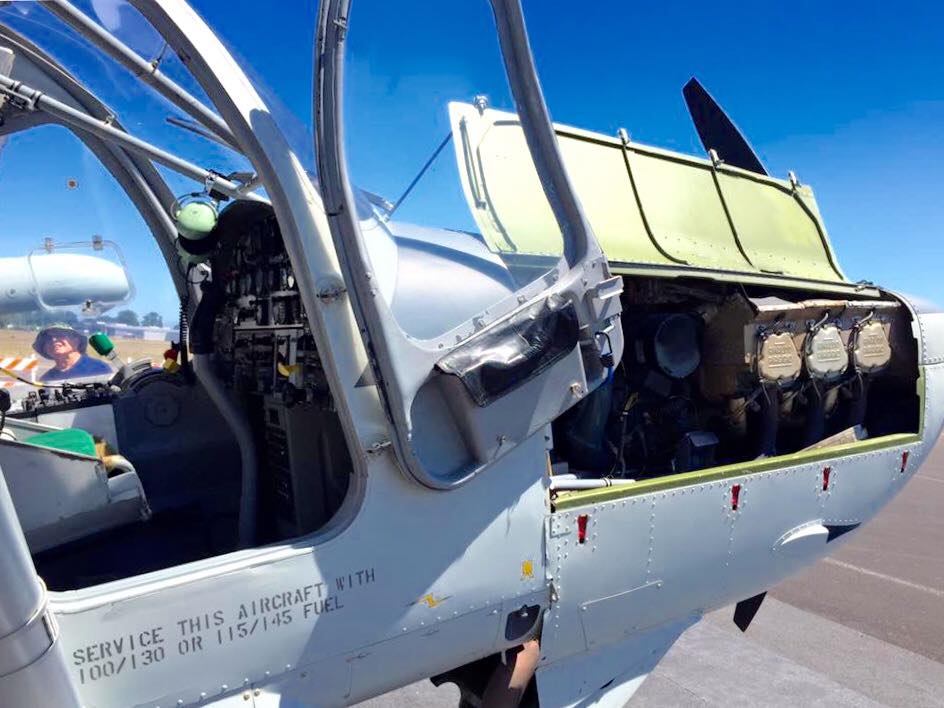
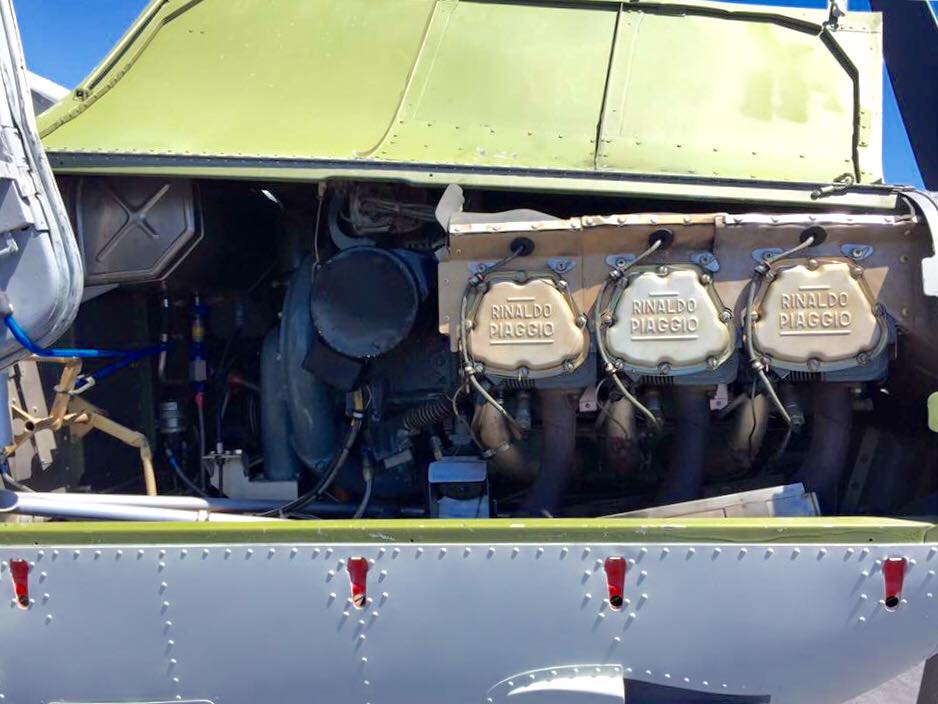
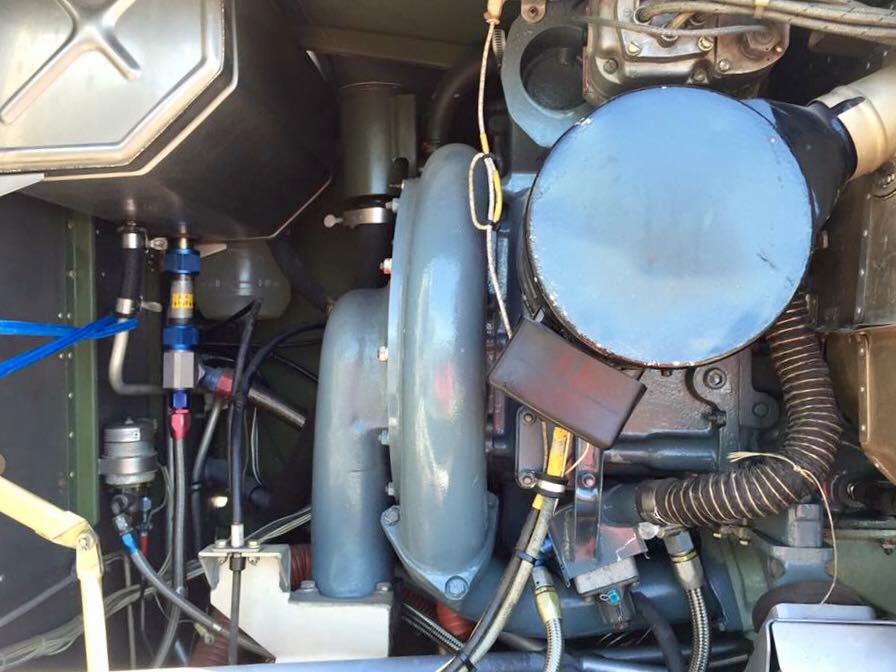
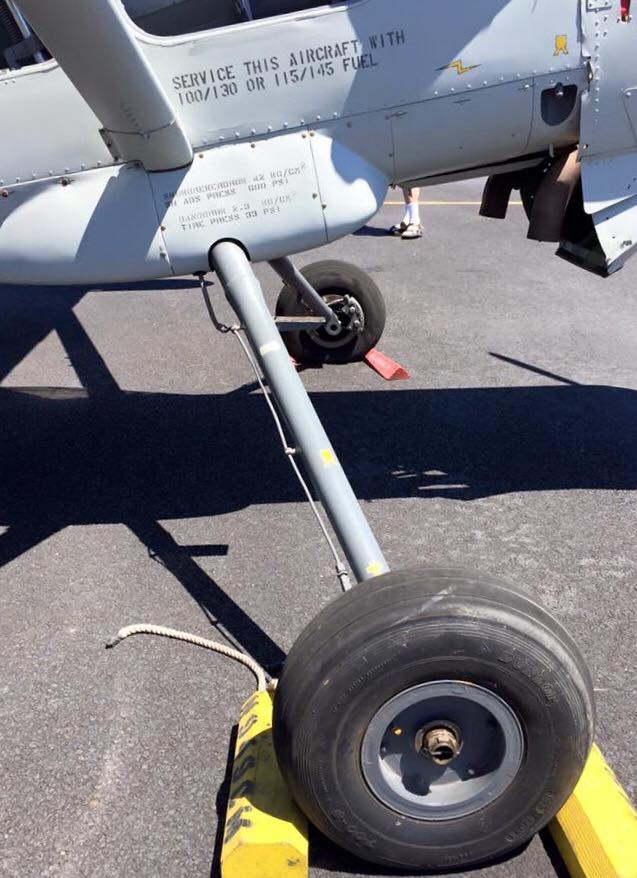
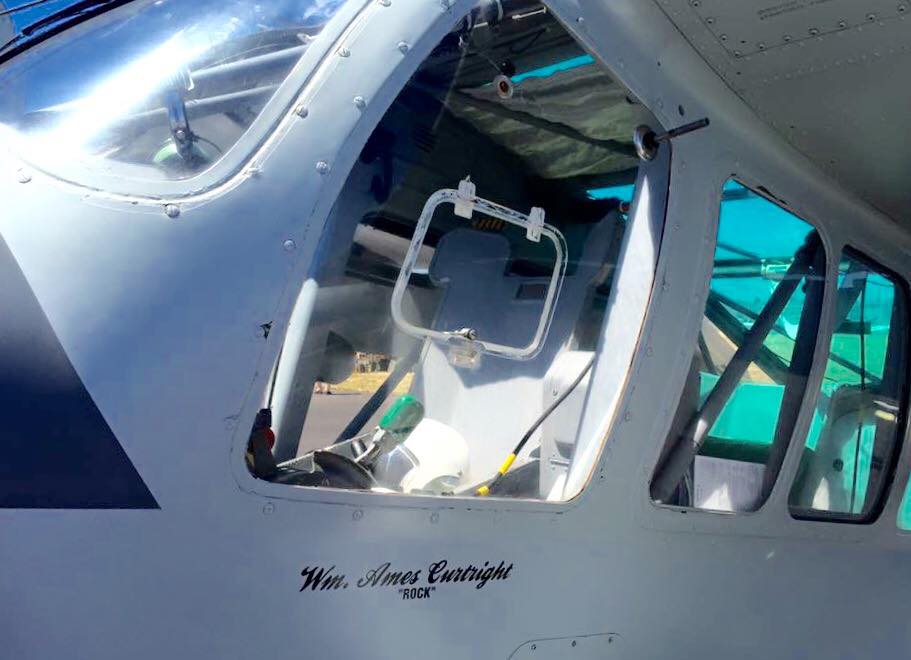
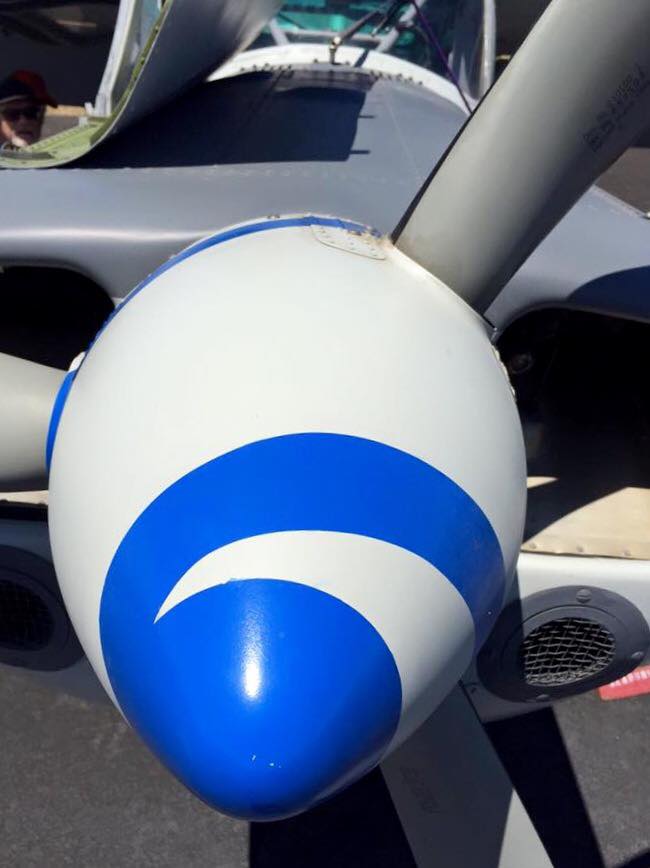
The Aermacchi aircraft company was founded in 1912 by Giulio Macchi, and in 2003, the company became a division of Alenia Aermacchi. After World War II, the company built motorcycles, and in 1960, Harley-Davidson purchased half of the company; the other half was bought by AMF-Harley-Davidson. Introduced in the late 1960’s and retired from production by 1992, the Aermacchi AM. 3 was built by a joint venture between Aermacchi and Aeritalia in response to the Italian Army’s request for an STOL aircraft replacement for the Cessna L-19/O-1 “Bird Dog” it had used as an observation/liaison aircraft. Deliveries of forty aircraft with serial numbers 920-959 to the 41 and 42 Squadrons of the South African Air Force took place between May 1972 and December 1974 as the AM.3CM Bosbok and was used for target marking/fire control, liaison, medical evacuation, reconnaissance and radio relay. The aircraft was also flown by the Republic of Rwanda.
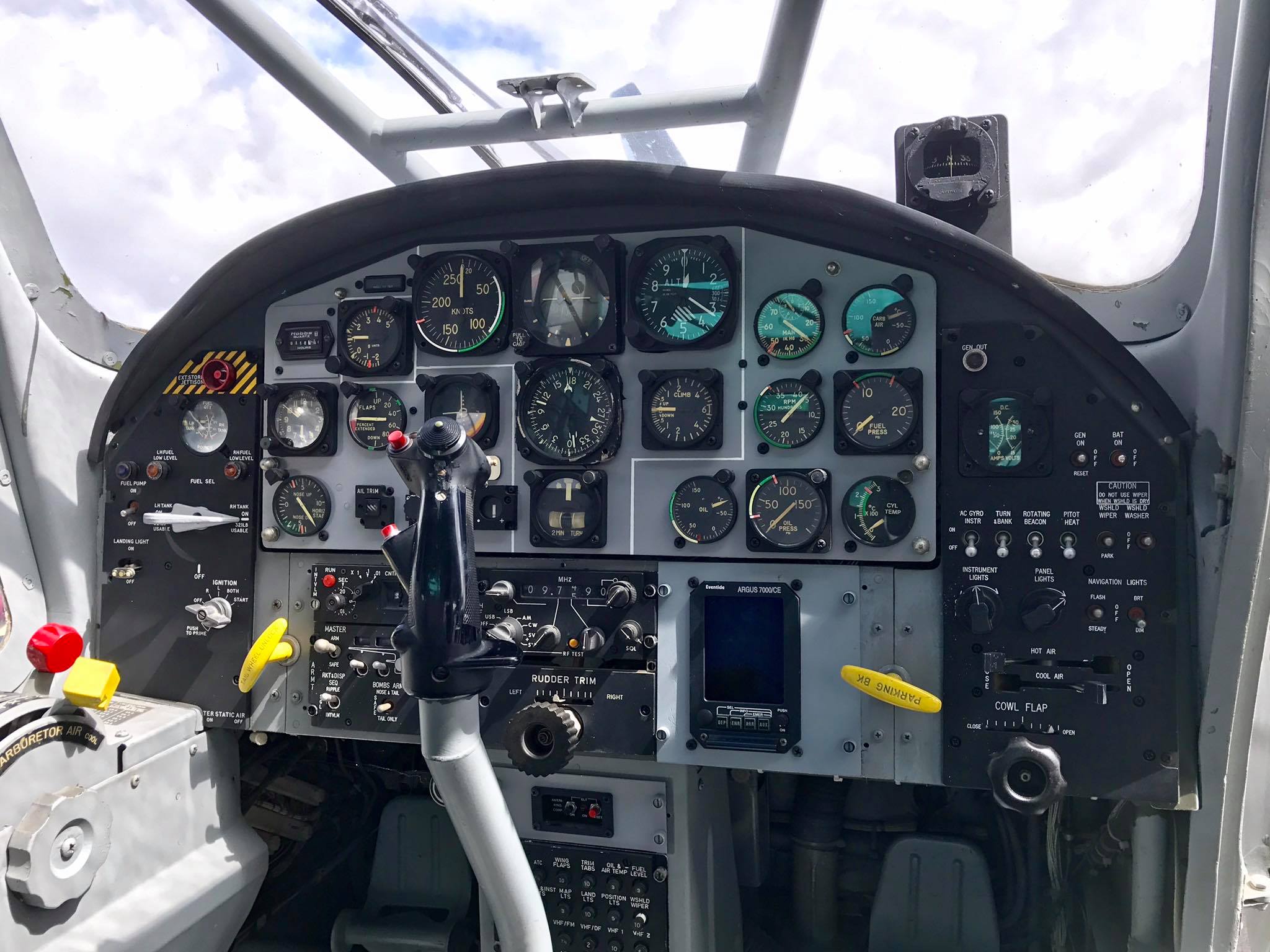
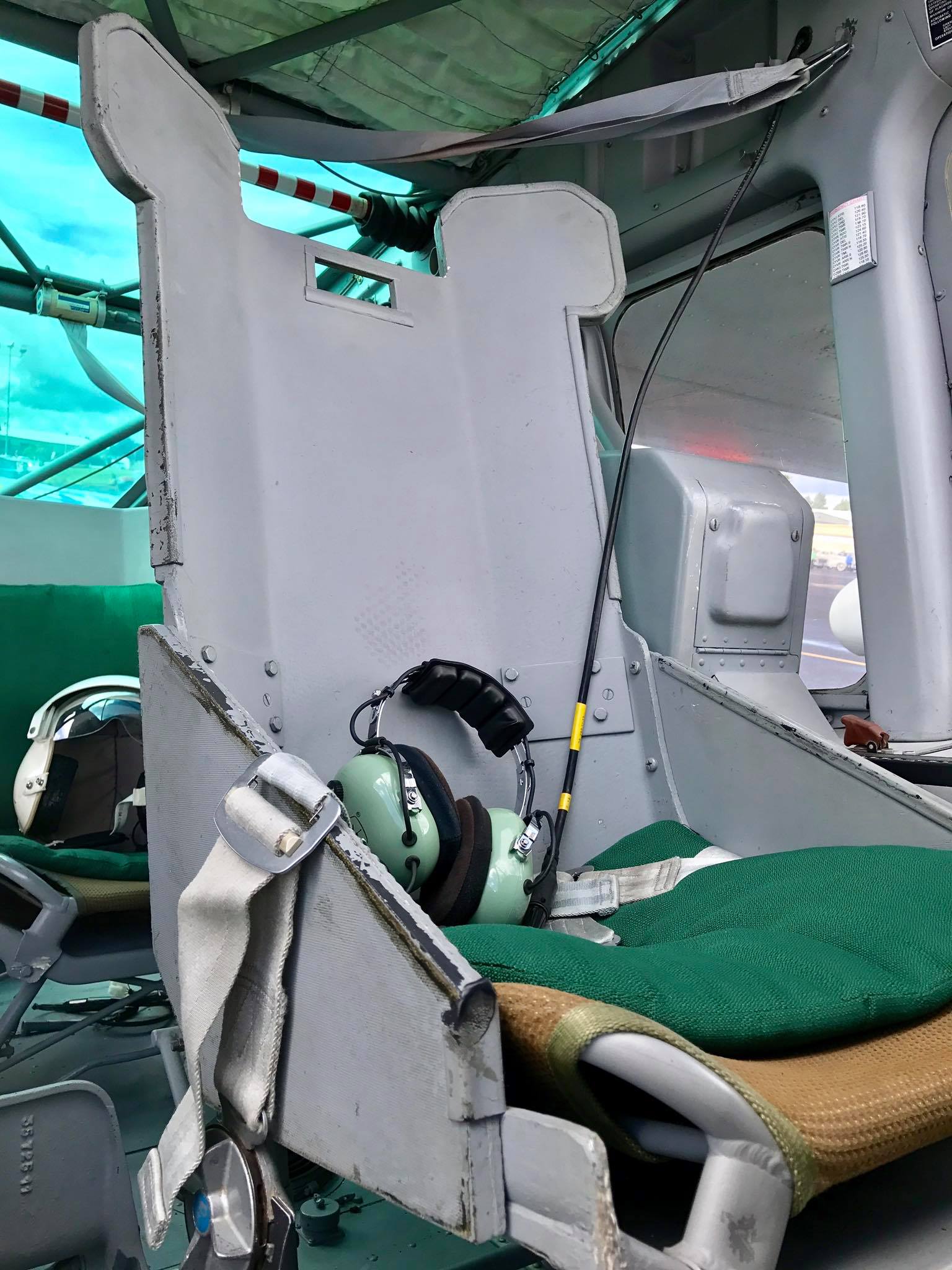
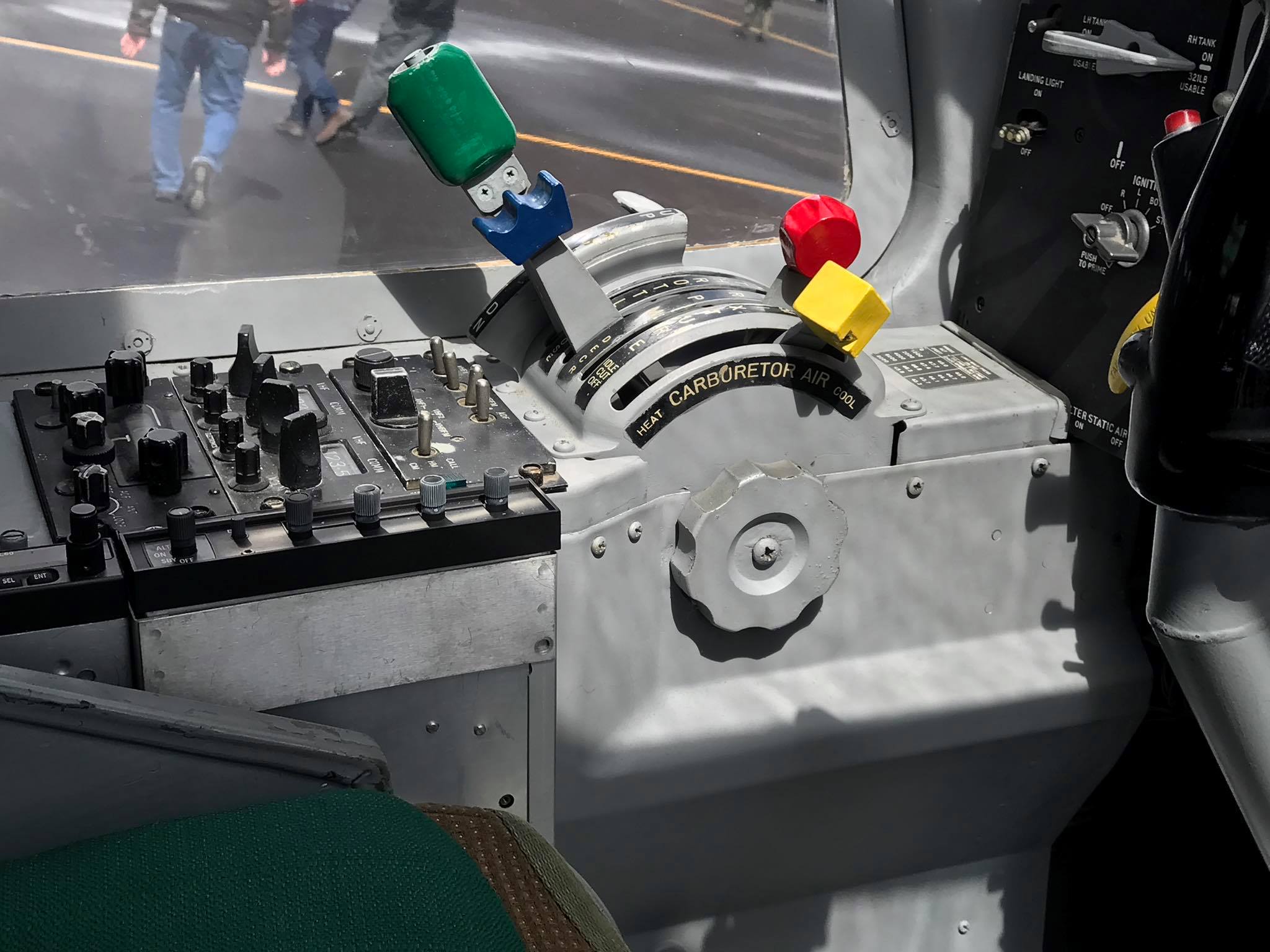
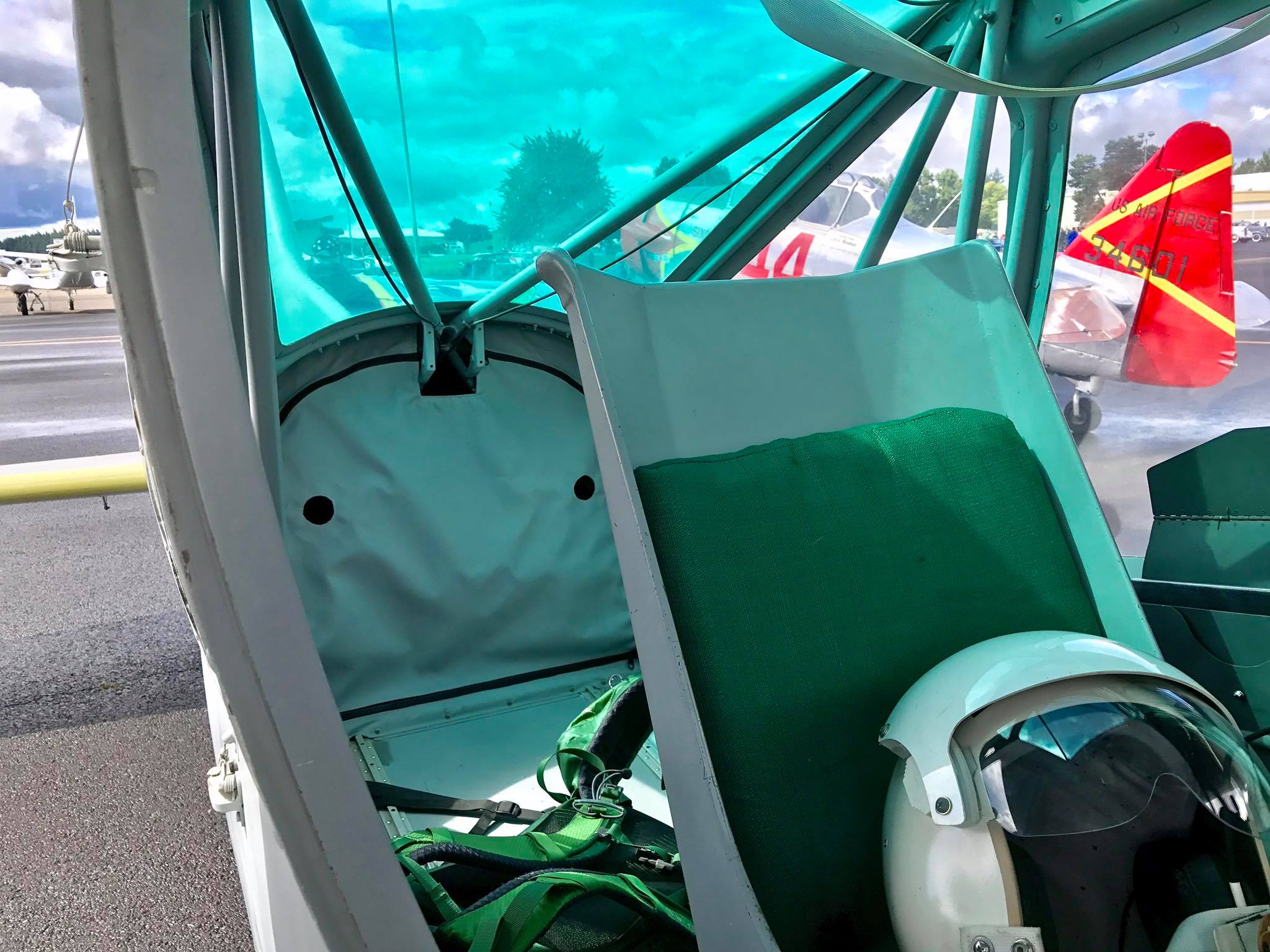
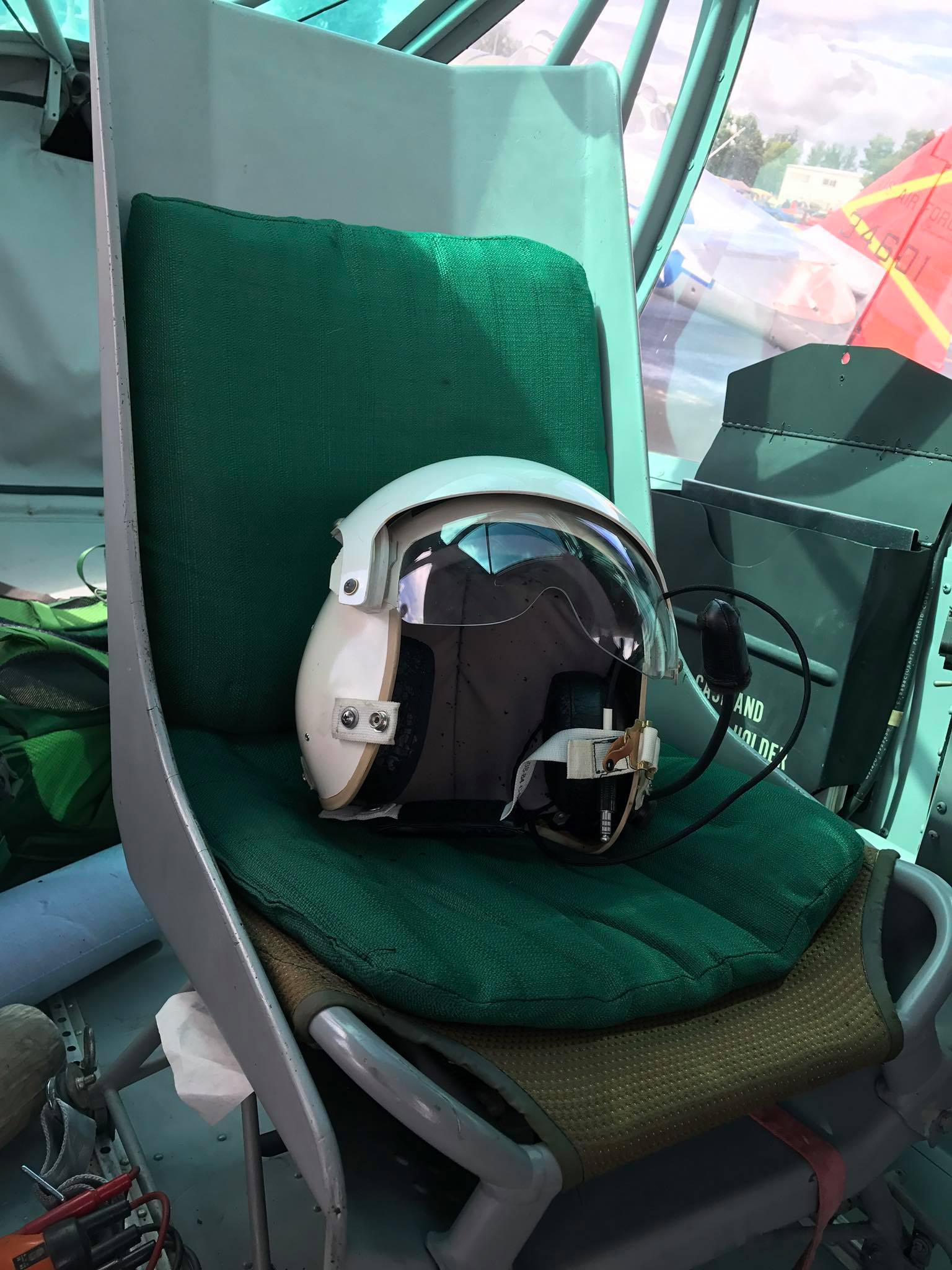
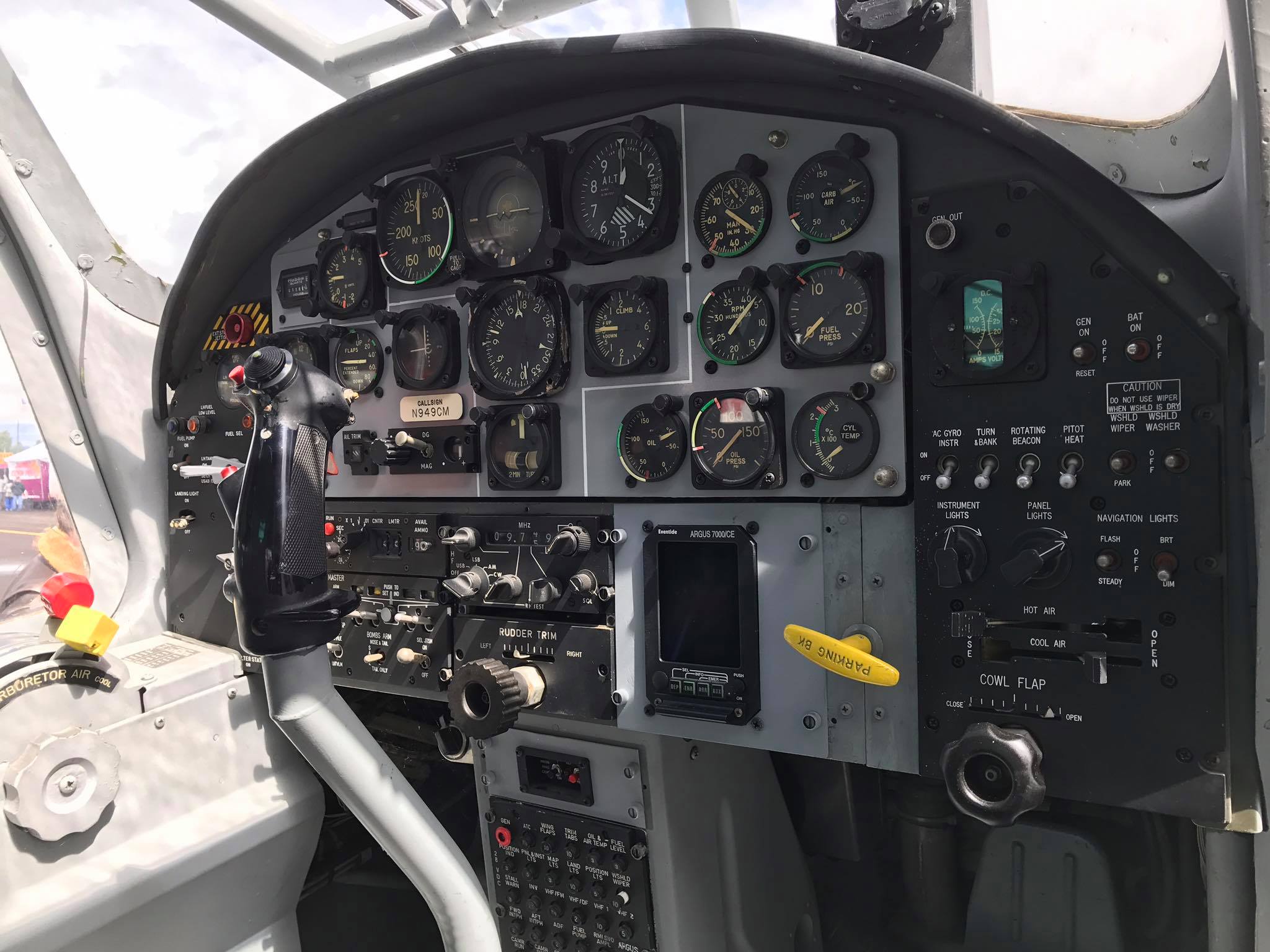
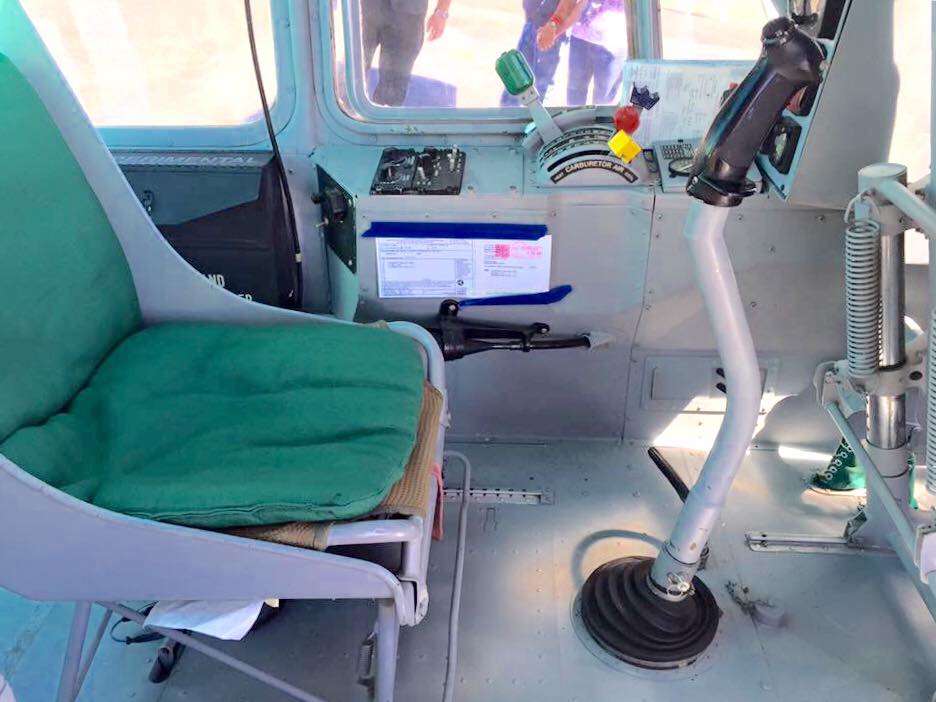
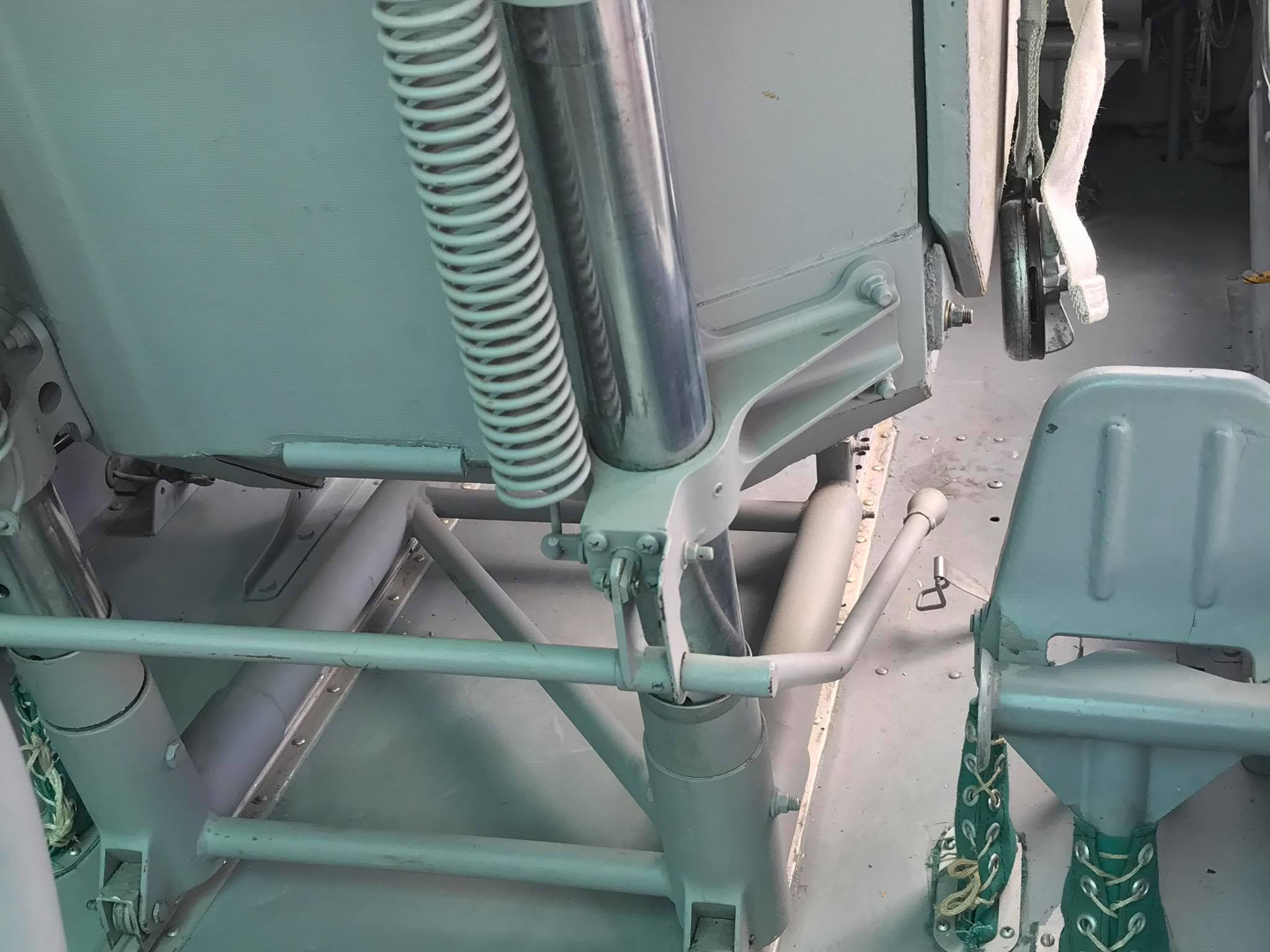
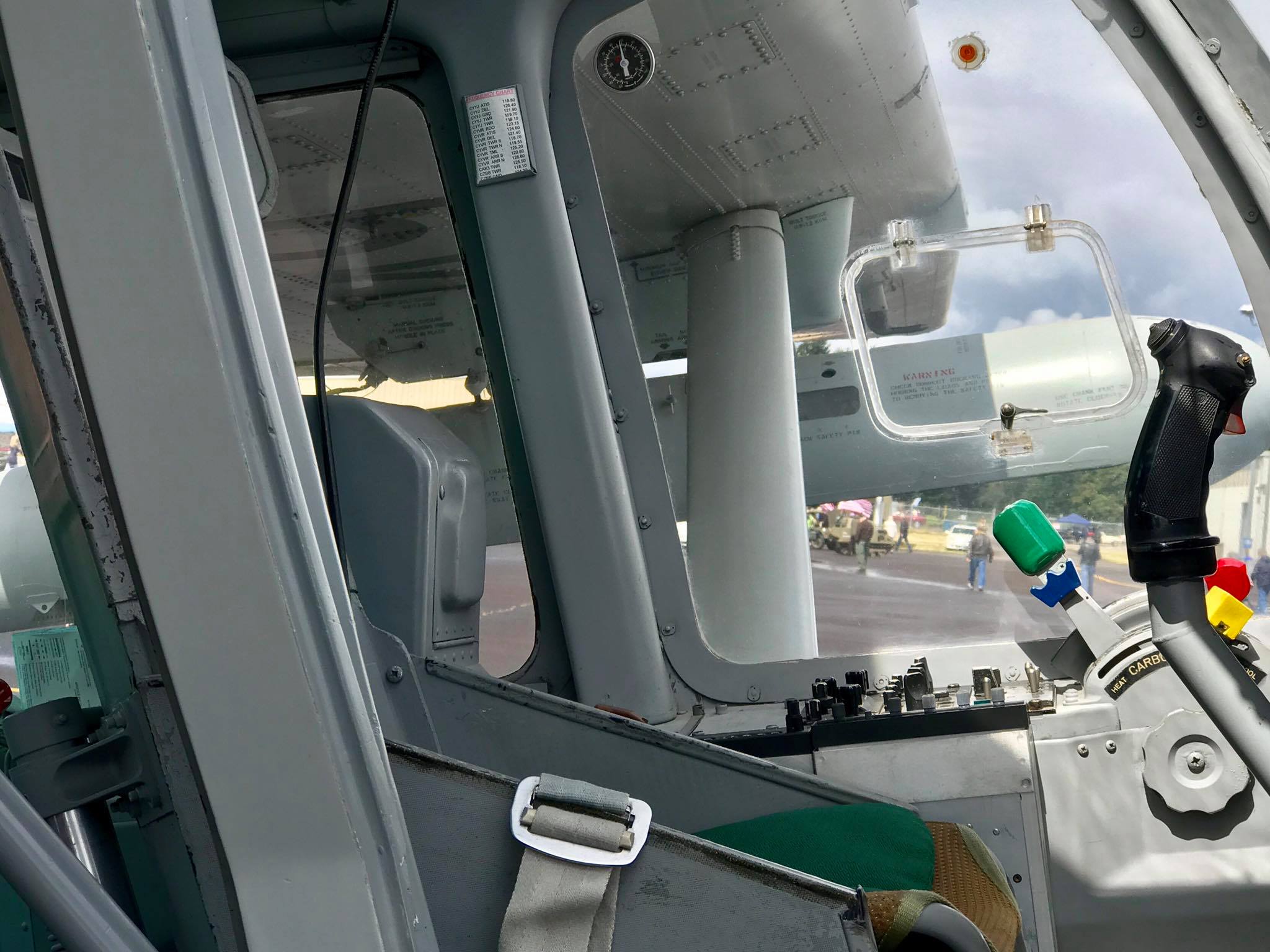
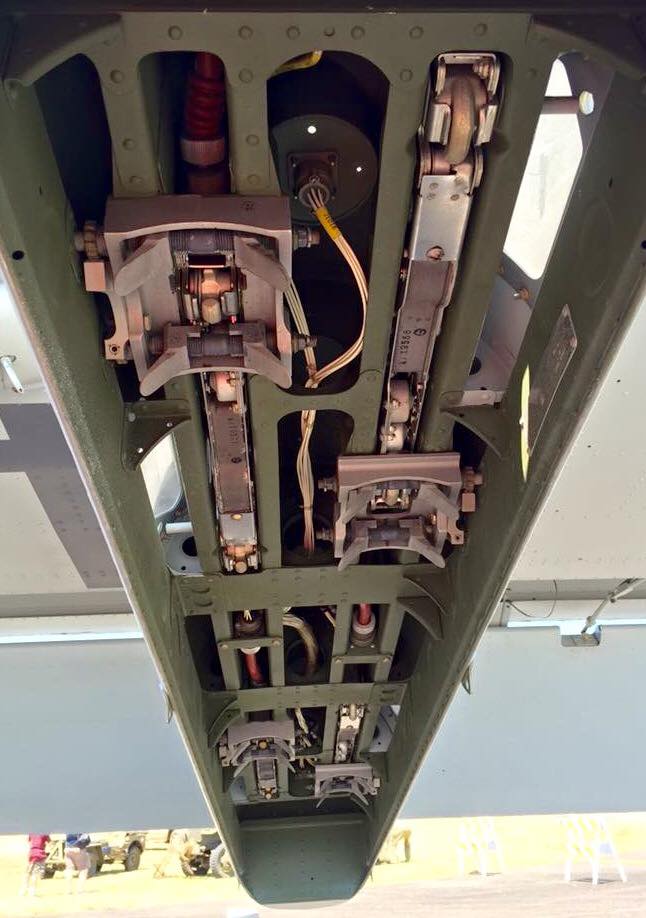
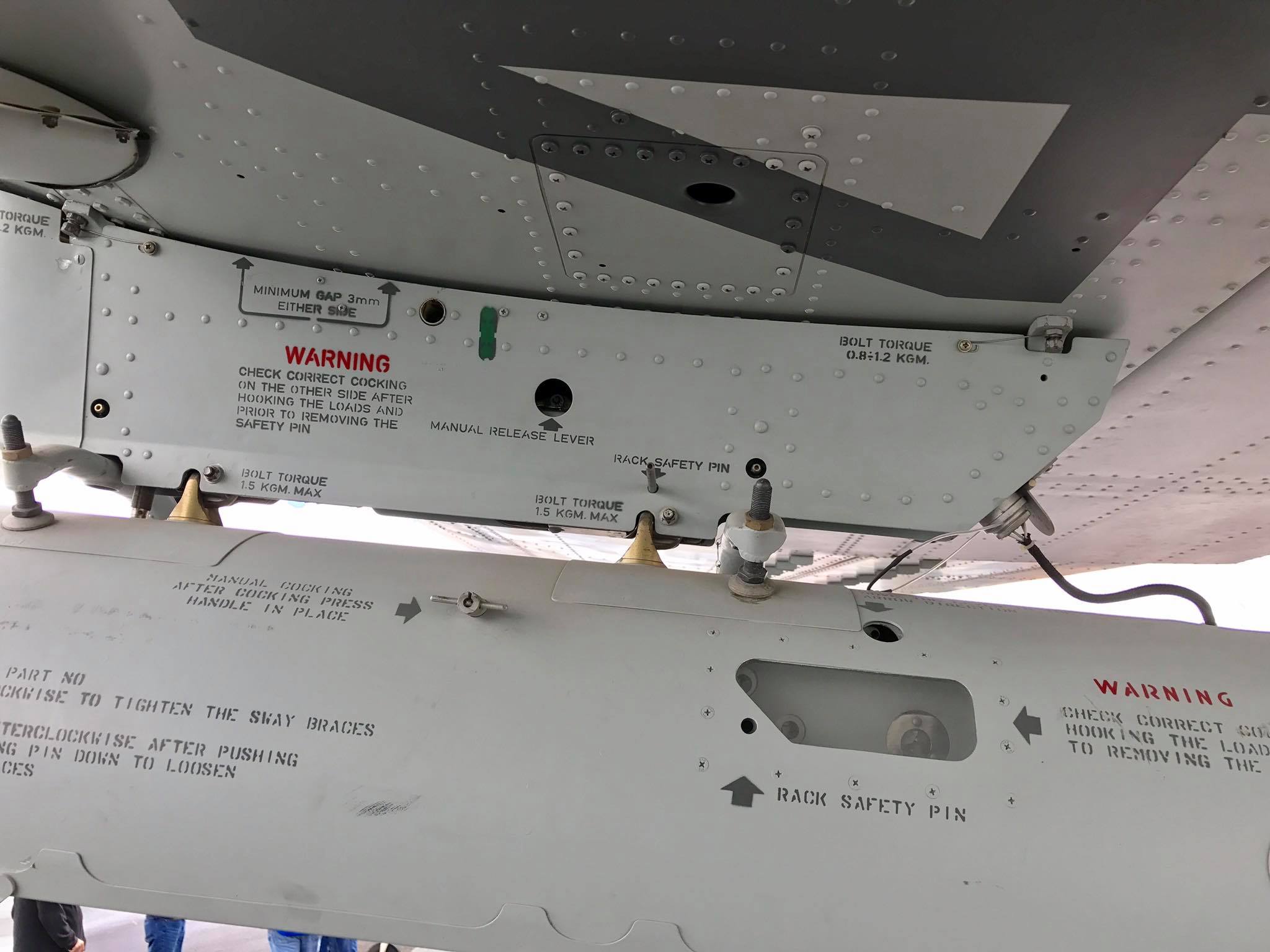
The AM. 3CM had provisions for up to four NATO M-4A hardpoints for a variety of ordnance, including bombs, target-marking smoke-rocket pods, or machine gun pods. Crew: pilot and observer sitting in armor-plated seats, with aft space for a stretcher, rocket storage, a passenger, or equipment. Powerplant: Rinaldo Piaggio-built Lycoming GSO-480. My photos at McNary Field in Salem, Oregon.
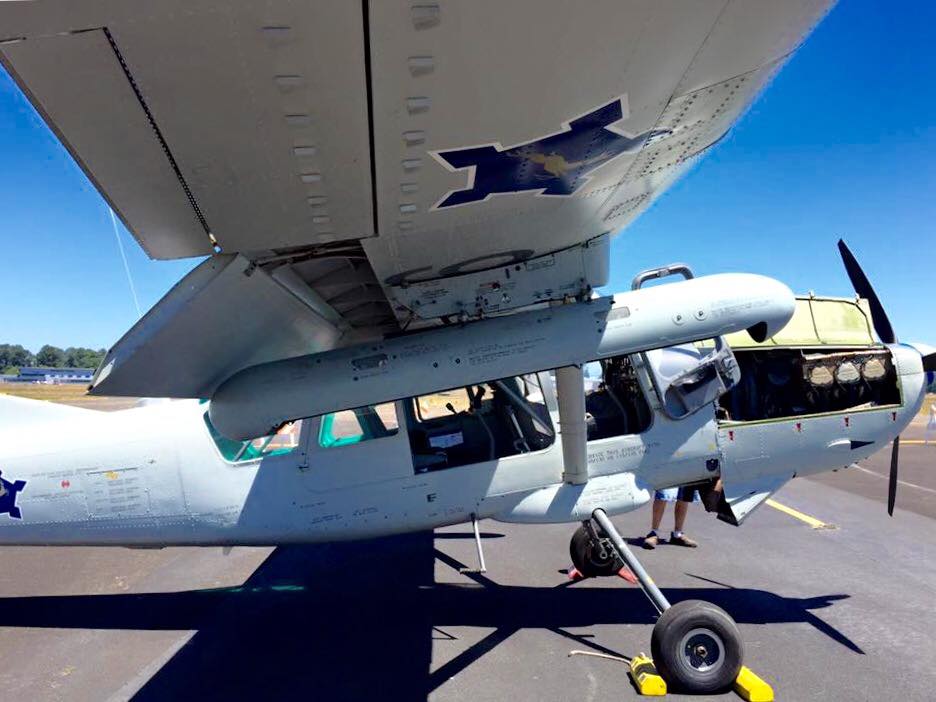
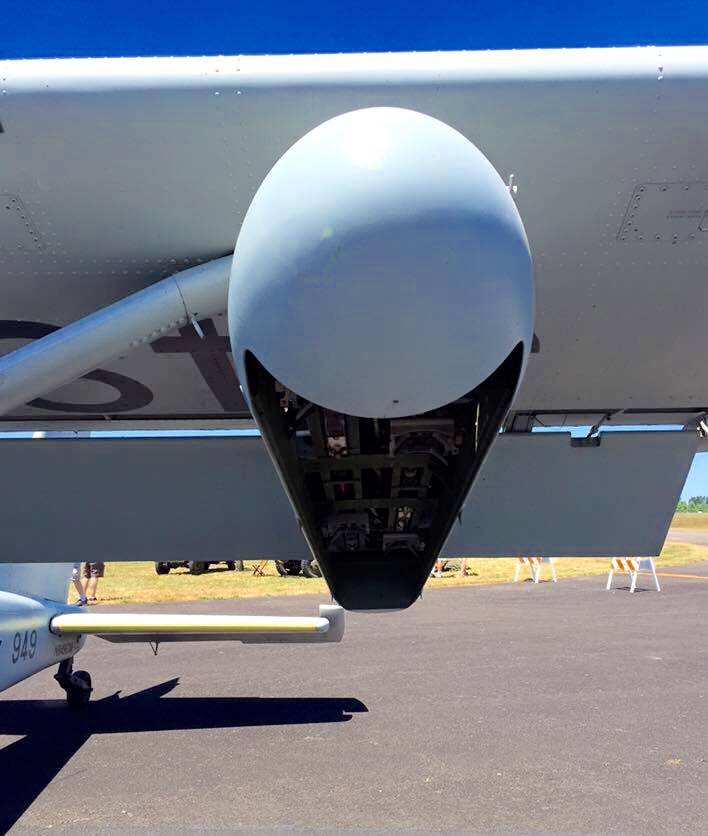
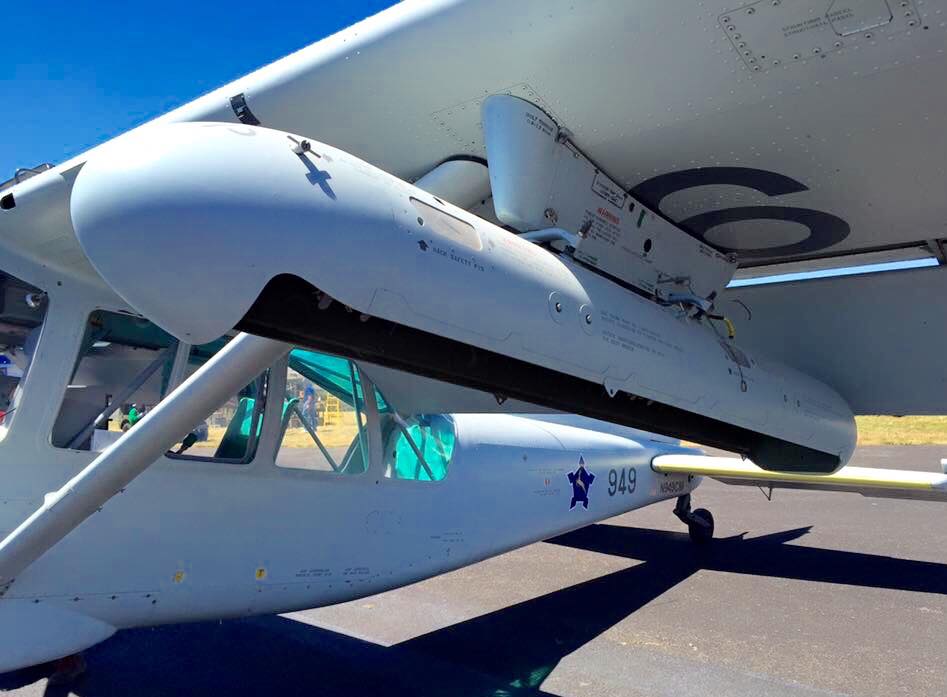
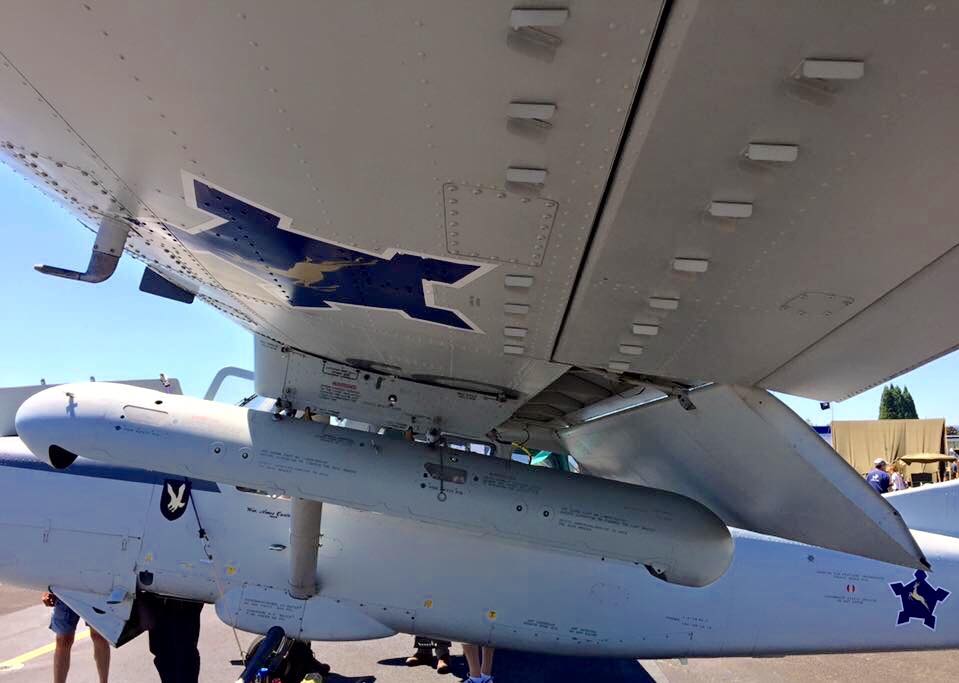
Editor’s note: After being stricken from the South African Air Force’s registry, AM-3CM construction no. 2030 (SAAF s/n 949) was issued the South African civil registry ZU-ADT on November 25, 1992, and remained on the South African Civil Aviation Authority’s registry until it was exported to the United States in 1997, gaining its current FAA registration, and was displayed at the 1998 EAA Airventure airshow in Oshkosh, Wisconsin.
*Since November 2024, the aircraft has been listed on the FAA registry with Tortolita Aviation LLC of Oro Valley, Arizona.
 About the author: Randy Malmstrom grew up in a family steeped in aviation culture. His father, Bob, was still a cadet in training with the USAAF at the end of WWII, but did serve in Germany during the U.S. occupation in the immediate post-war period, where he had the opportunity to fly in a wide variety of types that flew in WWII. After returning to the States, Bob became a multi-engine aircraft sales manager and, as such, flew a wide variety of aircraft; Randy frequently accompanied him on these flights. Furthermore, Randy’s cousin, Einar Axel Malmstrom, flew P-47 Thunderbolts with the 356th FG from RAF Martlesham Heath. He was commanding this unit at the time he was shot down over France on April 24th, 1944, spending the rest of the war as a prisoner of war. Following his repatriation at war’s end, Einar continued his military service, attaining the rank of Colonel. He was serving as Deputy Wing Commander of the 407th Strategic Fighter Wing at Great Falls AFB, MT, at the time of his death in a T-33 training accident on August 21, 1954. The base was renamed in his honor in October 1955 and continues to serve in the present USAF as home to the 341st Missile Wing. Randy’s innate interest in history in general, and aviation history in particular, plus his educational background and passion for WWII warbirds, led him down his current path of capturing detailed aircraft walk-around photos and in-depth airframe histories, recording a precise description of a particular aircraft in all aspects.