
By Randy Malmstrom
Since childhood, Randy Malmstrom has had a passion for aviation history and historic military aircraft in particular. He has a particular penchant for documenting specific airframes with a highly detailed series of walk-around images and an in-depth exploration of their history, which have proved to be popular with many of those who have seen them, and we thought our readers would be equally fascinated too. This installment of Randy’s Warbird Profiles takes a look at the Bell HTL-3 on display at the Evergreen Aviation and Space Museum in McMinnville, Oregon.
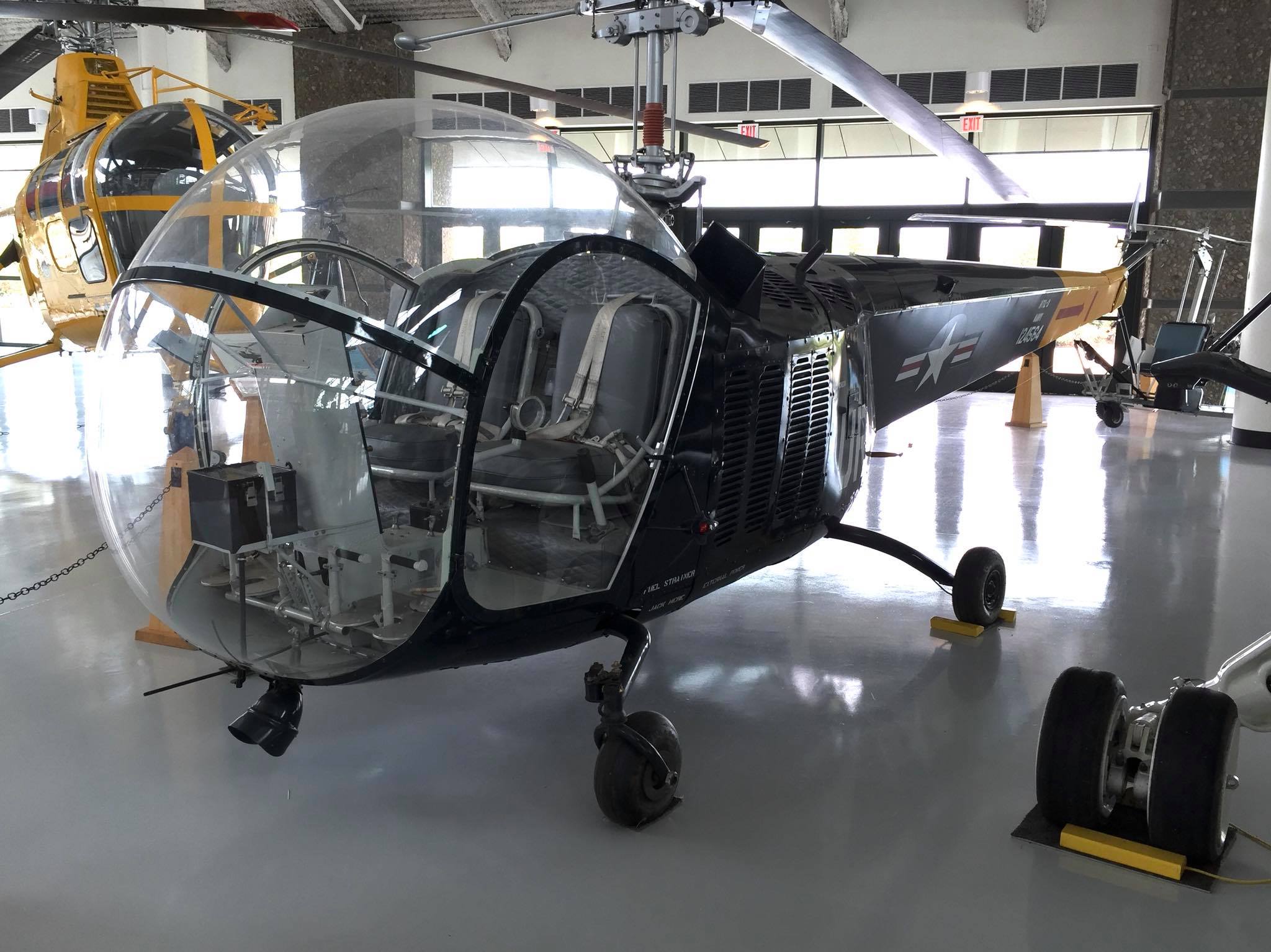
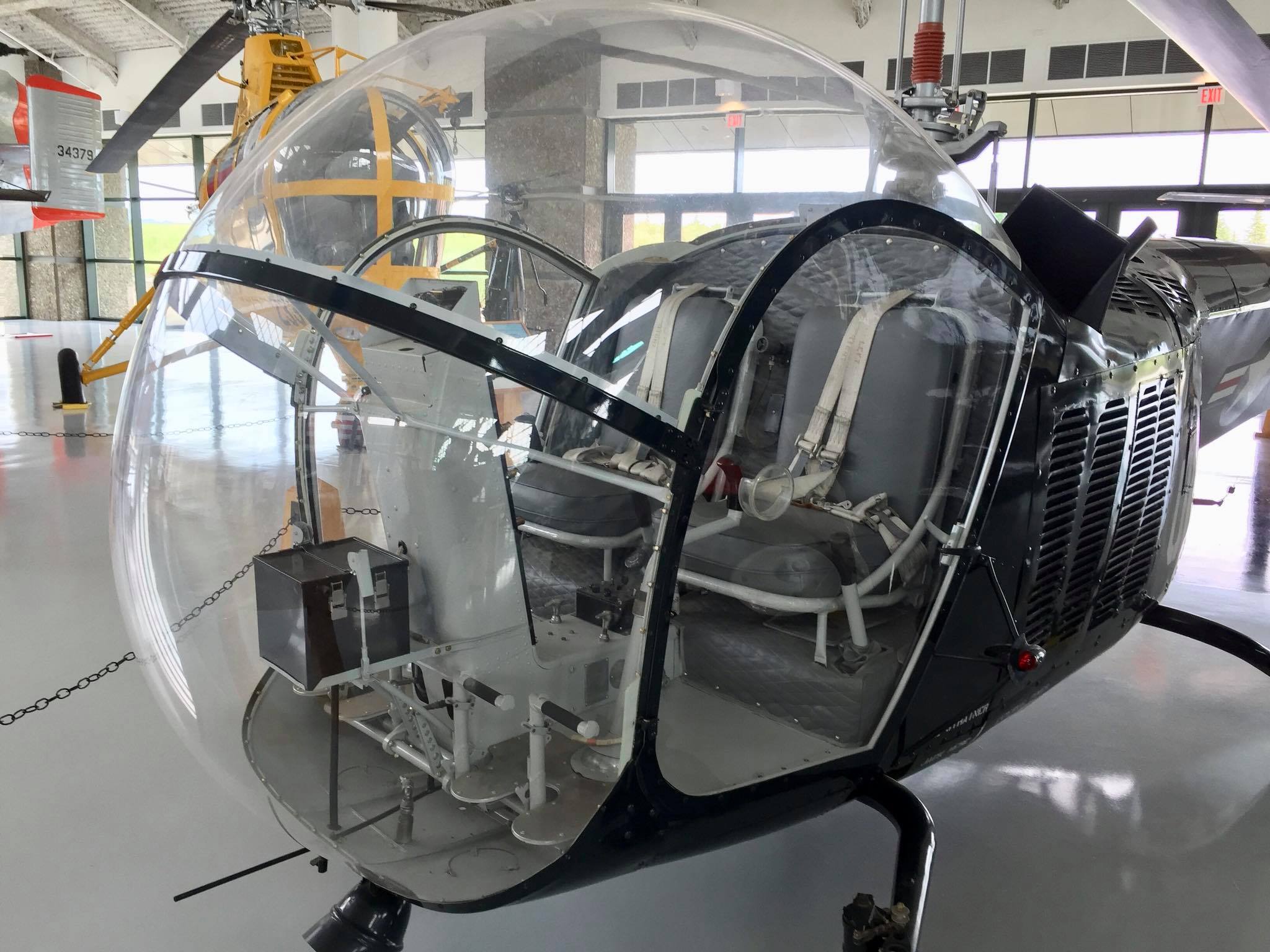
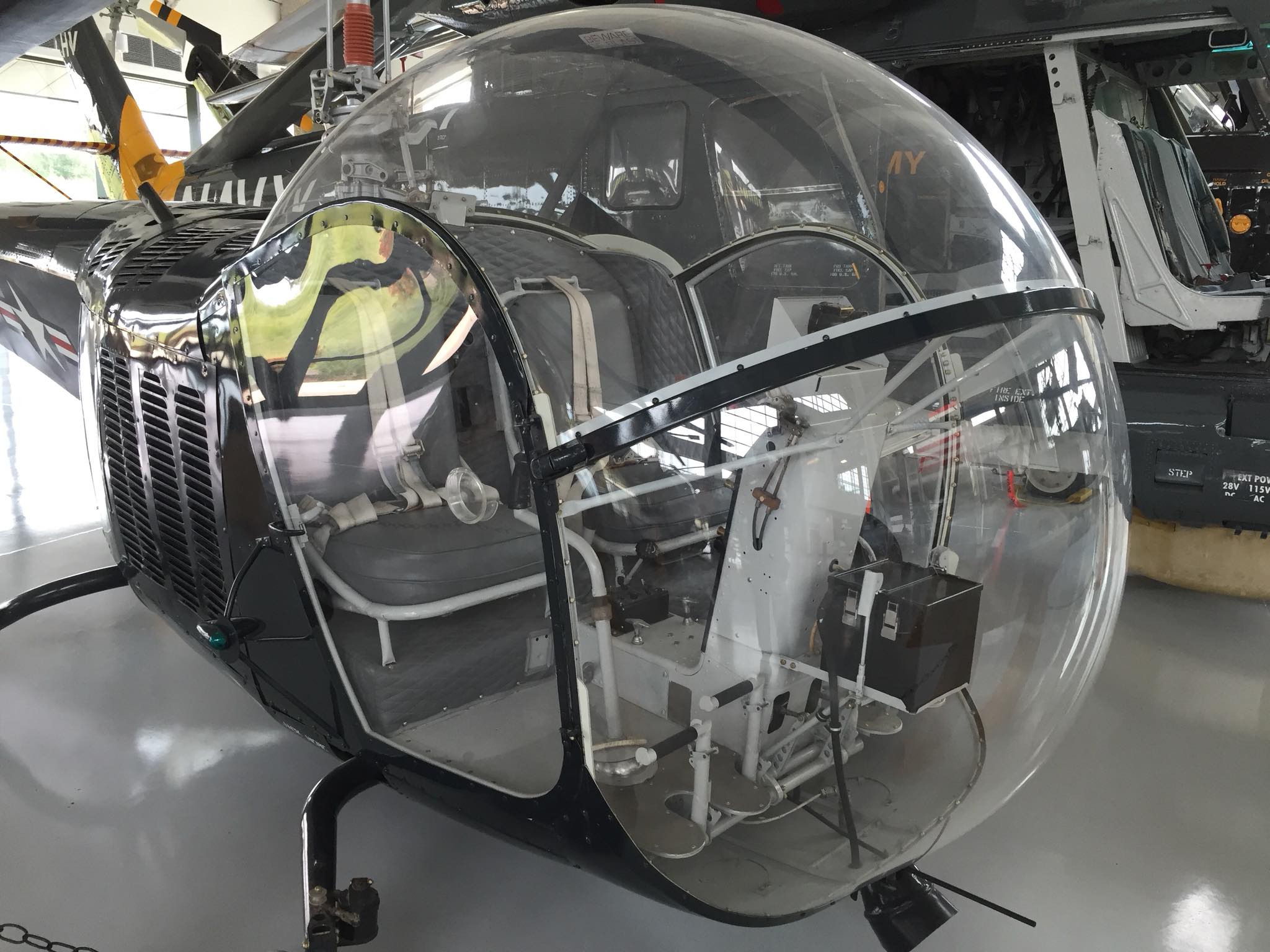
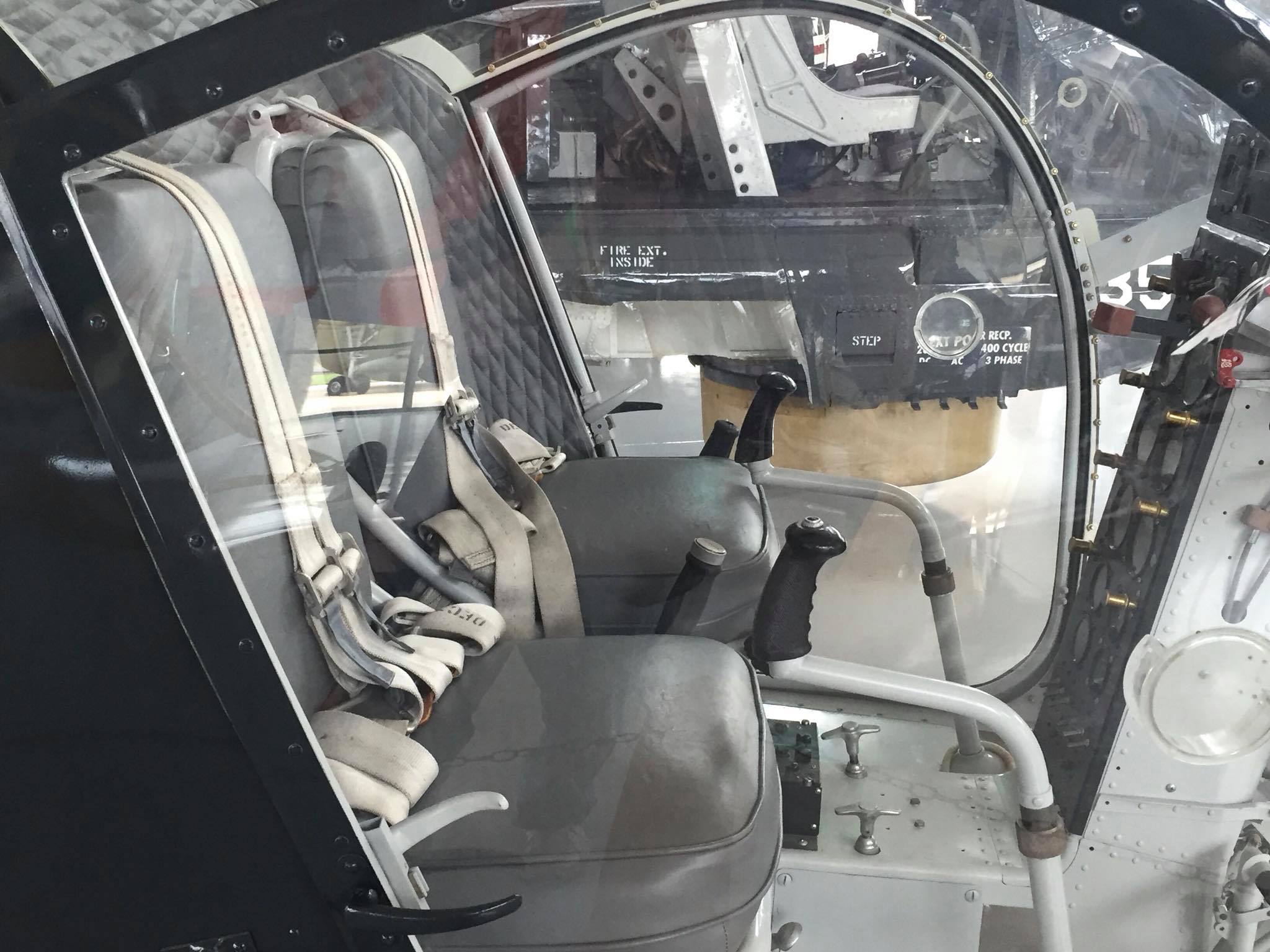
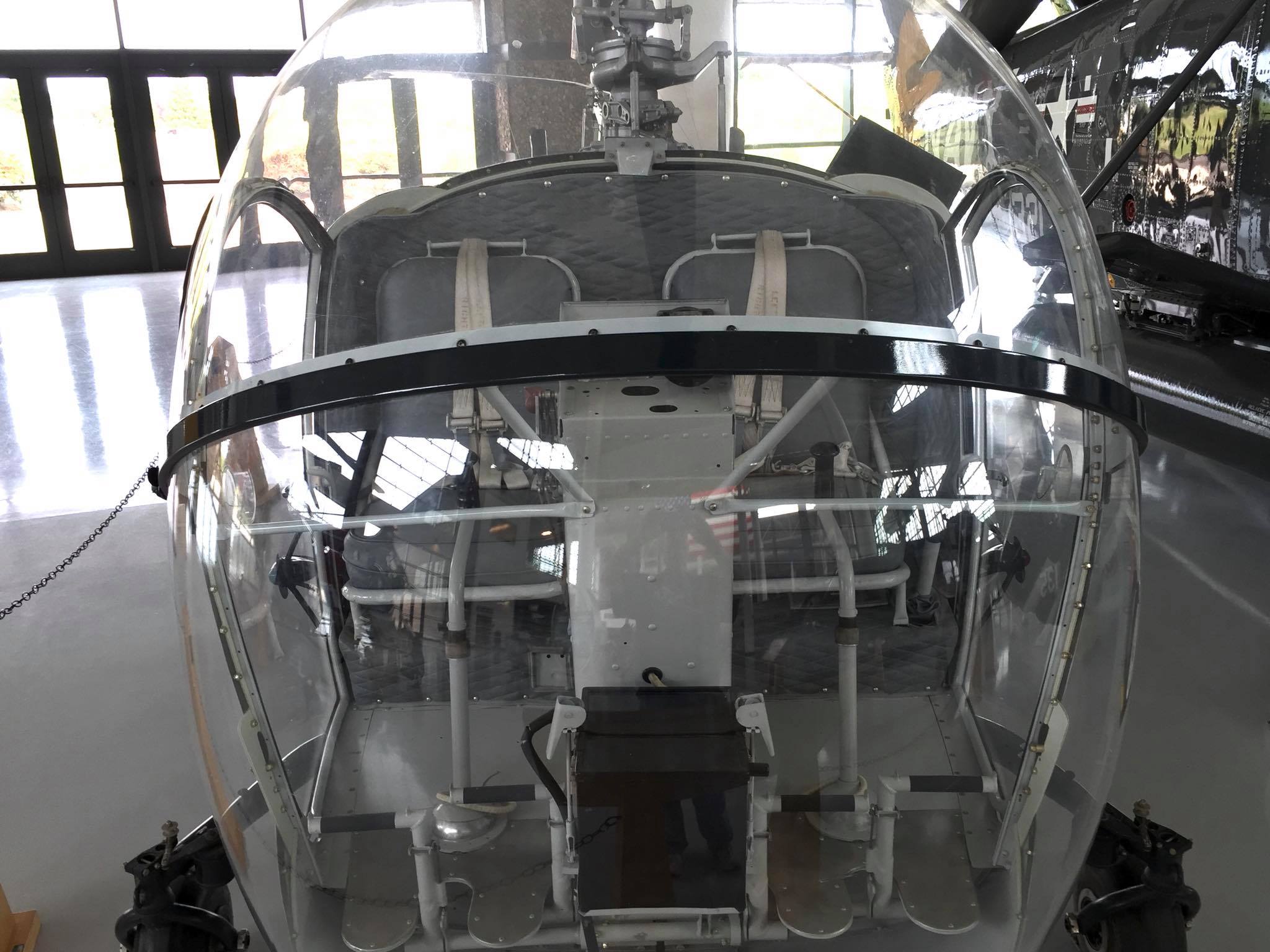
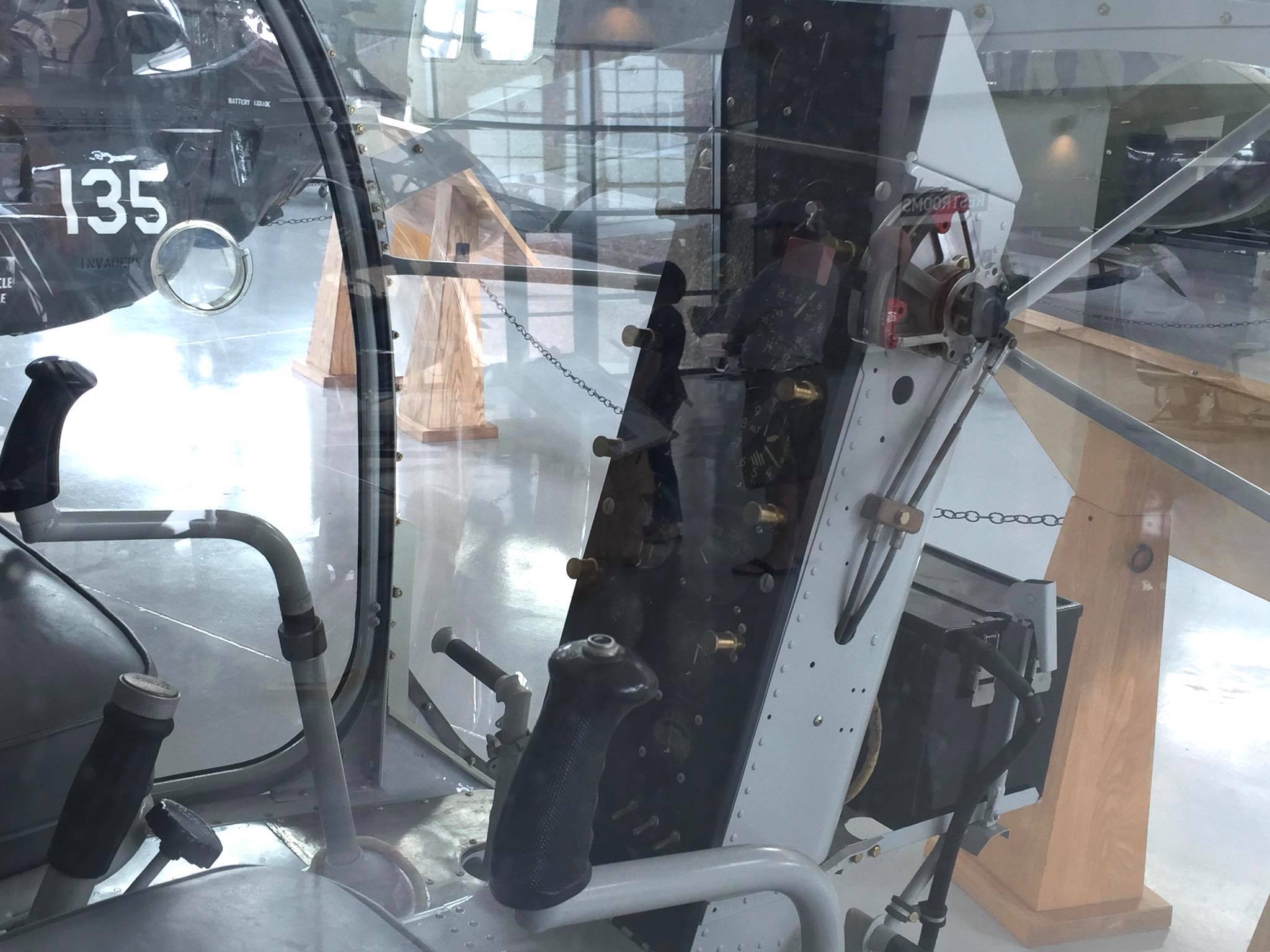
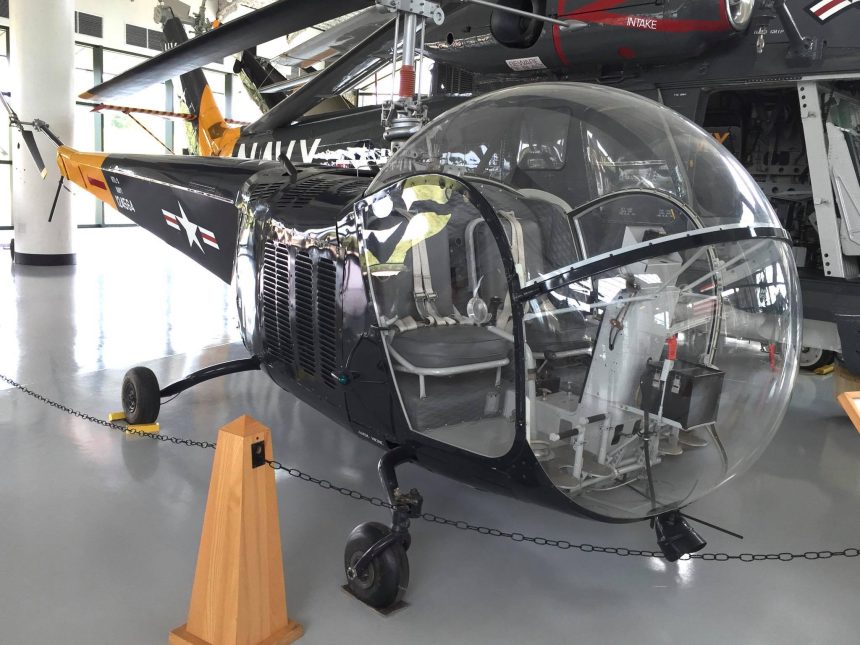
Bell HTL-3, 124564/UR-18, s/n 168. From what I have been able to determine, this particular aircraft was one of nine HTL-3 aircraft produced by Bell Helicopter Company for the U.S. Navy, and it was completed on April 4, 1950. It served with Navy Helicopter Utility Squadron 2 (HU-2), the “Fleet Angels” based at NAS Lakehurst (New Jersey) until it was put on loan to the U.S. Marine Corps in December of 1950. It was shipped to Korea, and on December 28, 1950, it was one of two HTL-3 and one HTL-4 aircraft assigned to Marine Observation Squadron 6 (VMO-6) near Pusan (and later Pohang and elsewhere). VMO-6 is considered to be the first U.S. Marine Corps helicopter squadron to introduce the helicopter into actual combat; the squadron had departed for combat operations in Korea on July 14, 1950, aboard the USS Badoeng Strait (CVE-116).
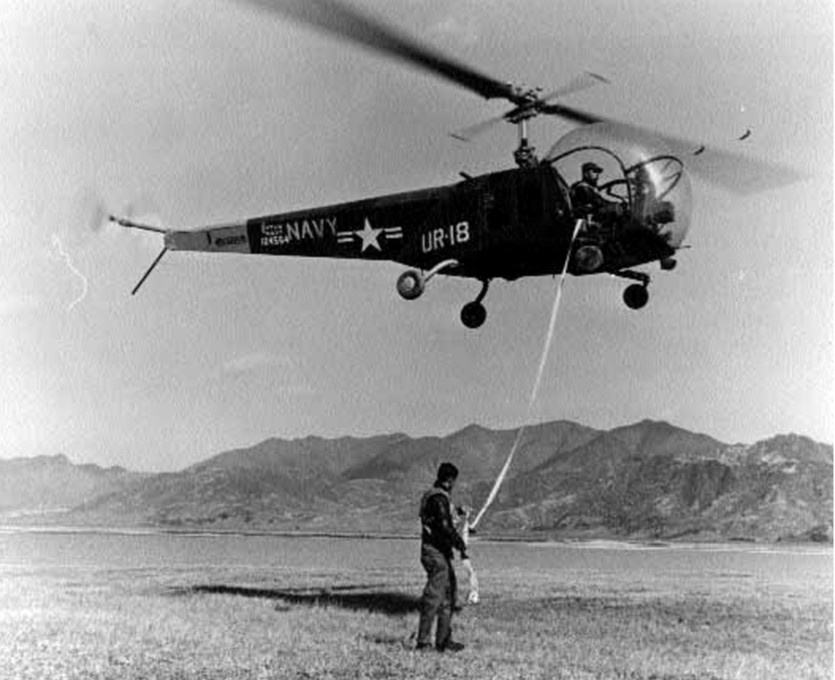
VMO-6 used the two HTL-3 and (a total of) three HTL-4 aircraft for evacuation, observation and liaison missions; however, the HTL-3’s were not considered satisfactory for the rugged hills of Korea due to their landing gear (as opposed to skids) and solid tail boom configuration (squadron pilots reportedly considered them underpowered as well). According to museum records (although I have not been able to confirm), on September 12, 1956, this aircraft was stricken from the records and sent to Glendale Community College in California where for the next 37 years it served as pilot training aircraft; and then in 1993, it was acquired by collector Jack Lenhardt of Hubbard, Oregon who, over the next 3 years, put it through extensive restoration including giving it the VMO-6 markings it carried while operating in Korea. Evergreen International Aviation founder Del Smith (for whom my dad worked for a time) acquired the aircraft in 2003. My photos of it are on display at the Evergreen Aviation & Space Museum in McMinnville, Oregon.
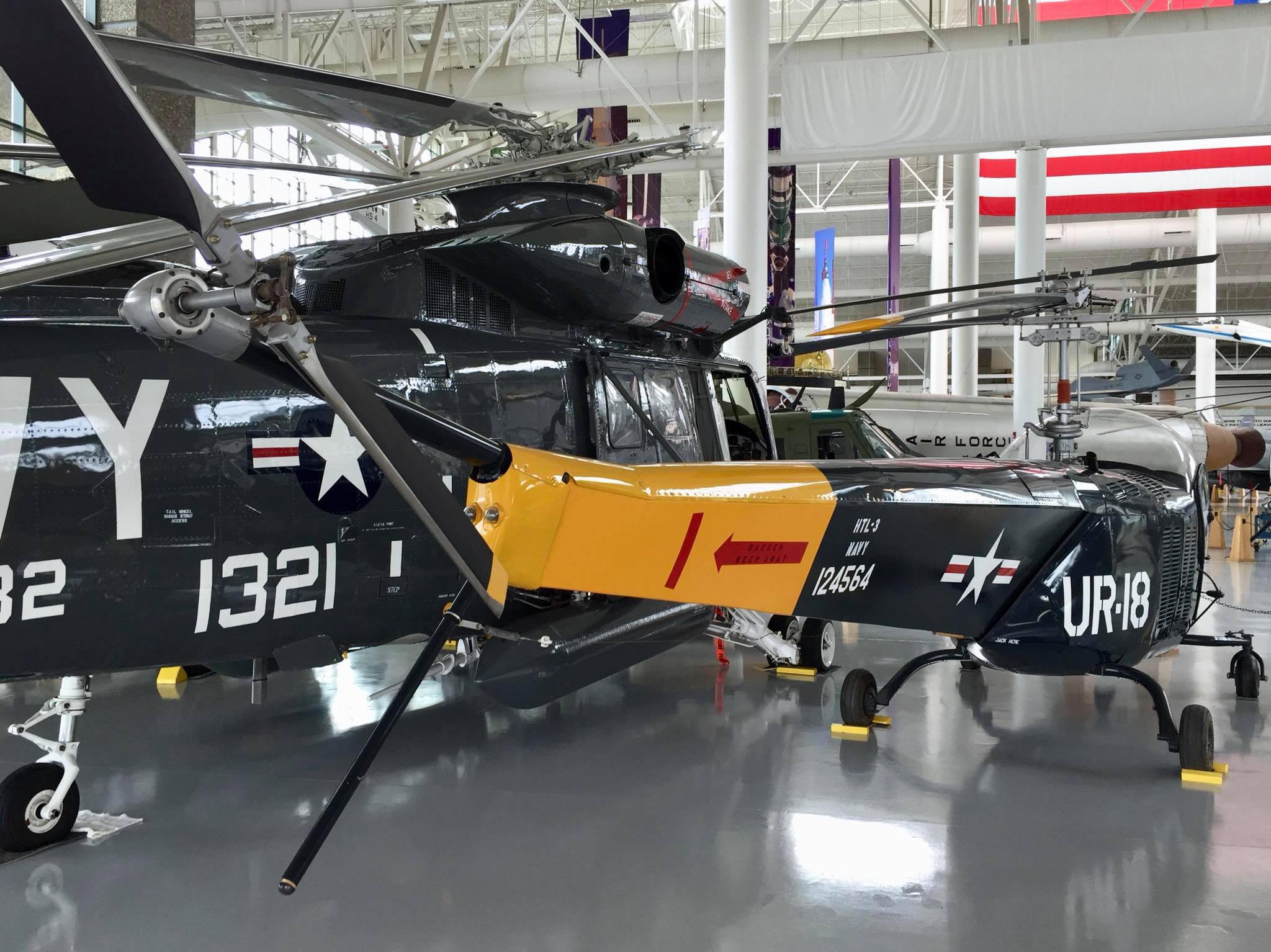
In 1947, the U.S. Navy obtained ten Bell Model 47A aircraft from the U.S. Air Force for testing and evaluation and gave them the designation “HTL” (for helicopter, trainer, and the “L” being the 1922 U.S. Navy manufacturer code for Bell). Bell designated the type as the Model 47E, although none were sold on the civilian market. The HTL-3 aircraft were fitted with a Plexiglas “goldfish bowl” cabin canopy, quadricycle landing gear, and an enclosed tailboom. Three of the HTL-3 model type aircraft went to the Brazilian Air Force as part of the Military Assistance Program (MAP) (along with other Bell versions), and the U.S. Navy provided two of its HTL-3 aircraft to the U.S. Marine Corps Marine Observation Squadron 6 (VMO-6) between 1950 and the end of the conflict in 1953.
The HTL-3 was fitted with a Franklin 6V4-200-C32 air-cooled 200 hp. engine and could carry a pilot and one passenger. Between 1947 and 1958, the U.S. Navy’s Bureau of Aeronautics eventually purchased more than 200 HTL-variant aircraft for use as rotary-wing trainers and for utility duties. Bell H-13 variants were flown by the U.S. Marines, Army (“Sioux”), Air Force, and Coast Guard, as well as a great many international military organizations, and could be fitted with wheels, skids, or floats for operations from land and sea.
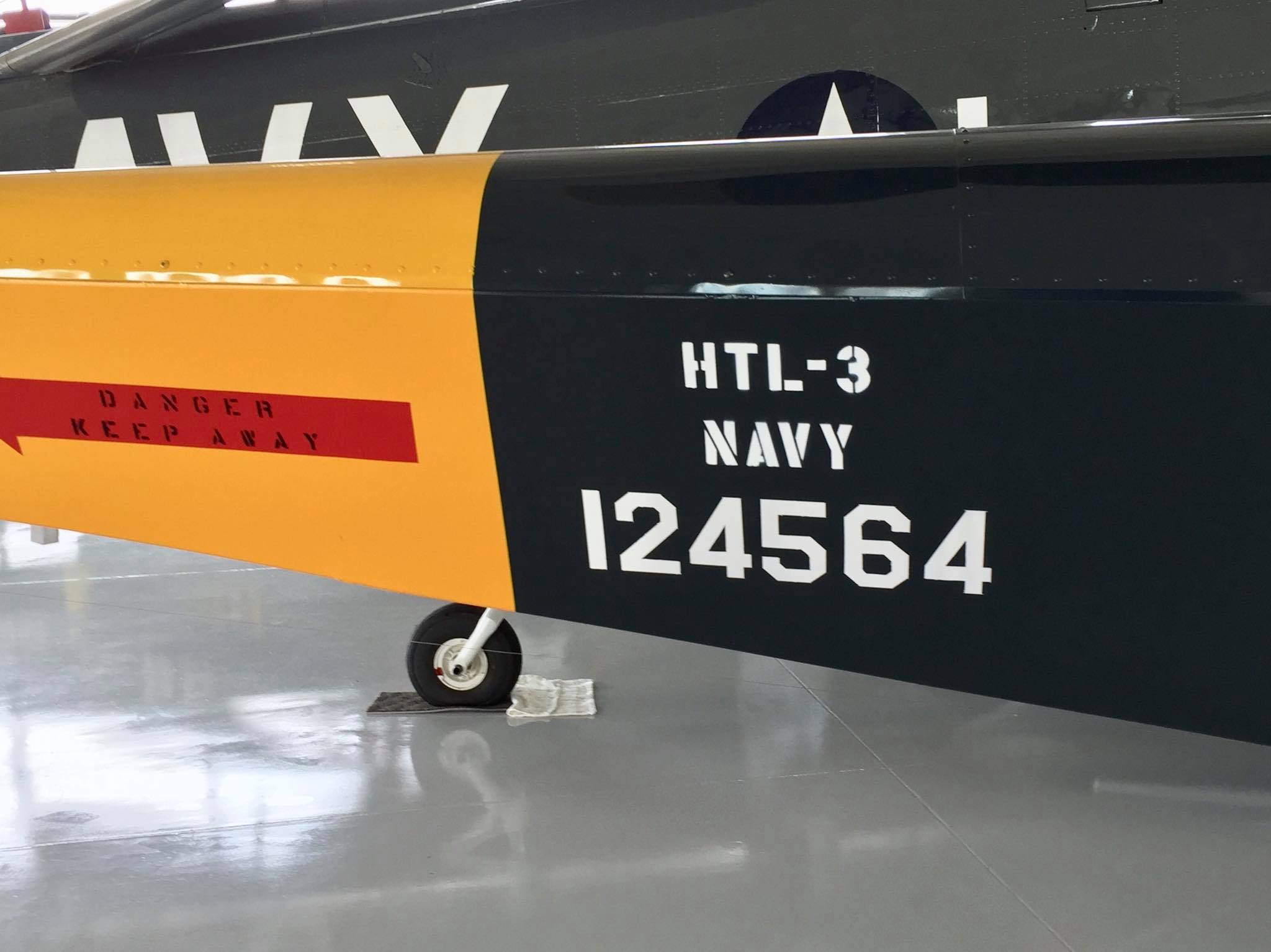
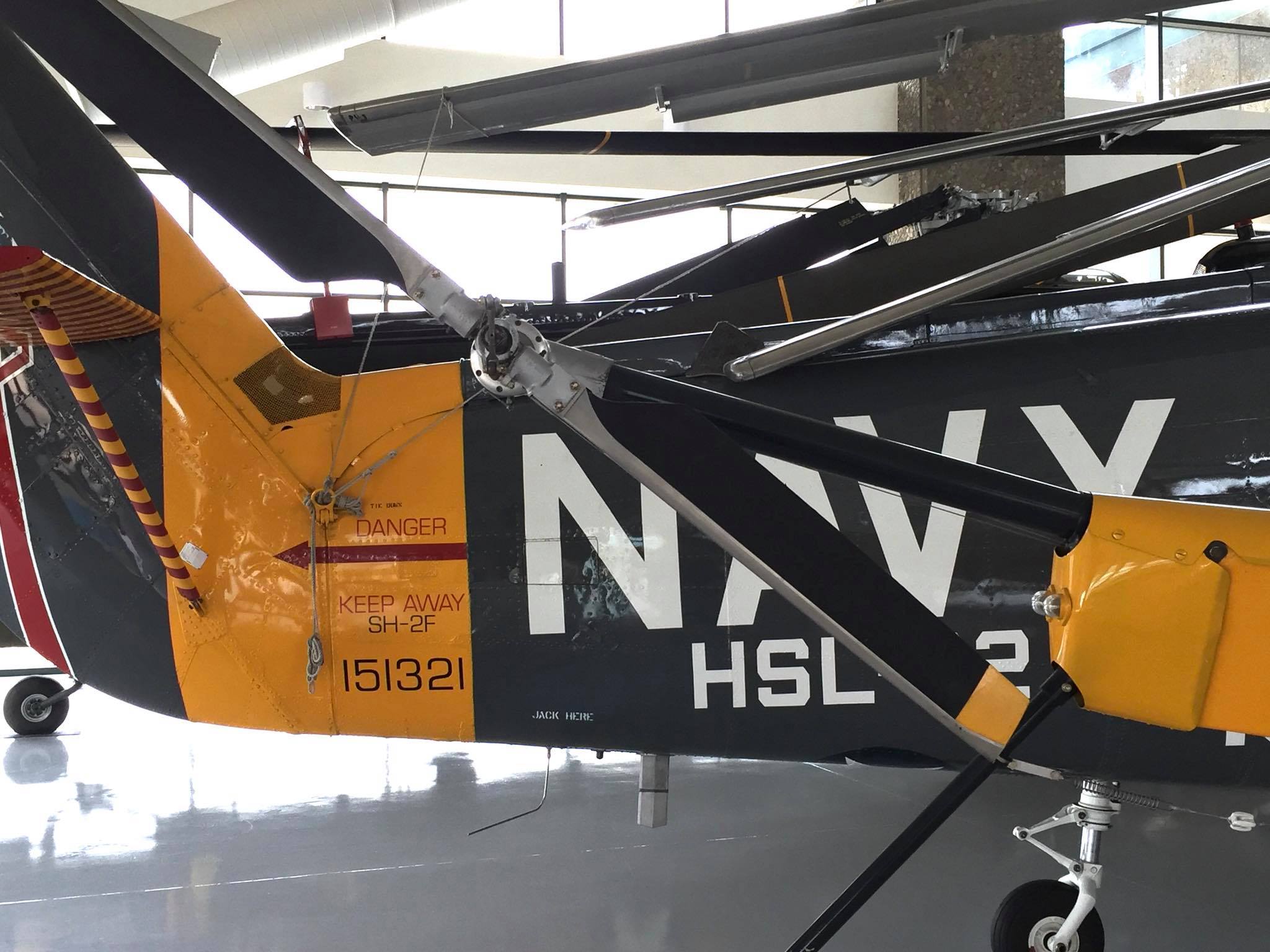
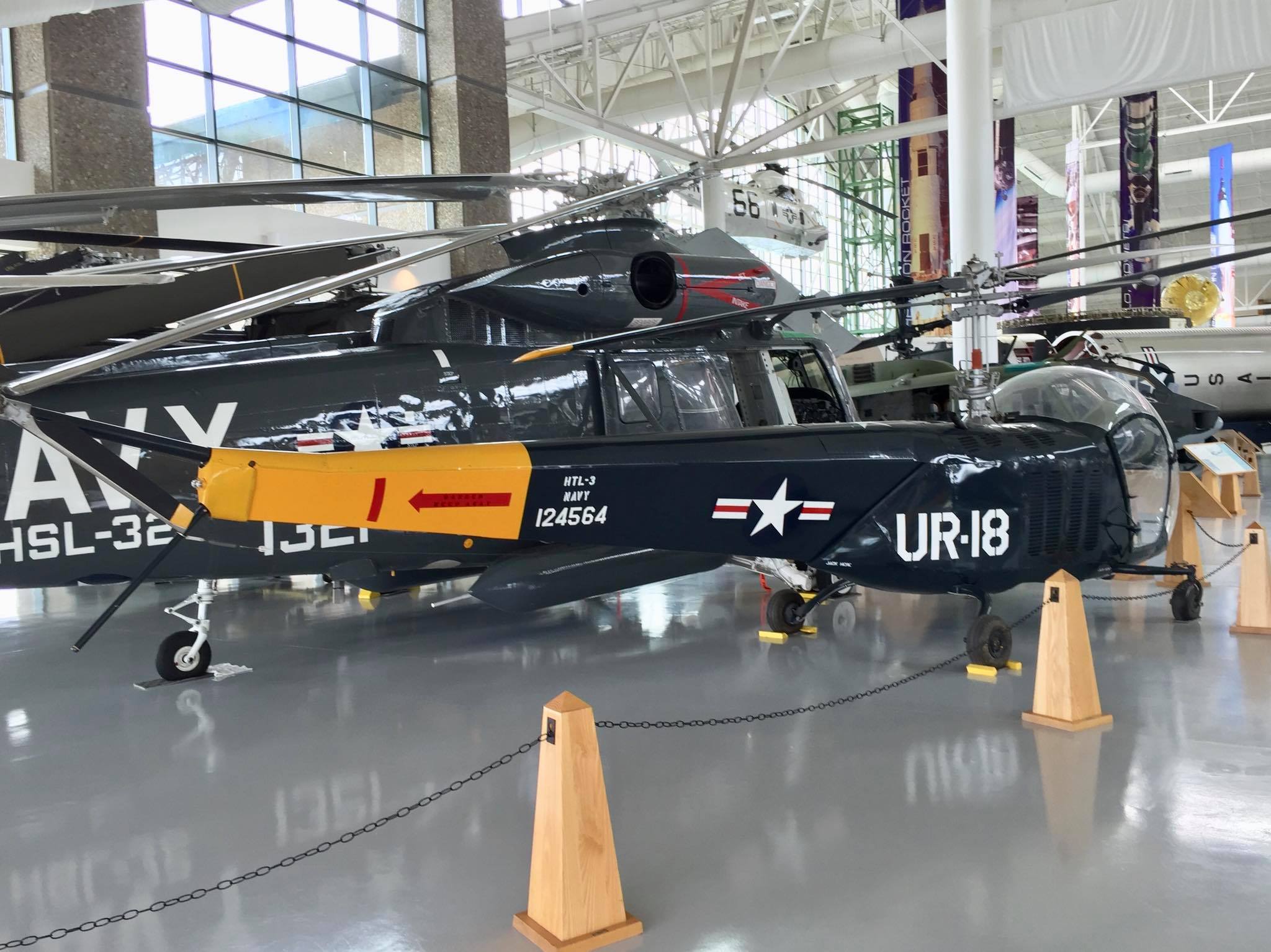
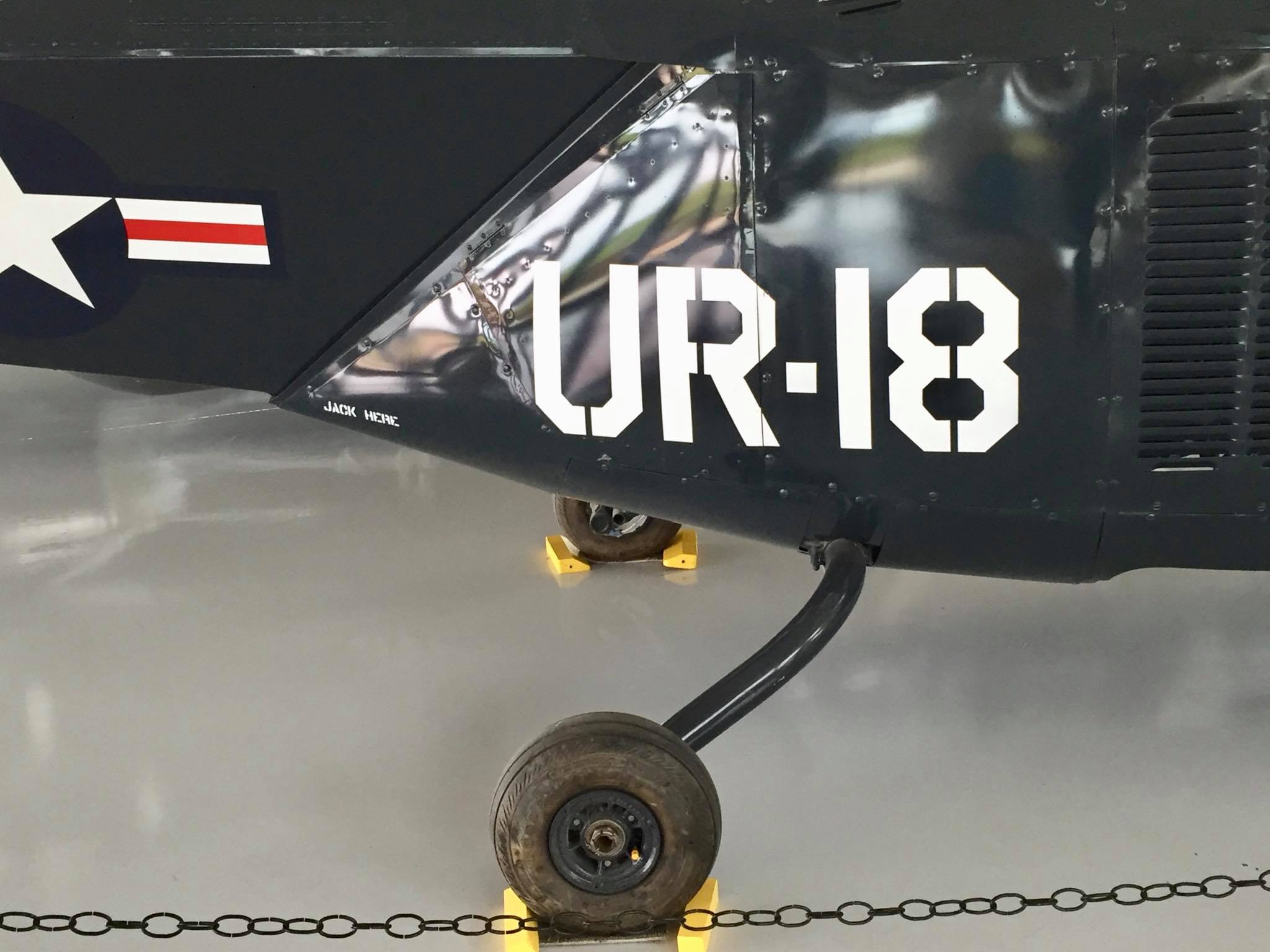
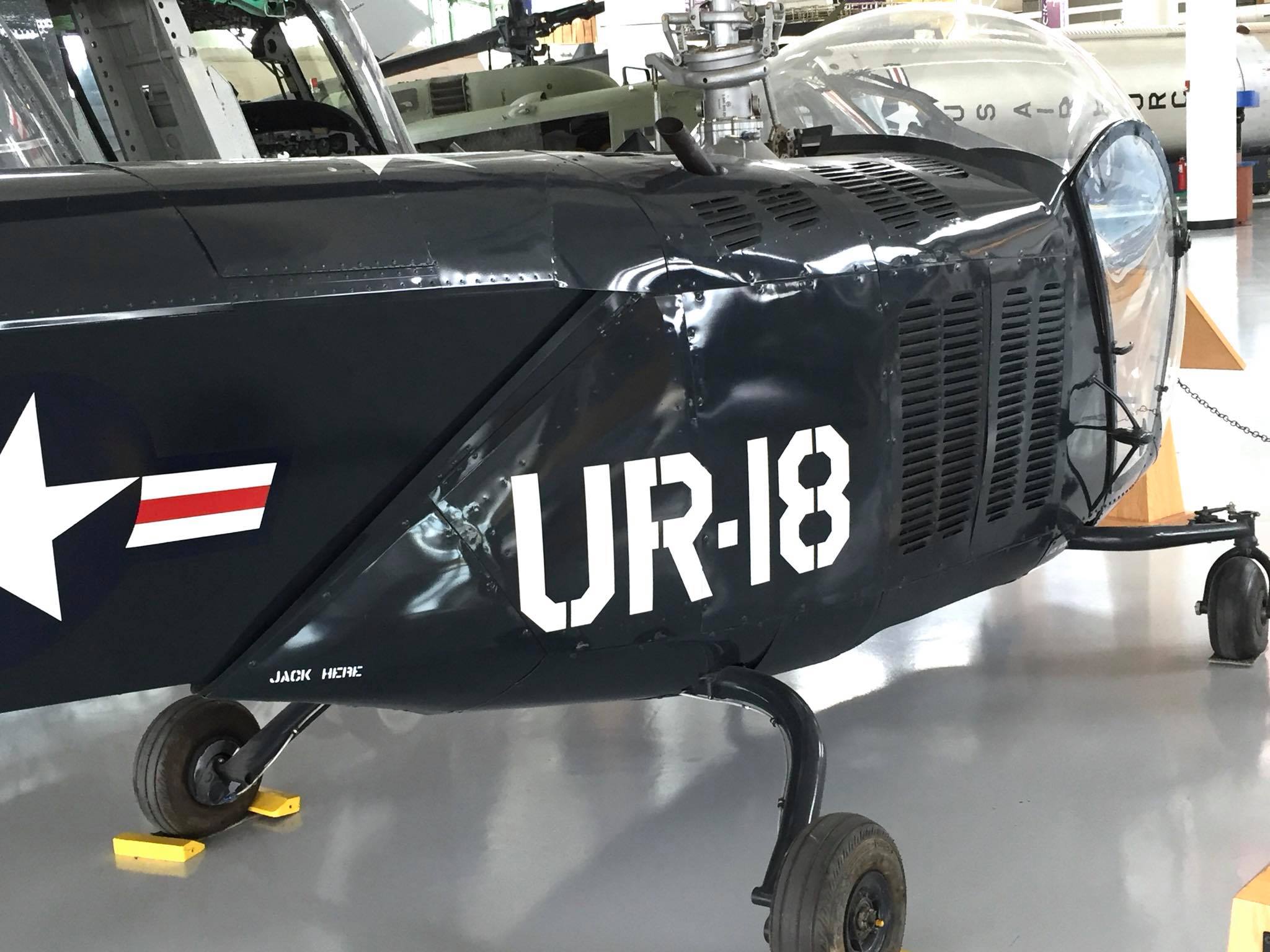
Editor’s notes: Further information on this helicopter shows that it was constructed by Bell Aircraft as factory number 168 and completed on April 6, 1950. It was one of only nine HTL-3s and delivered to the US Navy, initially serving with Helicopter Utility Squadron 2 (HU-2). On December 22, 1950, HTL-3 BuNo 124564 was loaned to the United States Marine Corps, and on February 4, 1951, it was assigned to Marine Observation Squadron 6 (VMO-6), which was operating in Korea as part of Marine Air Group 12. While in service with VMO-6, HTL-3 124564 flew 149 combat flight hours, assisting efforts to spot enemy troop movements, directing artillery fire, and conducting search and rescue missions.
After serving in Korea, Bell HTL-3 BuNo 124564 was stricken from the U.S. Navy’s inventory on September 12, 1956, and was later acquired by Glendale Community College in Glendale, California, where it was used as an aviation school vocational training aid for the next 37 years. In 1993, Jack Lenhardt, a well-known aircraft and helicopter collector from Hubbard, Oregon, acquired HTL-3 124564 and restored the aircraft to the markings it wore while serving in Korea with VMO-6, completing the restoration in 1996. In 2003, Delford M. Smith, founder of Evergreen International Aviation and co-founder of the Evergreen Aviation and Space Museum, purchased Bell HTL-3 124564 and had it placed on display at the museum, where it remains to this day.
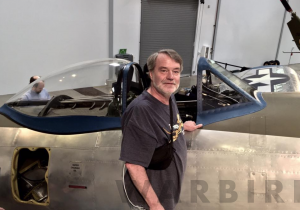 About the author: Randy Malmstrom grew up in a family steeped in aviation culture. His father, Bob, was still a cadet in training with the USAAF at the end of WWII, but did serve in Germany during the U.S. occupation in the immediate post-war period, where he had the opportunity to fly in a wide variety of types that flew in WWII. After returning to the States, Bob became a multi-engine aircraft sales manager and, as such, flew a wide variety of aircraft; Randy frequently accompanied him on these flights. Furthermore, Randy’s cousin, Einar Axel Malmstrom, flew P-47 Thunderbolts with the 356th FG from RAF Martlesham Heath. He was commanding this unit at the time he was shot down over France on April 24th, 1944, spending the rest of the war as a prisoner of war. Following his repatriation at war’s end, Einar continued his military service, attaining the rank of Colonel. He was serving as Deputy Wing Commander of the 407th Strategic Fighter Wing at Great Falls AFB, MT, at the time of his death in a T-33 training accident on August 21, 1954. The base was renamed in his honor in October 1955 and continues to serve in the present USAF as home to the 341st Missile Wing. Randy’s innate interest in history in general, and aviation history in particular, plus his educational background and passion for WWII warbirds, led him down his current path of capturing detailed aircraft walk-around photos and in-depth airframe histories, recording a precise description of a particular aircraft in all aspects.