
By Randy Malmstrom
Since his childhood, Randy Malmstrom has had a passion for aviation history and historic military aircraft in particular. He has a particular penchant for documenting specific airframes with a highly detailed series of walk-around images and an in-depth exploration of their history, which have proved to be popular with many of those who have seen them, and we thought our readers would be equally fascinated too. This installment of Randy’s Warbird Profiles takes a look at an example of a Fairchild PT-26 Cornell trainer registered as N49071.
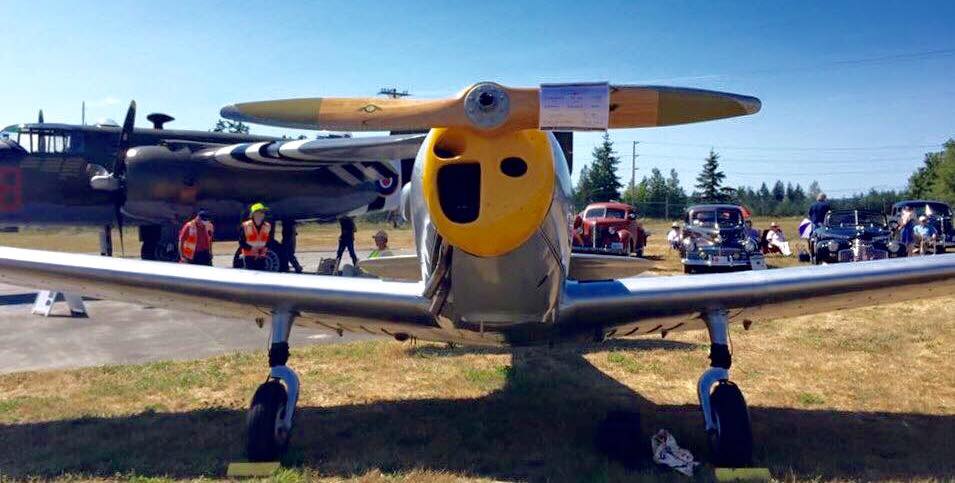
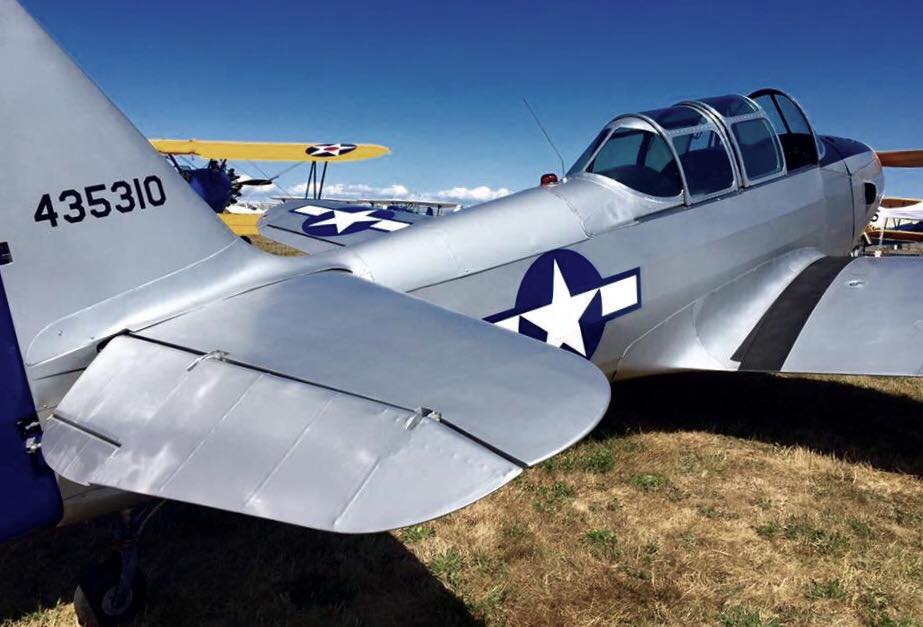
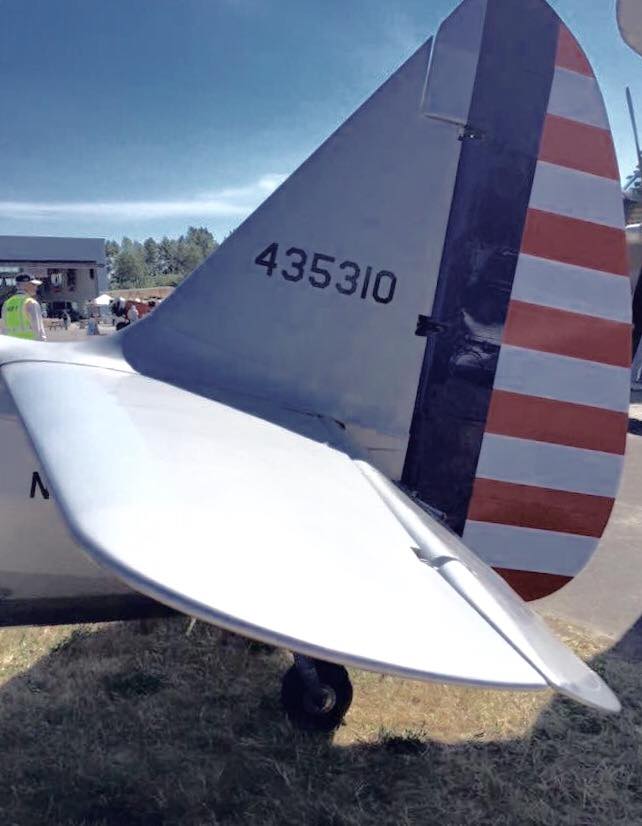
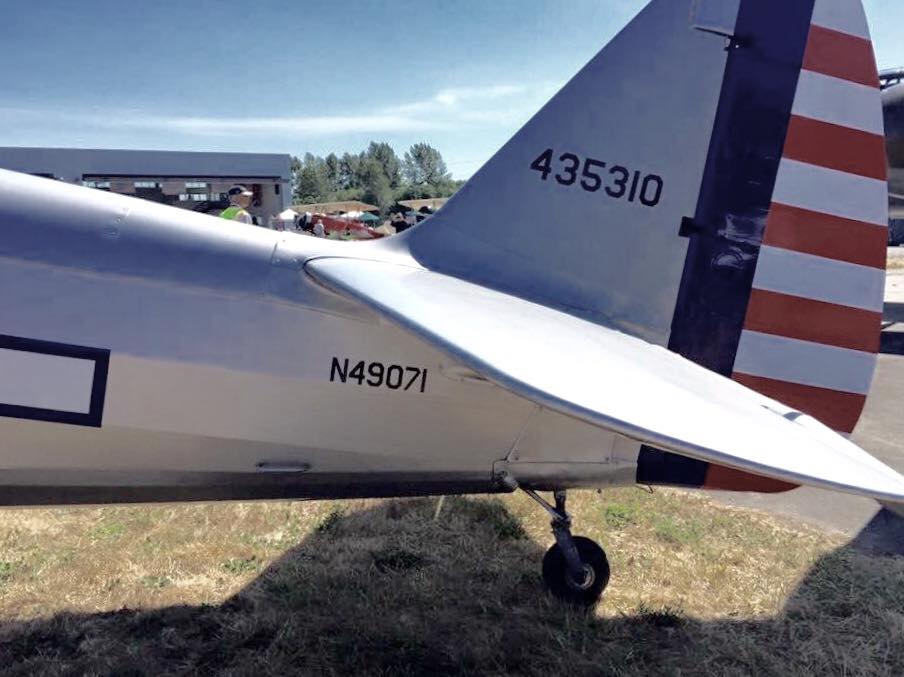
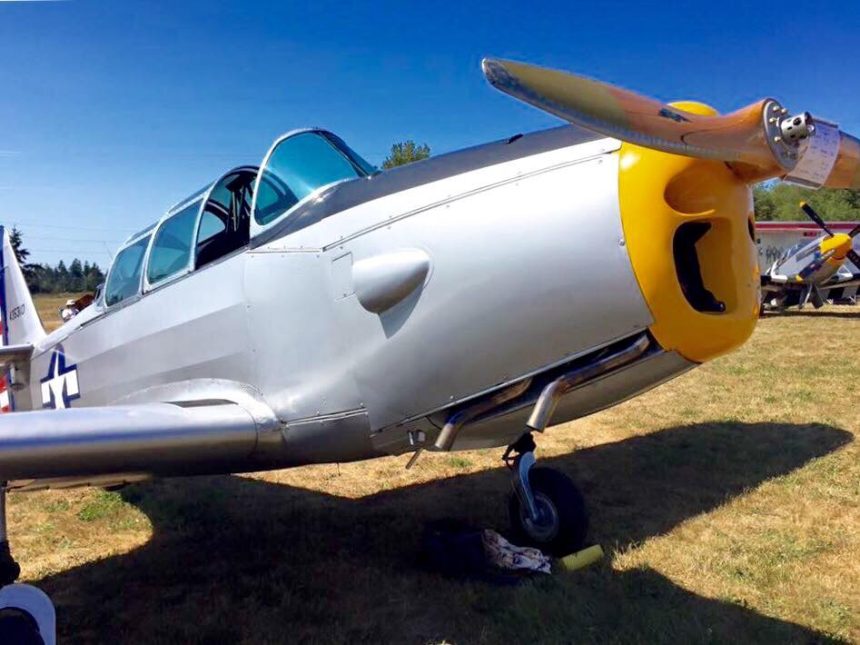
Fairchild PT-26 Cornell, c/n T43-5310, N49071. This particular aircraft has been restored with the silver paint scheme of the U.S. Army Training Command, the correct color for the U.S. usage of the PT-26. The Royal Canadian Air Force aircraft were painted yellow (blue and yellow having been discontinued before most of the Cornell’s were put into service). This aircraft was built in 1943, and I have seen evidence of it in the U.S. Pacific Northwest, Pangborn Field, Wenatchee, Washington, in 1969, for example. My photos.
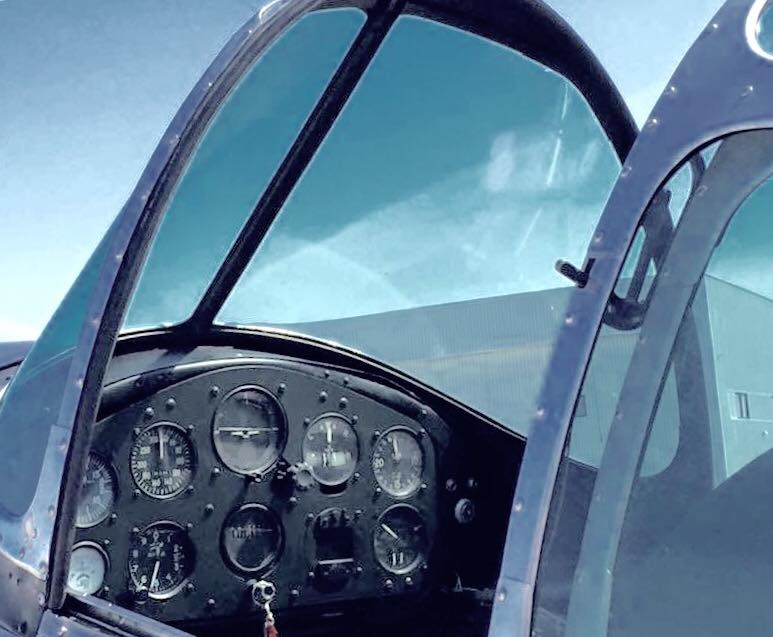
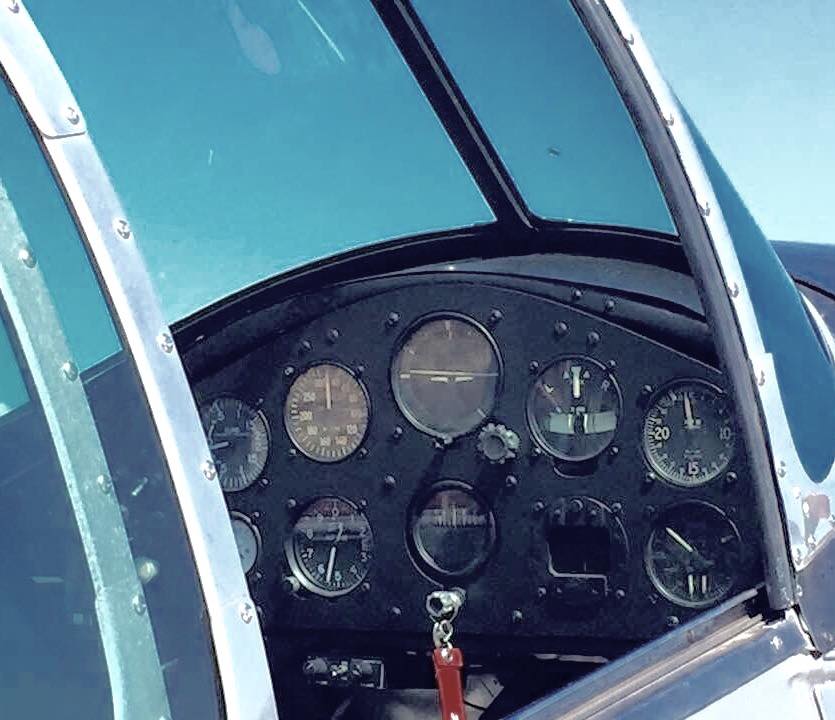
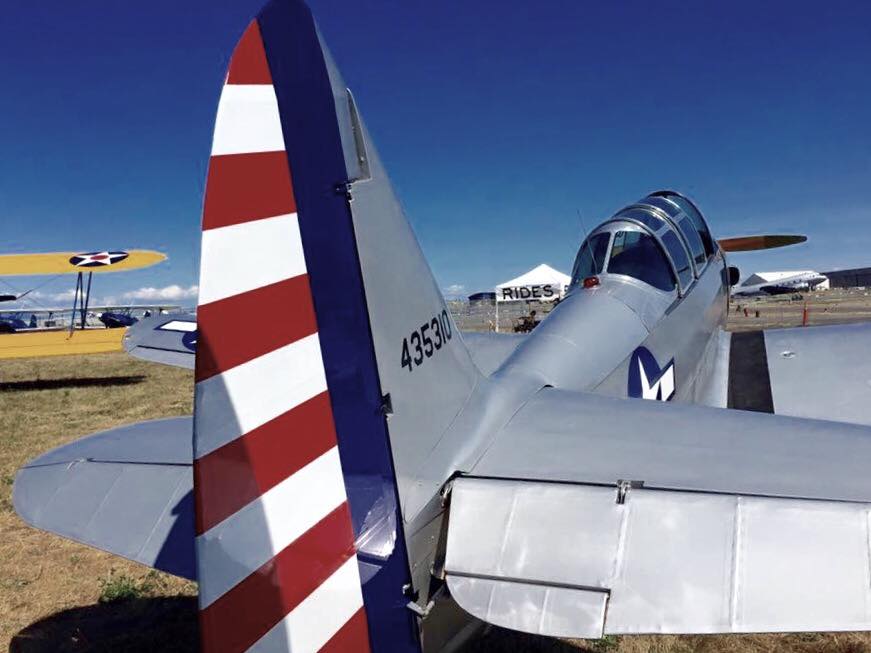
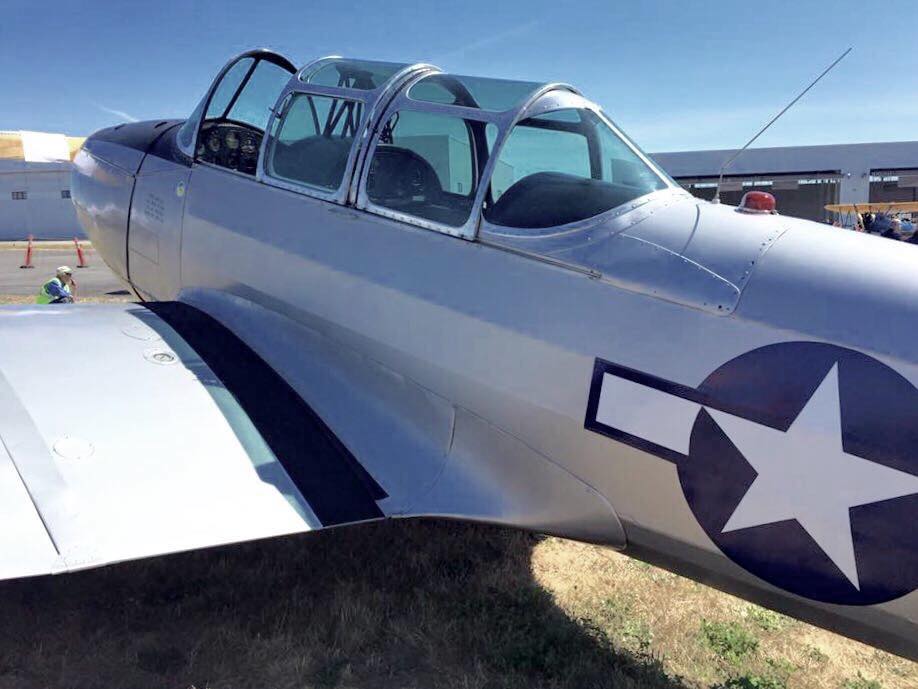
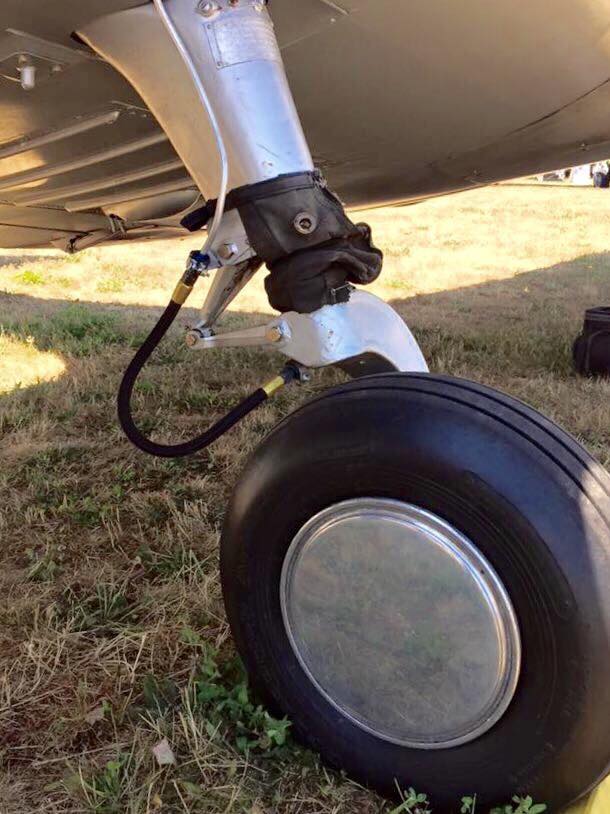
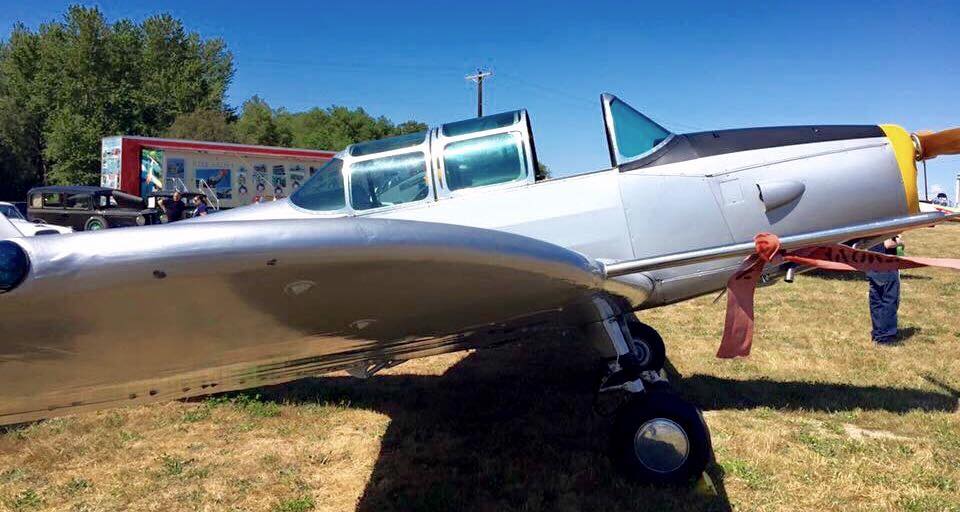
The PT-26 Cornell is a closed-canopy variant of Fairchild Aircraft Company’s PT-19 primary trainer and was introduced in July 1942. As was common with aircraft originated in the U.S. and flown by British Commonwealth forces, it was named for an American school, in this case, Cornell University. Nicknamed “Cradle of the Air Force.” Of the initial production by Fairchild, 670 were provided to the Royal Canadian Air Force pursuant to the Lend-Lease program. They were flown under the British Commonwealth Air Training Plan and replaced the aging de Havilland Tiger Moths, Fleet Fawns and Finches.
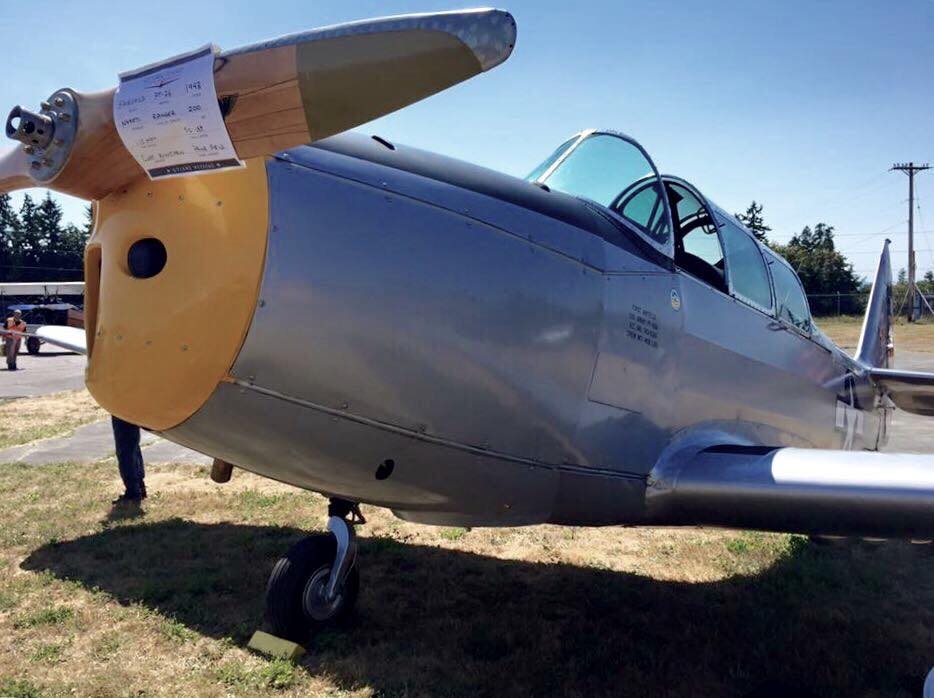
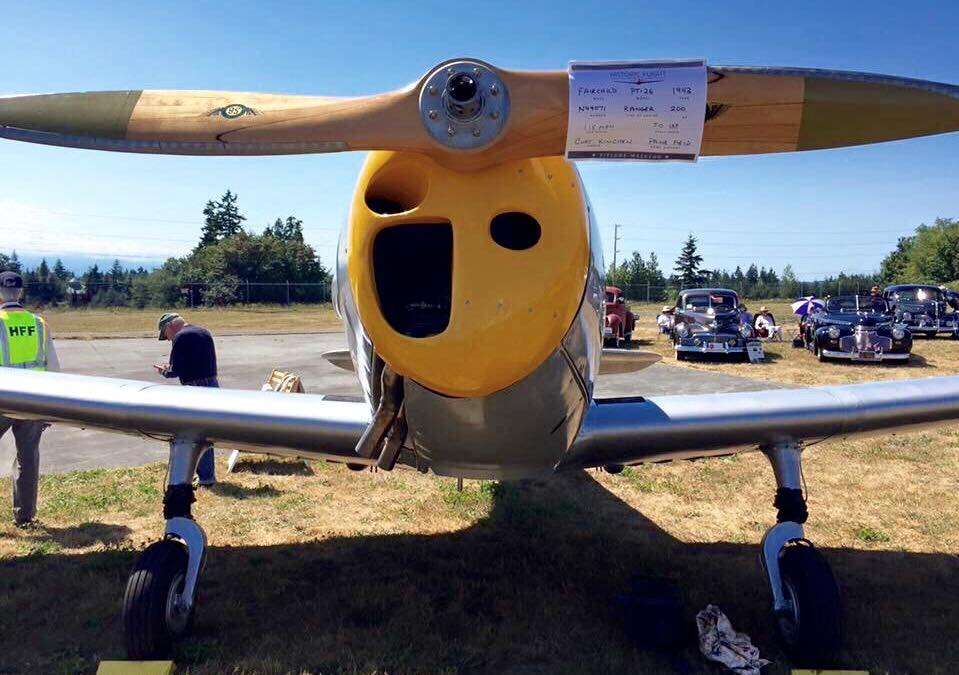
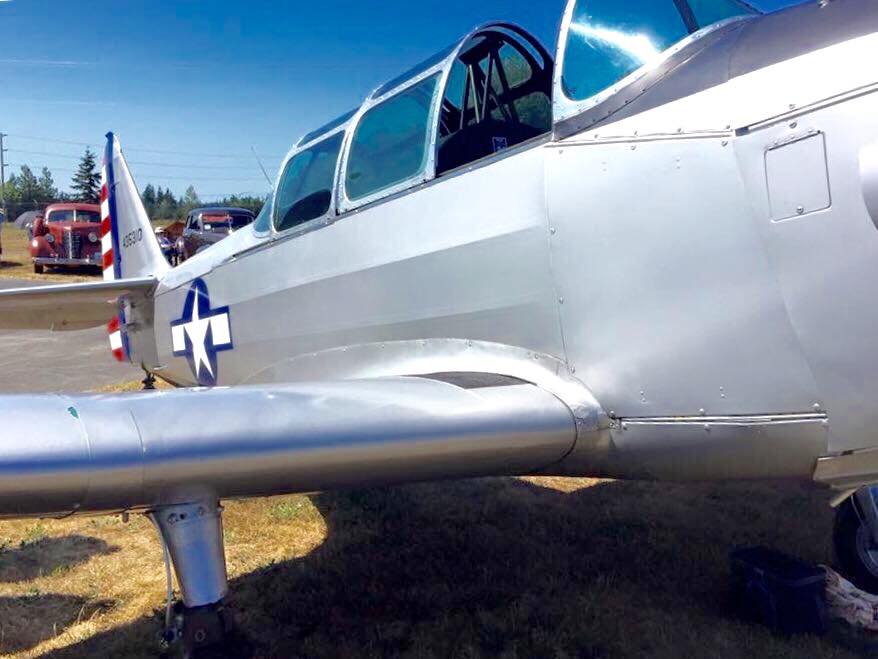
In Canada, 1,642 were built under license by Fleet Aircraft Ltd. of Fort Erie, Ontario. In a kind of Lend-Lease reverse, the U.S. Army Air Corps acquired 1,057 of the aircraft from the Fleet. In all, over 7,000 aircraft were built before production ended in 1944. In comparison to the PT-19, the PT-26 had a larger engine (200-hp air-cooled Ranger L-440-7), a larger electrical system, better instrumentation, and oil dilution for easier starting in cold weather. Construction was mainly of wood and fabric, with wood-capped steel tubing in the fuselage, and mahogany plywood covering the ribs, cap strips and bracing. The control surfaces were made of fabric-covered aluminum frames. It was built unarmed, and, like the PT-19, could be fitted with a retractable hood over the front cockpit for blind-flying training.
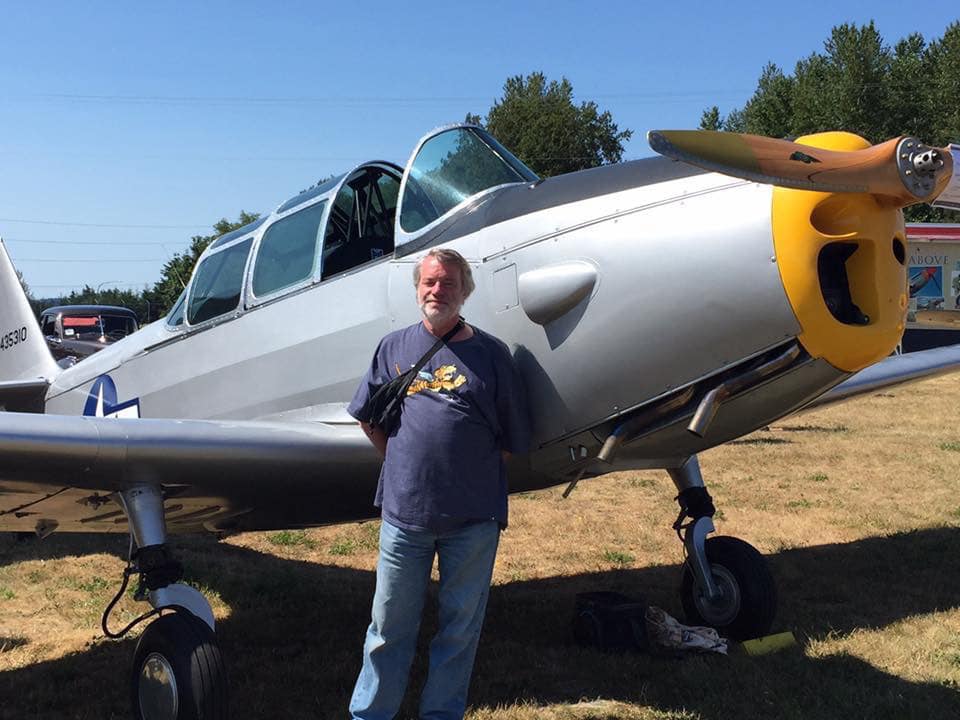
Editor’s note: This aircraft is now maintained in airworthy condition at the Historical Aircraft Squadron in Lancaster, Ohio.
About the author: 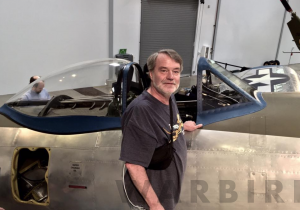 Randy Malmstrom grew up in a family steeped in aviation culture. His father, Bob, was still a cadet in training with the USAAF at the end of WWII, but did serve in Germany during the U.S. occupation in the immediate post-war period, where he had the opportunity to fly in a wide variety of types that flew in WWII. After returning to the States, Bob became a multi-engine aircraft sales manager and, as such, flew a wide variety of aircraft; Randy frequently accompanied him on these flights. Furthermore, Randy’s cousin, Einar Axel Malmstrom, flew P-47 Thunderbolts with the 356th FG from RAF Martlesham Heath. He was commanding this unit at the time he was shot down over France on April 24th, 1944, and spent the rest of the war as a prisoner of war. Following his repatriation at war’s end, Einar continued his military service, attaining the rank of Colonel. He was serving as Deputy Wing Commander of the 407th Strategic Fighter Wing at Great Falls AFB, MT, at the time of his death in a T-33 training accident on August 21, 1954. The base was renamed in his honor in October 1955 and continues to serve in the present USAF as home to the 341st Missile Wing. Randy’s innate interest in history in general, and aviation history in particular, plus his educational background and passion for WWII warbirds, led him down his current path of capturing detailed aircraft walk-around photos and in-depth airframe histories, recording a precise description of a particular aircraft in all aspects.