







By Kevin Wilkins
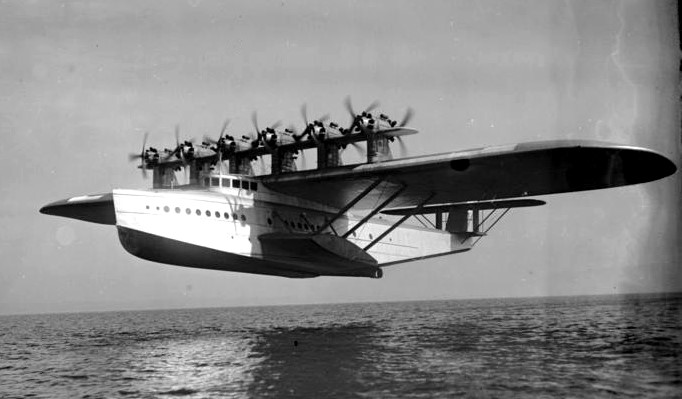
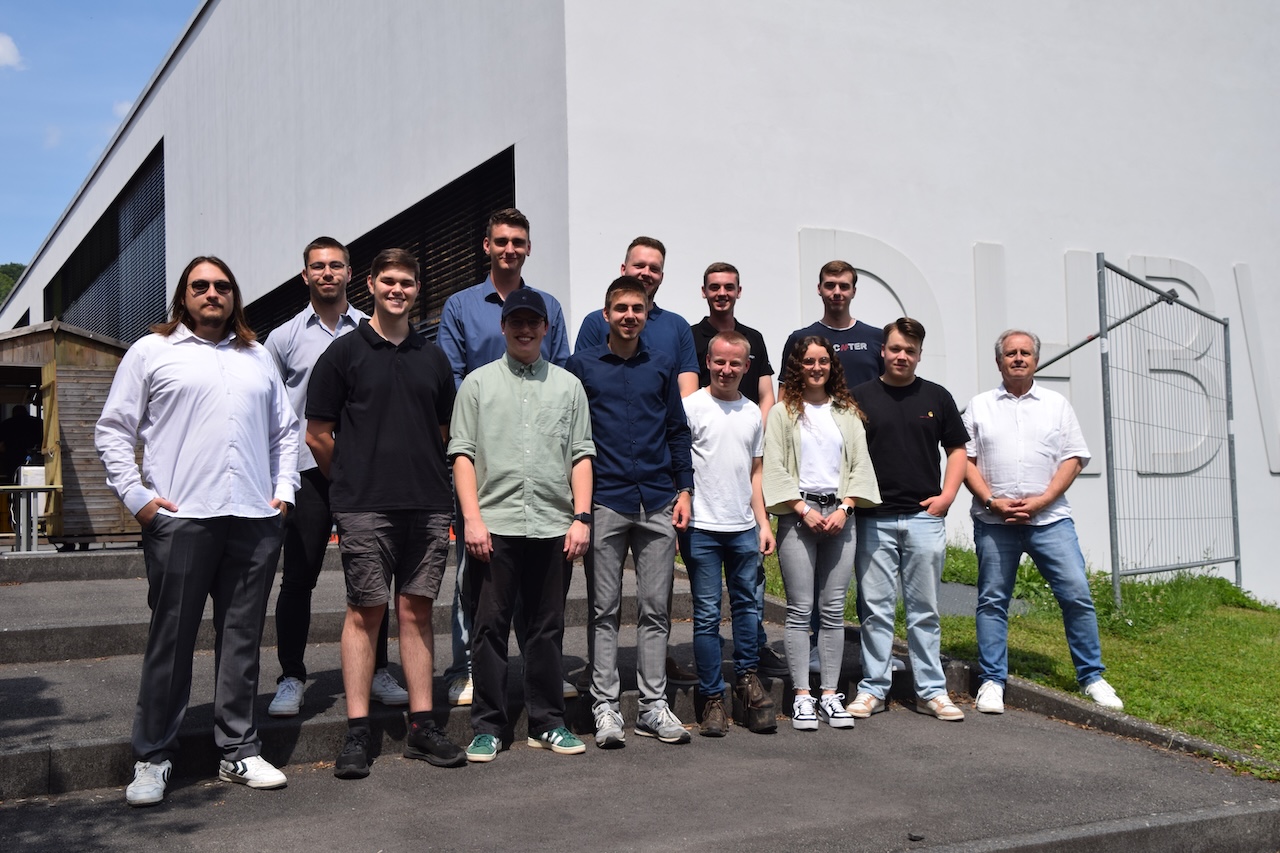
In January 2024, Vintage Aviation News first reported on the ambitious vision to resurrect one of the most extraordinary aircraft in aviation history—the Dornier Do X. In that article, we explored the origins of the project led by the Freundeskreis Do X e.V. (Friends and Supporters of the Do X) and their goal to recreate the legendary flying boat from scratch. Eighteen months later, that vision has taken a major step forward. On June 20, students from Mosbach University of Applied Sciences formally handed over their completed reengineering data for the wing structure of the Dornier Do X flying boat. This milestone represents critical progress in the broader effort to bring the world’s largest pre-WWII seaplane back to life.
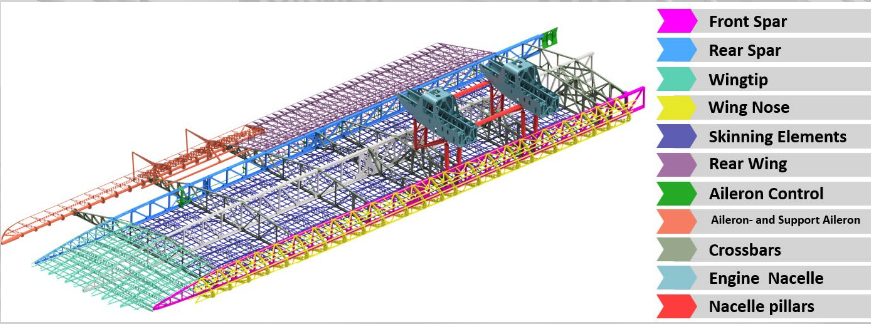
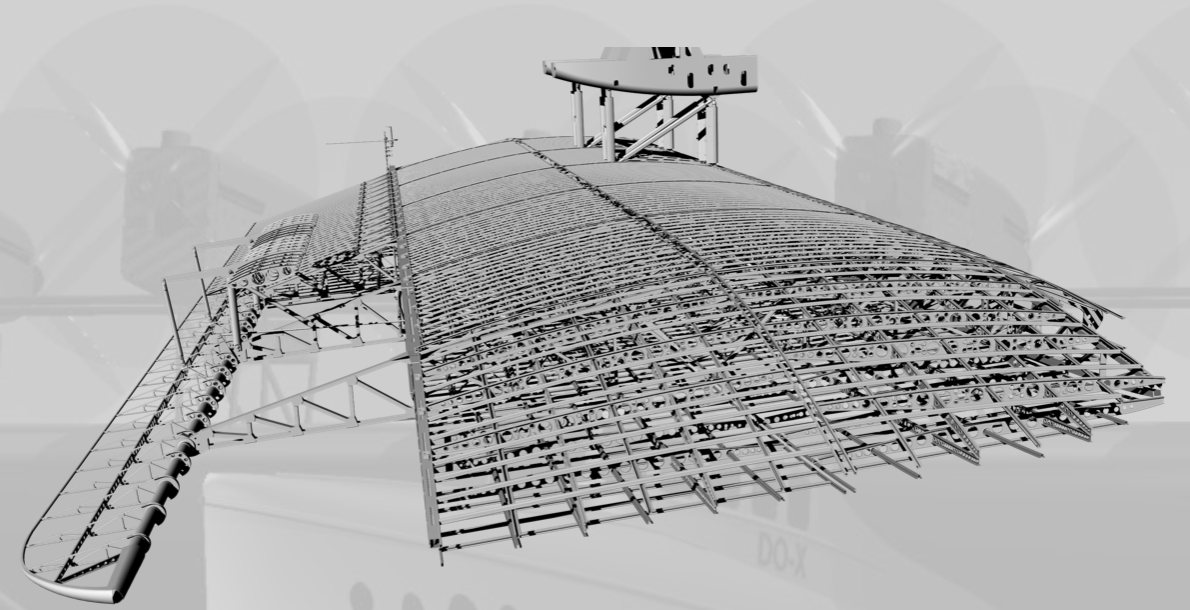
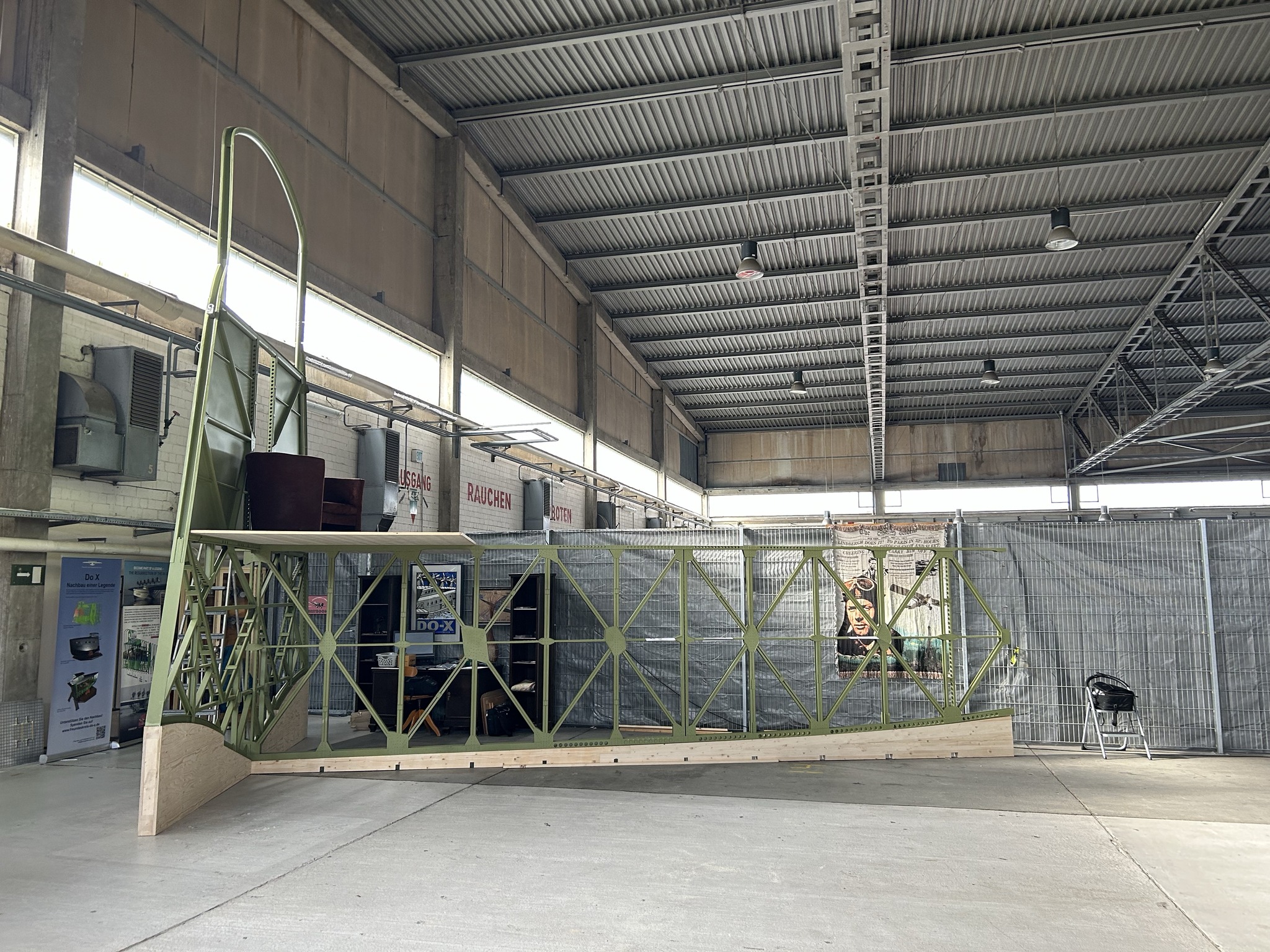
The student team, designated Group G11, dedicated two full semesters—totaling 3,600 collective hours—to digitally reengineer the Do X wing. Their deliverables include CAD models, detailed technical drawings, and complete parts lists for components such as spars, crossbars, skin panels, ailerons, trailing edges, and engine nacelle structures. This work provides an essential foundation for physical reconstruction. Yet, challenges remain. Key elements such as the rear wing structure, wing leading edge, and control linkages between the cockpit, wings, and tail unit have not yet been modeled. These tasks have been passed to the next student group, G12, who will continue the reengineering process through 2026/27.
A Century-Old Dream Takes Flight Again
The Dornier Do X was born of a radical idea: that massive flying boats could carry passengers across oceans before runways spanned the globe. In 1925, German aviation pioneer Claude Dornier envisioned a new era of international air travel using large seaplanes, believing that cities connected by rivers and coastlines would benefit most from such aircraft. Initially blocked by the Treaty of Versailles, which limited German aviation activities, Dornier was forced to innovate abroad. He began work in Switzerland and later established production facilities in Marina di Pisa, Italy, where his smaller flying boat—the Dornier Wal—achieved international success and laid the groundwork for the Do X. By 1926, the concept for the massive flying ship began to solidify. With financial support from government contacts such as Admiral Lahs and the German Ministry of Transport, Dornier was finally able to move forward with what would become his magnum opus.
The Giant of the Skies
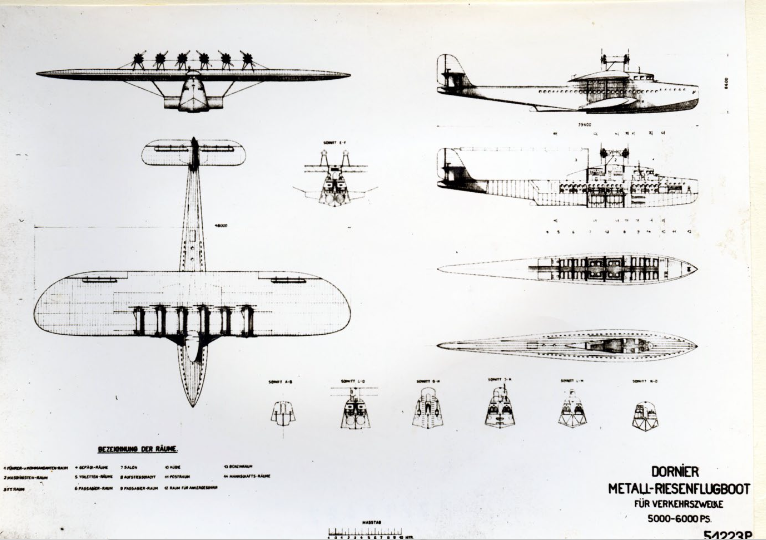
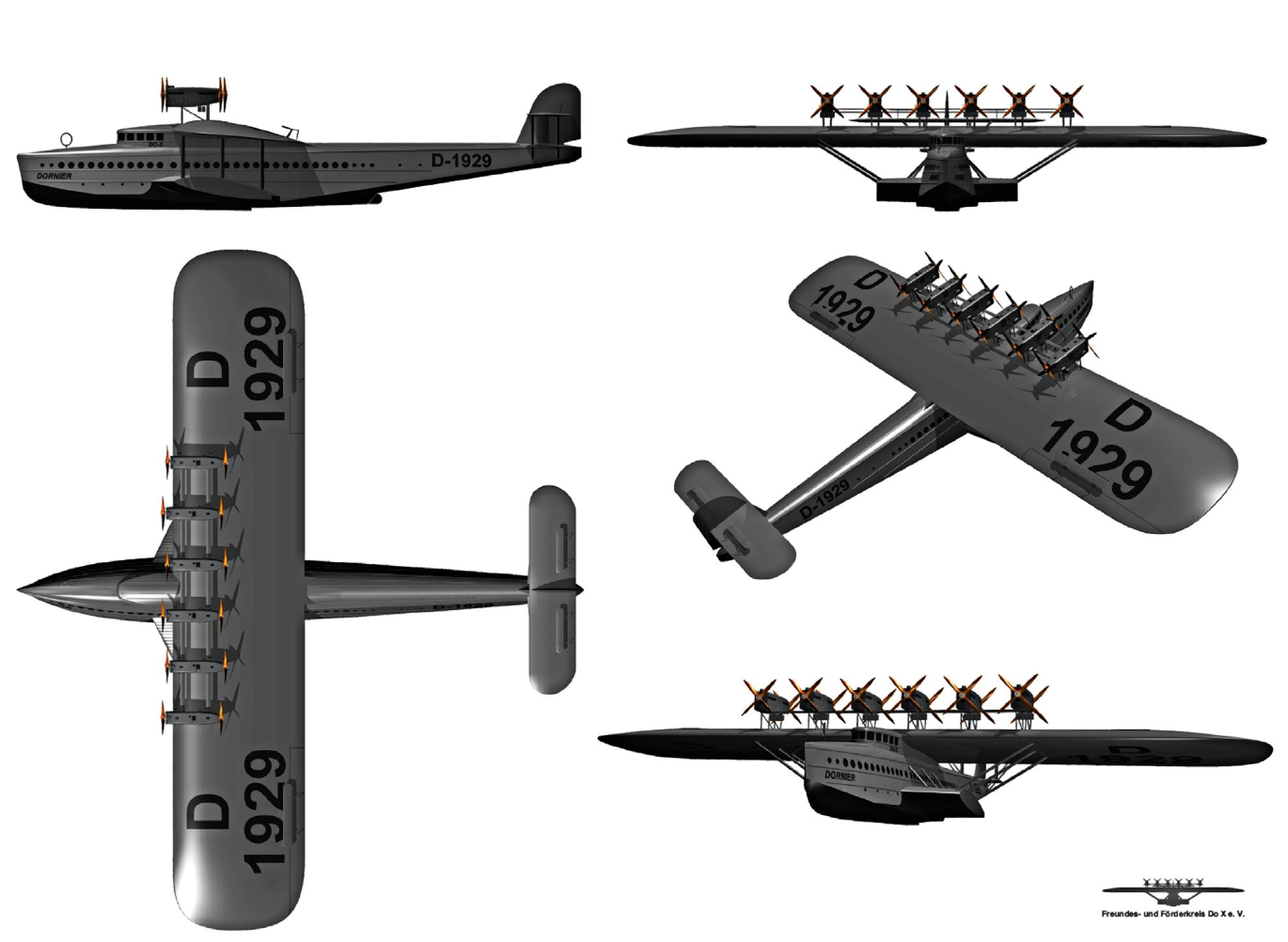
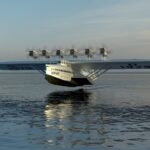
Built between 1928 and 1931 in Altenrhein, Switzerland, the Dornier Do X was a marvel of engineering. Spanning 48 meters with a 40-meter-long hull, it was powered by twelve engines and designed to carry up to 169 passengers. The German Do X1 made its maiden flight on July 12, 1929, and gained worldwide fame for a transatlantic flight that included stops in South America, the United States, and back to Germany. Three Do X flying boats were constructed—one for Germany and two for the Italian Navy. Unfortunately, none of them survived the passage of time. Apart from a few scattered fragments, the aircraft and even their original engineering drawings were lost to history. Now, a century after the Do X’s inception, a new generation of engineers and aviation enthusiasts is rebuilding it from the ground up.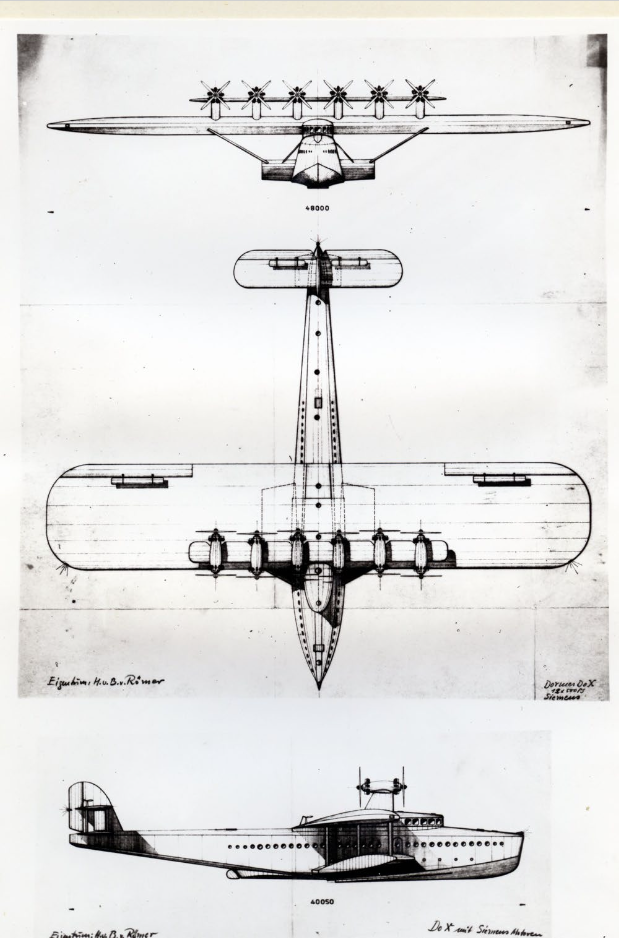
A Flying Boat’s Companion Returns
The project to reconstruct the Do X recently gained a symbolic companion: the MS Altenrhein. This historic tow and support vessel, once used in connection with the Do X project, was rediscovered in 2019 and painstakingly restored by shipowner David Dornier over a six-year period. On May 1, 2025, the MS Altenrhein was relaunched during a ceremony at Lake Constance. Soon, it will offer scenic heritage cruises in tribute to the golden age of seaplane travel. “The only thing missing now is the Do X flying ship for the Altenrhein towing boat,” noted the restoration team—a sentiment shared by many in the Do X community.
Building the Future with the Past
The reconstruction of the Dornier Do X is not just about rebuilding an aircraft—it’s about reviving a legacy of innovation, craftsmanship, and daring ambition. By 2026 or 2027, the team hopes to have complete construction plans in hand and begin work on a physical replica of the historic flying boat. The Freundeskreis Do X e.V. is leading the charge, with support from academic partners, historians, and volunteers across Europe. They continue to seek donations and sponsorships to fund this monumental undertaking. To support the project, visit www.do-x-vision.de or contact the team directly at [email protected].











As an ex RAF airman,1960s, and later a Lufthansa employee, I have always been fascinated by the DO-X. A pity the program did not continue as I’m sure the aircraft would have been a great commercial success around the world.