








When Louis Charles Joseph Blériot crossed the English Channel on July 25, 1909, few could have imagined that more than a century later, one of his early monoplanes would still be flying. Now, 116 years later, the Old Rhinebeck Aerodrome’s Blériot XI, serial number 56, continues to take to the skies. It is the oldest flying aircraft in the Americas and the second-oldest flying aircraft in the world, preceded only by the Shuttleworth Collection’s Blériot XI in Bedfordshire, England, built just three weeks earlier. On October 5, 2025, after more than two years of meticulous restoration, the Blériot XI took flight under the skilled control of museum chief pilot Clay Hammond. The aircraft’s return to the air marked a significant achievement for the restoration team, including David Trost, Vice President and Trustee of the Rhinebeck Aerodrome Museum.

The Blériot XI is a seminal design in aviation history. Developed primarily by Raymond Saulnier, who later co-founded Morane-Saulnier, the aircraft gained fame when Blériot piloted it across the English Channel in 1909—a 22-mile journey completed in 36 minutes that earned him the Daily Mail’s £1,000 prize. Prior to his aviation accomplishments, Blériot had a successful business producing automotive headlamps. His hobbyist interest in flight ultimately evolved into a pioneering career in aviation.
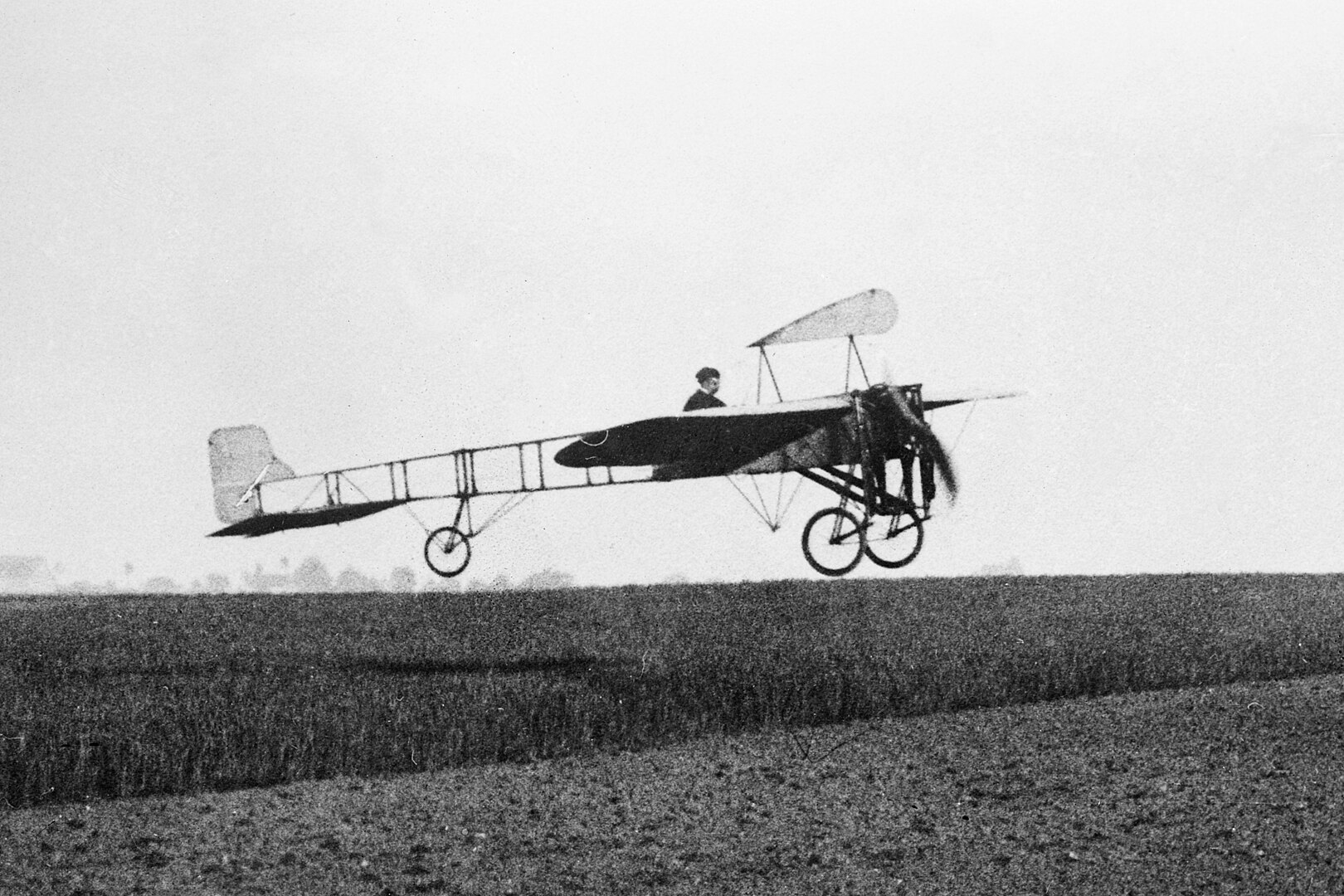
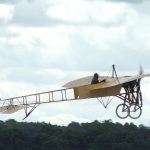
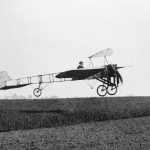
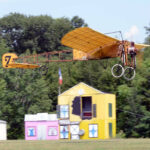
The Old Rhinebeck Blériot has its own storied history. Believed to have crashed at an air meet in Saugus, Massachusetts, in 1910, the airframe was later spotted in a junkyard by H. H. Coburn. Coburn rescued it and passed it along to Bill Champlin of Laconia, New Hampshire, who then donated it to Cole Palen in 1952. Palen restored the aircraft to flying condition by 1954 at Stormville Airport, New York, and it was subsequently featured in Mechanix Illustrated in 1955, garnering early national attention prior to the founding of the Old Rhinebeck Aerodrome. Since 1961, the Blériot XI has been a regular performer at Rhinebeck, typically flying brief, low-altitude hops during weekend airshows. Its maximum altitude rarely exceeds 60 feet, but its flights offer a vivid demonstration of early aviation engineering.
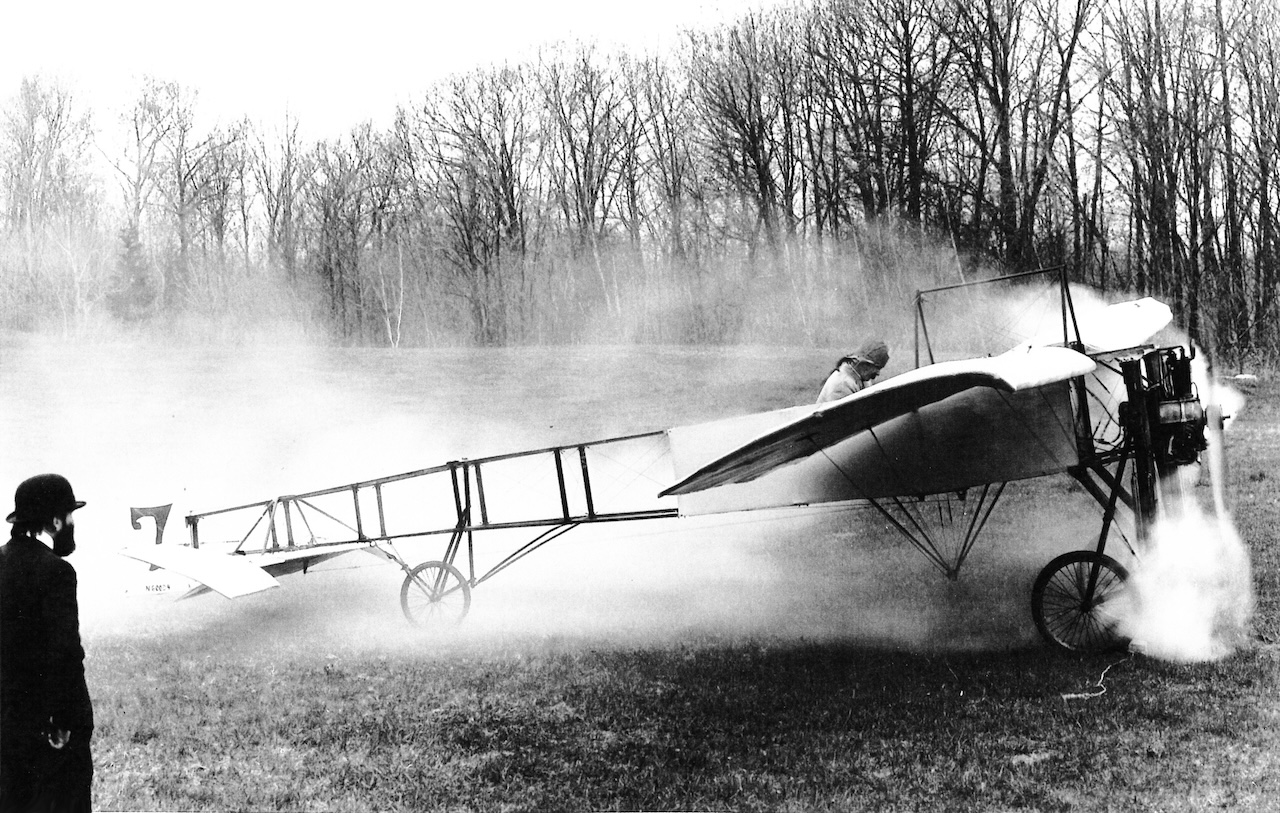
The most recent restoration, completed over two and a half years, addressed mechanical issues that arose after a previous rebuild. According to David Trost, Vice President, Trustee Old Rhinebeck Aerodrome Museum, the team discovered that one of the main babbitted bearings had failed, along with multiple minor issues. “I eventually found a place that would redo the bearing for us at cost,” Trost said. Additional repairs included replacing cracked cylinder case bolts, hold-down bolts, and valve push rods, which were fabricated by a local machine shop. Once all parts were restored, the engine was reassembled and mounted on the airframe.

During testing, the Blériot XI successfully completed short flights with the museum’s Chief Pilot, Clay Hammond, at the controls. Minor issues with the magneto and hub shaft were resolved, and the aircraft achieved controlled flight even with a light tailwind. Trost noted that the airframe retains a high percentage of original 1909 material, making it an exceptionally authentic example of early aviation. The aircraft’s rudder was also restored to the correct shape, replacing a square-shaped rudder that had been installed earlier. Much of the original structure remains, with new wings and other components rebuilt as necessary. Trost emphasized that the aircraft has been flying at Rhinebeck for over 60 years, making it an enduring centerpiece of the museum’s collection.

Blériot XI serial number 56 remains a tangible link to the earliest days of powered flight, illustrating the ingenuity and craftsmanship of aviation pioneers. Its continued operation at the Old Rhinebeck Aerodrome offers an unparalleled opportunity to experience history in motion, more than a century after Louis Blériot’s historic Channel crossing. For more information about the Old Rhinebeck Aerodrome and to help them keep aviation history alive, visit www.oldrhinebeck.org.










Are you guys still only flying three feet off the ground with it??? Its rebuild……freakin fly the thing already!