

(Image credit: VAN)
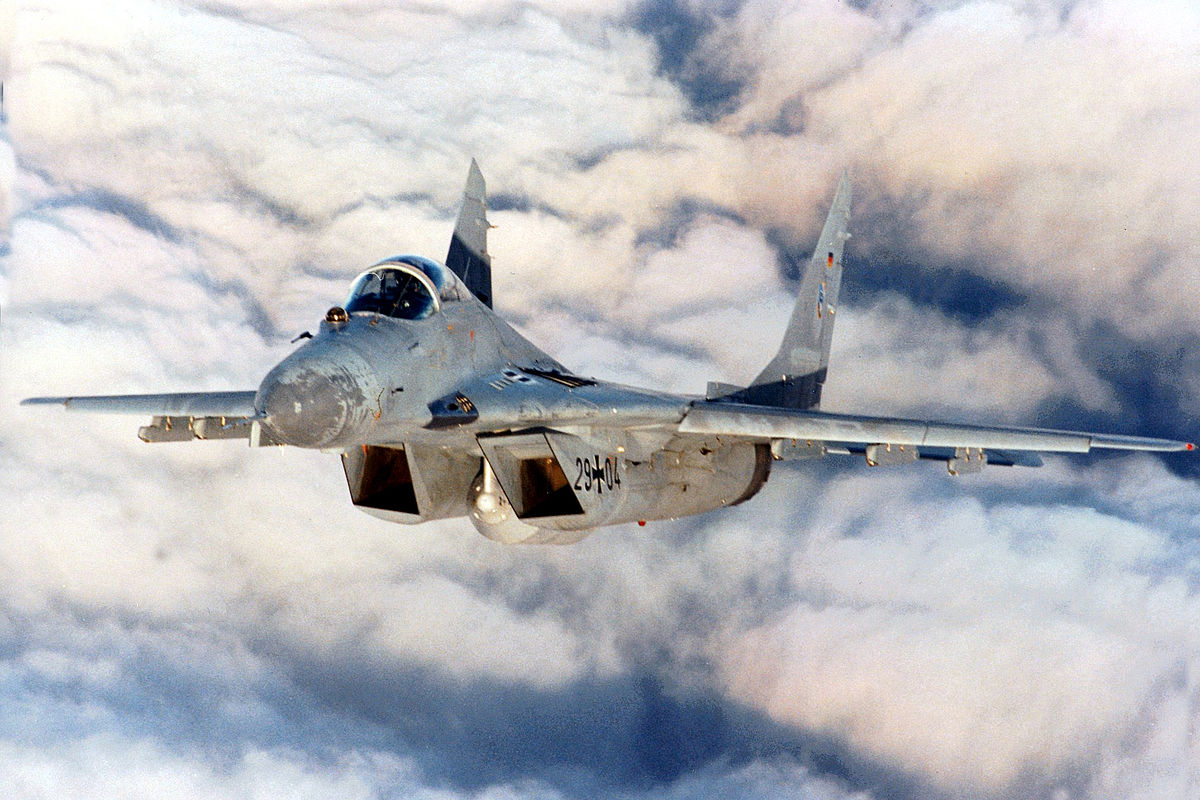
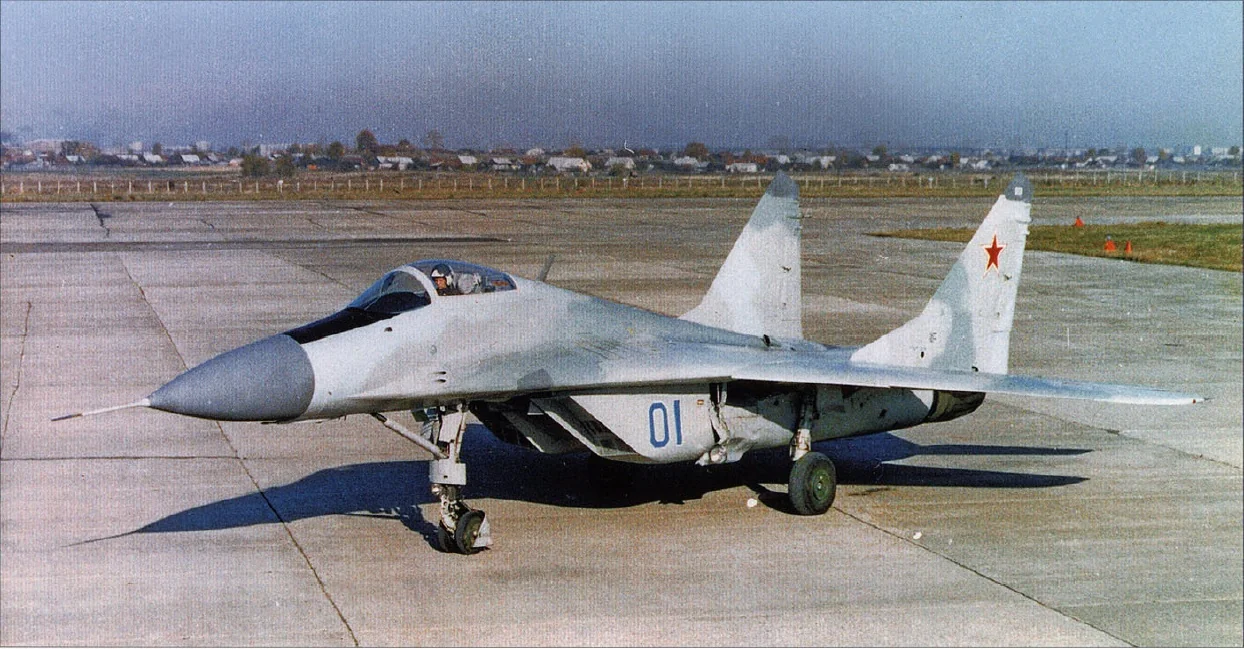
Forty-eight years ago today, on October 6, 1975, the Mikoyan MiG-29 took to the skies for the first time. The MiG-29A prototype 9-01, known as “01 Blue,” was piloted by Soviet test aviator Alexander Vasilievich Fedotov during its maiden flight at Ramenskoye Airfield. Known by NATO as the Fulcrum, the MiG-29 is a twin-engine Russian fighter jet originally designed during the Soviet era, and it remains in service today with over a dozen militaries worldwide.

The MiG-29 was developed by the Mikoyan design bureau amid the Cold War as a dedicated air superiority fighter. Alongside the larger Sukhoi Su-27 Flanker, the Soviet Union aimed to counter potential threats from American fighters such as the F-16 Fighting Falcon and the F-15 Eagle. The Fulcrum officially entered service with the Soviet Air Forces in 1983. Over time, upgrades to the airframe and systems have transformed the MiG-29 into a versatile multi-role fighter.
The Fulcrum is powered by two Klimov RD-33 afterburning turbofan engines, each producing 11,110 pounds of thrust, or 18,340 pounds with afterburners engaged. It can reach a maximum speed of 1,520 mph, with a combat range of 430 to 560 nautical miles. The aircraft has a service ceiling of 59,000 feet and a climb rate of 65,000 feet per minute. Its armament includes a 30 mm Gryazev-Shipunov GSh-30-1 autocannon and seven hardpoints capable of carrying up to 8,800 pounds of rockets, missiles, bombs, or additional fuel tanks.
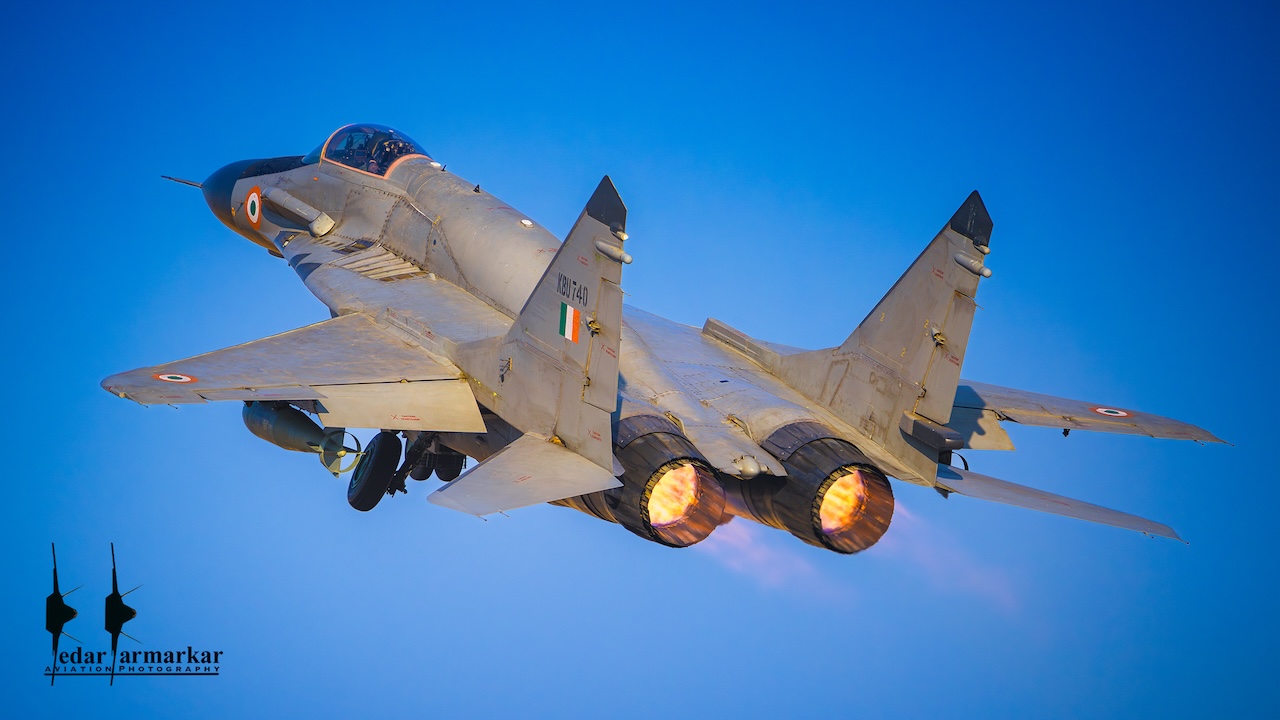
Today, the MiG-29 remains in service with countries including Russia, India, Ukraine, North Korea, and Poland. In the United States, defense contractor RAVN Aerospace operates MiG-29s for adversary training. Over 1,600 aircraft were built between 1981 and 2019, with many still active or preserved in museums. The first prototype, MiG-29A 9-01, survives and is on display at the Central Air Force Museum in Monino, Russia.