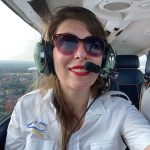

Written by Paola Bertoni, travel blogger at www.paolaeverywhere.com
During the Second World War, the island of Malta occupied a crucial position in the Mediterranean theatre. British forces stationed there were often outnumbered and under constant aerial bombardment. Yet, they held their ground thanks to a combination of strategic brilliance, resilience, and extraordinary individuals. Among these, one name stands out: Adrian “Warby” Warburton, an RAF photo reconnaissance pilot whose adventurous life and daring missions became legend. While largely unknown to the general public, Warburton’s contribution to Allied success in the region remains undeniable.
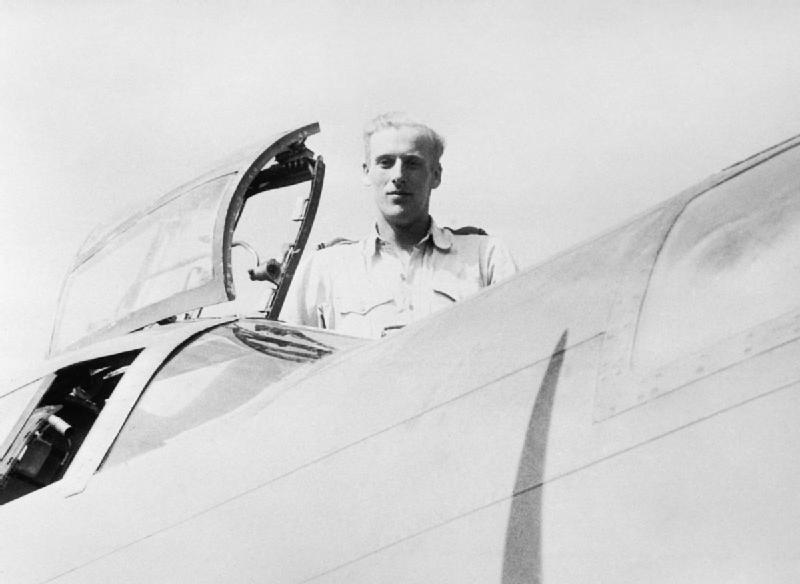
Adrian “Warby” Warburton: A Pilot Unlike Any Other
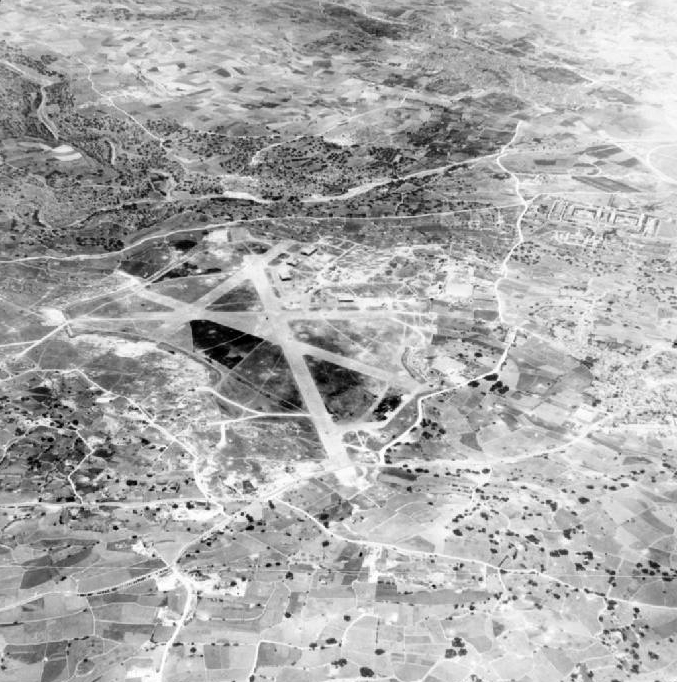
Adrian Warburton was one of the most unconventional pilots of the Second World War. With his rebellious spirit, disorganised lifestyle, and open disregard for military protocol, he frequently clashed with superiors in England. But in Malta, under siege and in desperate need of results, his eccentricity became an invaluable asset. Warburton had a unique gift for low-level flying and an instinctive ability to read terrain. These skills made him one of the RAF’s most effective photo-reconnaissance pilots. Flying unescorted missions, often at lower altitudes than required to obtain better images, he gathered vital intelligence that directly contributed to major Allied operations, including the landings in Sicily.
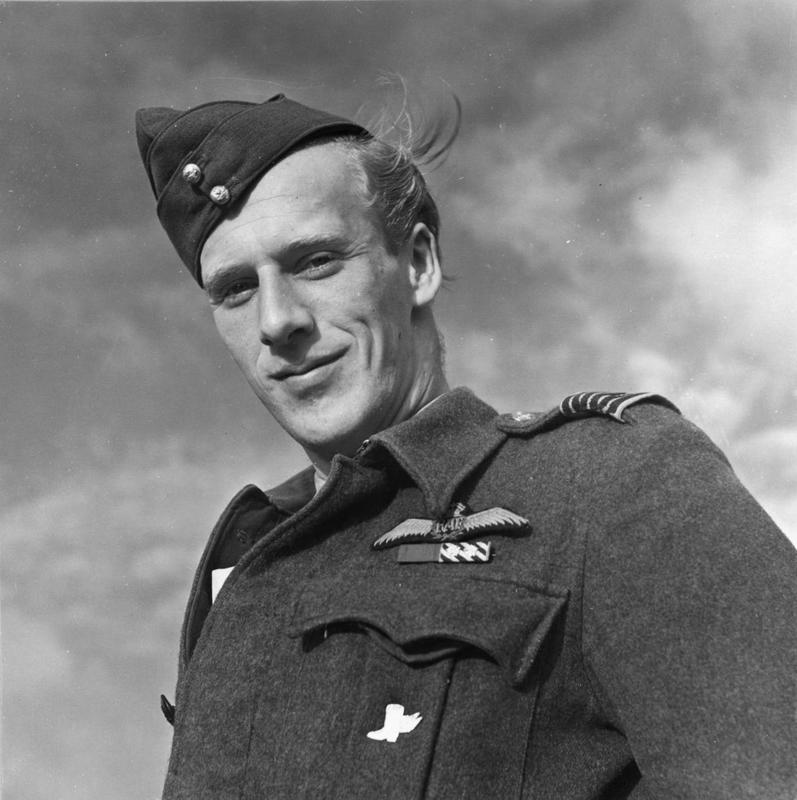
His flying technique, however, was far from textbook. Warburton lacked formal polish in the cockpit and was known for cutting corners when it came to procedures. Both his take-offs and landings were often rough, lacking the smooth precision expected of RAF pilots. However, in the air, he was a real ace, and what he lacked in finesse, he made up for in courage, instinct, and results. His unconventional methods allowed him to get closer to targets than most would dare, capturing images with exceptional clarity, often the difference between success and failure in planning Allied strikes.
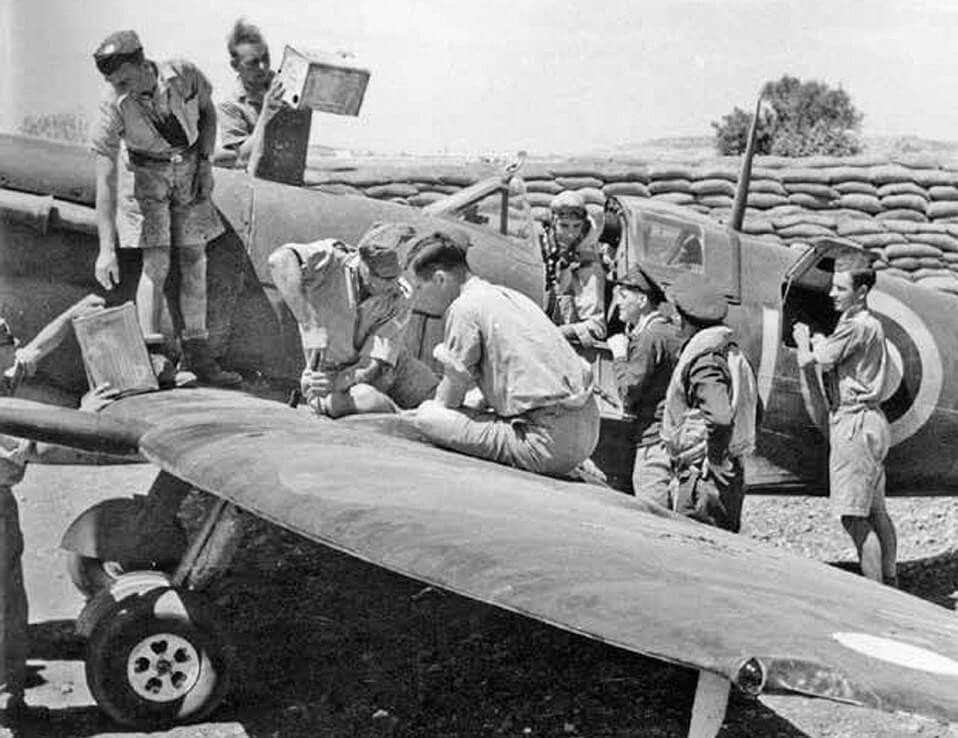
Although his primary role was reconnaissance, Warburton also demonstrated exceptional combat skills, shooting down nine enemy aircraft. He became a household name in Malta, admired not only for his bravery but also for his charisma and his relationship with the glamorous Christina Ratcliffe, who herself came to symbolise the island’s wartime resilience.Warburton’s legend grew further following his mysterious disappearance in April 1944. While flying an American aircraft on an unusual mission over Germany, he vanished without a trace. For nearly six decades, rumours suggested he had chosen to disappear, until his plane was found, finally solving one of the RAF’s most enduring mysteries.
WWII in Malta: How Adrian Warburton Became a Reconnaissance Ace
When Adrian Warburton arrived in Malta in 1940, the island was under constant siege from Axis air raids. Despite being heavily bombed, Malta played a vital role in the Allied strategy across the Mediterranean. It was in this high-risk environment that Warburton made his name as one of the RAF’s most daring reconnaissance pilots. Flying aircraft such as the Maryland and the Spitfire, Warburton undertook hundreds of photo-reconnaissance sorties over enemy territory, including Sicily, Libya, and southern Italy. These missions were far from routine. He often flew solo or with just one wingman, without escort, skimming enemy coastlines at altitudes as low as 50 feet, well below standard operating altitude. This extreme low-level flying allowed him to capture highly detailed photographs of enemy airfields, troop positions, and shipping routes.
The intelligence Warburton gathered proved crucial in planning operations such as the Allied landings in North Africa. His unique flying style and fearless approach earned him both fame and respect. On numerous occasions, he returned with bullet-riddled aircraft, sometimes with damaged engines, yet always managed to land safely. Malta’s airfields were frequent targets, and many aircraft were destroyed before even taking off. Warburton’s survival and repeated success made him a legend, not only for his skill in the air but for his calm precision under pressure. His missions helped turn the tide in the Mediterranean and cemented his place in RAF history.
Adrian Warburton: The Complex Man Behind the Wartime Legend
Adrian “Warby” Warburton was more than just a brilliant RAF pilot: he was a private and complex man, profoundly shaped by the psychological weight of war. During his early training, Warburton married Betty Westcott. Not out of romance, but, as he admitted, to make sure the war widow’s pension wouldn’t be wasted. It was a matter-of-fact decision that reflected his quiet acceptance of the risks he was taking and the likelihood that he might not return. His true emotional bond came later with Christina Ratcliffe, an English cabaret performer stranded in Malta at the outbreak of the war. She remained on the island and supported the Allied forces in the Lascaris War Rooms. Their intense relationship, set against the backdrop of bombardments and survival, became part of Warburton’s legend.
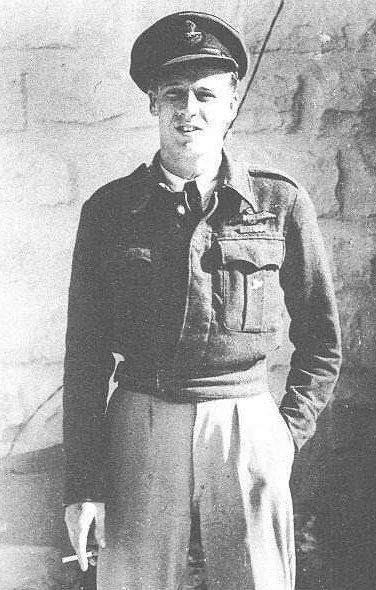
Known for wearing a dishevelled uniform and socialising more with ground crews than fellow officers, Warburton defied convention in everything he did. Yet he flew with quiet intensity, completing over 400 sorties, an extraordinary record for a reconnaissance pilot. At the time of his disappearance, Warburton had just turned 26. In those few short years, he had earned a reputation for courage far beyond his age and was recognised with numerous decorations: the Distinguished Service Order and Bar, the Distinguished Flying Cross with two Bars, and the American Distinguished Flying Cross. Those who remember him speak of a man who, beneath a calm and distant exterior, carried a deep sense of duty. He was anything but conventional, rarely concerned with appearances or keeping his uniform in order. He had little interest in spending time with fellow officers, preferring instead the company of the ground crews, with whom he shared jokes, stories, and a genuine sense of camaraderie. Warburton found solace in that informal world, far from the rigid expectations of military hierarchy.
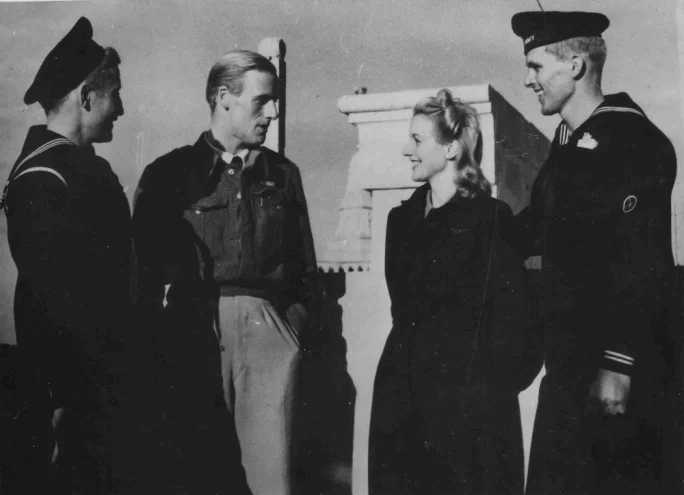
Following a serious accident during his off-duty hours, Warburton began to show signs of emotional fatigue. The strain of constant operations, combined with the personal toll of war, was beginning to show. By 1943, he was posted away from Malta, a move that many believe marked the start of a decline in both his morale and mental state. Removed from the island where he had found purpose, recognition, and perhaps a sense of belonging, Warburton seemed increasingly adrift. In April 1944, he disappeared during a mission over Germany. For decades, many believed he had returned to Malta, seeking comfort in the place where he had been most alive. His mysterious fate remained unsolved for 60 years, only adding to his enduring legend.
The Discovery in Bavaria: Solving Warburton’s Final Mystery
For nearly 60 years, the fate of Adrian Warburton remained one of the RAF’s most enduring wartime mysteries. On 12 April 1944, he took off from RAF Mount Farm in Oxfordshire in an American F-5B Lightning, an unarmed reconnaissance variant of the P-38, for a mission over southern Germany. He never returned. With no trace of aircraft or pilot, speculation grew: some believed he had defected to return to his beloved Christina in Malta, others thought he had died on a covert intelligence operation. The truth finally emerged in 2002, thanks to the research of aviation historian Frank Dorber and a wartime Luftwaffe report detailing the crash of a foreign aircraft near the Bavarian village of Egling an der Paar. The wreckage, which had already been known to the US Air Force but had not been investigated due to the difficulty of recovery, was fully excavated.
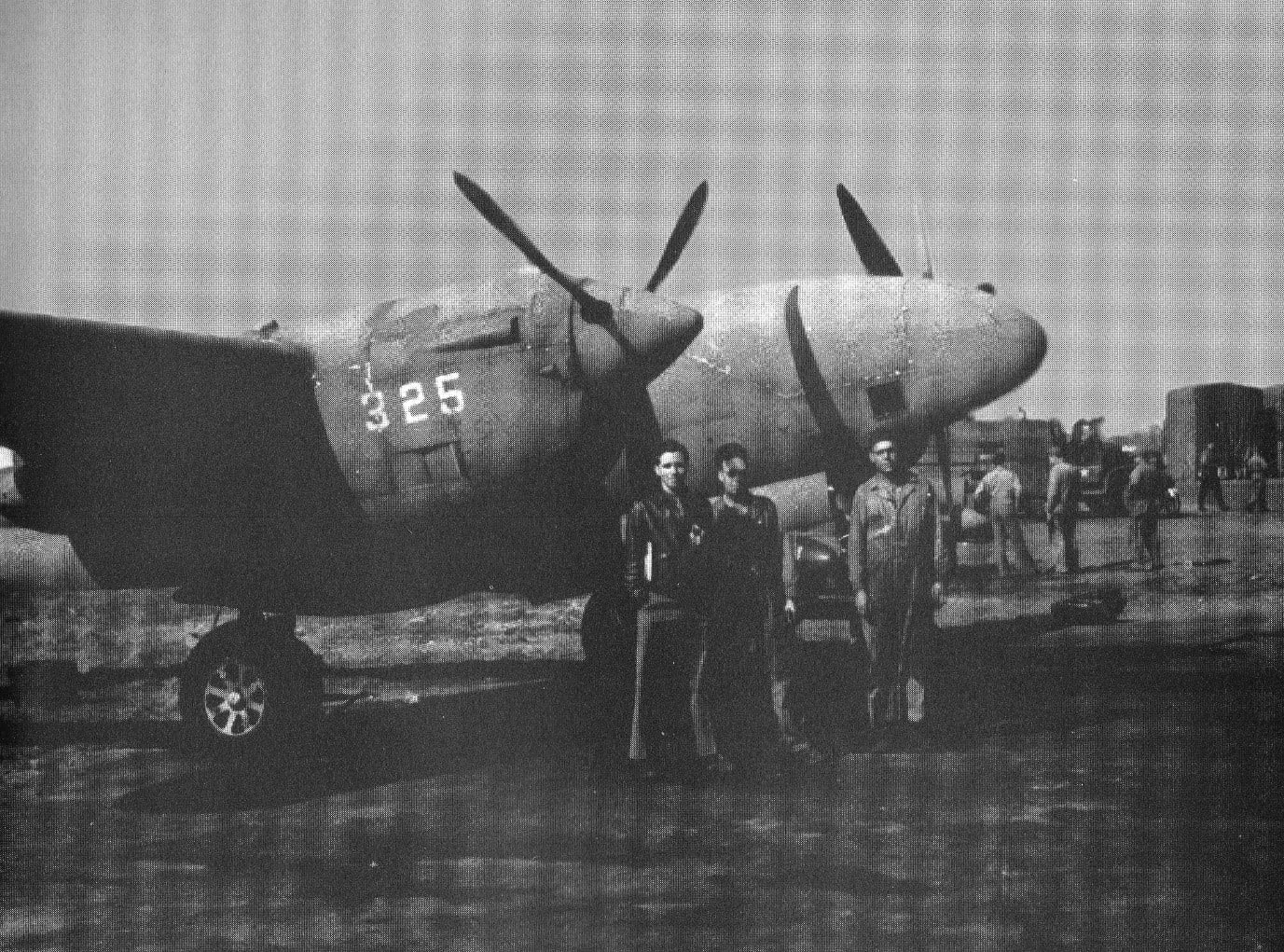
The aircraft was unarmed and fitted with a reconnaissance camera, which was entirely consistent with Warburton’s mission profile. Human remains were found within the cockpit, and forensic analysis confirmed the identity beyond doubt. After nearly six decades of uncertainty, the mystery was finally resolved. In May 2003, Adrian Warburton was laid to rest with full military honours at the Durnbach Commonwealth War Cemetery in Germany, offering a fitting and dignified closure to the story of one of the RAF’s most unconventional and legendary pilots.
Warburton’s Legacy Today
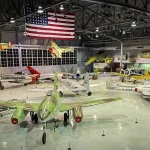
Though there is no honoured grave in Malta, Adrian Warburton’s legacy endures through memory and story rather than a physical monument. His courage lives on in the freedom Malta enjoys and in the accounts shared by those who witnessed the siege and the RAF’s efforts firsthand. Warburton is remembered at the Malta Aviation Museum in Ta’ Qali, where exhibits include aircraft and artefacts from the period. Visiting the museum brings to life the human cost of war and the bravery required of those who flew behind enemy lines. His story appeals to anyone interested in the human side of military history, including those who have never trained as pilots.
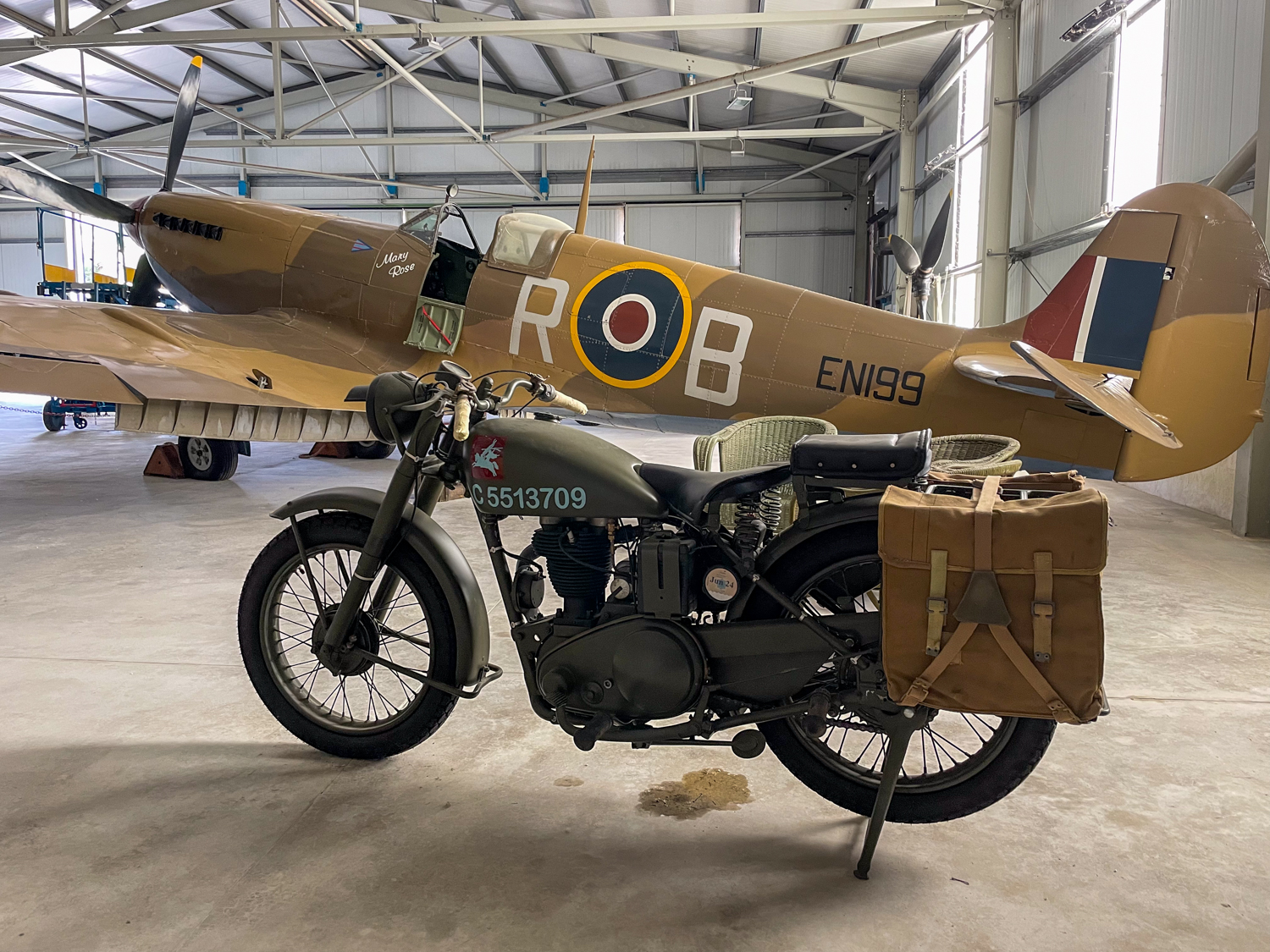
His disappearance also captured public imagination: Warburton was featured in The Mystery of the Missing Ace, an episode of the BBC investigative series Timewatch. The unresolved aspect of his fate for nearly six decades only deepened his legend and inspired further fascination. For readers seeking deeper insight, several niche books have kept Warburton’s story alive. Notable titles include Warburton’s War by Tony Spooner; Malta’s Greater Siege & Adrian Warburton and Ladies of Lascaris: Christina Ratcliffe and the Forgotten Heroes of Malta’s War, both by Paul McDonald; and Carve Malta on My Heart by Frederick R. Galea. You don’t need aviation training to appreciate Warburton’s legacy. His story endures: a testament to the bravery, resilience, and quiet determination of one of the RAF’s most extraordinary figures.
About the author
 Paola Bertoni is an Italian travel writer and aviation enthusiast. She explores the intersections of history, culture, and aviation on her blog Paola Everywhere (www.paolaeverywhere.com), aiming to inspire meaningful travel through research-driven storytelling.