








According to the Bureau of Transportation Statistics, as of 2023, there are 19,919 airports in the United States, of which 5,217 are designated as “public use,” including for general aviation and other activities. That is a staggering number indeed—and it raises the question: how many airports have closed over the history of the United States? There isn’t a definitive count, but it’s estimated that thousands of airfields have been abandoned, many linked to military conflicts or rendered obsolete over time. For example, Paul Freeman’s research has identified 2,830 abandoned facilities, highlighting sites that were once bustling hubs of aviation activity. Documenting these airports has become the mission of Freeman and his website, Abandoned & Little-Known Airfields, which has become a key reference for researchers, historians, and aviation enthusiasts alike. We spoke with Freeman to learn more about his work.
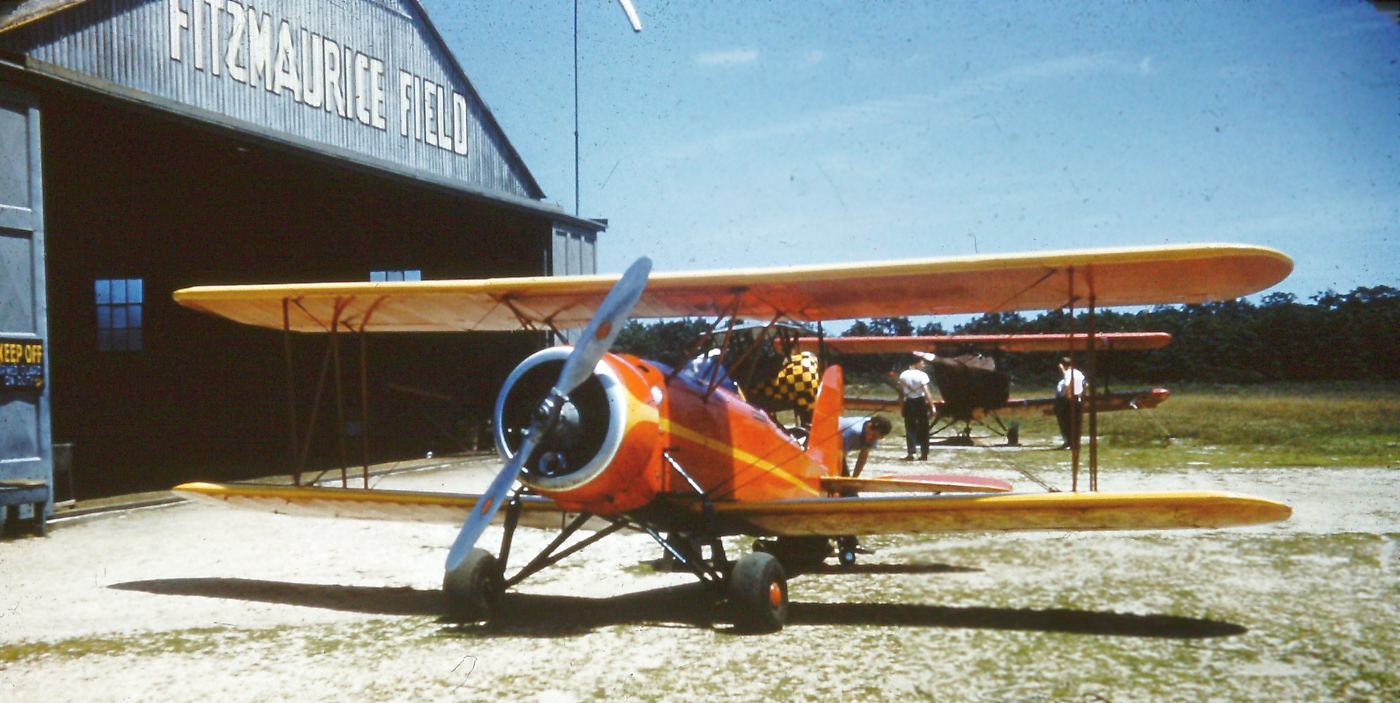
For aviation enthusiasts and history buffs, the story of America’s vanished airports is a fascinating one—and no one has chronicled it more extensively than Paul Freeman. A private pilot and aerospace engineer, Freeman has spent decades in aviation, working on military flight simulators and in air traffic control. But it was personal curiosity that sparked the creation of his website over 25 years ago.
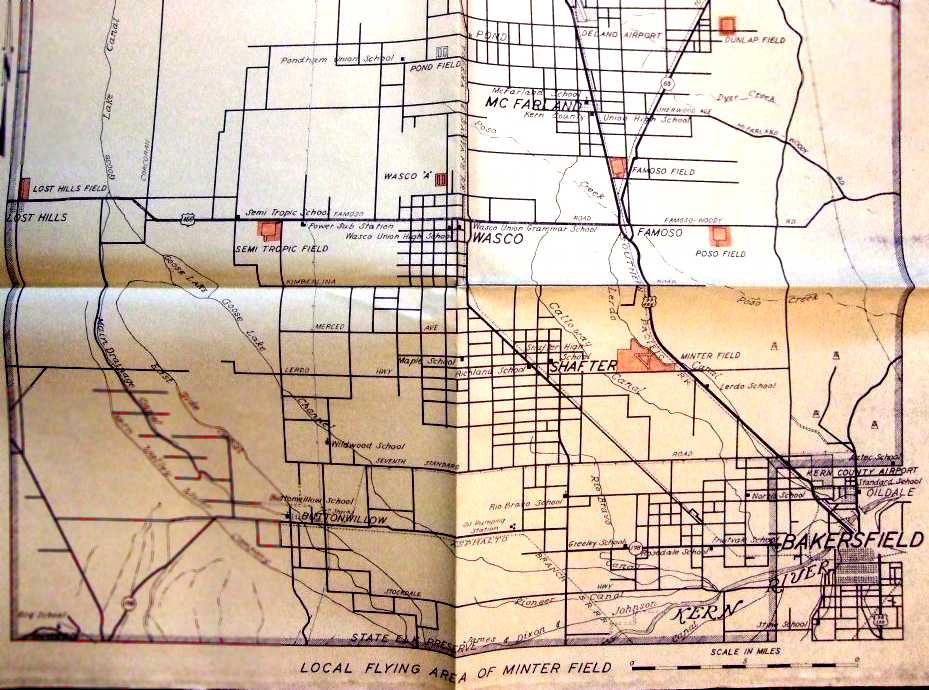
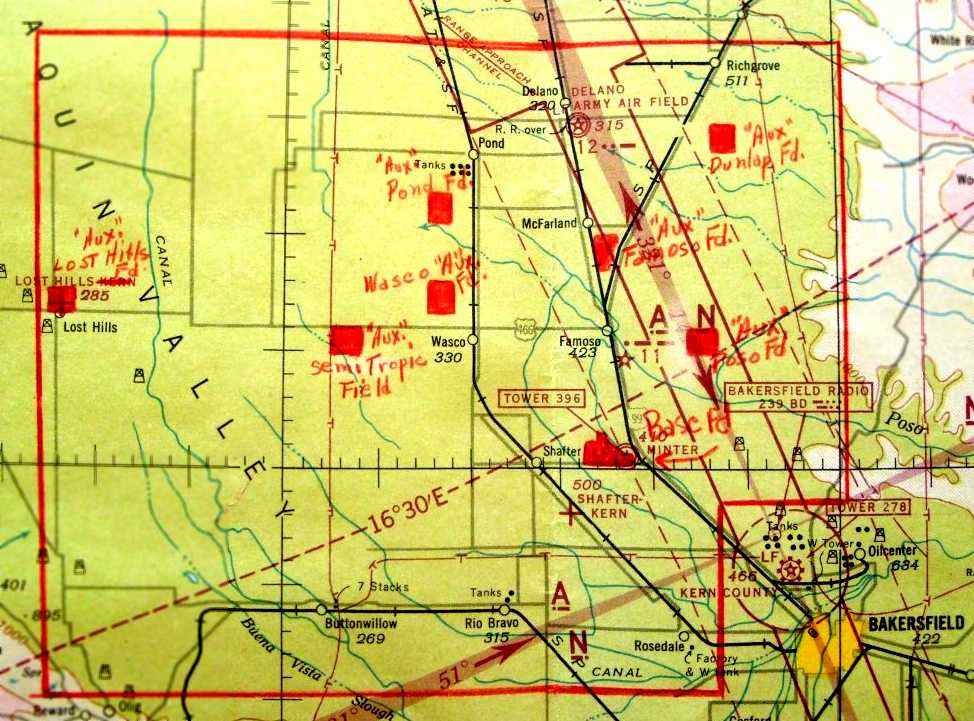
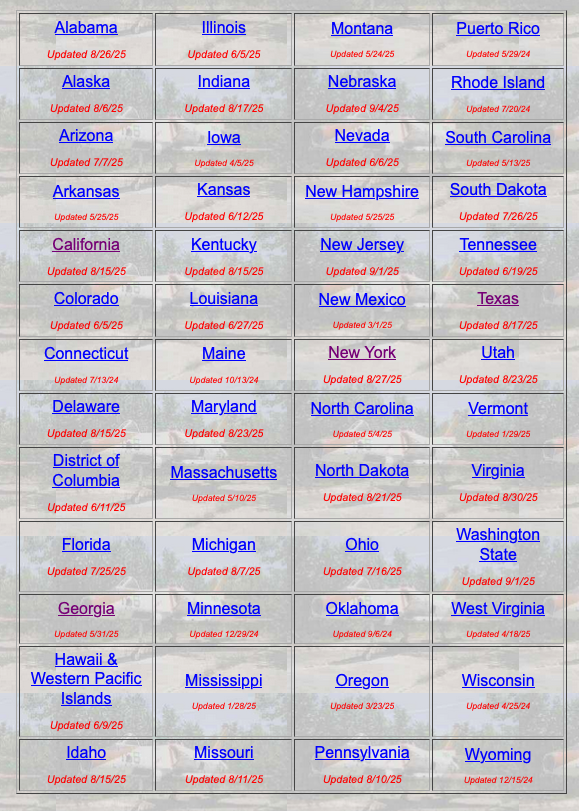
“Once I started studying sectional charts during my private pilot training, I noticed symbols indicating abandoned airfields,” Freeman explains. “It piqued my curiosity—I thought, ‘I didn’t know there used to be an airport here.’” The advent of the internet and mapping tools like Google Maps and Google Earth made tracking these forgotten sites far easier. In 1999, Freeman began compiling aerial photos and snapshots of old charts on a personal website, expecting little interest. To his surprise, emails poured in from people with personal connections to the airfields—former pilots, military veterans, and aviation enthusiasts. “It snowballed quickly,” Freeman says. “Now the site documents over 2,500 former airfields across all 50 states.”
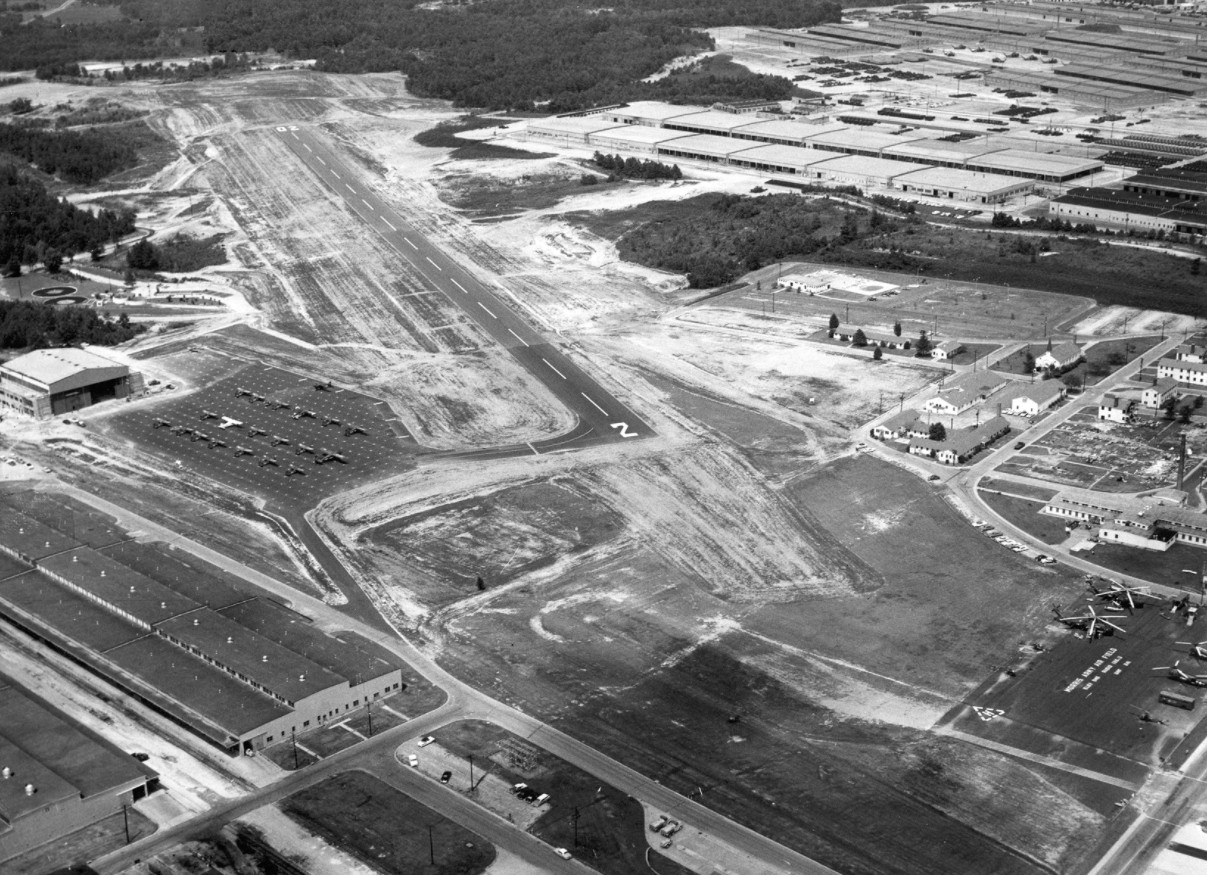
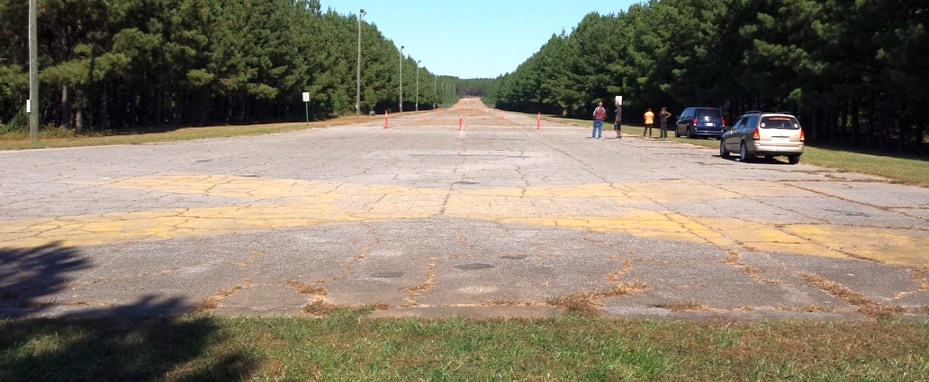
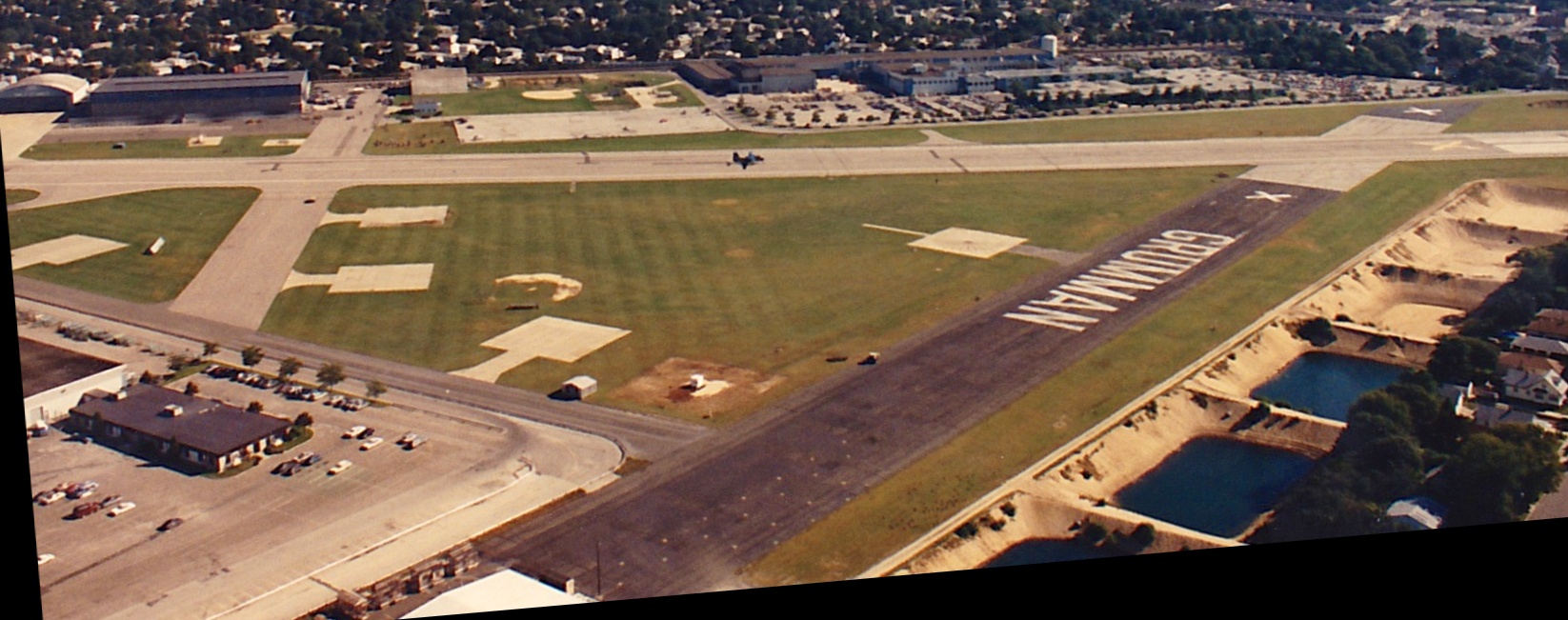
Freeman approaches his work like amateur journalism, relying on official documents—sectional charts, topographical maps, and aerial photographs—to verify each site. “I try to have at least one image of an airfield before posting,” he notes. “Photos don’t lie, and they show what these airports looked like when they were active—and what they look like now.” This method allows visitors to see then-and-now comparisons, whether the airfield remains abandoned or has been replaced by suburban development.
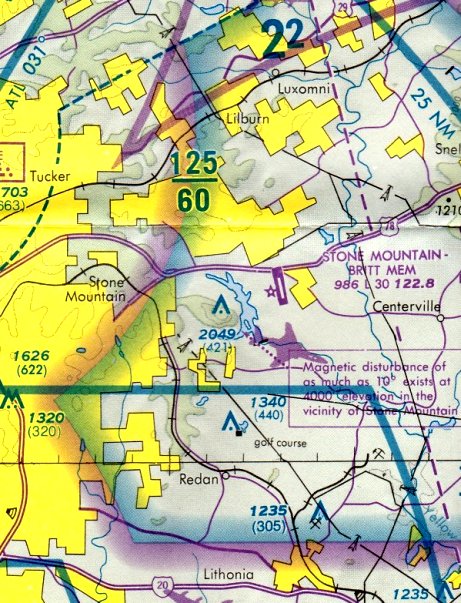
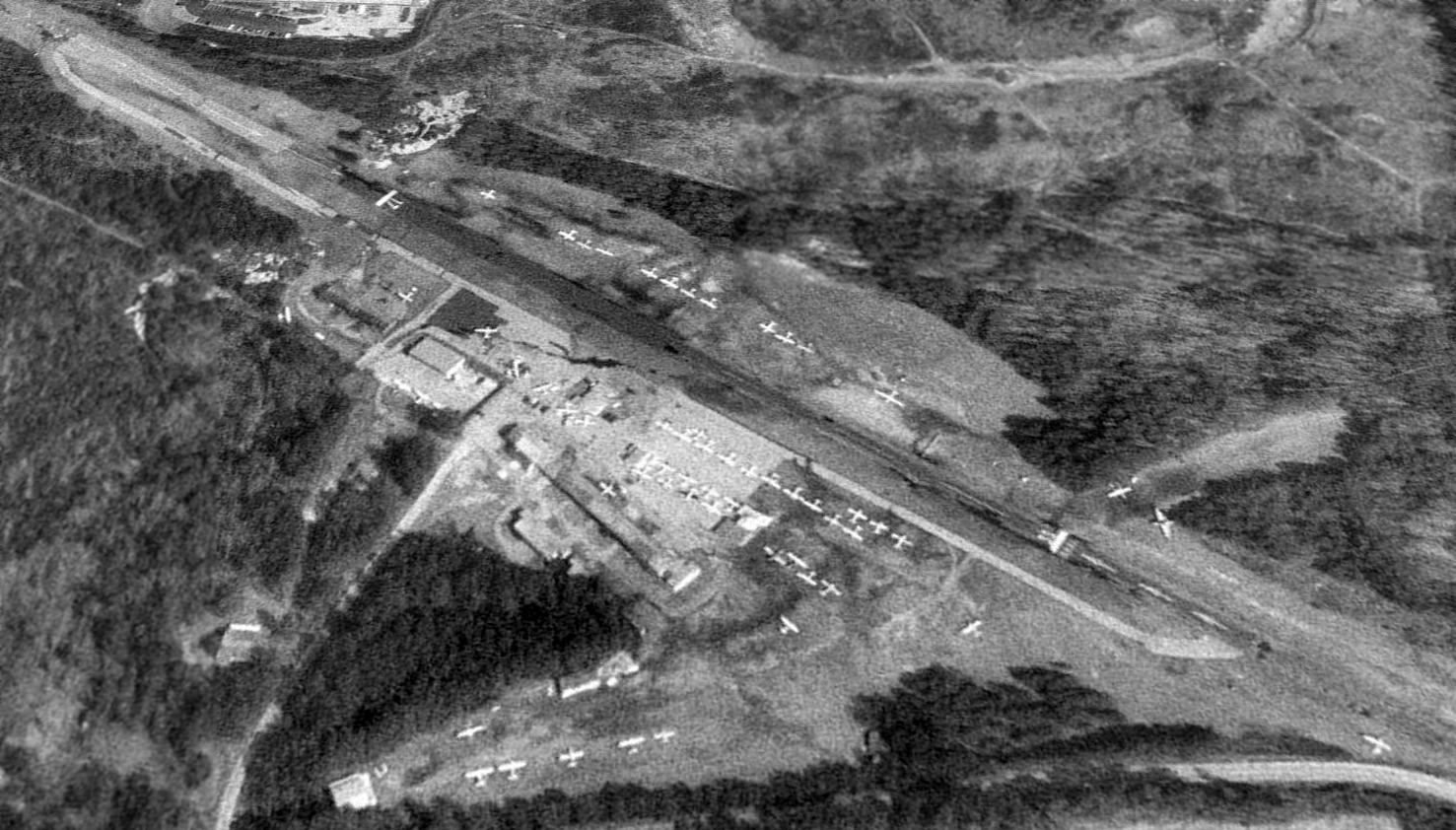
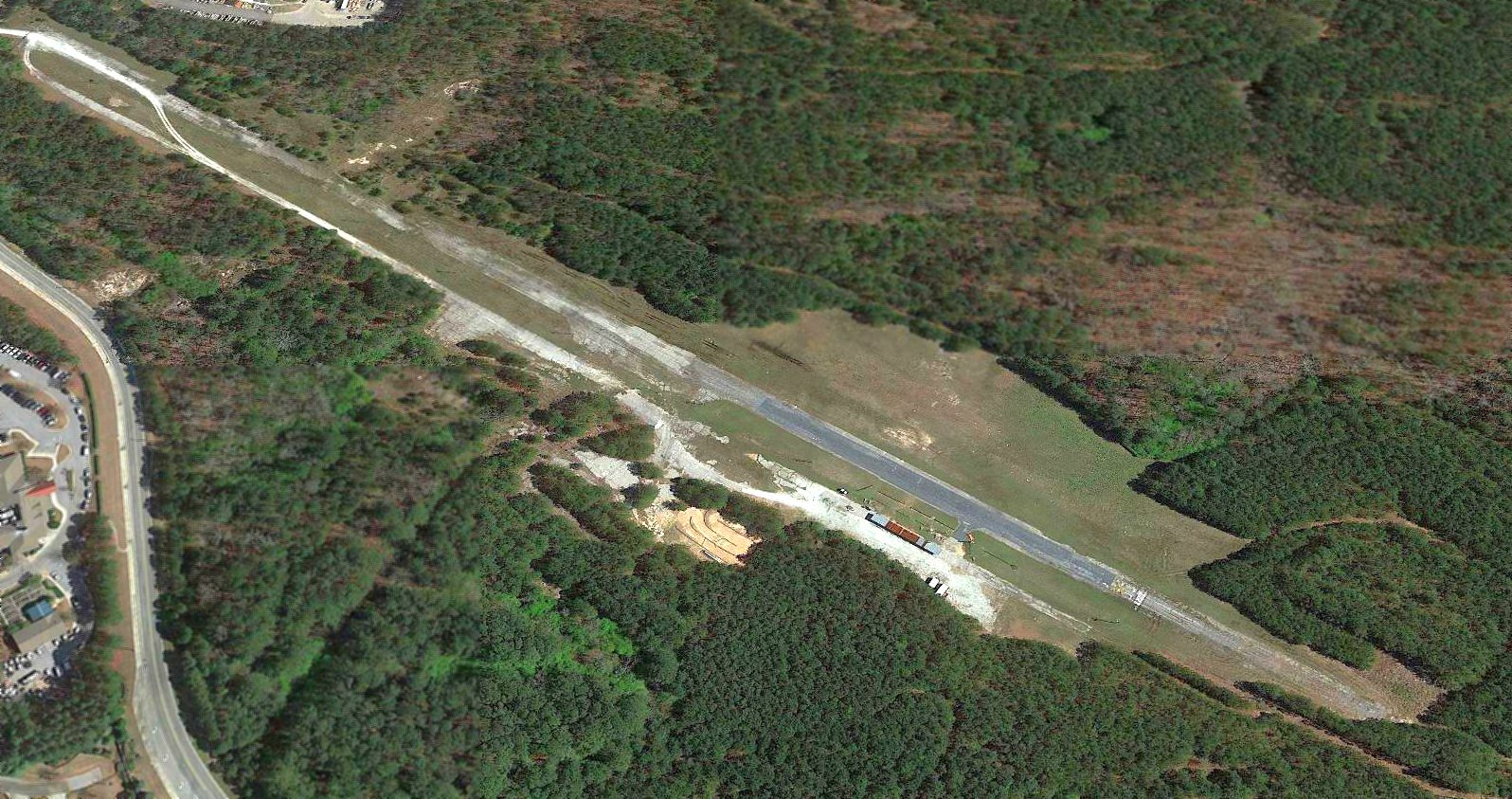
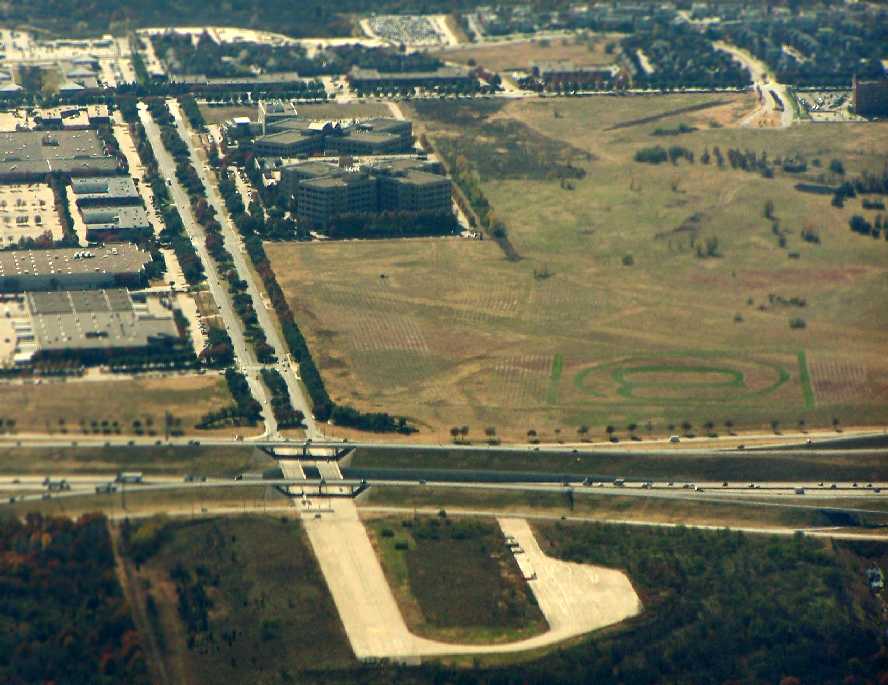
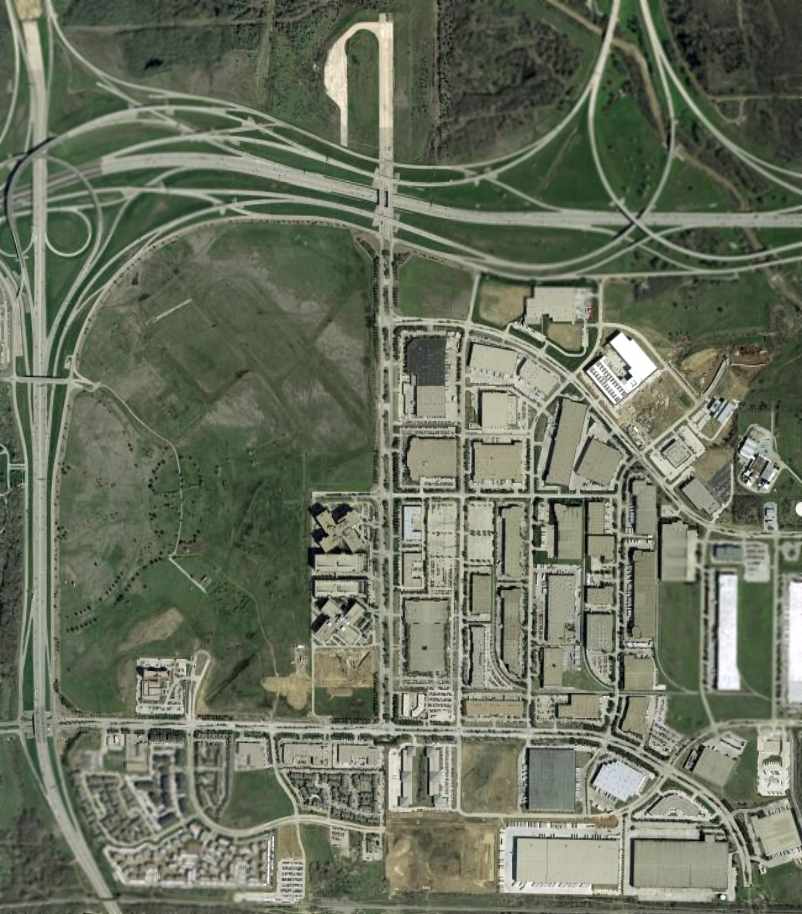
The research process is highly collaborative. Freeman receives regular contributions from a network of like-minded enthusiasts who provide charts, photographs, and historical context. “Some have been sending me material for 25 years,” he says. “It’s amazing because I’ve never met most of them, but we share a passion for aviation history.” Among the many sites Freeman has documented, one of the most remarkable is Greater Southwest International Airport, also known as Amon Carter Field, near Dallas-Fort Worth. Built in the 1940s as a major jet-capable airport, it was abandoned only a few years later when federal authorities encouraged the two neighboring cities to consolidate efforts and build what is now Dallas-Fort Worth International Airport. Today, only a fragment of the original runway remains, visible from planes approaching DFW.
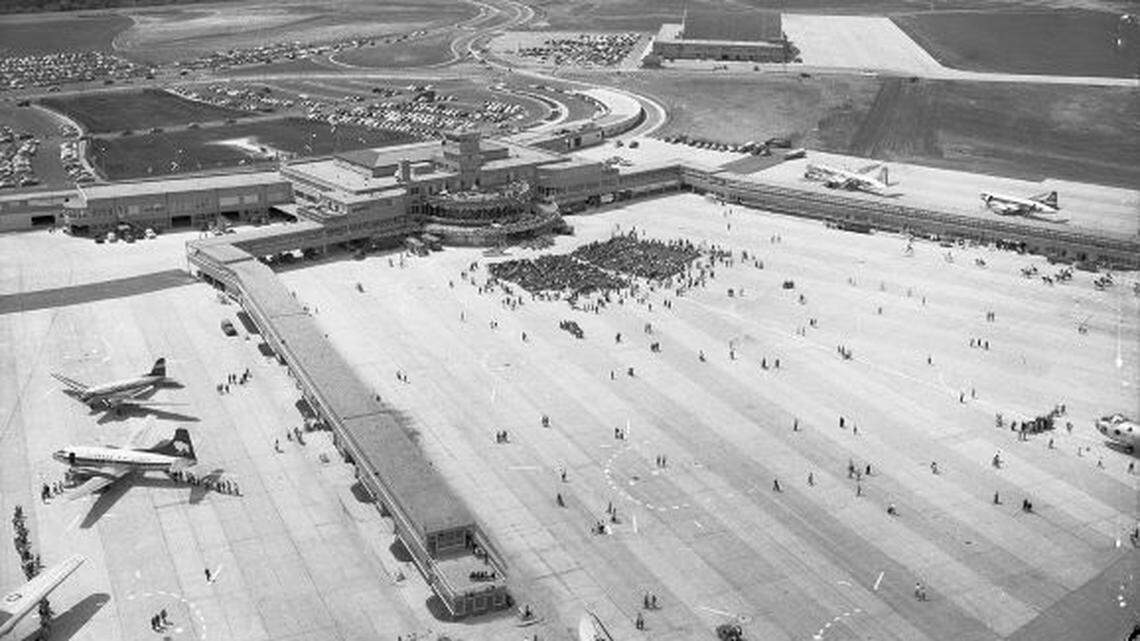
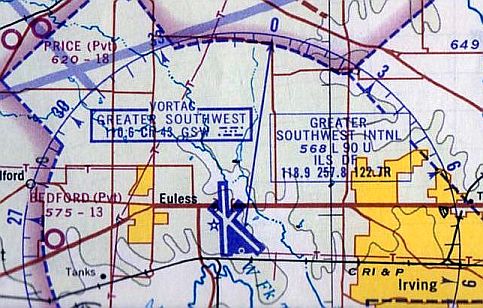
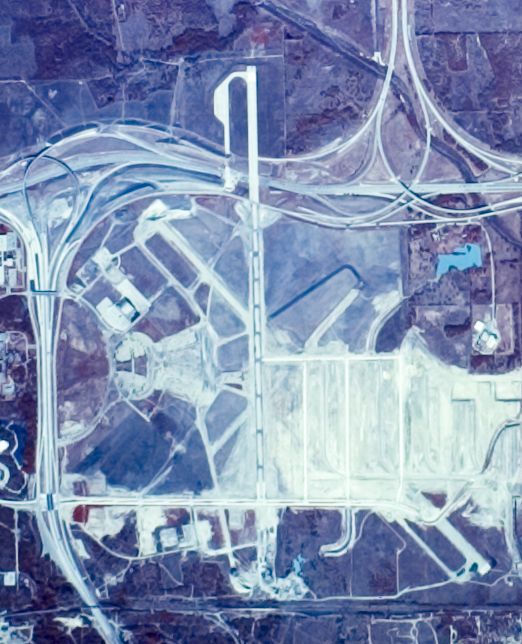
Freeman’s site has also had an unexpected influence on aviation advocacy. By documenting the loss of general aviation airports, it has motivated visitors to support local airports in their own communities, attending hearings and helping protect them from closure. Looking ahead, Freeman hopes to enhance the website with a graphical, clickable map to make navigation more intuitive, though he continues to prioritize content over web design. “I purposely kept the site simple so I could focus on documenting more airfields,” he says.
For those interested in aviation history, Freeman encourages contributions. “If you have photos or information about a former airfield, send it my way. It’s completely collaborative, and it helps preserve the memory of these fascinating places.” Abandoned & Little-Known Airfields remains a treasure trove for anyone curious about the forgotten corners of American aviation history—where runways once stretched across the landscape and the echoes of propellers linger in memory. To support Paul’s work, you can make a donation at THIS LINK.






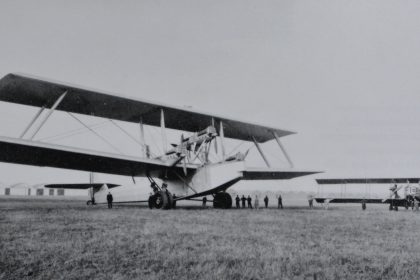
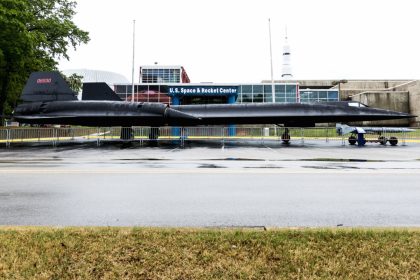
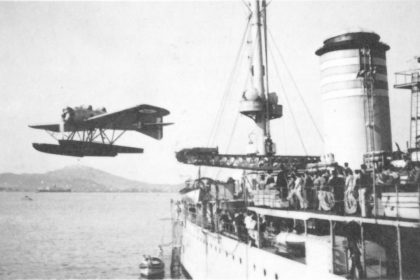







As a long time user and supporter of Paul’s site, I can say that it is an invaluable tool for aviation historians and for anyone with a general interest is seeing to story of old airports. Bravo!
Great site having given data and used it myself for oklahoma lost and abondef airfields. This site is of immense reference for early fields across the nation. C. E. Gregory