






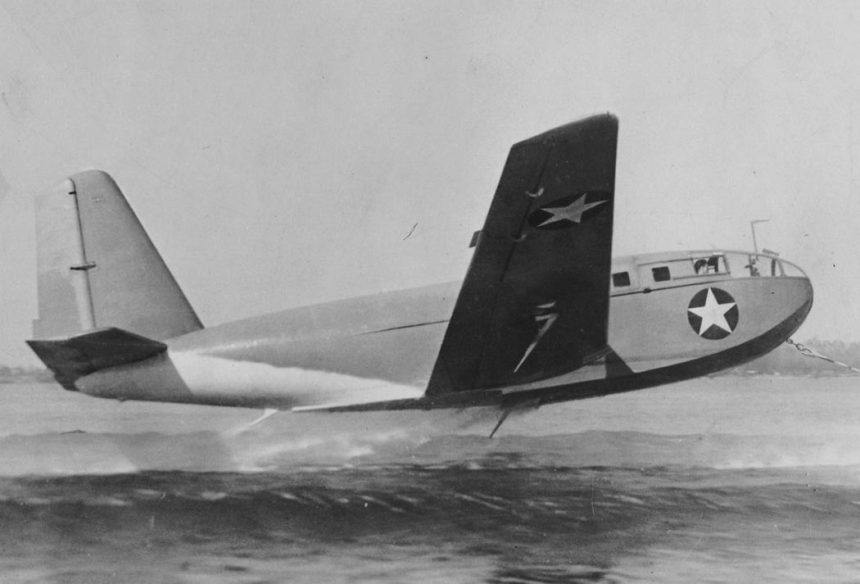


In WWII, when Germany invaded Belgium on May 10, 1940, the event became the first recorded use of military gliders in aviation history. Military gliders were unpowered aircraft towed by larger aircraft and released over battlefields to deliver troops and supplies. As a result, the US Navy became interested in military gliders. In April 1941, Captain Marc Mitscher suggested that the Navy develop a glider to carry groups of Marines during beach assaults against enemy forces. The Bureau of Aeronautics created the basic design and then gave it to industry to build. The first model was made by the Bristol Aeronautical Corporation and called the XLRQ-1. The Navy also contracted Allied Aviation Corporation to develop two prototypes of Allied Aviation XLRA, designated the XLRA-1 and XLRA-2.
Design of Allied Aviation XLRA
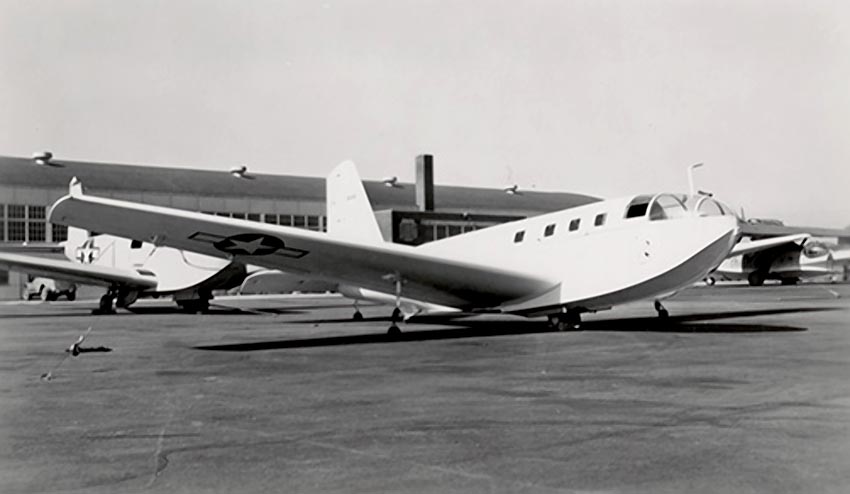
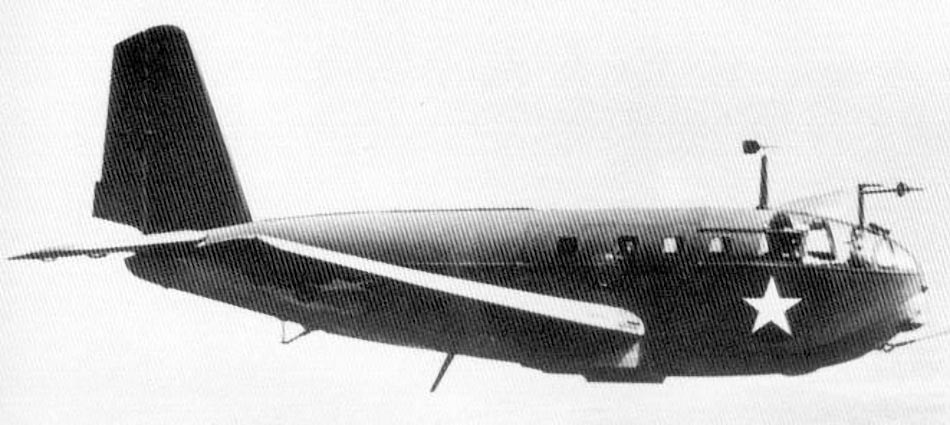
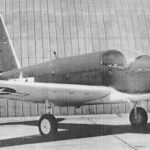
The Allied Aviation XLRA was a wooden monoplane with low wings that could carry ten soldiers. Two prototypes of the XLRA-1, with an interest in buying 100 after testing, were built. The glider was 40 feet long, 12 feet high, with a wingspan of 72 feet. Meanwhile, Bristol developed a basic XLRQ model by mid-1942, which was tested in October 1942. The glider could carry a crew of two and transport 10 equipped Marines along with their gear. It measured 43.6 feet long and 16 feet high, with a wingspan of 71 feet and a wing area of 500 square feet. In the US Navy, XLR referred to an experimental transport glider, while Q referred to Bristol, and A to Allied. The XLRA-1 was similar to the XLRQ-1. It had a dual-center-wheel configuration and skids on the wings for safe landings. The XLRA-2 featured a removable two-wheeled landing gear, allowing it to take off from land and land on water. The wing was called a “float wing” because it was a flying and floating wing and did not require additional wingtip floats. The hull had a two-step design that helped it glide on water. It was mostly made of wood, with the fuselage and wing covered in treated plywood.
The Cancellation
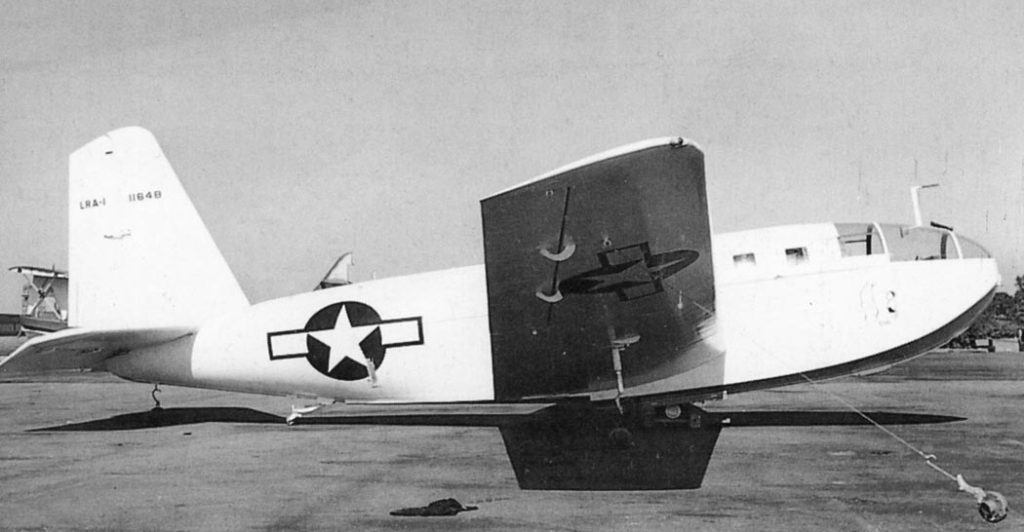
The testing used amphibious aircraft such as the J2F-5 Duck and the PBY-5A as tow planes. The Allied Aviation XLRA was considered ideal for recapturing islands the Japanese had captured early in the Pacific War. However, real combat showed that beach defenses were strong and even armored landing craft and amphibious vehicles were vulnerable during attacks on defended beaches. As a result, in 1942, the orders for 100 Allied Aviation XLRAs were canceled, along with an order for a 22-seat twin-hulled transport glider. However, Bristol received an order to build 100 XLRQs as LRQ-1 models, but it was also canceled in September 1943. In the Grounded Dreams series, though other branches of the US Armed Forces used gliders, the Navy and Marines stayed away from them. The US Marines determined that gliders were not useful for operating on small, heavily defended islands in the Pacific, which was their original purpose. They found that the gliders worked well only in safe areas, such as jungles, and required protective lagoons for landing. As a result, the Marines decided to abandon the use of gliders in their operations. Read more Grounded Dreams articles HERE.







What a crapass looking design. Floating or notthe wings are too low