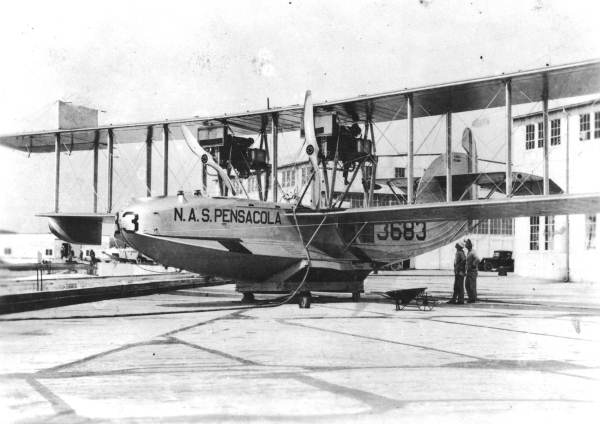


On this day in aviation history, 106 years ago (July 6, 1920), radio navigation was used by an aircraft for the first time. Departing from Hampton Roads, Virginia, a United States Navy Curtiss-built Felixstowe F-5-L flew towards the USS Ohio, which was cruising off the mid-Atlantic coast. Armed with only the knowledge that the Ohio was within a 100 miles radius of them, the crew utilized the radio receiver on board to home in on their way to the ship. The USS Ohio had a radio laboratory onboard, which emitted a signal for the F-5-L crew to find.
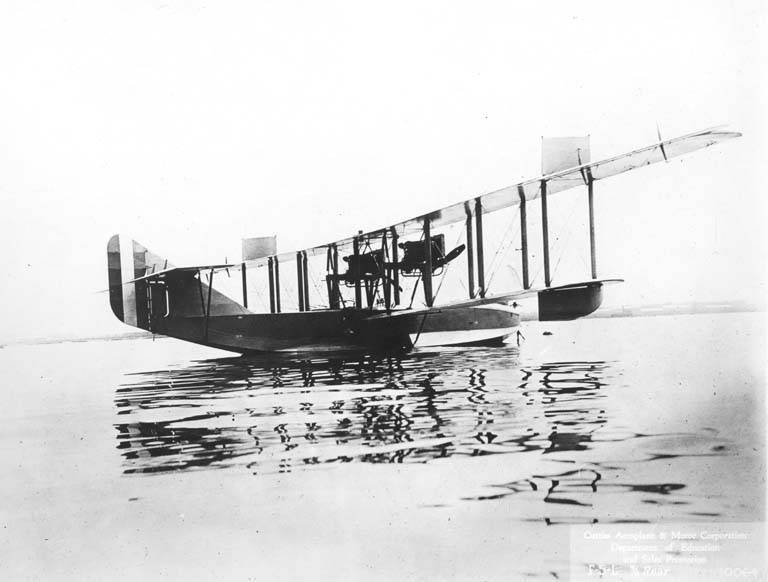
A mere 5 minutes passed before the F-5-L crew managed to direct their radio finder to the USS Ohio’s orientation. The pointer on their radio direction indicator gave the bearing to the ship, and after 90 minutes of flight time, the Felixstowe and crew had spanned the 100 miles necessary to reach the Ohio. A flight back to land was handled in much the same fashion, as the crew dialed in a land-based radio frequency from a station in Norfolk. Following the pointer, the crew circled the USS Ohio and headed back for home.
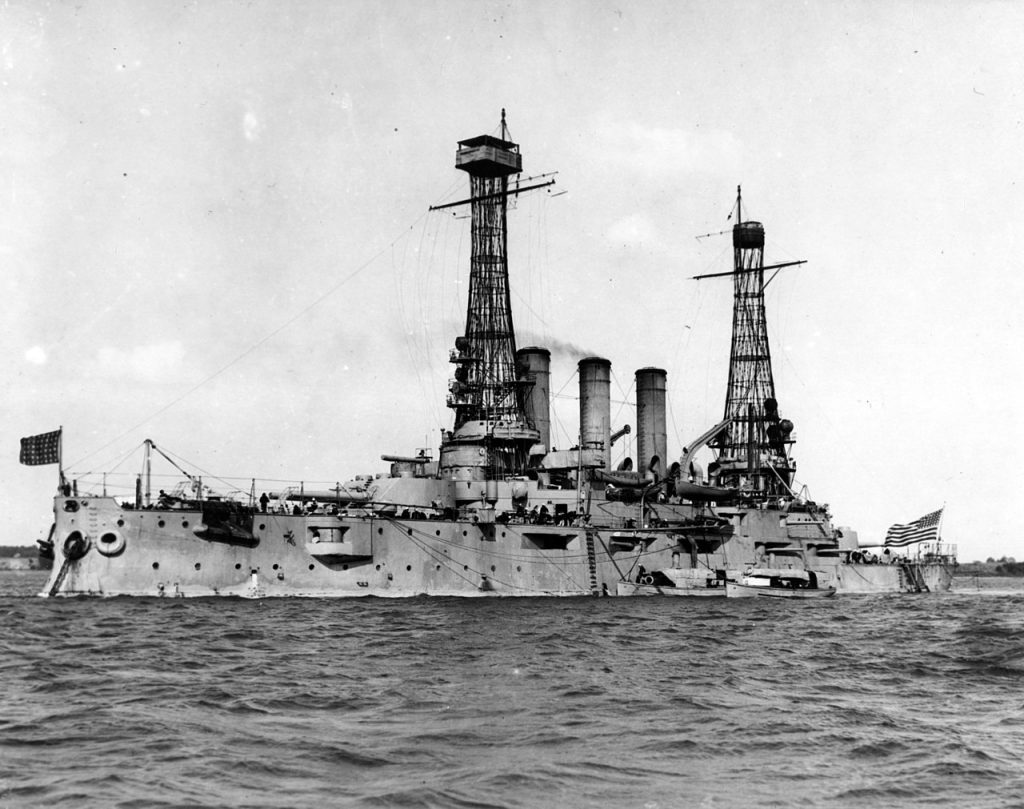
This early form of Automatic Direction Finder, or ADF, is still found on board many aircraft flight decks today. Though the technology is antiquated and slowly being phased out in favor of GPS-based equipment, ADF has provided a reliable and predictable means of navigation for decades. ADF primarily used AM-based stations as a source for radio signals, a simple and effective way to find one’s way around the skies.